Last updated November 17, 2026

Free written scope consultation - allowances, timeline, and change-order rules on paper before a single trade is scheduled
Driveway & Pavers Maintenance Checklist for El Monte Homeowners
A paver driveway in El Monte can lose a large share of its sealed surface protection within a single summer if the wrong sealer went down at installation, and most homeowners don’t find out until the joint sand starts washing into the gutter during the first hard rain. We’ve walked driveways off Peck Road and up into the hills near Legg Lake where the finish looked fine on the surface but the joints had already gone hollow. This guide gives you a season-by-season checklist built for El Monte’s actual climate: intense summer UV, a real urban heat island, and winter rain that arrives fast. You’ll learn what to do in spring, summer, fall, and winter, how to protect your manufacturer warranty, and when a repair stops being a weekend task.
Quick Answer
Driveway paver maintenance in El Monte means resealing every 2 to 3 years with a UV-stable sealer, replenishing joint sand after each winter rain season, and pressure washing carefully once or twice a year depending on whether you have concrete or natural stone pavers. El Monte’s high summer UV and heat island effect break down sealer faster than coastal California, so a schedule that works in Santa Monica will fall short here. Skip these seasonal tasks and you not only shorten the life of the driveway, you can void the manufacturer warranty on the pavers.
Table of Contents
- Why El Monte’s Climate Wears Down Pavers Differently
- Spring Prep: What to Check Before the Heat Arrives
- Summer Protection: Sealer, UV, and the Heat Island Effect
- Fall Reset: Joint Sand and Pre-Rain Repairs
- Winter Watch: What El Monte Rain Does to Joints and Base
- Pressure Washing: Concrete Pavers vs. Natural Stone
- What Maintenance Voids a Paver Warranty (and How to Document Upkeep)
- The One-Page Annual Maintenance Calendar
Why El Monte’s Climate Wears Down Pavers Differently
Most driveway maintenance advice online is written for wet, cool climates. El Monte sits in the San Gabriel Valley, inland from the coast, where summer temperatures routinely push past 95°F and the UV index climbs into the very high range from June through September. That combination hits pavers differently than the damp Pacific Northwest or the mild coastal strip. The sun doesn’t just fade color; it attacks the sealer’s polymer chains, and once the film starts to chalk, water gets underneath and the whole protective layer begins to fail from within.
The urban heat island effect adds a second punch. Dense paving, low tree canopy, and masonry buildings across El Monte hold daytime heat and release it slowly overnight. A driveway surface that would hit 130°F in a shaded neighborhood can push well beyond that on a west-facing slab near Valley Boulevard, and the sealer and joint sand bake at that temperature for hours. We’ve seen joints open up on unshaded driveways in the flats of El Monte a full season before the same material would fail on a shaded property a mile away.
Then comes winter. El Monte’s rainy season runs roughly November through March, and the storms tend to arrive in concentrated bursts rather than steady drizzle. That’s the pattern that finds weak joints: a dry, baked-out driveway gets hit by a fast, heavy rain, water runs under the paver edges, and the base starts to move. The wear pattern here is feast or famine, not constant moisture, and the checklist below is built around that rhythm.
- Summer UV: degrades sealer and fades color faster than coastal climates.
- Heat island: pushes surface temps higher, baking sealer and joint sand.
- Winter bursts: concentrated rain finds weak joints and moving base.
- Dry season: landscape soil shrinks, and clay-heavy soil can shift paver edges.
Spring Prep: What to Check Before the Heat Arrives
Spring is the window where you undo winter’s damage before the sun locks it in. In El Monte, that means inspecting by March or early April, once the last meaningful rain has passed and before the first 90°F stretch. Do this inspection on a dry day, and walk the whole driveway slowly rather than glancing from the street.
- Walk the joints. Press a screwdriver tip into the joint sand every few feet. If it sinks more than about half an inch before resistance, the sand has washed out and needs topping off.
- Check the edges. Look where the pavers meet the curb, garage apron, and landscape beds. Gaps or settling at the edge are the first sign the base is moving.
- Look for rocking pavers. Step on each course. A paver that rocks underfoot has a void beneath it and needs to be lifted and reset, not glued.
- Test the sealer. Drip a little water on the surface. If it beads, the sealer is still working. If it soaks in and darkens the paver, it’s time to reseal.
- Clear the drainage path. Sweep out the channel drains and the slope toward the street so spring and summer water has somewhere to go.
Spring is also the best time to schedule a professional look if you’re unsure about the base. A rocking paver in the parking strip off Tyler Avenue may be one bad paver, or it may be a settling base that needs the whole section reset. Our Driveway & Pavers in El Monte service covers that kind of inspection and repair if you’d rather not guess. Getting it fixed in spring is far cheaper than repointing a failed joint line in August.
Summer Protection: Sealer, UV, and the Heat Island Effect
Summer is when El Monte driveways take their hardest hits. The UV index here runs high to very high for months, and every hour of direct sun is a small withdrawal from your sealer’s lifespan. If the wrong sealer was used at installation, or if it’s been more than three summers since the last coat, the protection is mostly gone by July. This is the season to protect what you have and reseal before the worst heat.
Resealing in El Monte should happen in late spring or early summer, not in the middle of an August heat wave. Sealer needs moderate temperatures to cure properly; applied in full sun at 100°F, it can skin over too fast, trap moisture, and blush cloudy. Aim for a morning application when the driveway is cool and the forecast is dry for at least 24 hours. A UV-stable, breathable sealer is the right choice here, and it’s worth confirming the product is rated for high-UV, high-heat climates rather than assumed.
- Reseal every 2 to 3 years on a sun-exposed El Monte driveway, more often on a west-facing slab with no shade.
- Apply early morning when the surface is cool and the forecast is dry for a full day.
- Use a UV-stable sealer rated for hot climates; cheap sealers chalk out in one season here.
- Water lightly during curing if you applied in warmer conditions, following the manufacturer’s directions.
- Keep joint sand full before sealing; sealer over hollow joints doesn’t fix the joints, it seals the problem in.
If your driveway sits in full western sun near the El Monte civic center or the flats off Garvey Avenue, expect to reseal on the shorter end of that range. Shaded driveways with mature trees can stretch to three years. Testing with a water drip in spring tells you which situation you’re in better than any calendar.
Fall Reset: Joint Sand and Pre-Rain Repairs
Fall in El Monte is the reset window. The heat breaks, the first rains are still weeks out, and the ground is dry enough to work on. This is when you replenish joint sand, fix any pavers that moved over summer, and get the drainage ready for the rain cycle. Skipping fall joint sand is the single most common cause of winter joint blowout we see on El Monte driveways.
- Clean the joints. Sweep or blow out loose debris from every joint. Sand needs to bond to a clean channel.
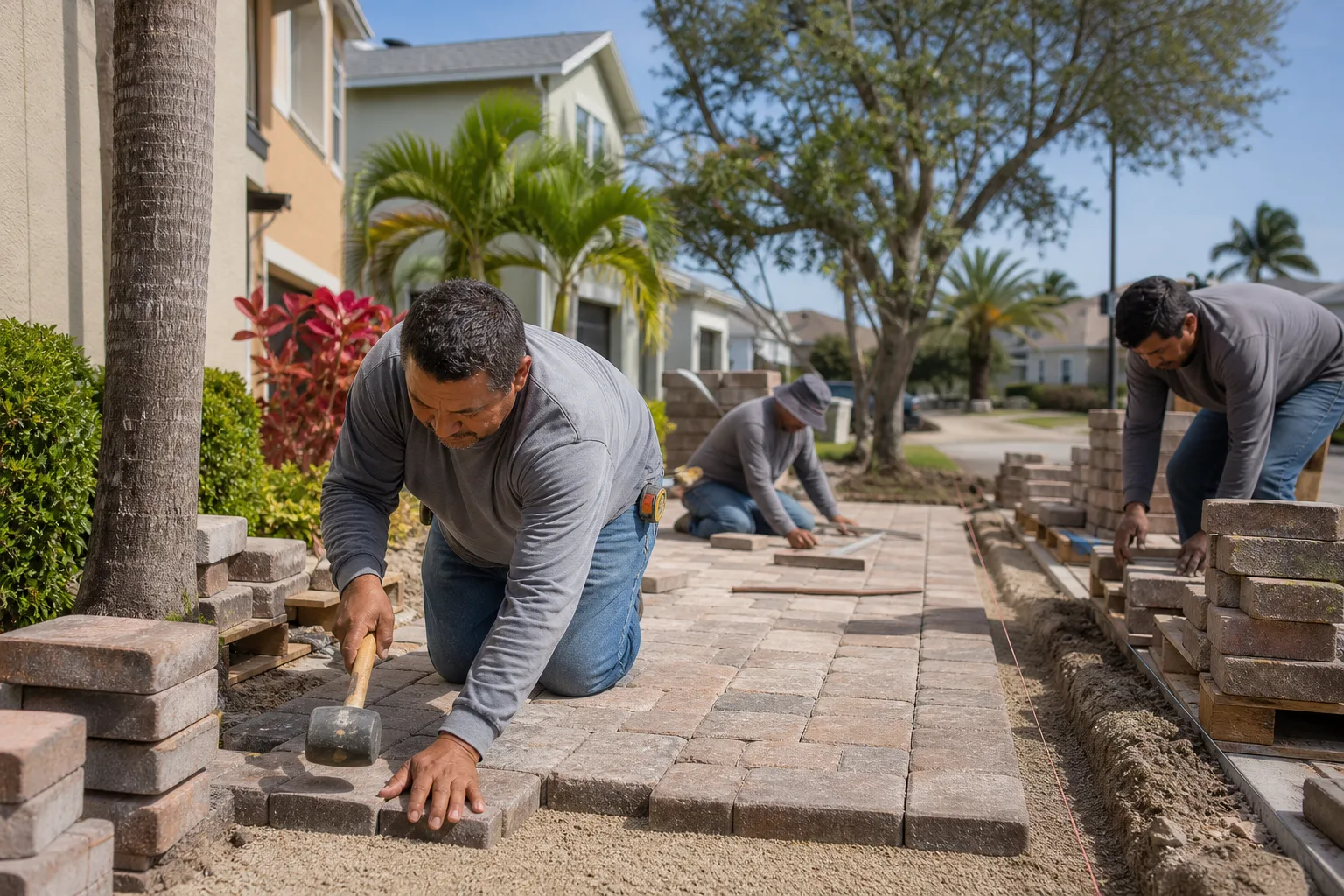
- Top off joint sand. Pour polymeric or the manufacturer-specified joint sand over the surface and sweep it into the joints until they’re full and level, then compact and mist lightly.
- Fill edge gaps. Where pavers meet the curb or apron, re-sand and compact thoroughly. These edges take the most water.
- Reset any rocking pavers before the rain gets under them.
- Check the slope and drains so winter water flows off the driveway and away from the garage.
- Note the date you did the joint sand and sealer, and file it with your warranty paperwork.
If your driveway connects to a new fence line or a backyard project you’re planning, coordinate the timing. Fresh fence installation in El Monte or a new home addition or ADU in El Monte will bring equipment across the driveway, so it’s worth scheduling the fall reset after that heavy traffic passes rather than before. One pass of joint sand after all the work is done is cheaper than two.
Winter Watch: What El Monte Rain Does to Joints and Base
El Monte’s winter rain is short and concentrated, and that’s exactly what finds the weak spots. When a baked-out driveway takes a hard rain, water runs into open joints, gets under the pavers, and softens the base. The pattern you’ll see afterward is a paver that rocks, a depressed line where the base washed out, or sand pushing up through the joints near the edge. Winter isn’t the time for heavy repair, but it is the time to watch and document.
- After each storm, walk the driveway and look for standing water that hasn’t drained within a few hours.
- Check the low corner where water pools; pooling is the first sign the slope or drain has changed.
- Look for sand on the curb or apron after rain, a clear sign joint sand is washing out.
- Note any new rocking or settling and photograph it before the next storm so you have a record.
- Keep gutters and drains clear so roof runoff doesn’t dump across the driveway and erode the edge.
Don’t panic at one wet spot after a hard storm. What matters is whether water clears within a day. If it sits for two or three days repeatedly, the base under that section is likely compromised, and that’s a spring repair, not a DIY patch. On El Monte’s clay-heavy soil, a base that’s already moving needs proper recompaction, not a layer of new sand swept over the top.
Pressure Washing: Concrete Pavers vs. Natural Stone
Pressure washing frequency in El Monte is not one-size-fits-all, and the difference between concrete pavers and natural stone matters more here than in cooler climates. Concrete pavers have a denser, more uniform surface and can generally handle a moderate pressure wash once or twice a year. Natural stone like travertine or flagstone is softer, more porous, and more temperature-sensitive; it can etch, pit, or discolor under the same pressure that cleans a concrete paver, especially when the surface is hot.
- Concrete pavers: pressure wash once or twice a year with a fan tip, keeping the wand moving and never holding it on one spot.
- Natural stone: use low pressure and a wide fan, or a soft wash with a suitable cleaner; avoid high pressure on hot days.
- Never wash in full summer sun. Cleaning a hot surface can drive cleaner into the stone and leave streaks.
- Re-sand the joints after washing if any joint sand washed out; washing always takes some sand with it.
- Skip the aggressive degreaser on natural stone unless the manufacturer says it’s safe.
The heat angle is the part most guides miss. In El Monte, a stone driveway in direct afternoon sun can be too hot to wash safely, so the cleaning should happen early morning on a cooler day. And if your driveway is near the El Monte Metrolink station or a busy commercial street, it may collect more road grime and tire film than a quiet residential court, which means one extra wash a year might be justified. Judge by how the surface looks and how the water beads, not by a strict schedule.
What Maintenance Voids a Paver Warranty (and How to Document Upkeep)
Manufacturer warranties on pavers aren’t unconditional. Most cover defects in the product, not damage from neglect, and a few specific maintenance failures will get a claim denied. The most common way El Monte homeowners lose coverage is by letting joint sand wash out and the base shift, then filing a claim for settling that a proper maintenance schedule would have prevented. The second is using the wrong sealer or a harsh chemical that damages the paver’s finish.
- Failure to maintain joint sand is the top reason claims get denied; hollow joints lead to edge failure and base movement.
- Wrong sealer or over-application can trap moisture and cause spalling or cloudiness the warranty won’t cover.
- Harsh chemicals and high-pressure washing on natural stone can void coverage on surface damage.
- Unapproved repairs done with the wrong materials or methods can void the section you touched.
- Missing documentation is the quiet killer; if you can’t show upkeep, a claim is a hard sell.
Documenting is simple. Keep a dated log of every reseal, joint sand refresh, and pressure wash, and keep the product names and receipts. Photograph the driveway each spring and fall so you have a before-and-after trail. If a rep or installer ever tells you a maintenance step is optional, get it in writing. That log is your leverage in a claim, and it’s also the single most useful thing to hand a contractor if you ever sell the home.
The One-Page Annual Maintenance Calendar
Here’s the whole year on one page, built for El Monte’s climate rather than a generic national schedule. Print it, tape it inside a garage cabinet, and check it off as you go. That log doubles as your warranty documentation.
- March to early April (Spring prep): Walk joints, check edges, test sealer with a water drip, clear drains, and note any rocking pavers.
- April to early June (Reseal window): Top off joint sand, then reseal with a UV-stable product on a cool, dry morning if the water test showed absorption.
- June through September (Summer watch): Test the sealer monthly with a water drip, keep joint sand full, and avoid washing in peak afternoon heat.
- September through November (Fall reset): Clean joints, top off joint sand, reset rocking pavers, check slope and drainage before the rains.
- November through March (Winter watch): After each storm, check for pooling water, sand on the curb, and new settling; photograph and log anything new.
If you’re planning a larger project – a new Groundwork Construction Co. of El Monte home improvement or a remodel that will bring trucks and materials across the driveway – schedule the fall reset after the work wraps up so the joint sand isn’t disturbed. That’s the kind of sequencing that saves a reseal. Our technicians have up to 12 years of experience reading exactly this wear pattern across the San Gabriel Valley, and we’re happy to walk your driveway and tell you honestly whether it needs a reseal or a repair.
Styles & brands we work with
- Kitchen remodeling
- Bathroom remodeling
- Home additions & ADU
- Roofing
- Windows & doors
- Driveway & pavers
- Fence
Common Mistakes to Avoid
- Using a coastal-climate maintenance schedule. A sealer cycle that works in Santa Monica falls short in El Monte’s inland heat; the sun here burns it off a full season sooner.
- Sealing over hollow joints. Sealer doesn’t fix washed-out joint sand, it seals the gap in; top off the sand first or the joints keep failing under the film.
- Resealing in the middle of an August heat wave. Applying sealer in full sun at 100°F causes it to skin over and blush cloudy; wait for a cool morning and a dry forecast.
- Pressure washing natural stone like concrete. Travertine and flagstone pit and etch under high pressure, especially on a hot El Monte afternoon; use low pressure and a wide fan.
- Skipping fall joint sand because it “looks fine.” The joints that look fine in October are the ones that blow out in the first heavy December rain, and that’s the most common denial reason on a warranty claim.
- Sweeping sand over a moving base. New sand over a settling section hides the problem for one season and makes the real repair bigger; lift and reset the section instead.
- Not documenting upkeep. No log, no receipts, and no photos means a manufacturer can deny a legitimate claim on a driveway that was actually well maintained.
See the difference
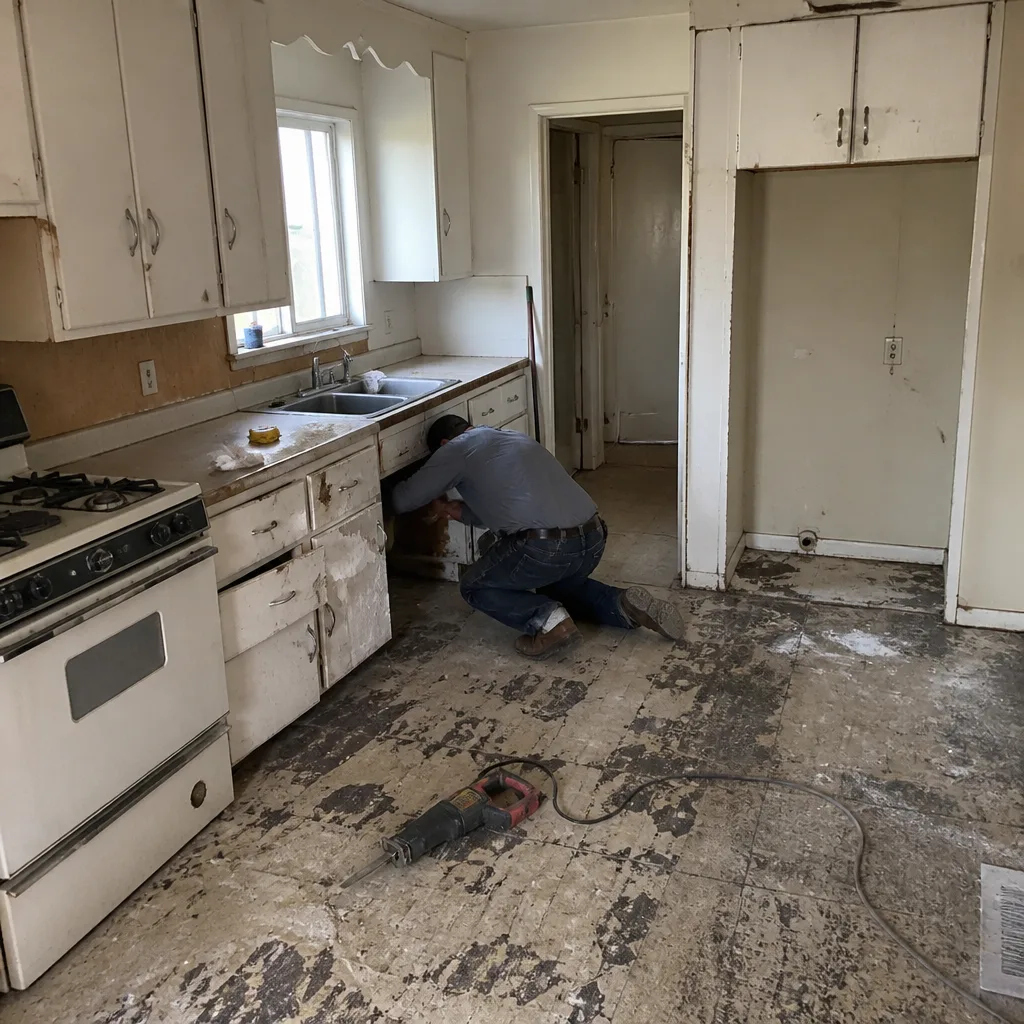 Before
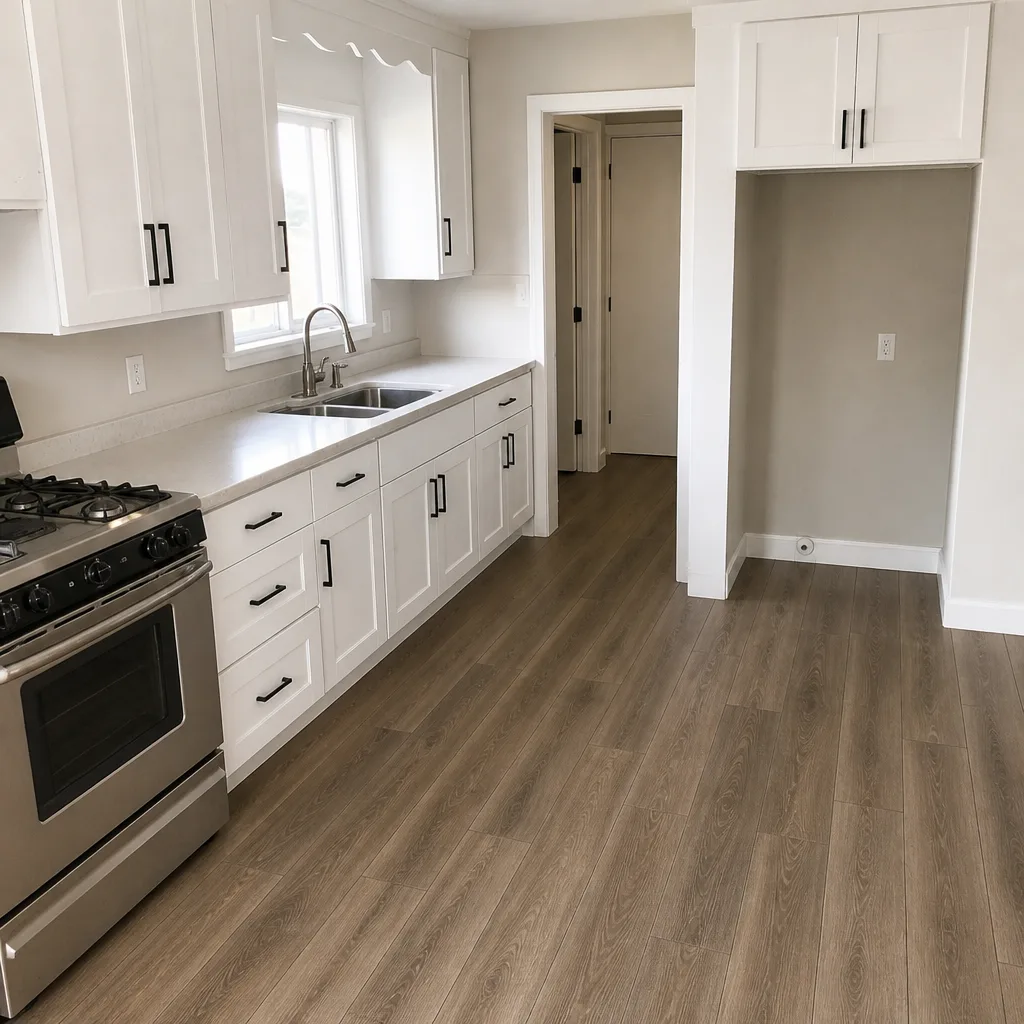 After
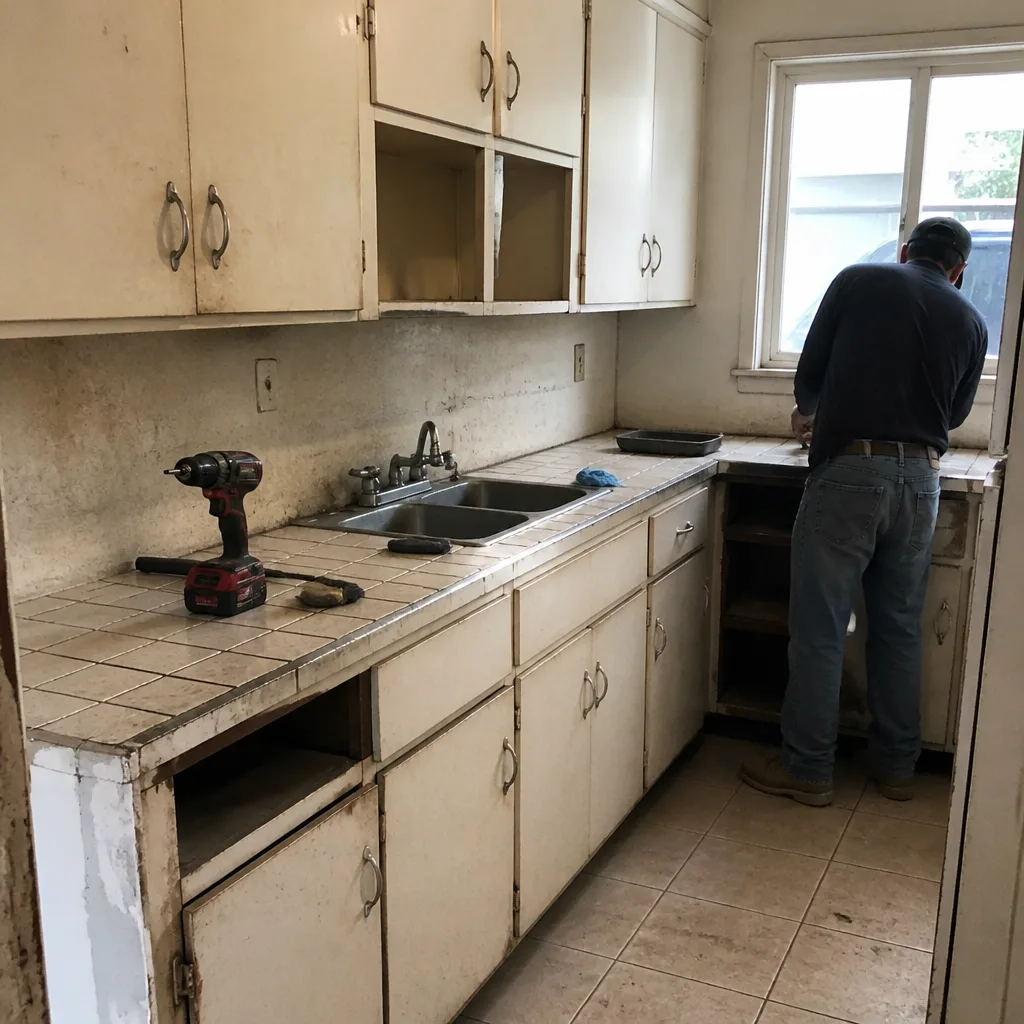 Before
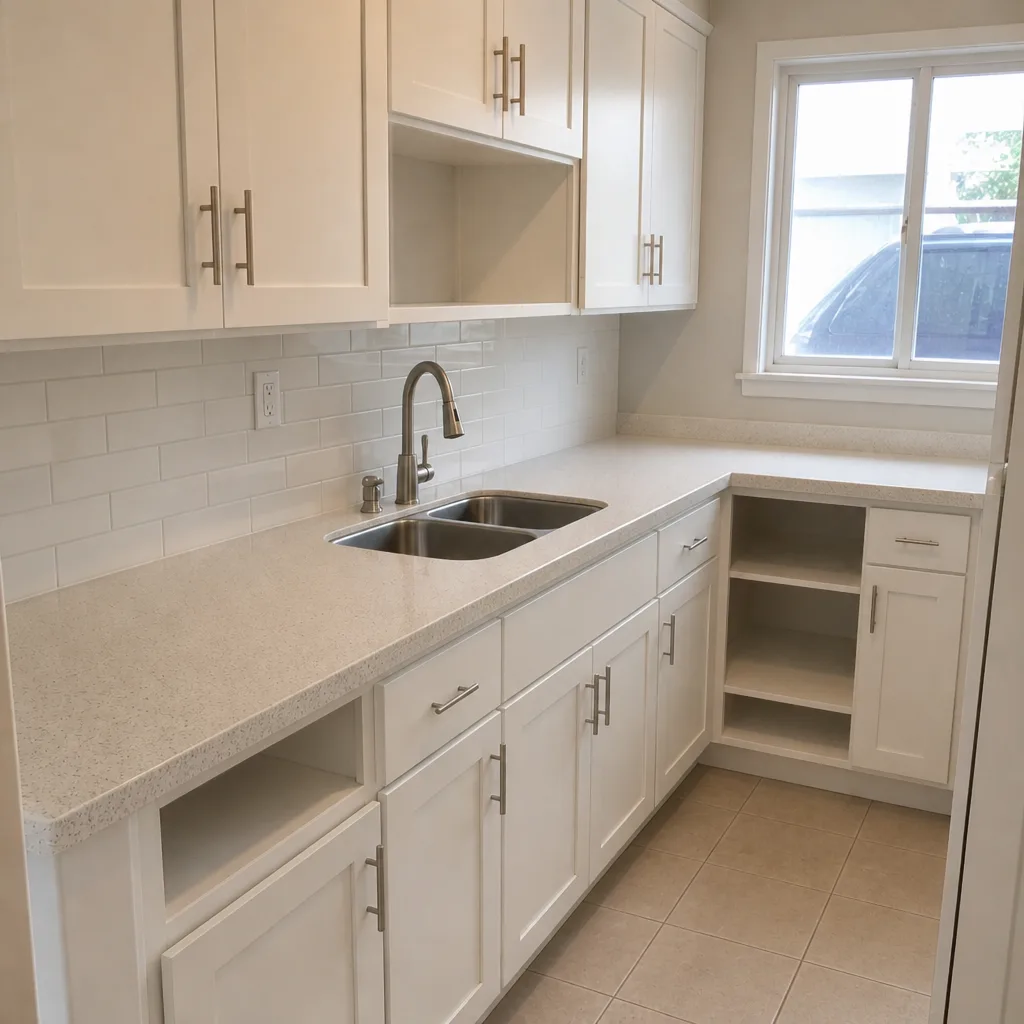 After
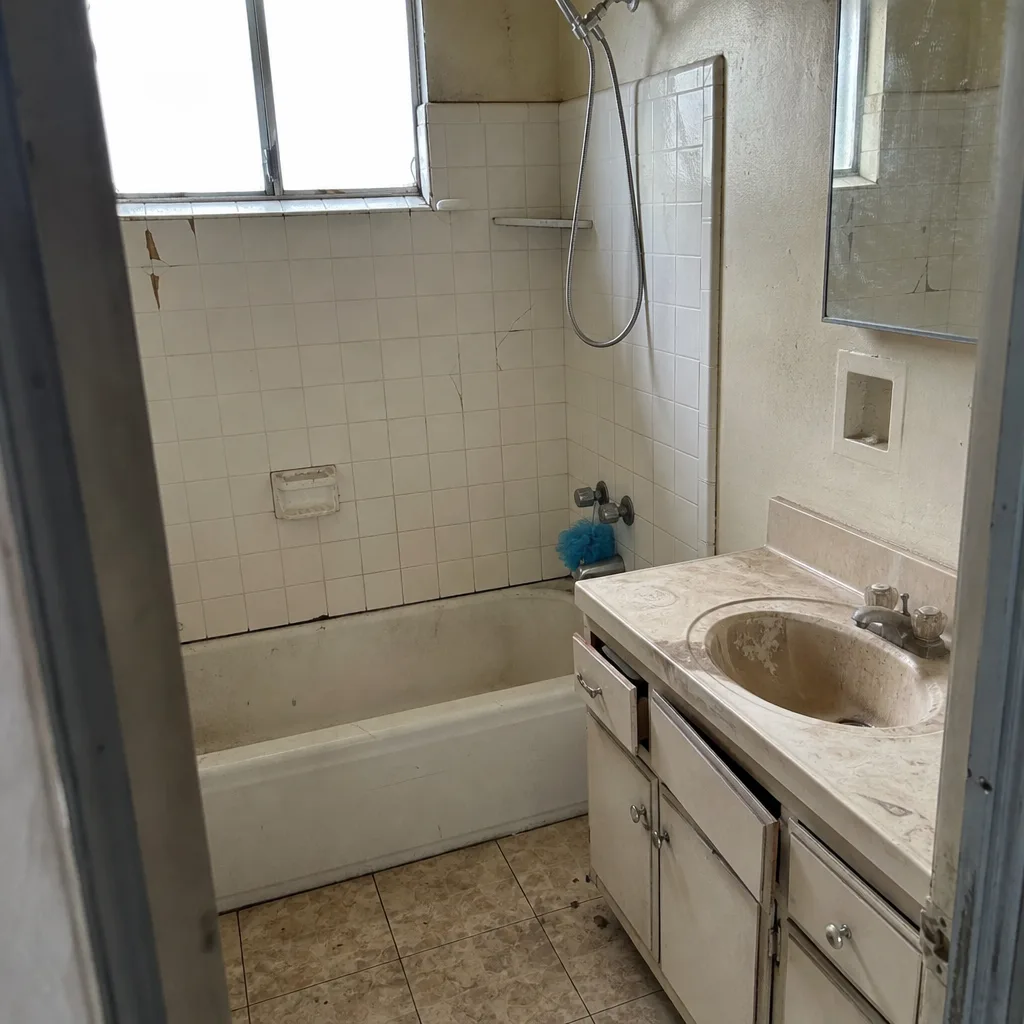 Before
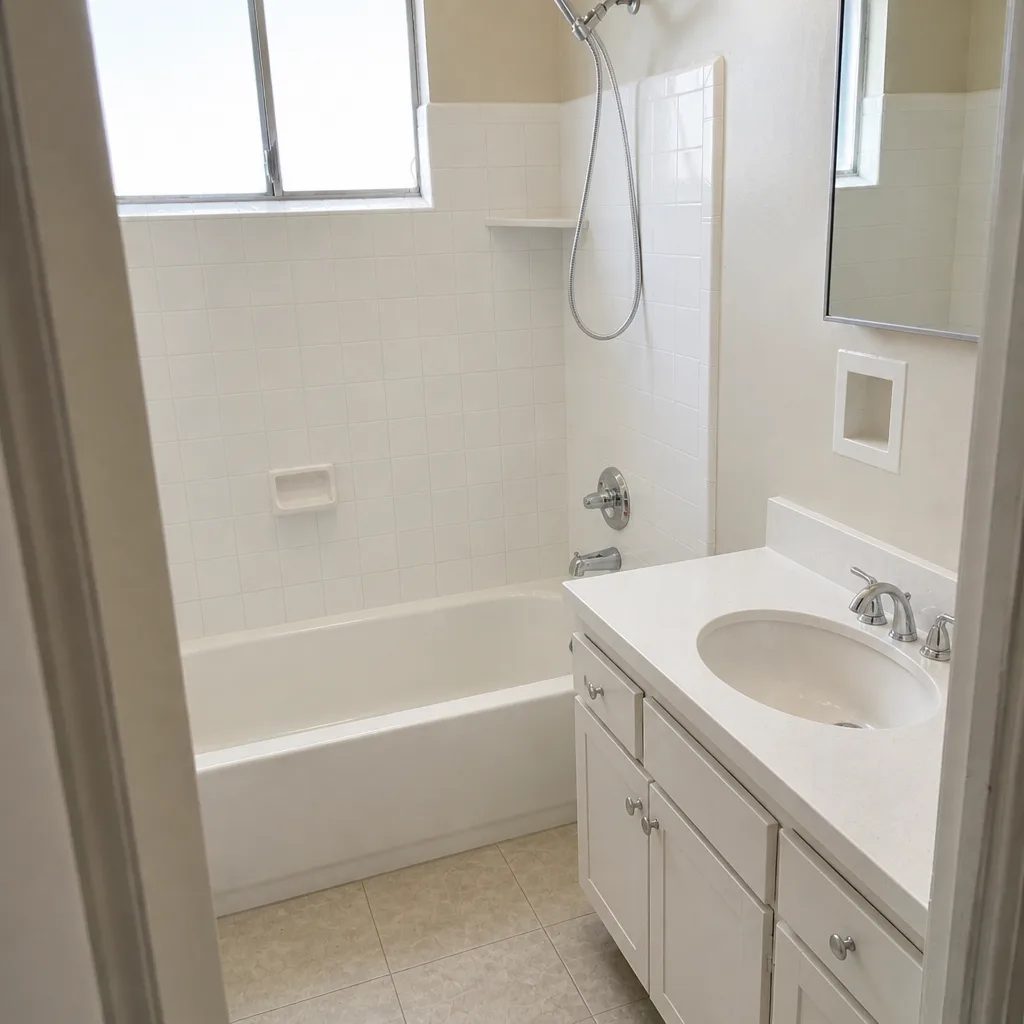 After
When to Call a Professional
Some maintenance is a homeowner’s job: a water-drip sealer test, sweeping out drains, topping off joint sand. Some isn’t. Call a professional when you see multiple rocking pavers, a depression where the base has washed out, water pooling for two or three days after a storm, or joint lines that keep reopening after you’ve re-sanded them twice. That last pattern usually means the base is moving, and no amount of surface work fixes a moving base. The same goes for any driveway with a suspected drainage problem – water running toward the garage or foundation is a bigger issue than the pavers themselves, and it’s worth having it looked at before it becomes a repair. Groundwork Construction Co. of El Monte offers free estimates in El Monte – call (888) 271-7872 and we’ll tell you straight whether your driveway needs a reseal, a reset, or a full replacement. Upfront pricing, no surprises, and the 730-Day Done Right Promise backs the work.
Frequently Asked Questions
Reseal every 2 to 3 years in El Monte, and lean toward the shorter end for a west-facing driveway with no shade, because the UV and heat island effect here break sealer down faster than on the coast. Test it each spring with a water drip; if water soaks in instead of beading, it’s time. Call (888) 271-7872 for a free estimate on a professional reseal and joint sand refresh.
El Monte’s concentrated winter rain finds open joints and your clay-heavy soil shifts under them, so a joint that was full in fall can wash out in one storm. Topping off joint sand in the fall, before the rain season, is what stops it. If sand keeps washing out after you’ve re-sanded twice, the base is likely moving and calls for a professional look – free estimates at (888) 271-7872.
No. Concrete pavers can handle a moderate pressure wash once or twice a year, but natural stone like travertine or flagstone is softer and porous, and high pressure can pit or etch it, especially in the heat. Use low pressure and a wide fan on stone, and never wash in the peak afternoon sun. If you’re unsure which surface you have, call (888) 271-7872 for a free assessment.
The most common coverage killers are letting joint sand wash out until the base shifts, using the wrong or over-applied sealer, and harsh chemical or high-pressure washing on natural stone. Missing documentation is the quiet one – if you can’t show a dated upkeep log, a claim is hard. Keep dated records of every reseal and joint sand refresh. Call (888) 271-7872 for a free estimate on getting your driveway back on a documented schedule.
Yes. El Monte sits inland in the San Gabriel Valley, so summer surface temperatures push far higher than the coast, and the urban heat island holds that heat. A west-facing slab near Valley Boulevard bakes for hours and fails sealer and joint sand a full season earlier than a shaded driveway. If your driveway is in full sun, expect to reseal more often.
One or two rocking pavers is maintenance; multiple rocking pavers, a depression, or water pooling for days after rain means the base has moved and it’s a repair. Joint lines that reopen after two re-sands point to a base problem. When in doubt, call (888) 271-7872 for a free estimate – we’ll tell you which one you’re looking at, honestly.
The Bottom Line
El Monte driveways fail on a different clock than coastal California ones, and the checklist that works here is built around it: reseal every 2 to 3 years with a UV-stable product, top off joint sand every fall before the rain, test the sealer with a water drip each spring, and wash concrete and natural stone on their own schedules. Do those and your pavers hold their color, their joints stay tight, and your manufacturer warranty stays intact. Skip them and you’re looking at a base repair that costs far more than a sealer and a bag of sand. If the damage is already past maintenance, call Groundwork Construction Co. of El Monte at (888) 271-7872 for a free estimate and a straight answer, backed by our 730-Day Done Right Promise and upfront pricing, no surprises. Learn more about Driveway & Pavers in El Monte, Fence Installation in El Monte, and Home Additions & ADU in El Monte, or start at Groundwork Construction Co. of El Monte home.
Written by the team at Groundwork Construction Co. of El Monte.