Last updated November 17, 2026

Free written scope consultation - allowances, timeline, and change-order rules on paper before a single trade is scheduled
The Complete Driveway & Pavers Guide for El Monte Homeowners
The San Gabriel Valley’s expansive clay soil moves enough between wet winters and dry summers to crack a poorly installed paver driveway within about 18 months. Most national paver guides never mention soil type once. They’ll tell you to dig six inches, compact, and lay sand. Follow that here and you’ll be redoing the job before the warranty on your car tires expires. This guide treats your El Monte zip code as the starting point: the clay under your lot, the August heat that bakes the San Gabriels’ south face, the City of El Monte’s permit triggers, and the LA County runoff rules that now apply to hardscape. By the end you’ll know what a real base looks like, which pavers stay cooler underfoot, when you need a permit, and how to tell a serious bid from a cheap one.
Quick Answer
A paver driveway in El Monte typically runs $14 to $26 per square foot installed, including excavation, a base built deeper than SoCal averages to handle expansive clay, compacted aggregate, bedding, pavers, and polymeric joint sand. A standard two-car driveway of roughly 400 to 600 square feet lands between $6,500 and $14,500. The single biggest factor in whether it lasts past 10 years is base depth and compaction, not paver brand.
Styles & brands we work with
- Kitchen remodeling
- Bathroom remodeling
- Home additions & ADU
- Roofing
- Windows & doors
- Driveway & pavers
- Fence
Table of Contents
- Why El Monte’s Clay Soil Changes Everything
- How Deep Should the Base Be? (El Monte Numbers)
- When You Need a Permit in El Monte
- Heat Island Effect: Which Pavers Stay Cooler in the SGV
- Water Conservation and Permeable Pavers
- Choosing Materials: Concrete, Clay, and Natural Stone
- What a Paver Driveway Costs in El Monte
- How to Verify a Hardscape Contractor in El Monte
Why El Monte’s Clay Soil Changes Everything
Expansive clay is the defining hardscape problem in El Monte. This is the same soil family that runs across much of the San Gabriel Valley, and it does two things that wreck shallow driveways: it swells when the winter rains arrive and shrinks hard through the dry months from roughly May to October. That cycle repeats every year. A driveway built on a thin base moves with the soil, and once the pavers shift, the joints open, water gets in, and the failure accelerates.
What most homeowners don’t realize is that the problem compounds near the edges of a lot. Properties bordering the Rio Hondo flood control channel and lower-lying blocks near the Whittier Narrows area tend to hold more moisture, and we’ve seen joints open faster there after a wet spring. Slightly higher ground toward the base of the San Gabriel Mountains drains better but still moves. The soil doesn’t care which street you’re on. It moves.
Two practical consequences follow from this:
- Base depth matters more than paver choice. You can buy beautiful stone, but if it’s laid on eight inches of aggregate over this clay, it will telegraph movement.
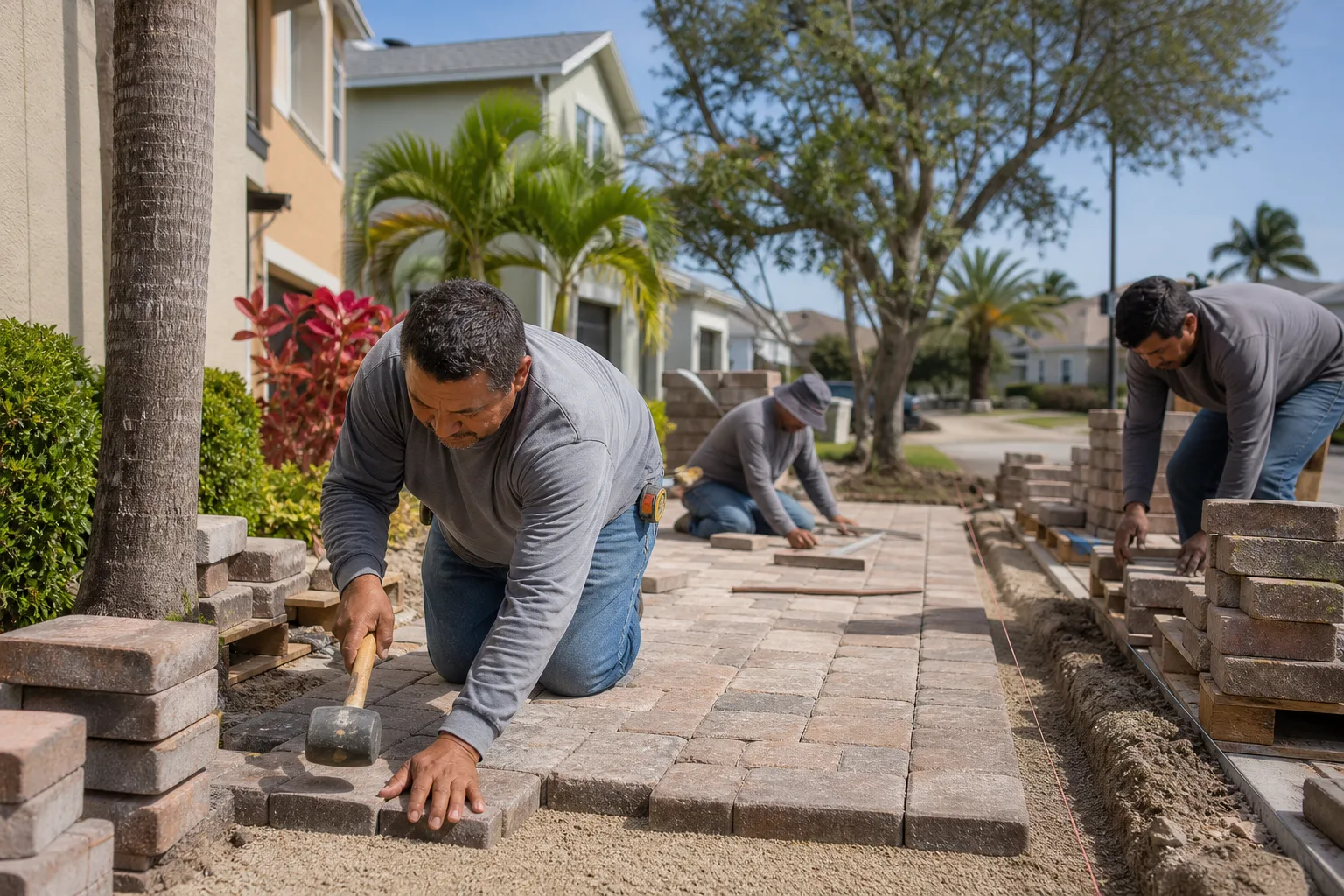
- Edge restraint is not optional. El Monte driveways need solid, spiked edge restraint on all four sides to keep the field from spreading. Missing or flimsy restraint is one of the most common causes of a driveway that looks fine in year one and rumpled by year four.
If you take one idea from this guide, take this: the money you spend on a properly engineered base buys more driveway life than any upgrade in paver finish.
How Deep Should the Base Be? (El Monte Numbers)
For El Monte’s expansive clay, plan on a compacted aggregate base of 8 to 12 inches, not the 4 to 6 inches many national guides quote. The deeper base spreads load across the clay instead of pressing it into movement, and it gives water a path away from the subgrade. Here’s the sequence a proper install follows:
- Excavate to full depth. That means removing enough soil to fit the base plus the paver thickness plus a thin bedding layer. Skipping excavation and building up is a shortcut that fails on clay.
- Grade for drainage. The finished surface should fall away from the house at roughly 1/8 inch per foot. Water that pools against a garage slab or foundation finds its way in.
- Lay geotextile fabric. A separation layer keeps fine clay particles from migrating up into the aggregate and clogging it.
- Place and compact aggregate in lifts. Two to three inch lifts, each compacted with a plate compactor before the next. Compacting one twelve-inch layer at once leaves loose material deep down where you can’t see it.
- Set solid edge restraint, spiked in. Concrete edge or a heavy-duty plastic edge, secured with long spikes, pinned to the base on every side.
- Bed and lay. A thin, screeded bedding layer, then pavers, then polymeric joint sand worked into the joints and compacted in.
Ask any contractor bidding your job how deep they’ll go on the base and how they’ll compact it. A vague answer tells you a lot. In our experience across El Monte jobs, the crews that name their lift depths and restraint system are the ones whose driveways are still tight in year eight.
When You Need a Permit in El Monte
Not every driveway replacement needs a city permit, but a lot of them do, and it’s the piece homeowners miss. Roughly speaking, these situations trigger City of El Monte review:
- Anything that touches the public right-of-way. New or relocated driveway aprons, curb cuts, or changes to where your driveway meets the street generally require an encroachment permit from the city. The apron is city property even though you use it.
- Grading above a threshold. Significant cut or fill, or regrading that changes lot drainage, can bring grading permit requirements into play.
- Street width changes or widening a driveway. Widening past what’s allowed for your lot may need approval, especially where it affects parking or sight lines.
- Any work in a drainage or flood control easement. Parts of El Monte sit near flood control channels where work in easements gets extra scrutiny.
The safest move is a five-minute call to the city before you sign anything. Rules change and a contractor who regularly works in El Monte should already know the current thresholds. Ask your bidder directly: “Will this need an encroachment permit, and do you pull it?” A real hardscape contractor answers without flinching. If a crew tells you permits aren’t needed and you suspect they are, get a second opinion.
Once work is permitted, it should also be inspected before the final surface goes down, so the base is verified. When permits are pulled and inspections passed, you know the base got looked at by someone besides the crew building it.
Heat Island Effect: Which Pavers Stay Cooler in the SGV
The San Gabriel Valley holds heat. On a July afternoon, a dark asphalt driveway in El Monte can hit surface temperatures that are genuinely painful barefoot and uncomfortable even through thin soles. Pavers can reduce that, but not all pavers are equal. The two variables that matter are color and material density.
- Light colors reflect, dark colors absorb. A light-gray or sand-toned paver stays measurably cooler underfoot than charcoal or deep red. This is the biggest lever you have.
- Concrete pavers run cooler than dense natural stone. Concrete pavers, especially with a light finish, reflect more solar energy than dark granite or basalt. Natural stone looks stunning, but a dark stone driveway in the SGV is a hot surface in August.
- Permeable joints help. Permeable systems let a little more air and moisture move through, and the surface itself often reads cooler than a sealed, tightly jointed dark surface.
- Sealers affect temperature. Some sealers darken the finish and raise surface temps. If heat matters to you, ask before sealing.
If kids play barefoot in the driveway or you wash the car on summer afternoons, a light-toned concrete paver is the practical choice. We’ve walked both kinds of driveways in El Monte in August, and the difference in surface temperature is not subtle.
Water Conservation and Permeable Pavers
LA County has spent years tightening rules on how much stormwater runs off a property, and permeable hardscape is one of the ways homeowners comply. A permeable paver system lets water drain through open joints into a stone reservoir beneath the surface, where it either infiltrates the soil or is held and released slowly. That reduces runoff into storm drains and helps recharge groundwater underneath.
For El Monte homeowners, permeable pavers do two useful things at once:
- Meaningful runoff reduction. Water that would sheet off a solid surface and into the street instead sinks into the base and the soil below. On a clay lot where the subgrade drains slowly, a reservoir design needs careful engineering so it doesn’t turn into a bathtub.
- Compliance planning. Larger hardscape projects and new construction often have to address how the site manages runoff. Permeable systems give you a documented answer that a solid-surface driveway can’t.
One honest caveat: permeable pavers on clay need proper design. You can’t just lay open-jointed pavers over clay and expect them to drain without an outlet or a designed reservoir. If your goal is permeable design, ask your contractor how water leaves the base, not just how it enters. If a crew can’t explain the drainage path, that’s a warning sign.
Choosing Materials: Concrete, Clay, and Natural Stone
There are three main paver families worth considering in El Monte, and each has a place. We typically recommend selecting the material after the base design, not before, because the base and edge restraint cost the same regardless of what you lay on top.
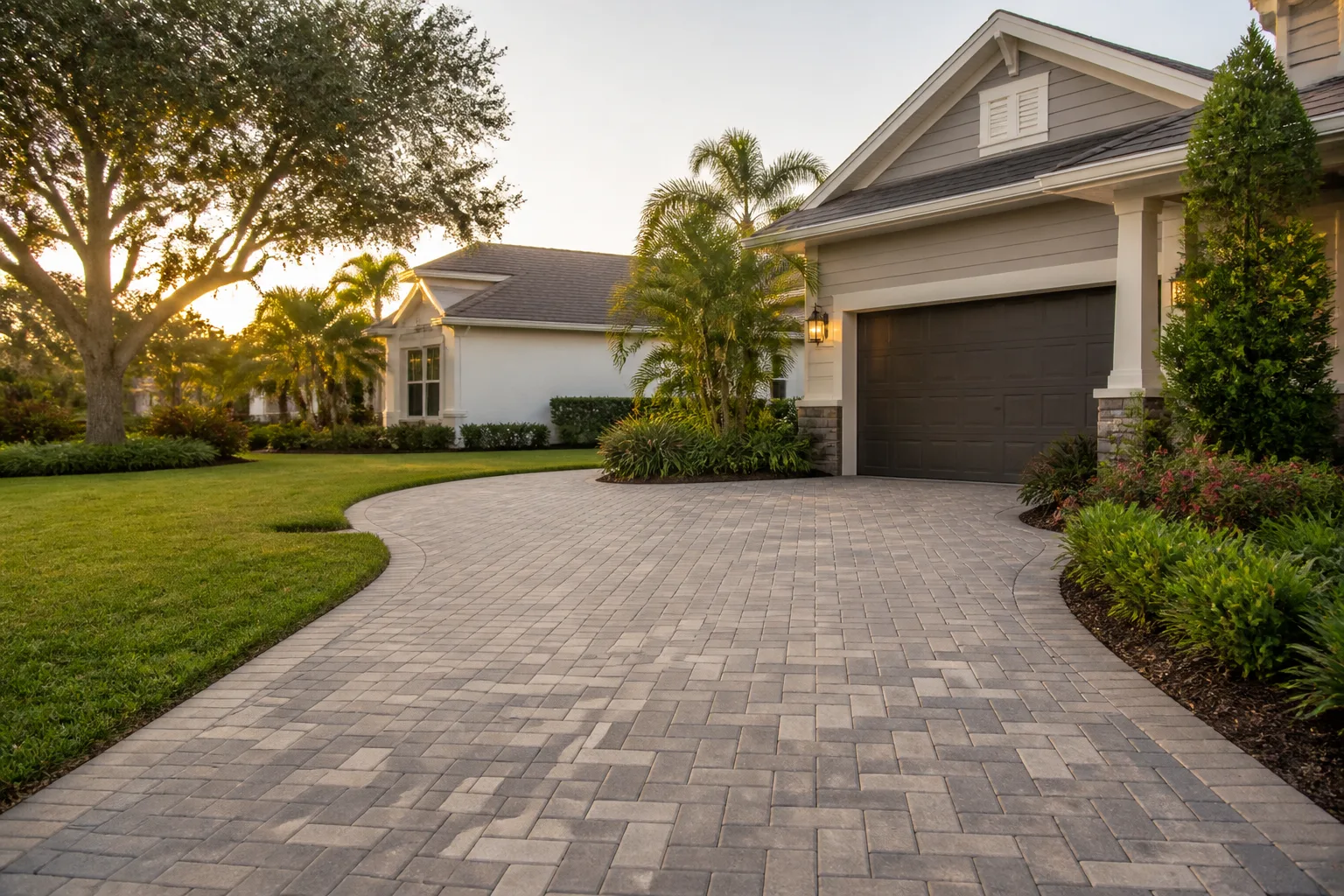
- Concrete pavers. The most common choice in El Monte. Wide color range, good heat performance in light tones, reliable availability, and they take a beating from cars without chipping easily. The workhorse.
- Clay brick pavers. Classic look, strong color retention, and clay-on-clay doesn’t hurt on a clay lot. Slightly higher cost, and a limited color range compared to concrete.
- Natural stone. Warm, premium, timeless. The downside in the SGV is heat: dark stone runs hot, and some softer stones wear faster under tire traffic. Ask about finish and hardiness for a driveway, not just for a walkway.
Material quality matters, but it’s the second-order factor. A premium paver on a bad base fails; a mid-range paver on a deep, well-compacted base lasts. When we build driveway and paver projects in El Monte, the material conversation starts with fit (heat, color, traffic) and the budget conversation starts with base depth, because that’s what actually sets the service life.
What About the Apron and Walks?
Driveways seldom live alone. The apron at the street may need city review, and the walk from the driveway to the front door should be finished in a way that’s safe when it’s wet. Keep material and color consistent between the driveway and the main walk so the property reads as one design rather than two projects. If you’re also tightening the perimeter of the lot, a fence installation in El Monte should be planned alongside the hardscape so grading and posts are coordinated instead of fought over later.
What a Paver Driveway Costs in El Monte
Pricing in El Monte runs a bit above national averages because the clay demands a deeper base, and deeper base means more excavation, more aggregate, more compaction labor, and more hauling. Here’s a realistic line-item view of a typical driveway in the area:
- Excavation and haul-off: roughly $2 to $4 per square foot
- Aggregate base (8 to 12 inch compacted): roughly $4 to $7 per square foot
- Bedding layer: roughly $1 to $2 per square foot
- Pavers (concrete, mid-range): roughly $4 to $8 per square foot in material
- Edge restraint, spike-in: roughly $1 to $2 per linear foot of perimeter
- Polymeric joint sand and final compaction: roughly $1 to $2 per square foot
- Labor for layout and installation: typically included but varies by crew
Add it up and a standard El Monte driveway lands around $14 to $26 per square foot installed for concrete pavers. A 400-square-foot driveway is roughly $6,500 to $10,500; a 600-square-foot driveway runs about $8,500 to $14,500. Natural stone and complex patterns push toward the top of that range and above. Permeable systems with a designed reservoir sit on the higher end too.
Two things to insist on with any bid: a written line-item quote, and a fixed number with no change orders unless you approve the change in writing. Upfront pricing, no surprises, is how a real bid should read. If the total is one vague lump sum, ask for the line items. You’ll learn a lot about how the job will actually go.
How to Compare Bids That Look Different
This is where most El Monte homeowners get burned. A bid of $9,000 and a bid of $14,000 can look like the same driveway. Here’s how to compare fairly:
- Compare base depth. If one bid says 6 inches and the other says 10, you’re looking at two different products.
- Compare compaction method. Lift-by-lift compaction with a plate compactor costs more labor than a single pass. That’s your driveway’s future you’re comparing.
- Compare edge restraint spec. Solid, spiked, pinned edge versus cosmetic edge.
- Compare what’s included in the price. Permit pulling, haul-off, disposal, and joint sand should be itemized, not hand-waved.
- Compare the warranty. Ask what’s covered and for how long. The Groundwork Construction Co. 730-Day Done Right Promise covers workmanship for two full years, and that’s the kind of number that should be in writing before you sign.
How to Verify a Hardscape Contractor in El Monte
Before you sign anything, verify three things. First, the contractor should be state-licensed, which for hardscape and construction work in California means a valid license classification for the scope of work. Ask for the license and check it through the state’s lookup. Second, the contractor should be insured and bonded; ask for a certificate of insurance that names the proper coverage. Third, the person quoting your job should be able to answer permit questions without calling someone else.
A few other checks that separate serious outfits from the rest:
- Background-checked, uniformed crews. El Monte homeowners have a right to know who’s on their property. A contractor who sends verified, uniformed technicians on every job is one who takes presentation and trust seriously.
- Clear communication. Calls answered by a live person, not a voicemail black hole. If you can’t reach someone during the bidding stage, getting them on the phone during the job will be harder.
- Written scope and schedule. What’s being done, in what order, and when. The number you see is the number you pay.
- A real warranty. A two-year workmanship guarantee is one of the longest in the residential construction space. Ask every bidder what their warranty actually covers and for how long.
We build with a set of brand partners we’ve vetted across every trade, and hardscape is no exception: Belgard if you want a curated concrete paver line, plus quality edge and joint products from established manufacturers. The point isn’t the logo. The point is that a full-scope home construction partner can coordinate your driveway, front walk, fence, and any additions so the whole property holds together. We’re happy to walk you through what coordinating multiple trades under one roof looks like. Start with the Groundwork Construction Co. of El Monte home page for the full picture of the services we cover.
Common Mistakes to Avoid
- Building on an 8-inch base because a national guide said so. El Monte’s clay needs 8 to 12 inches of compacted aggregate. On a shallow base, the paver field starts to shift within the first two or three wet seasons.
- Skipping edge restraint or pinning it loosely. Without solid spiked edge on all sides, the pavers spread toward the street and the joints open. By the time it’s visible, the fix is a rebuild, not a repair.
- Choosing a dark stone for a barefoot-hot driveway. Dark natural stone in the SGV is punishing in August. Light concrete pavers stay cooler and cost less, which matters if kids or dogs use the driveway.
- Not checking permit triggers before signing. Encroachment and grading rules exist for a reason, and a driveway apron in the city right-of-way is one of the most commonly missed permit situations in El Monte.
- Installing permeable pavers over clay without a drainage outlet. The water has to go somewhere. Without a designed reservoir and outlet, a permeable system on clay holds water at the base.
- Sealing too early or with the wrong product. Some sealers raise surface temperature and darken the finish. Follow the manufacturer’s cure time before sealing a new install.
- Using one lump-sum bid as an apples-to-apples comparison. A line-item quote tells you exactly what you’re buying. A single number doesn’t. Insist on line items before you choose.
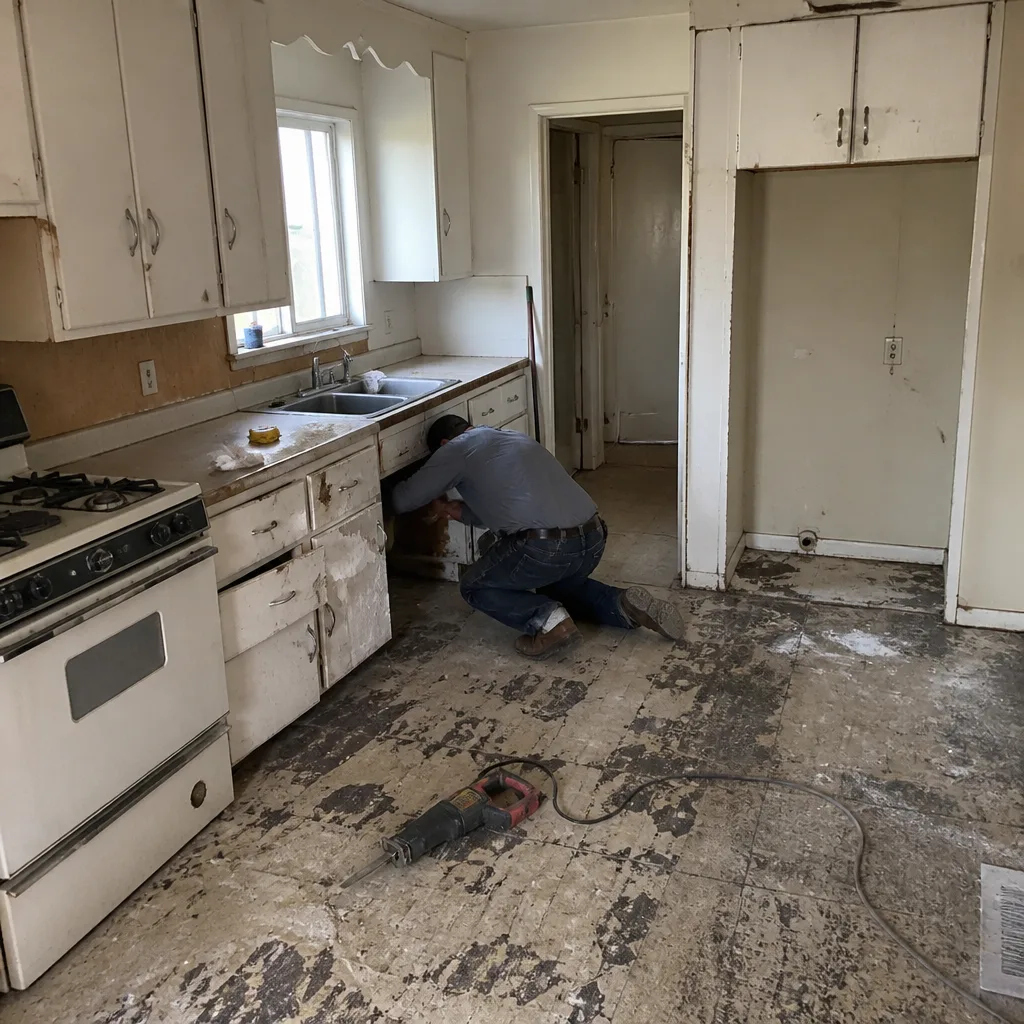
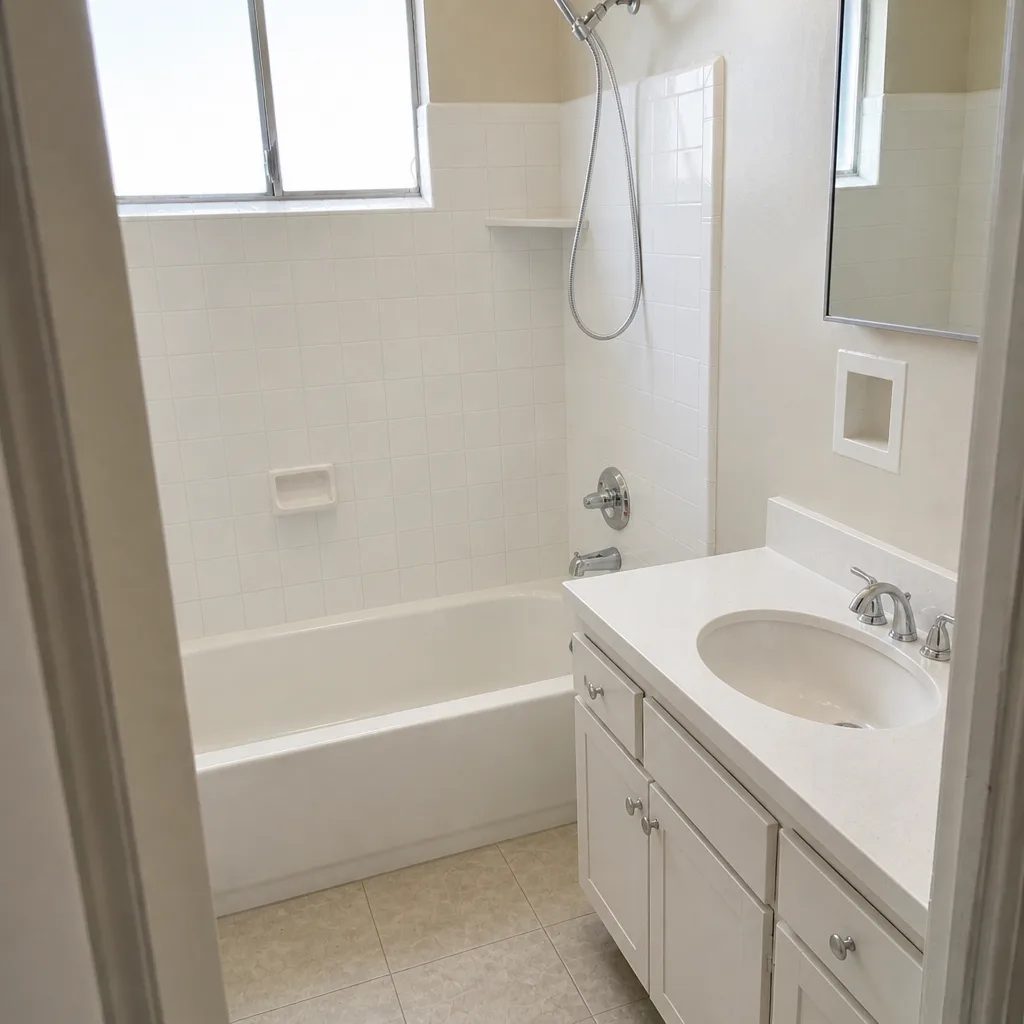
See the difference
 Before
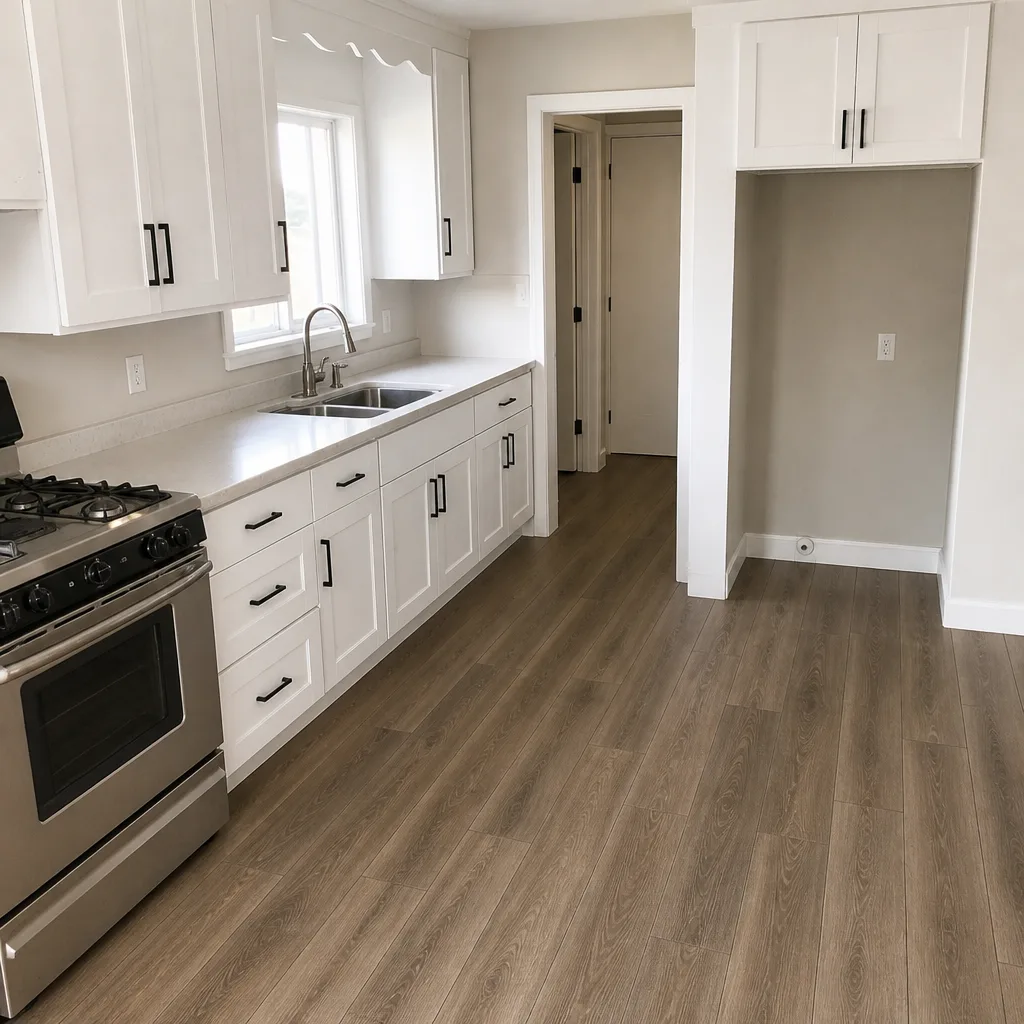 After
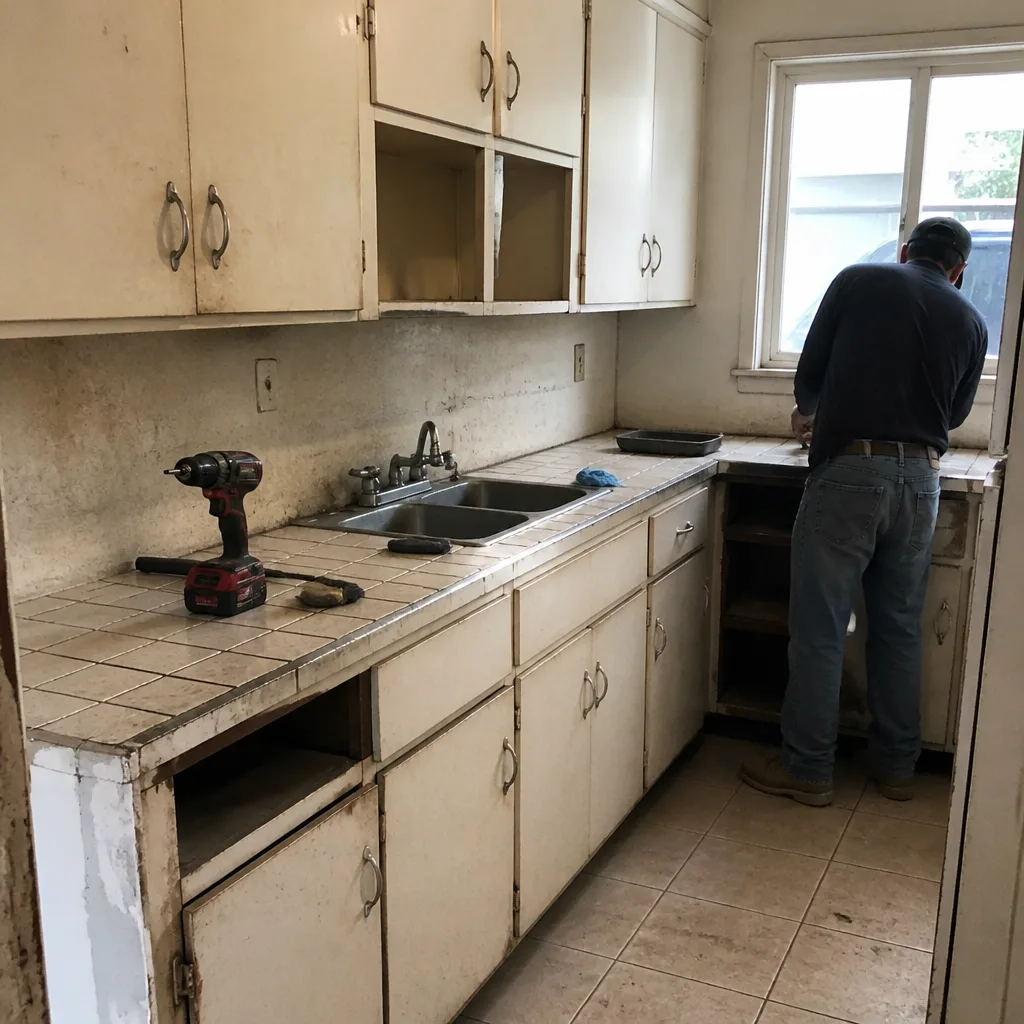 Before
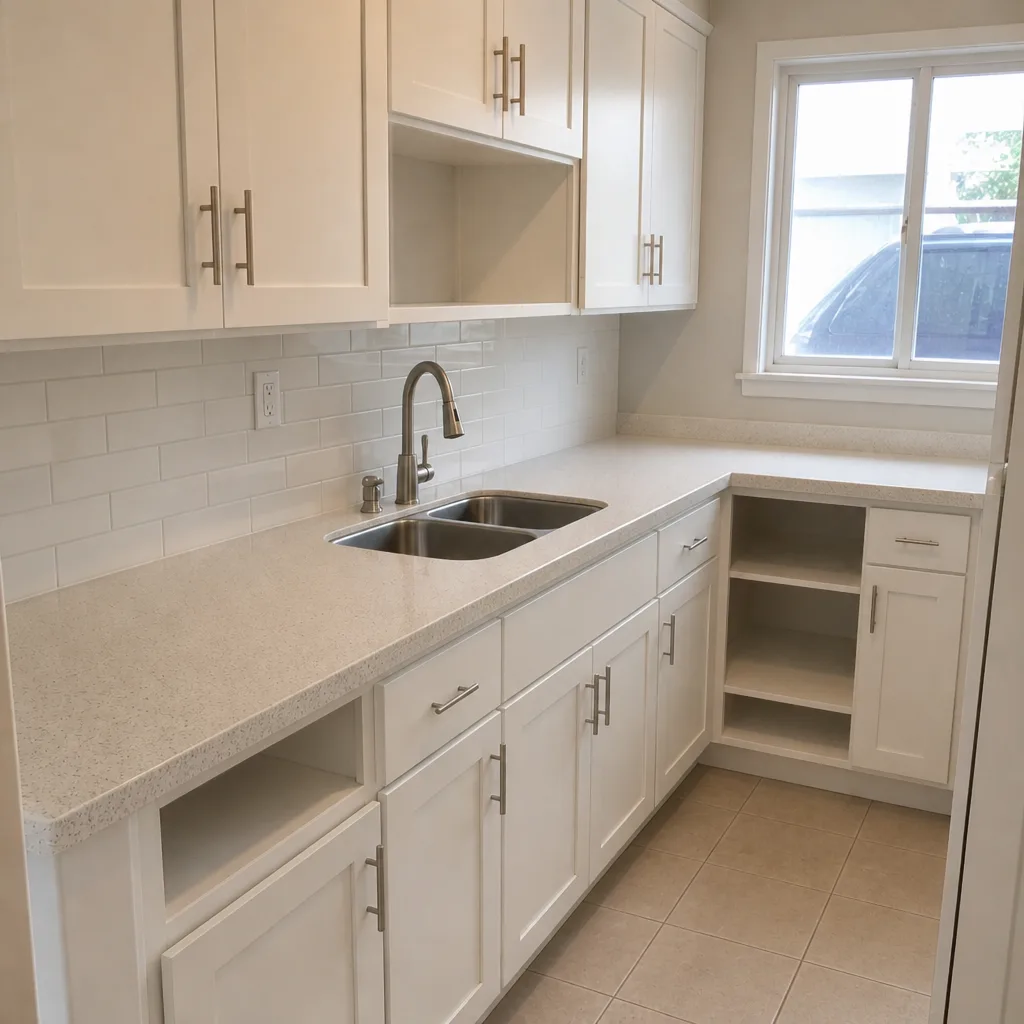 After
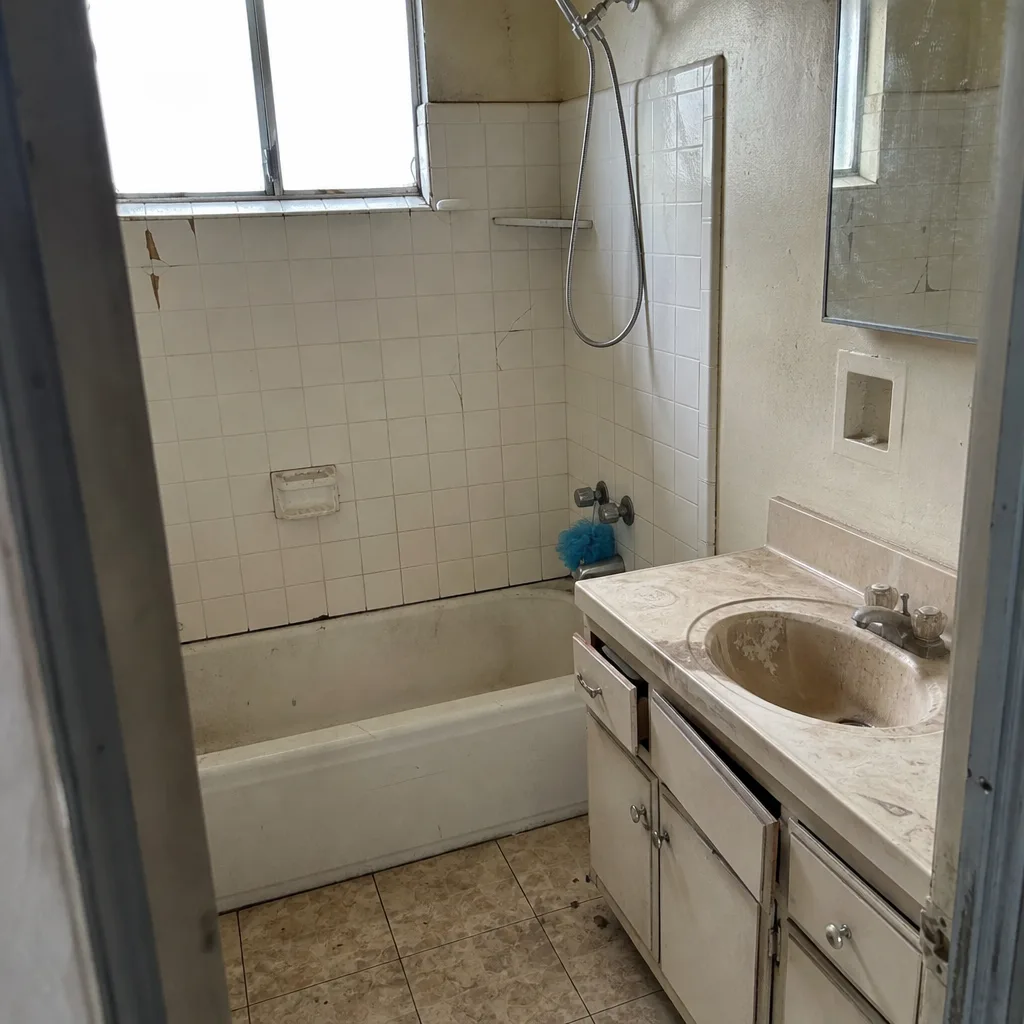 Before
 After
When to Call a Professional
Some driveway work is a DIY weekend; most of what’s covered in this guide isn’t. Call a professional when the job involves excavation deeper than a few inches, any work that touches the public right-of-way, or permeable paver design on clay. It’s not worth the risk of cutting corners on base compaction when the base is the whole point. Call a pro when existing pavers have settled more than roughly half an inch or a joint has opened wider than a quarter inch, since that’s a base problem showing itself. And call when the driveway ties into a larger project (a new Home Additions & ADU in El Monte, a reworked front entry, a fence), because coordinating trades from one contractor beats chasing three.
Groundwork Construction Co. of El Monte offers free estimates in El Monte. Call (888) 271-7872 and a live person answers, any time.
Frequently Asked Questions
Expect roughly $14 to $26 per square foot installed for concrete pavers, so a standard 400 to 600 square foot driveway lands between about $6,500 and $14,500. El Monte pricing sits toward the upper end of national averages because the clay soil requires a deeper compacted base than most of the country. Natural stone and permeable systems with a designed reservoir run higher. Call (888) 271-7872 for an exact line-item quote; estimates are free.
No, not on a properly prepared bid. Upfront pricing, no surprises, means the number in your written line-item quote is the number you pay unless you approve a change in writing. The changes that do happen are almost always from hidden conditions under the existing driveway, like unexpected utility lines or thicker concrete than expected, and a serious contractor surfaces those before work begins, not after. Ask for the line items before you sign.
We handle permit coordination on El Monte jobs, including encroachment permits for work in the public right-of-way and grading permits where thresholds apply. A driveway that touches the street apron or alters lot drainage may need city approval. We verify requirements with the City of El Monte before work starts so you’re not the one stuck in line at the counter. Permits pulled and inspections passed, with the base verified before the pavers go down.
A 400 to 600 square foot paver driveway typically takes three to five working days, depending on base depth, access to the site, and whether a permit inspection is required. The deeper base El Monte’s clay demands adds time compared to a shallower job elsewhere. Excavation, base placement in lifts, bedding, laying, and joint sand all have their own windows. We give a written schedule with the bid so you know what to expect.
Light-toned concrete pavers are the practical best pick for El Monte heat. They reflect more solar energy than dark stone, they cost less, and they stay more comfortable underfoot in August. If you want natural stone, a light-toned finish with a permeable joint system runs cooler than a dark, tight surface. Avoid dark, sealed stone on a driveway where kids or dogs spend time in summer.
Yes, when it’s built for the clay. The job calls for an 8 to 12 inch compacted aggregate base placed in lifts, geotextile fabric separating the clay from the aggregate, and solid spiked edge restraint on every side. Built that way, a paver driveway in El Monte holds through the wet-dry soil cycle. Built to national minimums, it won’t. The difference is the base, and it’s the one thing you should never compromise on.
The Bottom Line
A paver driveway in El Monte succeeds or fails on things most guides never mention. The clay under your lot moves every year, so the base needs to be 8 to 12 inches of compacted aggregate, placed in lifts, not squeezed into a shallow trench. The City of El Monte may need an encroachment or grading permit before work starts. The SGV heat means light-toned concrete pavers are the smarter call for barefoot use than dark stone. Permeable systems help with runoff compliance but need a designed drainage path on clay. Get line-item estimates, verify the contractor is licensed, insured, and bonded, and ask for the workmanship warranty in writing.
When you’re ready to price the job, call (888) 271-7872. Groundwork Construction Co. of El Monte offers free estimates with written line-item quotes, fixed pricing with no change orders, and our 730-Day Done Right Promise backing every install. If it’s not done right, we make it right. Our technicians have up to 12 years of experience with El Monte hardscape, from base to finish. Explore Driveway & Pavers in El Monte and Fence Installation in El Monte for the rest of the property, and let us put the whole scope in one plan. Calls are answered by a live person 24/7, and 0% financing for 18 months is available with $1,000 off projects over $10,000 to make a larger project easier to budget. Built to last, backed in writing.
Written by the team at Groundwork Construction Co. of El Monte.