Last updated November 17, 2026
Free written scope consultation - allowances, timeline, and change-order rules on paper before a single trade is scheduled
The Complete Home Additions & ADU Guide for El Monte Homeowners
Most ADU guides you’ll find online are written for a generic California audience. They quote state law, wave at “streamlined approvals,” and leave out the part that actually decides whether your project gets built: what your specific city does with your specific lot. El Monte is not a generic city. The lots here are narrower than in much of the San Gabriel Valley, many were platted in the 1920s through 1950s, and a meaningful share of homes sit on parcels where the garage already eats the alley access a detached unit would need. State law opened the door in 2020 and kept widening it, but the door still has a frame, and in El Monte that frame is set by local setbacks, utility capacity, and a plan-check process that rewards contractors who’ve been through it before. This guide walks you through all of it: what R-1, R-2, and R-3 lots actually allow, how the El Monte permit process runs step by step, what Southern California Edison and the water district will ask of you, what an ADU really costs versus what it can earn in this rental market, and how to choose between a home addition, an ADU, and a JADU. If you’ve been told “you can build anything now,” this is the corrective.
Quick Answer
In El Monte, you can generally build a detached ADU up to 1,200 square feet or an attached ADU up to 50% of your existing home’s floor area (whichever is less restrictive for your lot), a JADU up to 500 square feet inside the existing footprint, or a conventional home addition limited only by your zoning’s floor area ratio and setbacks. The real constraints aren’t the state law – they’re your lot’s setbacks, your sewer and electrical capacity, and whether your parcel can physically fit a unit with the required rear and side yard clearances. Budget $180,000 to $320,000 all-in for a detached ADU in El Monte, and expect 8 to 14 months from first permit submittal to move-in.
Styles & brands we work with
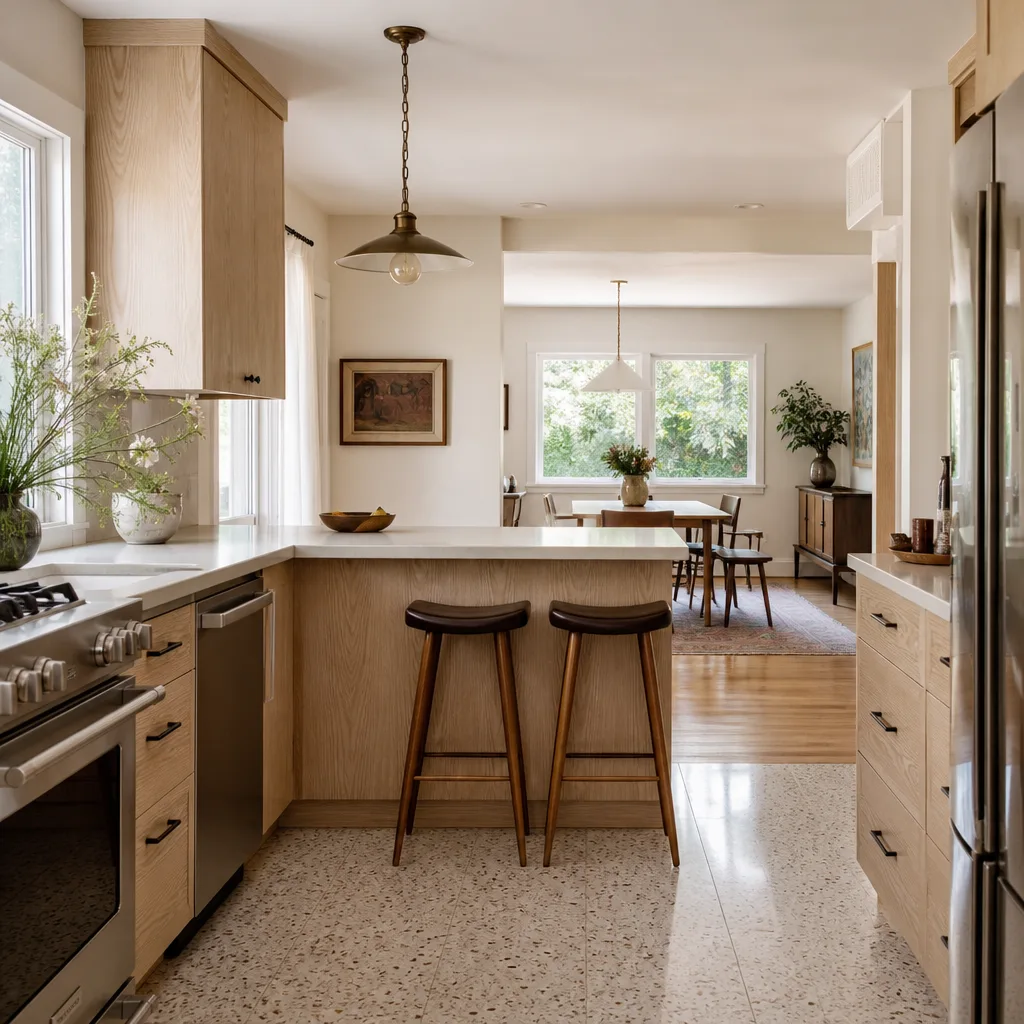
- Kitchen remodeling
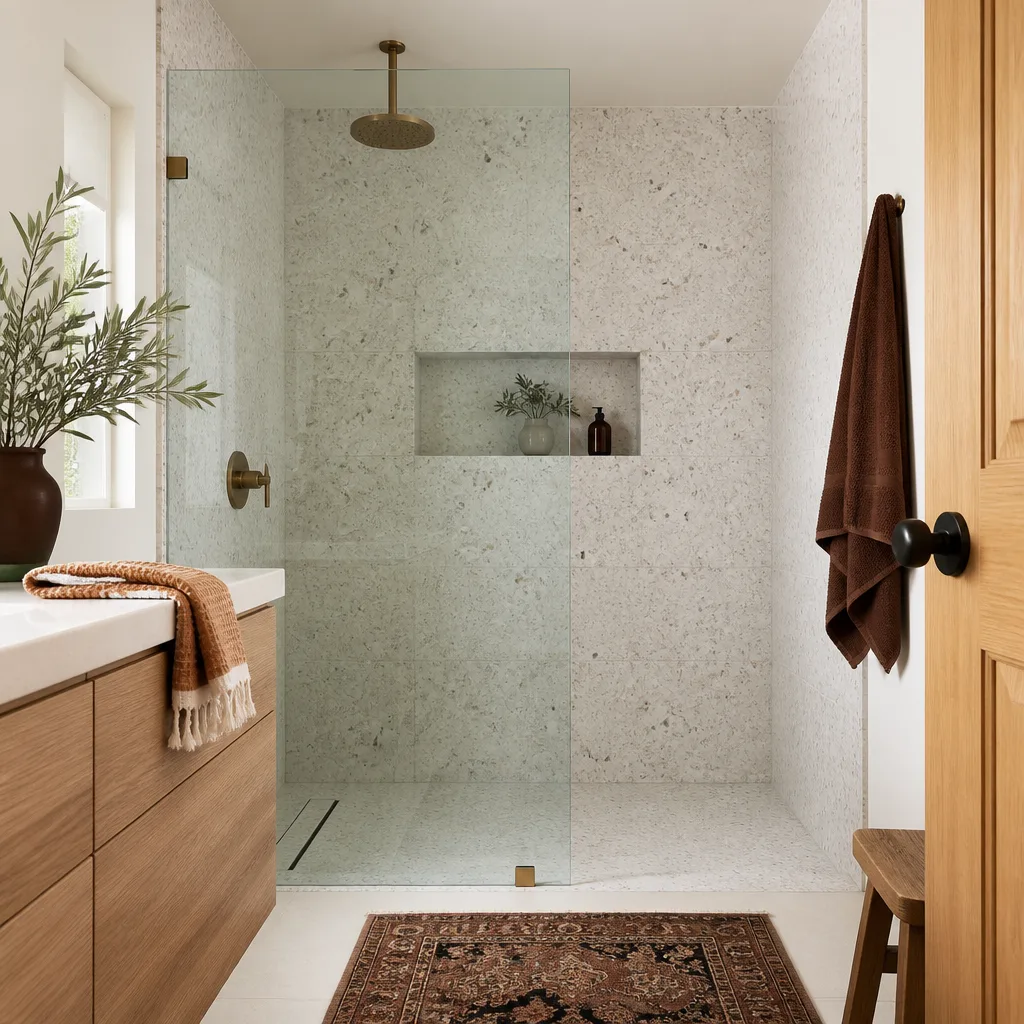
- Bathroom remodeling
- Home additions & ADU
- Roofing
- Windows & doors
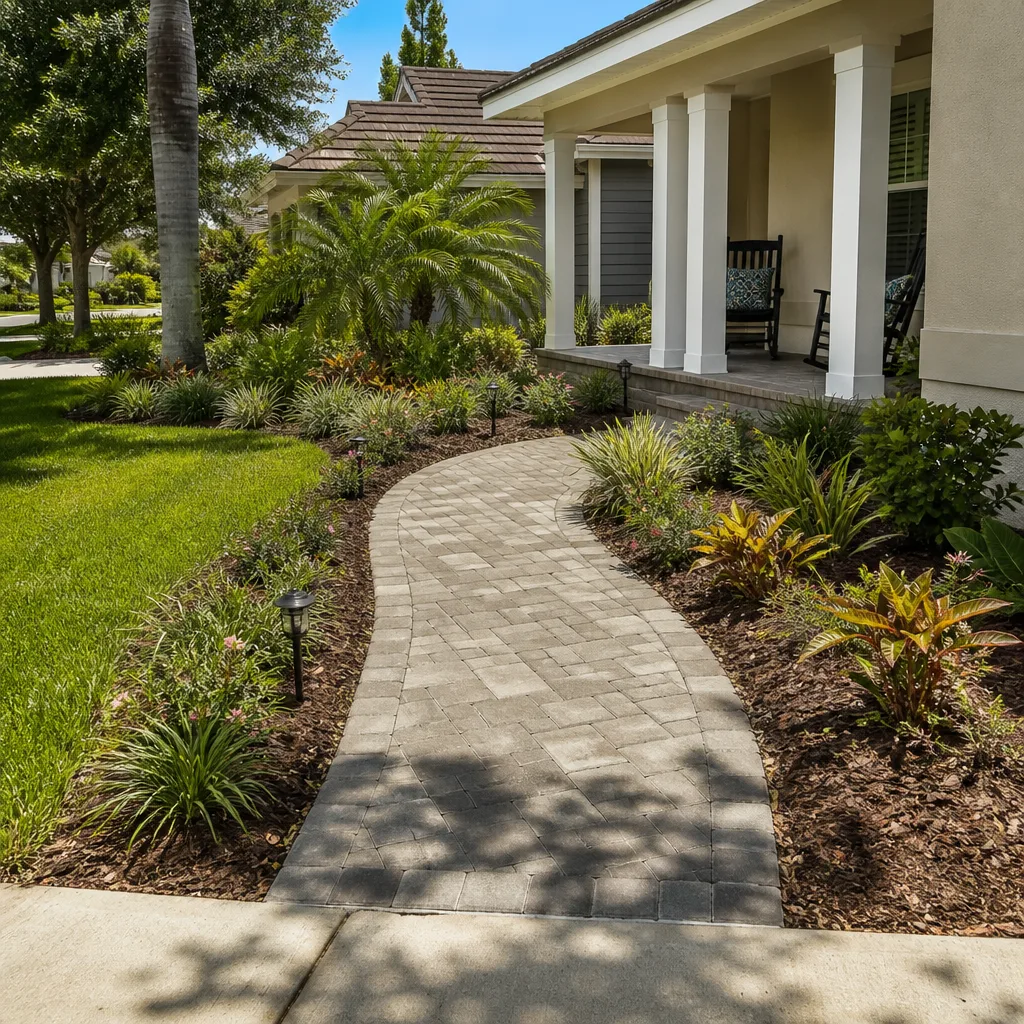
- Driveway & pavers
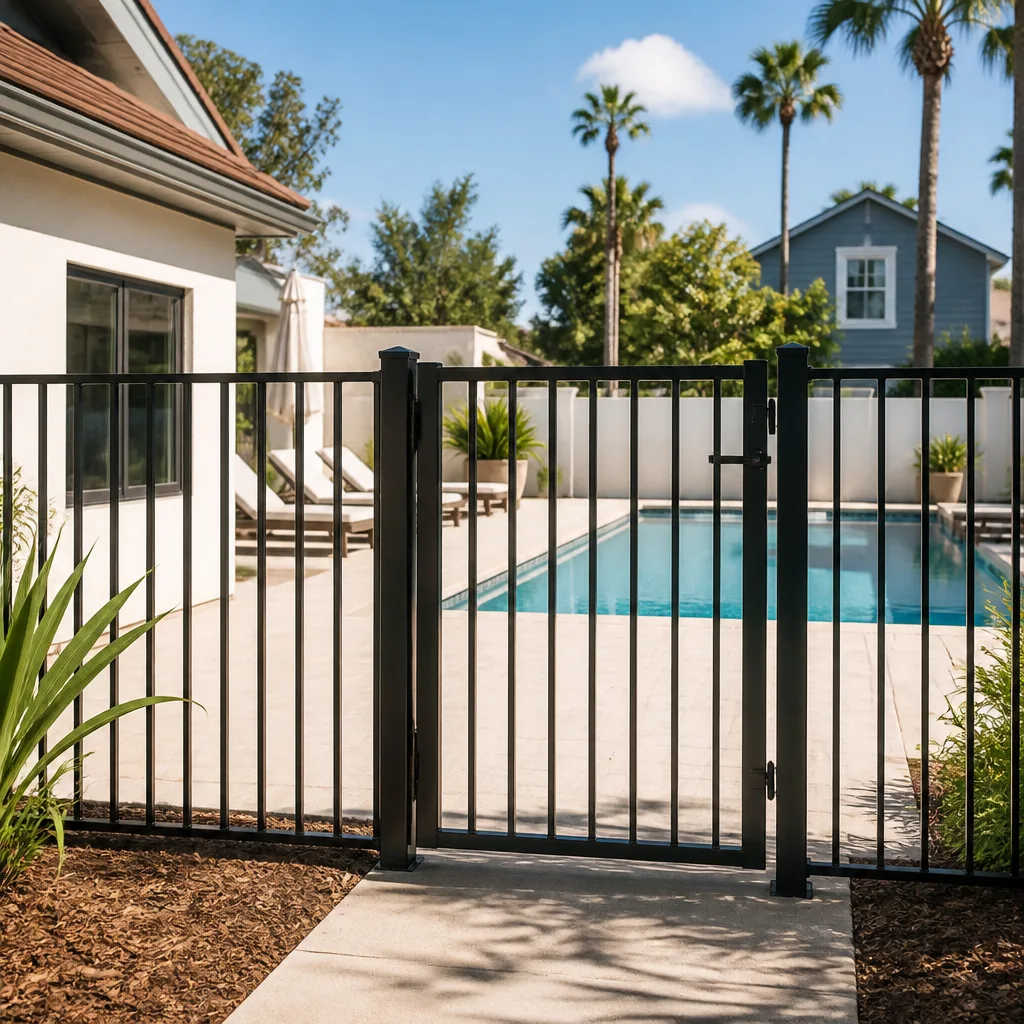
- Fence
Table of Contents
- What El Monte Zoning Actually Allows for ADUs and Additions
- The El Monte ADU Permit Process, Step by Step
- SCE and Water District Capacity: The Piece That Derails Projects
- What an ADU Really Costs in El Monte (And What It Can Rent For)
- JADU vs. ADU vs. Home Addition: Which Fits Your Lot and Goal
- Garage Conversions: The Cheapest Path Most El Monte Owners Ignore
- El Monte Rental Numbers: What Your ADU Will Actually Earn
- How to Vet a Contractor for an El Monte ADU
What El Monte Zoning Actually Allows for ADUs and Additions
El Monte’s residential zoning falls into three main buckets, and the bucket your lot sits in determines almost everything about what you can build.
R-1 (single-family residential) is where most ADU construction happens. Under current state law as applied by El Monte, you can build one detached ADU and one JADU on a single-family lot, or one attached ADU and one JADU. The detached unit is capped at 1,200 square feet, and it can go up to 16 feet in height (or 18 feet if your lot is within a half-mile of a major transit stop). Setbacks for a detached ADU are 4 feet from the rear and side property lines – closer than a primary structure – but the front setback still applies, and that’s where narrow El Monte lots get tight.
R-2 and R-3 (two- and three-family residential) allow more units, but ADU placement rules get more complicated. On a lot with an existing duplex or triplex, you may be able to add ADUs to the property, but the number and placement depend on the existing nonconformities – and there are plenty of nonconformities in El Monte’s older multi-family stock. A 1940s duplex that predates the current zoning often triggers a review the standard ADU checklist doesn’t cover.
Height and floor area ratio (FAR) are the two limits that surprise owners most. ADU bonuses override the base FAR for the ADU itself, but a home addition (adding a bedroom, expanding a kitchen, bumping out the back of the house) is capped by the base FAR for your zone, typically 40-50% of lot area in El Monte’s R-1 districts. On a 6,000 square foot lot, that means roughly 2,400-3,000 square feet of total floor area – and if your house already sits at 1,800 square feet, your addition headroom is smaller than you think.
We’ve seen El Monte parcels on streets like Dodson Avenue and McPherrin Avenue where the numbers work beautifully for a 900-square-foot detached ADU, and lots closer to Valley Boulevard where the same plan doesn’t fit because the existing house was pushed too far back years ago. The zoning map is the starting point, but you need a surveyor’s site plan to know what your specific parcel actually supports.
The El Monte ADU Permit Process, Step by Step
El Monte’s ADU review runs through the city’s Planning and Building divisions. Planning handles zoning compliance, Building handles the construction documents, and Public Works gets involved for sewer and utility connections. Most ADU projects don’t require a public hearing, but a few triggers pull you into one – we’ll cover those below.
Here’s the sequence, based on how projects actually move through the city:
- Pre-application meeting (optional but smart). For unusual lots – corner parcels, nonconforming structures, hillside issues – a pre-app meeting with Planning staff is worth the scheduling hassle. It surfaces objections before you’re 6 weeks into a submittal.
- Site plan and survey. A licensed surveyor stakes the property lines and locates existing structures, trees, and easements. This is the document that either proves a detached ADU fits or shows you it doesn’t.
- Plan submittal to Planning. You submit architectural drawings, site plan, and a zoning checklist. Planning reviews for compliance with ADU standards, setbacks, height, and parking (note: state law eliminated parking requirements for ADUs near transit, and El Monte follows this).
- Plan check with Building. Once Planning approves, the project moves to Building for structural, energy (Title 24), and life-safety review. Expect 4-8 weeks for this phase on a clean submittal, longer if the plan has structural corrections.
- Utility coordination. Public Works reviews the sewer connection and coordinates with Southern California Edison for the electrical service upgrade or new meter. This is the step most out-of-area contractors underestimate – see the utilities section below.
- Permit issuance. Once all departments sign off, you pay school fees (state-mandated, typically $4-$10 per square foot for ADUs), building permit fees, and utility connection fees. The permit card issues and construction can start.
- Inspections. Standard sequence – foundation, framing, rough mechanical/electrical/plumbing, insulation, drywall, final. You’ll see 6 to 12 inspections on a detached ADU depending on scope.
What triggers a public hearing? Three things, mostly. First, a discretionary design review if the project is in a designated historic area. Second, a variance request – needed only if you’re asking for a deviation from a standard the ADU rules don’t override (an unusually shaped lot, a rear setback that can’t meet the 4-foot minimum due to an easement). Third, any environmental review, which is rare for a single ADU under CEQA’s ADU exemptions. If a contractor tells you “we’ll just get a variance” as the plan, that’s a warning sign – it means they haven’t found a way to make the project fit the rules.
Typical total timeline for a straightforward detached ADU in El Monte: 4-6 months from submittal to permit, then 5-8 months of construction. Attached ADUs move faster because they skip the separate utility trench work. Garage conversions move fastest of all – often 2-3 months of permit time, 8-10 weeks of construction.
For a broader view of how additions and ADUs fit alongside the rest of our work, see Home Additions & ADU in El Monte.
SCE and Water District Capacity: The Piece That Derails Projects
This is where out-of-town contractors and El Monte projects part ways. The permit set says you’re approved. The utility company says wait.
Southern California Edison (SCE) owns the electrical service to your property. If your existing panel is a 100-amp service – and plenty of El Monte homes built in the 1950s and 1960s still have one – you cannot legally add an ADU on that panel. Most modern ADUs with a full kitchen, water heater, mini-split HVAC, and standard outlets need a dedicated 100-amp or 125-amp service to the new unit. That means an SCE service upgrade or a new service drop, which involves:
- A load calculation to confirm the existing panel can’t handle the addition (or can, in some cases, with a subpanel)
- An SCE service application with the address and load details
- A service drop trench or overhead run from the pole to the new meter, depending on whether your streets have overhead or underground utilities (El Monte is mixed)
- Coordination timing – SCE’s project timelines for residential service upgrades in this area run 3 to 6 months from application to energization, and construction can’t finalize without it
The budget line for this is commonly $8,000 to $25,000, depending on the trench length, whether the drop is overhead or underground, and whether the panel itself needs replacement. We’ve seen properties near Elliott Avenue where the SCE transformer at the street was already at capacity for the block, which adds an engineering review and additional delay. The point: get the SCE load assessment started early, in parallel with plan check, not after.
Water district capacity is the other moving piece. El Monte sits primarily within the San Gabriel Valley Water Company service area, with portions served by the city’s own water system. For an ADU, the relevant question is whether the existing water meter has enough capacity for the new unit. Most residential meters are 5/8-inch or 3/4-inch, and adding a second dwelling – with its own fixtures, laundry, and irrigation – can push you past the meter’s rated flow. When it does, the water district will require a meter upgrade, which runs $2,500 to $6,000 as a line item, plus the plumbing work to bring the new line in.
Sewer is handled through El Monte’s Public Works. An ADU requires a separate sewer lateral or a documented connection to the existing lateral, depending on the property’s configuration (and whether the existing lateral has the capacity). Older El Monte properties sometimes have clay tile laterals that fail inspection – if yours does, factor a lateral replacement into the budget, typically $6,000 to $12,000 depending on the run to the main.
None of this is impossible. All of it is predictable. The projects that blow their budgets are the ones where the utility work got scheduled after the framing was up.
What an ADU Really Costs in El Monte (And What It Can Rent For)
We’re going to give you real numbers, not the “starting at” figures that show up in contractor ads. The honest range for a detached ADU in El Monte is $180,000 to $320,000 all-in, and the spread between those numbers has almost nothing to do with the quality of the finishes. It’s driven by site conditions.
Here’s how the budget breaks down by line item:
- Design, engineering, and permits: $12,000-$25,000. Includes architectural drawings, structural engineering, survey, title 24 energy compliance, plan check fees, and school fees.
- Site work and foundation: $18,000-$45,000. Depends on grading, whether the site has undocumented fill, and whether the ADU needs a raised foundation (many El Monte properties do, due to soil conditions).
- Shell construction (framing, roofing, exterior): $65,000-$105,000. A 600-800 square foot detached ADU with standard stucco exterior and a 30-year architectural shingle roof falls in the middle of this range.
- Mechanical, electrical, plumbing: $35,000-$60,000. This is where the SCE upgrade and sewer lateral work land if they’re needed.
- Interior finishes: $30,000-$55,000. Kitchen, bath, flooring, paint. The difference between a laminate counter and a quartz counter is a rounding error next to the site work.
- Landscaping and hardscape restoration: $5,000-$15,000. You demolished a lawn or a driveway to build this; it needs putting back.
- Contingency: 10-15%. Not optional. Every ADU project finds one thing nobody predicted.
An attached ADU or garage conversion runs considerably less – $95,000 to $180,000 for a conversion, $140,000 to $220,000 for an attached unit that shares a wall with the primary house. The reason is simple: no separate foundation, no separate roof structure, no separate utility trench.
A conventional home addition (bedroom, primary suite, expanded kitchen) runs $180 to $350 per square foot in El Monte, and the variance is driven by whether you’re adding plumbing (which always costs more) and whether the addition triggers a kitchen or bath remodel in the existing house. A 400-square-foot primary suite addition typically lands $90,000 to $140,000.
Every number in this guide shifts based on materials, site, and timing, so treat these as planning ranges, not quotes. What we do differently: our estimates are line-item, in writing, and locked. The number you see is the number you pay. We don’t quote low and find the missing $30,000 in the middle of framing.
JADU vs. ADU vs. Home Addition: Which Fits Your Lot and Goal
The three structures serve different purposes, and picking the wrong one wastes money or wastes opportunity.
A JADU (junior accessory dwelling unit) is the least expensive option and the most overlooked. It’s up to 500 square feet, must be within the existing walls of the primary home (or in an attached garage), and requires an efficiency kitchen and a bathroom. It can share a bathroom with the main house in some configurations, and it cannot be sold separately. A JADU in El Monte typically runs $60,000 to $110,000. It’s the right choice if you want rental income, a place for a family member, or both, without touching the exterior of the house. The catch: you have to have 500 livable square feet to give up, and the interior needs to be reconfigurable without major structural work.
A detached or attached ADU is the right choice when you want a genuinely separate unit – the rental income is higher, and the privacy is real. A detached ADU works on most El Monte R-1 lots that are at least 5,000 square feet and have a rear yard depth of 30 feet or more. Below that, it gets very difficult. The rear-yard clearances in El Monte are tight enough that a 900-square-foot unit needs a rear yard that starts at 30 feet; a 600-square-foot unit can squeeze into 22-24 feet. The garage eats the rest on narrower parcels.
A home addition is the right choice when you’re out of bedrooms, need a primary suite on the ground floor, or want to expand your kitchen without a whole remodel. It’s also the right answer when your lot can’t support a detached unit – the addition fits inside your existing envelope and doesn’t need its own utility service. If your goal is more space for you, not rental income, the addition almost always wins.
The decision matrix:
- Lot at least 6,000 sq ft, rear yard 30+ ft, want rental income: Detached ADU.
- Lot 4,000-6,000 sq ft, want rental income, don’t want to touch exterior: JADU or garage conversion.
- Lot under 5,000 sq ft, want more family space, no rental goal: Home addition.
- Want both family space and optional rental income long-term: Attached ADU – it can function as a suite now and a rental later.
- Existing garage already has 400-500 sq ft and alley access: Garage conversion – fastest, cheapest path.
We’ve built every one of these on El Monte lots, and the rule of thumb is: the smaller and flatter the lot, the more likely the answer is a JADU or a conversion. The bigger the lot and the less attached the neighbor’s fence, the more likely the ADU is the answer.
Garage Conversions: The Cheapest Path Most El Monte Owners Ignore
Here’s a number worth knowing: a garage conversion in El Monte can cost you less than half of a detached ADU, and it can be completed in 4 to 6 months from start to finish. Yet most of the ADU discussions we have start with “let’s build a detached unit” before we’ve even looked at the garage.
The reason garage conversions are so efficient in this city: many El Monte homes built between 1930 and 1970 have detached or attached garages in the 400-500 square foot range. That’s a legitimate ADU footprint under California law, and the conversion doesn’t require a new foundation, a new roof, or a new utility trench. The work is:
- Insulate and finish the garage walls and ceiling to meet Title 24 requirements for a habitable space. Most garages have zero insulation.
- Address the slab floor – it typically needs a vapor barrier and a finished floor over it. In older El Monte garages, we sometimes find the slab has settled and needs leveling first.
- Add mechanical – a mini-split system or a ducted HVAC solution, a code-compliant water heater, and a bathroom if the plan has one.
- Run electrical and plumbing – a subpanel from the main service, plus new circuits and drains.
- Replace the garage door with a wall and window, and add a standard entry door – the wall becomes an exterior envelope wall, so it needs to meet current insulation and weatherproofing standards.
- Restore the driveway with pavers or concrete if the conversion takes away parking (parking replacement may be required depending on the lot configuration, though state law exempts many conversions near transit).
Note the driveway item – if you convert the garage, you still need somewhere to park your own car. In El Monte, most properties have room to widen the driveway, and this is where a conversation about Driveway & Pavers in El Monte naturally comes up. A Belgard or Unilock paver driveway handles the traffic better than asphalt over the long run and looks appropriate to the neighborhood.
The garage conversion has one big caveat: the resulting ADU is not detached, and in El Monte’s rental market that probably costs you $150-$300 per month in rent compared to a fully detached unit. If you’re optimizing for total rental income over 10 years, the detached ADU wins. If you’re optimizing for getting a unit done quickly and affordably, the conversion wins.
El Monte Rental Numbers: What Your ADU Will Actually Earn
The financial case for an ADU in El Monte is real, but it depends on honest rental numbers, not the numbers an ADU consultant quotes to sell you a project.
The realistic rent for a new 700-900 square foot, one-bedroom or two-bedroom ADU in El Monte today sits in the $2,100 to $2,900 per month range, depending on neighborhood and finish level. Units closer to the 10 Freeway and the El Monte Transit Center command the higher end – renters there are downtown commuters who value the transit access. Units deeper into the residential neighborhoods (on the streets off Peck Road, or near Mountain View Park) sit at the lower end unless the finishes are special.
A JADU rents for $1,400 to $1,900 per month, mostly because it’s smaller and shares a wall.
The math, roughly:
- Detached ADU: $240,000 total investment, $2,500/month rent, 5% vacancy assumption = $28,500 gross annual, less taxes and insurance and maintenance (call it $6,000) = $22,500 net. Payback period: roughly 10-11 years on a straight-line basis.
- JADU: $85,000 total investment, $1,650/month = $19,800 gross, $15,000 net. Payback period: roughly 5-6 years.
- Garage conversion: $125,000 total investment, $2,200/month = $26,400 gross, $20,000 net. Payback period: 6-7 years.
But the payback math is only part of the story. The property value increase matters, too. An ADU adds measurable value to an El Monte property, and the appraisal treatment of the unit has grown more standardized in the last few years. A detached ADU on a well-sized lot in a residential neighborhood can add $150,000 to $220,000 to your appraised value, and the rent is often cash-flow positive from month one after accounting for financing costs.
Which is where the financing question comes up. We offer 0% financing for 18 months on all projects, which is long enough to cover design, permits, and framing before any interest accrues – the right way to bridge the build period. And every project over $10,000 gets $1,000 off, which doesn’t sound like much next to a $240,000 budget, but it’s real money.
One more piece: we’ve watched the local rental market for a while, and the steady supply of ADUs coming online across El Monte has not yet moved rents down. The demand from the transit-corridor renters and the local workforce has stayed steady. Don’t assume the current rental numbers will hold perfectly for 30 years – but for the first decade, the case is strong.
How to Vet a Contractor for an El Monte ADU
An ADU is not a kitchen remodel. It’s a mini-house. The contractor you hire needs to have done this before, in this city, with these utilities. Here’s what to check:
- Ask how many ADU permits they’ve pulled in El Monte specifically. Not “in Southern California” – in El Monte. If the answer is zero or vague, walk away. Every city has quirks, and out-of-area contractors routinely underestimate the setbacks and utility timelines.
- Ask whether they handle the SCE service application, or whether you will. If the answer is “you handle it,” that’s a warning sign – the utility coordination is one of the most specialized parts of the project.
- Demand a line-item estimate. Not a lump sum, not a “range,” not a “starting at” number. Every phase of the project priced separately, in writing, before you sign.
- Read the warranty in writing. Ours is the 730-Day Done Right Promise – if it’s not done right, we make it right, across two full years from completion. Not a 90-day workmanship guarantee and a shrug.
- Check the crew. Are they background-checked? Uniformed? Employees or subs? Ask.
- Ask about permits and inspections. A real contractor pulls the permits and passes the inspections. A “cash-and-carry” ADU is a liability that will surface when you sell.
We’ve earned a strong local reputation across every trade we work in, from Fence Installation in El Monte to Groundwork Construction Co. of El Monte home, and the ADU work gets the same discipline. Our technicians have up to 12 years of experience, and we handle the full scope from foundation to finish line. If you’ve been burned before by a bid that grew legs, the difference will be obvious from the first conversation.
Common Mistakes to Avoid
- Assuming the ADU law bypasses your specific lot’s setbacks. State law overrides some local restrictions, not all of them. We’ve seen El Monte properties where the required rear-yard clearance squeezed into the driveway access, and the plan had to be redesigned after the surveyor finished.
- Skipping the pre-application meeting with Planning when the lot is unusual. A 30-minute conversation with city staff early on saves months of plan-check wrangling. Corner lots, nonconforming structures, and lots with easements need this step.
- Waiting to start the SCE and water district applications until after plan check. Utility upgrades run 3 to 6 months, and your construction can’t finalize without them. Start these in parallel with plan check, not after.
- Quoting from online ADU calculators instead of hiring a surveyor. Every “ADU cost calculator” online is a marketing tool. The number that matters is line-item, in writing, based on your specific site conditions and survey.
- Converting a garage without considering where the car goes. You lose the parking space, and the driveway widening is part of the project – not an afterthought. If the driveway can’t be widened, the conversion may not pencil out.
- Accepting a “range” for the estimate and expecting the price to hold. A range is not a quote. Ask for line items and a fixed number, and ask what triggers change orders in writing.
- Hiring a contractor who hasn’t pulled a permit in El Monte. The local quirks (utility coordination, rear yard clearances, nonconforming structures) are the difference between a 10-month project and a 2-year project. Ask the question and don’t accept a deflection.
See the difference
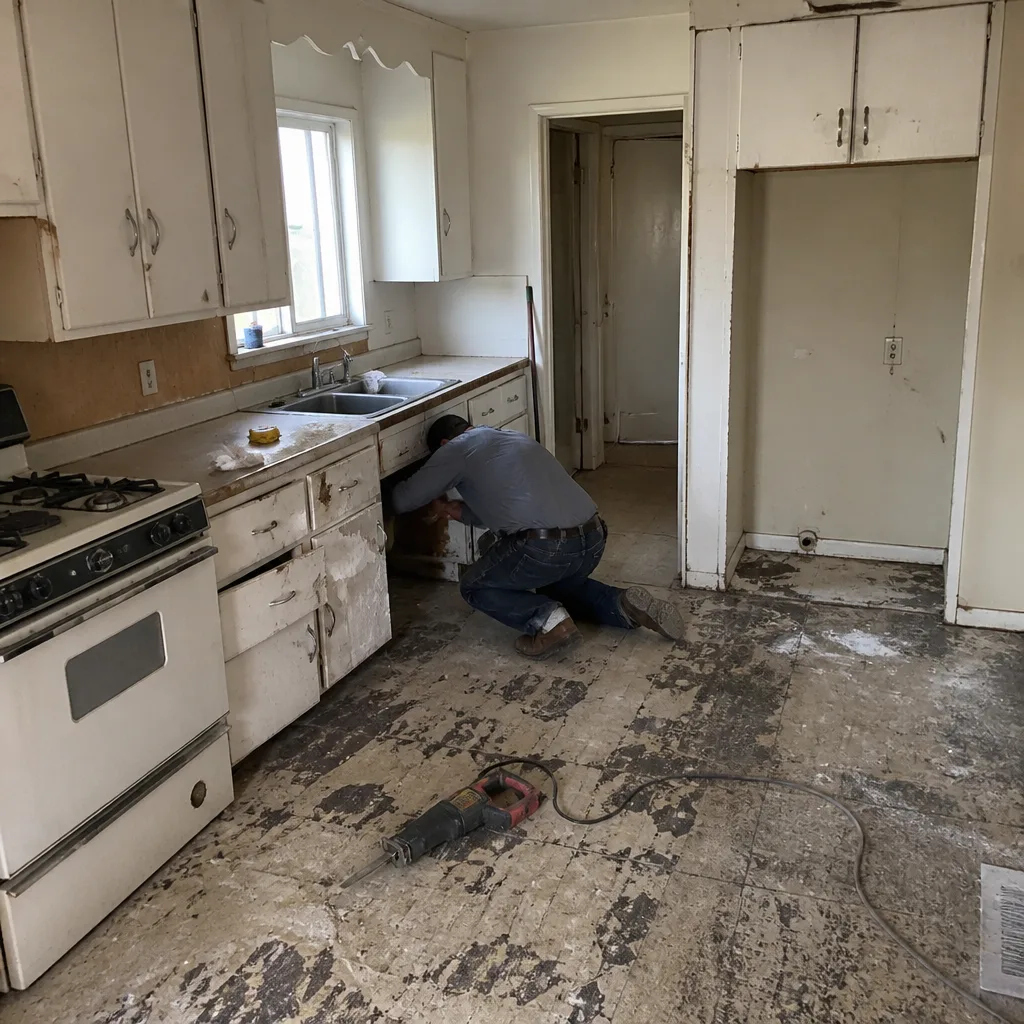 Before
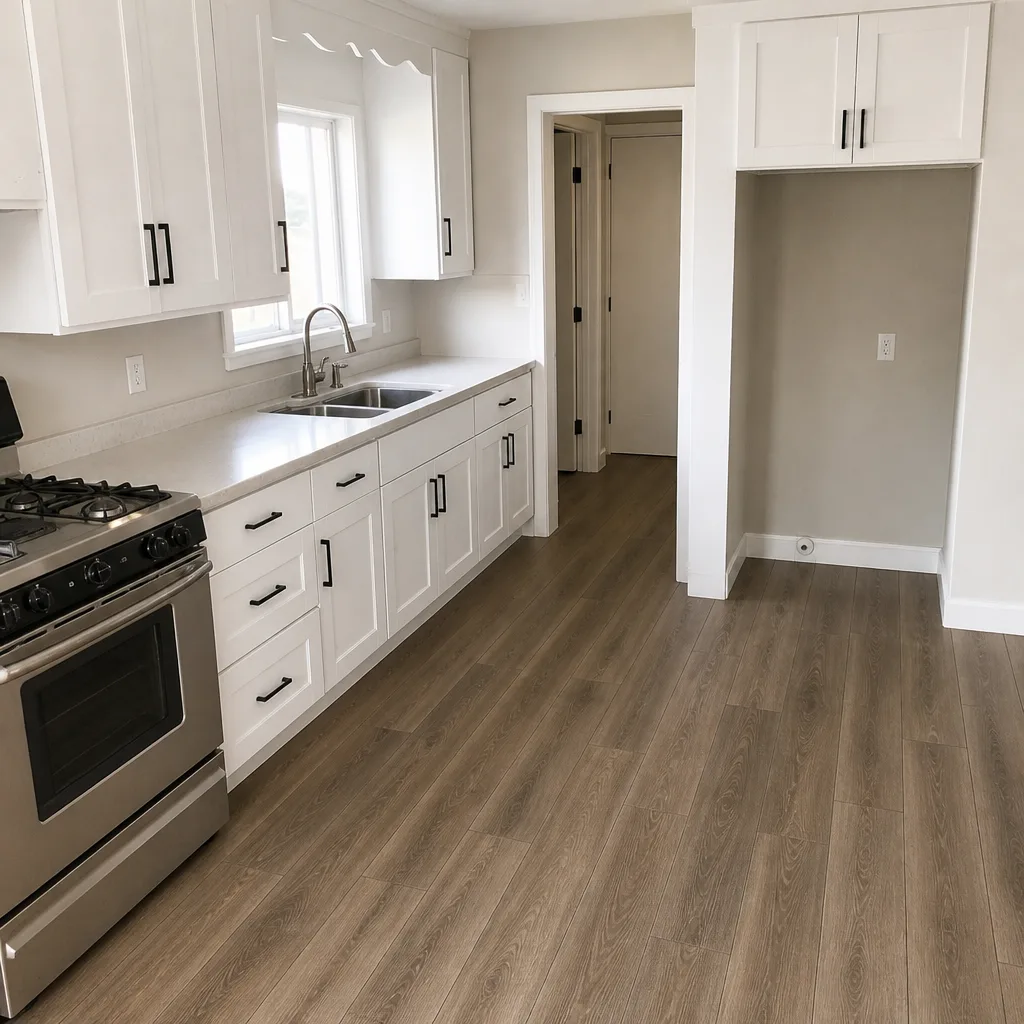 After
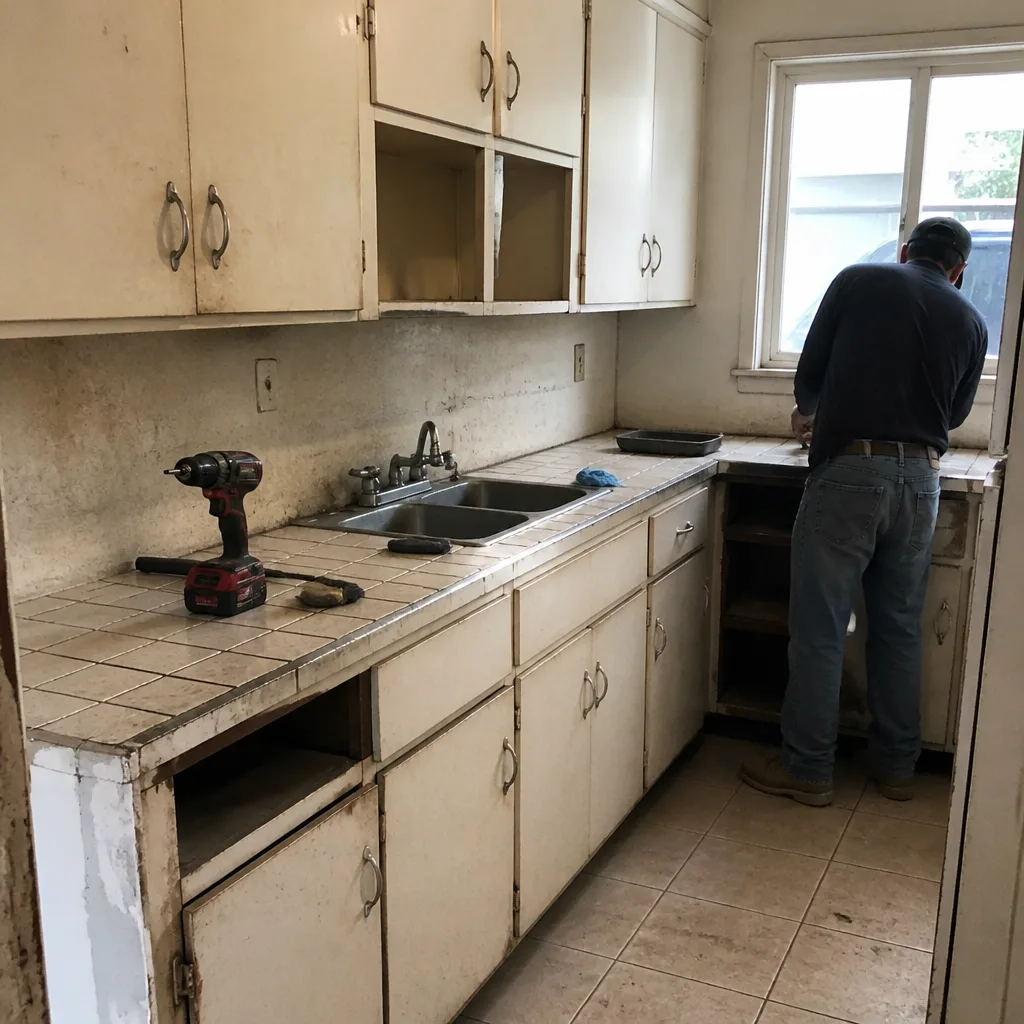 Before
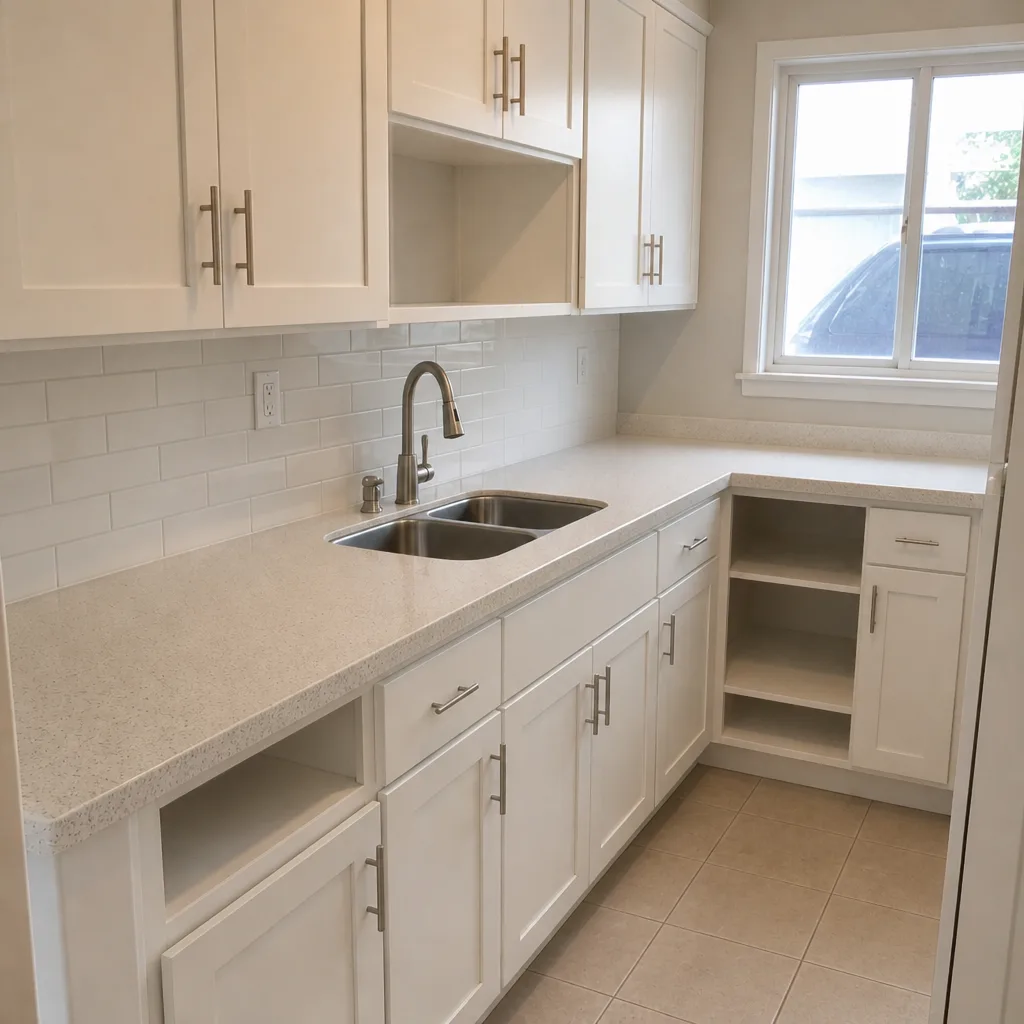 After
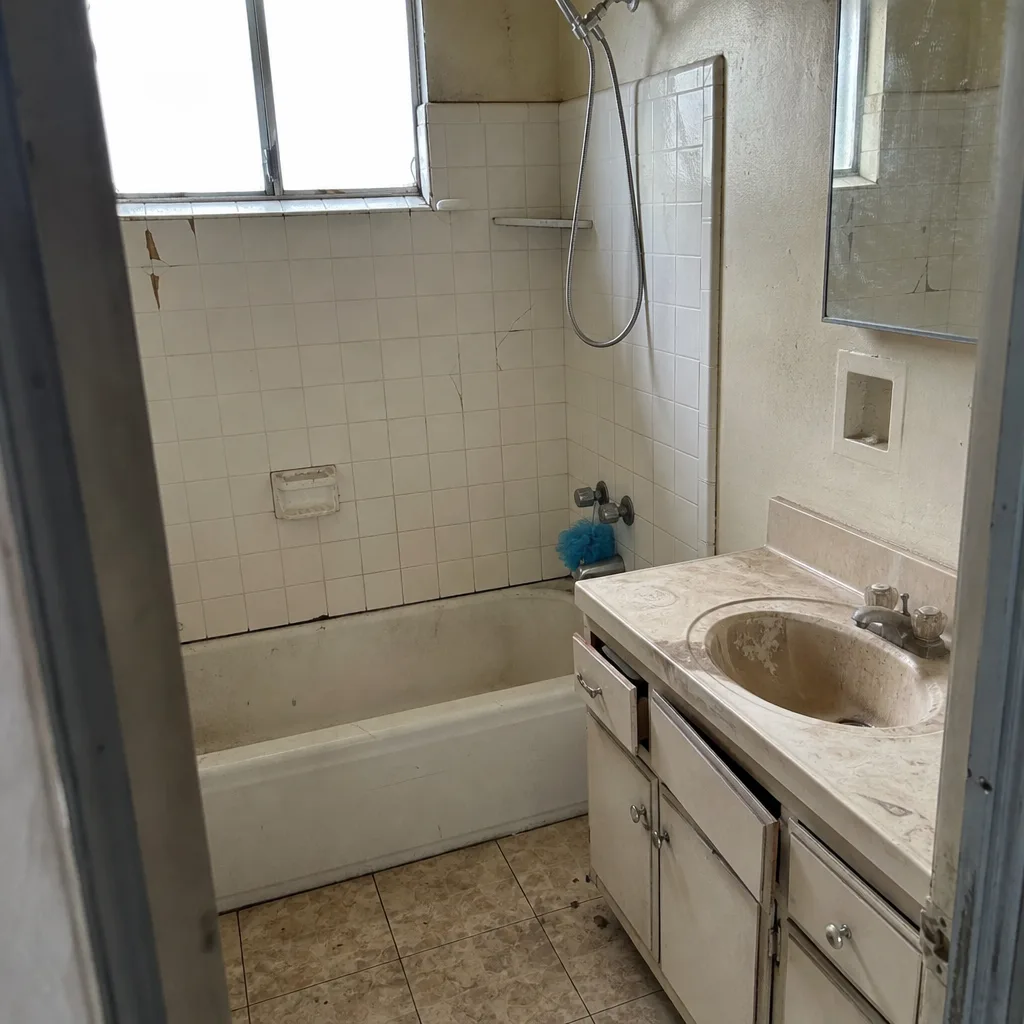 Before
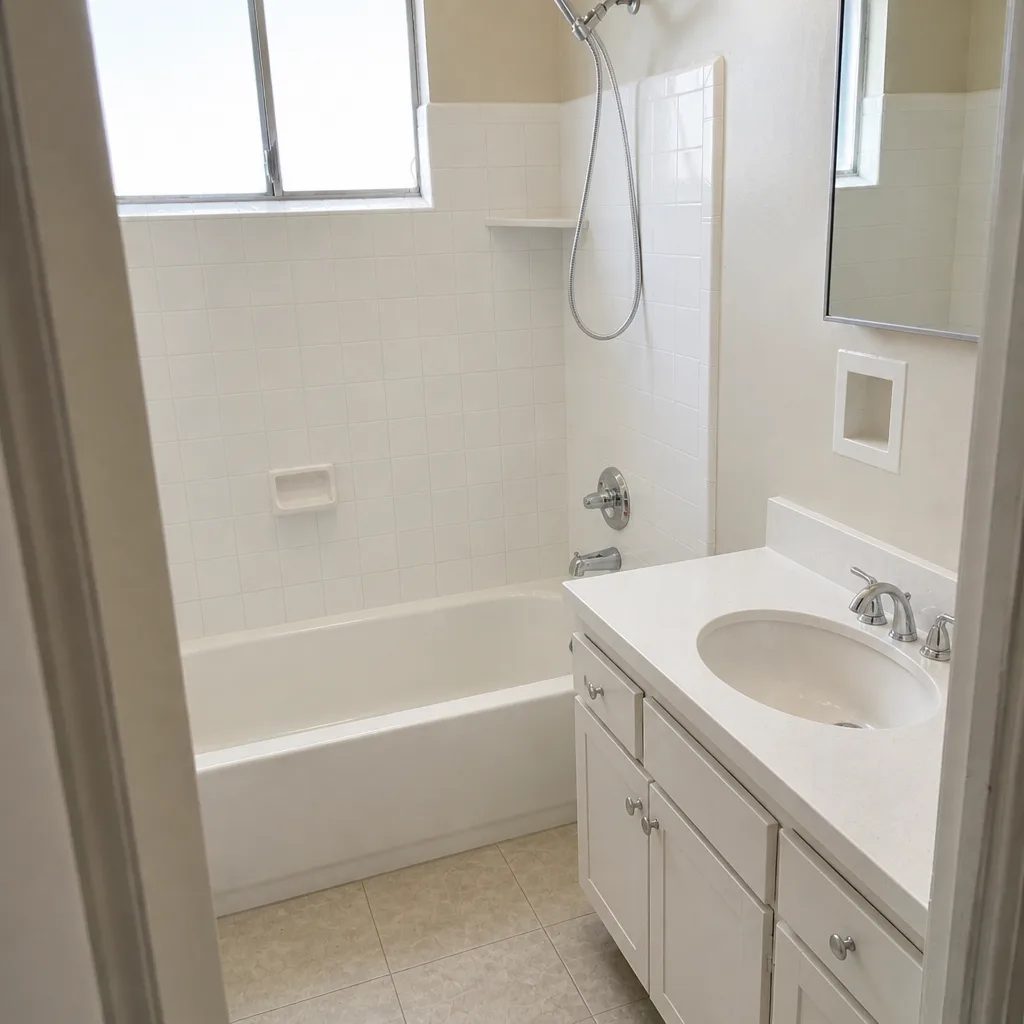 After
When to Call a Professional
Some parts of an ADU project you can do yourself: designing the interior layout, choosing finishes, picking the landscaping. Some parts you should not attempt, and the boundary is clear. Anything involving the electrical service upgrade, the structural design, the sewer lateral, the gas connection, and the site survey needs a licensed professional, because those are the parts where a mistake isn’t a matter of appearance – it’s a safety issue or a code violation that surfaces at resale. In El Monte specifically, the permit process and the utility coordination are hard to run without someone who’s done it before. Groundwork Construction Co. of El Monte offers free estimates in El Monte – call (888) 271-7872 to schedule a walk-through of your lot and a line-item estimate.
Frequently Asked Questions
A detached ADU in El Monte typically costs $180,000 to $320,000 all-in, with the higher end driven by utility upgrades, site conditions, and finishes. A garage conversion runs $95,000 to $180,000, a JADU runs $60,000 to $110,000, and an attached ADU runs $140,000 to $220,000. Call (888) 271-7872 for an exact line-item quote – estimates are free.
Most ADUs in El Monte do not require a public hearing – the standard ADU review is administrative. Hearings get triggered by requests for a variance (typically for a rear setback that can’t meet the 4-foot minimum), projects in designated historic areas, or unusual nonconforming lots. Call us and we’ll tell you which category your property falls into before you spend a dollar on design.
Yes. Under current California law, a single-family lot zoned R-1 in El Monte can have one ADU and one JADU. The two units must be separate – the JADU has to be within the existing structure, the ADU can be detached or attached. This is the configuration that produces the most income on a single lot, and it’s the one most El Monte owners don’t realize is available.
Plan check in El Monte typically takes 3 to 6 months for a detached ADU and 2 to 3 months for a garage conversion, assuming a clean submittal. Adding utility coordination, plan review, and construction, expect 8 to 14 months total for a detached ADU and 4 to 6 months for a garage conversion. Delays usually come from incomplete submittals, so the survey and site plan matter.
Then you need a service upgrade through Southern California Edison, which typically costs $8,000 to $25,000 including the new panel, new service drop, and permit. If your existing service is 100 amps (common in El Monte homes from the 1950s and 1960s), a 200-amp upgrade is almost always required. We handle the SCE application as part of the project – it’s not something to leave to the homeowner.
Not on our projects. We quote line-item, in writing, and the number holds. Every project is covered by our 730-Day Done Right Promise, and we don’t do change orders unless you’ve asked for a scope change – and if you have, the numbers are agreed in writing before we touch anything. Call (888) 271-7872 for a free estimate and a written line-item quote.
The Bottom Line
El Monte is one of the more ADU-friendly cities in the San Gabriel Valley, but the state law that opened the door isn’t the whole story. Your lot’s setbacks, your electrical service, your sewer lateral, and your rear-yard depth are the real determinants of what you can build – and those are the numbers most out-of-area contractors skip. A detached ADU is a $180,000 to $320,000 investment that rents for $2,100 to $2,900 in this market and typically pays back over 10 to 11 years. A garage conversion or JADU is cheaper and faster and often the smarter move on a smaller lot. Do the site survey first, start the utility applications in parallel with plan check, demand a line-item estimate in writing, and hire someone who’s pulled an ADU permit in El Monte before. If you want to talk through your specific lot, our team is ready: (888) 271-7872, answered by a live person 24/7.
Written by the team at Groundwork Construction Co. of El Monte.