Last updated November 17, 2026


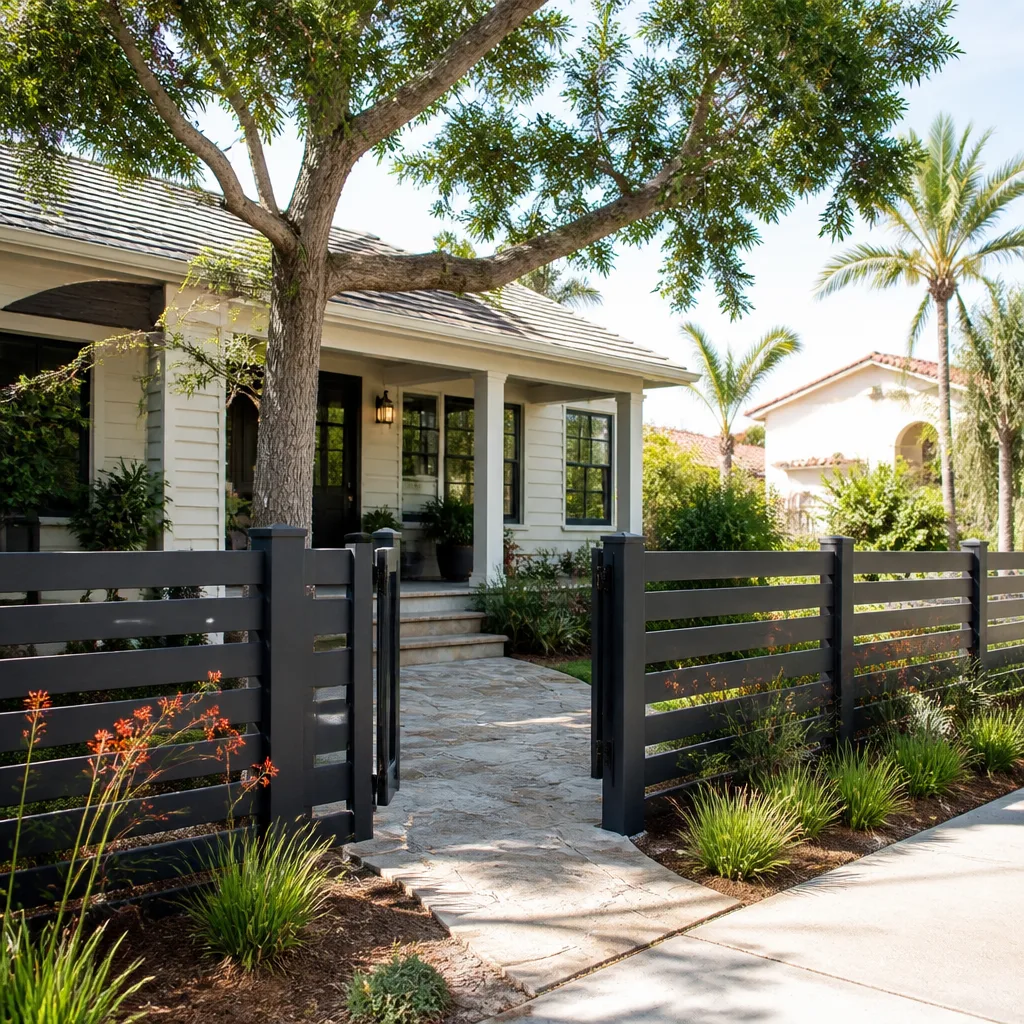
Free written scope consultation - allowances, timeline, and change-order rules on paper before a single trade is scheduled
The Complete Guide to Construction in El Monte
El Monte sits in the San Gabriel Valley on some of the most variable fill soil in Los Angeles County, a fact most contractors gloss over until it shows up as a foundation crack two years after move-in. This guide treats El Monte as its own subject, not a placeholder for generic Southern California advice. You’ll learn how local soil and river proximity shape foundation choices, how the El Monte Building & Safety Division’s plan check actually moves compared to neighboring cities, why full-scope contractors beat trade-by-trade chains on residential projects here, what drives cost differences between ADUs, room additions, and driveway expansions, and how to vet a contractor’s El Monte-specific experience before you sign anything.
Quick Answer
Construction in El Monte is shaped less by what you want to build than by what’s under the ground and who inspects it. Soil variability across the city’s older residential tracts and the alluvial ground near the San Gabriel River drive site-prep and foundation costs that flat-lot contractors in newer suburbs simply don’t face, and the El Monte Building & Safety Division wants engineered documentation for anything that touches grade or adds livable area. Plan accordingly and budget for engineering up front, or watch a cheap bid balloon once excavation starts.
Styles & brands we work with
- Kitchen remodeling
- Bathroom remodeling
- Home additions & ADU
- Roofing
- Windows & doors
- Driveway & pavers
- Fence
Table of Contents
- Why El Monte Soil Changes Everything About Foundations
- How the El Monte Building & Safety Division Actually Works
- Full-Scope vs. Trade-by-Trade: What Works in El Monte
- The Four Project Types That Dominate El Monte
- What Drives Cost Differences Between El Monte Projects
- Driveways and Pavers in a Variable-Soil City
- Fencing, Lot Lines, and the El Monte Reality
- How to Validate a Contractor’s El Monte Experience
Why El Monte Soil Changes Everything About Foundations
Drive through the older residential blocks between Valley Boulevard and the 10, and you’re passing over ground that was farmed, graded, and re-graded for decades before it was subdivided for housing. Some lots sit on native alluvium that compacts well. Others sit on undocumented fill, and nobody wrote down where the fill came from. That’s the core problem: two houses on the same street can require completely different foundation approaches, and the only way to know which one you own is to test.
Proximity to the San Gabriel River matters too. The river corridor and the low-lying ground around it hold more moisture in the soil profile, and seasonal swelling and shrinking puts lateral and vertical stress on slab edges, stem walls, and older pier-and-beam footings. We’ve seen slab cracks that a homeowner assumed were cosmetic turn out to be differential settlement once a geotechnical report came back. The fix isn’t dramatic, but it requires knowing before you pour.
Here’s what smart El Monte homeowners do before committing to any foundation-adjacent project:
- Get a soils report for additions and ADUs. Most plan checkers won’t require one for a cosmetic remodel, but for anything that adds load or footprint, an engineered soils report is the cheapest insurance you’ll buy.
- Document existing cracks before work starts. Photograph every wall, slab, and driveway crack with a tape measure in the frame. If a contractor’s excavation reveals surprises, your baseline is on record.
- Ask how the contractor handles unexpected fill. A good answer describes over-excavation, re-compaction, and a written change order. A bad answer is “we’ll figure it out.”
This is why site prep is never a line item you should let a contractor lowball. It’s the one part of the project that’s hardest to see when it’s done right and hardest to fix when it’s done wrong.
How the El Monte Building & Safety Division Actually Works
Plan check timelines in El Monte are not the same as they are in Pasadena, Arcadia, or the unincorporated county pockets nearby. The city runs its own Building & Safety Division, and the review queue reflects the volume of a mid-sized city with a heavy concentration of ADU and addition applications. In practice, a straightforward kitchen or bathroom remodel that doesn’t change structural framing or footprint moves quickly; anything touching structural, grading, or new livable square footage goes through a more deliberate review, and the clock starts when a complete submittal lands, not when you first walk in.
The patterns we see again and again:
- Incomplete submittals reset the clock. Missing structural calcs, an outdated site survey, or a title-24 energy form with errors will send you to the back of the line. El Monte reviewers are thorough, and they will not chase you for documents.
- Grading and drainage plans get extra attention. Given the soil and river-proximity realities above, plans that show how stormwater leaves the lot get scrutinized more than they would in a flatter inland city.
- ADU reviews are stricter than they were five years ago. State law opened the door, but local review still wants to see setbacks, utility connections, and access verified on paper.
- Inspections want to see the same plans the plan checker approved. Field changes without revised drawings get red-tagged, and re-inspection fees add up.
One practical rule: pull your building permit and your grading permit as a package when the project touches grade. Treating them as separate submittals creates sequencing problems later.
Full-Scope vs. Trade-by-Trade: What Works in El Monte
Hiring a framer, then an electrician, then a plumber, then a drywaller sounds cheaper on paper. In El Monte it usually isn’t, for a reason that has nothing to do with the trades and everything to do with the soil and the permit file. When four different contractors each take responsibility for one slice of the job, the moment something goes wrong – a foundation issue discovered during framing, a plan check correction that touches multiple sheets – everyone points at everyone else, and the homeowner owns the problem.
Full-scope construction means one company holds the plan set, the permits, the schedule, and the warranty from foundation to finish line. On an El Monte addition where an excavation surprise hits, that’s the difference between a phone call and a lawsuit. It also means the electrician and the plumber are coordinating with the framer in the same week, not three weeks apart.
We’ve built our whole model around this because we’ve watched it play out. The Home Additions & ADU in El Monte work we take on goes through a single plan set, a single permit file, and one point of contact. That’s not a marketing line; it’s the structure that keeps a project from stalling when the ground turns out to be harder than the drawings promised.
What full-scope doesn’t mean: paying more for convenience. Upfront pricing, no surprises is how we structure bids – the number you see is the number you pay, with change orders only for conditions that no reasonable contractor could have anticipated and that are documented in writing before work continues.
The Four Project Types That Dominate El Monte
Not every project goes through an El Monte contractor equally. Four types account for the bulk of residential work here, and each has its own rhythm.
1. ADUs and Garage Conversions
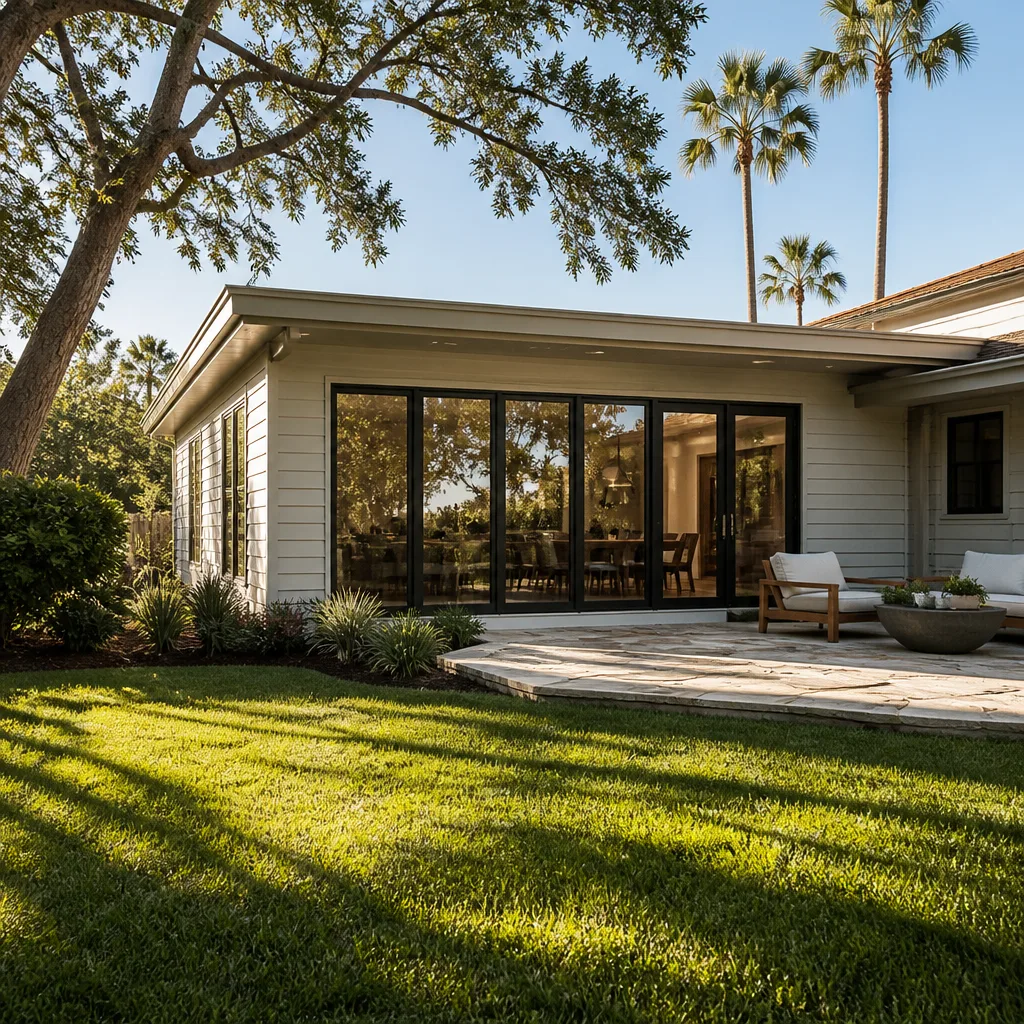
State law made accessory dwelling units easier, and El Monte has seen a steady flow of them. The wrinkle is that most ADUs tack onto existing lots where the soil profile was never tested for the original house. A soils report, an engineered foundation plan, and a utility tie-in that respects existing setbacks are almost always required, and plan check is deliberate.
2. Room Additions
A traditional room addition is a smaller ADU in miniature, minus the kitchen and bath. The cost driver is the tie-in point where the new framing meets the existing structure, and that tie-in is a foundation question more than a carpentry one. Get the footing detail wrong and you’ll chase cracks for a decade.
3. Driveway Extensions and Pavers
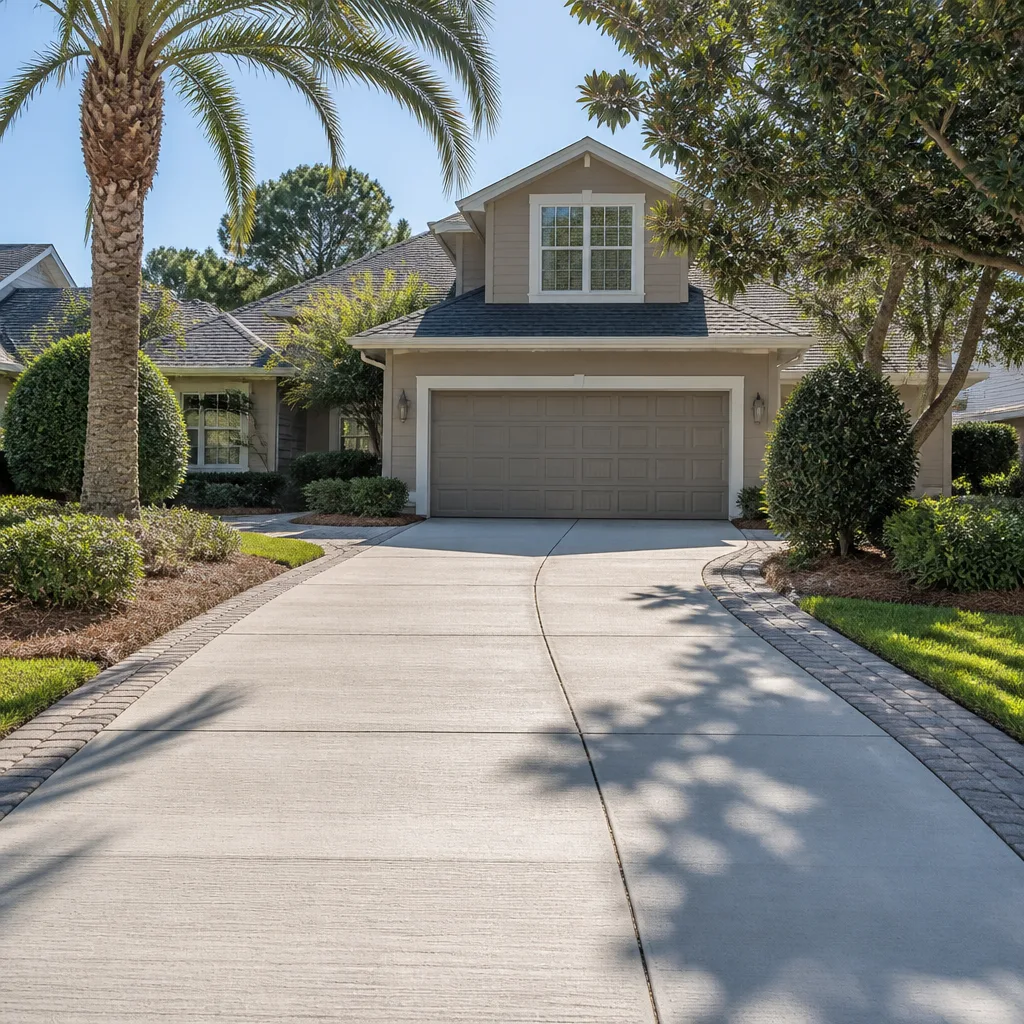
El Monte driveways take a beating from sun, seasonal rain, and the older slab-on-grade geometry many homes were built with. A paver or poured-driveway project that ignores sub-base prep will fail at the edges within a few seasons. Details matter – see our dedicated guide to Driveway & Pavers in El Monte for the specifics.
4. Fencing and Perimeter Work
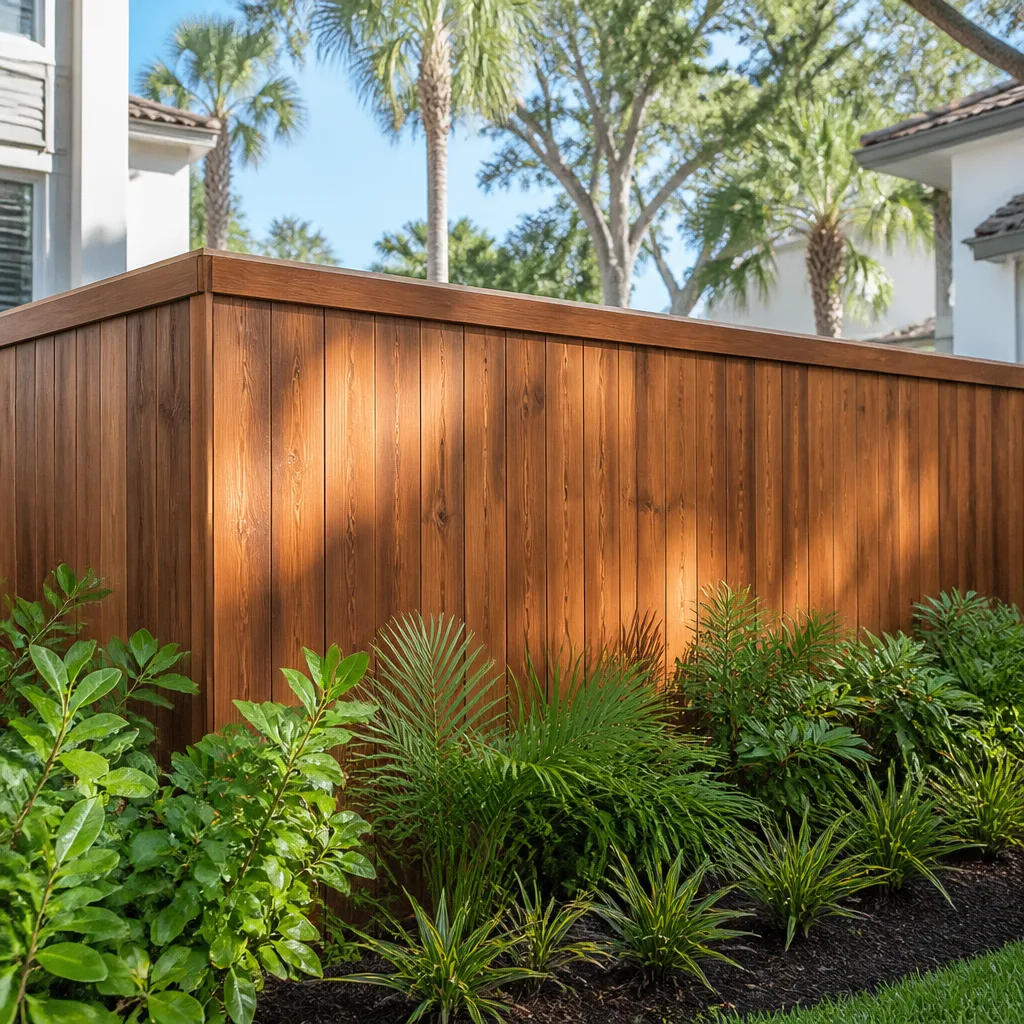
Fencing looks simple until you get to a shared property line on a lot that was subdivided in the middle of the last century. Fence Installation in El Monte work regularly bumps into line disputes, easements, and post holes that hit unexpected concrete from a long-removed structure. Barrette and Master Halco products hold up well in our climate, but only if the posts are set to handle El Monte’s ground movement. Our Fence Installation in El Monte page covers the post-set and line-survey questions.
What Drives Cost Differences Between El Monte Projects
Two El Monte homeowners can ask for what sounds like the same project and get bids that differ by 40 percent. That’s not markup; it’s the underlying conditions. Here’s where the differences actually come from.
- Site prep complexity. A lot with clean, compacted native soil needs minor excavation. A lot with undocumented fill, buried debris, or a shallow water table needs over-excavation and engineered fill, and that’s a real line item.
- Foundation system choice. Slab-on-grade, raised foundation, and pier systems are not interchangeable on variable ground. The correct choice is dictated by the soils report, not by contractor preference.
- Plan check scope. A project that adds livable square footage requires a structural, energy, and grading package; a same-footprint remodel doesn’t. The engineering cost alone can swing several thousand dollars.
- Utility distance. The further a new kitchen, bath, or ADU sits from the existing main, the more trenching and re-piping the project needs.
- Material tier. KraftMaid cabinetry and Cambria countertops sit in a very different cost bracket than builder-grade stock. Neither is wrong; they solve different problems.
- Access. A lot where a concrete truck can back into the driveway is cheaper to build on than one where materials have to be wheeled in by hand between a carport and a fence.
What we tell every El Monte client: the upfront bid is only useful if the contractor has already walked the lot, looked at the soil history in the neighborhood, and read the plan check requirements specific to the city. A bid assembled from a satellite photo isn’t a bid; it’s a guess.
Driveways and Pavers in a Variable-Soil City
A driveway project on El Monte’s variable ground has one non-negotiable: sub-base. Pavers laid on an insufficiently compacted base will heave, shift, and rut within two rainy seasons, no matter how premium the surface material is. Belgard pavers are excellent, but a premium paver over a bad base is still a bad driveway.
What a proper El Monte driveway build looks like:
- Strip and evaluate the existing base. The old driveway surface comes off, and the contractor tests what’s underneath. Sometimes there’s a usable compacted layer; often there isn’t.
- Excavate to the engineered depth. On variable soil that means going deeper than on stable ground, with a compacted aggregate base rated for the loads the driveway will see.
- Install edge restraint and drainage. Water has to leave the surface; a driveway with nowhere for rain to go will hold it against your foundation.
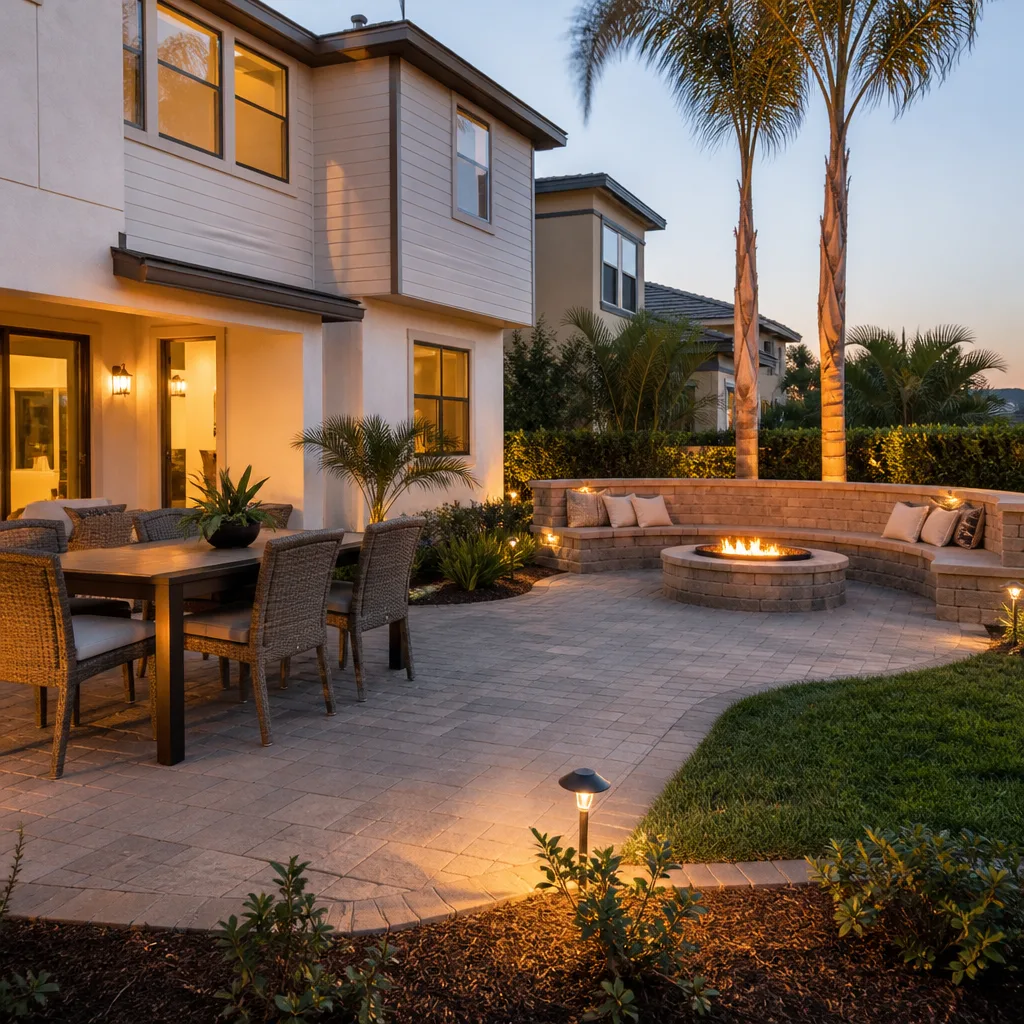
- Lay pavers or pour concrete. Both are legitimate choices; the correct one depends on what the lot will support and what kind of maintenance the homeowner wants.
- Compact, joint sand, and seal. The sealant interval on El Monte driveways runs shorter than in cooler climates because of UV exposure.
If your current driveway is cracking in patterns that radiate from a specific point, don’t let a contractor just pour over the top. That’s a soil or drainage signal, and it’s telling you something before you spend the money.
Fencing, Lot Lines, and the El Monte Reality
Fencing projects in El Monte hit a unique set of complications because the city’s residential blocks were platted over many decades, and lot lines don’t always agree with the fences that have been standing for 30 or 40 years. Before any fence gets built, good practice is to locate the actual property line, either from a recent survey or by comparing recorded parcel data against visible markers.
Post setting is the second issue. El Monte’s ground movement means a shallow-set post that works fine for a decade in stable conditions will start to lean from the base within a few seasons. Concrete-filling posts to a depth that respects the local soil profile matters more than the panel material, and it’s why we don’t quote a fence by linear foot alone.
Product choice is a smaller piece of the puzzle but worth mentioning. Ameristar steel fencing holds up well to both ground movement and the kind of wear a family with kids and dogs puts on a perimeter; Western red cedar and pressure-treated wood are the traditional choices and remain excellent for the right lot. What we steer homeowners away from is composite or steel panels hung on inadequate posts. That’s a warranty claim waiting to happen.
How to Validate a Contractor’s El Monte Experience
Any contractor can claim to serve El Monte. The question is whether they actually understand the city. Here are the questions that separate a real local partner from a company that just happens to have an El Monte address in its service-area list.
- “Have you pulled permits through the El Monte Building & Safety Division in the last 12 months?” A real local contractor can tell you roughly how long plan check is taking right now, which trades get flagged, and what typically comes back as a correction. A company that works primarily in other cities will hedge.
- “What do you do when a soils report comes back with undocumented fill?” The answer should describe over-excavation, engineered fill, and a written change order process. If they say “we don’t usually need soils reports,” they don’t work El Monte ground.
- “Who is on the crew and are they background-checked?” Every project we run is staffed by background-checked, uniformed technicians. That’s not a given across the industry, and it matters on larger projects where crews are in and around your home for weeks.
- “What’s your workmanship warranty, in writing?” Anything shorter than two years is a flag on a project touching foundation, framing, or waterproofing. Our 730-Day Done Right Promise exists because most warranty fine print is designed to expire before problems surface.
- “Can I see the last three El Monte jobs you completed?” A local contractor will have photos, addresses (or at least blocks), and references. A company that only offers out-of-area references is telling you something.
- “Are you licensed and insured, and will you put that in the bid?” The certificate of insurance should be included with the contract, not promised verbally.
And one more, though it’s less of a question and more of a test: call the contractor’s office at 6 p.m. on a Friday. If you get voicemail, that tells you how the relationship will feel the first time something goes sideways mid-project. Live person, 24/7 is the standard we hold ourselves to, and it’s a reasonable standard for anyone you hire.
Common Mistakes to Avoid
- Skipping the soils report to save a few thousand dollars. On an El Monte lot with undocumented fill, that decision costs ten times what it saves when the foundation has to be re-engineered after construction begins.
- Hiring the lowest bid from a contractor who hasn’t walked the lot. A bid prepared from a satellite photo and a phone conversation is a wish, not a plan. The number that matters is the one from a contractor who’s seen what’s actually under the surface.
- Breaking the project into trade-by-trade packages to feel like you’re saving money. You’re not saving money; you’re buying yourself the job of project manager on a project where the trades need to talk to each other daily.
- Starting work without permits because “the neighbor did it and nobody noticed.” El Monte’s Building & Safety Division catches up eventually, and unpermitted work on a future resale is a problem you inherit at closing.
- Accepting a verbal scope and a verbal warranty. Every detail – what’s included, what’s excluded, how change orders work, what the warranty covers – should be on paper before the first day of work.
- Ignoring the grade around the foundation. Water that pools against a slab or stem wall is one of the most common causes of settlement in this city, and it’s often the cheapest problem to fix if it’s caught early.
- Hiring out of the area because a competitor quoted lower. A contractor who hasn’t built in El Monte will underestimate site prep, mis-size the foundation, and discover the plan check timeline in real time – with your money on the line.
See the difference
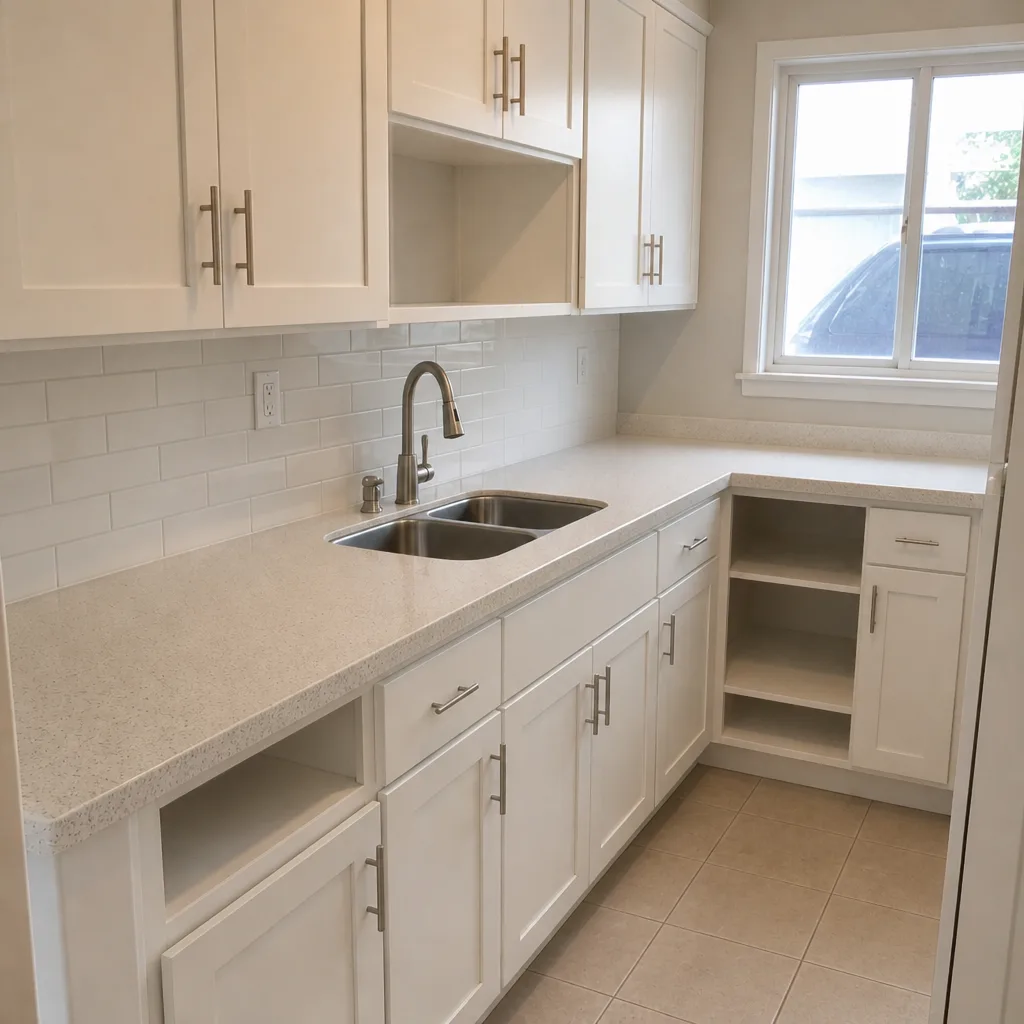
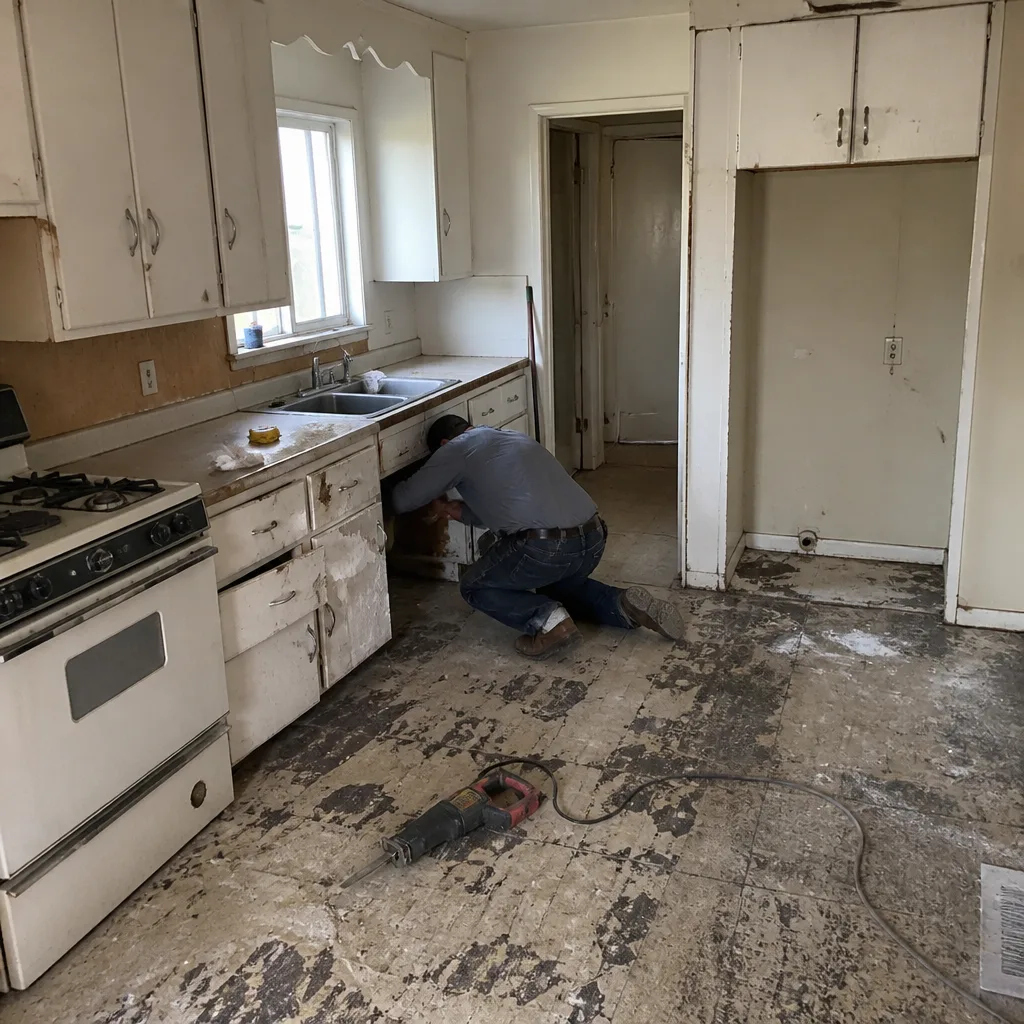 Before
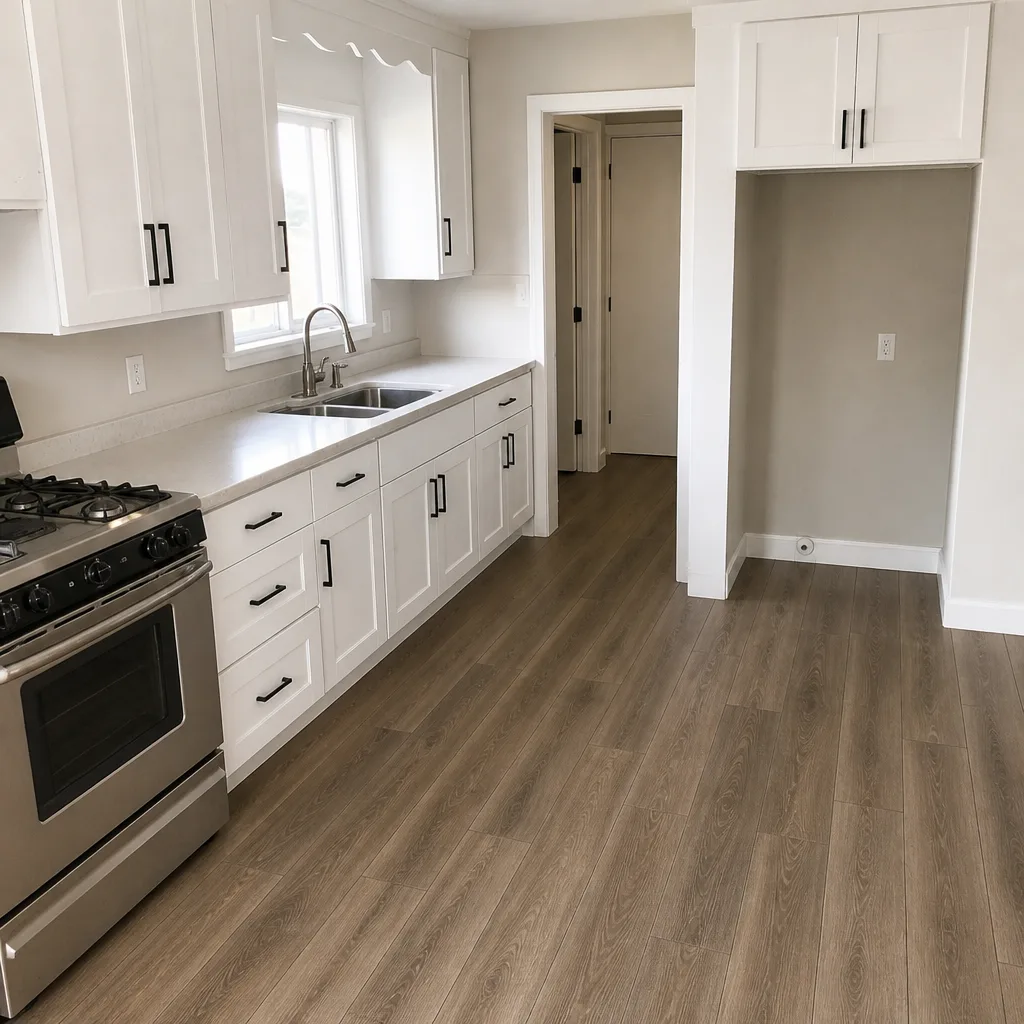 After
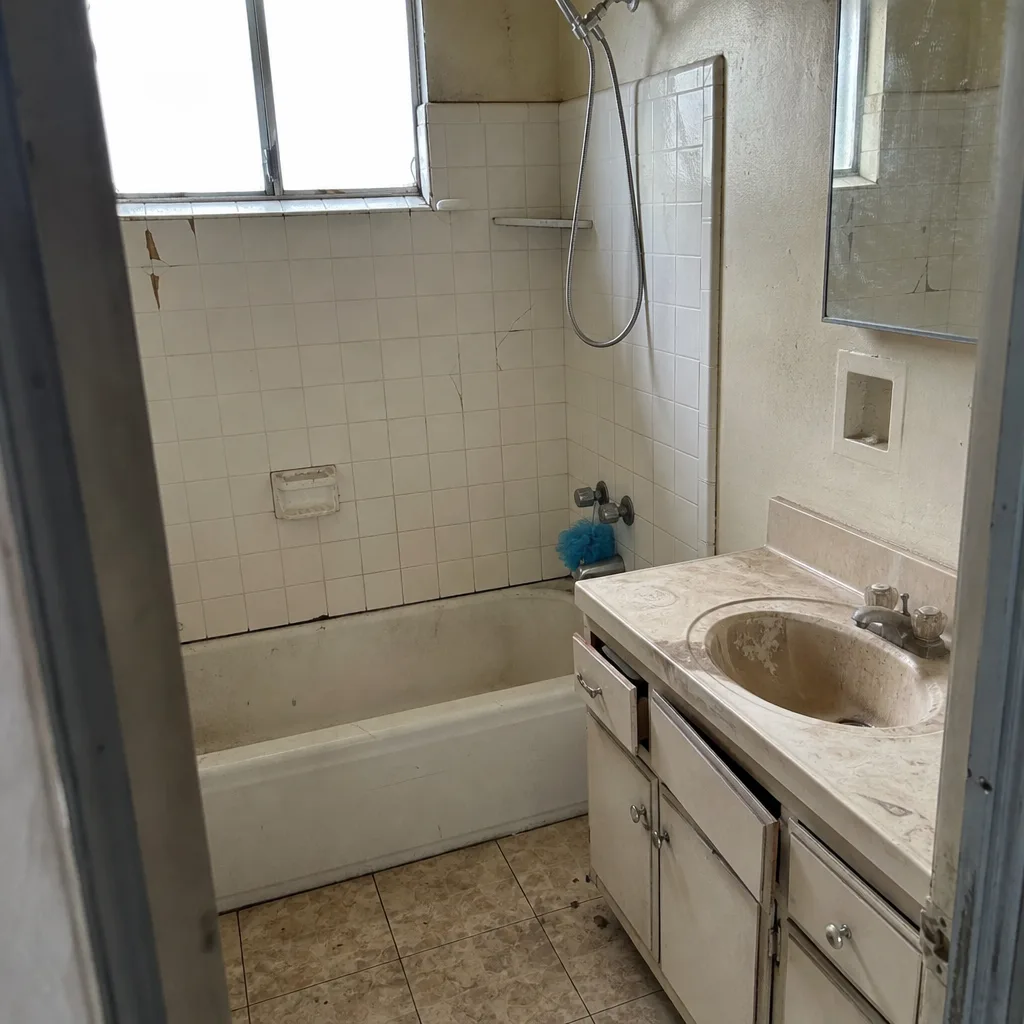
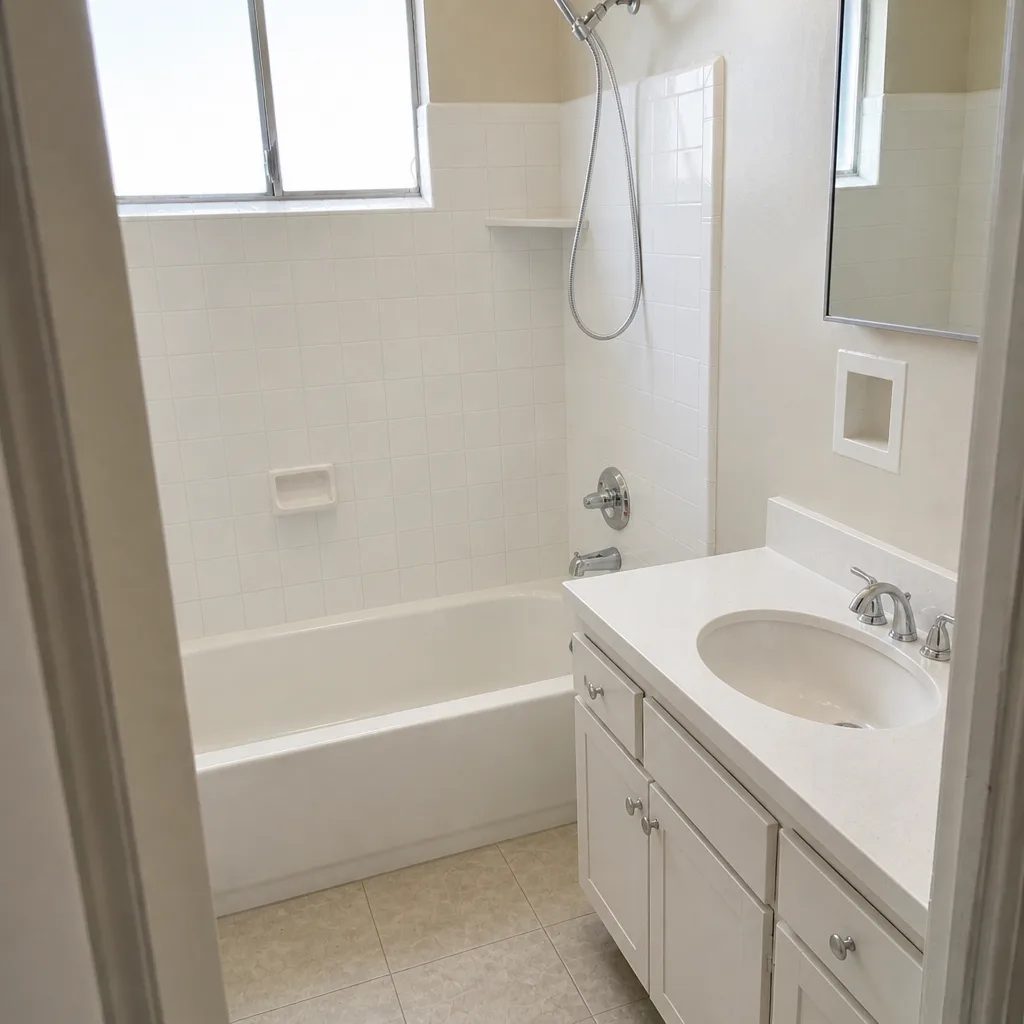
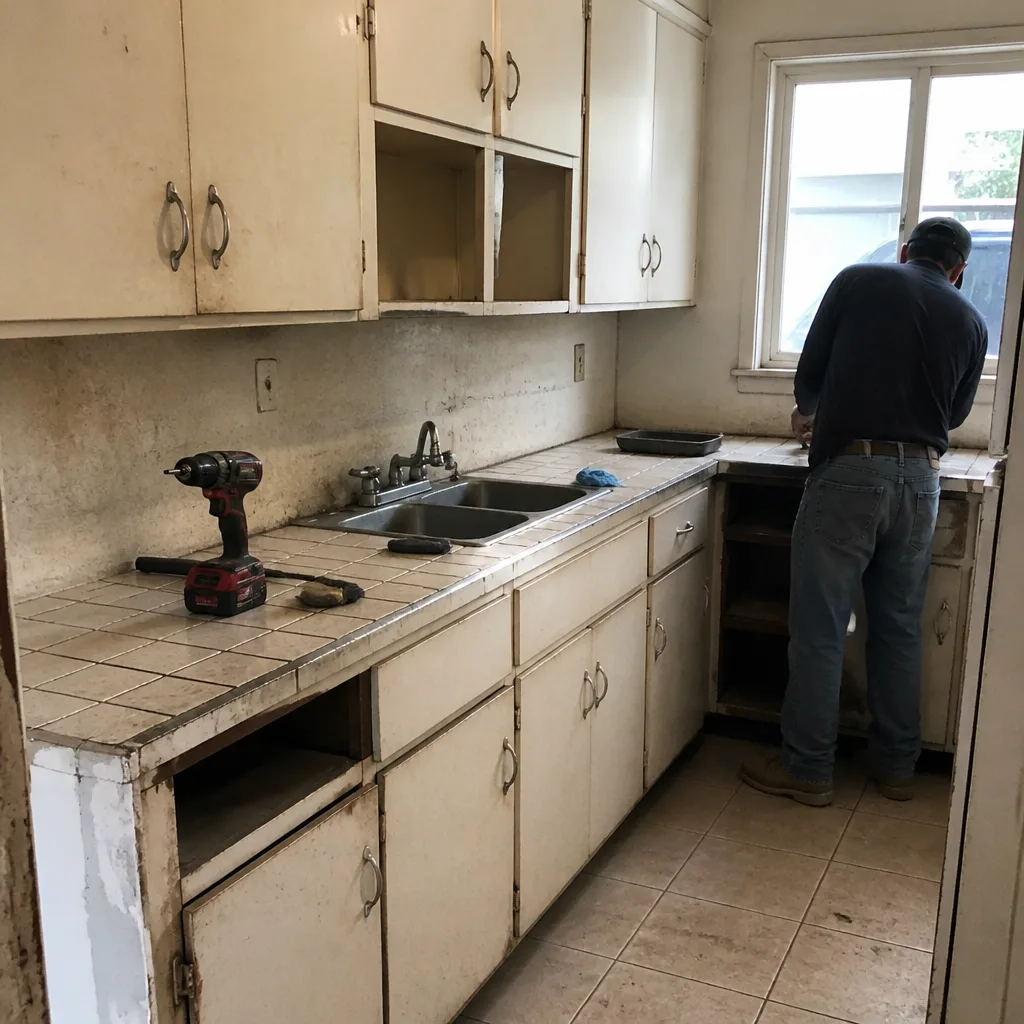 Before
 After
 Before
 After
When to Call a Professional
Some work is fine to tackle yourself. Replacing a light fixture, repainting a room, rehanging a gate – none of it needs a crew. But when the project touches the foundation, the structural framing, the electrical panel, the gas line, or the roof, the work belongs to a trained professional. The safety margin on those systems is smaller than it looks, and a mistake compounds quietly. Two other situations deserve a call even before you’re ready to commit: any project that requires an El Monte building permit, and any time plan check sounds simple from a contractor’s description but complicated from everyone else’s. Groundwork Construction Co. of El Monte offers free estimates in El Monte – call (888) 271-7872 to book a walk-through. We’ll bring the on-site evaluation, the pricing transparency, and the written warranty terms to the first meeting so you’re comparing real numbers.
Frequently Asked Questions
ADU costs in El Monte typically land in a wider range than in flat-suburb cities because site prep and foundation engineering depend on what’s under your specific lot. Budget for a soils report, engineered foundation detail, and a longer plan check timeline than a same-footprint remodel. Call (888) 271-7872 for an exact quote on your lot – estimates are free and we’ll walk the ground with you.
For a room addition that adds load or footprint, yes – an engineered soils report is standard practice and increasingly expected at plan check. The report tells the engineer which foundation system will work on your lot, and it’s the cheapest way to avoid a mid-project surprise. Call (888) 271-7872 to schedule a free assessment before you commit to any design.
Timelines vary by project scope, but the consistent factor is completeness: a submittal that arrives with engineering, grading, and energy documents in order moves faster than one that trickles in. Anything touching structural, grading, or new livable square footage sits in a more deliberate review queue than a same-footprint cosmetic remodel. Call (888) 271-7872 to discuss your project’s likely timeline.
Our upfront pricing policy is that the number you see is the number you pay. Change orders only apply to conditions that no reasonable contractor could have anticipated – undocumented fill under an excavation, an unexpected utility alignment – and those are documented in writing before work continues. Call (888) 271-7872 to get a written line-item bid.
For anything touching foundation, structure, or multiple trades on the same timeline, one full-scope contractor is almost always the better choice in El Monte. The soil and permit realities here mean changes regularly ripple across trades, and a single point of accountability keeps the project moving when they do. Call (888) 271-7872 to talk through your scope.
Yes – pulling the building permit and, where the project touches grade, the grading permit, is part of our standard process. Permits and inspections are coordinated through the El Monte Building & Safety Division as part of the job. Call (888) 271-7872 with the project scope and we’ll walk through the permit path.
The Bottom Line
El Monte construction comes down to three things: the ground under your lot, the plan check under your timeline, and the contractor under contract. Soil variability and river proximity make site prep and foundation engineering non-negotiable for any project that adds load or footprint. The El Monte Building & Safety Division rewards complete submittals and punishes shortcuts. And on projects that touch multiple trades, one accountable contractor beats a chain of subcontractors every time. Get the soils report. Verify the plan check path. Vet the contractor with the six questions above. Do that, and the project has a foundation to be proud of – literal and otherwise.
Groundwork Construction Co. of El Monte is the full-scope construction partner for El Monte homeowners who want the ground work done right the first time. Our technicians have up to 12 years of experience, every project is staffed by background-checked, uniformed crews, and every job is backed by our 730-Day Done Right Promise. Live person, 24/7, no voicemail – call (888) 271-7872 for a free estimate and design consult. See the rest of our work from Groundwork Construction Co. of El Monte home.
Written by the team at Groundwork Construction Co. of El Monte.