Last updated November 17, 2026




Free written scope consultation - allowances, timeline, and change-order rules on paper before a single trade is scheduled
DIY vs Professional Fence Installation: What’s Safe to Do Yourself
Most fence projects don’t fail because the builder lacked skill. They fail because nobody called 811 before the first post went in the ground. Hitting an unmarked irrigation line or a gas lateral with a post-hole digger isn’t a beginner mistake – it happens to experienced DIYers who skipped the call and didn’t pull old plat maps. And that’s before you get to the part where a fence built two feet onto your neighbor’s lot can sit quietly for years and then surface at resale. Here in El Monte, the lots are tight, the utilities are older than the homeowners, and the soil runs from hard clay to river-washed loam depending on the block. This guide walks through what’s genuinely safe to handle yourself, what isn’t, and what the real numbers look like.
Quick Answer
Light fence work – replacing individual boards, staining, swapping hardware, fixing a sagging gate – is a reasonable DIY job for most homeowners. Anything involving digging new post holes, setting footings, extending or replacing a whole fence line, or running along a shared property line is where DIY gets dangerous and legally messy, and it’s worth hiring a professional.
Styles & brands we work with
- Kitchen remodeling
- Bathroom remodeling
- Home additions & ADU
- Roofing
- Windows & doors
- Driveway & pavers
- Fence
Table of Contents
- The Site Research Every Fence Project Needs Before You Dig
- Fence Tasks That Are Genuinely Manageable DIY
- Why Post Setting Is the Highest-Consequence Step in the Project
- Real Cost Comparison: DIY vs Professional Installed
- Permit and Property Line Situations Where DIY Creates Legal Exposure
- Materials, Brands, and What Holds Up in El Monte Weather
- Common Mistakes to Avoid
- When to Call a Professional
The Site Research Every Fence Project Needs Before You Dig
Before you think about lumber, think about what’s under the dirt. A fence line crosses more underground territory than most people realize: irrigation laterals, the main water service, gas lines, landscape drainage, electrical conduit running out to a detached garage or shed, cable and phone drops, and in older El Monte neighborhoods, occasionally a defunct septic line nobody at the city can confirm. None of that shows up in your memory. Some of it doesn’t even show up on the utility company’s current maps.
This is why the first step in any fence project – DIY or hired – is a call to 811, the free underground utility locating service. You give them the planned dig area, they notify the member utilities, and someone comes out to mark what’s buried. It’s free, it’s required by California law before you excavate, and it typically schedules within a few business days. Note the word “typically” – schedule it early, because the clock starts the day you call, not the day you want to build.
Utility marking only covers what belongs to member utilities. It doesn’t cover your own irrigation system, your drainage field, or private lines on your side of the meter. That’s on you to map. Do this before you dig:
- Walk the line with a probe or a shovel and hand-dig test holes every 8 to 10 feet. Slow, but this is how you find what the paint didn’t mark.
- Check the original plat map and any recorded easements at the county recorder’s office. El Monte has neighborhoods from the 1920s through the 1980s, and easement records vary wildly from one block to the next.
- Call the city’s public works department and ask about any right-of-way restriction on your fence line. If the fence sits near a sidewalk or alley, the setback matters.
- Map your irrigation valves and run the system with markers on the fence line. Watch where the water pools – that’s where the laterals run.
If you’ve never done this for a project, it can take a half-day or two. In El Monte, we’ve seen older irrigation lines placed 6 inches deep in the front yard and gas laterals marked within 18 inches of a fence at the side. Those are the numbers that decide whether a post-hole digger is a tool or a hazard.
Groundwork Construction Co. of El Monte home
Fence Tasks That Are Genuinely Manageable DIY
Here’s the honest split: the fence you already have is mostly yours to maintain. The fence you want to build from scratch is mostly not a beginner project. The difference comes down to digging, structural loading, and the consequences of getting it wrong.
What most homeowners can handle themselves, comfortably:
- Replacing individual pickets or boards. One or two broken boards on a wood or vinyl fence is a 30-minute job with a pry bar and a drill. Match the profile as closely as you can – on older cedar fences the color difference fades within a season.
- Staining and sealing. Wood fences in Southern California take sun and dry heat the same way siding does. A re-stain every two to three years keeps cedar and pine from checking and greying. The job is mostly prep and patience.
- Hardware swaps. Hinges, latches, gate handles, and post caps are cheap and easy to replace, and they solve 80 percent of the “gate won’t close right” complaints we hear.
- Minor repairs. Tightening a loose rail, re-nailing a popped picket, patching a rot spot above the soil line. Small problems caught early stay small.
- Painting vinyl and aluminum. If the fence is already standing and structurally sound, a new coat is a weekend job.
What falls on the other side of the line – the parts we strongly recommend hiring out:
- Any new post hole over 18 inches deep
- Setting a concrete footing
- Extending a fence line or building a new one from scratch
- Anything on a shared property line
- Fences taller than 6 feet, which are subject to wind loading and local code
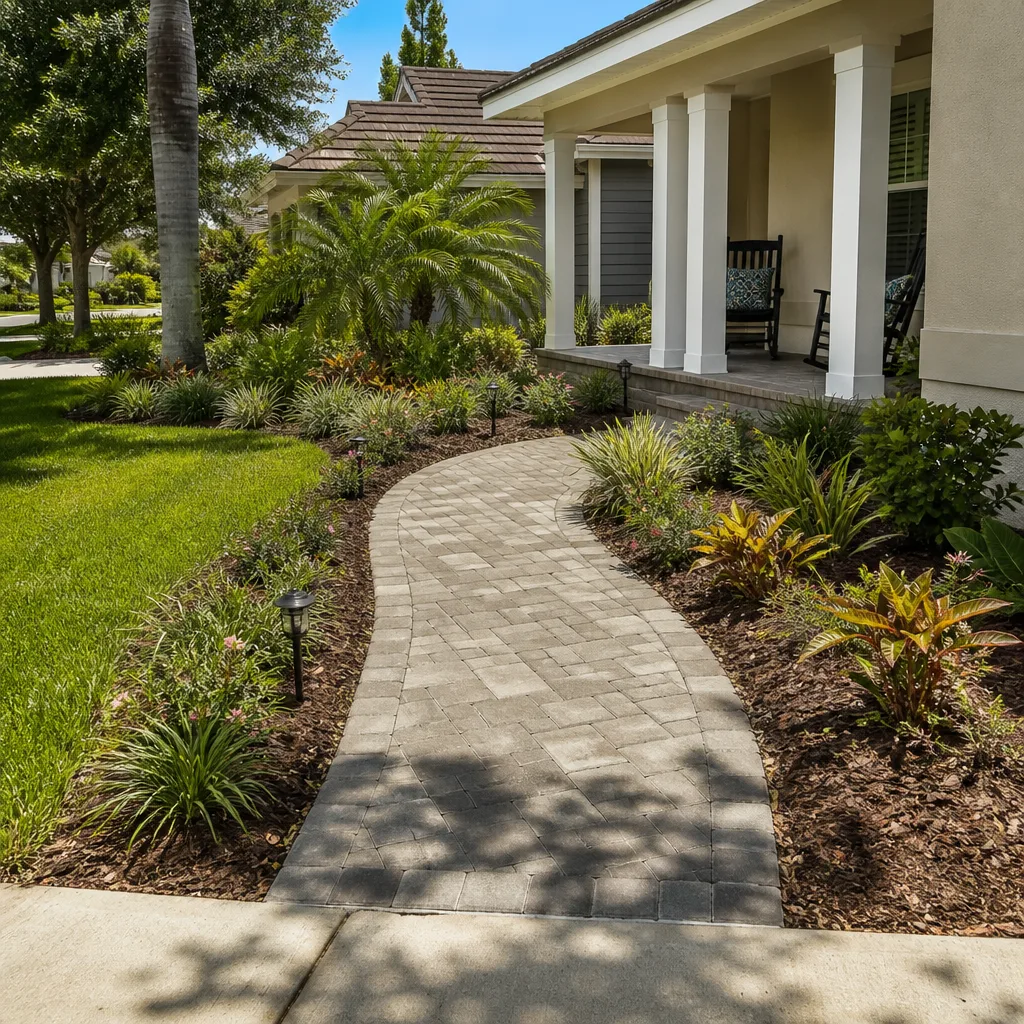
If you’re also considering a hardscape connection to the fence – a paver walkway to the side gate, a driveway apron to the side yard – that work needs the same site research and typically runs alongside it. Driveway & Pavers in El Monte is where we cover that side of the exterior work.
Why Post Setting Is the Highest-Consequence Step in the Project
A fence is essentially a lever arm anchored in the ground. Every wind gust, every gate swing, every lean from a mature tree pushes on the buried part of the post. If the footing is wrong, the fence is wrong – and the failure shows up 18 to 36 months later, when you’re already living with it.
Post setting is where the DIY math gets genuinely dangerous. The concrete mix ratio matters; the hole depth matters; the soil type matters; the drainage matters. Get any one of these wrong and the post leans, the fence pulls away from the neighbor’s side, and you’re pulling out cured concrete to fix it.
The specific things that go wrong:
- Wrong concrete ratio. Fast-setting post mix is not the same as standard concrete. Fast-set grabs too hard for a moving post and can crack; standard mix needs to cure properly, which means you can’t rush the schedule.
- Insufficient hole depth. In most residential soils, the hole should be one-third the height of the post above ground. A 6-foot fence means an 18-inch-deep hole minimum, and deeper in areas with expansive clay soils – which El Monte has plenty of, especially toward the hills north of Valley Boulevard.
- Crown sitting above the soil line. Concrete should slope away from the post so water sheds. A flat or concave crown pools water, rots the post at the grade line, and pulls the fence out of plumb within two seasons.
- No gravel base. A 3-to-4-inch gravel base under the concrete improves drainage and keeps the post from heaving with seasonal movement.
- Wrong post spacing. Standard is 8 feet on center for most wood and vinyl fences, 6 feet for heavy gates. Spacing faster than that means more load per post.
If you’re building against an existing wall, a slope, or a property line that runs close to your house, the footing has to be designed around those conditions. That’s the part where a pro sees a solution and a first-time DIYer sees a problem. It’s the same reason we recommend going into Fence Installation in El Monte with a site walk rather than a lumber order.
Real Cost Comparison: DIY vs Professional Installed
The DIY-vs-hire decision comes down to what number you actually put in front of yourself. Most DIY cost estimates undercount. The big three omissions are tool rental, concrete and gravel, and the time you spend doing it instead of working your own job.
Here’s a rough comparison for a typical 100-linear-foot, 6-foot-high wood privacy fence, installed:
- Lumber and materials (DIY): $1,400 – $2,200 depending on cedar vs. pressure-treated pine and post spacing.
- Concrete and gravel: $250 – $500 for 15 to 18 posts.
- Post-hole digger rental: $60 – $130 for a weekend; a powered auger runs $100 – $250 with the operator.
- Nail gun, compressor, level, drill, prys: $0 if you already own them, $300 – $500 if you don’t.
- Waste factor (10 – 15 percent on lumber): $140 – $330.
- Time: 4 to 6 full weekends for a first-timer, or 40 to 60 hours of billed trade time.
Add the time honestly and the gap narrows fast. The DIY total typically lands between $2,500 and $3,500 for materials plus tool rental plus waste, with 40 to 60 hours of your time on top. For many El Monte homeowners, the hours are worth more than the labor savings once you factor in the weekend recovery and the fact that a second attempt after a first failure typically costs more than the project would have new.
A professionally installed fence in El Monte usually runs $2,800 – $5,000 for the same 100 linear feet, depending on material and site access. The difference includes footing depth, post spacing checked against local wind and soil conditions, and a workmanship guarantee. With upfront pricing and no change orders, the number you see at the estimate is the number you pay.
One thing worth checking before you commit: permit fees. In El Monte, a fence permit for a 6-foot privacy fence typically runs a modest flat fee, and the inspection is straightforward. A 7-foot fence generally requires a variance, which changes the cost and timeline. If you’re planning hardscape or additions alongside the fence, that cost can be bundled – see Home Additions & ADU in El Monte for how exterior site work fits into a larger build.
Permit and Property Line Situations Where DIY Creates Legal Exposure
This is the section most fence guides skip, and it’s the one that costs people money two or three years after the job. A fence is a boundary marker, and boundary markers are documented. When you sell a house, the title company looks at fences. When you refinance, the appraiser looks at fences. When a neighbor is unhappy about something else, the fence becomes the thing.
The four situations where a DIY fence gets legally expensive:
- Building on a neighbor’s lot. Even two feet of encroachment can force a fence relocation, a survey, and in serious cases an adverse possession claim. In older El Monte neighborhoods, we regularly see fences 1 to 3 feet off the recorded line simply because a previous owner made a judgment call 30 years ago.
- Fence height over the local limit without a permit or variance. The municipal code sets a maximum for fences in most residentially-zoned areas, and a taller fence requires a permit that involves a site plan and often a neighbor notification. Going up without one can result in a compliance order that costs more to resolve than the fence cost to build.
- Fences in a recorded easement. If a utility easement crosses the fence line, the utility has the right to remove the fence – at your cost. That easement is on the plat map, not on your property deed summary.
- Blocking a drainage easement or a shared swale. Southern California properties often share drainage paths. A solid fence placed across a swale can flood the downhill neighbor and put you on the wrong side of a civil suit.
Before you build, pull the plat map, find the recorded corners, and confirm the setback. In our experience a professional survey is worth the $500 – $1,200 it costs. It’s cheap compared to relocation and litigation, and it settles the neighbor question before it becomes a neighbor dispute. If the line isn’t clear, have a conversation with the neighbor before the concrete goes in, not after.
Materials, Brands, and What Holds Up in El Monte Weather
El Monte sits in a band of Southern California with hot, dry summers, mild winters, and a handful of Santa Ana wind events every year that push gusts hard enough to stress every above-ground structure. That combination has specific consequences for fence materials – some things that work fine in coastal Orange County or in the Pacific Northwest age differently here.
What we see holding up best on El Monte fences:
- Cedar or pressure-treated pine for wood fences. Cedar takes the sun with less checking. Pressure-treated pine is cheaper and lasts well if it’s sealed every two to three years.
- Vinyl composite. Holds color for a decade or more with minimal maintenance. More expensive up front, less expensive over the fence’s life.
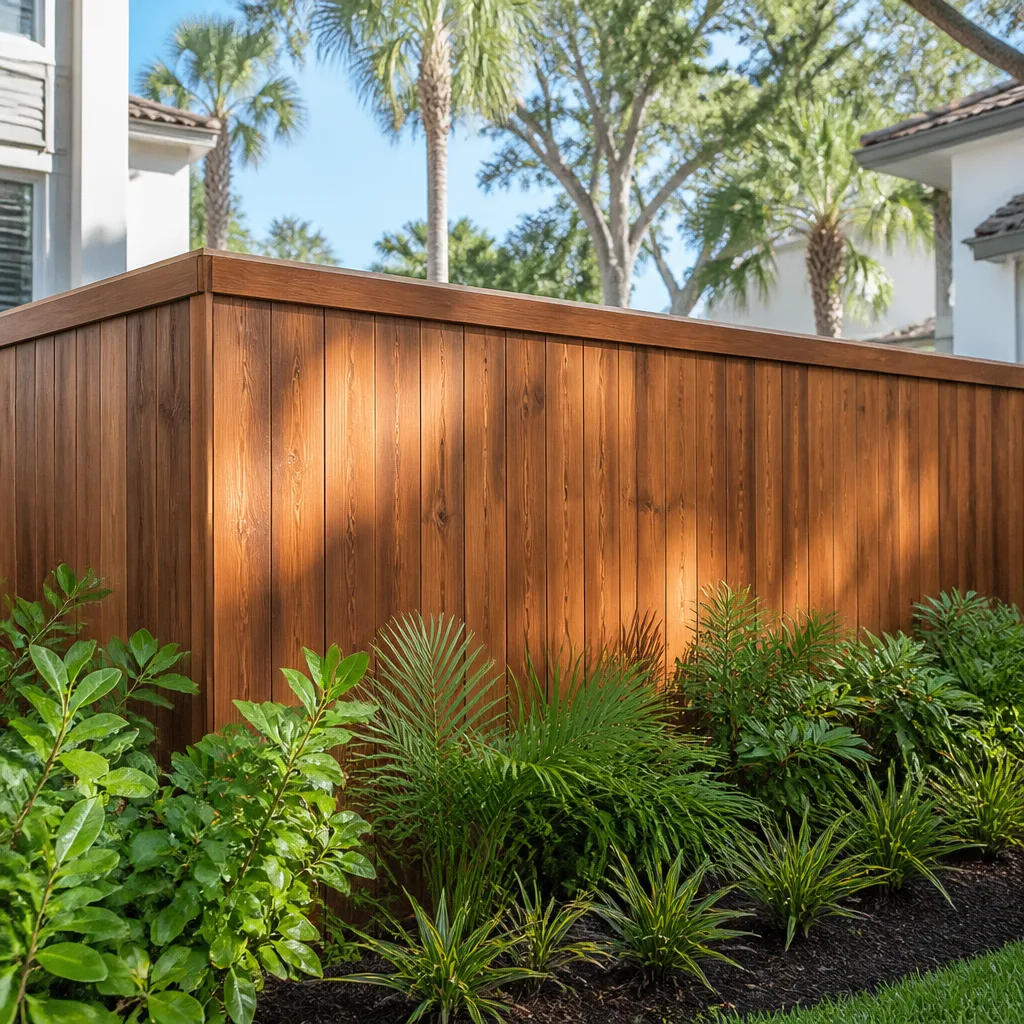
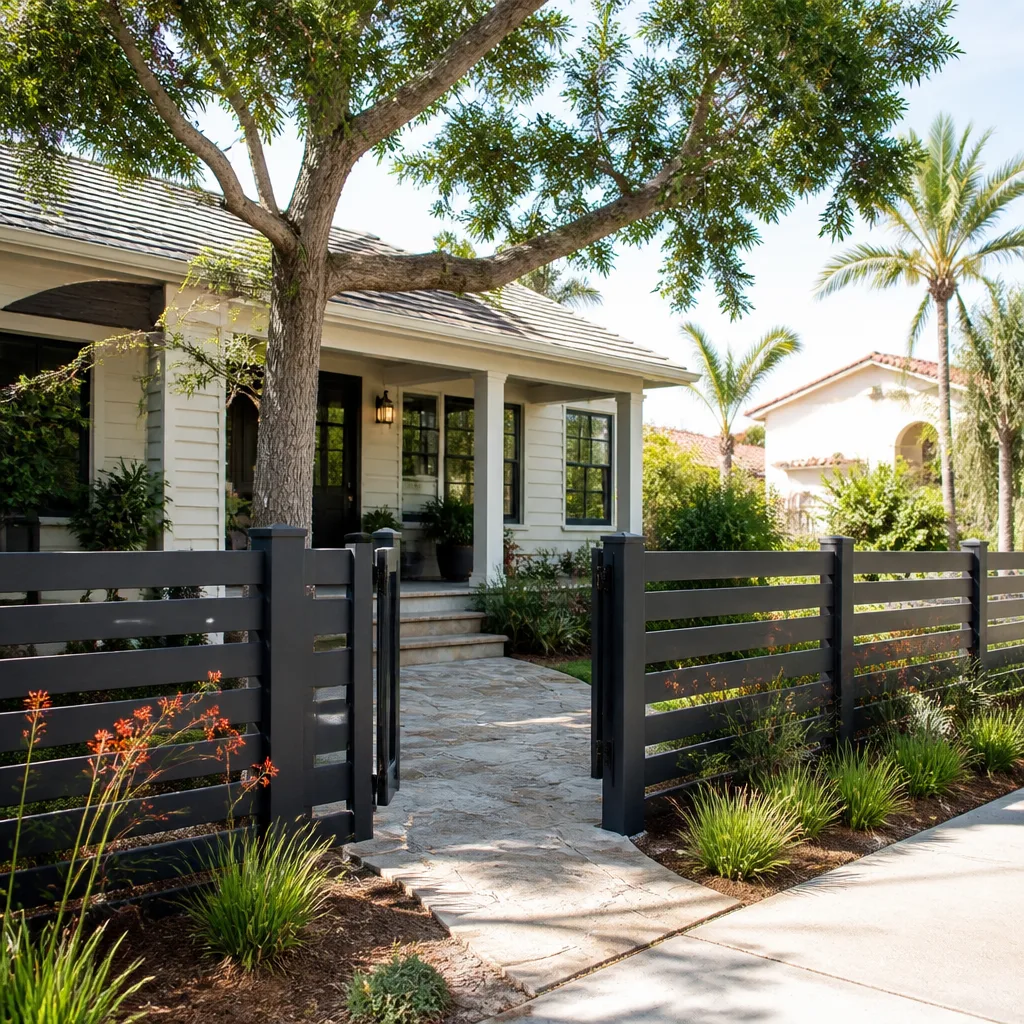
- Ornamental steel and aluminum. The right choice where security matters or where the fence ties into gates. Painted aluminum doesn’t rust the way cheap steel does, and it handles Santa Ana winds without the loading worry of solid panels.
- Chain link. Still the standard for side and back yards where privacy isn’t the priority. Best value per linear foot, longest service life with a vinyl-coated product.
- Composite panels. A newer option that mixes wood aesthetics with vinyl durability. Worth a look on the higher end.
Where the gate or garage door meets the fence line, hardware quality matters as much as the fence itself. On the window and door side of exterior work, brands like Therma-Tru and ECO Window Systems are the kind of products that hold up because they’re built for the climate rather than just available in it. The same principle applies to fence materials: buy the brand that’s rated for the climate, not just stocked at the store.
Common Mistakes to Avoid
- Skipping the 811 call. It’s free, it’s legally required in California, and it’s the single most common shortcut that turns a weekend project into a repair bill. A punctured gas lateral in a tight El Monte side yard is a fire department response, not a redig.
- Not pulling the plat map. Fence lines in older neighborhoods are frequently wrong. Building on top of a wrong line means the correction cost is on you.
- Setting posts too shallow. Under-digging the hole is the single most common failure we see. Twenty-four inches in loose soil, eighteen in compacted clay, with a gravel base and a crowned footing.
- Using fast-set concrete in a moving post. The post needs to come to rest against the concrete rather than fight it. Standard mix with proper cure time is safer for most fence footings.
- Not accounting for the waste factor. Lumber orders should include 10 to 15 percent extra for cuts and warping. Running short mid-build means a second trip and a color mismatch on a stained fence.
- Ignoring drainage. Southern California properties share swales and overland flow paths. A fence that crosses a drainage line can flood the downhill neighbor.
- Fencing over an easement without checking. A recorded utility easement lets the utility remove the fence at your cost. The easement doesn’t disappear because you built there.
When to Call a Professional
If the project involves a new fence line, a shared property boundary, a survey question, a height variance, an easement, or a site with uncertain underground conditions, calling a professional saves money on the back end. The parts of fence work most worth hiring out are the digging, the footing, the structural connection to gates and posts, and the permitting. In our experience the failures that cost El Monte homeowners the most are the ones that show up two years later and involve a surveyor, a concrete saw, or a lawyer.
Groundwork Construction Co. of El Monte offers free estimates in El Monte – call (888) 271-7872. We pull the permits, do the site call to 811, confirm the property line situation, and back the finished work with the 730-Day Done Right Promise. If you’re in El Monte and planning a fence project, the estimate is free and the pricing is upfront with no surprises.
See the difference
 Before
 After
 Before
 After
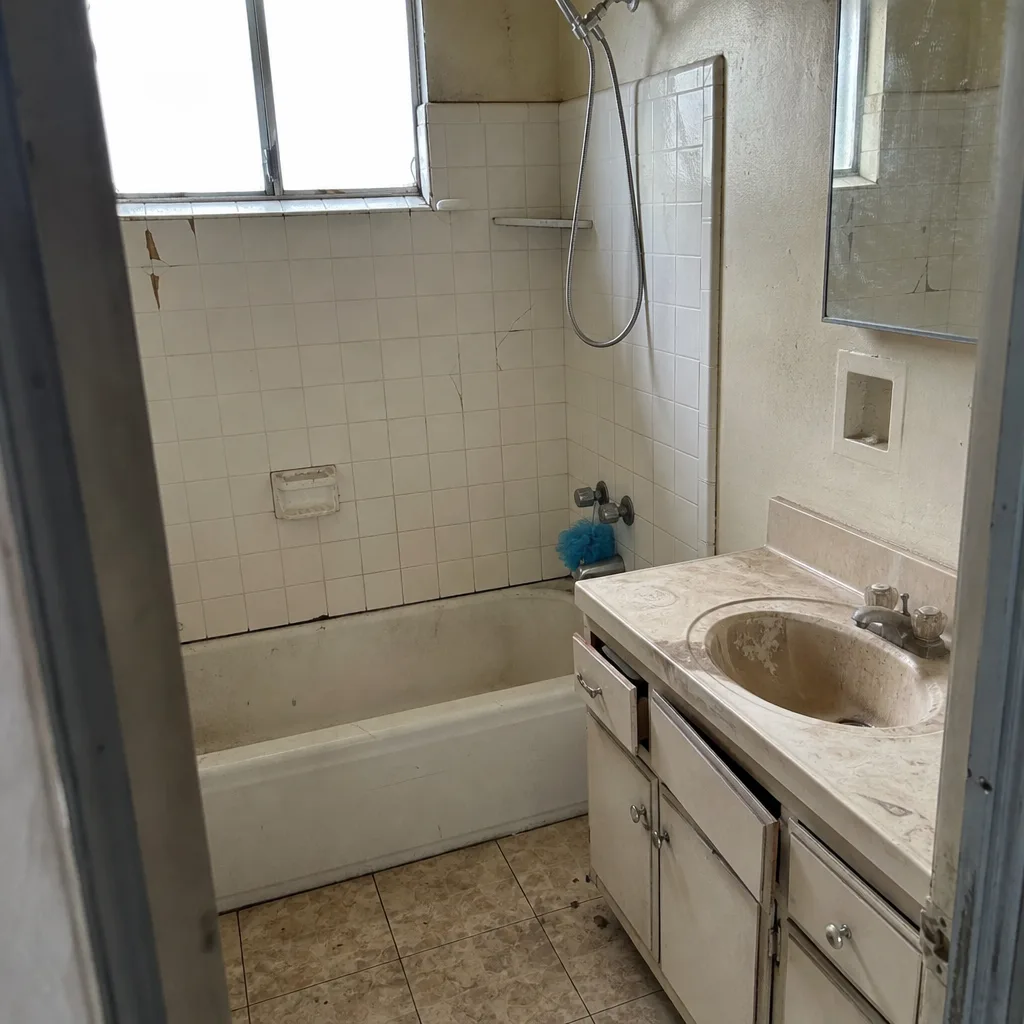 Before
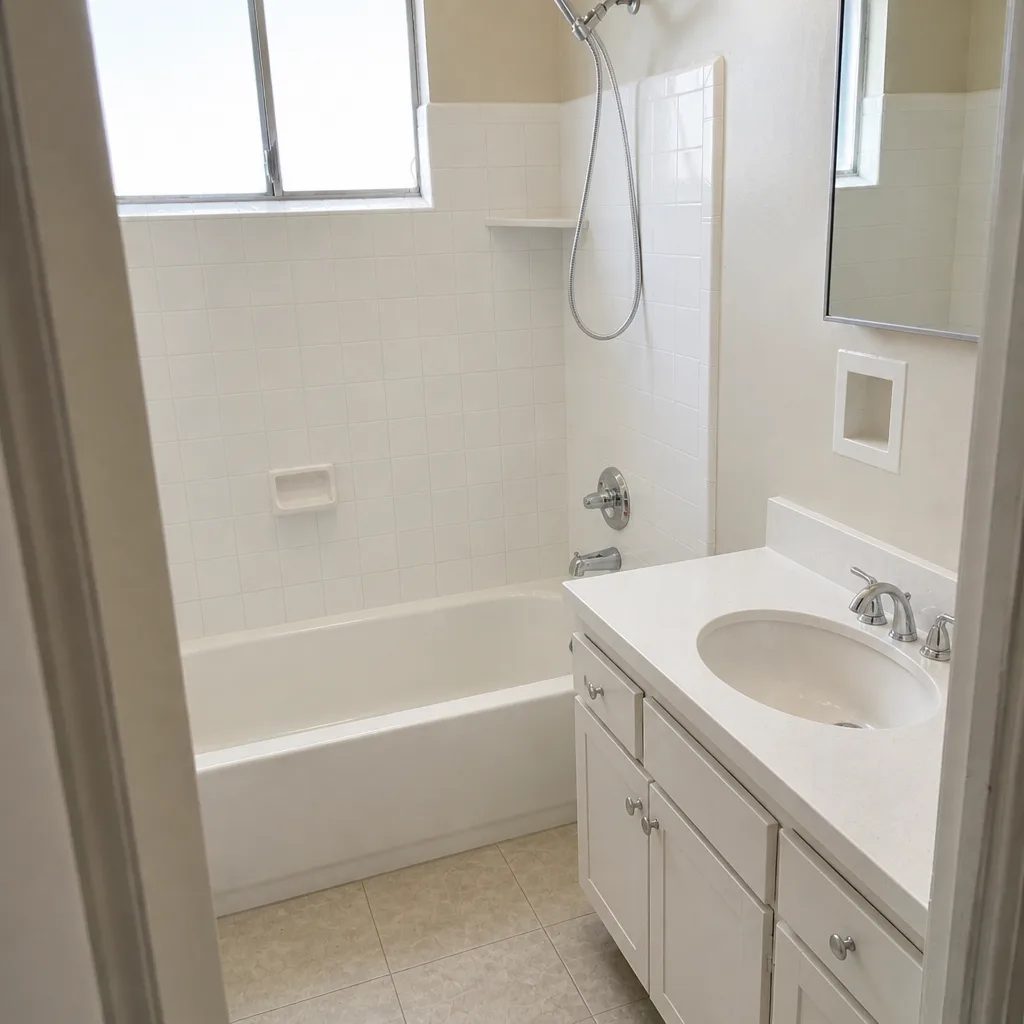 After
Frequently Asked Questions
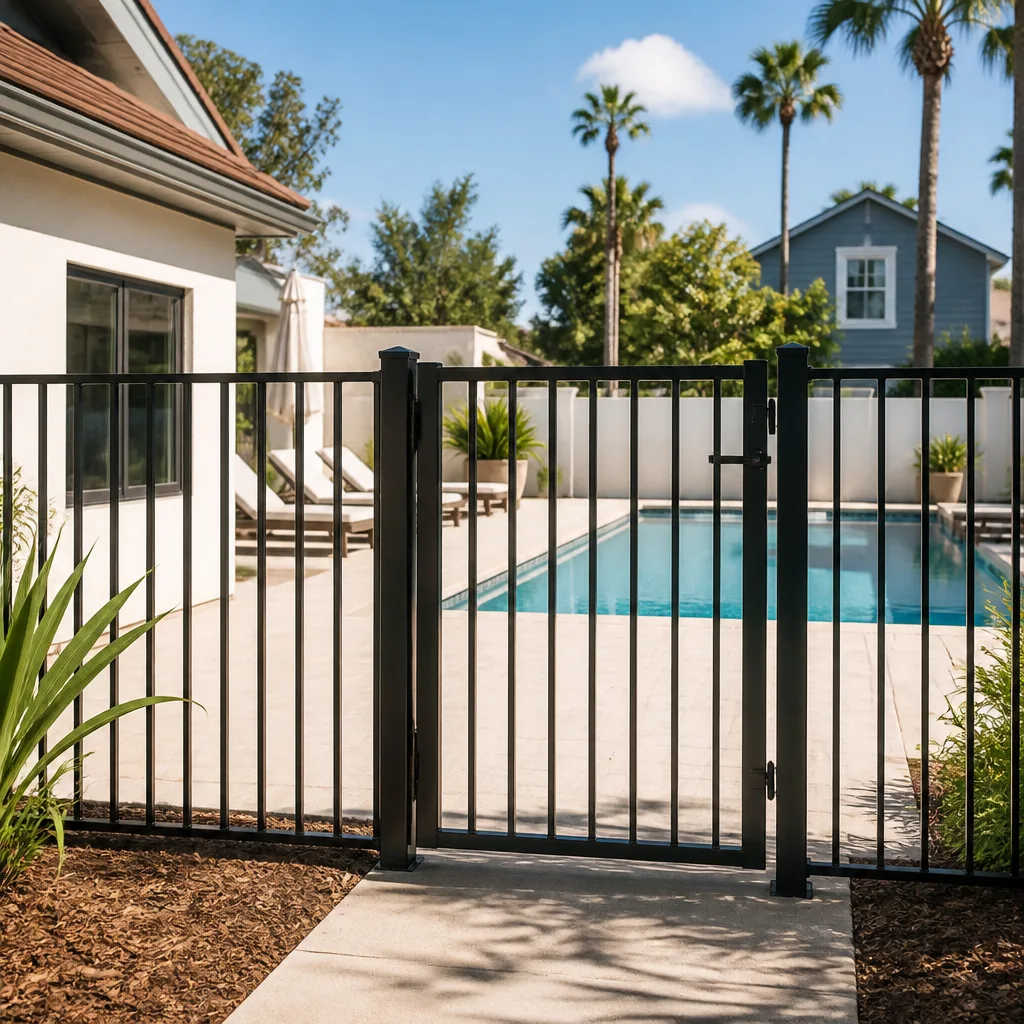
A 100-linear-foot, 6-foot-high wood privacy fence in El Monte typically runs $2,800 – $5,000 installed, depending on material, site access, and whether a permit or survey is needed. Vinyl and ornamental steel climb from there; chain link runs the lowest per linear foot. Call (888) 271-7872 for an exact quote – estimates are free.
Most residential fences up to 6 feet in height don’t need a permit, but anything taller, anything on a corner lot near the sight triangle, and anything in a documented easement does. The safest move is to check with the city before you buy lumber. We pull the permits for every fence project we install.
No. The estimate is the number you pay – that’s the upfront pricing we work by. If site conditions turn up something we didn’t see during the estimate – buried utilities outside the 811 scope, an unexpected property line issue – we discuss it with you before any work begins. No surprise change orders after the concrete is poured.
Replacing individual pickets or boards is a reasonable DIY job. You need a pry bar, a drill, a matching board profile, and about 30 minutes. Staining, sealing, hardware swaps, and patching rot above the soil line are all in the same category of manageable.
Usually, yes – wind, fire, and vehicle damage to a fence is typically covered under the dwelling portion of a standard homeowner’s policy. Damage from a failed footing or from neglected rot is usually not covered, because those fall under maintenance. Check your policy before assuming either way.
A standard 100-linear-foot wood fence takes most crews two to three days, plus curing time for the footings. Fences with ornate gates, custom panels, or complex site access can run longer. If we’re pulling permits, add the permit approval window – typically a couple of weeks depending on the city.
The Bottom Line
The DIY-vs-hire decision on fence work comes down to what’s buried in your yard and what’s written in your property records. Maintenance – board replacement, staining, hardware swaps, patching rot – is yours to handle, and doing it well extends the life of a fence you already own. Anything involving new post holes, footings, height changes, easements, shared property lines, or unmarked utilities is worth hiring out, because the failure mode is legal and structural, not cosmetic. In El Monte, the older neighborhoods make the site research even more important and the 811 call non-negotiable. If you’d rather build once and be done, Groundwork Construction Co. of El Monte walks the line with you, handles the permits, and back the finished fence in writing. Call (888) 271-7872 for your free estimate.
Written by the team at Groundwork Construction Co. of El Monte.