Last updated November 17, 2026
Free written scope consultation - allowances, timeline, and change-order rules on paper before a single trade is scheduled
DIY vs Professional Home Additions & ADU: What’s Safe to Do Yourself
Here’s the part most DIY guides skip: in California, an owner-builder can legally take on some of their ADU work, but the moment an unpermitted wall goes up or a structural connection is made without inspection sign-off, the entire unit’s legal status is in jeopardy. That matters when you try to rent it, refinance it, or sell the property. California’s ADU rules and El Monte’s own building department don’t treat additions like a weekend remodel. They treat them as a sequence of inspected milestones, and every milestone has an inspector attached to it. This guide walks through what El Monte owner-builders can realistically handle, where licensed contractor work is legally required, where a failed inspection quietly eats your savings, and how to structure a hybrid approach that keeps your permit intact while you still get your hands dirty on the finish work.
Quick Answer
You can safely DIY the finish work on an El Monte home addition or ADU: painting, cabinet installation, interior trim, landscaping, and flooring. You cannot safely or legally DIY the structural, electrical, plumbing, and HVAC work, because those phases require licensed trades and must pass inspection in sequence, and an unpermitted or failed component can void the unit’s legal status, trigger stop-work orders, and block future rental, refinancing, or sale. The wise path for most homeowners is a licensed general contractor for the permitted phases, with owner-performed finish work at the end.
Styles & brands we work with
- Kitchen remodeling
- Bathroom remodeling
- Home additions & ADU
- Roofing
- Windows & doors
- Driveway & pavers
- Fence
Table of Contents
- What California Law and El Monte Actually Allow Owner-Builders to Do
- The DIY Tasks That Are Safe and Can Legitimately Cut Costs
- Why Structural, Electrical, Plumbing, and HVAC Are Categorically Different in an ADU
- The Real Cost of a Failed Inspection or Stop-Work Order
- How to Structure a Hybrid DIY and Professional Approach
- El Monte Specifics: Climate, Lots, and Local Code
- The ADU Timeline, Phase by Phase
- Common Mistakes to Avoid
What California Law and El Monte Actually Allow Owner-Builders to Do
California gives owner-builders more latitude than most states, but the line is clearer than people assume. State law lets a homeowner pull permits and do work on their own primary residence, provided they actually live in the home and do the work themselves. The moment you hire unlicensed help to perform structural, electrical, plumbing, or mechanical work, you’ve moved past the owner-builder exemption and into territory that can void your permit and create liability the lender and the inspector will both flag.
El Monte’s building department follows the state rules but adds its own layer of review on top. An ADU in El Monte runs through a plan check that includes zoning verification (lot coverage, setbacks, height limits, parking), a full architectural plan review, and a sequential inspection schedule from foundation to final. Owner-builders can submit plans, but the plans need to be drawn correctly, and the inspector who shows up at framing rough-in is the same person who signs off on the final. There’s no shortcut.
Here’s what the rules actually allow:
- You can act as the owner-builder on your own primary residence, pulling permits in your name and performing work yourself.
- You cannot perform permitted electrical, plumbing, or mechanical work yourself in most jurisdictions, including El Monte, unless you hold the appropriate license or the work is exempt by scope.
- You can hire licensed trades individually (a licensed electrician, a licensed plumber) and act as your own general contractor, but you take on the scheduling, the inspection coordination, and the liability.
- You cannot rent or sell an unpermitted ADU without legal exposure, and most lenders won’t finance against a unit that doesn’t have a certificate of occupancy.
- You must pass every scheduled inspection from foundation through final, or the unit does not legally exist for lending or rental purposes.
We’ve watched homeowners walk into the El Monte permit counter with plans downloaded from a design website and a rough budget, thinking they’ve got it handled. They don’t. The plans get redlined, the schedule slips six weeks, and the savings they counted on are gone before the foundation is poured. That’s not a reason to give up on DIY. It’s a reason to know exactly which parts of the project belong to you.
The DIY Tasks That Are Safe and Can Legitimately Cut Costs
There’s a real list of work an experienced homeowner can do on an El Monte ADU without touching a permitted system or a load path. It’s the finish work, and if you plan it into the project from day one, it can knock $8,000 to $25,000 off a typical 600-square-foot unit depending on how much you’re willing to do and how good your work is.
Here’s where the safe savings live:
- Painting. Interior and exterior painting is the single most reliable DIY win. No permits, no inspection, no structural risk. On a 600-square-foot ADU you’re looking at roughly $3,000 to $6,000 in labor avoided, depending on prep and coats.
- Finish carpentry. Interior door installation, baseboards, window casings, and closet shelving. This is the category where a careful homeowner with a miter saw and some patience matches an entry-level finish crew.
- Cabinet installation. Hanging base and wall cabinets in a kitchenette or bath is a legitimate DIY scope, provided the rough plumbing and electrical are already in and inspected. Ordering through a quality line like KraftMaid or a builder-grade alternative is fine; the install itself is yours if you’re confident with a level and shims.
- Flooring. Luxury vinyl plank, engineered hardwood, and tile over a properly prepped slab or subfloor. If you’ve laid a floor before, you can lay another one.
- Landscaping and hardscape finishing. The path, the patio finishing, the planting. Paver and hardscape work that doesn’t touch drainage or grading falls into this bucket, and if you want to explore that side of the property, our Driveway & Pavers in El Monte team handles the parts that do touch drainage.
- Fixtures and finishes. Faucets, showerheads, light fixture swaps (after the electrical rough is signed off), towel bars, and hardware. Shopping Grohe or a comparable brand and installing the trim yourself is a clean win.
- Window and door trim, exterior fencing for privacy screening. Not the structural door install, just the trim and the yard-side screening. Our Fence Installation in El Monte team handles anything with a post in the ground or a property line question.
What ties every item on that list together: none of it touches a permitted system, none of it changes the thermal envelope, and none of it gets inspected. It’s yours to do well, and yours to redo if you don’t.
Why Structural, Electrical, Plumbing, and HVAC Are Categorically Different in an ADU
People assume the electrical work in an ADU is the same as the electrical work in their existing house. It isn’t, and the difference is inspection sequencing. In an existing home you can pull a permit, do the work, call the inspector, and if something’s flagged, you open the wall and fix it. In a new ADU the sequence is locked: foundation inspection, then slab or under-floor rough, then framing, then rough electrical, plumbing, and mechanical, then insulation, then drywall, then final. Each one is a separate sign-off, and each one gates the next.
The result is that mistakes in an ADU are permanent in a way they aren’t in a remodel. If your rough plumbing fails at the slab inspection, you’re breaking concrete. If your rough electrical fails at framing, you’re pulling wire you already stapled and re-running it. If your shear nailing fails at the framing inspection, you’re opening walls the drywaller hasn’t touched yet, and every trade downstream of you is now waiting.
The trades that fall into this category and must be performed by licensed professionals in El Monte:
- Structural. Foundation, framing, shear walls, hold-downs, headers, and the connections that tie the ADU to the main structure if it’s attached. This includes roof framing and any engineering that the plan set requires.
- Electrical. The panel, the service upgrade (common in El Monte homes built before 1980), the circuits, the grounding, and every rough and trim connection. A licensed electrician signs the permit; you can’t sign it yourself.
- Plumbing. The water supply, drain, waste, and vent, the gas line if there is one, and the slab or under-floor rough. Same rule: licensed plumber, pulled permit, inspection sign-off.
- HVAC. Unless you’re going ductless mini-split and you’re in a jurisdiction that lets a homeowner pull a mechanical permit for their own primary residence, plan on a licensed mechanical contractor. Refrigerant handling requires EPA certification regardless of jurisdiction.
- Roofing. If it’s a new roof, the shingle install isn’t structural but it’s inspected. GAF and CertainTeed both offer contractor certification programs, and using a certified installer preserves the material warranty, which a homeowner-installed roof typically voids.
This is the part of the project that’s not negotiable, and it’s the reason the answer to “can I DIY my ADU?” is always “in parts.” If you’re ready to talk about what those parts cost, our Home Additions & ADU in El Monte team can walk through your specific lot and plan set.
The Real Cost of a Failed Inspection or Stop-Work Order
Most homeowners budget for materials and labor and call it a day. The line item they forget is the cost of failure, and in an ADU it’s not small. Here’s what actually happens when an inspection fails or a stop-work order lands on the door.
A single failed inspection looks like this on the invoice:
- Re-inspection fee: typically $100 to $300 per visit depending on the El Monte fee schedule and the type of inspection.
- Correction labor: opening drywall, pulling wire, redoing rough, then closing it back up. On a plumbing rough fail, $1,500 to $4,000 in demo and redo is common.
- Schedule slip: two to six weeks, because the inspector’s calendar and every trade downstream of the failed phase both have to realign.
- Contractor remobilization: if you’re acting as your own GC and a trade has already moved to another job, they charge you a return trip. $400 to $1,200 per trade is typical.
- Stop-work order: $500 to $2,000 in re-permitting and administrative fees, plus every day of work stops, and your framing or slab sits exposed to weather.
Add those up on a project with two failures and a stop-work order and you’re at $6,000 to $12,000 in avoidable cost. That’s not a hypothetical; that’s roughly what we’ve seen erased from a DIY-focused ADU budget in El Monte when the homeowner tried to handle the rough electrical and the shear nailing on their own. The finish work savings evaporated and then some.
Now the second cost nobody talks about. An ADU without a certificate of occupancy is not a legal unit. You can’t rent it, you can’t count it on an appraisal, and you can’t refinance against it. If you built it DIY and cut corners on the inspection sequence, you’ve spent $200,000 to $350,000 on a structure that functions as a very expensive storage shed on your loan documents. That’s the scenario the thesis of this whole guide turns on.
How to Structure a Hybrid DIY and Professional Approach
The hybrid model is the sweet spot for a homeowner who’s comfortable with tools and wants to control the finish budget. It uses a licensed general contractor for the permitted phases, then hands the finish work back to you at the end. Here’s how to structure it correctly.
Here’s the phased plan:
- Design and plan check. The GC or a licensed architect draws the set that El Monte approves. Don’t try to draw it yourself. The plan check is where a DIY design costs you weeks.
- Permitted phases: GC runs them. Foundation, framing, rough electrical, rough plumbing, rough mechanical, insulation, drywall, roof. The GC pulls the permits and owns the inspections. Write this into the contract with the inspection sign-offs as the milestone payments.
- Handoff point. The finish carpentry, painting, cabinet install, flooring, fixtures, landscape, and yard belong to you. Specify this in the contract as scope the GC is not performing, not scope you’re “helping” with.
- Written coordination. Before the project starts, put in writing who’s responsible for ordering materials for the DIY scope, who’s responsible for storing them on site, and what the GC’s warranty covers vs. what it doesn’t cover after your finish work begins.
- Warranty clarity. Get the warranty in writing and make sure the workmanship protection survives your finish work. Our 730-Day Done Right Promise covers the work we perform, which is exactly why we separate it clearly in the contract when there’s a hybrid project.
Three things determine whether the hybrid model saves you money or costs you more than going full GC. First, whether your plan set is approved before you start the DIY legwork; second, whether the GC and you agree in writing on the handoff points; third, whether your finish work is actually good enough that you’re not paying a pro to redo it six months later. Get all three right and you can save $15,000 to $30,000 on a typical El Monte ADU. Get any one of them wrong and the savings disappear. We’ve seen both outcomes on El Monte jobs, and the ones that go well always start with a written scope split.
El Monte Specifics: Climate, Lots, and Local Code
An ADU in El Monte is not the same as an ADU in the mountains, and it’s not the same as one in a coastal city, because the soils, the lot sizes, and the building department review all have their own character here. The following are the local facts that shape an El Monte ADU project more than anything in a generic guide.
Soils and slab conditions. Much of El Monte sits on alluvial soils, and lots near the Rio Hondo and the San Gabriel River flood control channels see more expansive clay than the adjacent hillside neighborhoods. That means your foundation plan needs a soil report for anything attached, and the slab design carries more weight than a copy-paste plan drawn for a different part of LA County. A DIY slab that cracks in year two is a structural failure you can’t disguise at resale.
Heat and roof loads. El Monte summers routinely push 100 degrees, and the ADU’s roof and insulation have to be specced for it or the unit becomes unlivable in July. That means a proper mechanical plan (usually ductless mini-splits) and roof ventilation designed by someone who knows the local heat load. This is where we specify GAF or CertainTeed systems under their certified installer programs, because the material warranty survives and the ventilation math is done right.
Lot coverage and setbacks. El Monte parcels are typically tighter than the county average, and the ADU has to fit within lot coverage, setback, and height limits. Pre-1980 homes often have non-conforming garages, and converting a non-conforming garage to an ADU introduces a zoning question that has to be answered before you touch the plans. If you’re planning a garage conversion, the plan check has to resolve the non-conformity first.
Panel capacity. Many El Monte homes built before 1980 have a 100-amp service that can’t support an ADU’s electrical load. A service upgrade to 200 amps is common, and it’s a licensed electrician’s job with a permit and an inspection. Budget for $2,500 to $5,000 for the upgrade alone, separate from the ADU’s wiring.
Alley access and parking. ADU parking requirements in California have been loosened in recent years, but lot access still matters for construction. If your only access is a narrow alley behind the property, the GC needs to know before scheduling the concrete truck. That’s an El Monte reality that doesn’t show up in the standard permit checklist.
If you want a broader picture of what a full-scope build looks like in this market, the team at Groundwork Construction Co. of El Monte home keeps the current service picture and the current promotions in one place. The local realities are what make an El Monte ADU its own project type, and they’re why the DIY scope we described earlier is realistic only when it stays on the safe list.
The ADU Timeline, Phase by Phase
A typical 600-square-foot detached ADU in El Monte runs six to nine months from permit submittal to final inspection, but the number that matters for DIY planning is the handoff point. Here’s how the sequence lays out, with the phases marked as professional or DIY-eligible.
- Design and plan check (4 to 10 weeks). Professional. Architect, engineer if needed, plan check with the El Monte building department.
- Permit issuance and site prep (2 to 3 weeks). Professional. Permit fees, demolition if there’s an existing structure, grading.
- Foundation (2 to 4 weeks). Professional. Excavation, forms, rebar, inspection, pour, cure.
- Framing and structural (3 to 5 weeks). Professional. Walls, sheathing, shear, roof framing, framing inspection.
- Rough electrical, plumbing, mechanical (2 to 3 weeks). Professional. All three trades, all three inspections.
- Insulation, drywall, texture (2 to 3 weeks). Professional. Insulation inspection, drywall hang and finish.
- Trim, cabinets, paint, flooring, fixtures (3 to 5 weeks). DIY eligible. This is your window.
- Final inspection and certificate of occupancy (1 to 2 weeks). The GC closes the permit. The unit becomes legal here.
The takeaway on timeline is simple. Roughly 60 percent of the calendar time sits before the handoff, and the DIY window is the last 30 to 40 percent of the finish schedule. Plan your own availability around that window, because there’s nothing worse than a GC waiting on your tile work to close the permit. Our technicians have up to 12 years of experience running projects exactly like this, and we schedule the handoff around your realistic availability, not the other way around.
Common Mistakes to Avoid
- Pulling the permit yourself and then hiring unlicensed help for rough work. This voids the owner-builder exemption and creates liability the inspector will catch. It’s the single most expensive mistake El Monte homeowners make on ADU projects.
- Treating an ADU garage conversion like a remodel. A garage conversion has zoning questions, structural questions, and a foundation question that a kitchen remodel doesn’t. The plan set has to resolve all three before you start.
- Ordering finish materials before the handoff date is confirmed. Cabinets and flooring sit in your garage for three weeks in a humid El Monte summer while you wait for drywall, then the cabinet boxes warp. Order after the handoff, not before.
- Skipping the soil report on an attached addition. Alluvial soils and expansive clay don’t care about your budget. The foundation is not a place to save $1,500 on the engineer.
- Assuming your existing panel can carry the ADU. A 100-amp service from a 1970s El Monte home can’t run a new 600-square-foot unit with a mini-split and an EV charger. Budget the service upgrade early.
- Doing the roof yourself to save money. Homeowner-installed roofing typically voids the GAF or CertainTeed material warranty, and a leak at year three is a $4,000 to $8,000 repair that the warranty would have covered.
- Not getting the warranty scope in writing. If you DIY the finish work and the GC’s workmanship warranty doesn’t clearly survive the handoff, you’ve traded a two-year protection for a weekend of painting. Get it in the contract.
See the difference
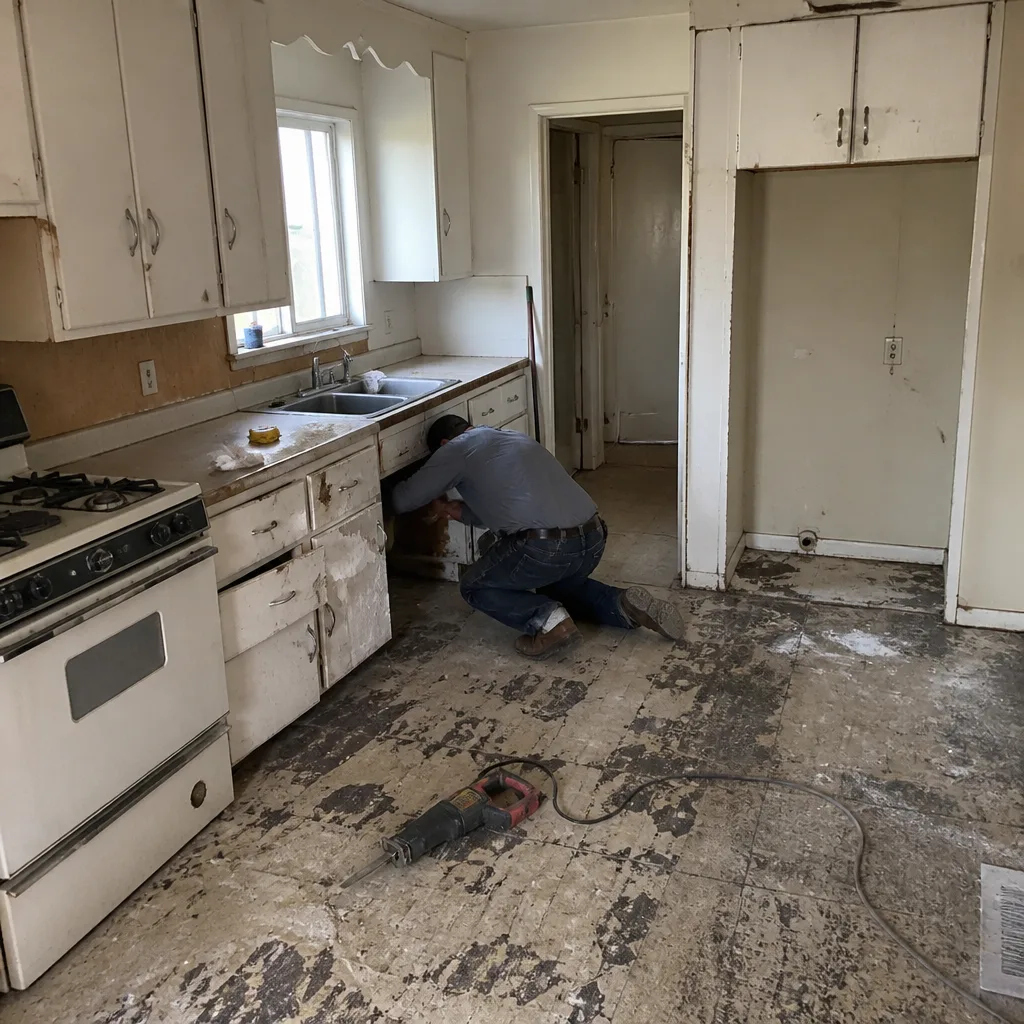 Before
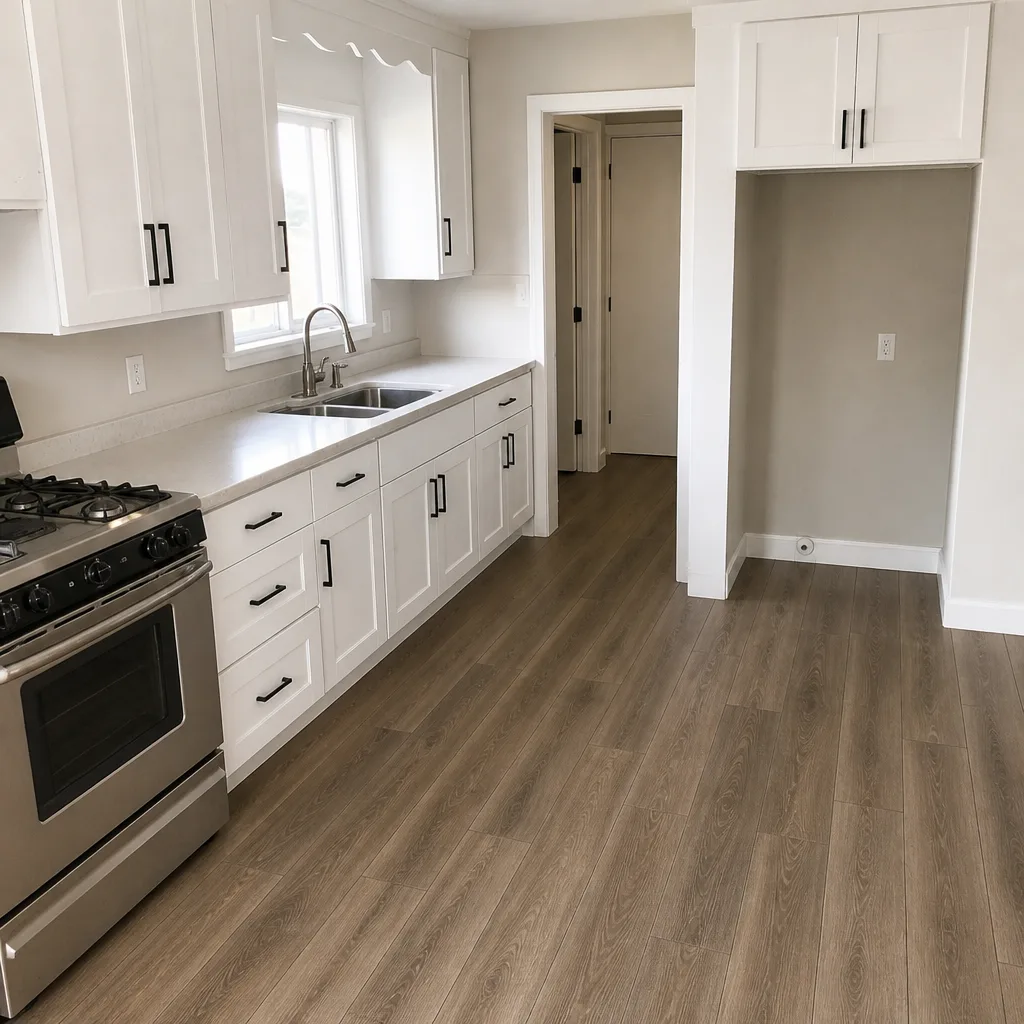 After
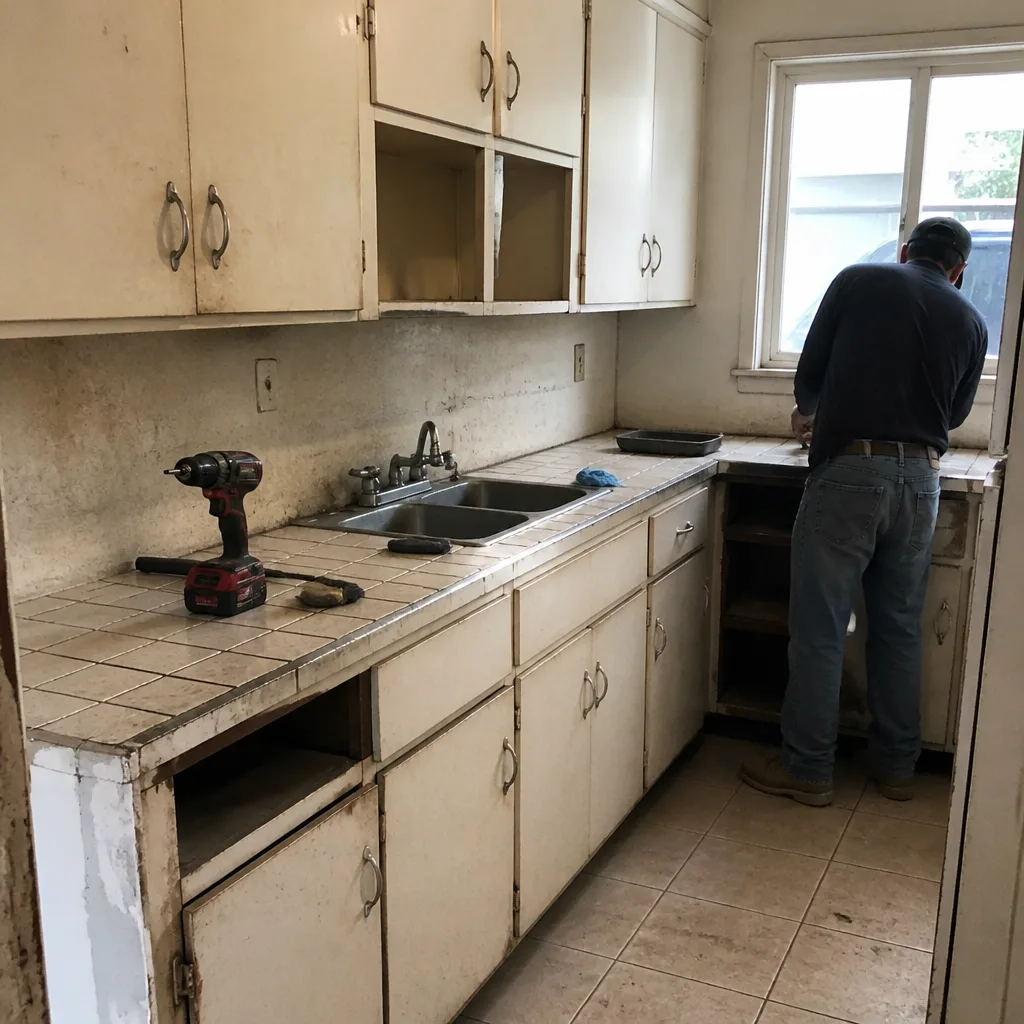 Before
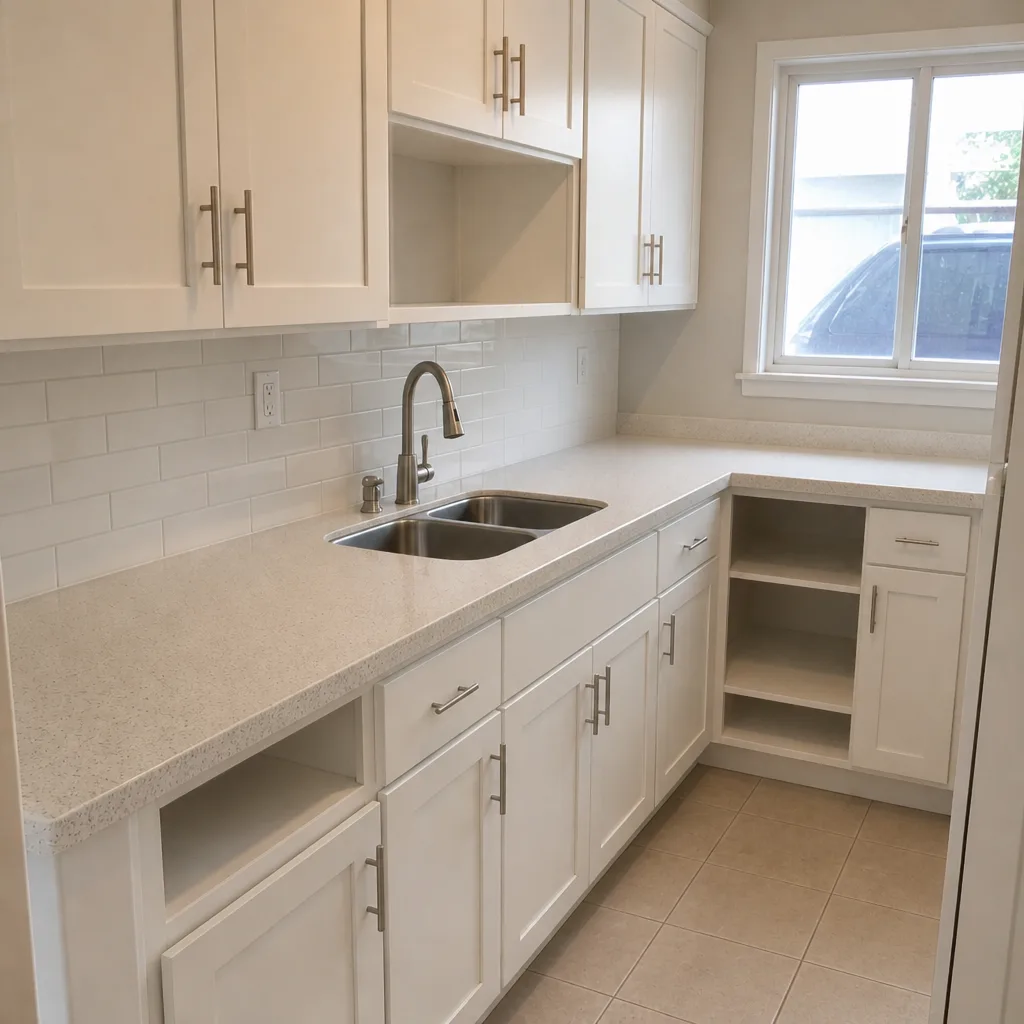 After
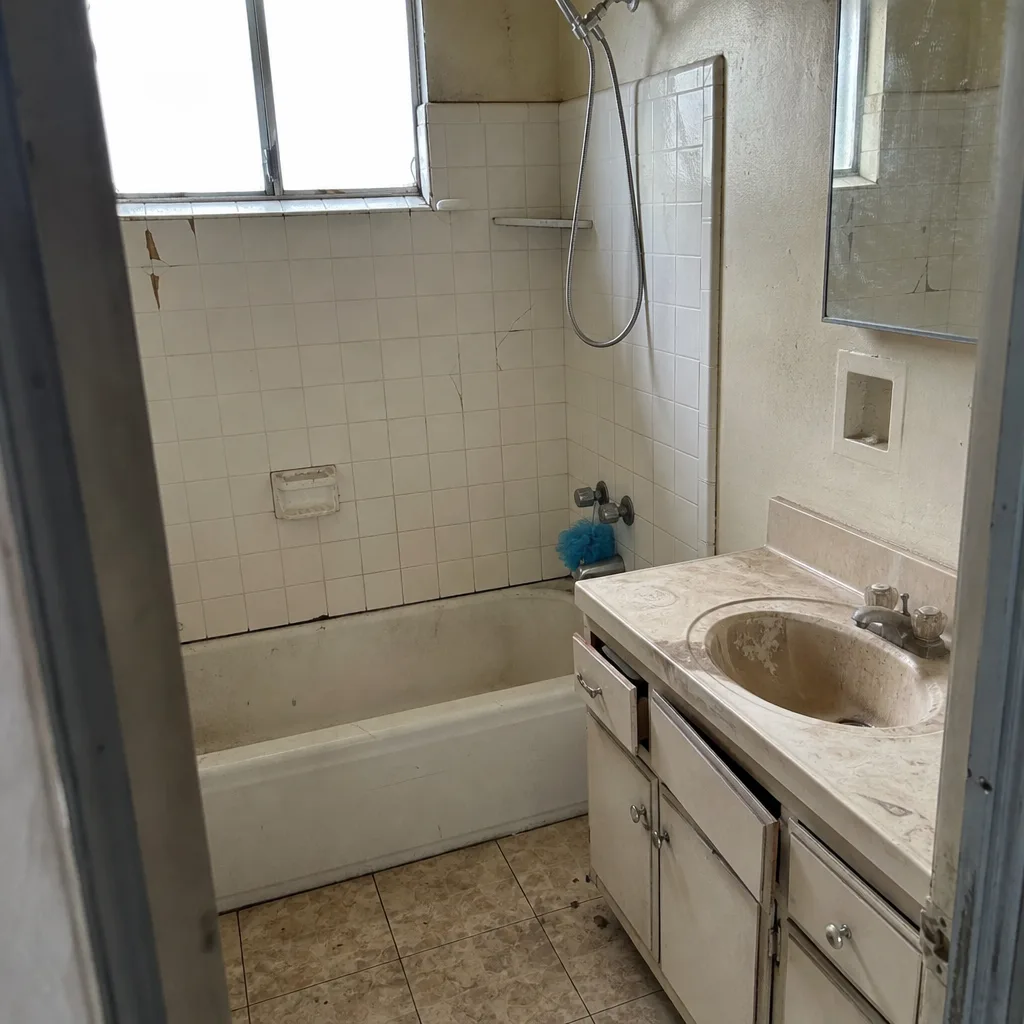 Before
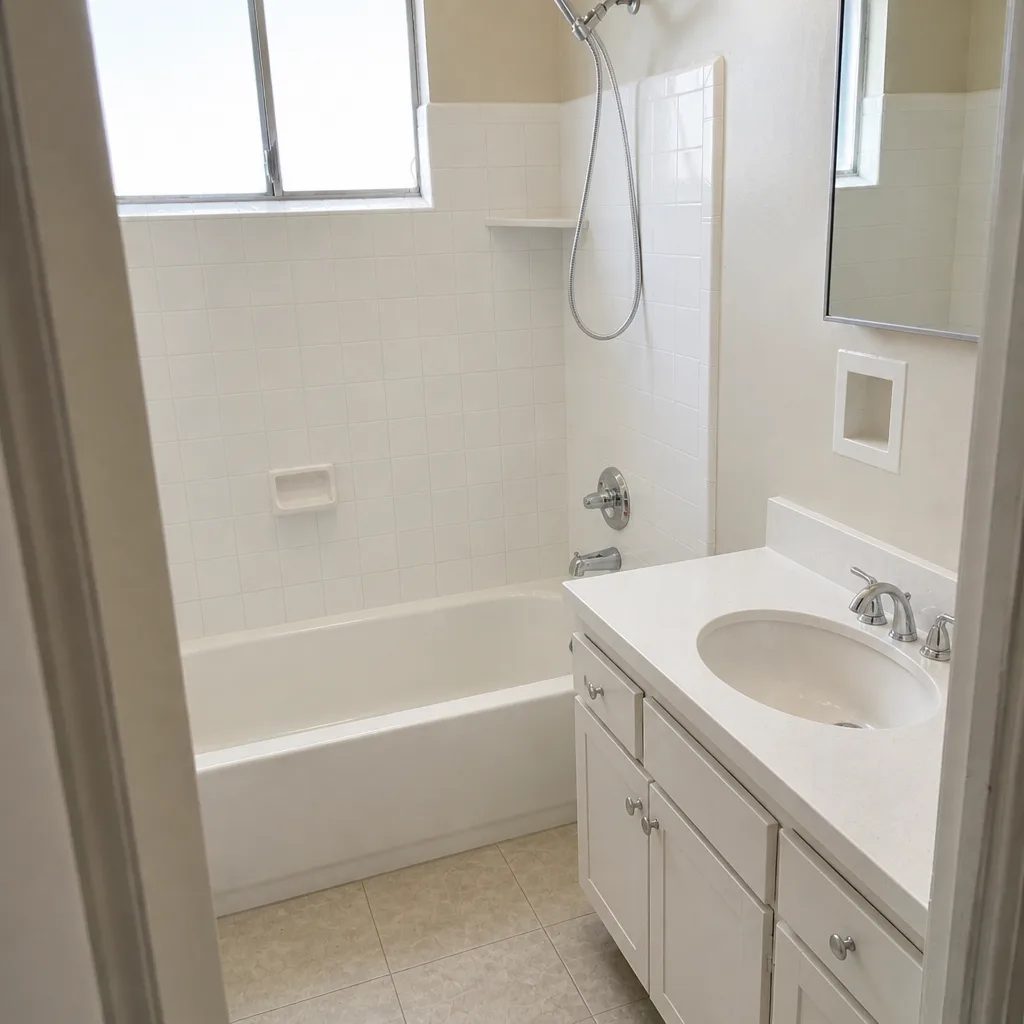 After
When to Call a Professional
Call a licensed professional the moment the scope touches structure, the electrical panel, the plumbing rough, the mechanical system, the roof, or the permit. That’s roughly 70 percent of an El Monte ADU project by dollar value, and 100 percent of what can void your certificate of occupancy. Call sooner if your plan set isn’t approved, if your lot has setback or lot-coverage questions, if your home is pre-1980 with a 100-amp service, or if the addition attaches to the existing structure and needs a soil report. Groundwork Construction Co. of El Monte offers free estimates in El Monte, and our permitted-phase work is backed by the 730-Day Done Right Promise so the inspection chain is on us, not on you. Call (888) 271-7872 to schedule your free project estimate and design consult.
Frequently Asked Questions
You can legally act as an owner-builder on your own primary residence in El Monte, but you cannot legally perform the licensed electrical, plumbing, and mechanical work yourself, and you must pass every scheduled inspection from foundation to final. The practical answer is that you can lead the finish work and hire licensed trades for the permitted phases, but you cannot single-handedly build a legal El Monte ADU from foundation to certificate of occupancy. Call (888) 271-7872 for an exact scope and quote on your property, and the estimate is free.
The safe DIY list is painting, finish carpentry, cabinet installation, flooring, fixture swaps, landscaping, and yard screening. Those tasks don’t touch a permitted system, don’t change the thermal envelope, and don’t get inspected, so your work can’t void the permit or the certificate of occupancy. Everything structural, electrical, plumbing, HVAC, and roofing belongs to a licensed pro. If you want to verify your list against your specific plan set, call (888) 271-7872 and we’ll walk through it.
DIY work on non-permitted finish items won’t void the certificate of occupancy, but DIY work on permitted systems that fails inspection can delay or block the certificate of occupancy, which means the unit is not legal for rental or refinancing. An unpermitted structure or a skipped inspection is the fastest way to turn a $250,000 ADU into an unusable asset. If you’re worried about a project already in progress, call (888) 271-7872 for a free estimate on bringing it back to a legal state.
A 600-square-foot detached ADU in El Monte typically runs $180,000 to $320,000 depending on site conditions, foundation needs, and finish level, and an attached addition runs $200 to $350 per square foot. The variables that move that range most are the soil and foundation, the electrical service upgrade, and the finish choices. A written line-item quote from a licensed contractor is the only way to know your actual number. Call (888) 271-7872 for a free project estimate and design consult.
Hiring a general contractor for the permitted phases and doing the finish work yourself is typically the cheapest legal path, saving roughly $15,000 to $30,000 on a standard El Monte ADU. Full DIY on the permitted phases is not cheaper in practice because a single failed inspection and stop-work order can erase $6,000 to $12,000 in savings, and unpermitted work can make the unit unfinanceable. Call (888) 271-7872 to price the hybrid approach for your lot, and the estimate is free.
A typical El Monte ADU runs six to nine months from permit submittal to final inspection, with roughly 60 percent of that time before the finish handoff. Plan check alone takes four to ten weeks depending on the comments, and weather and inspection scheduling add slack in the winter and spring. A realistic schedule starts with the plan check, not the foundation, and a written phase-by-phase schedule from your GC is the only way to plan your own DIY availability. Call (888) 271-7872 for a free estimate and a schedule walkthrough.
The Bottom Line
The DIY vs. professional question for an El Monte ADU is a legal and structural question first and a cost question second. You can paint, tile, hang cabinets, lay flooring, and finish the yard, and doing those well can save $15,000 to $30,000 on a 600-square-foot unit. You cannot legally or safely do the foundation, framing, rough electrical, rough plumbing, mechanical, or roofing, and one failed inspection or stop-work order erases the DIY savings and can void the certificate of occupancy that makes the unit rentable and financeable. The hybrid model, with a licensed GC running the permitted phases and you taking the finish work in writing, is the path that protects the asset and still puts tools in your hands. Get the quote before you get your tools out.
Ready to Price Your El Monte ADU?
Groundwork Construction Co. of El Monte brings more than a decade of full-scope building in this market, a curated set of brand partners across every trade, background-checked and uniformed technicians on every project, and an upfront price that doesn’t move once the work starts. The 730-Day Done Right Promise covers the workmanship, and 0% financing for 18 months plus $1,000 off projects over $10,000 makes the permitted phases less painful on the budget. Call (888) 271-7872 for a free estimate and design consult. A live person answers 24/7, and the number you see is the number you pay.
Written by the team at Groundwork Construction Co. of El Monte.