Last updated November 17, 2026



Free written scope consultation - allowances, timeline, and change-order rules on paper before a single trade is scheduled
Fence Installation Maintenance Schedule: What to Do and When
Most wood fences in the San Gabriel Valley fail from UV degradation and subterranean termites long before they rot from moisture, yet nearly every generic maintenance guide leads with water damage. That mismatch matters. In El Monte, the dry season runs from May into October and often pushes well past that, baking the sun-facing side of a fence while the soil stays warm enough for termites to keep working underground. We’ve seen western red cedar fence boards silver out within two summers here, and we’ve pulled posts in El Monte where the termite mud was packed six inches up the base. This guide lays out a maintenance schedule built for our climate, not for a freeze-thaw state back east. You’ll learn what to inspect and when, which finish product actually holds up in the LA basin, how to protect post bases in termite-active soil, and why summer is the wrong season to stain. If you’d rather hand the whole thing to a crew, our Fence Installation in El Monte page covers what we build and how.
Quick Answer
For a wood fence in Southern California, inspect twice a year (early spring and late fall), clean and reapply a UV-blocking finish every 2 to 3 years, treat post bases at ground contact every 12 months, and lubricate gate hardware every 6 months. The best window to stain or seal a wood fence in the LA basin is late fall into early spring, when daytime temperatures stay between 50°F and 85°F and the wood isn’t sun-cooked. Termite and moisture checks at the post base belong on every annual inspection. Skip a year and you’re usually replacing boards instead of refreshing them.
Styles & brands we work with
- Kitchen remodeling
- Bathroom remodeling
- Home additions & ADU
- Roofing
- Windows & doors
- Driveway & pavers
- Fence
Table of Contents
- Why Southern California Fence Maintenance Looks Different
- The Annual Inspection Protocol for El Monte Fences
- Stain vs. Paint vs. Sealant: The Right Product for El Monte’s Climate
- Post Base Treatment in Termite-Active Soil
- Gate Hinges, Latches, and Coatal Adjacent Air
- The Right Season to Stain or Seal in the LA Basin
- The Full 12-Month Maintenance Calendar
- Matching the Schedule to Your Fence Material
Why Southern California Fence Maintenance Looks Different
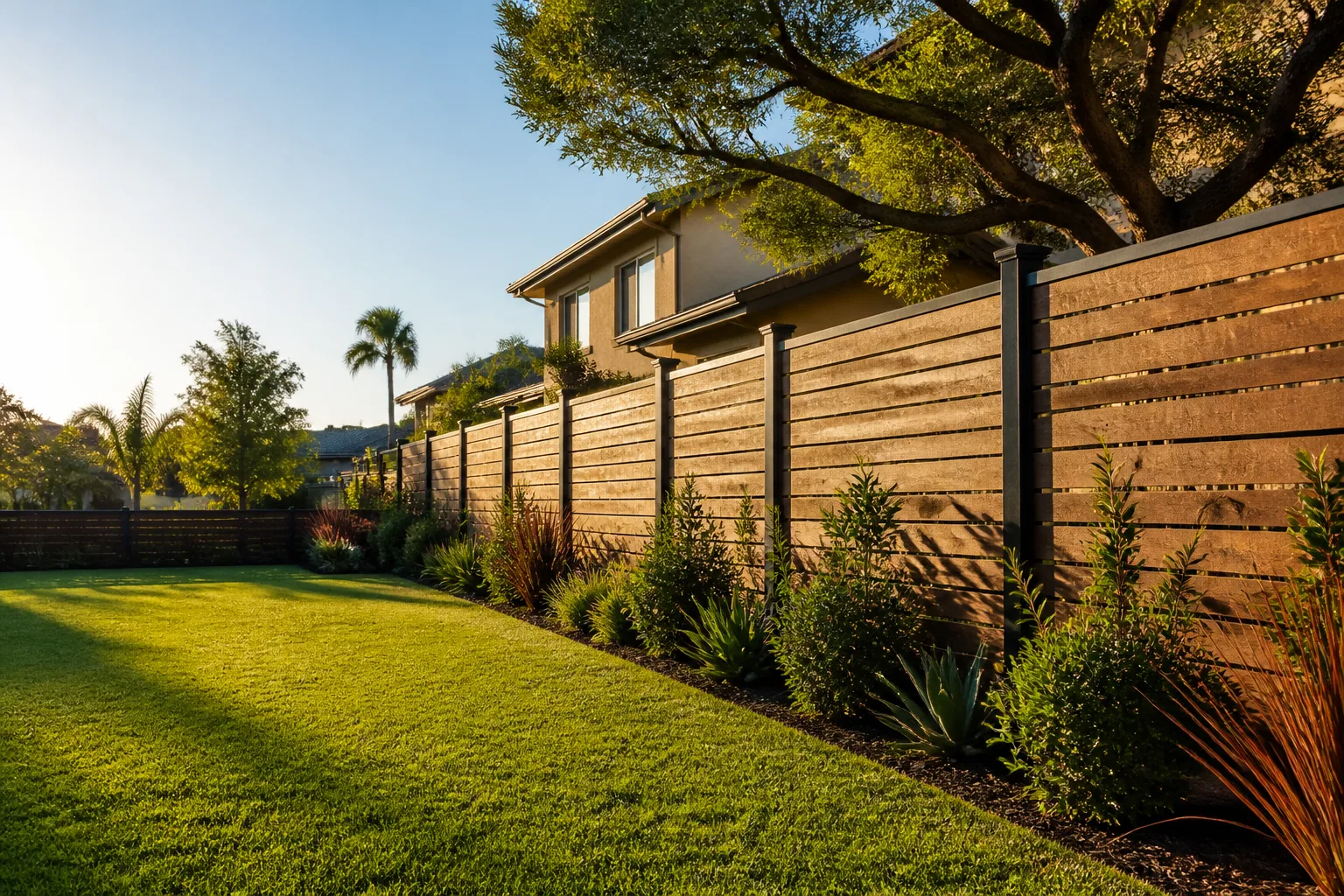
The maintenance advice you’ll find online assumes four seasons, freeze-thaw cycles, snow loads, and months of ground saturation. El Monte doesn’t have any of that. What we do have is intense, direct sun for the majority of the year, warm soil that keeps subterranean termites active across more months than most of the country, and a dry season long enough that untreated wood loses its natural oils fast. The result is a fence that fails first from the outside in: the sun-facing boards gray, check, and crack while the shaded side still looks fine. That’s the opposite of how fences fail in cold climates, where moisture trapped at the base rots the post first.
In our experience across El Monte, the practical consequence is this: UV degradation and termite pressure drive your maintenance schedule, not rain. A wood fence in the San Gabriel Valley can look great at year two and be dangerously thin at the post base by year four if nobody’s been checking. The old rule of thumb about “re-stain every five years” doesn’t apply here. El Monte’s sun is measured in a shorter cycle than that.
There’s a second factor that doesn’t get mentioned much: our soil. Much of the El Monte area sits on clay-heavy ground that shrinks and swells with irrigation cycles. A post set in clay moves more than one set in sand, which puts flex stress on the boards and hardware. That’s one reason the schedule below prioritizes checking post stability as part of the annual inspection, not just the finish coat.
The Annual Inspection Protocol for El Monte Fences
We recommend inspecting every wood fence twice a year here. Early spring (March into April) catches termite activity before the dry season pushes it underground. Late fall (October into November) catches UV damage before the winter growing season and gives you time to get a finish on before the next summer bake. The walkthrough itself takes 45 minutes on an average residential run.
Here’s the protocol we use:
- Walk the sun-facing side first, with a flashlight. Look for graying, checking (small cracks along the grain), and any board where the surface fibers rub off under a thumbnail. Graying means the UV-stabilizing oils in the wood are already gone; rubbing-off fibers means it’s time to re-finish.
- Check every post base where it meets the soil. With a screwdriver or a stiff putty knife, probe the base of each post. If the tool sinks easily into softened wood, the post is compromised and needs replacement. If you find vertical mud tubes anywhere inside the fence line, note it and treat it.
- Look for termite mud tubes on every board and rail. Subterranean termites build pencil-width clay-colored tubes from soil to wood. They’re often missed because they look like dried mud. Check the base of each bay and any point where wood contacts soil or reaches the slab.
- Wiggle each post and gate post. A post that moves more than about a quarter inch at the top is showing clay-soil movement or base rot. Both are early warnings.
- Inspect the rails for sagging or joint separation. Check every nail and every screw. Loose boards on a sun-exposed rail are a sign the fasteners have lost grip to drying.
- Test the gate hardware and hinges. Open and close the gate slowly; listen for squeaks or grinding. A gate that drags on the ground means the hinge or post has moved.
- Photograph everything. A dated photo of each section makes the next inspection faster and lets you track whether the finish is holding or fading.
What we’ve consistently found on El Monte fences is the west-facing run. If your fence runs north-south, the west side catches afternoon sun and usually needs refinishing a full cycle sooner than the east side. That’s a real difference in our climate, and it changes how you budget the job. More on Groundwork Construction Co. of El Monte home if you want to see how we handle the whole property.
Stain vs. Paint vs. Sealant: The Right Product for El Monte’s Climate
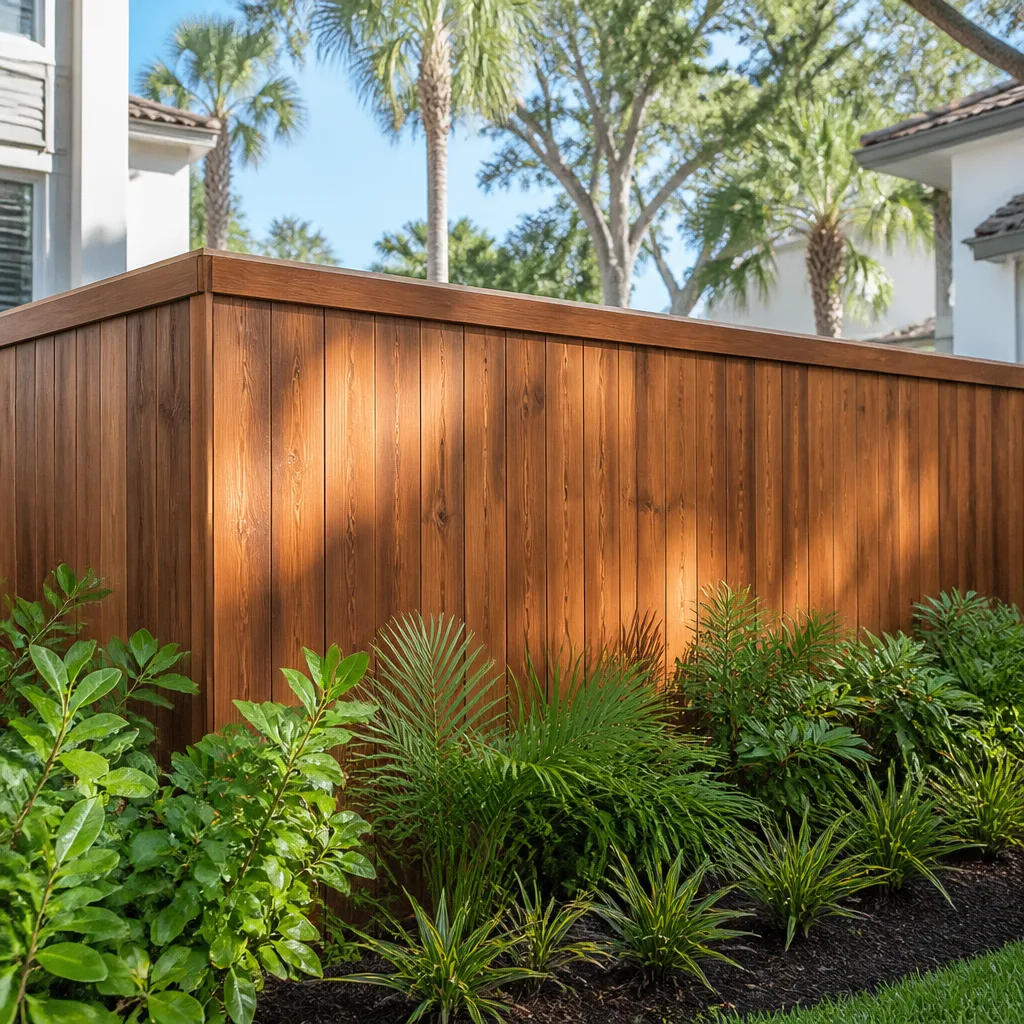
For El Monte’s climate, a penetrating oil-based or alkyd-modified stain with UV blockers is the most practical choice for cedar or redwood. It moves with the wood through seasonal moisture swings, penetrates rather than films, and blocks some of the UV. Film coatings like paint and heavy polyurethane crack where the wood flexes, which happens more than you’d think on clay soil. The right product depends on what you’re trying to achieve:
- Penetrating UV-blocking stain – the workhorse for El Monte’s climate. Reapply every 2 to 3 years on a sun-facing fence, 3 to 4 years on the shaded runs. Look for products labeled “transparent” or “semi-transparent”; semi-solid and solid hides are essentially film-forming and will need to be removed at some point. Stain allows the wood to breathe, which matters when the boards sit against clay soil.
- Paint – the highest maintenance option. Paint on a wood fence in the LA basin typically lasts 4 to 5 years before it starts to chip and peel; prep and recoating are heavy work because everything must be scraped. Paint also traps moisture, which is the last thing you want at the post base. Use paint only if you’re set on a specific color.
- Clear sealant (water-repellent) – a one- or two-season product in El Monte’s sun. We’ve seen clear sealant jobs that were already showing sun-fade at 18 months. It works well as a top-up between stain cycles, not as the primary finish.
- Post base treatment – the copper naphthenate or borate-based wood preservative you apply to the post where it meets soil, then refresh every 12 months. Use a product labeled for ground-contact wood, applied per the manufacturer’s instructions.
- Gate hardware lubricant – a silicone or lithium grease, applied to hinges, latches, and any moving parts. Silicone is better in coastal-adjacent air because it doesn’t hold dust.
What separates these choices is not brand. It’s whether the product flexes with the wood or films over it. In El Monte’s climate, flexing finishes win, and film finishes cost you more over the fence’s life.
Post Base Treatment in Termite-Active Soil
El Monte sits in one of the more active subterranean termite zones in Southern California, and the post base is where that pressure concentrates. A wood post that contacts the soil directly is a food bridge for termites straight into the fence, no detour. That’s why the annual treatment of every post base isn’t optional the way it is in cold climates.
The safe, correct approach, and the one we specify on every fence we build, is:
- Keep wood off raw soil. An ideal post sits in a concrete or metal post base with a gap between the wood bottom and the soil. If your post is direct-buried, that gap doesn’t exist; treat accordingly.
- Apply a ground-contact wood preservative at the base. A borate or copper-based product works. Coat the wood from the frost (or soil) line up about 12 inches.
- Refresh annually. Every spring, wipe away loose soil and reapply per the product. That’s the schedule that matches El Monte’s termite pressure.
- Check the soil line for mud tubes. Any tube (pencil-width, clay-colored) is evidence of termite activity. Remove the tube, but also call a licensed termite inspector if you find them at more than one post.
- Don’t block water and air at the base. Mounding soil up against a post to “protect” it actually traps moisture and makes rot easier. Keep the soil at a natural grade.
What we’ve found in El Monte: even a preservative-treated post will show termite probes at the base within a few years if the wood has direct soil contact and the treatment has leached. Treated lumber helps, but it doesn’t replace the annual treatment check. If you’re replacing a fence, that treated post base is where the money pays off best. Our Home Additions & ADU in El Monte work includes a lot of exterior hardscape and fencing, and the post base is always the first thing we inspect on an existing run.
Gate Hinges, Latches, and Coastal-Adjacent Air
Gate hardware gets forgotten. In El Monte, every gate has to last through dry-season dust that gets into the hinge pin, plus marine air pushed in from the coast on summer afternoons that deposits salt on exposed metal. Salt air isn’t a hard salt fog like a beach town, but over a couple of years, a galvanized hinge will start to show surface corrosion and seize if it isn’t lubricated. A hinge that seizes and then has to be hammered loose usually loses its pin or its plate.
Our schedule for gate hardware:
- Every 6 months: open the gate fully, clean the hinge pins and latch points with a rag, and apply a light film of silicone or lithium grease. A quick spray into the pin gap is enough. Don’t over-grease; excess attracts dust.
- Every 12 months: inspect hinge plates at the wood for rust bleed. If you see brown staining at the plate, the hardware is starting to corrode at the surface and worth replacing proactively.
- Every 12 months: check the gate alignment and the latch throw. If the latch is dragging or needs a shove, the gate post has likely shifted, and adjusting the hinge or the post is the fix.
- Every 2 to 3 years: replace the hinge pin or the hinge plate entirely if the gate is showing noticeable sag. Galvanized hardware has a service life, even in El Monte’s air.
Upgrading to stainless hardware is worth it on gates you use every day. In our experience, stainless pays for itself in a few years of no replacement. That’s the same logic we apply across our Driveway & Pavers in El Monte work, choosing hardware rated for the environment rather than the cheapest option.
The Right Season to Stain or Seal in the LA Basin
The right season to stain or seal a wood fence in El Monte and the broader LA basin is late fall into early spring: roughly November through March. That window is when daytime temperatures stay between 50°F and 85°F, humidity is closer to normal, and the wood isn’t sun-baked to the point where a finish dries too fast to soak in. Late spring and summer are the wrong season. During a Los Angeles County summer, surface temperatures on a west-facing fence can hit 130°F to 140°F, which causes a stain to dry on the surface before it penetrates, resulting in a film that will peel within a season. We’ve seen summer-applied jobs fail to a peeling coat within 8 months in El Monte.
There’s also the issue of new wood. If your fence was just installed, the wood needs to dry and weather for a few weeks to a couple of months before the first stain. For a fence installed in El Monte in early summer, that means the first stain application lands in the fall. The good news is that’s the correct window anyway. For an existing fence, get the fall window early. The worst timing is a just-before-summer stain on a fresh board in July.
One more El Monte-specific note: the marine layer pushes in the morning. A stain applied in the morning can be sitting on damp wood by the time you finish the run. The correct window is late morning to mid-afternoon, when the morning dew is off the wood and the finish has time to dry before the evening.
The Full 12-Month Maintenance Calendar
Here’s the schedule we’d hand a homeowner in El Monte. It’s a starting point; western-exposed runs usually need a bump to the front of the stain cycle, and any fence over 12 years old should get the spring inspection in early March.
- March: Spring inspection. Walk the fence, check post bases, termite mud tubes, gate hardware. Refresh post-base preservative. Note the sections needing stain in the fall.
- April: Second look at any section flagged. If the finish is gone and the wood is graying, schedule the stain for late fall. Otherwise, wait.
- May through September: Measure and observe. Check gate hardware every couple of months. Don’t stain during this window. A quick touch-up on a small area is fine if the finish has failed badly, but the main coat waits.
- October: Fall inspection. Same protocol as spring. This is the pre-winter catch, and it’s also the window to schedule the stain.
- November through December: Stain or seal the sun-facing runs and the shaded runs. Refresh the post-base treatment.
- January through February: Final window for stain if weather pushed it. Check for any winter damage to posts from clay-soil movement.
- Recurring: Post base treatment every 12 months. Gate hardware lubrication every 6 months. Stain every 2 to 3 years on sun-facing wood, 3 to 4 on shaded.
That calendar is what “wood fence maintenance schedule Southern California” should actually mean. It’s a dry-season defensive schedule, not a water-damage schedule, because the sun and the termites are your two big enemies here, and they don’t take the winter off.
Matching the Schedule to Your Fence Material
Not every wood fence takes the same schedule. What you’re maintaining changes the intervals:
- Cedar and redwood: the most UV-vulnerable common woods. Stain every 2 years on sun-facing runs. Inspect the post base carefully; cedar is not naturally termite-resistant to subterranean species.
- Pressure-treated Southern yellow pine: more rot-resistant than cedar, but the UV exposure causes surface checking and cracking. The annual inspection should catch any checking that’s become a structural problem. Stain every 3 years, or every 2 on west-facing sections.
- Cypress or other local wood: varies; cypress has some natural resistance to termites, but not enough to skip the annual post-base treatment. Reschedule based on your own inspection findings.
- Composite: the schedule changes entirely, and the main task becomes cleaning and hardware maintenance. The post base and hardware still need checking; the finish doesn’t.
The practical takeaway is the same regardless: the sun-facing side always goes first. Plan your re-stain cycle around the west or southwest run, and use that as your schedule anchor. The shaded sections will lag behind and can wait.
When you’re replacing a fence rather than maintaining one, the board material is where the schedule is set for you. We build fences with materials rated to hold up in Southern California sun exposure; it’s the same reasoning behind using James Hardie siding on a home, where the wrong product means a re-do in half the time. The fence installation service page covers the products and how we choose them.
Common Mistakes to Avoid
- Staining in July because the fence looks gray. This is the most common failure we see. A July stain in El Monte dries on the surface before it penetrates and peels within a season. Wait for the fall window.
- Using a film-forming clear polyurethane as the “top coat.” It traps moisture at the post base, which is the last place you want it. Use a penetrating stain.
- Skipping the post-base inspection because the fence looks fine. A post can be hollow at the base and look solid at eye level. The 45-minute inspection catches it before it’s a replacement job.
- Mounding soil or mulch against a post to “protect” it. That’s the opposite of protecting it. Keep the soil at grade.
- Power-washing a wood fence at high pressure before stain. It strips the wood’s natural surface and opens fibers to hold moisture. If you wash, use low pressure and let the wood dry for at least a week before finishing.
- Ignoring gate hardware for years. A seized hinge or a hinge plating that rusts at the wood is the fastest path to a sagging gate. Lubricate every 6 months.
- Applying the first stain on a new fence in the wrong order. New boards in El Monte need to dry for weeks before their first finish. Stain them too soon and you seal moisture in.
We’ve seen every one of these on El Monte fences. The good news is that the fix is a schedule, not a specialty skill.
See the difference
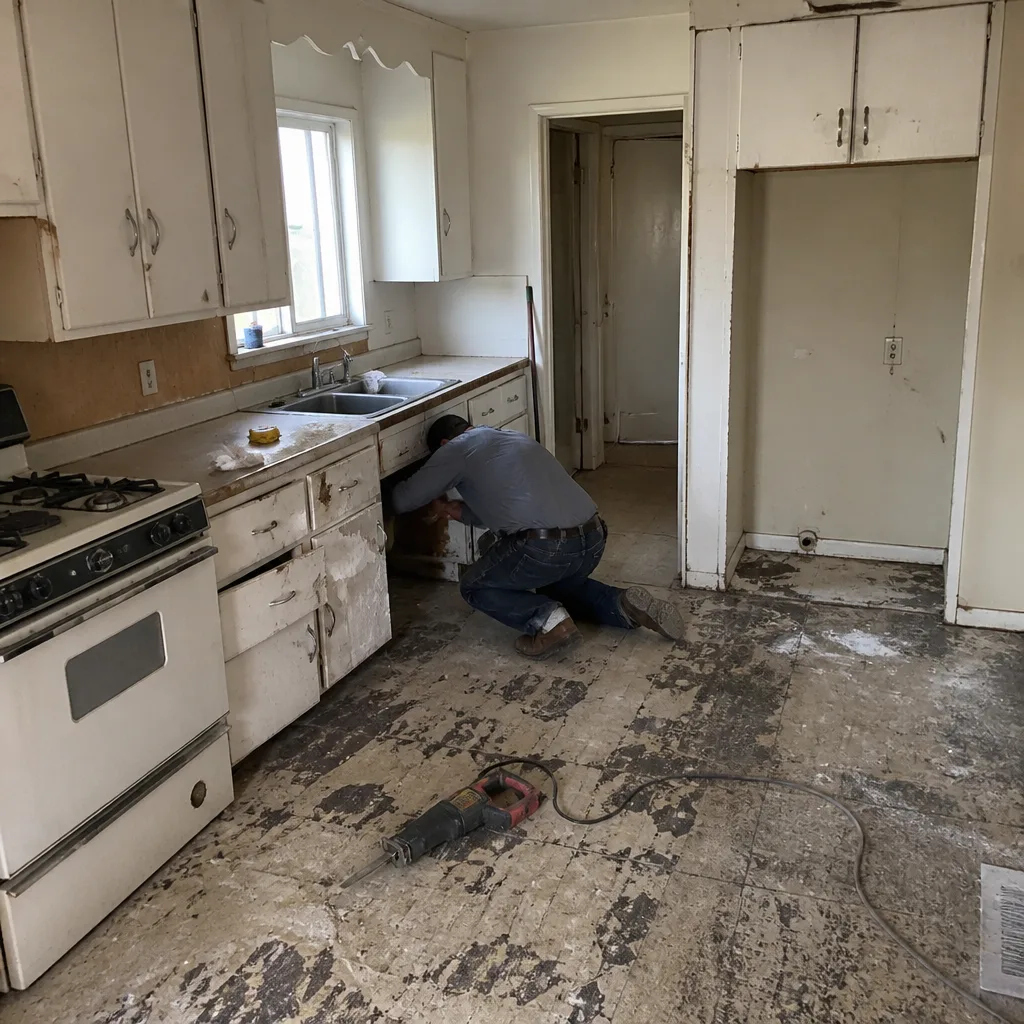 Before
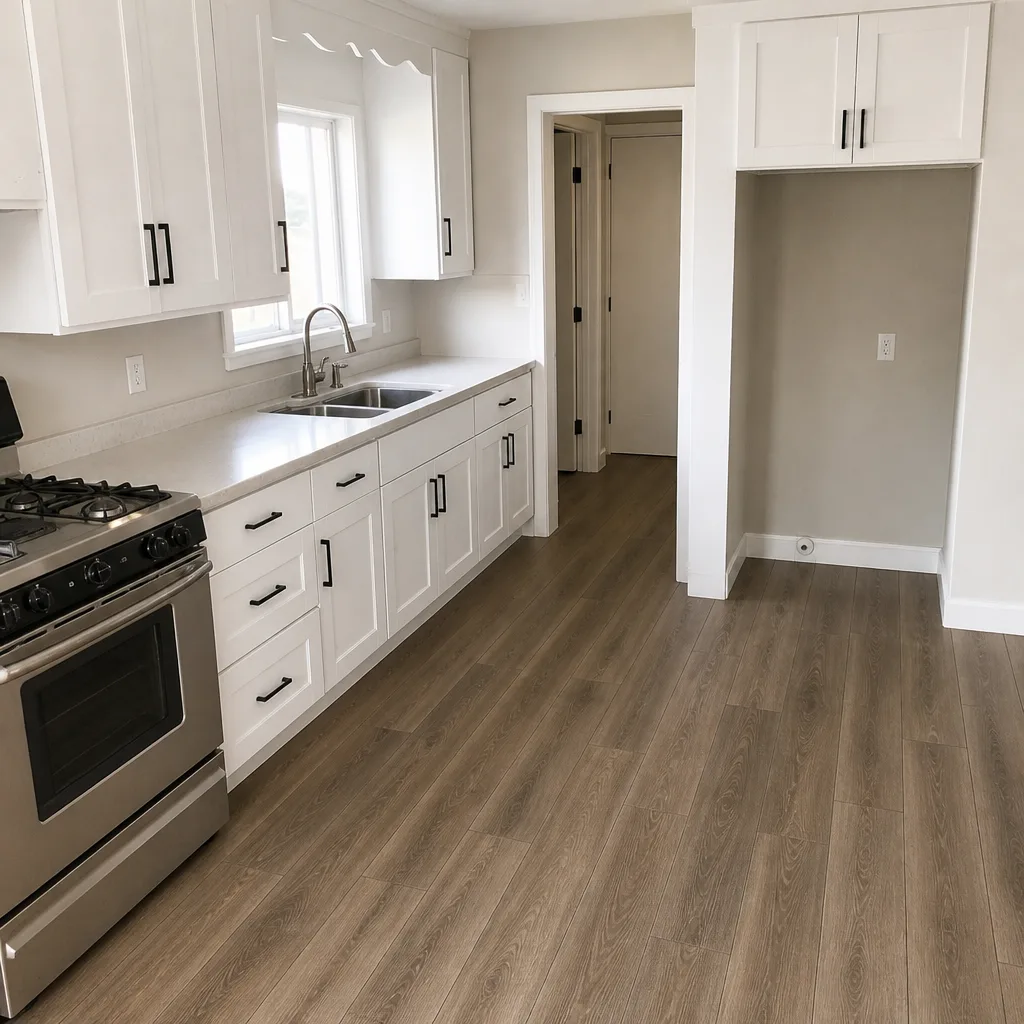 After
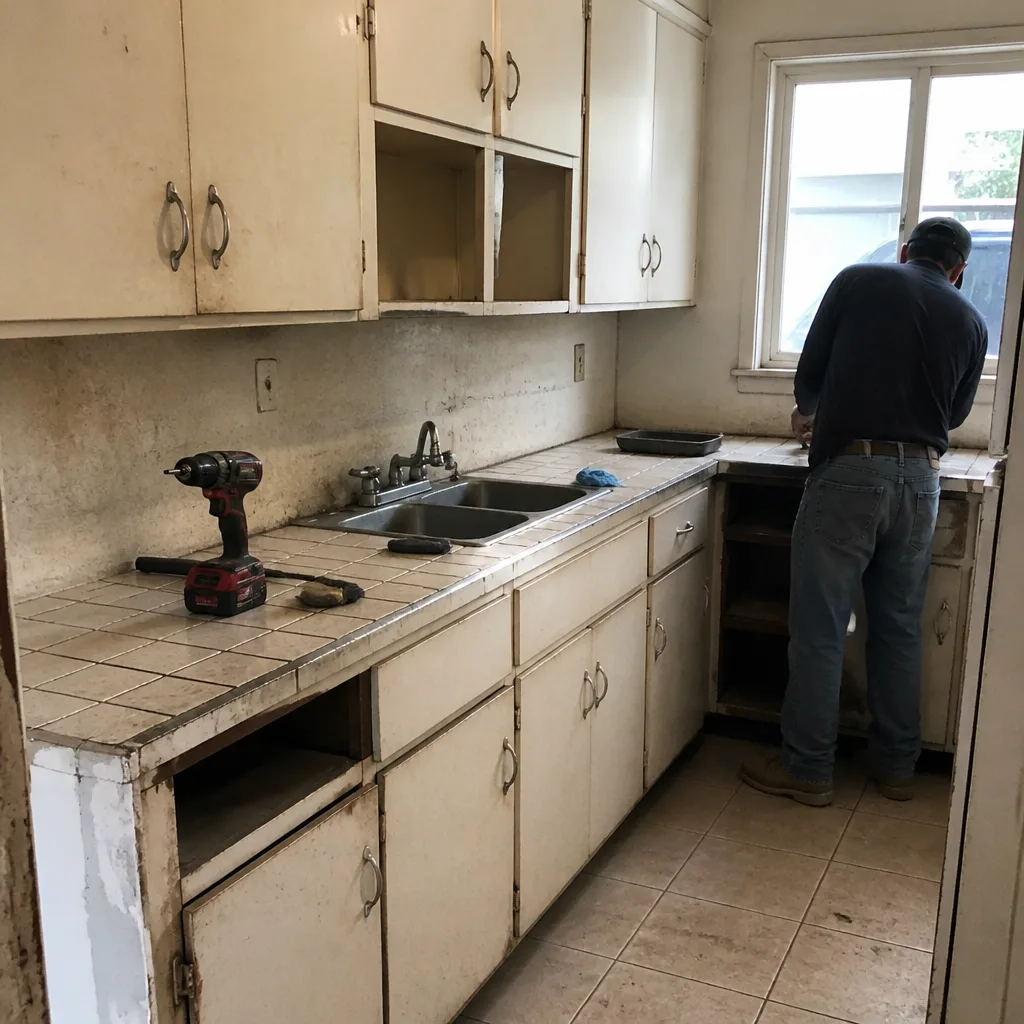 Before
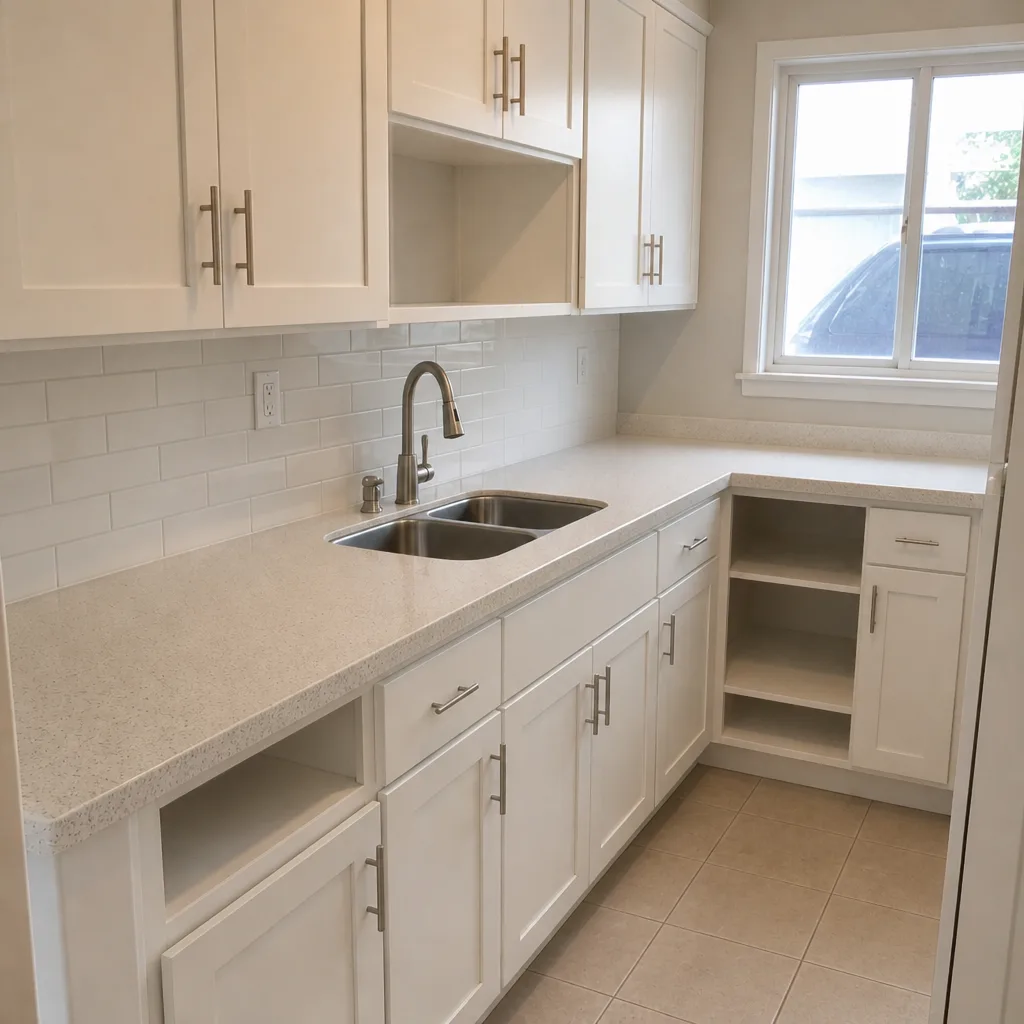 After
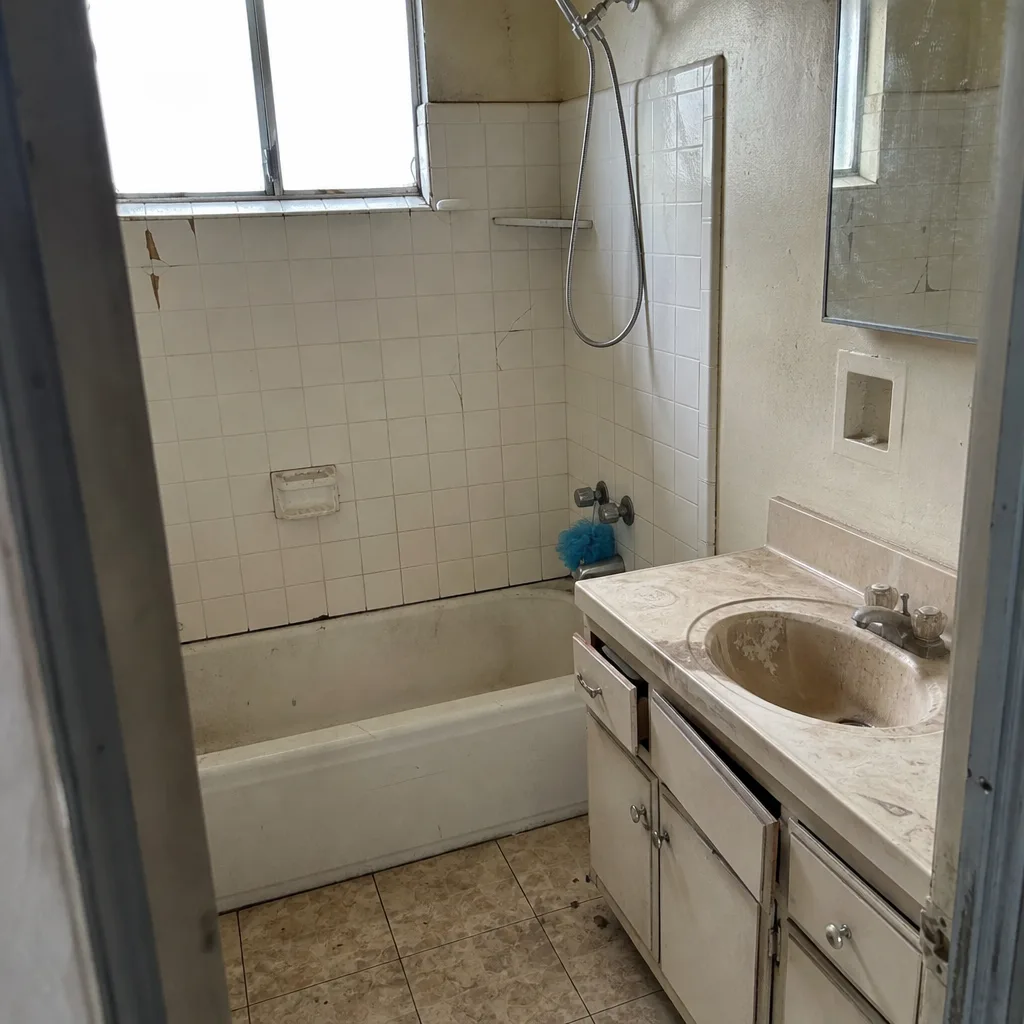 Before
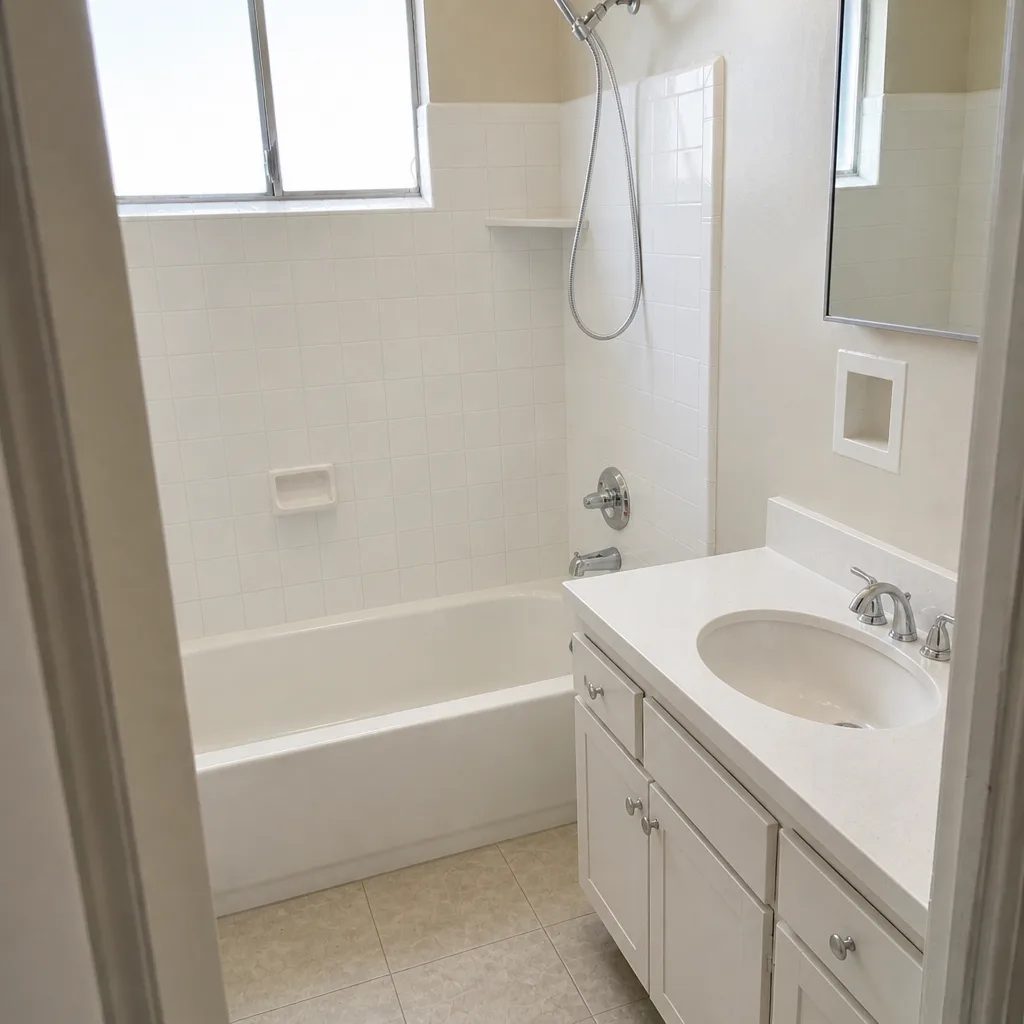 After
When to Call a Professional
Call a professional when the inspection turns up something you can’t safely fix yourself. That includes a post that’s soft at the base and needs replacement, termite activity at multiple posts, a gate that has pulled away from the post and can’t be aligned, and a fence with a large section of rotting wood or failing boards. Also call if you’re re-staining a fence taller than 6 feet, or if the fence has more than a few bays to deal with and you don’t want to spend a weekend on a ladder. Ladder work at fence height is one of the more common sources of homeowner injuries, and the finish product applied badly usually means a second application within a year.
Groundwork Construction Co. of El Monte offers free estimates in El Monte, and we’ll walk the fence with you and lay out what’s maintenance and what’s repair. Call (888) 271-7872.
Frequently Asked Questions
Every 2 to 3 years on sun-facing runs, and 3 to 4 years on shaded runs, in El Monte’s climate. West-facing boards usually need the shorter cycle. If the surface has grayed and the finish is gone, that’s the signal, not the calendar. Call (888) 271-7872 for a free estimate if the job is bigger than a weekend.
Late fall into early spring, roughly November through March. The wood needs daytime temperatures between 50°F and 85°F, no rain, and enough time to dry before evening. Summer surface temperatures on a west-facing fence can exceed 130°F in Los Angeles County, which causes the stain to film instead of penetrate.
Look for pencil-width clay-colored mud tubes on the boards and at the post base, and probe the base of each post with a screwdriver. If it sinks easily, the post is compromised. Annual post-base treatment with a ground-contact preservative, refreshed every spring, is the main defense. Call (888) 271-7872 to schedule a free fence inspection if you find activity.
Yes, but paint needs 4 to 5 years of maintenance and traps moisture at the post base. We recommend a penetrating UV-blocking stain for wood fences in El Monte’s climate because it flexes with the wood and lets it breathe. Paint is the right choice only if a specific color matters more than the maintenance schedule.
Every 12 months, ideally in spring before the termite season picks up. Use a borate or copper-based ground-contact wood preservative, applied from the soil line up about 12 inches. This is a higher frequency than most national maintenance guides recommend because our termite pressure is higher.
Surface corrosion typically shows at the hinge and latch within a few years, and the hinge pin seizes if it isn’t lubricated every 6 months. The fix is silicone or lithium grease every six months and stainless hardware on gates used daily. If the gate is sagging, the hinge or post needs adjusting. Call (888) 271-7872 for an estimate.
The Bottom Line
A wood fence in El Monte doesn’t fail from water. It fails from UV, termites, and forgotten hinges. The maintenance schedule that works here is the one built for our climate: inspect twice a year, stain in the late fall into early spring window, refresh the post-base treatment every 12 months, and lubricate the gate hardware every 6 months. That’s the whole thing. What you skip is the generic advice about freeze-thaw cycles and snow, because none of it applies. If the inspection turns up something beyond maintenance, a post that’s soft at the base or a fence that’s failing across a whole run, that’s a replacement conversation and not a repair. Our Driveway & Pavers in El Monte and Home Additions & ADU in El Monte crews see plenty of fences that turned that corner. Call (888) 271-7872 for a free estimate and we’ll tell you straight which one you’re facing.
Written by the team at Groundwork Construction Co. of El Monte.