Last updated November 17, 2026





Free written scope consultation - allowances, timeline, and change-order rules on paper before a single trade is scheduled
Fence Installation Warning Signs Every Homeowner Should Know
Here’s the uncomfortable truth about bad fences: they can pass every visual inspection on install day. The posts are straight, the panels are level, the gate swings clean. Then eighteen months later, the posts start heaving out of the ground, the bottom rails are soft and crumbling, and the contractor’s phone number doesn’t work anymore. In our experience across El Monte, the warning signs were never in the finished product. They were in how the contractor behaved, how they bid the job, and how they prepared the site before a single post went in the ground. This guide walks you through those signals, from the first phone call to the first cracked post, so you can walk away while walking away still costs you nothing but a Saturday afternoon.
Quick Answer
The most reliable fence installation warning signs are a suspiciously immediate start date, a bid that skips specifics like post depth and concrete mix, refusal to pull a permit, materials delivered that don’t match the contract, and crews who skip the gravel drainage layer or dig shallow holes. A fence that fails within two years usually gave off at least three of these warnings before installation was underway. If you’re seeing them in El Monte, slow down and ask hard questions before you sign anything.
Styles & brands we work with
- Kitchen remodeling
- Bathroom remodeling
- Home additions & ADU
- Roofing
- Windows & doors
- Driveway & pavers
- Fence
Table of Contents
- Why a Suspiciously Fast Start Date Is a Red Flag
- The Questions That Reveal Whether Your Crew Knows the Trade
- What to Watch For During Installation
- Permits: The Line Between a Fence and a Legal Problem
- How to Spot a Bait-and-Switch on Materials
- Post-Installation Signs Most Homeowners Miss
- Why El Monte Conditions Test a Fence Harder Than Most
- Your Window to Hold a Contractor Accountable
Why a Suspiciously Fast Start Date Is a Red Flag
A contractor who can start your fence tomorrow is telling you something, and it isn’t that they’re efficient. Legitimate fence crews in El Monte are usually booked out weeks, sometimes a month or more during the dry season. When someone offers to break ground the day after you call, ask yourself what other jobs they didn’t get, and why.
There are a few innocent explanations. It’s the off-season, a big job got pushed, a build partner backed out. Those happen. But the pattern repeats far more often for a reason every homeowner should know: crews with thin schedules are usually competing on price alone, and the only place left to cut is materials, labor time, and prep.
What immediate availability usually means
- No permits pulled. A crew that can dig tomorrow didn’t spend the last two weeks at the city counter. That’s a problem in every Southern California city, and a bigger one in El Monte where fence setbacks and property-line issues get reviewed.
- No site assessment. A real installer walks the run, checks soil, looks at grade, measures the property line against the plat. That takes time before the schedule opens.
- Subcontracted labor. The “company” is a salesperson with a phone and a list of day laborers. The crew that shows up has never seen your property and is paid by the day, not by the quality of the post they set.
- Cut-rate materials. A crew with no backlog can afford to quote low because they’re buying the cheapest lumber or vinyl at the yard and pocketing the difference to your written spec.
A good sign is a contractor who tells you, honestly, “We can start in three weeks.” That’s a crew with actual work, and actual work usually means actual standards. When we quote a fence in El Monte, we don’t pretend the calendar is empty. The schedule is the schedule.
The Questions That Reveal Whether Your Crew Knows the Trade
You don’t need to know how to build a fence to interview someone who does. You just need to ask the right four or five questions and listen for whether the answers sound rehearsed or real. A tradesperson who knows their work answers these without hesitating. A salesperson deflects.
The questions to ask, in order
- “How deep will you set the posts, and why that depth?” The correct answer depends on your fence height and soil, but a real installer talks through frost line, wind load, and post height above grade. Vague answers (“deep enough”) mean they’re setting posts to look good, not to last. In El Monte’s clay-heavy soil, “post depth” isn’t a detail, it’s the whole job.
- “What concrete mix ratio do you use, and how much per hole?” A crew that knows the trade can tell you their bag mix and roughly how many bags go in each post. A crew that’s winging it will say “standard concrete.” The last time we heard that, the homeowner’s fence was leaning within two seasons.
- “Will you set posts in concrete, gravel, or both?” The best practice for wood and vinyl is a concrete footing with a gravel drainage layer at the base of the hole so water doesn’t pool around the post. That last part is what a fly-by-night crew skips first, and it’s the number one cause of post rot in El Monte.
- “Will you pull a permit, and who signs for it?” The answer should be “yes” and “us.” If they say permits aren’t needed, ask them what the height limit is in your zone. If they don’t know, they haven’t pulled one in your city.
- “Can I see the spec sheet for the material you’re billing me for?” A real installer shows you the brand and grade before you sign. A bait-and-switch artist talks about “premium cedar” without naming a mill.
Write the answers down. The written estimate should match them. If the numbers on the contract don’t line up with the words out of the crew lead’s mouth, that’s your first warning sign, and you haven’t even broken ground.
What to Watch For During Installation
Installation day is the one time you have eyes on the work while it’s still fixable. The signs are subtle, but they’re visible. A homeowner who walks out with a coffee and a clipboard can catch problems in the first hour that would otherwise cost a full rebuild.
Step-by-step: how to observe install day without getting in the way
- Watch the first two holes get dug. If the crew is using a gas auger, fine. If they’re digging with a shovel to save the rental fee and the hole is barely a foot deep, stop them. Post depth above grade should be roughly a third again the depth below grade.
- Look for the gravel layer. Before concrete goes in, there should be two to four inches of gravel at the bottom of each hole. If you see concrete poured straight onto dirt, that post will rot from the bottom up.
- Check the concrete. Bags on site, or a redi-mix truck? Both are fine. What isn’t fine is a crew mixing concrete on a tarp in ratios they’re eyeballing. A proper pour is consistent and cured to spec before the fence goes up.
- Confirm the permit is posted. The city of El Monte requires the permit to be visible on site. If you don’t see it, ask. If they can’t produce it, the work shouldn’t continue.
- Spot-check the material against the contract. More on this below, but do it before the lumber or vinyl is cut. Once it’s installed you can’t return it to the yard.
- Walk the line at the end of the day. Posts plumb, concrete domed, no gaps under panels, gate hardware installed to swing true. Any of these wrong on day one are wrong forever without a rebuild.
In our experience, homeowners who watch the first two holes catch about 80% of the problems that would have come back to bite them. The other 20% are caught by a contractor who actually knows what to look for. That’s the real benefit of hiring a crew that puts its work in writing.
Permits: The Line Between a Fence and a Legal Problem
A fence contractor who tells you “we don’t need a permit for that” is either wrong or working off a rule of thumb that doesn’t apply to your property. In El Monte, fences over six feet tall, fences on corner lots, and fences along a property line with a setback issue all run into the permit process. A contractor who skips it is shifting that risk to you.
Here’s what a permit actually does for you, beyond keeping the city happy:
- It forces an inspection. An inspector checks post depth and footing, which is the exact thing you can’t verify yourself once the fence is finished.
- It creates a paper trail. If your neighbor later claims the fence is on their property, the permit and the inspection record are evidence you did it by the book.
- It protects resale. An unpermitted fence is a disclosure item. Buyers’ agents flag it, appraisers knock value, and the next owner inherits the problem.
The permit process in El Monte is not fast, and a contractor who avoids it is usually avoiding it because they don’t want to wait for the counter to open. That’s not your convenience issue. That’s your fence becoming a legal liability if a neighbor files a complaint, which in a dense city like El Monte happens more often than you’d think.
Ask to see the permit before the first hole is dug. If they can’t show it, you’ve just found your walk-away moment. For a broader look at how we handle permitting across the trades we work in, our Groundwork Construction Co. of El Monte home page covers the full scope.
How to Spot a Bait-and-Switch on Materials
The bait-and-switch doesn’t usually look like a bait-and-switch. It looks like a crew pulling up with a load of lumber that’s “basically the same,” or a stack of vinyl panels from a different manufacturer than the one on your contract. By the time you notice, the material is already cut and installed, and the contractor has an excuse ready.
What to check the moment the material hits your driveway
- Match the brand name. If your contract says a specific brand, the packaging on your property should say that brand. Not “a similar line.” Not “an equivalent.”
- Look at the grade stamp on lumber. Every piece of structural lumber in the U.S. carries a grade stamp. If the stamp says “Stud” and your contract said “No. 2 or better,” you got downgraded.
- Count the panels and posts against the contract. Shorting the count is a quiet way to pad margin. A “we’ll bring the rest next week” line on install day is a bad sign, not a friendly one.
- Check the hardware. Galvanized or stainless fasteners are what you paid for. Coated exterior screws from a box store are what a trim-the-corner crew will use.
- Ask for the yard receipt. A real contractor can show you the lumber yard or supplier receipt for the material. A bait-and-switch artist can’t, because the material came from a different yard than the contract named.
We’ve seen El Monte homeowners pay for premium cedar and get a mixed load of cedar-faced and common pine behind it, and the pine rots in our local soil within a season. If you can’t match the material to the contract before it’s cut, don’t let them cut it. Full stop. For reference on how we treat material selection across a full home build, Home Additions & ADU in El Monte shows the same discipline we apply to fences.
Post-Installation Signs Most Homeowners Miss
The most expensive fence failures don’t announce themselves. They show up as “settling,” “climate,” or “that’s just how cedar does,” and by the time the homeowner accepts that something is actually wrong, the contractor’s accountability window has closed.
The six signals that a fence is failing, not settling
- Posts that rock when you push on them. A post set to depth in proper concrete doesn’t move. If you can rock it by hand, the footing is shallow or the concrete failed to set.
- Heaving at the base after the first wet season. El Monte gets concentrated rain in the winter, and a post with no gravel drainage layer will push upward as the soil expands. This is the classic sign of a shallow footing.
- Soft spots at the bottom of a wood post. Press a screwdriver into the base of any post. If it sinks, the post is rotting from the bottom up, and the person who set it skipped the drainage layer.
- Panels that wave instead of sitting flat. This is usually a stringer or rail installed without a proper footing, and it means the whole run is out of line. Not a cosmetic issue.
- Gates that drag after six months. Gate posts take more load than fence posts, and a crew that set every post to the same depth and spec short-changes the gate side every time.
- Rust bleeding through the fasteners. That means non-galvanized screws were used where the contract specified galvanized. It’s a material substitution no one will admit to after the fact.
The window to call a contractor back on a footing issue is usually the first twelve to twenty-four months, and sometimes less depending on the warranty. The best contractors put it in writing for far longer, which is exactly why the 730-Day Done Right Promise exists on our work. If it’s not done right, we make it right, and that’s two years of coverage, not two seasons of “good luck.”
Why El Monte Conditions Test a Fence Harder Than Most
El Monte is not a gentle climate for a fence. The city sits on soil with a meaningful clay content, which expands and contracts hard with the winter rain and summer dry cycle. That cycle is the single biggest reason fences fail here earlier than the homeowner expected, and it’s why post depth and drainage are the two things a crew cannot skip and still have a fence standing in three years.
A few local factors that affect every install:
- Clay-heavy soil. Water doesn’t drain evenly through it, so a post hole without a gravel layer holds water against the wood. Wood posts in El Monte need that drainage or they rot from the ground up.
- Dry-season ground shrinkage. A footing that was set in July can shift by the following February when the rains come. Depth and concrete mix are what hold it steady.
- Dense lots and property-line precision. El Monte is built tight, and fences often run close to the neighbor’s line. Getting the setback right matters for more than aesthetics; it matters for avoiding a code complaint.
- Older housing stock. Many of the city’s homes were built decades ago with fences that have already been replaced once. The second install is where shortcuts usually show up, because the crew inherits an existing line and works around it instead of rebuilding the footing.
- Rising heat. Vinyl in particular takes UV load harder in the San Gabriel Valley than on the coast, which is why brand and grade matter. Cheap vinyl chalks and cracks early; higher-grade options hold up. Boral and PGT are two we specify for exactly that reason.
None of this is unique to fences. It’s the same discipline we bring to Driveway & Pavers in El Monte, where the base prep is the whole ballgame, and to Fence Installation in El Monte, where we walk every property before a quote goes out.
Your Window to Hold a Contractor Accountable
Most homeowners think they have a year or more to call a contractor back on a bad install. The contractual reality is often much shorter. Many fence contractors offer a one-year workmanship warranty that expires right around the time the first heave shows up, which means the failure and the deadline coincide, and the homeowner eats the cost.
The way to protect yourself is to do three things before you sign:
- Get the warranty term in writing. Not “lifetime workmanship,” which is meaningless, but a specific number of years. A 730-day workmanship guarantee is one of the longest in the residential construction space, and we put it in writing because we can back it up.
- Photograph the install in progress. A phone full of photos from install day, especially the post holes and the concrete pour, is the strongest evidence you can have if a failure shows up in year two.
- Keep every document. The estimate, the signed contract, the permit, the material receipts, the final walkthrough notes. If you ever need to make a claim, that folder does more for you than any phone call.
The window isn’t always fair, but it’s real. A contractor who won’t put a workmanship guarantee in writing is telling you exactly how much confidence they have in their own crew.
Common Mistakes to Avoid
- Choosing the lowest bid without comparing scope. The low bid is usually low because a line item was removed, not because the contractor is generous. Compare post depth, concrete mix, material grade, and permit responsibility line by line. One El Monte homeowner we talked to got three bids that differed by $4,000 and only one of them included the permit.
- Skipping the permit to save time. Skirting the permit process in El Monte is faster until a neighbor files a complaint and the city makes you tear the fence out. The cost of a rebuild is four to five times the cost of the permit.
- Trusting a verbal description of materials. “Premium cedar” and “heavy-duty vinyl” mean nothing. Get the brand, the grade, and the specific spec sheet in the contract, and match the delivered material against it before cutting.
- Not watching the first two post holes. You don’t need to hover, but you do need to see the first two holes and the first two concrete pours. That’s where the entire install is decided, and once it’s buried, it’s buried.
- Accepting “that’s just settling” at six months. Posts that rock, panels that wave, or gates that drag within the first year are a footing problem, not settling. Document it immediately and call the contractor the same week, not the same year.
- Hiring a crew with an empty calendar. In El Monte, the fence crews worth hiring are booked. A crew that can start tomorrow is telling you what other homeowners already decided about them.
- Not asking what happens if the fence fails. Any contractor worth the deposit can explain, in plain language, what they do if a post heaves or a panel fails within the warranty term. If the answer is vague, the warranty is vague.
See the difference
 Before
 After
 Before
 After
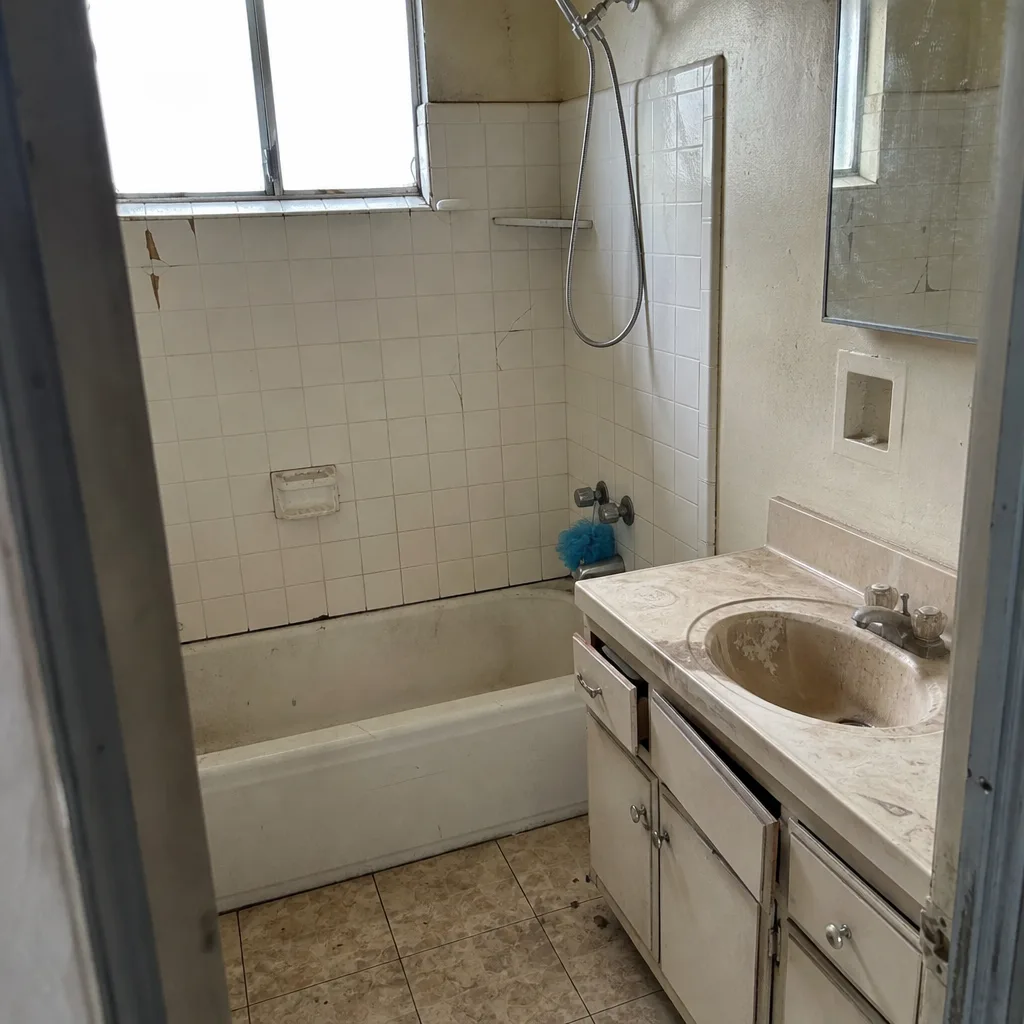 Before
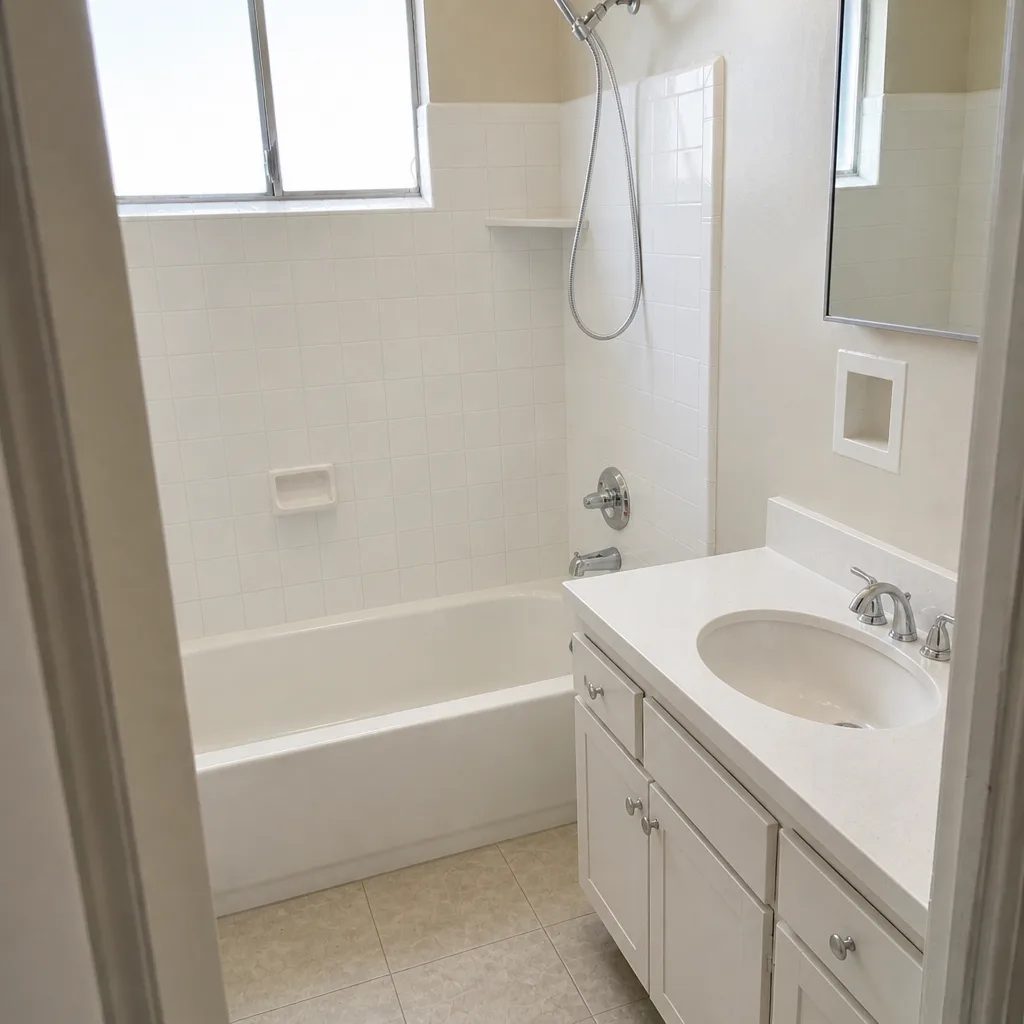 After
When to Call a Professional
If you’ve seen any of the warning signs above and the work hasn’t started, stop and get a second quote. If the work has started and the first two post holes were shallow, the drainage layer was skipped, or the material on your driveway doesn’t match the contract, halt the job and get a professional assessment before any more lumber or vinyl is cut. If your existing fence is heaving, the posts are soft at the base, or a gate is dragging after six months, that’s a footing failure, not a cosmetic issue, and it will only get worse through the next wet season. Groundwork Construction Co. of El Monte offers free estimates in El Monte, and our technicians have up to 12 years of experience on exactly this kind of diagnostic work. Call (888) 271-7872 to schedule yours, and get a written assessment before the next crew touches the property. If you’re also planning to upgrade the front approach while the fence is being rebuilt, our Driveway & Pavers in El Monte team can look at the whole exterior at once.
Frequently Asked Questions
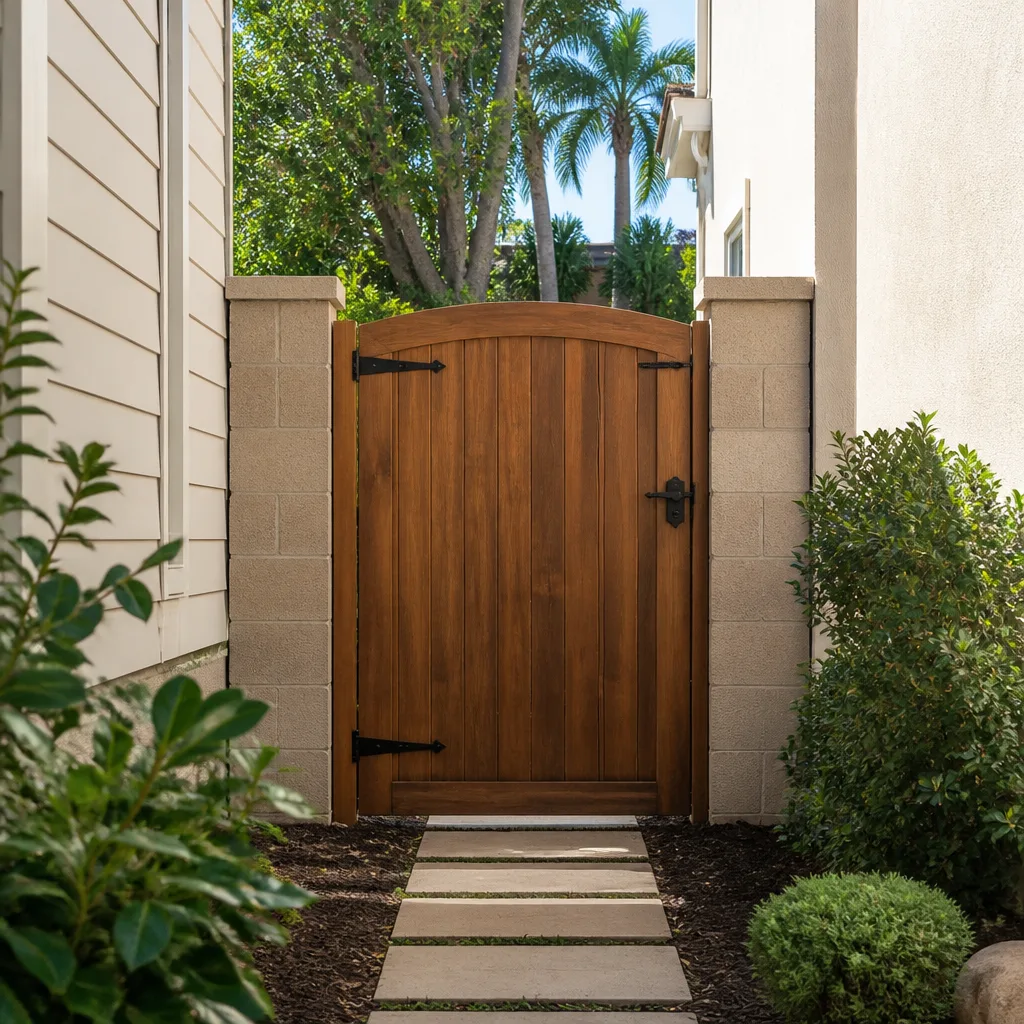
Fence installation in El Monte typically runs $35 to $75 per linear foot for wood, and $45 to $90 per linear foot for vinyl, depending on height, material grade, and site conditions like slope and old-fence removal. A standard 150-foot residential run in El Monte usually lands between $5,500 and $12,000 all-in. Those numbers move with the permit cost and any property-line complications, so get a written, line-item quote. Call (888) 271-7872 for an exact quote, and estimates are free.
The clearest sign is a contractor who can’t answer specific questions about post depth, concrete mix, and gravel drainage. A second sign is immediate availability, since legitimate crews in El Monte are usually booked out weeks. A third is refusal to pull a permit or produce a written material spec. Any two of those on the same bid is enough to walk away.
For a six-foot fence in El Monte’s clay-heavy soil, posts should be set at least two feet below grade and often deeper depending on wind exposure and footing size. Ask the crew directly, and ask how much gravel goes in the bottom of the hole before the concrete. A crew that can’t give a specific depth and a specific drainage spec is a crew that’s guessing.
Not with a proper written quote. A good fence estimate is fixed and line-itemed, so the number you sign is the number you pay unless you personally approve a change. If a contractor starts talking about “unforeseen conditions” after the first post hole is dug, ask what condition specifically and why it wasn’t in the site walk. Call (888) 271-7872 for a no-surprises written estimate.
We pull them. A fence permit in El Monte is the contractor’s responsibility on a full install, and it should be on the contract as a line item. If your contractor says permits aren’t necessary, ask what the height and setback rules are for your zone. If they don’t know, they haven’t pulled one.
A typical 150-foot residential fence in El Monte takes two to four working days once the permit is issued, with the permit process itself adding one to three weeks depending on the city’s queue. Concrete cure time adds a day before panels go up on a wood fence. Plan for the calendar, not just the build.
The Bottom Line
The most dangerous fence contractor isn’t the one who does bad work. It’s the one who does work that looks fine for eighteen months, then starts to fail after the warranty has quietly expired. The warning signs are all visible before and during the install. They show up in the start date, the bid, the questions the crew can’t answer, the materials on your driveway, and the first two post holes. Watch those five moments carefully and you’ll catch the problem while it’s still fixable. Hire crews whose work is backed in writing, with a workmanship guarantee long enough to cover the actual failure window. And if you’re in El Monte, call us before you sign: (888) 271-7872, and we’ll walk the property, pull the permit, and give you a written estimate with no surprises. From foundation to finish line, our team puts the work in writing.
Written by the team at Groundwork Construction Co. of El Monte.