Last updated November 17, 2026



Free written scope consultation - allowances, timeline, and change-order rules on paper before a single trade is scheduled
DIY vs Professional Construction: The El Monte Homeowner’s Decision Guide
YouTube has convinced a generation of homeowners that concrete work is a weekend project. Pour a driveway slab with a few rented tools, save a few thousand dollars, and post the timelapse. What the videos don’t show is the failure timeline. A DIY driveway pour in El Monte without proper base compaction typically starts cracking and settling within three years – and no warranty on earth covers work you did yourself. That’s the quiet math behind the DIY decision: the money you save up front is money you may spend again, sooner than you think. This guide draws a clear line between what’s genuinely doable and what carries hidden liability, so you can make a confident choice instead of a hopeful one.
Quick Answer
The DIY-versus-professional decision in El Monte isn’t really about skill. It’s about liability. Tasks that touch permits, structure, grading, or anything buried under concrete or behind drywall almost always cost more to fix than to hire out the first time, and California treats unpermitted homeowner work differently at sale and at claim time. Surface work you can safely learn from a video; anything that has to pass inspection or carry a warranty belongs with a licensed, insured professional.
Styles & brands we work with
- Kitchen remodeling
- Bathroom remodeling
- Home additions & ADU
- Roofing
- Windows & doors
- Driveway & pavers
- Fence
Table of Contents
- The real decision framework: risk, not skill
- Where DIY actually works in El Monte
- Where DIY creates compounding liability
- How California law treats DIY versus licensed work
- The real cost of failed DIY versus first-time professional work
- The hybrid approach: how to structure it
- Seven questions to ask before you pick up a tool
- What changes block to block in El Monte
The Real Decision Framework: Risk, Not Skill
Most homeowners evaluate a project by asking “Can I do this?” That’s the wrong question. The right one is “What happens if I get it wrong?” A paint job that goes sideways costs you a weekend and a can of primer. A shower pan that goes sideways rots the subfloor, grows mold behind the tile, and can run $8,000 to $15,000 to correct once the damage shows up months later. Same homeowner, same confidence level, wildly different downside.
We’ve watched this play out across El Monte for years. The projects that hurt most aren’t the ones people were obviously unqualified for. They’re the ones that looked close enough to easy. A homeowner watches three videos on tiling and decides the bathroom is a go. The tile looks fine. The waterproofing underneath, the part no video emphasizes enough, doesn’t. By the time the ceiling below stains, the failure has been compounding for a year.
So the framework comes down to three filters:
- Is it permitted work? If the job requires a permit, that’s a signal the code cares about the outcome. Permits exist because failures in that category are common and expensive.
- Is the failure mode visible or hidden? Visible failures (a crooked fence board, a patchy lawn) are recoverable. Hidden failures (bad waterproofing, under-compacted base, improper flashing) metastasize.
- Does it carry a warranty requirement or future disclosure? Anything you’ll have to disclose at sale, or anything an insurer will inspect after a claim, needs a paper trail. DIY leaves no paper trail.
Run any project through those three questions and the answer usually sorts itself. The DIY-versus-pro call gets a lot less philosophical when you frame it as a risk question instead of a pride question.
Where DIY Actually Works in El Monte
There’s a real list here, and it’s longer than some contractors will admit. Plenty of El Monte homeowners can and should handle certain tasks themselves, and we tell them so. Hiring out work you can genuinely do well isn’t a virtue.
The genuinely viable DIY list in El Monte looks like this:
- Minor landscaping prep. Clearing weeds, edging beds, moving gravel, laying down mulch. Low risk, low cost of failure, and something you can redo in an afternoon if it doesn’t look right.
- Surface sealing on concrete and pavers. Once the hardscape is professionally installed and cured, sealing it is a maintenance task you can handle with a roller and a weekend. Just confirm the product is rated for the surface and follow the cure time.
- Painting and cosmetic touch-ups. Interior paint, trim, cabinet refreshes. The failure mode is aesthetic, not structural.
- Fence staining and minor repairs. Restaining a wood fence, replacing a single picket, tightening hardware. Note the distinction between maintenance and installation, which is a different conversation.
- Fixture swaps that don’t touch wiring or supply lines. Replacing a faucet aerator, swapping a showerhead, changing a light fixture where the box and wiring are already correct and you know what you’re doing. Anything that requires opening a wall or running new wire is off the list.
- Cleanup and haul-away. Demo debris, old materials, staging. Sweat equity here saves real money and doesn’t touch the risk profile.
El Monte’s climate actually helps DIY in a few places. The dry summers mean paint and stain cure reliably, and the lack of hard freezes means you don’t have the seasonal crack-and-heave cycle that punishes DIY concrete in colder parts of the country. But the heat works against you on fresh concrete pours, which cure too fast when the afternoon sun hits them. We’ve seen DIY slabs in the San Gabriel Valley crack within days because the homeowner poured at noon in July and didn’t keep the surface wet. That’s not a skill gap. It’s a timing and climate gap.
The honest test for any DIY project: if you got it wrong, would you be able to see the mistake within a month and fix it for under a few hundred dollars? If yes, DIY is probably fine. If the mistake hides for a year and costs four figures to correct, hire it out.
Where DIY Creates Compounding Liability
This is the list that matters most, because these are the projects where the savings evaporate and take extra with them.
Concrete flatwork (driveways, patios, walkways)
A DIY driveway pour fails in one of three ways: bad base compaction, wrong mix, or poor curing. Any of them produces visible cracking or settlement within two to three years, and the fix is demo and repour, which costs more than the original professional job would have. El Monte’s shrinking clay soils move seasonally, so the base prep matters more here than in parts of the state with sandier ground. We see this regularly in driveways around Mountain View and the streets near the Rio Hondo. The surface looked fine at year one. By year three, the ruts were structural.
Structural framing
Framing errors are the definition of a hidden failure mode. A wall that’s out of plumb, a beam that’s undersized for the span, a header that’s not properly supported: none of these announce themselves. They wait for a load, an earthquake, or an inspection at sale. And Southwest California sits on active seismic ground. The margin for guesswork is not where it would be in, say, Texas.
Electrical rough-in and panel work
This is where we draw a firm line. Panel work and new wiring are not DIY projects, full stop. The failure mode is fire, and it may not reveal itself for years. California requires permits and inspection on this work, and there’s no shortcut around that. If you’re unsure whether your specific task needs a permit, assume it does and call a professional.
The pattern across all three categories is the same: high cost of failure, long delay before the failure reveals itself, and a paper trail requirement at the other end. That combination is what makes DIY genuinely costly in a way the price tag never shows.
How California Law Treats DIY Versus Licensed Work
California doesn’t ban homeowners from working on their own property. But it treats unpermitted work very differently at the two moments when it matters most: at sale, and at claim time.
At sale, California’s disclosure requirements mean you must tell a buyer about permits pulled and not pulled, and about any work done without permits. Most buyers and lenders treat unpermitted work as a red flag, and it can stall or kill a sale. A buyer’s lender may refuse to include unpermitted square footage in the appraisal, which reduces the offer. An unpermitted addition or converted garage may have to be permitted, inspected, and sometimes partially rebuilt before a sale goes through. That’s not a penalty the seller pays at the time of the work. It’s a penalty deferred to the worst possible moment, when you need the house to close.
At claim time, the picture is similar. Insurers inspect cause and code compliance after a loss. If a fire or water event traces back to unpermitted DIY work, the claim can be reduced or denied. That’s not a hypothetical; it’s a routine outcome. And here’s the part most homeowners miss: a licensed contractor’s work typically carries a warranty and a bond backing it, but work you do yourself carries nothing. If it fails, the only remedy is your own wallet.
The real difference isn’t legal versus illegal. It’s accountability with a paper trail versus accountability with none. When a licensed, insured contractor pulls the permit and passes inspection, you get documentation that follows the house and protects the value. When you do it yourself, that record doesn’t exist, and you carry the exposure at sale and at claim.
The Real Cost of Failed DIY Versus First-Time Professional Work
Nobody posts a follow-up video of the driveway that had to be torn out. So let’s put the numbers where they belong. These are the ranges we see in El Monte’s market.
Driveway replacement
- Professional first-time install (standard concrete, ~500 sq ft): $6,000 to $9,000, including base prep, pour, finish, and permit where required.
- DIY pour (material, tool rental, hauling): $2,500 to $4,000, if nothing goes wrong.
- DIY failure and repour (demo, haul-away, corrective base work, repour): $7,000 to $11,000, plus the original DIY cost. Net loss versus hiring once: $1,000 to $4,000, and a lost summer.
Bathroom remodel (tub or shower)
- Professional installation, pans and waterproofing included: $6,000 to $14,000 depending on finish level.
- DIY failure (mold remediation, subfloor repair, retile): $4,000 to $12,000 in corrective work, on top of what you already spent on materials.
Roof repair or replacement
- Professional roof replacement (asphalt, average El Monte home): $9,000 to $16,000 with materials from a partner like GAF or CertainTeed.
- DIY failure (interior water damage from improper flashing, subsequent mold, drywall and paint repair): $3,000 to $15,000, sometimes higher if the leak is delayed.
The math is stark, and it’s why we tell homeowners the DIY “savings” only hold if the work succeeds the first time. Once you factor in a probability-weighted failure, professional work is usually cheaper on paper even before you count the warranty. That’s also why we put pricing in writing up front and back it with the 730-Day Done Right Promise: if it’s not done right, we make it right. That guarantee is what a DIY project can’t replicate at any price.
For comparisons across specific categories, our guides on Driveway & Pavers in El Monte and Fence Installation in El Monte lay out line-item pricing and materials in detail.
The Hybrid Approach: How to Structure It
There’s a middle path that works well for a lot of El Monte homeowners, and it’s underrated. You handle the parts of the project that don’t carry liability, and the contractor handles the parts that do. Done right, this saves 15 to 25 percent on a lot of jobs without any risk transfer.
The hybrid model works best when the split is clean. Here’s how we structure it:
- Designate the technical scope. Concrete flatwork, structural work, electrical, plumbing rough-in, roofing, waterproofing. These are the contractor’s lane. Get a written line-item quote for the scope you’re excluding.
- Own the prep. Clear the site, remove old materials, stage debris, protect landscaping. This is real labor and a real savings, and none of it carries a failure mode.
- Own the cleanup. Final hauling, sweeping, washing, moving furniture back. Same as prep, no risk transfer.
- Get a written scope boundary. This is the critical step. The quote should spell out exactly where the contractor’s responsibility ends and yours begins, and it should be in writing. That protects both sides.
- Don’t split a single trade across the line. You handle prep, or you handle cleanup. The contractor handles the installation. Don’t try to have the contractor install half the fence and you install the other half, because the failure mode crosses the boundary and the warranty usually won’t cover it.
We’ve done a lot of these. A homeowner clears an old fence and stages the new materials, and we install the fence with the warranty intact. Or the homeowner handles interior demo on a kitchen and we take it from rough-in through finish. It’s a legitimate way to save money on a project that has to be done right. Our Fence Installation in El Monte guide covers what clean prep looks like on a real job.
Seven Questions to Ask Before You Pick Up a Tool
Before any project, run yourself through this list. Be honest, because the failure mode of dishonest self-assessment is often hidden and expensive.
- Does this project require a permit? If yes, the code cares about the outcome. Ask why before deciding you can do it without one.
- What’s the failure mode, and how long until I see it? Visible-tomorrow failures are DIY-tolerable. Silent-for-a-year failures are not.
- What’s the cost of the fix if I get it wrong? If the fix costs more than the professional job would have, that’s your answer.
- Will I have to disclose this at sale? If yes, you’re handing the buyer leverage and giving up your own.
- Will my insurer cover the outcome if it goes wrong? Unpermitted work often isn’t covered, and work you did yourself never has a warranty.
- Do I have the tools, the time, and the help? Many DIY failures are time failures, not skill failures. A concrete pour is unforgiving of “we’ll finish it tomorrow.”
- If I had to do this again at full cost, would I still start? If the answer is no, hire it out.
Three or more “yes, this is risky” answers and the project belongs with a pro. That’s not a sales tactic; it’s the same calculation we run when we quote the job.
What Changes Block to Block in El Monte
El Monte isn’t one uniform market, and the risk profile of a project shifts with the block.
Older housing stock near downtown and the El Monte Historical District often has foundation and drainage conditions that make interior work less predictable than it looks. A DIY bathroom remodel in a house from the 1940s can turn into a subfloor discovery by day two. In Mountain View and the neighborhoods along the Rio Hondo, the clay soils and seasonal groundwater patterns make base prep and drainage work critical. DIY flatwork there tends to fail on a shorter timeline than a homeowner expects. Around Natomas, we regularly see spring failures in concrete and fence footings due to wet-season soil movement that a properly prepped base would have tolerated. Newer construction on the edges of town is more forgiving on structure but less forgiving on finish consistency, and a DIY look that would pass in an older home stands out badly in a newer one.
There are also El Monte-specific code and inspection realities worth knowing. Roofing, windows, electrical, and any addition typically require permits and inspection, and the timelines and inspection requirements vary by scope. We pull permits and pass inspections; that’s not a checkbox for us, it’s a routine part of the job. When you’re weighing DIY for anything that needs a permit, that reality alone usually settles the question.
For additions and ADUs specifically, DIY is off the table entirely. It’s the highest-permit, highest-inspection, highest-liability category on our service list, and the failure modes (structural, seismic, code compliance) are the ones that hurt most at resale. Our Home Additions & ADU in El Monte guide walks through the process from design to final inspection. For a full picture of how we handle projects from foundation to finish line, see our Groundwork Construction Co. of El Monte home page.
Common Mistakes to Avoid
- Judging a project by its video tutorial instead of its failure mode. If the video skipped the part where you demo and repour in three years, the video wasn’t the whole story. Look up the failure reports, not just the install.
- Pouring concrete on a hot El Monte afternoon without shrink control or wet-curing. The San Gabriel Valley summer heat will crack a fresh slab within hours if you don’t manage the cure. This is one of the most common failure points we see.
- Assuming “I’m not selling, so permits don’t matter.” Permits also matter for insurance claims, refinancing appraisals, and any future buyer. The exemption is temporary; the exposure is not.
- Installing a fence without a property line survey. El Monte lots are tight, and a fence that lands six inches over the line is a neighbor dispute you’ll be dealing with for years. A survey costs far less than a boundary fight.
- Doing electrical rough-in or panel work under the theory that “I know the basics.” This is the one category where the failure mode is fire and the timeline before failure is unpredictable. There’s no version of this that’s worth it.
- Using the cheapest materials for a job you’ll have to redo. A DIY roof with bargain shingles fails before a professional job with GAF or CertainTeed materials would, and you’ll pay twice for the same square footage.
- Trusting the verbal quote over a written scope. On hybrid projects especially, the written boundary is what protects the warranty on the parts a contractor installs. Get it in writing, always.
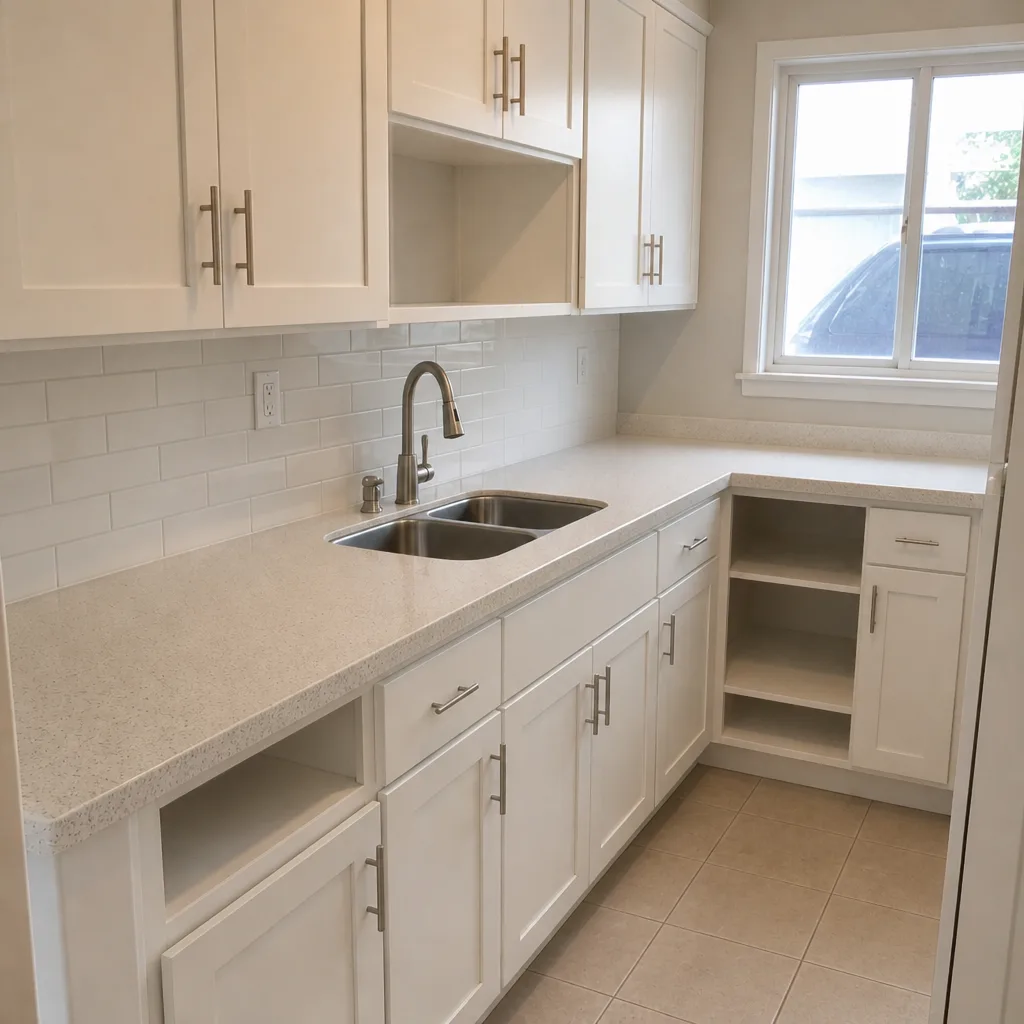
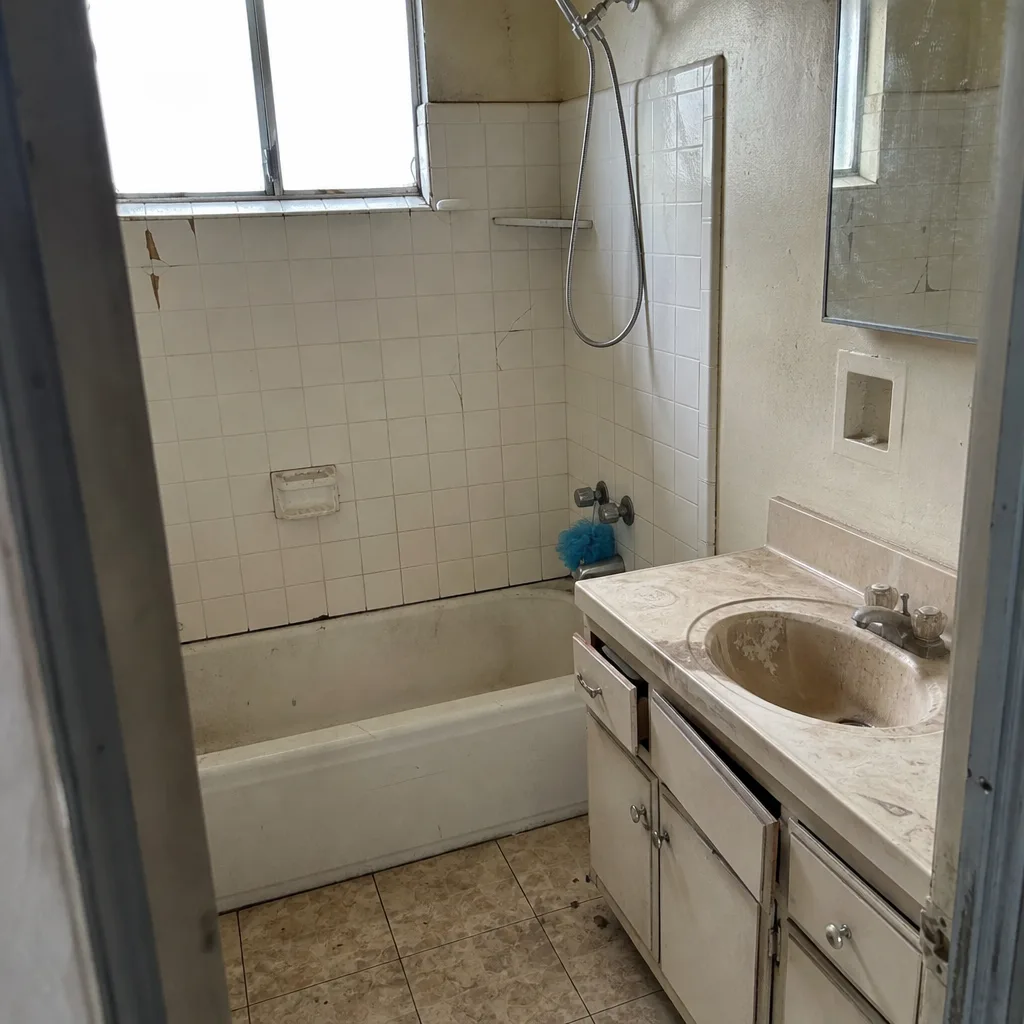
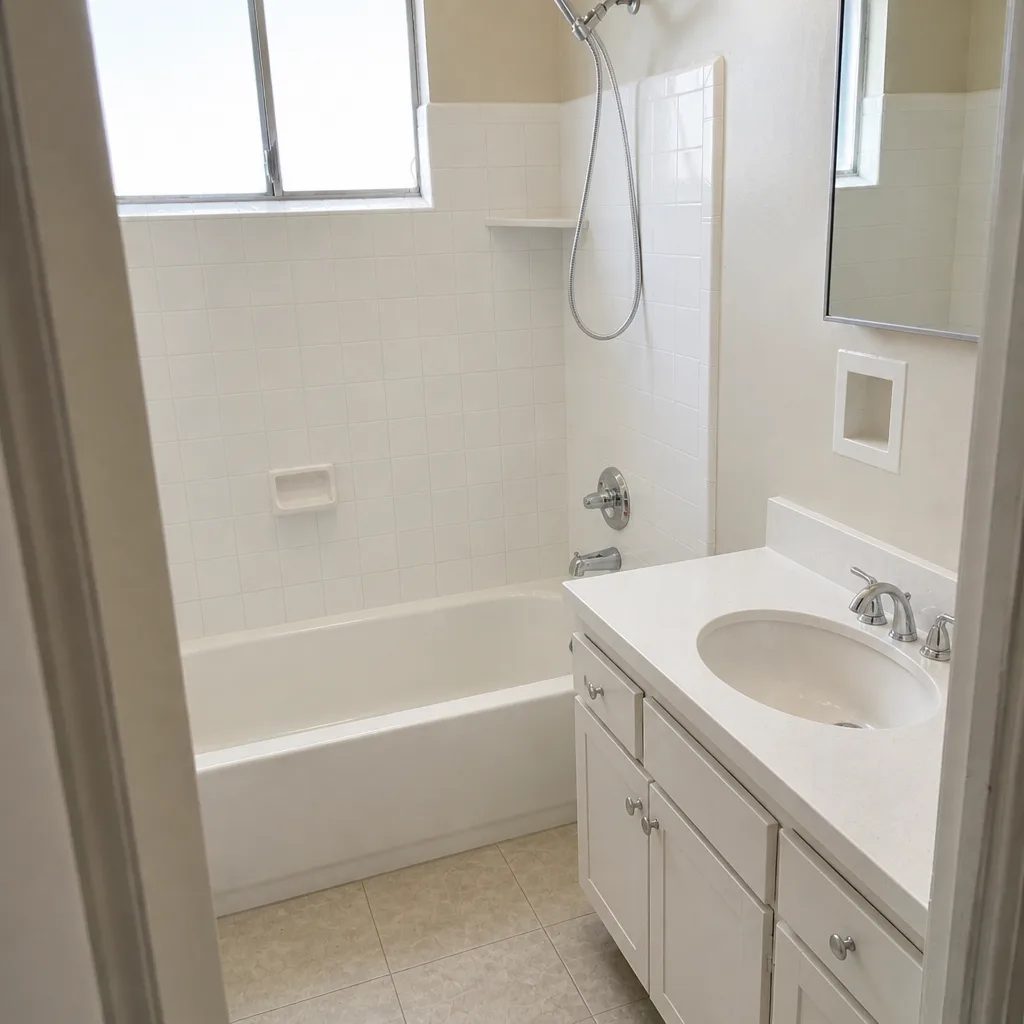
See the difference
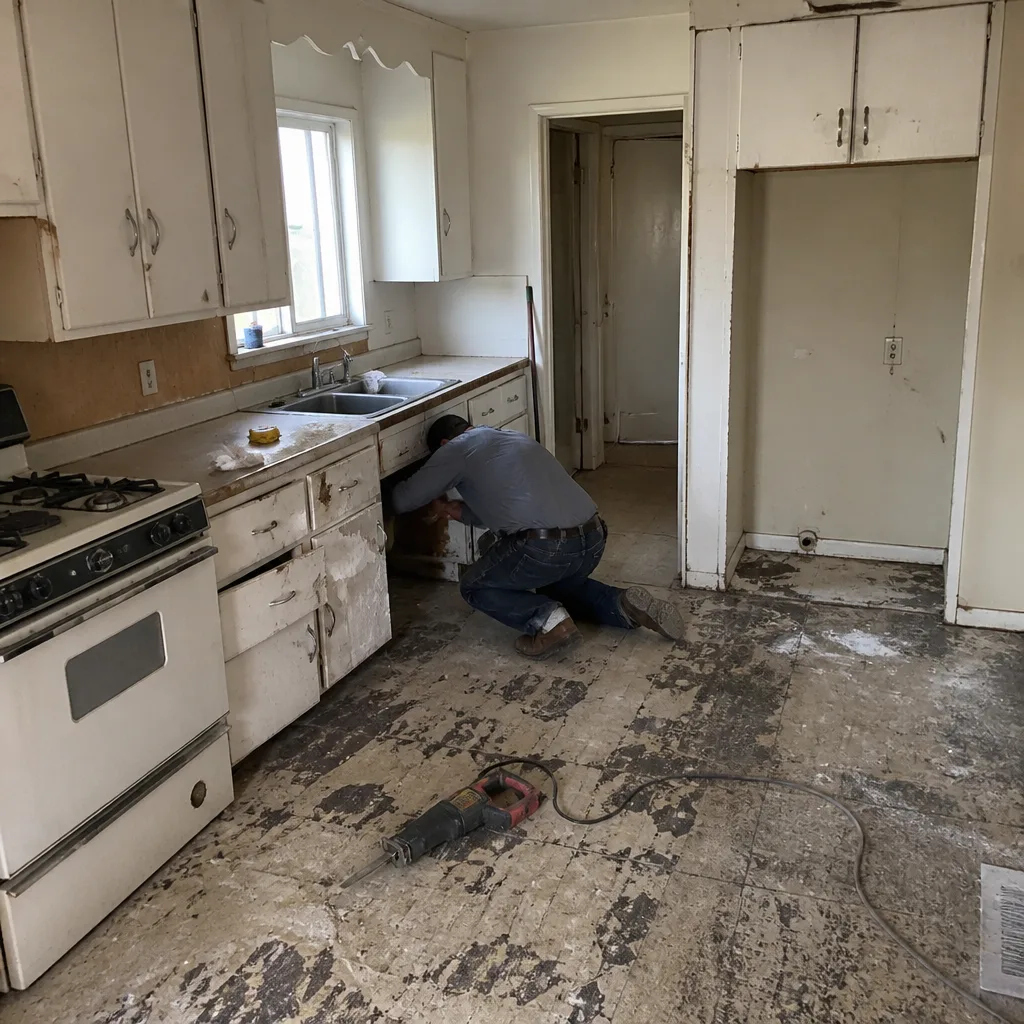 Before
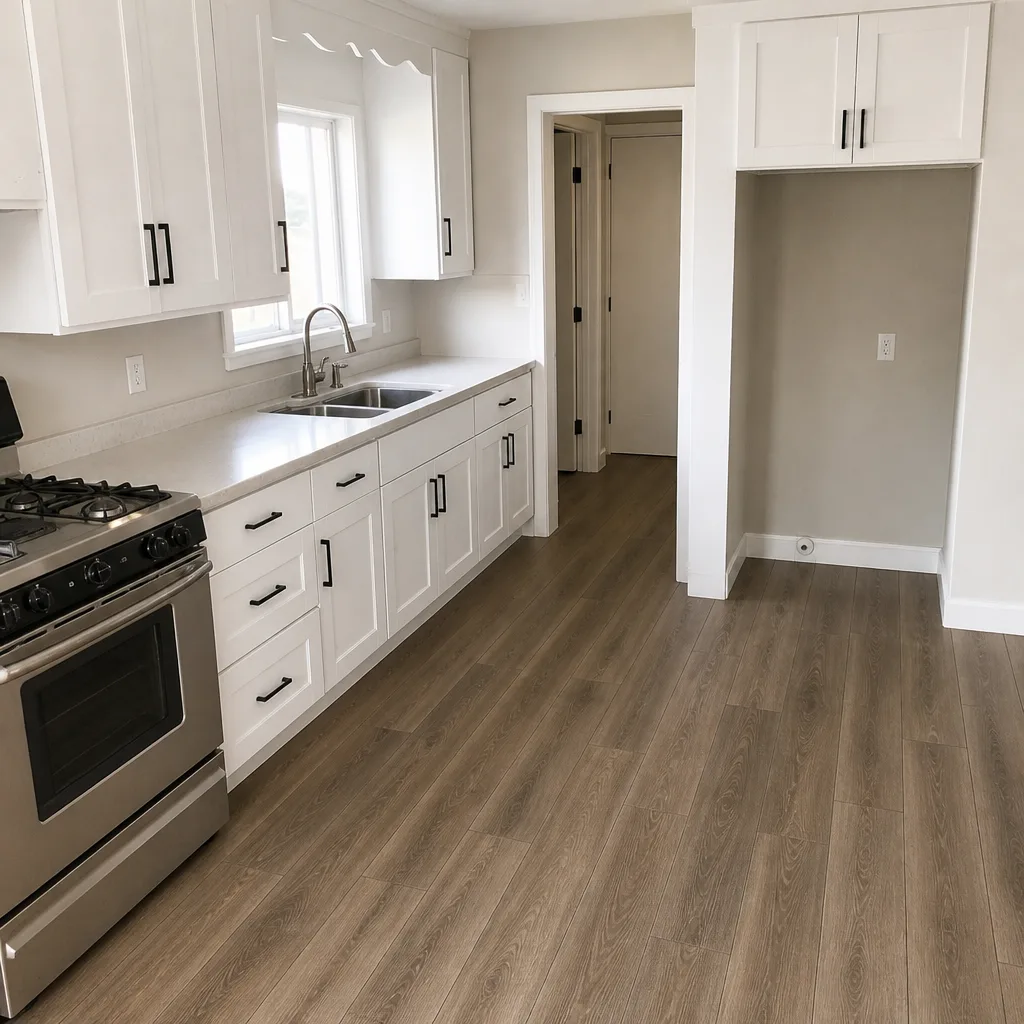 After
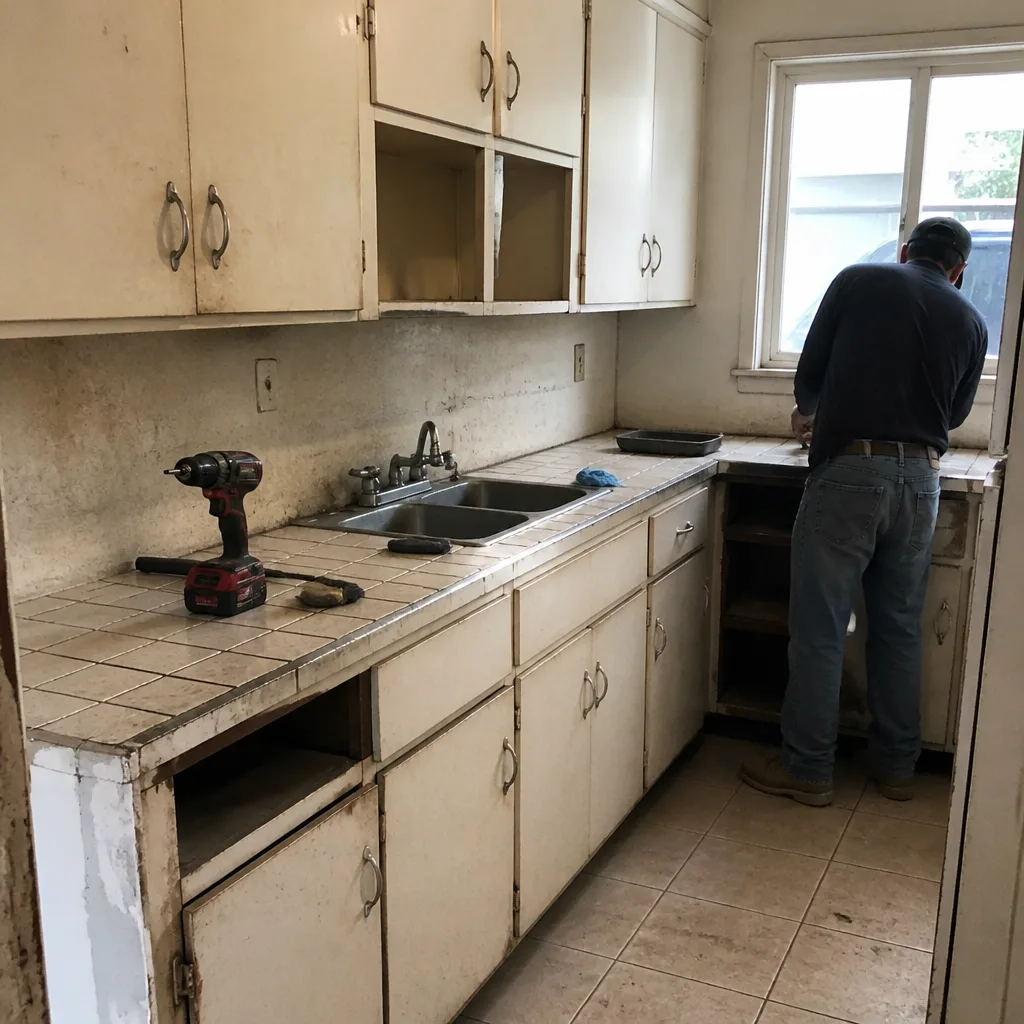 Before
 After
 Before
 After
When to Call a Professional
Call a professional when a project meets any of these tests: it requires a permit, it touches structure, electrical, plumbing rough-in, or roofing, the failure mode is hidden, or the fix cost would exceed the professional price. If you’re on the fence about a specific project, that fence itself is usually the signal to hire out. In our experience, the homeowners who push hardest on DIY for a high-liability job are the ones who tell us afterward they wish they hadn’t.
For the categories in this guide, we’re the right call. Our technicians have up to 12 years of experience, our crews are background-checked and arrive in uniform, and every project we complete is covered by the 730-Day Done Right Promise. We use a curated portfolio of top-tier material brands across every trade, from KraftMaid and Cambria in kitchens to GAF and Owens Corning on roofs and Andersen, PGT, and CGI windows, so you get quality instead of just availability. No-hassle upfront pricing means the number you see is the number you pay.
Groundwork Construction Co. of El Monte offers free estimates in El Monte. Call (888) 271-7872 to schedule yours, and a live person will pick up.
Frequently Asked Questions

Yes, for surface-level and cosmetic work with visible failure modes. Landscaping prep, surface sealing on cured hardscape, painting, and fixture swaps are all legitimate DIY in El Monte, and they save real money. The line falls where the failure mode becomes hidden or where a permit is required. If the mistake would hide for a year or require inspection to fix, the DIY math stops working.
Driveway work often requires a permit and inspection depending on the scope and how it connects to the street, and unpermitted work can complicate a future sale. The safest path is to check with the city before pouring, and to hire out if you’re installing rather than repairing. Call (888) 271-7872 if you want a free estimate on a professional installation, and we’ll walk you through the permit side.
You’re required to disclose it, and most buyers and lenders treat it as a hazard. Unpermitted square footage often isn’t counted in appraisals, work may need to be permitted and inspected before closing, and some buyers will walk. That’s the deferred cost most homeowners miss when they decide to skip a permit.
Usually not if the damage traces back to unpermitted work or a workmanship error, and work you did yourself carries no warranty. A licensed contractor’s work typically comes with a workmanship guarantee and a bond behind it, which is the coverage you can actually rely on. Our 730-Day Done Right Promise exists for exactly this reason: if it’s not done right, we make it right.
Yes, and we recommend it when the split is clean. A hybrid approach where you handle site clearing, demo, and final cleanup, and we handle installation, typically saves 15 to 25 percent without shifting any risk. The key is a written scope boundary that spells out exactly where each side’s responsibility ends. Call (888) 271-7872 for a free estimate and we’ll structure the split with you.
Ask two questions: does it need a permit, and would the failure be hidden for more than a month? Any project that answers yes to either belongs with a professional. That single filter catches almost every high-liability case. If you’re still unsure, a free estimate costs you nothing and settles the question in one conversation.
The Bottom Line
The DIY decision isn’t about whether you’re handy. It’s about what happens when the work goes wrong, and how long you’ll wait to find out. Visible, low-cost, cosmetic tasks are fair game in El Monte, and we’ll tell homeowners that directly. Permits, concrete flatwork, structural framing, electrical, roofing, and additions are a different category, and the real cost comparison almost always favors professional first-time execution. If you want to save money on a project that has to be done right, use the hybrid approach and let a licensed, insured contractor handle the technical scope. That way the warranty stays intact, the permit gets pulled, and the work is covered in writing. For everything from driveways and fences to full additions, that’s what we do.
Contact
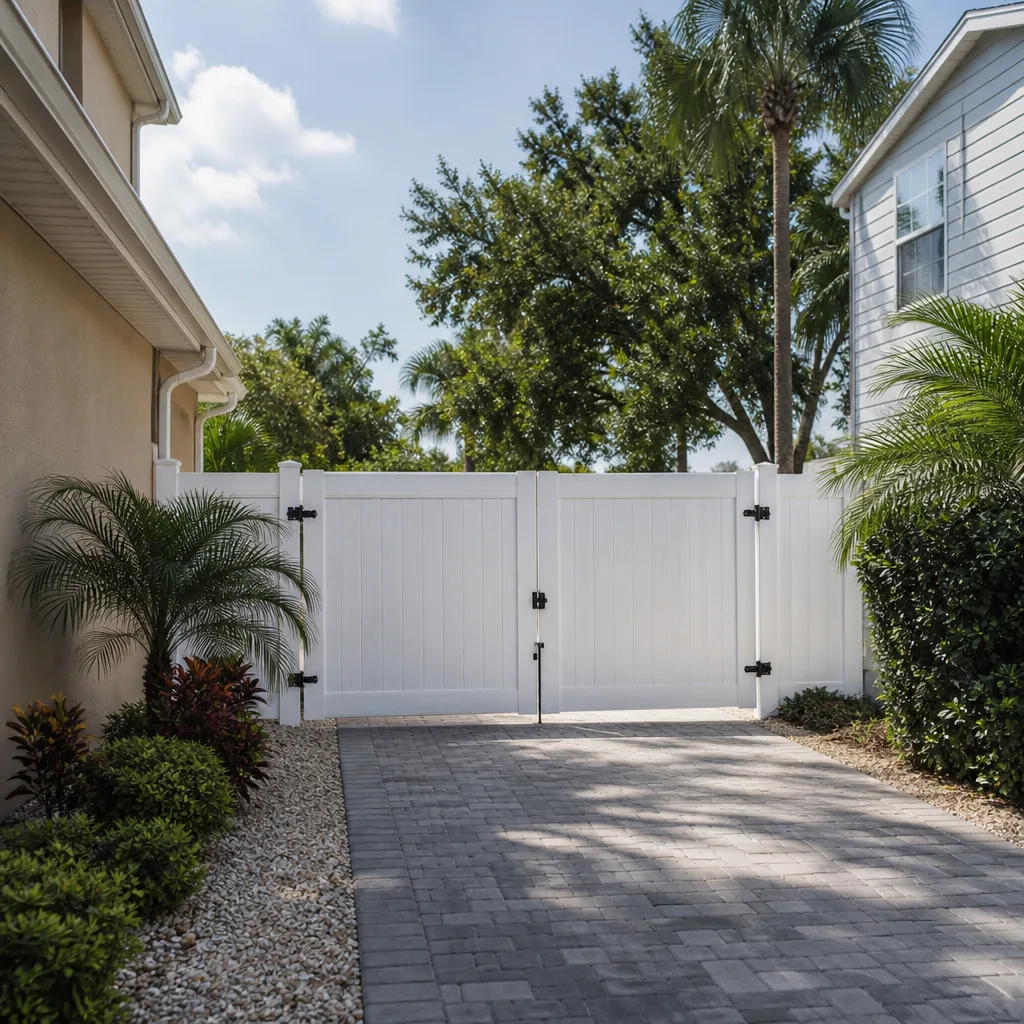
Call Groundwork Construction Co. of El Monte at (888) 271-7872 for a free estimate. Live people answer, 24/7. Our technicians have up to 12 years of experience, our pricing is written and fixed, and every project we complete is backed by the 730-Day Done Right Promise. From foundation to finish line, we’d be glad to be the call you make.
Written by the team at Groundwork Construction Co. of El Monte.