Last updated November 17, 2026







Free written scope consultation - allowances, timeline, and change-order rules on paper before a single trade is scheduled
Construction Warning Signs: An El Monte Homeowner’s Reference Guide
A hairline crack in a driveway is cosmetic. A hairline crack running parallel to a foundation footing in El Monte’s expansive soil is a $15,000 problem in progress, and they look almost identical to the untrained eye. That gap between “looks fine” and “is fine” is where most homeowners lose money. The disasters that get noticed (a sagging roofline, water pouring through a ceiling) announce themselves. The quiet ones don’t. This guide sharpens your eye for the quiet ones: soil movement in El Monte, retaining wall lean, driveway and patio settling, sealant failure that precedes interior water damage, and the contractor red flags that surface mid-project rather than before it.
Quick Answer
Most construction damage in El Monte begins as something that looks like normal aging: a hairline crack, a slightly leaning wall, a bead of caulk pulling away from stucco. The warning signs that matter are cracks wider than 1/8 inch, cracks that run horizontal or step diagonally, retaining walls that lean more than 1 inch over 8 feet, white mineral staining (efflorescence) at the base of a wall, and water stains appearing inside after rain. Any one of these deserves a professional look before the next rainy season, because El Monte’s clay-heavy soil expands and contracts with moisture and turns small movement into expensive movement fast.
Styles & brands we work with
- Kitchen remodeling
- Bathroom remodeling
- Home additions & ADU
- Roofing
- Windows & doors
- Driveway & pavers
- Fence
Table of Contents
- Why El Monte’s Soil Changes the Rules
- Cosmetic vs. Structural Cracking in Concrete
- Retaining Walls: Lean, Efflorescence, and Backpressure
- Settling vs. Shifting in Driveways and Patios
- Sealant and Caulk Failure: The Water Intrusion Early Warning
- Foundation Warning Signs Homeowners Overlook
- Contractor Red Flags That Appear Mid-Project
- How to Respond Without Blowing Up the Job
Why El Monte’s Soil Changes the Rules
El Monte sits in the San Gabriel Valley on soil that behaves very differently from the sandy ground many homeowners picture. Much of the area is underlain by expansive clay, the kind that swells when it absorbs water and shrinks hard when it dries. Combined with our particular climate pattern, where a dry summer follows a wet winter, the ground here is in almost constant motion. A house near the Rio Hondo corridor, in the flats off Valley Boulevard, or on slightly higher ground toward the foothills sees a different moisture cycle than a property a few miles away, but the general rule holds: soil here moves, and structures have to be built and maintained to move with it.
That movement is rarely dramatic in any single season. It’s cumulative. A footer that gains a fraction of an inch of pressure each wet season will, after several winters, pull apart a slab or open a crack that looks alarming all at once. This is why inspecting your property once a year, ideally in early fall before the rains return, matters more in El Monte than it does in a place with stable ground.
Three things worth understanding about local soil behavior:
- Wet-season swelling pushes against foundations, retaining walls, and slabs. That pressure shows up as cracking and lean the following spring.
- Dry-season shrinkage pulls support away from footings, which can cause settlement at one corner of a slab while the other corner stays put.
- Drainage is everything. Water that pools near a wall or footing dramatically accelerates the whole cycle. Grading and downspouts are not cosmetic.
None of this means every home in El Monte is in danger. It means the ground is an active player, not a passive backdrop, and your inspection should account for that.
Cosmetic vs. Structural Cracking in Concrete
Concrete cracks. That’s a fact of the material, not a sign that your house is falling down. What separates a cosmetic crack from a structural one has less to do with the crack’s existence and everything to do with its width, direction, and whether it’s changing. Learning to read the difference is the single most useful skill in this guide.
A crack under 1/8 inch wide is usually shrinkage or surface tension and can be sealed and watched. A crack that’s wider than 1/8 inch, or one that’s visibly wider today than it was six months ago, is telling you something is moving underneath it. Direction matters too: vertical or randomly wandering cracks are typically benign, while horizontal cracks and diagonal “stair-step” cracks in masonry follow a specific path and often point to settlement or lateral pressure.
Here’s how to check your own concrete, step by step:
- Measure the width. A cheap crack gauge or a set of feeler gauges costs a few dollars. Note the width of any crack that concerns you.
- Mark the ends. Draw a thin line across each end of the crack with a pencil and date it. Come back in a season and see if the crack has advanced past your marks.
- Look at elevation. Put a straightedge or a level across the crack. If one side is higher than the other, the slab has shifted vertically, which is a settlement indicator, not just shrinkage.
- Check the path. A crack running parallel to a foundation footing, or one that steps diagonally across a masonry wall, deserves a professional assessment.
- Watch for water. Cracks that let water reach the soil below the slab worsen the very movement that caused them.
In our experience across El Monte properties, the cracks that catch homeowners off guard are the ones running parallel to the house, because they don’t look threatening. They’re a low, flat line nobody notices, and they’re exactly the ones that track footing movement. A contractor who installs driveway and pavers in El Monte will tell you that the base preparation, not the surface material, is where those problems either get solved or buried.
Retaining Walls: Lean, Efflorescence, and Backpressure
A retaining wall does quiet, heavy work: it holds back soil and, just as importantly, holds back the water pressure that soil carries. When a wall starts to fail, it fails gradually, and the warnings are visual if you know what you’re looking at. El Monte’s clay soil, which holds moisture longer than loose ground, puts a steady load on retaining walls that many homeowners underestimate.
Lean tolerance. A tall retaining wall can have a small amount of batter (a slight lean back into the hillside) and be perfectly fine. But a wall leaning outward, toward the street or the yard it’s holding, needs attention. As a rule of thumb, more than 1 inch of outward lean over an 8-foot run is worth a professional inspection. Check by holding a level or a plumb line against the face and comparing it to the ends.
Efflorescence. That white, chalky staining near the base or along joints of a retaining wall is called efflorescence, and it’s mineral salts pushed to the surface by water traveling through the concrete. By itself it’s cosmetic. But efflorescence is proof that water is moving through the wall, and if it appears in a growing band or in a concentrated area, it can signal drainage backpressure: the wall’s weep holes or drainage gravel are clogged, and hydraulic pressure is building behind it.
Backpressure indicators. Look for wet, soft soil at the top of a wall, water pooling at its base, and cracks opening in the wall face at mid-height. These together mean the water has nowhere to go but into the wall.
If you’re planning a retaining wall rather than assessing one, the drainage design matters more than the wall itself. The contractor’s approach to footing, gravel backfill, and weep management is the whole ballgame.
Settling vs. Shifting in Driveways and Patios
Homeowners often use “settling” and “shifting” interchangeably, but they describe different problems with different fixes, and knowing which one you’re seeing changes how urgent it is. Settling is downward movement of the whole slab or a section of it, usually because the soil beneath has compacted or washed away. Shifting is lateral or rotational movement, where a slab tilts or slides rather than just dropping.
Two quick tests help you tell them apart:
- The water test. Pour a bucket of water on the slab. If it pools in one spot and stays, you’ve got a settled depression. If it runs off toward the street or the adjacent slab, the surface is tilted.
- The lip test. Run your hand across the joint between two slabs. A sharp lip (one slab higher than the next) is the classic signature of differential settlement.
Both settle and shift have their own warning signs:
- Settling: a pool that forms after rain, a slab edge lifting away from the house, a valley worn into the driveway. If it’s mild and isolated, watch it. If it channels water toward the foundation, it’s a real problem.
- Shifting: slabs tilting, joints opening into gaps wider than a finger, or a patio pulling away from the house. Shifting is usually the more urgent of the two because it tends to keep moving.
El Monte soil makes both more likely. Wet-season swelling can lift one section of a driveway while the next stays put, and summer shrinkage can leave a hollow beneath it. If a patio or driveway has shifted enough to pull away from the house, a fresh installation is often more economical than repeated patching, which is the practical case for driveway and pavers in El Monte when the base has failed.
Sealant and Caulk Failure: The Water Intrusion Early Warning
This is the section most homeowners skip, and it’s the one that saves the most money. Water finds the smallest path into a home, and the sealant joints around windows, doors, utility penetrations, and rooflines are its favorite entrance. A failing bead of caulk is almost never a problem in itself. It’s an early warning that water has found a way past a barrier, and by the time you see a stain on interior drywall, that water has already been working for a while.
What to look for on a walkaround:
- Gaps or visible separation between the caulk and the surface it’s supposed to seal. A clear gap is an open door for water.
- Cracking or missing caulk. Sun exposure and the annual wet-dry cycle both harden and crack sealant over time.
- Caulk that looks pulled or stretched, which can mean the surfaces have moved relative to each other, often a sign of settlement.
- Dark staining or discoloration along the bottom edge of a window frame or at the top of stucco, where water paths begin.
Check the joints above and below every window and door, the corners of stucco walls, the top edges of a fascia, and any place a pipe or vent passes through the exterior. Early fall, before El Monte’s wet season arrives, is the right time to reseal. It’s not glamorous work, but a tube of sealant in September prevents a much bigger repair in February.
Windows and doors themselves are a related story. A window that fogs between its panes, or a door that hangs differently than it did last year, can signal either sealant failure or movement. When a homeowner in El Monte needs replacement, it’s worth weighing window and door options that hold up to our climate and discussing the sealants and flashing that go around them, not just the frames.
Foundation Warning Signs Homeowners Overlook
A foundation problem is the one category where the quiet signs matter most, because the repair is expensive and the window for catching it cheaply is short. Slabs-and-footing homes common in El Monte present specific patterns. The good news is that most early signs are visible, and reading them gives you time to act before major movement.
Signs worth flagging:
- Cracks in interior drywall at the corners of doorways and windows, especially diagonal cracks radiating from corners.
- Doors and windows that stick or don’t latch after years of working fine. A door that suddenly needs a shoulder to close is telling you the frame has moved.
- Sloping floors, which you can sometimes spot by watching for objects rolling on a hard floor, or by feeling the give underfoot.
- Separation between the exterior wall and the ground at a specific point, or between a chimney and the house, and steps pulling away from a stucco wall.
Ground truth matters here: a single diagonal crack in the drywall at a doorway is often benign, sometimes just the natural settlement of a new home in its first years. The warning sign is not the crack. The warning sign is a pattern: multiple cracks showing up at once, in the same area, along with a sticking door and a sloping floor. That combination is what should send a homeowner to the phone, not the anxiety of a single hairline line in the paint.
In El Monte, we tell homeowners to check the exterior first. Cracks in the foundation stem wall, gaps where the house meets a patio, and soil that has visibly pulled away from the footing are all worth a professional look, and the assessment is the cheap part. If a foundation issue turns into an addition or structural remediation, it’s worth understanding the scope before committing. Our team handles home additions and ADU in El Monte, and every one of those projects starts with a look at the foundation and the soil.
Contractor Red Flags That Appear Mid-Project
Most contractor red flags are written about before the job starts: no license, no references, a price that’s too good. Those are real, but the more consequential ones show up after the contract is signed, and homeowners who don’t know what to watch for let them slide. Here are the signs that appear during a project and what each one actually means.
- The estimate was vague and now the price is moving. If the original bid lacked line items and the “extra” charges are arriving, that’s a scope problem dressed up as a change order. A firm, upfront price is a commitment, not a starting point.
- The crew changes repeatedly. A rotating cast of unfamiliar workers, especially without proper background checks or identification, is a warning about how the project is being staffed.
- Work stops without explanation. Days pass without activity or a clear reason. Sometimes it’s a material delay; sometimes it’s cash flow. Either way, you deserve a straight answer in writing.
- No written schedule and no inspection trail. Permits that aren’t pulled and inspections that don’t happen are risks that land on the homeowner. If you aren’t getting documentation, ask for it.
- Communication goes dark. A contractor who stops answering calls or texts mid-build is telling you how the warranty will go too.
The brands chosen for a project are an early clue about how the rest will go. A builder who partners with makers like GAF, Owens Corning, James Hardie, or Moen is signaling that materials, not just availability, are part of the plan. When you’re choosing fixtures, for example, deciding between Moen, Delta, American Standard, or Blanco for a kitchen or bath is the kind of decision that should be discussed openly with your builder, not made in a rush. In our experience, projects where the material selection is transparent early are far less likely to have a scope fight later. Our team writes an upfront price, and the number you see is the number you pay.
How to Respond Without Blowing Up the Job
Finding a red flag mid-build is stressful, and the first instinct is often to stop the job and get loud. That usually makes things worse. The right response is calm, documented, and step-by-step.
- Document everything. Photograph the issue, the date, the location. Save every text, email, and note. A written record is your best tool and your best lever.
- Ask for a written response. Put the issue in writing to your contractor and ask for a written reply that addresses it. A professional answers in writing; this is a fair test of how the rest of the project will go.
- Reference the contract. Whether it’s the scope, the schedule, the materials, or the warranty, point to the specific clause. This turns a complaint into a factual conversation.
- Get a third-party opinion on anything structural or safety-related before work continues. A neutral assessment de-escalates the situation and keeps the decision grounded in facts.
- Escalate only if needed. A builder who won’t respond in writing, fix a documented defect, or honor the warranty leaves you with recourse. But most issues resolve when a homeowner is firm, fair, and organized. Address the problem, not the person.
The best protection is the contract you signed before the first board was cut, and the second-best is catching warning signs early and keeping a clear record. When you hire a builder who puts the warranty in writing, the mid-project conversation looks very different.
Common Mistakes to Avoid
- Ignoring a crack because it’s “just a crack.” Width, direction, and change over time decide whether it’s cosmetic or structural, not the fact that it exists. A crack wider than 1/8 inch or one that’s growing is worth a professional assessment.
- Watering the foundation on purpose. Some homeowners flood the soil around a foundation to “keep it moist” during El Monte’s dry months. A little doesn’t fix expansive soil, and too much makes the swelling and shrinking cycle worse.
- Solving drainage with a puddle of concrete. Patching a settled driveway without fixing the base is a temporary fix that fails in a season or two. Water that pools near the house is a foundation risk, not a cosmetic one.
- Skipping the pre-rain sealant check. Replacing caulk in fall costs a fraction of what fixing water intrusion in winter costs. Put a walkaround on your calendar.
- Treating a leaning retaining wall as decorative. Outward lean, white efflorescence at the base, and water pooling behind a wall are a drainage failure with a real structural consequence. Don’t paint over it.
- Letting an unfamiliar crew work unsupervised. Background-checked, uniformed technicians are the professional standard. An unmarked crew that changes daily is a red flag the brand guidelines of any honest builder would forbid.
- Avoiding the mid-project conversation. Letting a vague bid get worse or a slipping schedule go unnoticed costs you money and time. Firm, written, early communication protects the job and the relationship.
See the difference
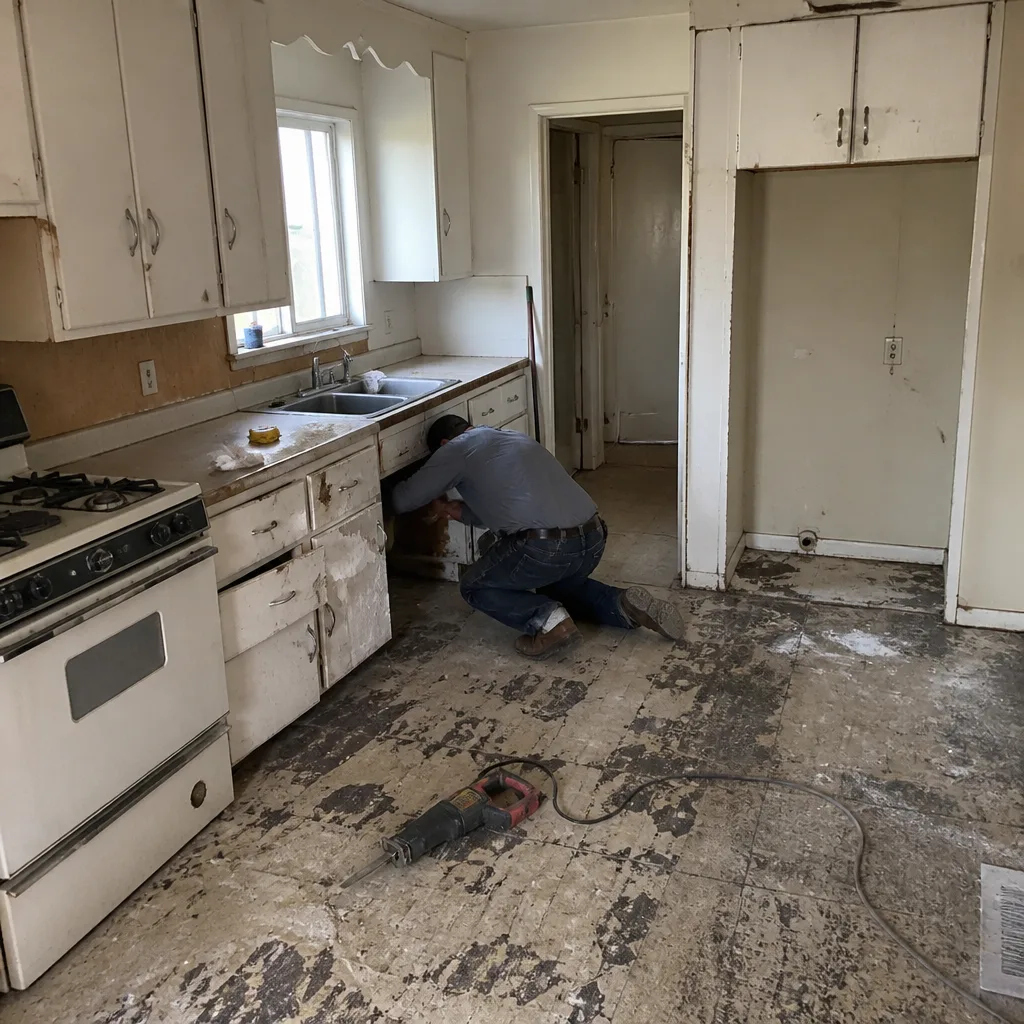 Before
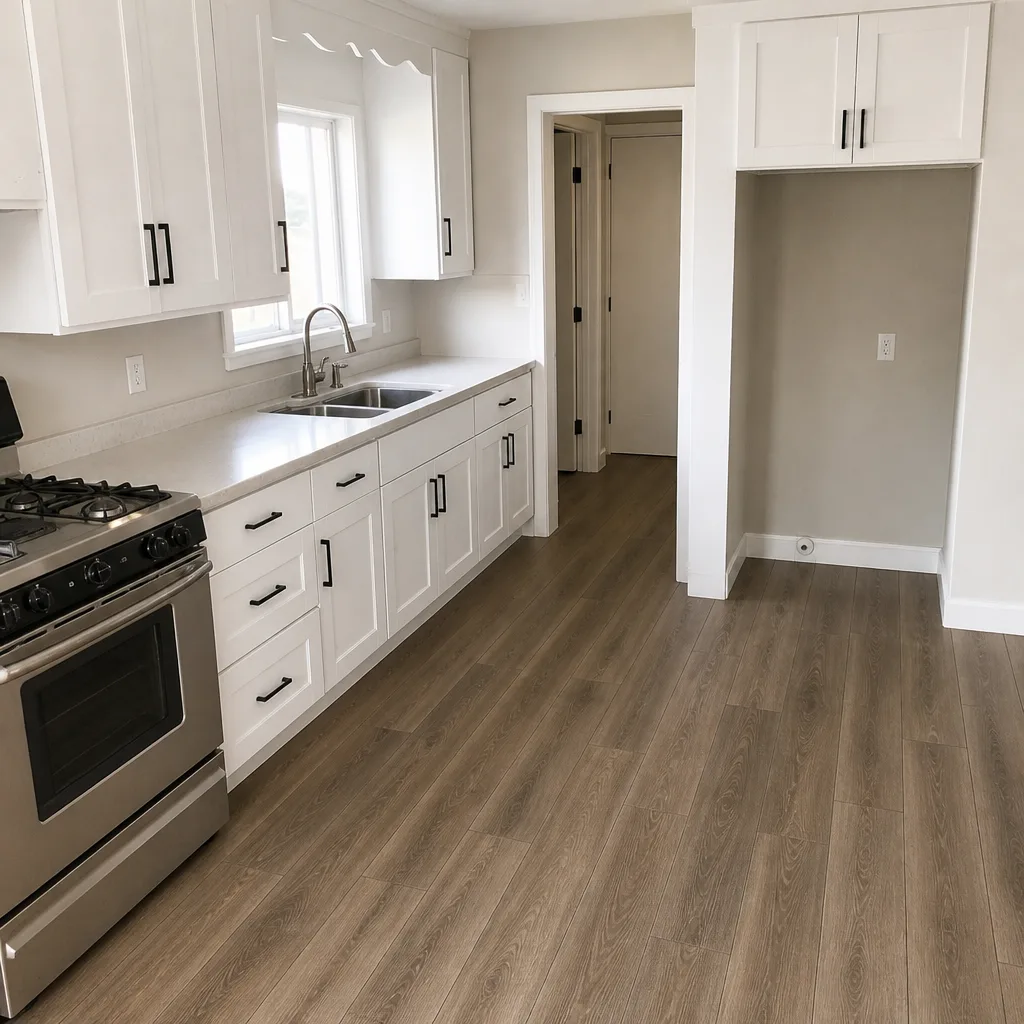 After
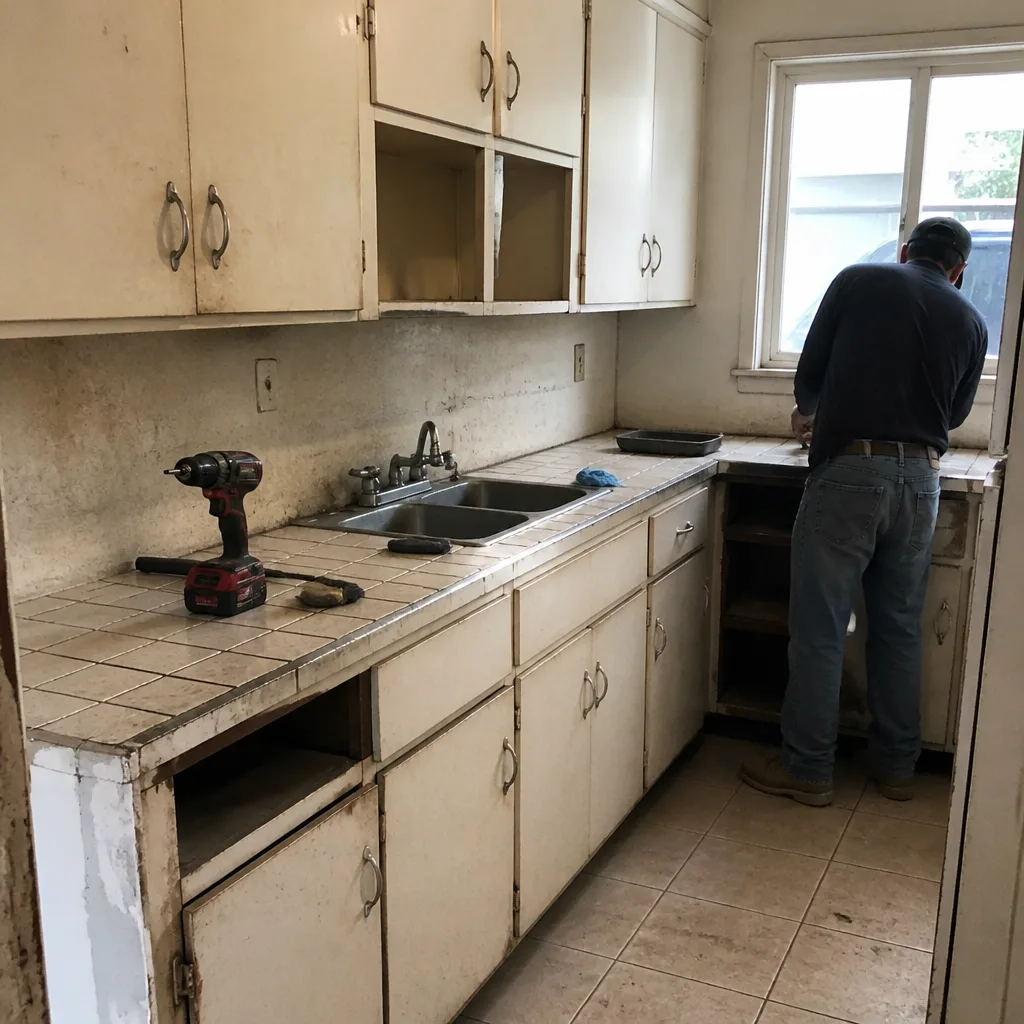 Before
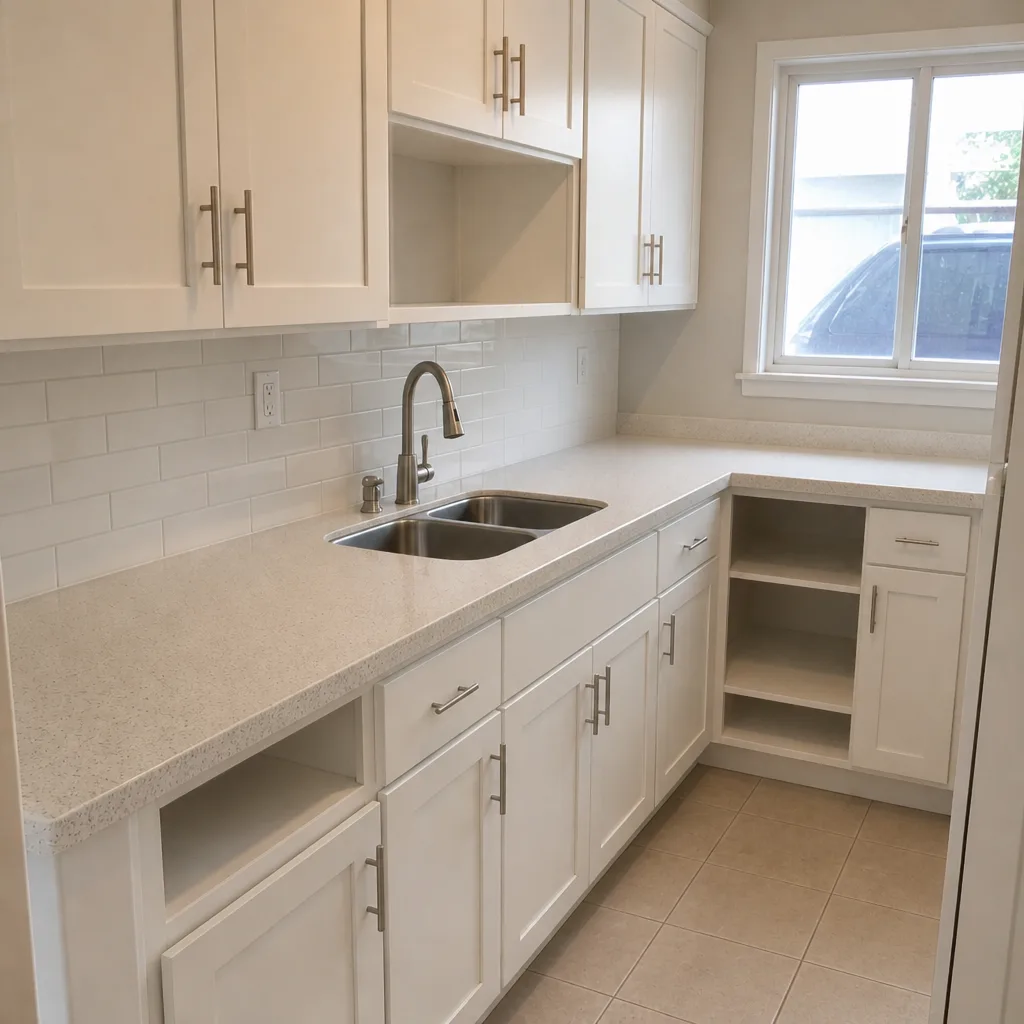 After
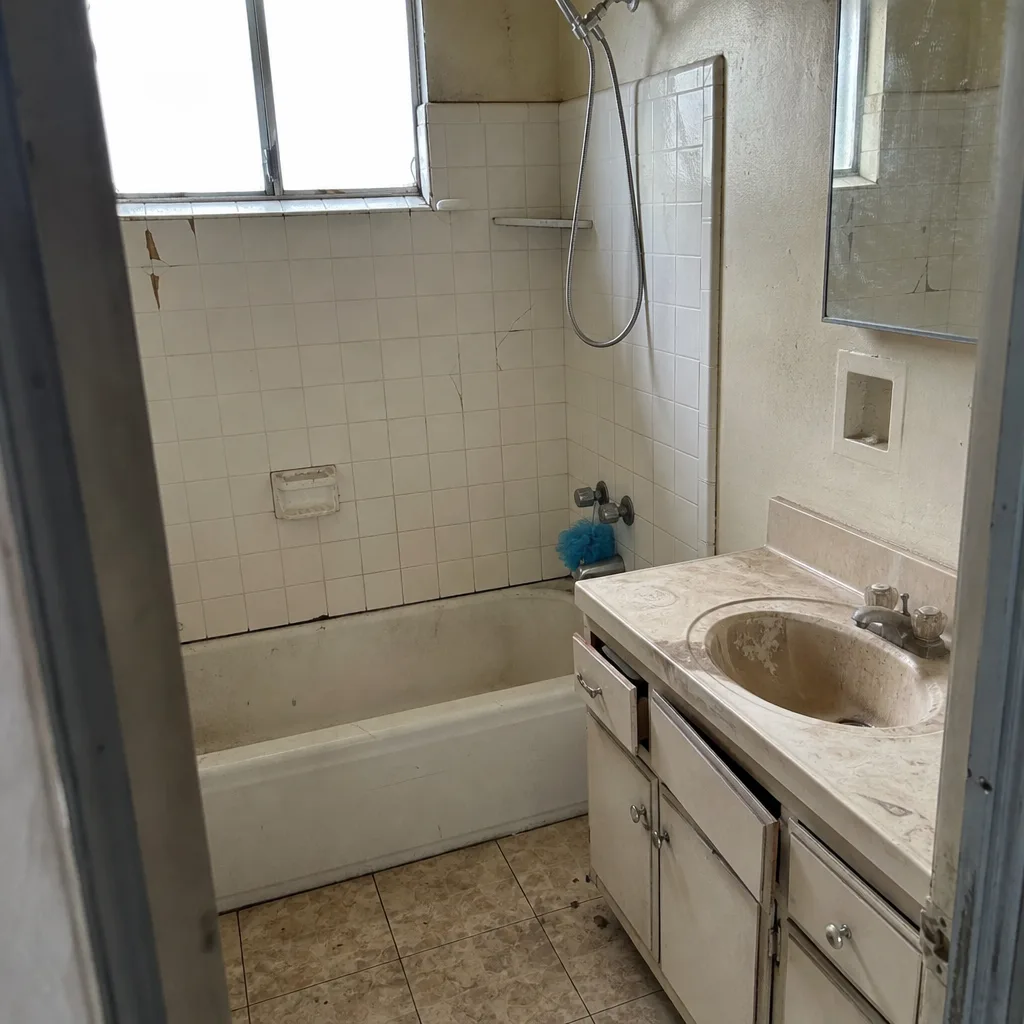 Before
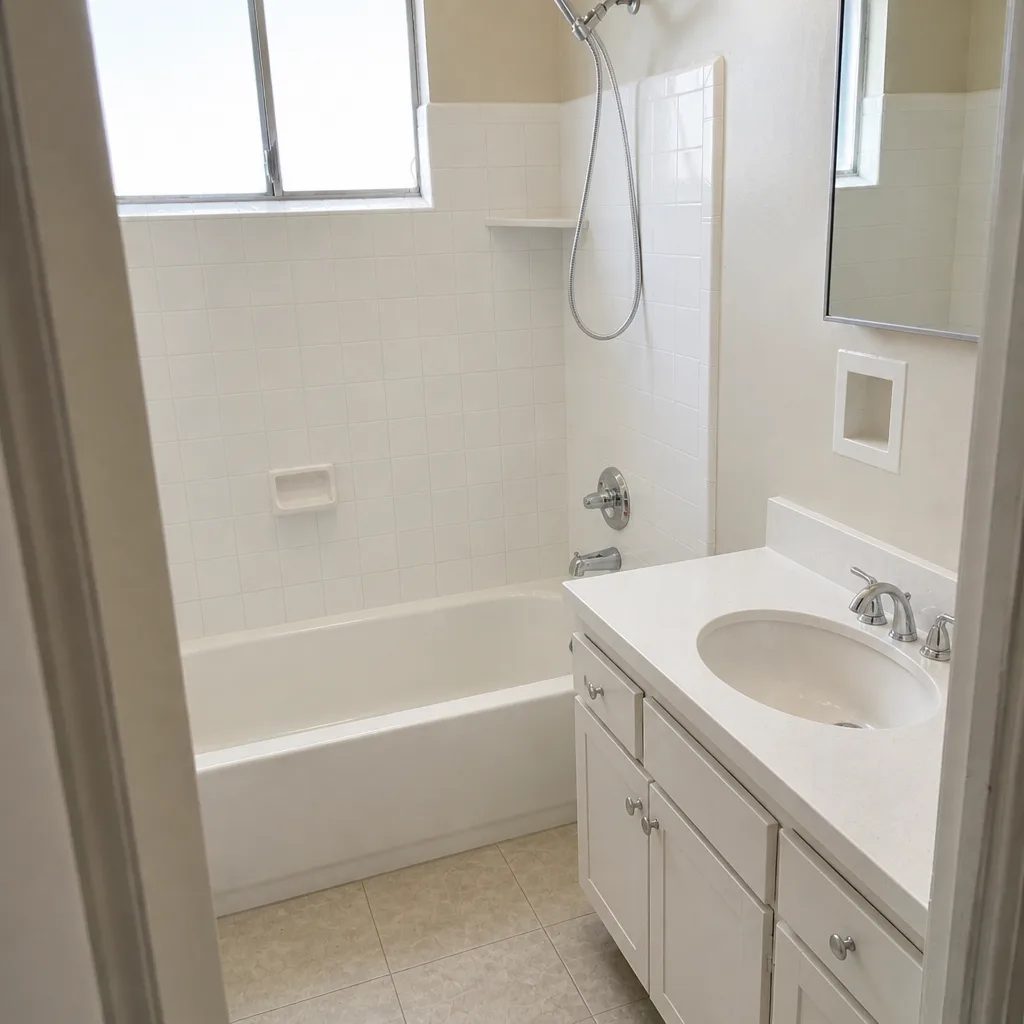 After
When to Call a Professional
Some issues are watch-and-see, and some need a call this week. Call a professional if you see any of these: a crack wider than 1/8 inch that’s growing, a crack running parallel to a footing or stepping diagonally across a masonry wall, a retaining wall leaning outward more than an inch over an 8-foot run, white efflorescence or pooled water behind a retaining wall, several drywall cracks appearing at once alongside a sticking door, or water staining on interior walls after rain. Those signals are exactly the ones El Monte’s soil cycle is built to produce. An assessment up front is inexpensive compared to what a failing footing or a failed retaining wall costs to correct.
Groundwork Construction Co. of El Monte offers free estimates in El Monte. Call (888) 271-7872 to schedule a look. Our technicians have up to 12 years of experience, we answer the phone with a live person 24/7, and every job we touch is covered by our 730-Day Done Right Promise, so a problem caught early stays a small problem.
Frequently Asked Questions
Check the foundation and the exterior caulk joints first. A crack wider than 1/8 inch, a diagonal crack above a doorway, or a retaining wall showing outward lean and efflorescence are the signals most worth a professional look, because El Monte’s expansive soil turns small movement into large movement over a few wet-dry cycles. Call (888) 271-7872 for an exact assessment, since estimates are free.
Measure the width, check whether the two sides are at different heights, and see whether it’s growing. A hairline crack under 1/8 inch, running randomly or vertically, is usually cosmetic. A crack wider than that, one with a lip between sides, or one running parallel to the footing or stepping diagonally is structural until proven otherwise.
It’s failing if it leans outward more than about 1 inch over an 8-foot run, if water pools behind it, or if white efflorescence appears in a growing band along its base. Those signs together mean the drainage backfill or weep holes have clogged, and pressure is building. Have it looked at before the next rainy season, and call (888) 271-7872 to schedule a free estimate.
Once a year, ideally in early fall before the wet season. Every exterior sealant joint around windows, doors, utility penetrations, and rooflines is a potential water path, and El Monte’s wet-dry cycle hardens and cracks sealant over a year. A walkaround each September catches the failures before they reach your interior drywall.
Patch a slab that’s settled mildly and in one spot; replace when shifting is the problem, when the base has failed, or when water is channeling toward the foundation. Repeated patchwork is a sign the base needs to be corrected, not the surface. Call (888) 271-7872 for a free estimate on either approach.
Document it, ask for a written response, and reference the specific contract clause. Escalate only if the builder won’t respond in writing or honor the scope and warranty. Firm, organized, written communication resolves most issues, and a builder who partners with trusted material brands and puts their warranty in writing will welcome the conversation.
The Bottom Line
The warning signs that cost El Monte homeowners the most are rarely dramatic. They’re the hairline crack running parallel to the footing, the retaining wall leaning a little, the caulk bead pulling away from a window frame, and the settled driveway that quietly channels water toward the house. Learn to read width, direction, and change over time, and you’ll separate cosmetic from structural before it gets expensive. Address what you can with a seasonal walkaround, call a professional for the rest, and hire a builder who writes an upfront price and a real warranty. If you want a second set of eyes on your property, Groundwork Construction Co. of El Monte home is a good place to start, and our fence installation in El Monte and driveway and pavers in El Monte pages cover the exterior work that keeps water where it belongs.
Free estimates, a 730-Day Done Right Promise on every project, and an upfront price with no surprises: call (888) 271-7872 and speak with a live person, any hour. The number you see is the number you pay, and the crew that shows up is background-checked and in uniform. From foundation to finish line, we’re built to last and backed in writing.
Written by the team at Groundwork Construction Co. of El Monte.