Last updated November 17, 2026


Free written scope consultation - allowances, timeline, and change-order rules on paper before a single trade is scheduled
DIY vs Professional Bathroom Remodeling: What’s Safe to Do Yourself
Painting a bathroom yourself saves money. Rerouting a drain yourself can void your homeowner’s insurance and cost you more than the original remodel, and you won’t know it happened until the subfloor is rotted. The line between those two jobs isn’t about how handy you are or how many YouTube tutorials you’ve watched. It’s about whether the work touches a system that can silently fail inside a wall for two years before you find it. This guide draws that line by risk category, not ego, using real conditions we see on bathroom jobs across El Monte: leaky 1950s copper, no permit on file, tile that looked fine until the shower pan gave out. By the end, you’ll know exactly which tasks are safe to keep, which are worth doing yourself under conditions, and which will cost you more than you saved.
Quick Answer
Safe DIY bathroom work is the visible, reversible stuff: painting, caulking, swapping a vanity light, replacing a faucet or showerhead, regrouting, and installing accessories. Anything that touches water supply lines, drains, waterproofing behind tile, gas, or the electrical panel should go to a licensed professional. In El Monte, that line matters more than most places because California permit rules and insurance policies both treat unpermitted plumbing and electrical work as your liability, not the contractor’s.
Styles & brands we work with
- Kitchen remodeling
- Bathroom remodeling
- Home additions & ADU
- Roofing
- Windows & doors
- Driveway & pavers
- Fence
Table of Contents
- The Three Buckets: Safe, Risky, and Never DIY
- California Permits and What Happens in an El Monte Home Sale
- The Invisible Failures: What Goes Wrong 12 to 24 Months Later
- The Real Cost Math: Where DIY Saves and Where It Doesn’t
- The Warranty Trap Nobody Mentions
- El Monte Conditions That Change the DIY Calculus
- What a Professional Bathroom Remodel Actually Includes
- Common Mistakes to Avoid
- When to Call a Professional
- Frequently Asked Questions
The Three Buckets: Safe, Risky, and Never DIY
We’ve walked into enough half-finished El Monte bathrooms to know that the DIY question is really a sorting question. Every common bathroom task falls into one of three buckets, and the bucket is set by what happens if the work fails, not by how hard it is. A task that fails visibly and cheaply is a good DIY candidate. A task that fails invisibly and expensively inside a wall isn’t, no matter how simple the instructions look online.
Bucket 1: Safe to Do Yourself
- Painting walls and ceiling. Bathroom-specific paint with a satin or semi-gloss finish handles the humidity. Prep and primer matter more than the brand.
- Caulking the tub, shower, and sink. Remove old caulk completely, dry the surface, use 100% silicone in wet zones. This is one of the highest-value DIY tasks in the room.
- Swapping a vanity light fixture. Safe if you kill the breaker and confirm with a tester, the box is rated for the fixture weight, and the wiring matches. If the box is loose or the wires are aluminum, stop.
- Replacing a faucet or showerhead. A like-for-like swap on existing, functional supply lines is a reasonable DIY job. New rough-in plumbing is not.
- Regrouting tile and replacing a toilet seat, towel bars, mirrors, and hardware. Cosmetic, reversible, low consequence.
- Installing a new vanity top on an existing, level cabinet if the plumbing connections already line up and you’re comfortable working with supply lines and a P-trap.
Bucket 2: Risky DIY With Specific Conditions
- Hanging cement board around a tub or shower. Doable for a careful homeowner, but the waterproofing membrane behind it is where most failures start. If you can’t explain the difference between a vapor barrier and a waterproofing membrane, this isn’t your task.
- Setting tile on a floor. The tile is the easy part. The subfloor prep (deflection, backer board, thinset coverage) is what separates a floor that lasts from one that cracks in a year.
- Replacing a vanity. Fine if you can sweat or crimp supply lines and reconfigure a P-trap. A move that shifts the drain location needs a plumber.
- Installing a new toilet. Reasonable if the flange is intact and the rough-in matches. A cracked flange or a flange below floor level is a pro’s job.
- Swapping a bathroom exhaust fan. Doable if the existing duct, wiring, and roof or wall penetration are already correct. Cutting a new vent through an exterior wall in El Monte is a different job.
Bucket 3: Never DIY
- Moving or rerouting drain lines. Drain slope, venting, and pipe material are code-critical. A wrong slope doesn’t leak for months – then it does, into the subfloor.
- Any work inside the electrical panel. Panel work in California requires a licensed electrician and a permit. This isn’t a judgment call.
- Adding new circuits for a heated floor, towel warmer, or jetted tub. Same rule as the panel.
- Waterproofing a shower pan or wet area from scratch. A failed pan leaks slowly into the framing and the ceiling below. You won’t see it until the drywall stains.
- Gas line work for any appliance. Licensed plumber, permit, inspection. No exceptions.
- Structural changes like removing a wall, widening a doorway, or reframing a window opening. Load-bearing walls need engineering and permits.
If you’re sorting through a project and unsure which bucket a task belongs to, the safe move is to get it looked at before you start. A Groundwork Construction Co. of El Monte home walkthrough is the fastest way to find out whether your plan is a weekend or a bigger job.
California Permits and What Happens in an El Monte Home Sale
California requires a building permit for most bathroom work beyond cosmetic finishes. That means plumbing relocations, new or moved electrical circuits, structural changes, and any work that alters the framing or waterproofing assembly inside a wet area. Simple fixture swaps, paint, caulk, and tile replacement over an intact substrate typically don’t require a permit. When in doubt, call El Monte’s Building and Safety Division and ask – they’ll tell you plainly whether your specific scope needs one.
Why This Matters at Sale Time
Here’s the part that catches people: unpermitted work usually doesn’t surface until you try to sell. In El Monte, a buyer’s inspector will flag a shower that was rebuilt without a permit, a vanity that was moved without one, or an exhaust fan that was added without a permit. The deal stalls. The buyer asks for a credit or a price reduction. Sometimes they walk. And because El Monte has a significant stock of older homes – especially in neighborhoods like the tracts south of Valley Boulevard and the post-war houses near Mountain View Park – a lot of that work was done decades ago without permits and never caught up.
What Usually Happens Next
- Inspector flags the work. The buyer’s inspector notes it in the report and the lender may require a correction before closing.
- You get a retroactive permit. You or the buyer pulls an as-built permit, opens walls so the city can inspect the work, and the inspection passes or fails based on what’s inside.
- Failed inspection means demolition. If the plumbing, electrical, or waterproofing is wrong, you’re paying to open, fix, and close it back up – on a timeline you don’t control.
- Insurance and liability get complicated. If a leak from unpermitted plumbing damages a neighbor’s unit or your own home, your carrier can deny the claim based on unpermitted work. That’s the scenario most homeowners never consider until it happens.
Pulling a permit isn’t bureaucracy. It’s the paper trail that protects your resale value, your insurance claim, and your ability to hold a contractor accountable. When we do bathroom remodels in El Monte, permits and inspections are part of the scope, not an upsell.
The Invisible Failures: What Goes Wrong 12 to 24 Months Later
The most dangerous DIY mistakes aren’t the ones that go wrong on install day. They’re the ones that look fine, pass the eye test, and then quietly fail inside the wall for a year or two before you smell them. By the time you find the problem, the damage has spread well past the original work. Here are the ones we see most often in El Monte bathrooms.
1. Improper Waterproofing Behind Tile
A shower can look perfect for 18 months and then start showing efflorescence, soft grout lines, or a musty smell that doesn’t go away. That’s water reaching the substrate because the waterproofing was done wrong – or wasn’t done at all, because someone thought cement board and thinset were enough. In our experience, this is the single most expensive DIY bathroom mistake, because the fix means full demolition of the shower.
2. Compression Fittings on Supply Lines Inside a Wall
Compression fittings are legal in accessible locations and common behind a toilet or under a sink. Buried inside a wall with no access panel, they’re a slow leak waiting to happen. We’ve opened El Monte bathroom walls where a DIY supply line had been weeping for two years, and the framing behind it was soft enough to push a screwdriver through. The homeowner had no idea until the ceiling below started showing a stain.
3. Wrong Slope on a Drain Line
A drain that’s flat or back-pitched doesn’t clog on day one. It slowly traps debris, and then one morning the shower won’t drain. Getting to that drain line means breaking out the floor tile you just installed.
4. Missing or Wrong Venting
Every fixture that drains needs to be vented properly. Skip it, and you get gurgling, slow drains, and sewer gas – usually within a year. Fixing it after the fact means opening walls you just closed.
5. Tile Set Over a Non-Deflecting Subfloor
Tile is rigid. If the floor under it flexes even slightly, the thinset cracks and the tile comes loose – usually along traffic paths. This shows up at the 12 to 24 month mark, well after the project is “done.”
6. Exhaust Fan Vented into the Attic
A fan that dumps humid air into the attic instead of outside does nothing but move the mold problem. In El Monte’s older homes, we still find builders who vented into the attic in the 1960s. If you’re replacing a fan, confirm it’s exhausting to the exterior before you button it up.
None of these failures announce themselves during the install. That’s the point. The visual inspection you can do yourself can’t catch what’s happening behind the membrane.
The Real Cost Math: Where DIY Saves and Where It Doesn’t
DIY only pays when the labor savings aren’t eaten by material waste, tool purchases, and do-overs. Here’s the honest breakdown, based on what we see on El Monte bathroom projects.
Where DIY Actually Saves Real Money
- Painting. A 50 to 80 square foot bathroom is a one-gallon job. DIY saves a meaningful chunk of a pro painter’s labor, and the skill ceiling is low.
- Caulking and regrouting. High labor-per-dollar ratio, low material cost, and mistakes are cheap to fix.
- Demolition. If you’re doing a full remodel with a professional crew, ask whether you can do demo yourself. Many contractors will credit you for it. Wear eye and hand protection and know which walls are structural.
- Fixture swaps where the plumbing configuration is already correct.
- Vanity install on an existing rough-in with confirmed supply lines.
Where DIY Quietly Costs More
- Tile work. A first-timer typically ruins 10 to 25 percent of the tile they buy, plus the backer board, thinset, and membrane. Add a wet saw rental, trowels, spacers, and the do-over, and the labor savings shrink fast. If the tile has to come back out for a waterproofing failure, DIY becomes more expensive than a pro would have been.
- Plumbing moves. A bad drain relocation isn’t just a plumber’s bill – it’s the tile floor that has to come back out on top of it.
- Shower rebuilds. The waterproofing and pan labor is where most of the risk lives. This is the highest-stakes DIY category in the room.
- Electrical work. Panel work is off the table for DIY, but even small circuit additions get expensive when you have to open finished walls later to correct them.
A Practical Rule
If the task is reversible and visible, DIY. If the task is invisible once it’s covered up, price out both options honestly before you commit. A free, upfront written estimate from a contractor is a useful data point even if you end up doing the work yourself – and with Groundwork Construction Co. of El Monte, the number you see is the number you pay, so you’re comparing apples to apples instead of to a vague ballpark. Financing offers like 0% for 18 months and $1,000 off projects over $10,000 also shift the math when the job is bigger than you expected.
The Warranty Trap Nobody Mentions
Here’s a clause very few DIY guides will tell you about: a lot of fixture and material warranties are explicitly voided by non-licensed installation. That means the faucet you installed yourself, or the shower valve a handyman swapped in, may not be covered if it fails – even if the failure is a manufacturer defect. The manufacturer’s position is that the installation wasn’t performed to their standard, and they’ll use it.
What This Looks Like in Practice
- Fixture warranties from brands like Kohler and other major manufacturers typically require licensed, code-compliant installation to keep the warranty in force. A cracked valve body under warranty becomes a replacement you buy out of pocket if the install wasn’t licensed.
- Material warranties on tile, membrane systems, and backer boards often require a specific installation protocol from a certified installer. Skip the protocol and the material warranty is gone.
- Workmanship warranties only exist when someone is contractually on the hook for the work. That’s what our 730-Day Done Right Promise is – if it’s not done right, we make it right, backed in writing. There’s no equivalent on DIY work.
None of this is a scare tactic. It’s how warranties work. When a $700 shower valve fails and you discover the warranty is void because you installed it yourself, the cost of the DIY job just went up by $700. We’ve also seen homeowners find out their homeowner’s policy won’t cover unpermitted plumbing damage – a much bigger number.
El Monte Conditions That Change the DIY Calculus
El Monte isn’t a neutral environment for a bathroom. Conditions here push some DIY tasks further into “pro” territory than they might be in another city.
Older Housing Stock
Many El Monte homes were built between the 1940s and the 1970s. That means copper supply lines with pinhole leaks, galvanized pipe still limping along in some houses, cast iron drains at or past their lifespan, and framing that may have been notched or modified in ways no inspector ever saw. Before you open a wall, know what you’re opening. If the plumbing behind your tile is original copper from 1955, a “simple” vanity swap has a real chance of disturbing a joint that doesn’t want to be disturbed.
Hard Water
El Monte taps draw from a mix of groundwater and imported water with meaningful mineral content. That hard water accelerates scale buildup on shower valves and faucet cartridges, and it stresses the joints. If you’re going to keep a DIY-installed fixture, budget for annual cartridge maintenance or plan to replace it sooner than the manufacturer’s spec suggests.
Summer Heat and Humidity Swings
El Monte summers are dry and hot, but bathroom humidity stays high with any real shower use. A poorly vented bathroom in an El Monte house doesn’t just grow mold – it works on the drywall, the paint, and the caulk all summer. Fixing the exhaust isn’t optional if you’re remodeling, even cosmetically.
Seismic Activity
Southern California’s seismic reality means every remodel should be thinking about tie-downs, strapping, and how a heavy tile shower or a top-heavy vanity is anchored. This isn’t a DIY judgment call. If you’re touching framing, get a licensed contractor and a permit.
If you want to understand how we handle this on real projects, our Home Additions & ADU in El Monte work follows the same structural and permitting discipline that bathroom remodels demand, just at a bigger scale.
What a Professional Bathroom Remodel Actually Includes
When a homeowner asks us to explain what they’re paying for in a professional bathroom remodel, we go line by line. It’s a fair question, and the answer often makes the DIY decision easier either way.
- Design and layout. Confirming the plumbing and electrical routing before anyone opens a wall. This is where overruns actually get prevented, not during construction.
- Permits and inspections. Pulled in the city’s name, with the inspection record on file – the paper trail that protects your resale.
- Demolition and haul-away. Including debris removal and the discovery phase when the wall comes down and the real conditions show themselves.
- Rough-in plumbing and electrical. Licensed, permitted, inspected, and accessible in the walls with the right slope, venting, and waterproofing assembly.
- Waterproofing. A certified membrane system installed to the manufacturer’s spec – so the material warranty holds and the shower pan doesn’t fail in 18 months.
- Tile and finish work. The visible part that depends entirely on the invisible parts being right.
- Fixtures and materials. Sourced through brand partners like Kohler and others in our curated portfolio, so you’re choosing quality rather than taking whatever’s on the shelf.
- Final walkthrough and warranty. Written confirmation that the work is complete and backed by the 730-Day Done Right Promise.
If your bathroom is part of a larger project, the same discipline shows up in our Driveway & Pavers in El Monte and Fence Installation in El Monte work: permits where required, upfront pricing, and the same written guarantee. From foundation to finish line, it’s one contractor and one point of accountability.
Common Mistakes to Avoid
- Treating waterproofing like paint. Roll-on membrane applied too thin, over the wrong substrate, or with skipped corners fails silently for a year before it shows. El Monte’s older homes are especially prone to this because the original showers were built before modern membrane systems existed, and homeowners assume the wall behind the tile is “fine.”
- Reusing old supply lines on a new fixture. A new faucet on a 30-year-old shutoff valve or a brittle supply hose is a leak waiting to happen. Replace the shutoff and the supply line when you replace the fixture, or have a plumber do it.
- Skipping the permit to “save time.” In El Monte, that time you saved comes due the week you list the house. Every unpermitted line item becomes a negotiation chip for the buyer.
- Buying the cheapest tile and the wrong thinset. The tile you can see and the thinset you can’t should both be right. Modified thinset for the substrate, unmodified for some membranes, and the manufacturer’s spec is not optional.
- Not checking the shutoff before you start. Every El Monte bathroom we open has at least one gate valve that hasn’t been turned in 20 years. Test it, or have it replaced, before you’re mid-project with the water off to the whole house.
- Letting a handyman do licensed work. In California, a handyman legally can’t take on plumbing or electrical work that requires a licensed trade or a permit. Hiring one for those tasks invalidates the warranty and puts the liability on you.
- Assuming the exhaust fan is vented outside. We’ve found fans in El Monte bathrooms ducted straight into the attic or ending in the wall cavity. Confirm where the duct actually terminates before you finalize a remodel budget.
When to Call a Professional
Call a professional the moment the work crosses into any of these: moving a drain or supply line, adding or relocating an electrical circuit, rebuilding a shower pan or waterproofing assembly, removing a wall, touching a gas line, or installing anything where the warranty depends on a licensed installation. Also call if you’ve already started and hit a discovery – a rotted subfloor, a cracked flange, knob-and-tube wiring, or galvanized pipe that’s failed. Those aren’t weekend jobs once you’ve opened the wall. Groundwork Construction Co. of El Monte offers free estimates in El Monte, and our team will tell you honestly whether your scope needs a permit and what it takes to do the job right – call (888) 271-7872 to schedule yours.
Frequently Asked Questions
DIY is cheaper only when the work stays in the “safe” bucket: paint, caulk, fixtures, finishes, and simple swaps. On a full bathroom remodel that involves plumbing moves, waterproofing, and electrical, DIY is usually more expensive once you factor in material waste, tool rentals, do-overs, and warranty issues. A free written estimate from a contractor is the fastest way to see the real comparison.
Any work that relocates plumbing, adds or moves electrical circuits, alters framing or the shower waterproofing assembly, or changes the structural layout requires a building permit in El Monte. Paint, caulk, tile over an existing intact substrate, and like-for-like fixture swaps typically do not. If you’re unsure, call El Monte’s Building and Safety Division before you start – call (888) 271-7872 for our free estimate and we’ll walk you through what your specific scope needs.
Yes. Unpermitted work usually surfaces during a buyer’s inspection, and it can stall the sale, force a price reduction, or require a retroactive permit and inspection that may fail. It can also affect your homeowner’s insurance coverage on any future claim related to that work. Call (888) 271-7872 to schedule a free estimate on doing the work correctly and permitted.
You can install tile yourself if you also install the waterproofing membrane correctly, because the tile is the easy part and the membrane is what fails. If you can’t explain how the waterproofing assembly works and where it terminates, that shower should be handled by a licensed professional. Call (888) 271-7872 for a free estimate if you want the waterproofing done right under a written warranty.
Often, yes. Many fixture and material warranties require licensed, code-compliant installation to stay in force, and manufacturers will deny a claim if the installation was done by an unlicensed party. That means a failed valve body or a cracked shower component can cost you a full replacement out of pocket. Call (888) 271-7872 for a free estimate and we’ll confirm the warranty requirements for the specific brands you’re considering.
The most dangerous mistakes are the invisible ones: improper shower waterproofing and compression fittings on supply lines buried inside walls. Both fail slowly over 12 to 24 months, leak into the framing and subfloor, and cost far more to fix than a professional install would have cost to begin with. Panel electrical work and gas lines are the second category, because the danger is immediate rather than delayed.
The Bottom Line
The DIY vs professional bathroom remodeling question comes down to risk, not capability. Keep the work you can see and reverse – paint, caulk, finishes, like-for-like fixture swaps. Hand off the work that lives inside a wall once it’s done: plumbing, electrical, waterproofing, structural changes. In El Monte, that line is enforced by permits, home sale inspections, and insurance policies, not just a sense of caution. A written estimate from a licensed contractor tells you what the safe half costs and protects the parts you can’t see. Groundwork Construction Co. of El Monte backs every remodel with the 730-Day Done Right Promise – if it’s not done right, we make it right – and our team has up to 12 years of experience on projects like yours.
Get started with a free project estimate and design consult. Call Groundwork Construction Co. of El Monte at (888) 271-7872 for a free estimate today – our phones are answered by a live person 24/7, and the number you see on your estimate is the number you pay.
Written by the team at Groundwork Construction Co. of El Monte.
See the difference
 Before
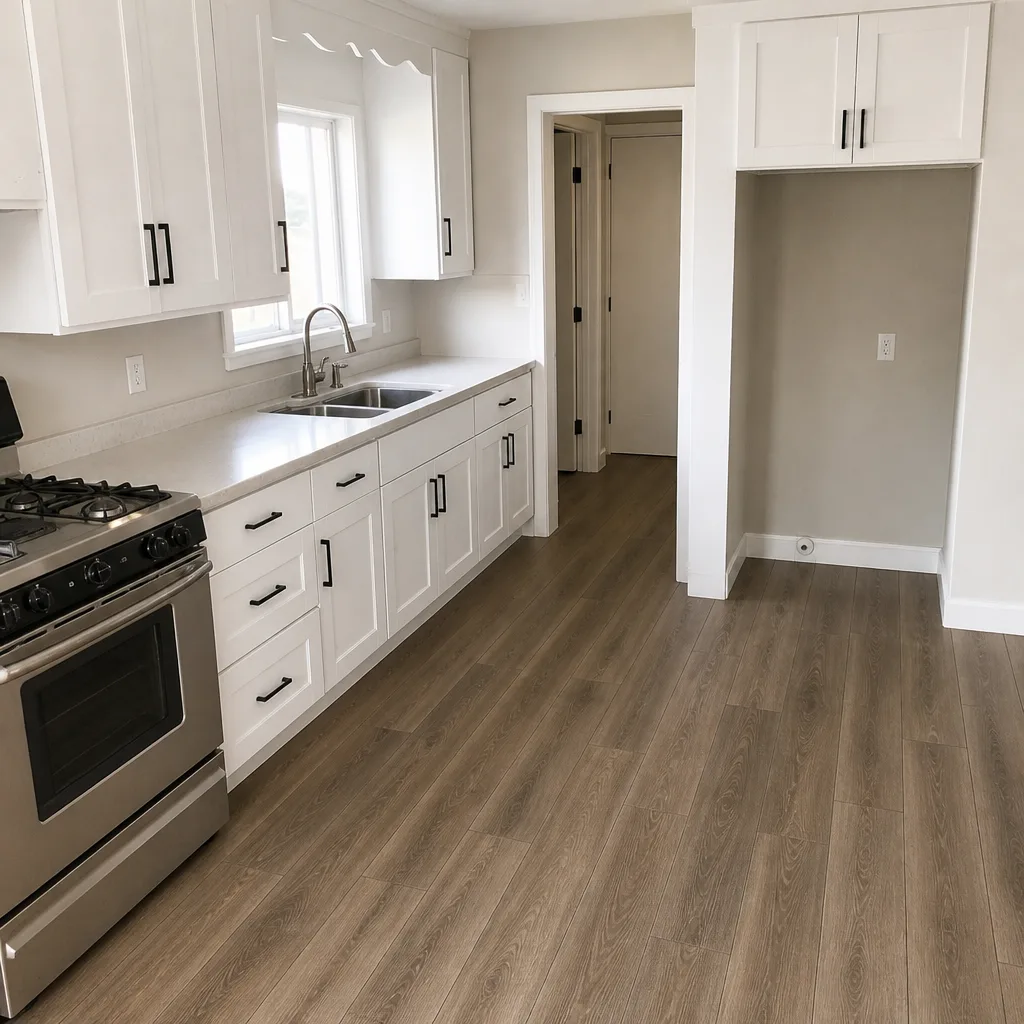 After
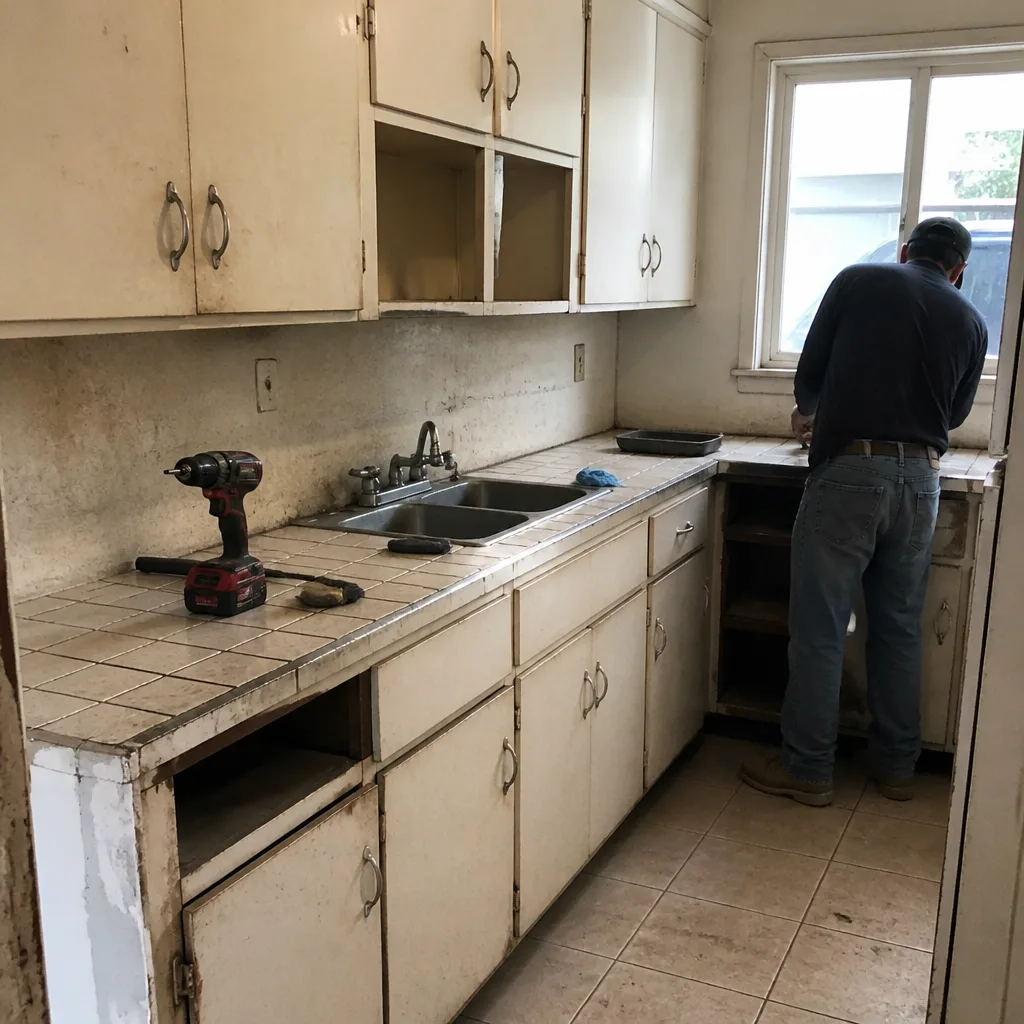 Before
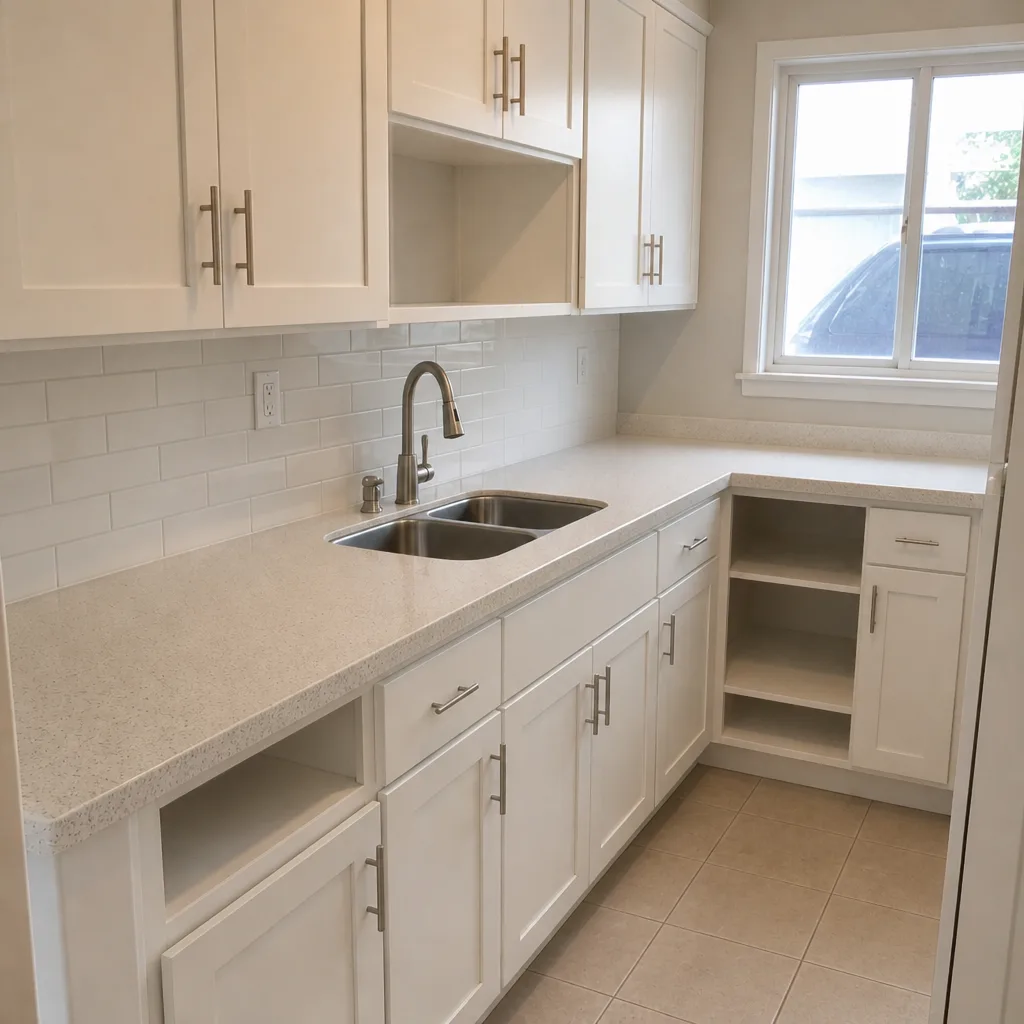 After
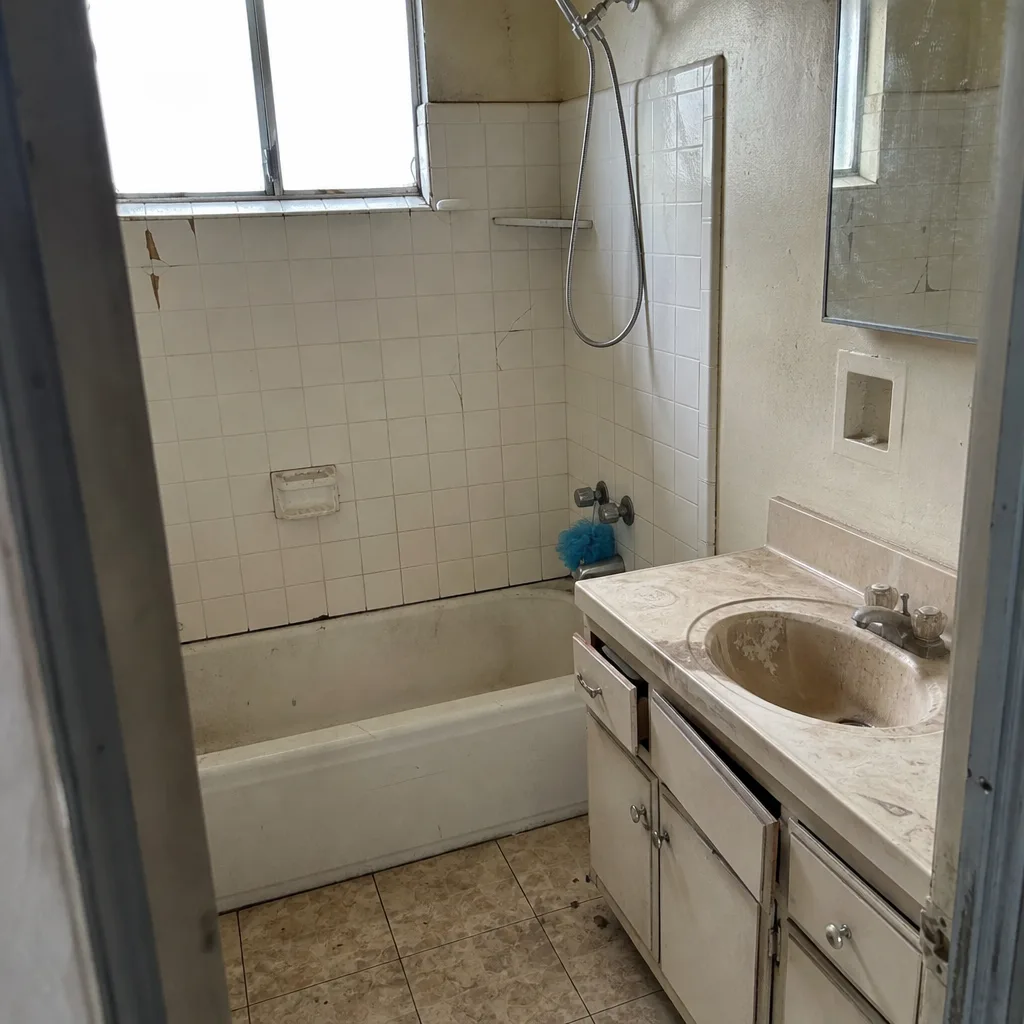 Before
 After