





Free written scope consultation - allowances, timeline, and change-order rules on paper before a single trade is scheduled
Styles & brands we work with
- Kitchen remodeling
- Bathroom remodeling
- Home additions & ADU
- Roofing
- Windows & doors
- Driveway & pavers
- Fence
See the difference
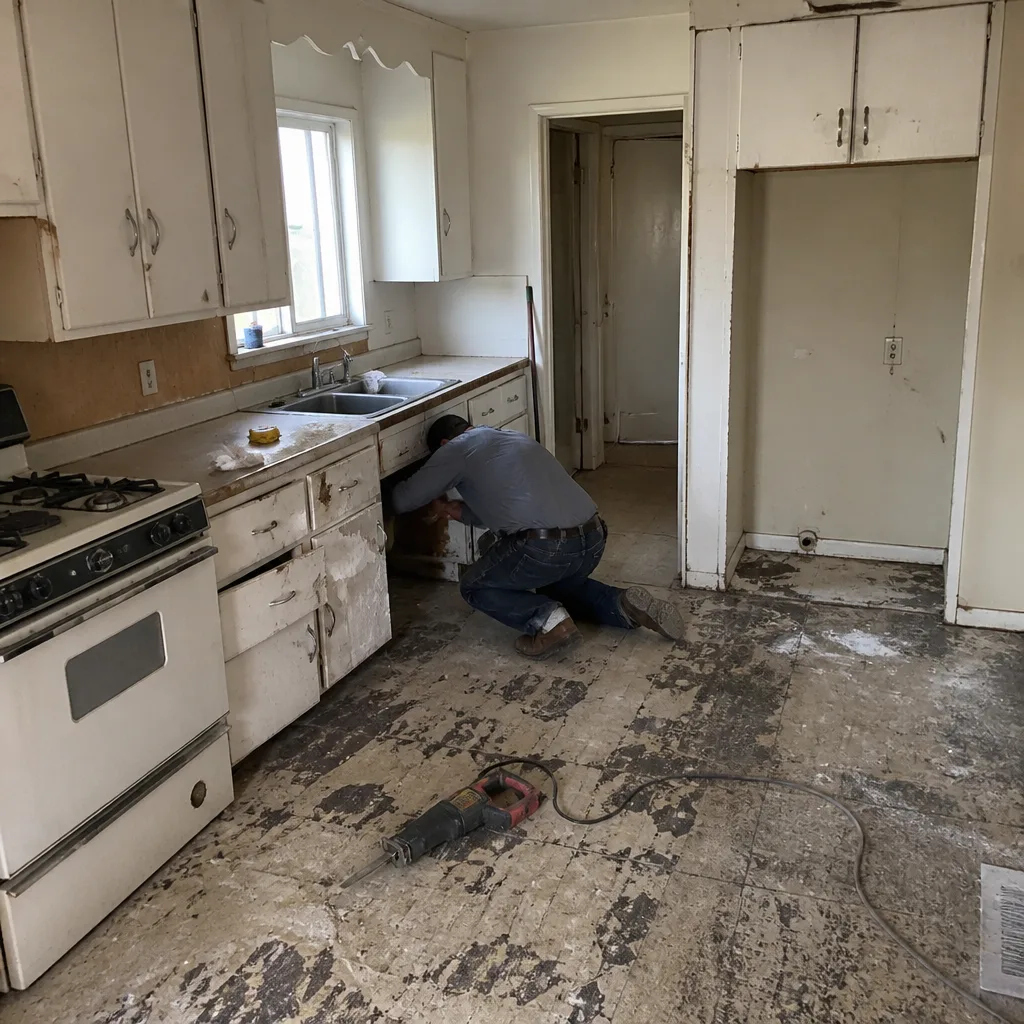 Before
 After
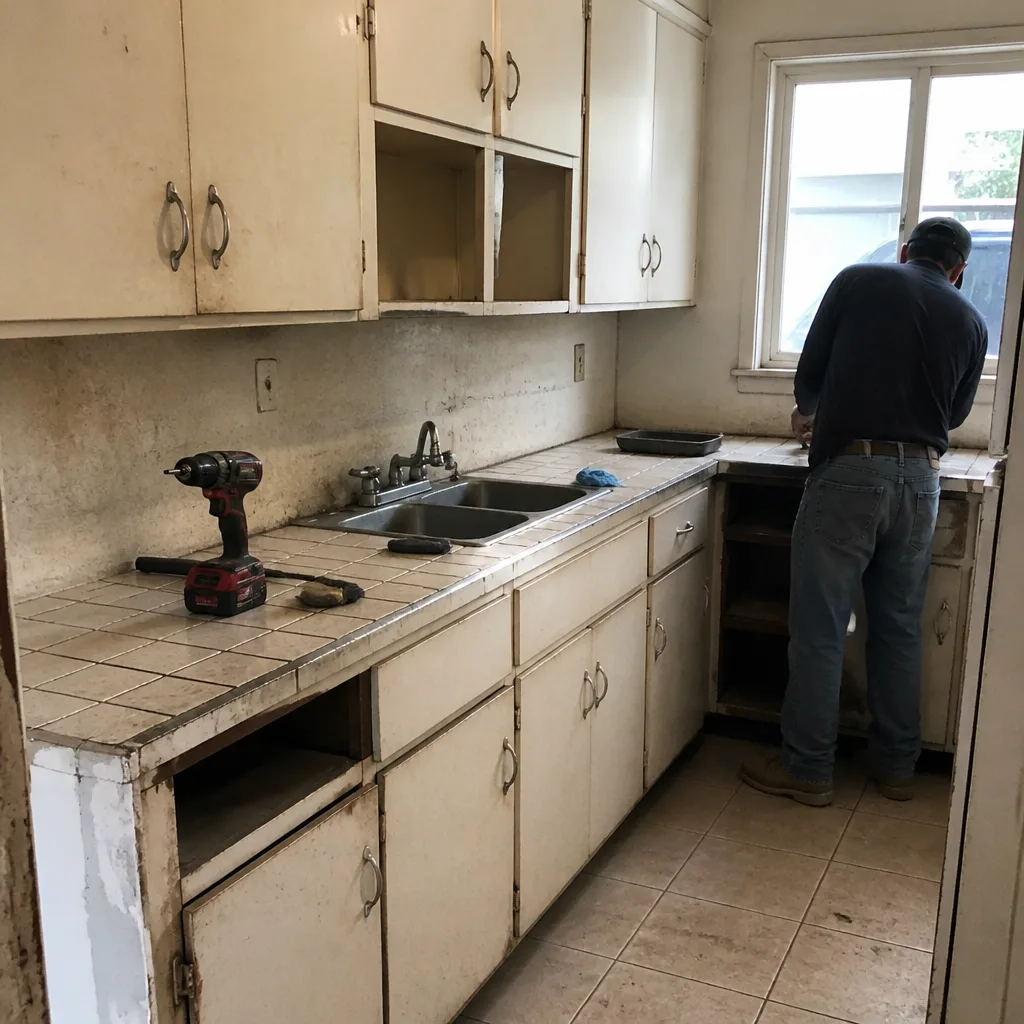 Before
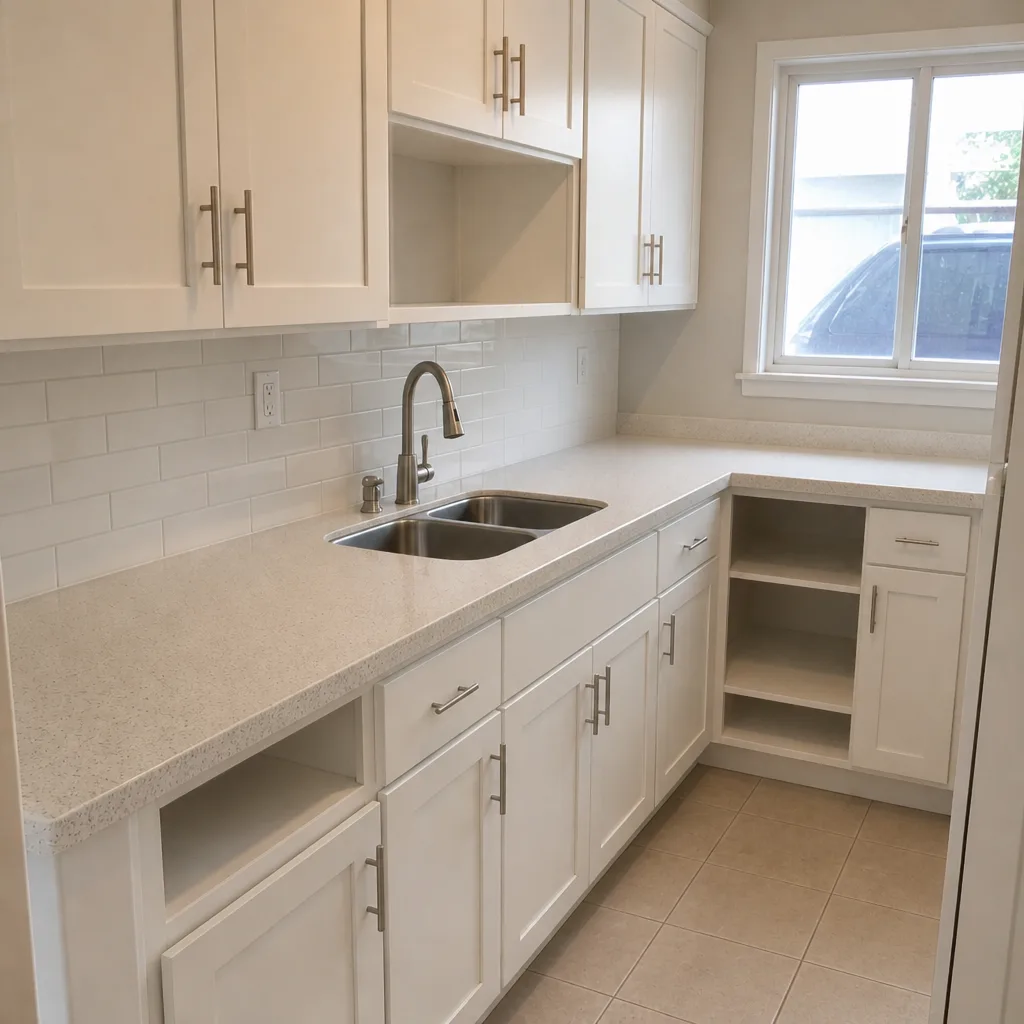 After
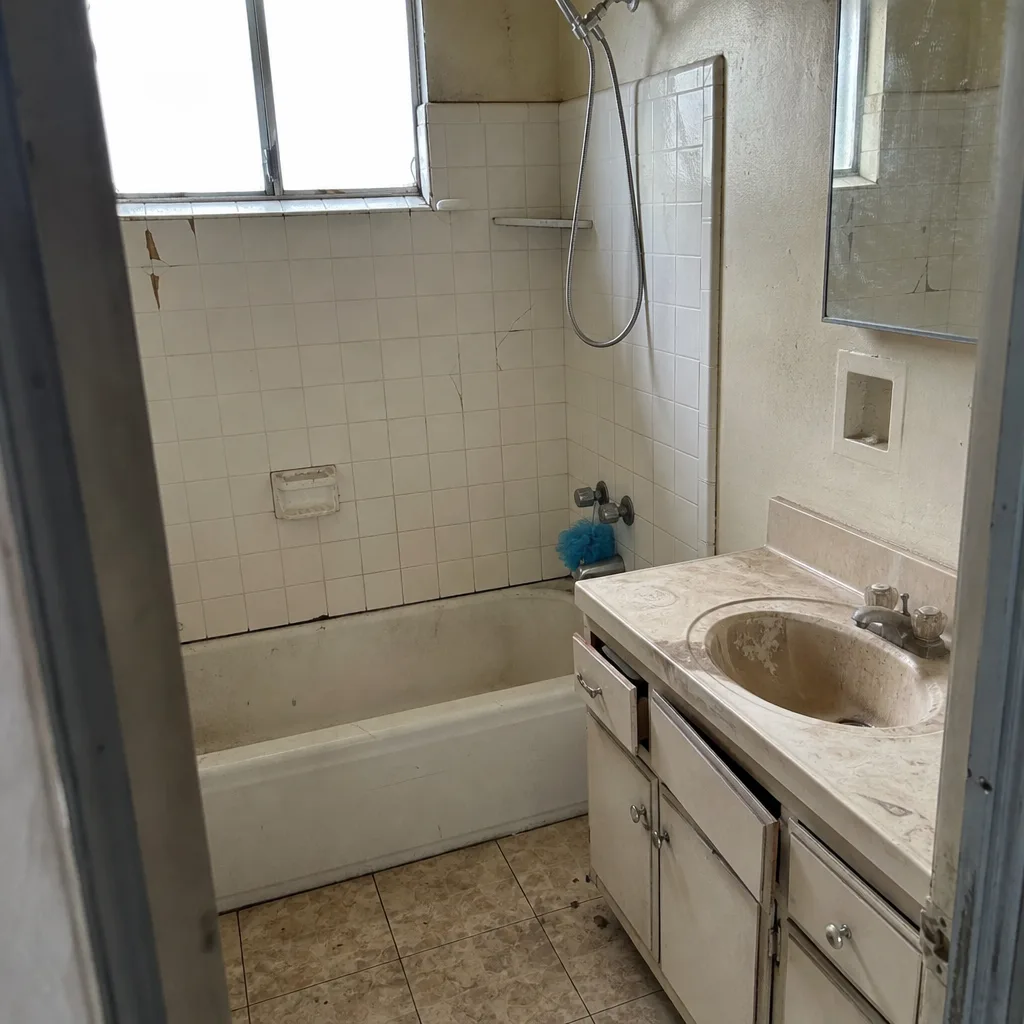 Before
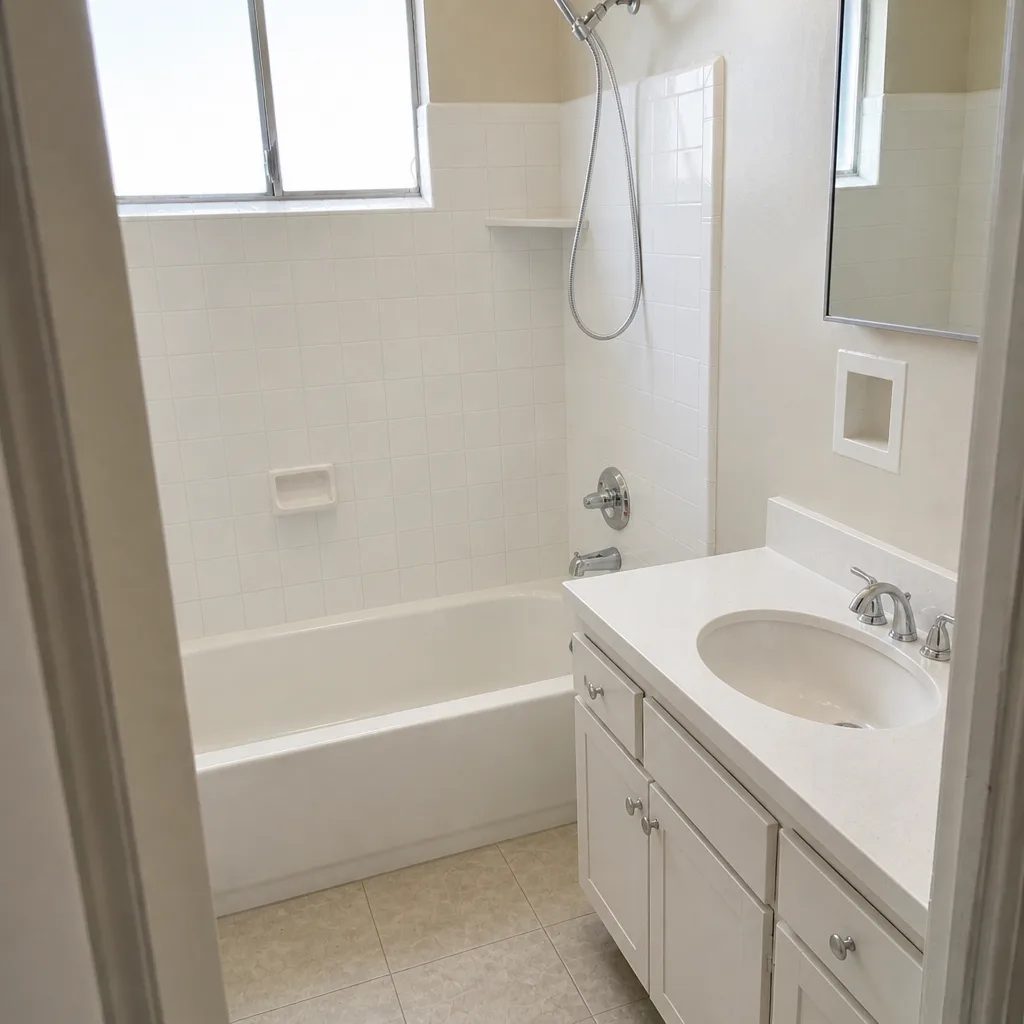 After
How to Find a Roof Leak in El Monte, CA: Trace the Water Before You Patch the Stain
To find a roof leak, stop looking at where the water is and start looking up-slope: in most El Monte homes, water enters 3 to 8 feet away from where it drops through the ceiling, so the stain marks the exit, not the entry. The short answer is to check three things first – parapet coping joints, pipe and swamp-cooler penetrations, and cracked caulk at the stucco-to-fascia line – before you ever climb a ladder. If you want it traced and stopped now, call Groundwork Construction Co. of El Monte at (888) 271-7872 and we’ll run it down. For a fuller look at our repair and replacement options, see our Roofing service page.
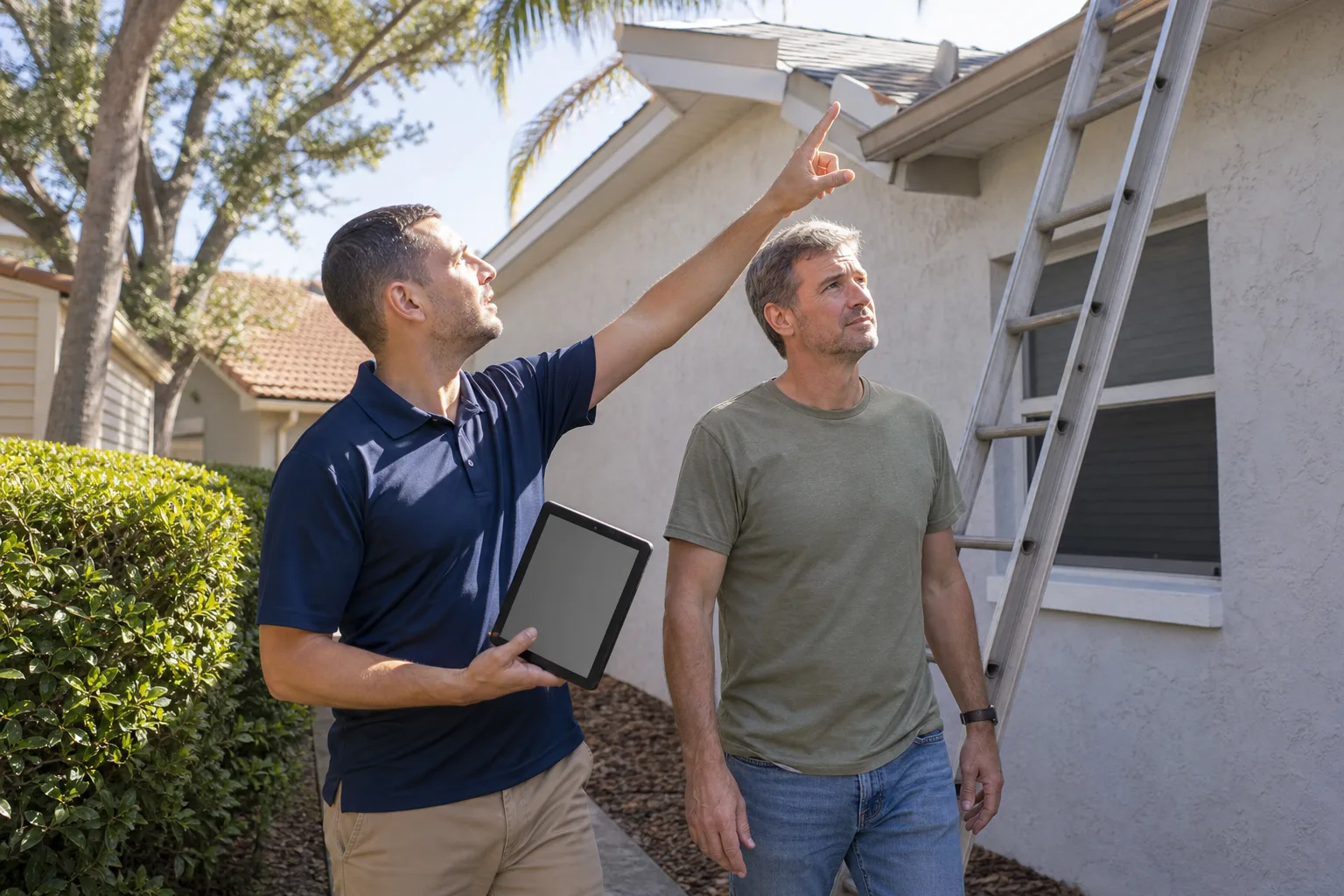
Here’s the situation we see most. Water shows up on your living room ceiling during the first December rain. You open the attic hatch and the stain is two rafters over and three feet back from where the ceiling is wet. That’s not unusual in an El Monte tile-roof home – water enters at the parapet cap, travels horizontally under the tile, and exits at a rafter notch nowhere near where it started. This is a different diagnostic process than the standard “trace the stain up the rafter” method you’ll read everywhere else. Let’s walk through how to find it.
Why El Monte roofs leak the way they do
El Monte is a dense, mostly built-out San Gabriel Valley suburb. Nearly all the housing is post-WWII single-story tract stock and small stucco bungalows on compact lots, with tile and low-slope roofs built to shed the heat. The climate pushes hard against those roofs: dry summers punish sealants and flashings with intense sun, Santa Ana winds lift tile edges, and the first real rain in December finds every small gap that opened during the summer. This is what trips up most homeowners trying to find a leak – the local roof construction means water travels sideways far from where it enters, which makes the ceiling stain a poor starting point.

Where Does Roof Leak Water Actually Enter? The Tile-Roof Leak Path
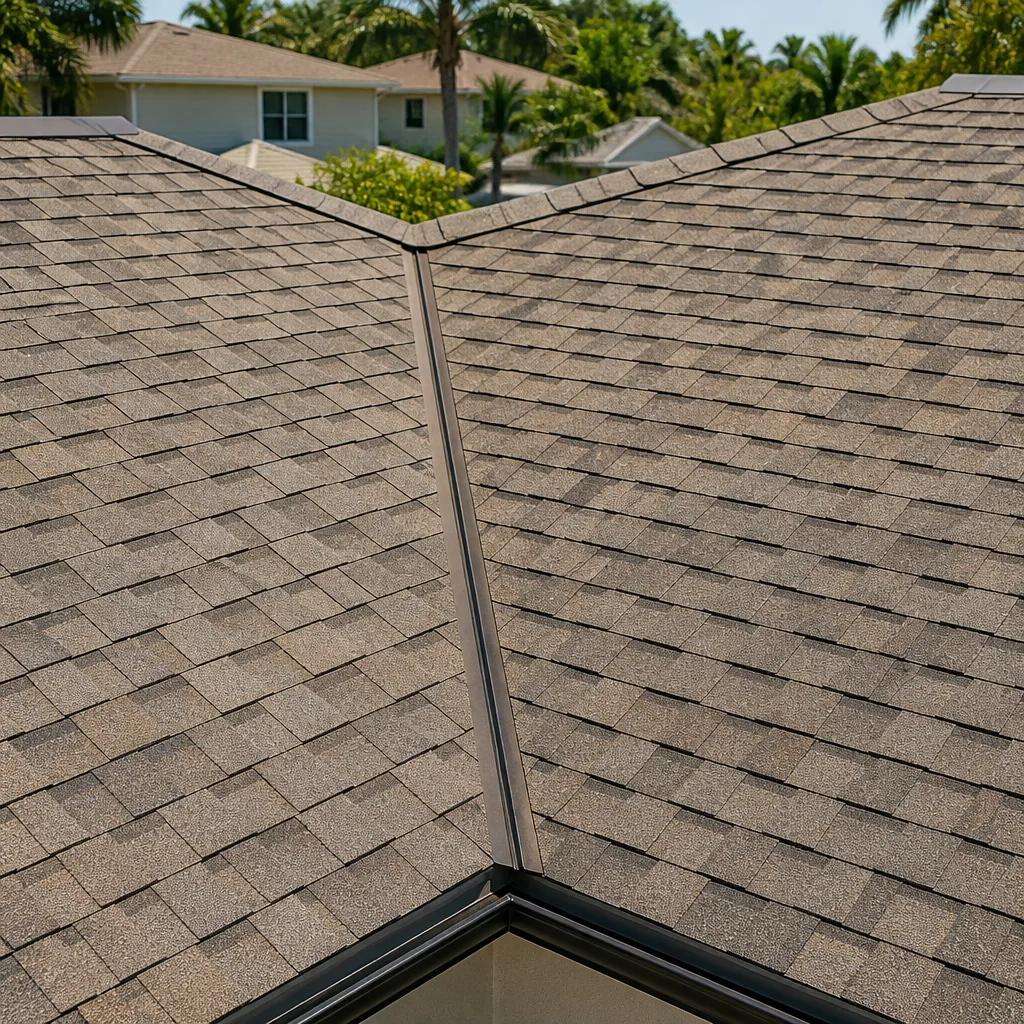
Under a clay tile roof, water that gets past a lifted or cracked tile doesn’t drop straight through. It runs sideways across the felt underlayment until it reaches a fastener hole, a seam, or a torn section – that’s where it finally drops into the attic. So the entry point and the staining point are typically separated by 3 to 8 feet. That’s the single most important idea here: the ceiling stain is the exit, and you have to work backward from it. The challenge is that where it exits gives you a starting line, not a finish line.
On a small bungalow, 3 to 8 feet of horizontal travel can put the true entry point in a different room, or under a different parapet, than the stain suggests. Don’t assume the leak is above the wet spot. Instead, look for the most likely entry points within that radius and work backward. Once you know the roof construction, finding a leak is mostly about following the water’s possible paths.
What Are the Three Blind Spots That Cause Most El Monte Leaks?
We look at three things on almost every El Monte roof call. These are the spots the generic guides skip and where most missed leaks come from.
- Stucco parapet joints. On flat and low-slope roofs, the parapet where the stucco wall meets the roof edge is a prime suspect. Look for failed caulk at the parapet cap, coping joints, and any embedded pipe penetrations running through the parapet wall. When the caulk cracks in the sun, water slips behind the stucco and works down into the roof assembly – often nowhere near the interior stain. Many inspectors only glance at the field tiles and miss the parapet entirely.
- Swamp-cooler curb and vent flashings. Older El Monte homes often have a roof-mounted swamp cooler on a curb. The curb flashing and attached vent pipe flashings crack and dry out with the San Gabriel Valley heat and are a common leak source. This step is specific to the local roof stock and is exactly what generic guides overlook.
- The stucco-to-fascia joint. That seam at the eave is another classic entry point. When the sealant fails, water tracks behind the fascia board and reaches the sheathing before it ever hits a ceiling.
The pattern that matters: field tiles usually aren’t the culprit. The penetrations and the joints are, and those are exactly the spots you can check from the roof edge before you commit to the underlayment.
The compact-attic reality in 1950s-60s El Monte ranch homes
Many of these low-slope roofs have very little attic depth – about 18 inches of clearance is common. The standard “get in the attic with a flashlight” instruction doesn’t work when there’s no walkable decking and the space is only that deep. You need to read the roof from the access hatch instead of entering it. Look for the path the water takes without going in: stand at the hatch with a strong light angled sideways against the rafters, and look for dark streaks, raised nail heads, and damp strips where the water has run and discolored the wood before it found its way through the ceiling. If you’ve checked that and can’t find the entry after the next rain test, the underlayment may have failed across a broader area. That’s usually a replacement conversation, not a patch.
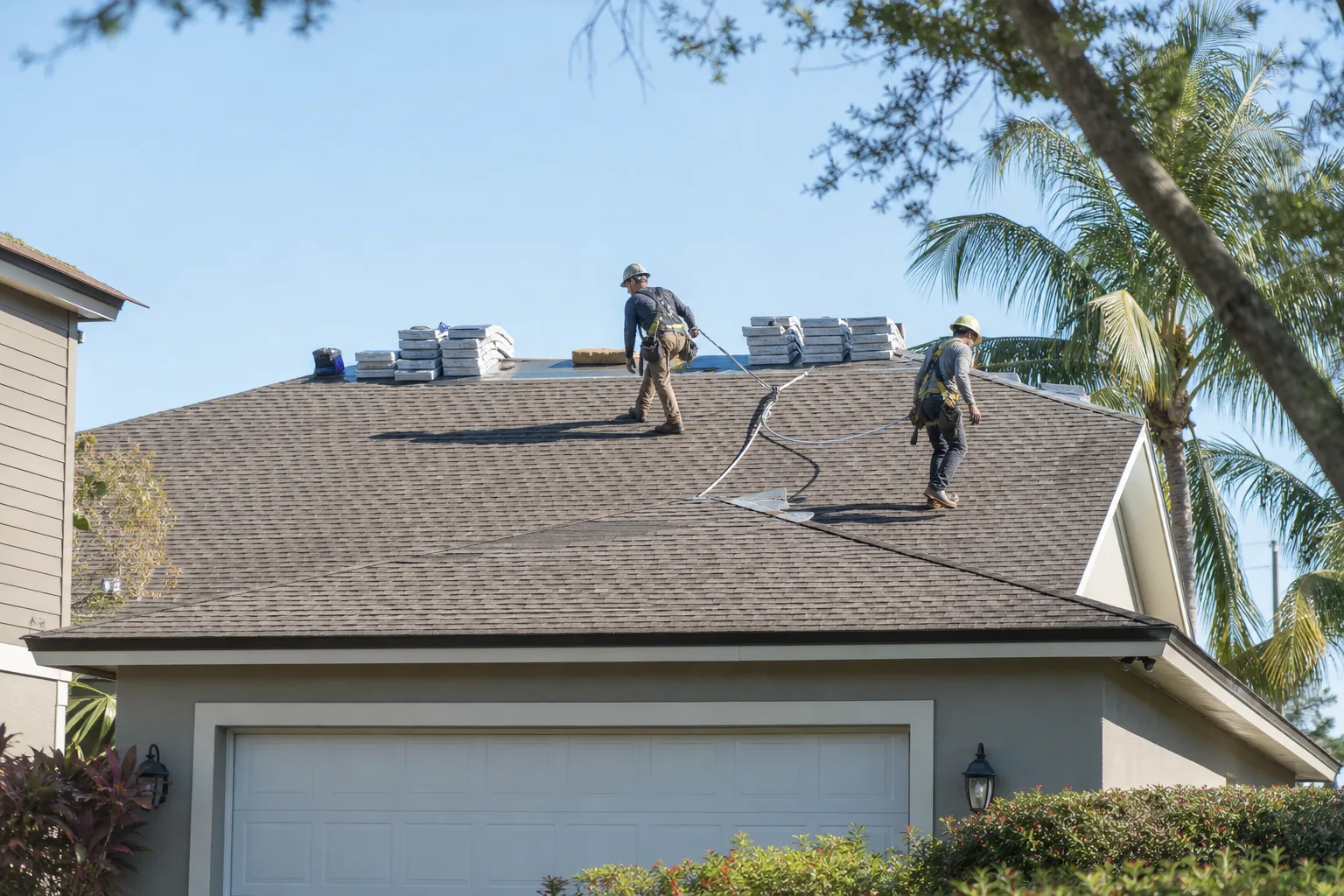
Where’s the Leak, or Is It Time to Call?
Our technicians have up to 12 years of experience with exactly the roof conditions El Monte throws at them. Here’s the honest threshold. When we find a clear entry at the parapet, a dry-cracked swamp-cooler curb, or a failed pipe flashing, a repair is the right call – our repair range runs about $400 to $1,800, and tile-roof repair specifically runs about $600 to $2,500. When the underlayment has failed across a broad section or the decking is water-damaged after years of seepage, replacement makes more sense. A full roof replacement in El Monte runs about $8,000 to $20,000.
What sets a real repair apart is the materials. We install systems from GAF and Owens Corning, which means the underlayment and flashing components meet the same standard as the finish – and that’s the layer your leak actually originated in. Every job is covered by our 730-Day Done Right Promise: if it isn’t done right, we make it right. And since El Monte jobs are almost always infill work on tight lots and older housing stock, we know the permit and access realities before we climb.
FAQs About Finding a Roof Leak
You work backward from the stain, not straight up from it. In El Monte tile-roof homes, water commonly travels 3 to 8 feet laterally under the tile, so the stain marks the exit, not the entry. Start with the most likely entry points within that radius – the parapet cap, pipe and swamp-cooler flashings, and the stucco-to-fascia joint – then trace the wood path from the attic hatch. If you want us to trace it, call (888) 271-7872 and we’ll run it down.
A roof repair in El Monte runs about $400 to $1,800, and tile-roof repair specifically runs about $600 to $2,500 depending on how much tile has to come up and how far the underlayment damage goes. If the leak has spread across a broad section, a full replacement is about $8,000 to $20,000. Call us for an exact quote – estimates are free and the number we give you is the number you pay.
Yes. Our phones are answered by a live person 24 hours a day, 7 days a week, so the call that happens the same night the ceiling soaks through gets a real human, not a voicemail box that waits until Monday. A wet ceiling means water is actively in the assembly and the sooner the entry point is found and closed, the less decking you replace later.
Sometimes, yes, but it’s less common than a failed flashing. On El Monte stucco homes, the caulk at the stucco-to-fascia joint and the parapet cap absorb water on their own and track it in behind the wall, which looks exactly like a roof leak from inside. We check the wall and roof as one system before we hand you a scope, because a patch on the roof won’t fix water coming through the stucco. Call us today for an assessment.
If you’d rather have it looked at, Groundwork Construction Co. of El Monte offers a no-pressure assessment in El Monte – call (888) 271-7872. Our techs arrive uniformed and background-checked, and estimates on the El Monte service area page are free.
Written by the team at Groundwork Construction Co. of El Monte, serving El Monte, CA.
Once the leak stops, the same El Monte housing stock drives most of what we build: kitchen remodeling, bathroom remodeling, windows and doors, fence installation, driveway and paver work, and home additions and ADUs. For the repair itself, see El Monte roofing, roof repair in El Monte, our roof inspection service, and signs you need a new roof.