



Free written scope consultation - allowances, timeline, and change-order rules on paper before a single trade is scheduled
Styles & brands we work with
- Kitchen remodeling
- Bathroom remodeling
- Home additions & ADU
- Roofing
- Windows & doors
- Driveway & pavers
- Fence
See the difference
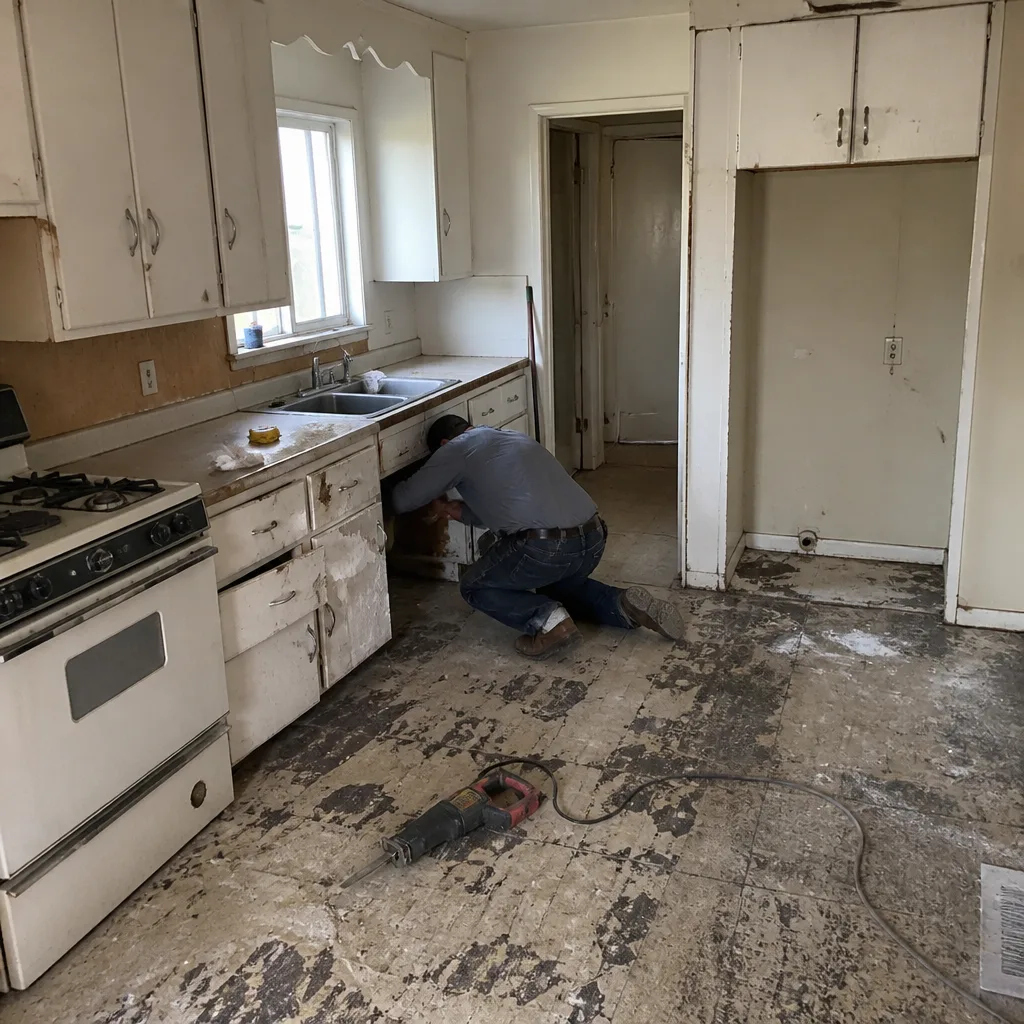 Before
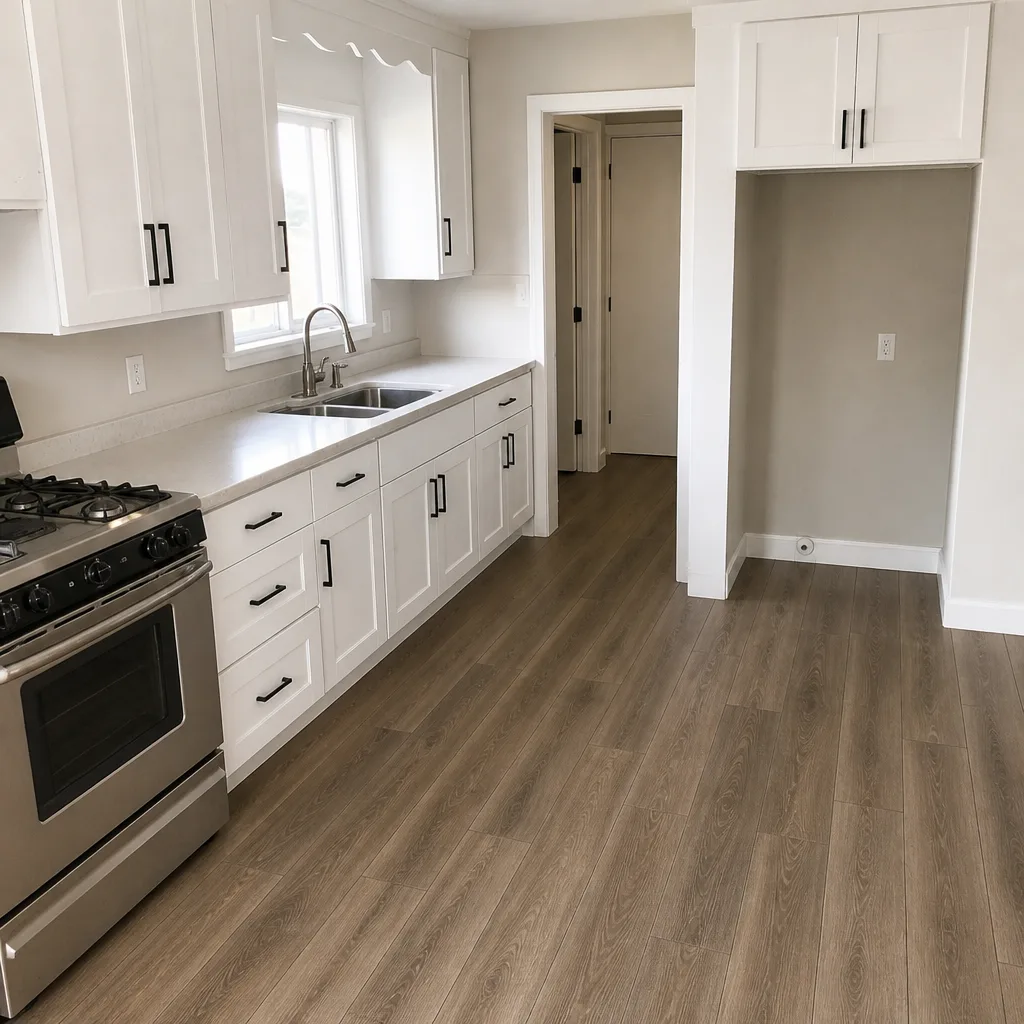 After
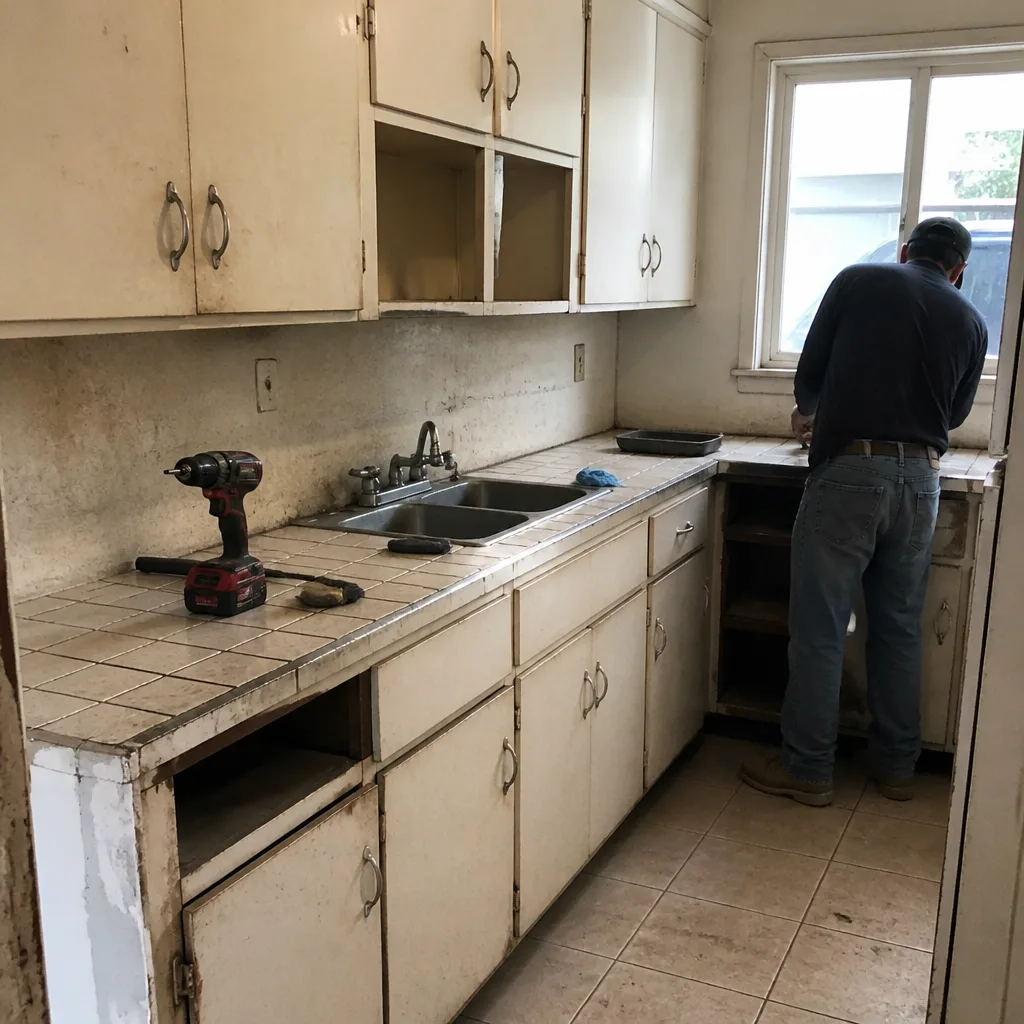 Before
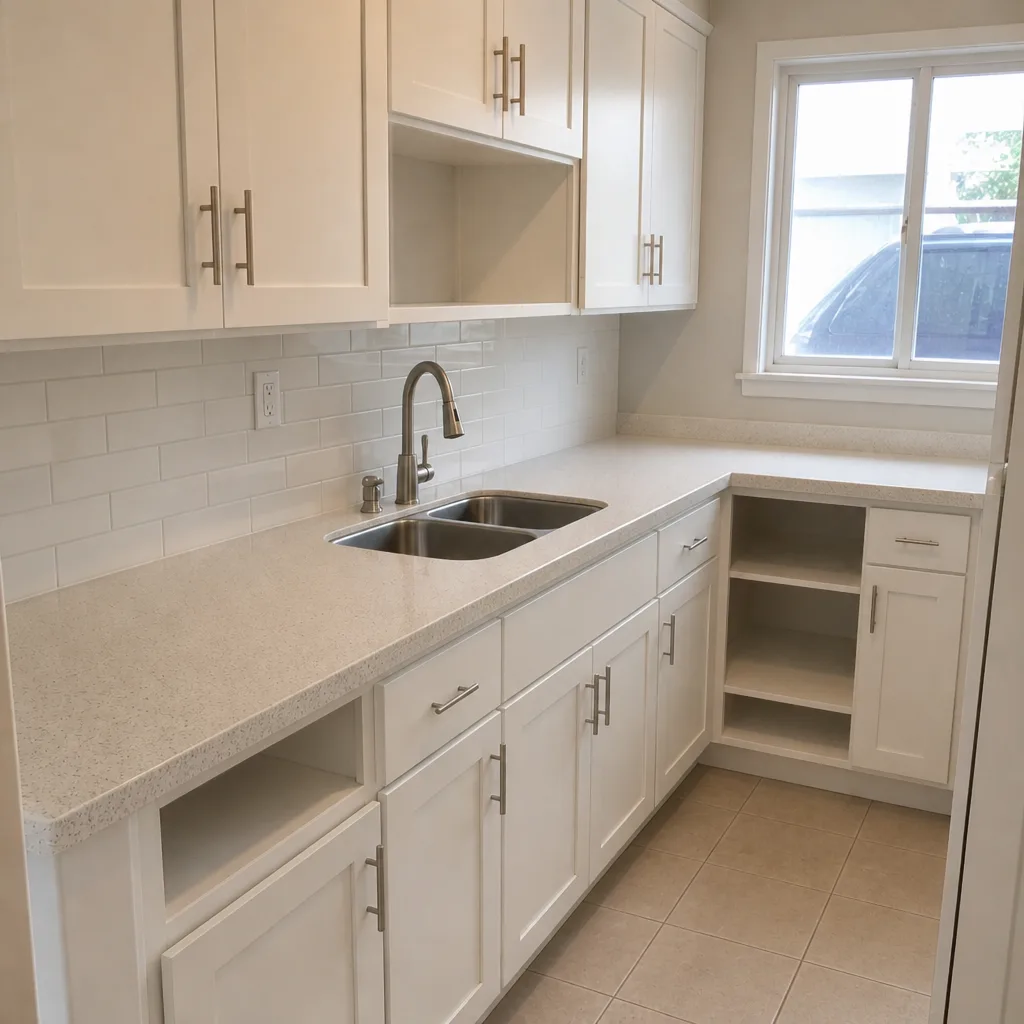 After
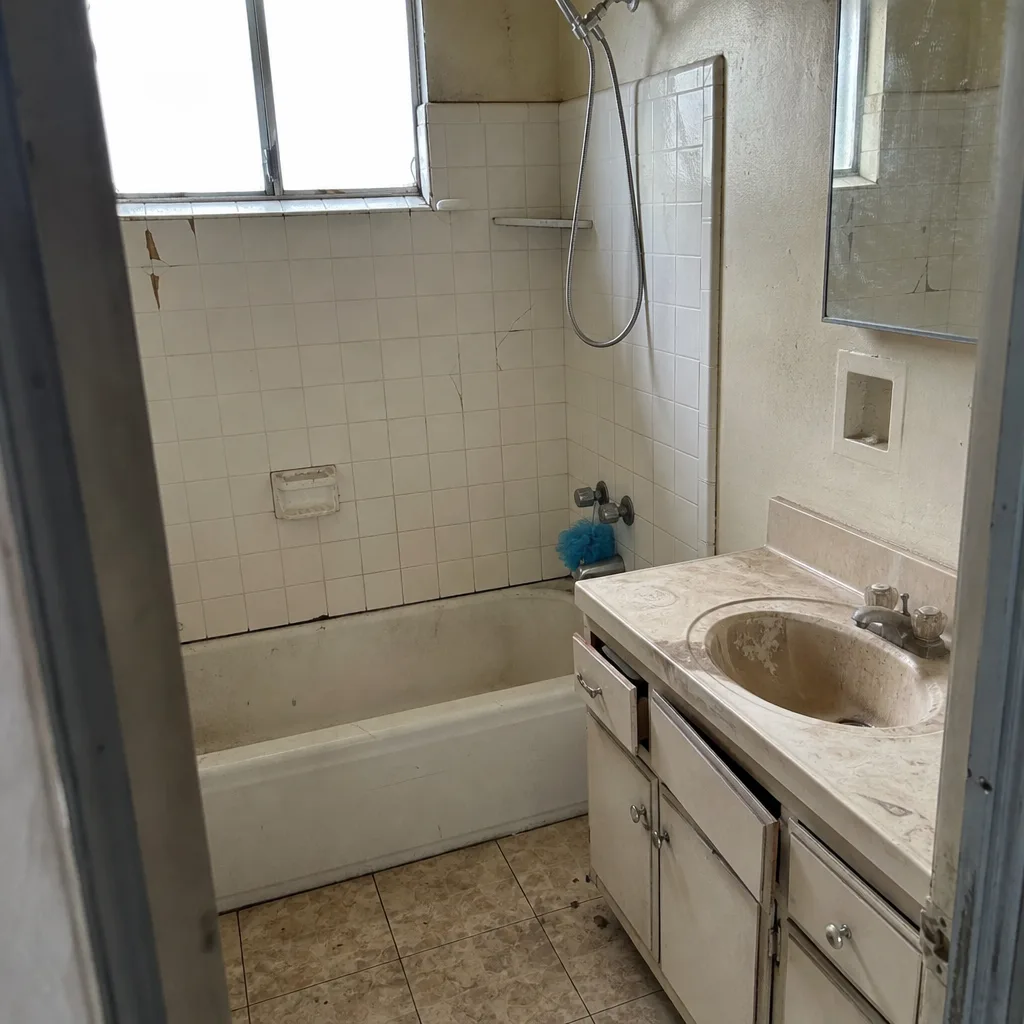 Before
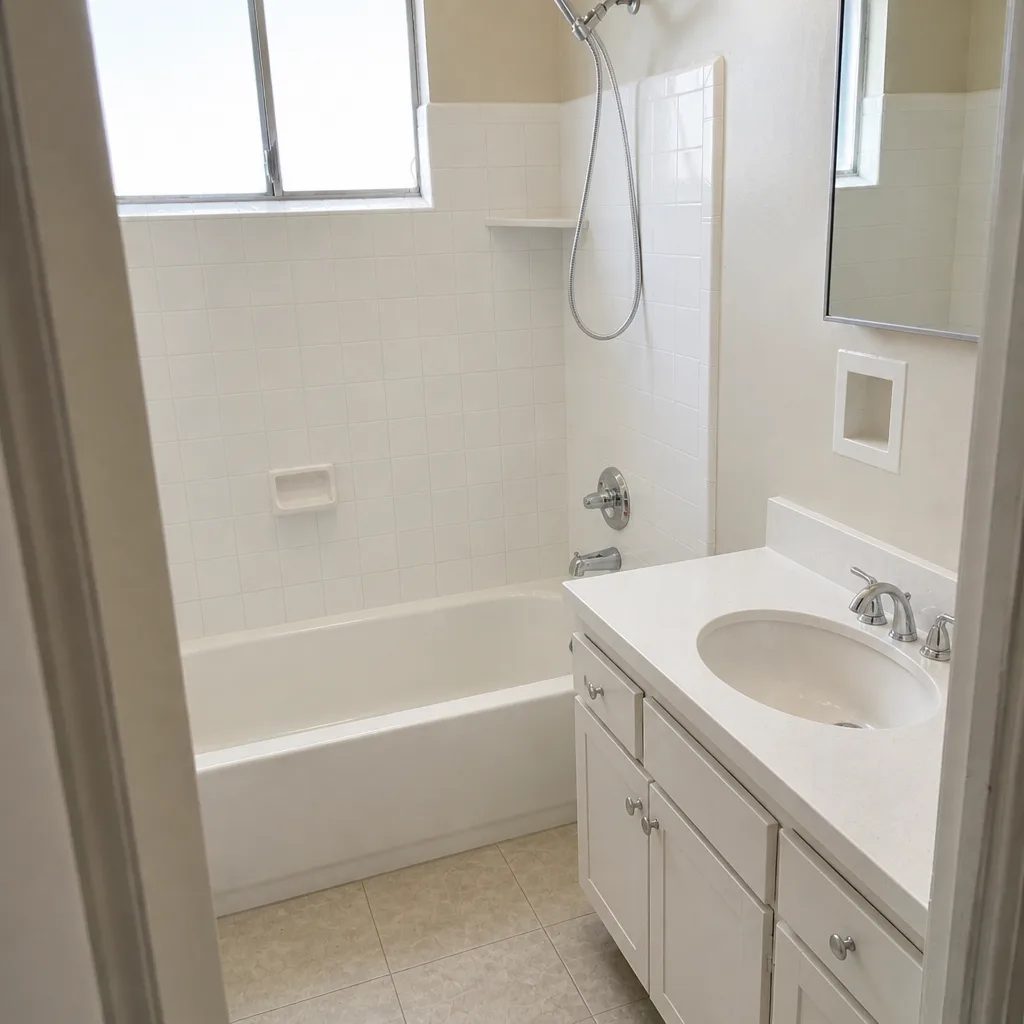 After
Signs You Need a New Roof in El Monte, CA: What Tile and Stucco Failures Actually Look Like
If your El Monte home has a clay or concrete tile roof, the sign you need a new roof usually isn’t curling shingles or granules in the gutter. It’s cracked or lifted ridge caps after a Santa Ana wind event, soft or spongy decking under the tile where the underlayment has worn through, and chalky white staining below your stucco parapet. You can have a roof that looks fine from the curb and is quietly letting water into the deck every rainy season.
That gap between “looks fine” and “is fine” catches a lot of El Monte homeowners off guard. Most warning-sign checklists you’ll find online were written for Midwest asphalt roofs, and they miss the failures that actually show up on San Gabriel Valley tile. When you find something that worries you, call Groundwork Construction Co. of El Monte at (888) 271-7872. We answer live, 24/7, and we’ll tell you plainly whether it’s a repair or a replacement.
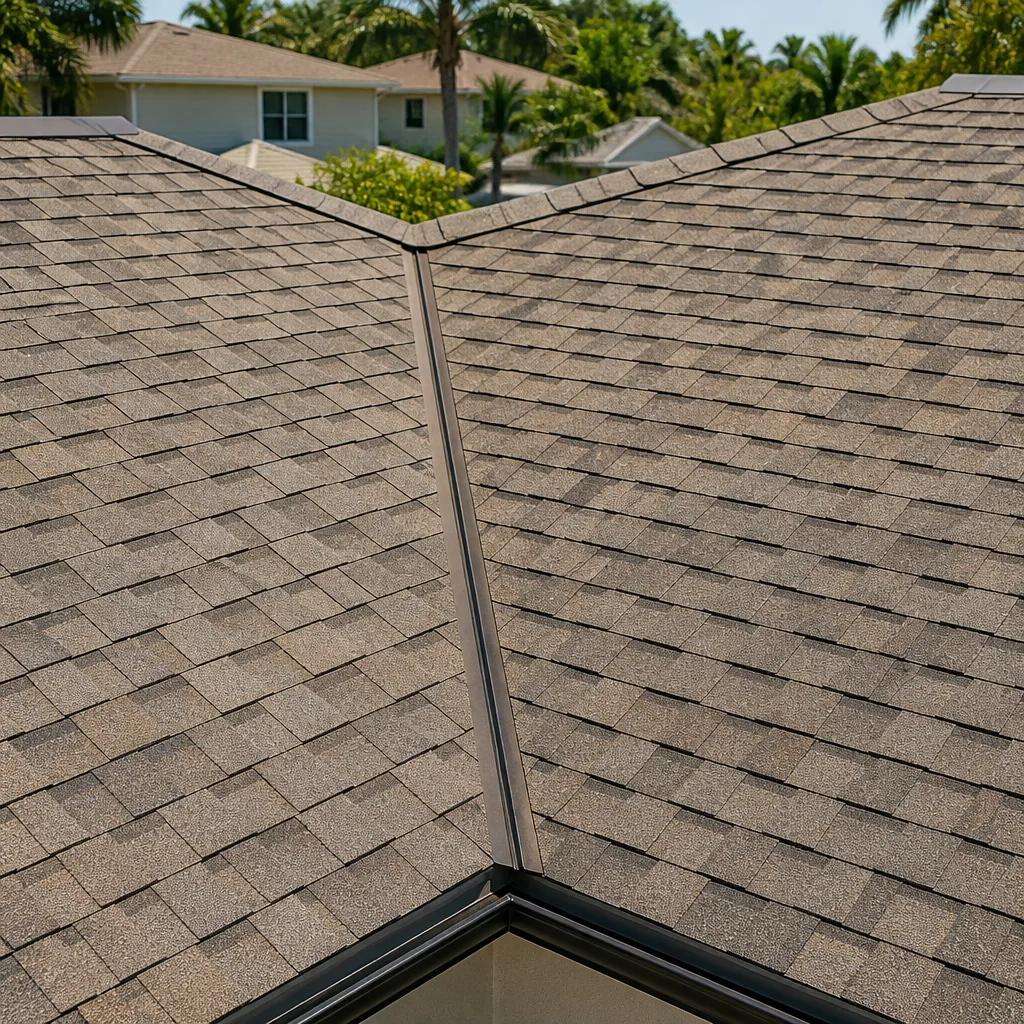
Why the standard “signs you need a new roof” list misses El Monte roofs
Walk any block of single-story post-WWII homes around El Monte and you’re mostly looking at stucco walls capped by tile. The tile itself can outlast the house. What fails is everything underneath it.
On these roofs, the underlayment is doing the waterproofing. It’s a felt or synthetic barrier under the tile, and in San Gabriel Valley heat it bakes and gets brittle long before the tile does. When it tears or dries out, water gets straight to the wood deck. The tile above still looks perfectly fine, so nothing on the outside tells you there’s a problem. That’s the whole reason a curb-view inspection isn’t enough on a tile roof in El Monte.
What to actually look for on a tile roof
- Cracked or lifted ridge caps and hip tiles. The top ridge and every hip are where wind gets its first grip and where tiles work loose first. After a strong Santa Ana event, these are almost always where the damage starts.
- Soft spots underfoot. If a tile or two is missing and you can press into the exposed deck and feel give, the wood is already wet. That’s a deck problem, not a tile problem.
- Staining or efflorescence below a stucco parapet. A chalky white bloom or rust-brown streak running down the stucco under the coping means water has been getting behind the wall for a while. This is one of the earliest clues on El Monte’s stucco-edged roofs, and it rarely makes the standard checklist.
- Tiles stacked up and never replaced. A neat pile of spare tiles in the side yard often means the last roofer took broken ones off and never went back up.
The Santa Ana audit: walk your perimeter after every big wind event
Santa Ana winds are the single biggest driver of tile roof damage in El Monte. They come hot and dry out of the northeast, funnel through the valley, and test the same spots every time: the ridge line and the hips. Those terminations are the first things to lift and often the last things a quick contractor walkover checks, because you can’t see them from the ground.
Here’s the audit we recommend to every El Monte homeowner. After a significant wind event, walk the full perimeter of the house and look up at the ridges and hips with a pair of binoculars. You’re looking for tiles that have shifted, cracked, or gone missing, and for any new streak of staining on the stucco below. Then go inside and check the ceiling near the valley and the wall intersections for any new discoloration. If you spot something alarming on a Sunday afternoon, that’s exactly the moment you should be able to talk to a person, not leave a voicemail and spend two days wondering if the drywall’s about to get wet. Our line is answered by a live person 24/7 for that reason.
For the full picture of what a repair or replacement involves for El Monte homes, our Roofing page lays out the process. And if you want to see how we handle the surrounding area, the El Monte service area page covers the neighborhoods we work in most.
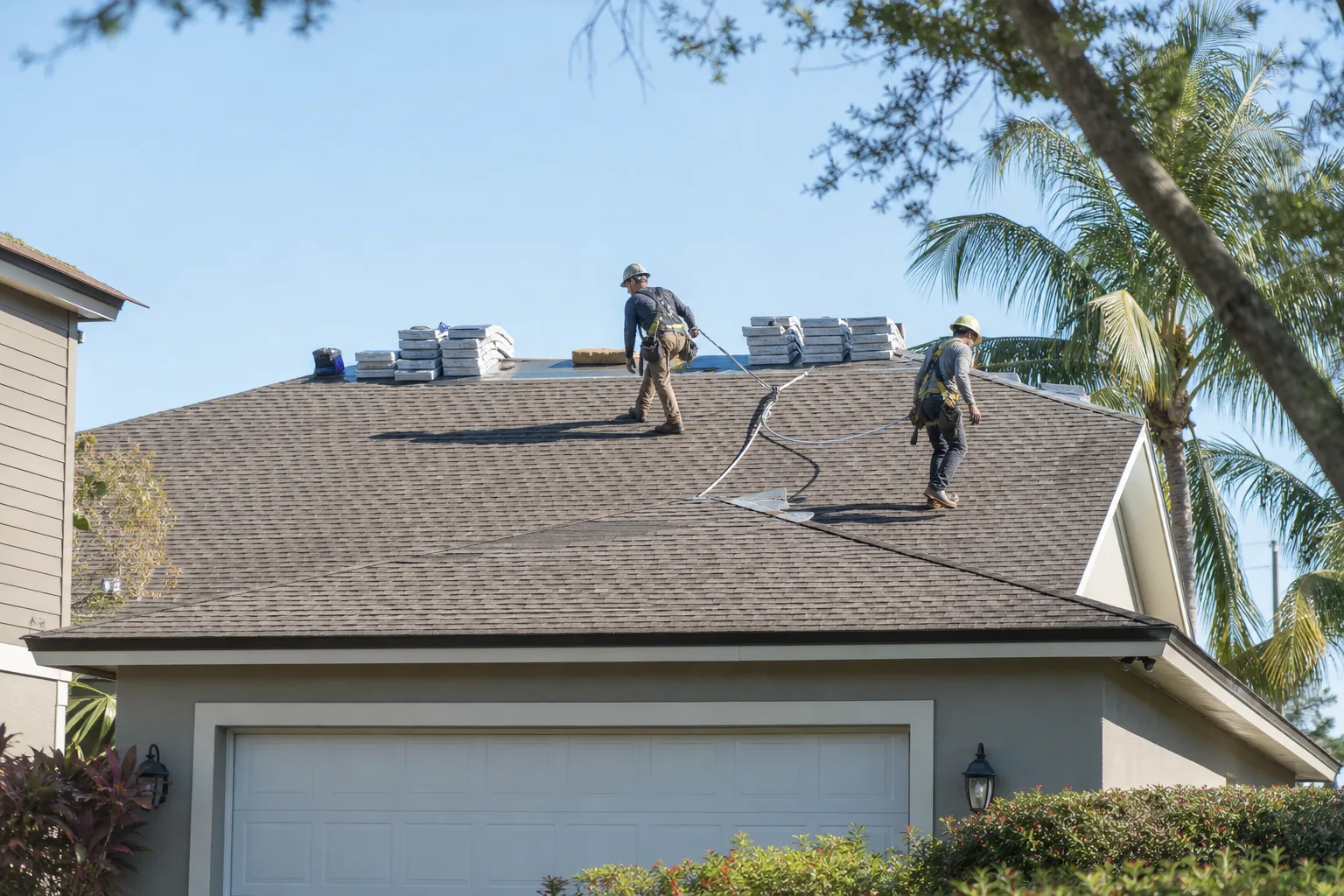
Aging utility penetrations: the failure point nobody inspects
On a lot of El Monte’s 1950s and 1960s homes, the plumbing vents and the electrical mast still run through the original lead or rubber flashings. Those flashings were never meant to last 60-plus years in San Gabriel Valley heat. They dry-crack, pull away from the pipe, and become a leak point that has nothing to do with the tile or the field of the roof.
This is a first-hand thing we see constantly: a homeowner has a stain on the ceiling, assumes the whole roof is shot, and it turns out to be a $40 flashing collar around a vent pipe. When we look at an El Monte roof, the penetrations get checked as carefully as the field, because that’s where a lot of the actual leaks live on older stock. Spotting this early is the difference between a small roof repair and a full roof replacement.
When a repair becomes a replacement: the “triggered upgrade” reality
Here’s what a lot of El Monte homeowners don’t hear until demo day, and it’s the single most important thing to understand before you get a roof quote. On a 60-year-old home, when a roofer pulls tile and finds failing underlayment or rotted decking, the city’s permit process requires that section to be brought up to current code. You can’t just cover it back up. So a job that looked like a repair can turn into a partial or full rebuild once the deck is exposed.
You deserve to know that possibility before you sign, not halfway through the tear-off. That’s why we do a real inspection, including the deck where we can access it, and we give you upfront pricing with no surprises. The number you see is the number you pay. If the deck turns out worse than expected, you’ll hear it from us with a clear explanation and a written figure, not a surprise line item.
Rough El Monte pricing to set expectations
| Job | Typical El Monte range |
|---|---|
| Minor roof repair | $400-$1,800 |
| Tile roof repair (cracked caps, hips, penetrations) | $600-$2,500 |
| Full roof replacement (asphalt) | $8,000-$20,000 |
| Metal roof installation | $15,000-$40,000 |
Those are real market ranges, not teaser numbers. On a full replacement we offer 0% financing for 18 months and $1,000 off projects over $10,000, so a larger job doesn’t have to be all cash up front. We install proven systems from brands like GAF and CertainTeed, backed by our 730-Day Done Right Promise. If it’s not done right, we make it right, and that guarantee is in writing.
What about the shingle roofs in El Monte?
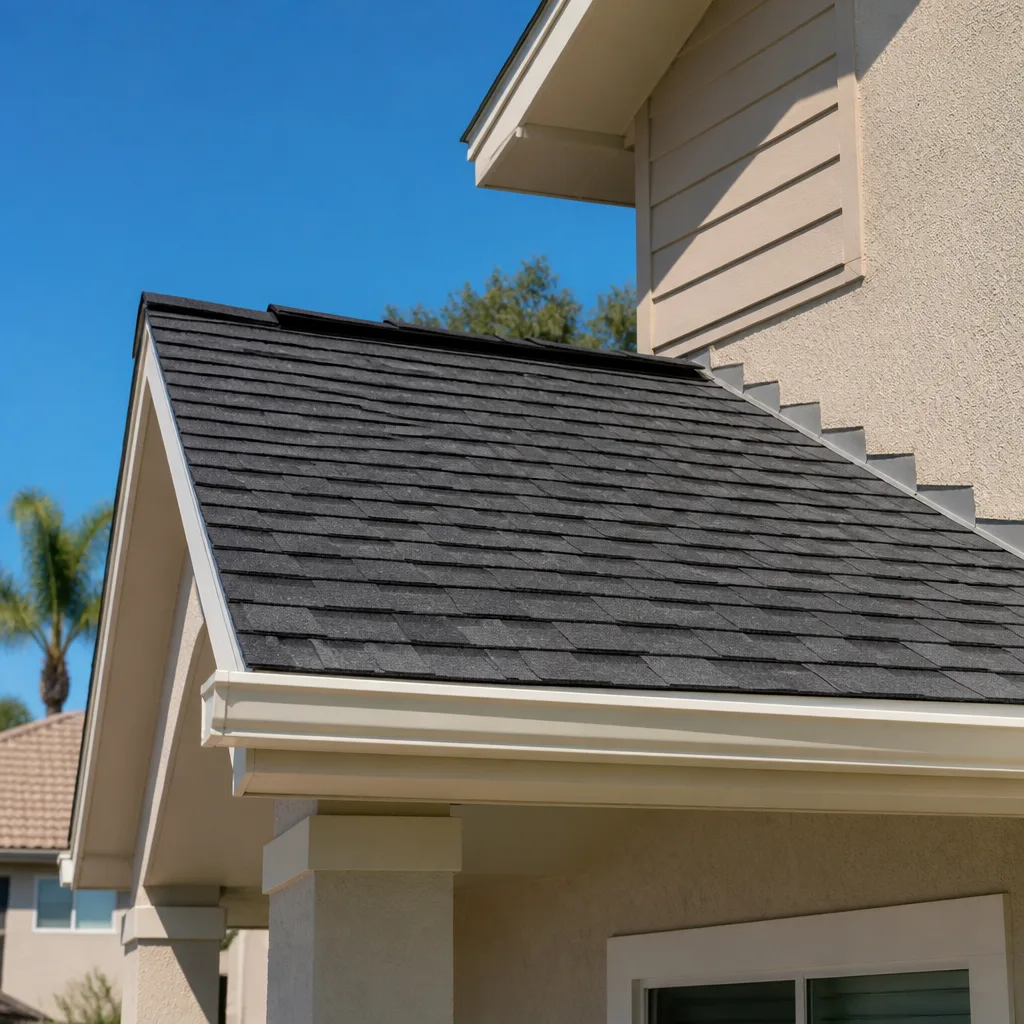
Some El Monte homes, especially the 1980s and 1990s infill and the multi-family along the corridors, do have asphalt shingle roofs. For those, the standard signs still apply: curling or missing shingles, granules collecting in the gutters, and daylight showing through the deck from inside the attic. But SGV UV accelerates all of it. A shingle roof that would last 20 years in a milder climate can start showing its age years sooner here, which is why so many El Monte shingle owners eventually move to tile or metal.
FAQs
If the damage is limited to a few cracked caps, loose hips, or a failed penetration flashing, a repair usually solves it. If the underlayment has dried out across a large area, or the deck is soft in several spots, replacement is the honest answer, because patching tile over failed felt just delays the leak. A real inspection that includes the deck is the only way to know which one you’re facing. Call (888) 271-7872 and we’ll look at it and tell you straight.
A full roof replacement in El Monte typically runs $8,000-$20,000 depending on roof size, material, and how much deck repair is needed, while a targeted tile roof repair is usually $600-$2,500. Metal runs higher, roughly $15,000-$40,000. Our estimate is free and the price is upfront, so you know the number before work begins. Call (888) 271-7872 for an exact quote on your roof.
Often, yes. That chalky bloom is called efflorescence, and it appears when water has been getting behind the stucco and pushing salts to the surface. Below a parapet, it’s one of the earliest clues that the roof edge or flashing above is letting water in. It deserves a look before it spreads. Call us and we’ll trace where the water’s coming from.
We can often get someone out quickly for storm-related damage, and our phone line is answered by a live person 24/7 so you’re never stuck in a voicemail loop after a Santa Ana event. Same-day timing depends on how many calls are coming in after a big wind, but you’ll always reach a person who can get you on the schedule. Call (888) 271-7872 to start.
Get a straight answer on your El Monte roof
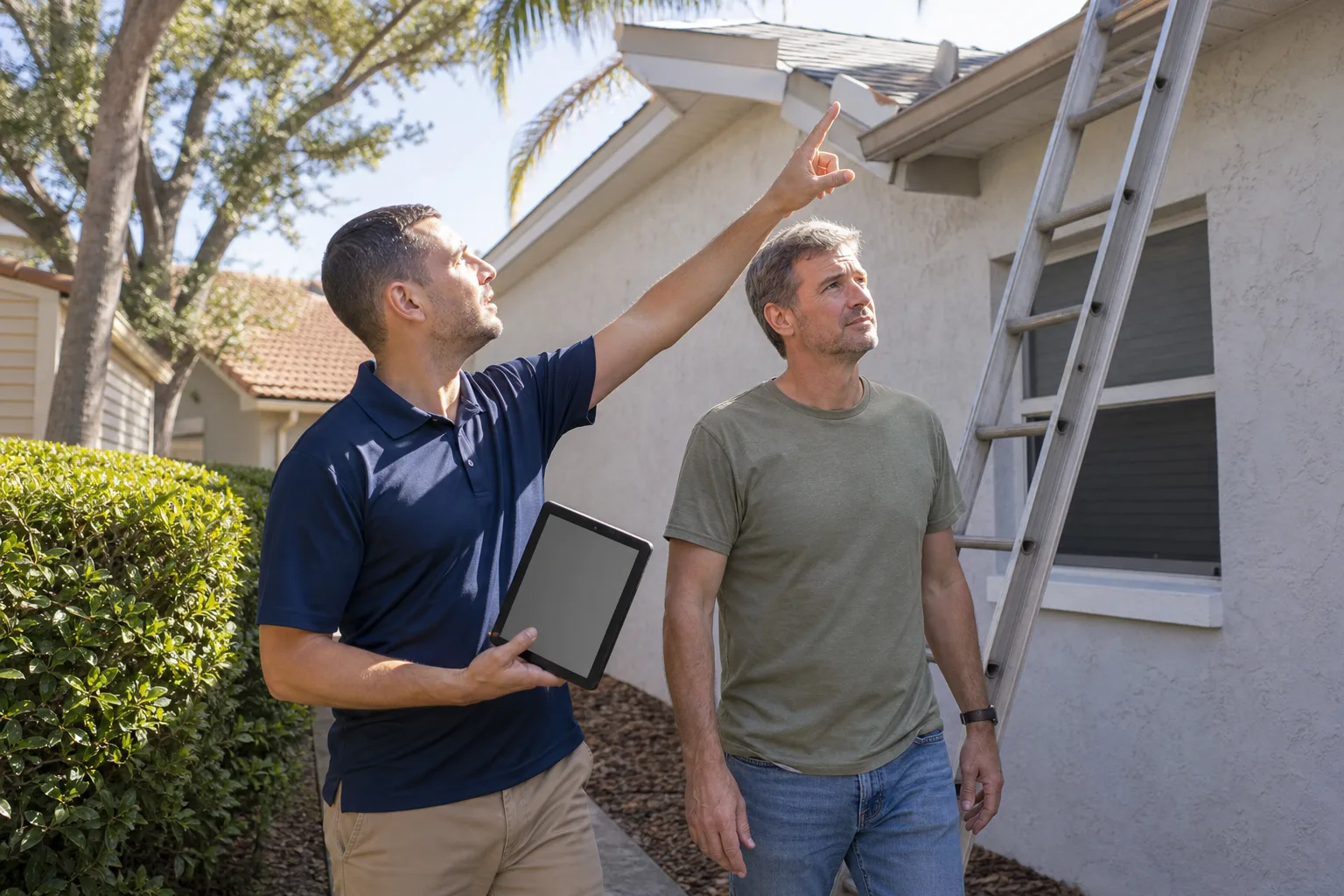
If you’d rather have it looked at than guess from the ground, Groundwork Construction Co. of El Monte offers a no-pressure roof assessment in El Monte. We’ll check the ridge, the hips, the penetrations, and the deck, then tell you plainly whether you’re looking at a repair or a replacement. Call (888) 271-7872 for a free estimate. Upfront pricing, no surprises, and a live person on the line whenever you need one.
Written by the team at Groundwork Construction Co. of El Monte, serving El Monte, CA.