Free written scope consultation - allowances, timeline, and change-order rules on paper before a single trade is scheduled
Concrete Driveways & Concrete Work in Monrovia: What It Costs and How Long It Takes
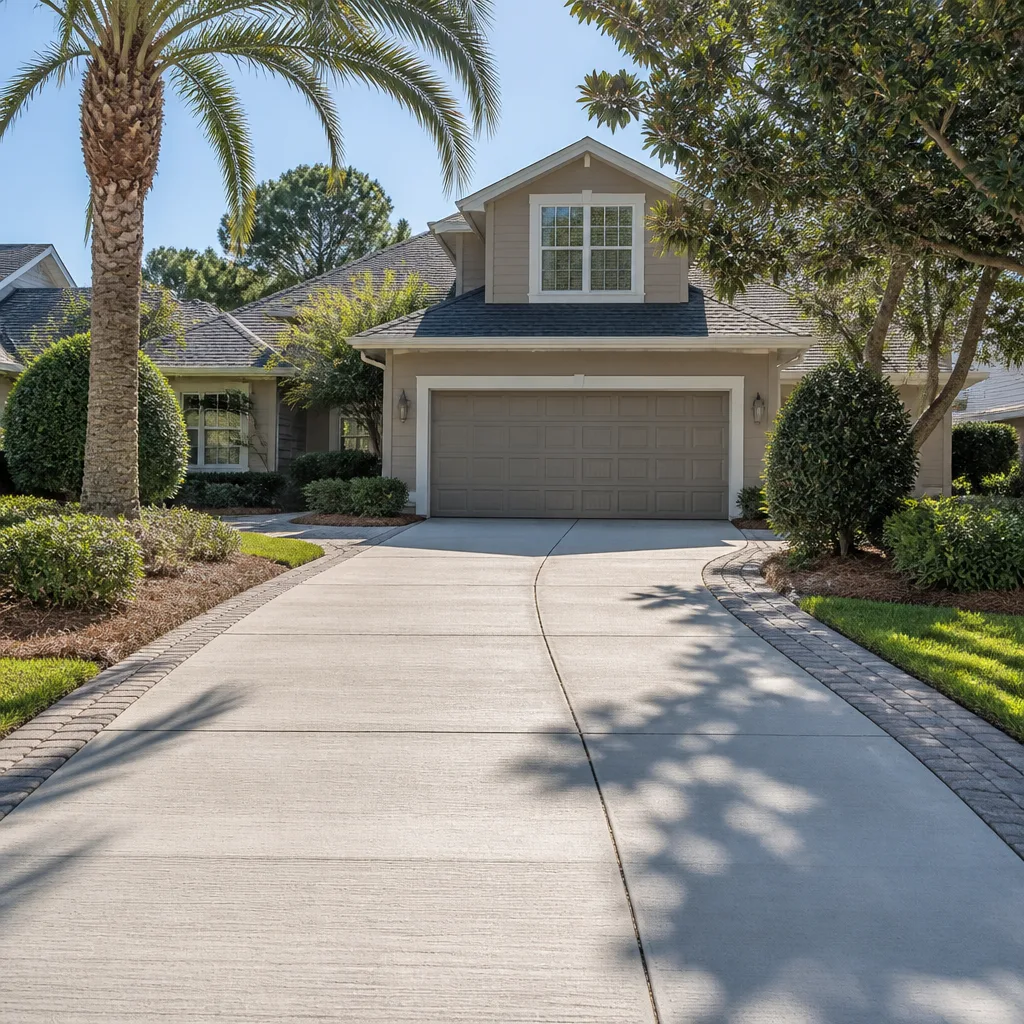
Concrete driveways and concrete work in Monrovia typically run $4,500 – $12,000 for a pour-in-place driveway, and most residential jobs take 3 to 5 working days once we break ground, plus a 7-day cure before you park on it. Flat old-town lots below the ‘L’ street line usually land at the low end. Hillside properties climbing toward Monrovia Canyon push higher because grading, drainage and retaining work come first. Call (888) 271-7872 for a free on-site estimate with a written line-item quote.
How the Job Actually Runs, Stage by Stage
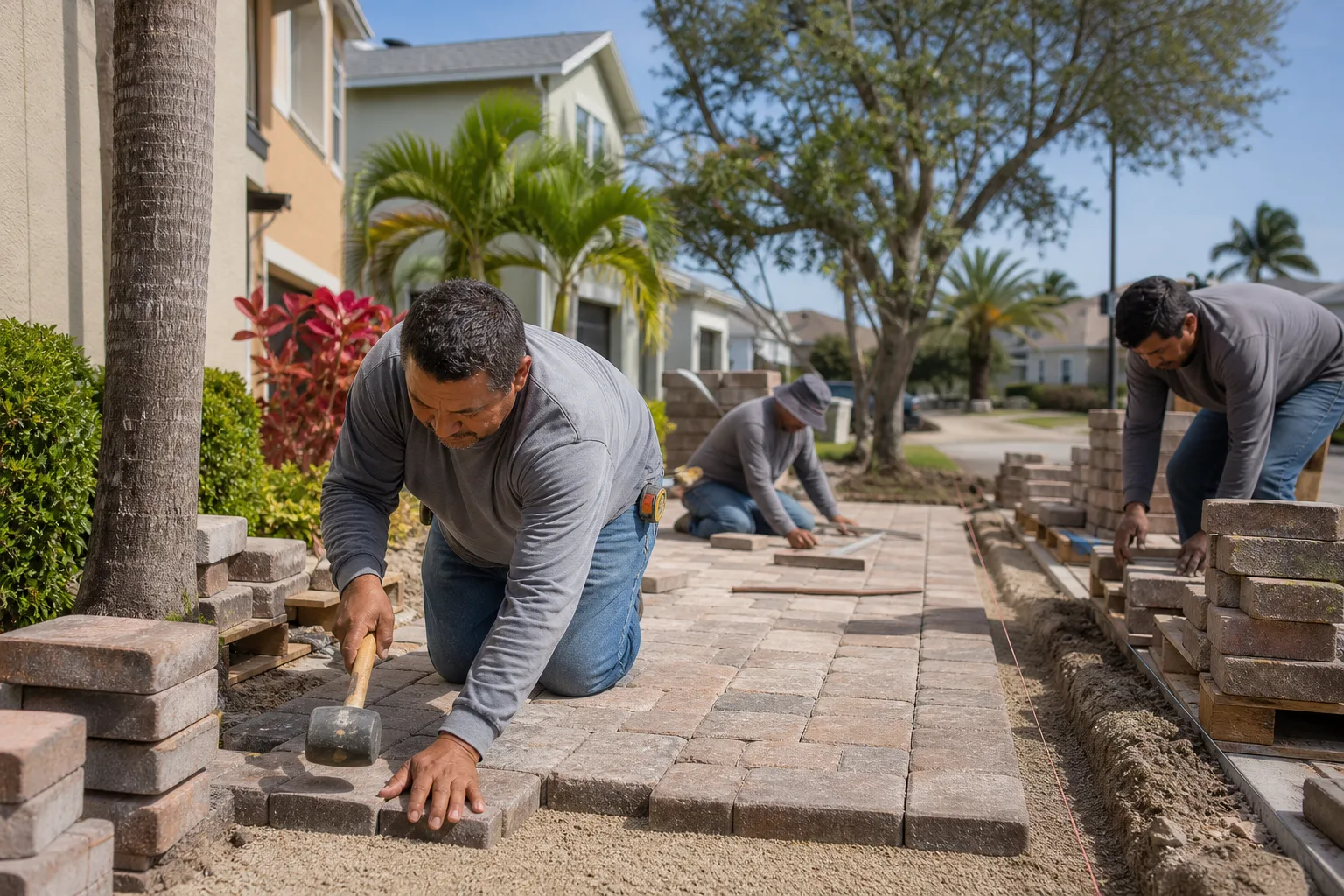
Concrete is unforgiving of shortcuts. The pour gets the attention, but the prep underneath decides whether your slab survives ten or forty years. Here is the sequence we follow on Monrovia driveways, with what you decide and when.
Stage 1: Site walk and layout (day 1, about 90 minutes)
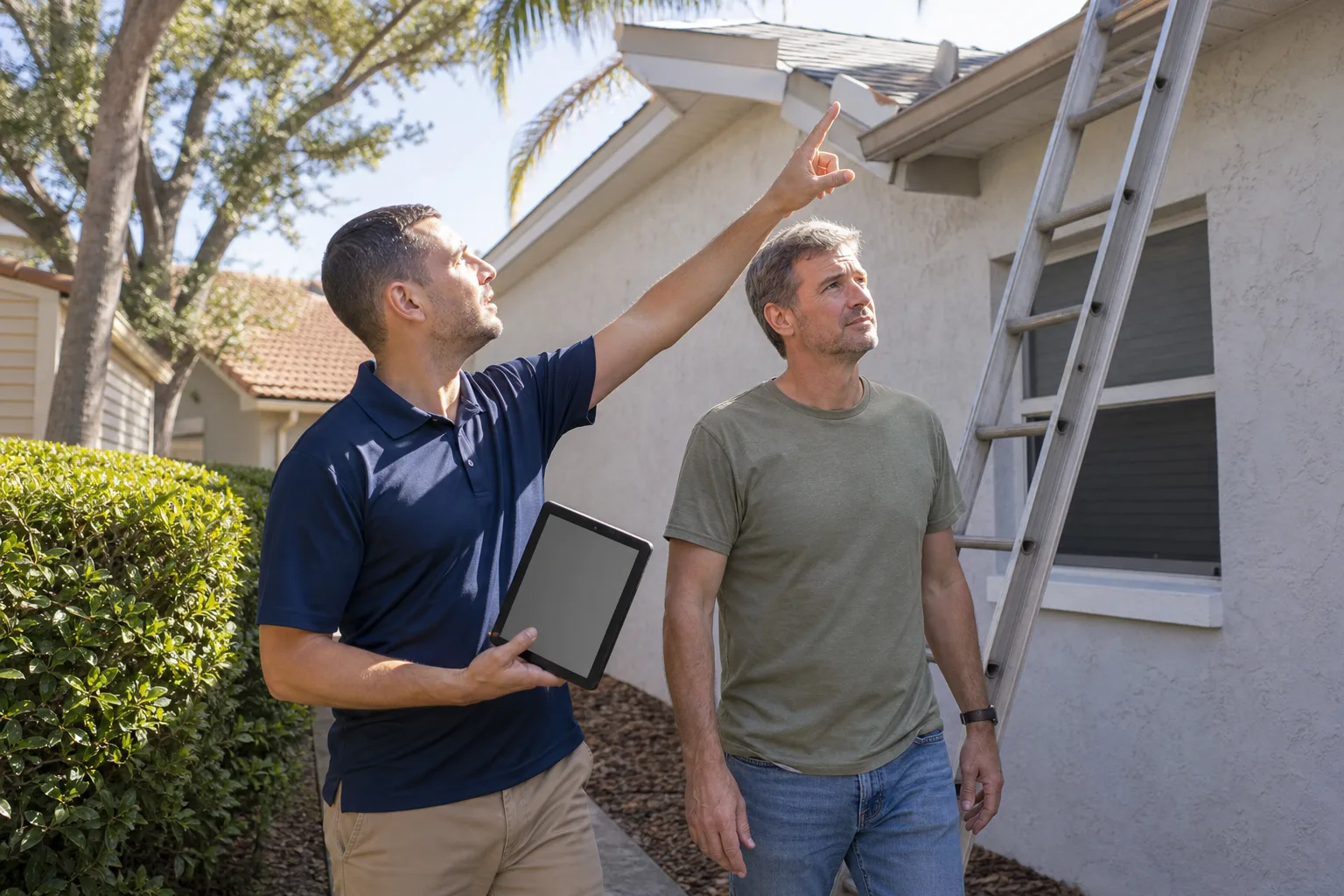
We measure the existing footprint, check slope and drainage direction, and probe the subgrade where the old surface is failing. You decide the driveway width and whether you’re adding an apron or widening the apron at the street. This is also when we flag anything that changes the scope: a cracked old slab that’s heaved, a root system in the wrong place, or a slope that needs a retaining wall before concrete goes down.
Stage 2: Demolition and haul-off (day 1 – 2)
Old concrete, asphalt or dirt comes out to the depth the new slab needs. A standard 4-inch driveway over a compacted base means roughly 8 to 10 inches of total excavation. If you have a structural section specified for heavier vehicles, it goes deeper. We haul debris off-site the same day, which matters on Monrovia’s tighter hillside streets where you can’t leave a pile blocking a neighbor’s access.
Stage 3: Grading, base and formwork (day 2 – 3)
We compact the subgrade, lay and compact the base course, then set forms to final grade with the drainage fall you need. You decide on control-joint layout and whether you want the slab reinforced with rebar or welded wire mesh. On sloped foothill lots this is the stage that takes longest, because getting water to sheet away from the foundation rather than into it is the whole point.
Stage 4: Pour, finish and joints (day 3 – 4)
One continuous pour, screeded and finished to the texture you picked. Joints get cut or tooled at the spacing the slab design calls for; on a typical two-car driveway that’s control joints every 8 to 10 feet. You’ll want to decide finish before this day, not during it. Twenty-four to 48 hours later we strip the forms.
Stage 5: Cure and handoff (day 4 through day 11)
Concrete reaches most of its working strength in about 7 days but keeps curing for weeks. We keep you off it on foot for 24 to 48 hours and off it with vehicles for 7 days. You get a walkthrough on joint care, sealer timing, and what normal hairline shrinkage cracking looks like so you don’t panic when you spot it. Any project covered under our scope is backed by the 730-Day Done Right Promise: if it’s not done right, we make it right.
Styles & brands we work with
- Kitchen remodeling
- Bathroom remodeling
- Home additions & ADU
- Roofing
- Windows & doors
- Driveway & pavers
- Fence
The Choices That Actually Change the Slab
Most of the decisions below get made during the estimate, not on pour day. Here’s what they are and what each one costs you in money or in maintenance.
- Plain broom finish: the standard. Textured, slip-resistant, and the least expensive option. It hides tire marks well and suits a working driveway. Choose this if you don’t need the driveway to read as a design feature.
- Exposed aggregate: the top layer of cement is washed away to reveal the stone underneath. Better grip when wet, more visual interest, and it costs noticeably more than broom. It also collects dirt in the texture over time.
- Reinforcement: welded wire mesh is standard for a residential driveway. Rebar grid costs more but handles heavier loads and shifting soils better; on expansive clay, it’s worth the money.
- Slab thickness: 4 inches handles cars and light trucks. 5 to 6 inches is what you spec if a heavy RV, trailer or work truck parks there. Thicker slab, more concrete, higher price.
- Drainage and slope work: channel drains, a swale, or a small retaining wall at the top of a hillside run. Often the line item that separates a driveway that sheds water from one that floods your garage.
- Decorative work: borders, banding and stamped patterns are handled on our stamped concrete and paver pages; if the look matters more than the price, that’s a conversation for the estimate.
What Concrete Driveways & Concrete Work Costs in Monrovia, CA

Expect $4,500 to $12,000 for a standard concrete driveway install in Monrovia, with most single-car and modest two-car driveways landing between $6,000 and $9,000. Five things push a job toward the low or high end of that band:
- Square footage and thickness. A 400 sq ft driveway at 4 inches sits at the bottom of the range. A 700 sq ft driveway at 6 inches for a heavier vehicle pushes the top.
- Existing condition. A clean removal of one flat slab is straightforward. Heaved concrete, old asphalt over rubble, or a buried root system adds demo and haul-off cost.
- Site access. A flat old-town driveway off a wide street lets a truck pull right up. A steep, narrow hillside approach where the chute won’t reach means pump charges and slower labor.
- Grade and drainage. A driveway that needs a retaining wall, a channel drain, or significant cut-and-fill is a different job than a flat replacement.
- Finish and reinforcement. Broom over mesh is the baseline. Exposed aggregate over rebar moves you up the range.
Your written estimate itemizes excavation, base, reinforcement, concrete volume, finish, and haul-off, so nothing appears as a surprise later. The number you see is the number you pay. What’s typically not included: retaining walls beyond a small curb-height pour, driveway gates or automatic openers, and landscape repair outside the pour footprint. Those get quoted separately if you want them. Projects over $10,000 get $1,000 off, and 0% financing for 18 months is available if you’d rather spread it out.
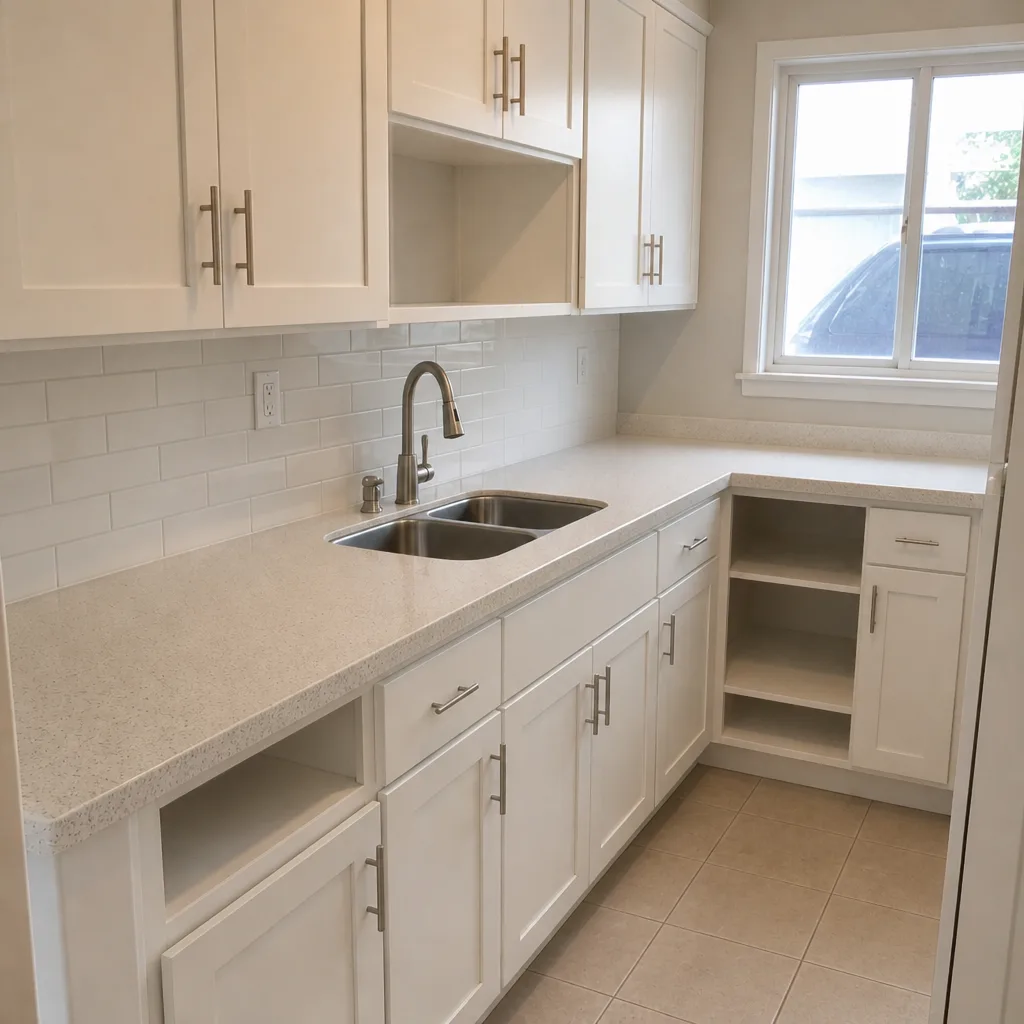
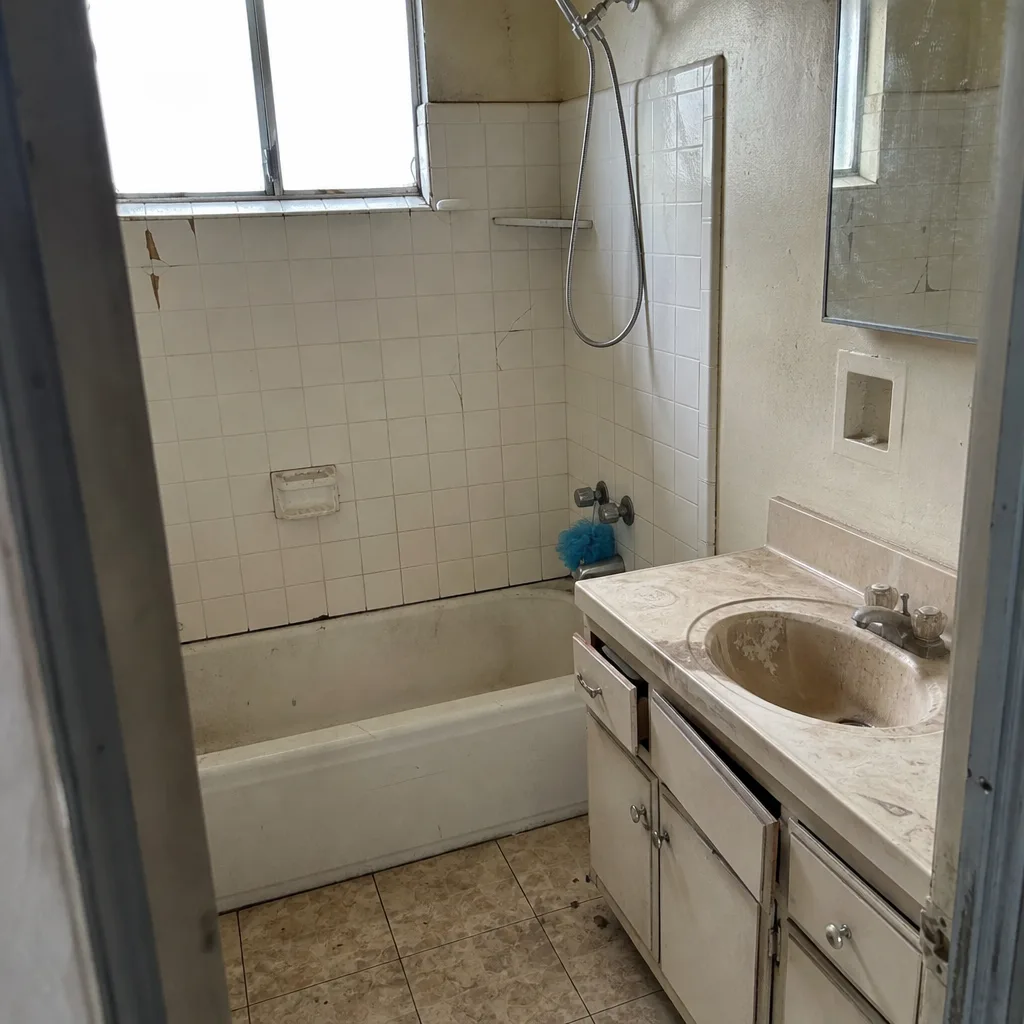
See the difference
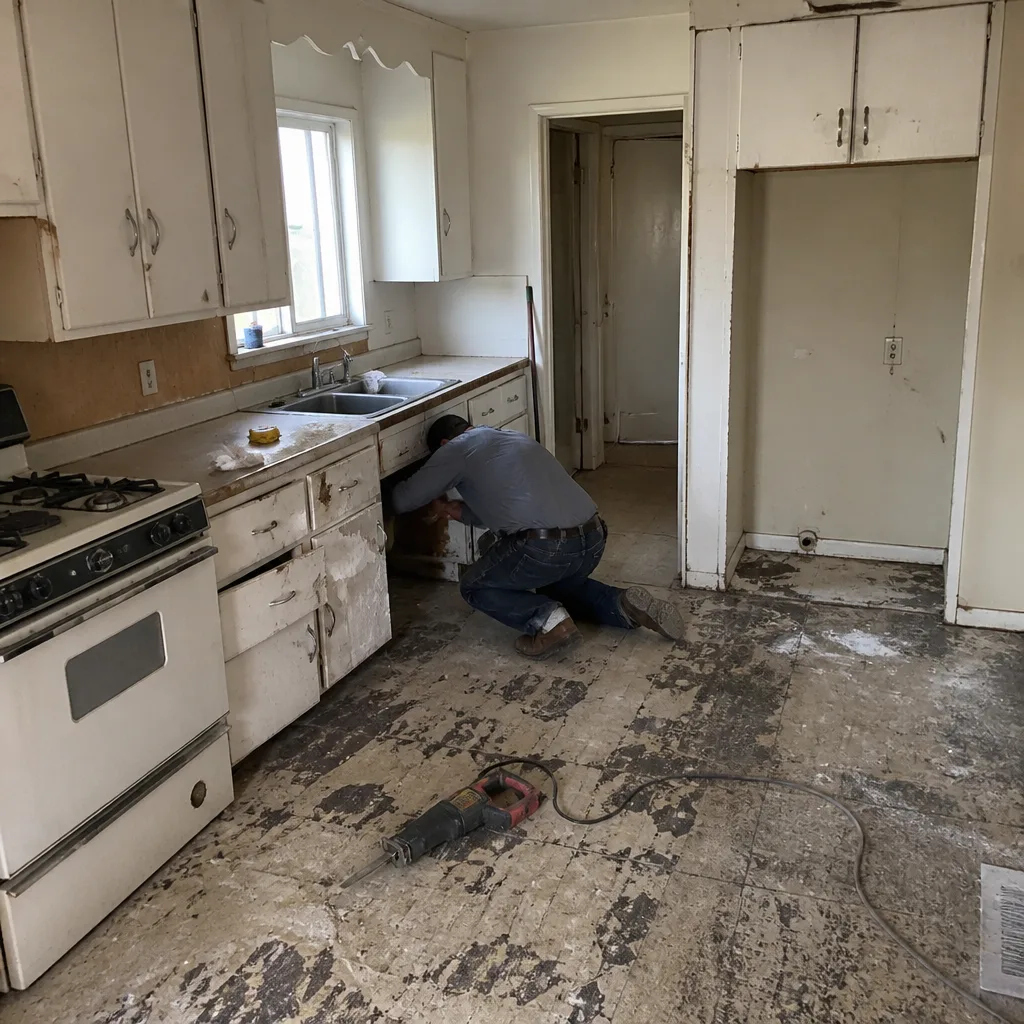 Before
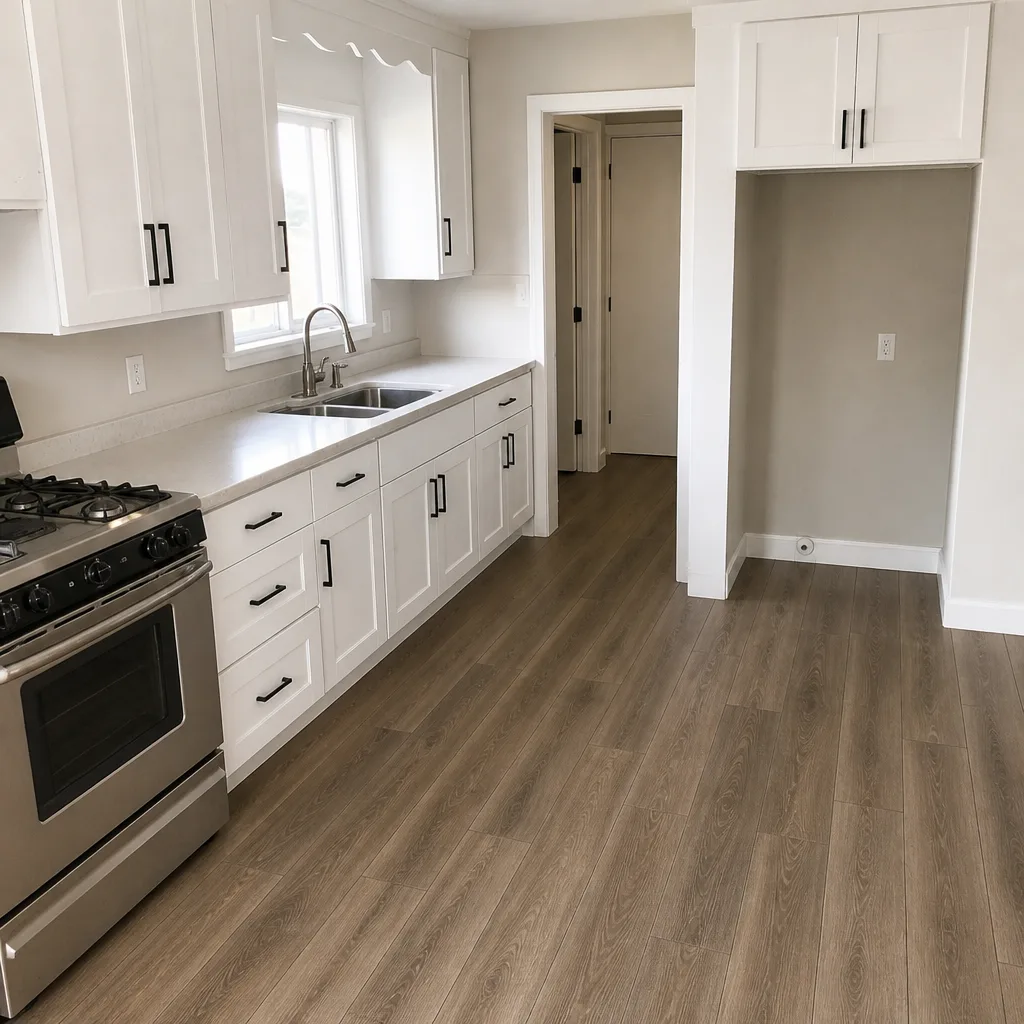 After
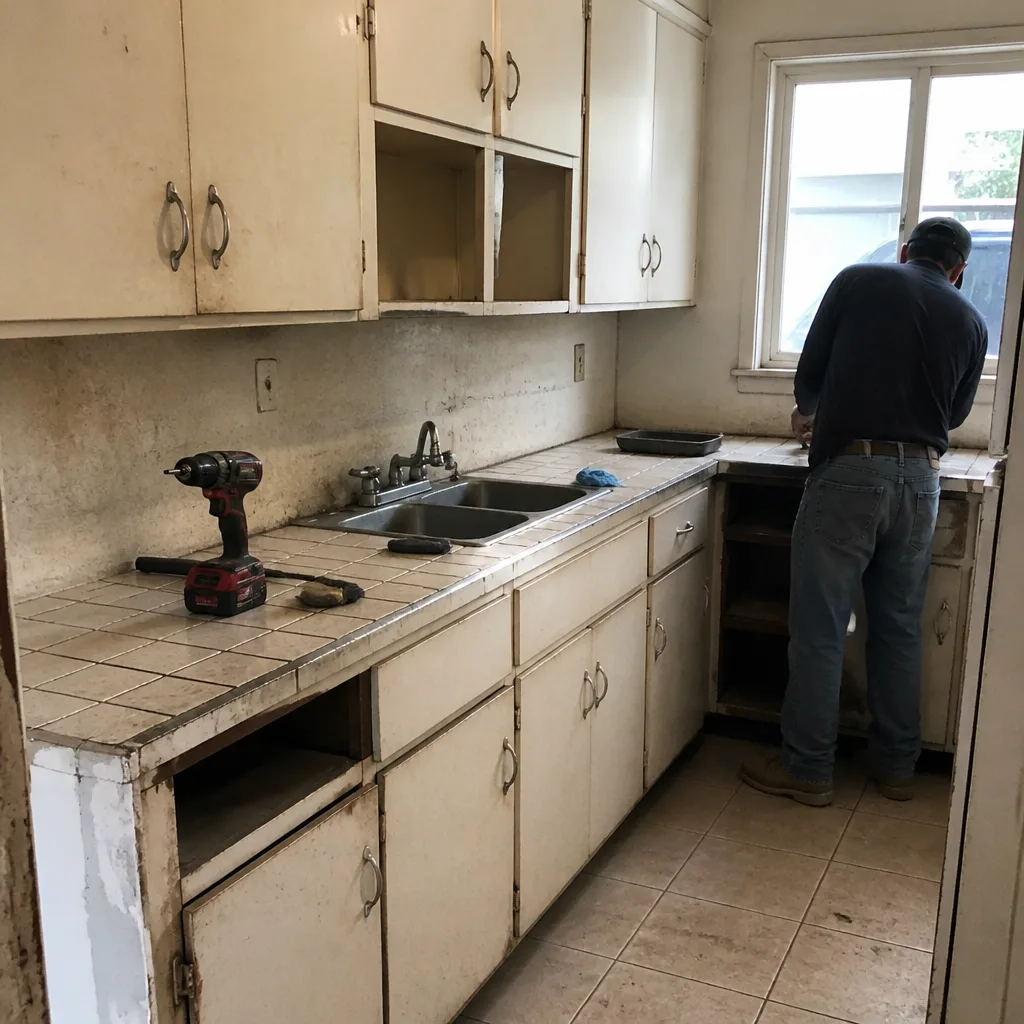 Before
 After
 Before
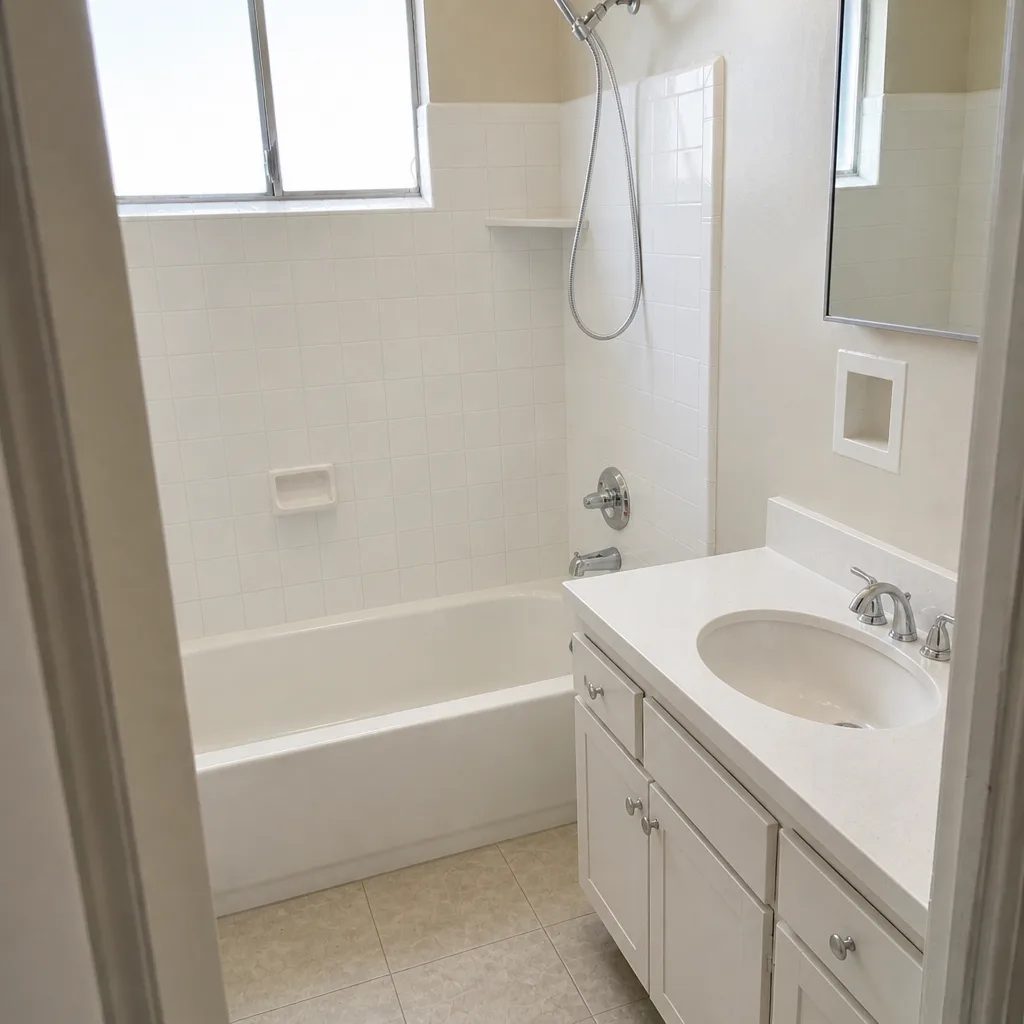 After
What Monrovia Homes Specifically Do to This Job
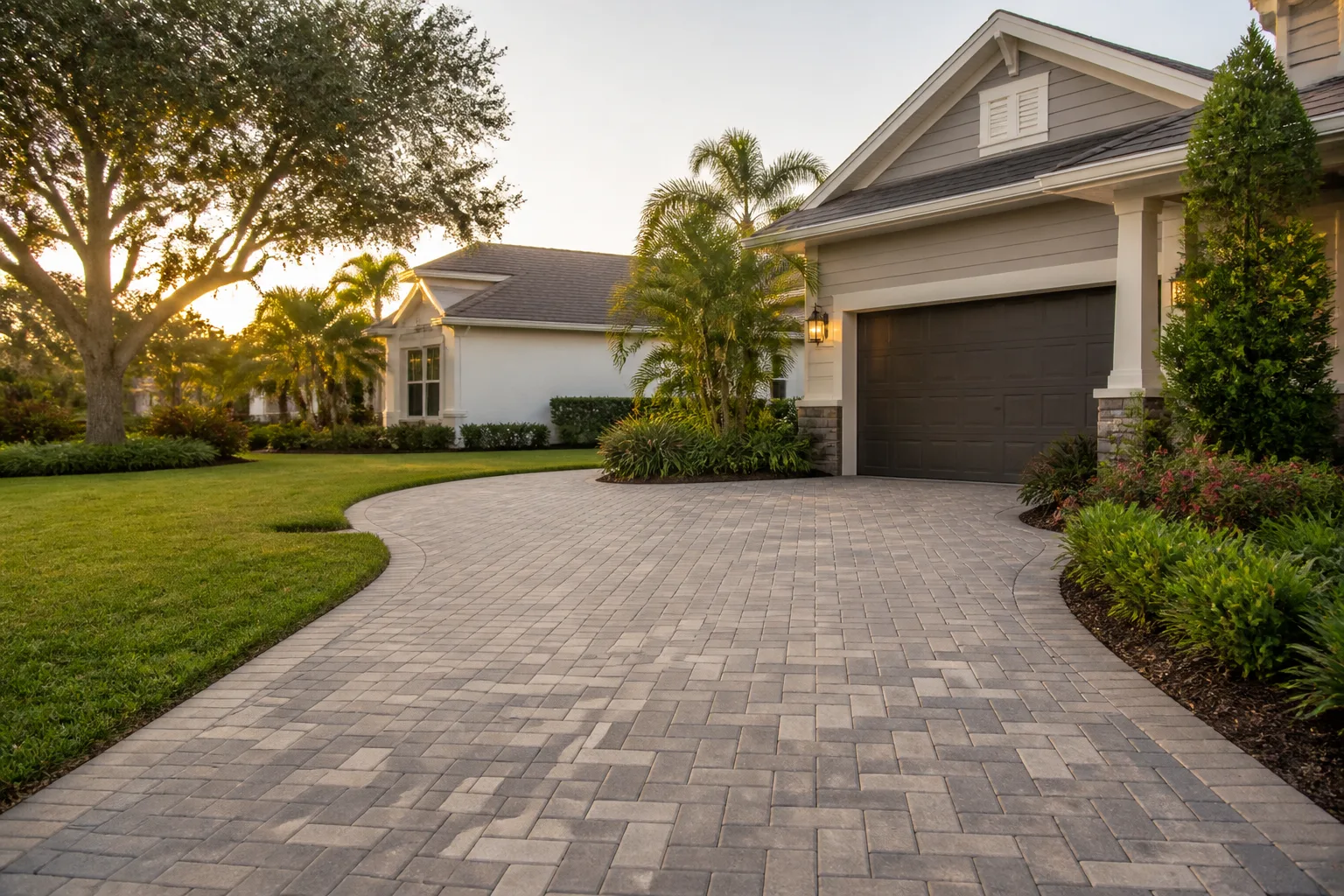
Monrovia splits into two very different concrete jobs. Down on the flat grid near Old Town and Myrtle Avenue in 91016, you’re working around 1920s Craftsman and Spanish Colonial bungalows sitting on decades-old clay and expansive soils. Those slabs heave, settle and crack in predictable patterns, and underslab work often means addressing the subgrade, not just pouring over it. Up the hill toward Monrovia Canyon and Sawpit, the story flips: driveways climb at grades that need serious drainage design, and slopes above the ‘L’ street line sit in the debris-flow and wildfire interface zone at the base of the Angeles National Forest. After a hard atmospheric-river winter, we regularly see hillside retaining walls and drainage channels that need rebuild or reinforcement before a driveway pour makes any sense. Add the historic-preservation and design-review constraints that apply in the Old Town core, and a same-size driveway job here can take a different permitting path than one in Duarte. When the driveway is part of a larger project, it fits neatly into a full Driveway & Pavers in Monrovia scope, and it’s the kind of site work that pairs naturally with a Garage Conversion ADU in Monrovia or a New Detached ADU in Monrovia next to it. If you want the broader picture of what we do across the property, see our Driveway & Pavers service, and for the full picture of the areas we cover, visit our Monrovia service-area page.
Serving Monrovia, CA – Our Local Coverage Area
We serve Monrovia and nearby communities. Use the map below to see the area we cover. If you’re nearby, we can almost certainly help.
Frequently Asked – Concrete Driveways & Concrete Work in Monrovia
A typical residential concrete driveway in Monrovia takes 3 to 5 working days from demolition to finished pour, then 7 days of curing before you drive on it. Sloped or hillside sites with drainage work can stretch to 7 to 10 days. Call (888) 271-7872 for a timeline tied to your specific property.
Yes, a new driveway or a replacement that changes the curb cut, apron, or grade usually requires a permit through the City of Monrovia, and hillside properties can trigger additional review. We handle the permitting and inspections as part of the job. Call (888) 271-7872 to walk through what your property needs.
No, the line-item price on your written estimate is the price you pay on the scope we agreed to. The only change orders would come from something you add or from site conditions nobody could see until demolition. Call (888) 271-7872 for an upfront estimate with no surprises.
Sometimes yes, if the existing slab is sound and the finished height doesn’t create a step at the garage or street. Most of the time, though, pouring over an old driveway hides the problem rather than fixing it. We’ll tell you honestly which case you’re in during the site walk. Call (888) 271-7872 to book one.
Every project we do is covered by the 730-Day Done Right Promise: if it’s not done right, we make it right. That’s one of the longest workmanship guarantees in the residential construction space. Call (888) 271-7872 for the written details.
Get Your Concrete Driveway Estimate
We start with a free on-site estimate: we measure the driveway, check grade and drainage, and hand you a written line-item quote with the total and the timeline before you commit to anything. Calls are answered by a live person 24/7, and our technicians have up to 12 years of experience. Call (888) 271-7872 to schedule yours.
Written by the team at Groundwork Construction Co.