Last updated November 17, 2026



Free written scope consultation - allowances, timeline, and change-order rules on paper before a single trade is scheduled
Home Additions & ADU Warning Signs Every Homeowner Should Know
An ADU built on a slab that wasn’t properly compacted will look perfect for two to three years. Then the hairline cracks start. The door that used to close cleanly starts sticking. You call the contractor who built it and the number is disconnected. By then most workmanship warranties have run out, which means the only real protection a homeowner has is vigilance during construction, not after. That’s the uncomfortable truth about additions and accessory dwelling units: the contractors who do the worst work aren’t careless – they’re deliberate about hiding problems until they’re unreachable. This guide shows El Monte homeowners the warning signs to watch for during a project, at inspection milestones, and in the paperwork, before the damage surfaces.
Quick Answer
The biggest warning signs with an ADU or home addition contractor are: quoting before visiting the lot, refusing to name the electrician and plumber who’ll do the work, vague permit timelines, payment schedules that front-load more than a third of the contract, and crews who skip compaction or forming before pouring. In El Monte, where clay-heavy soils and older lots create foundation surprises, these signs matter even more. If a contractor shows any of them, slow down before you sign.
Styles & brands we work with
- Kitchen remodeling
- Bathroom remodeling
- Home additions & ADU
- Roofing
- Windows & doors
- Driveway & pavers
- Fence
Table of Contents
- Pre-Contract Red Flags Specific to ADU Projects
- What Proper Site Prep Looks Like (And How to Spot a Crew Cutting Corners)
- How to Verify Work at Key Inspection Milestones
- Warning Signs in the Financial Management of Your Project
- Post-Completion Signs an ADU Was Built to Pass Inspection, Not to Last
- The Exact Documentation to Gather (Before You Need It)
- How El Monte’s Lots and Codes Affect Your ADU
- Common Mistakes to Avoid
Pre-Contract Red Flags Specific to ADU Projects
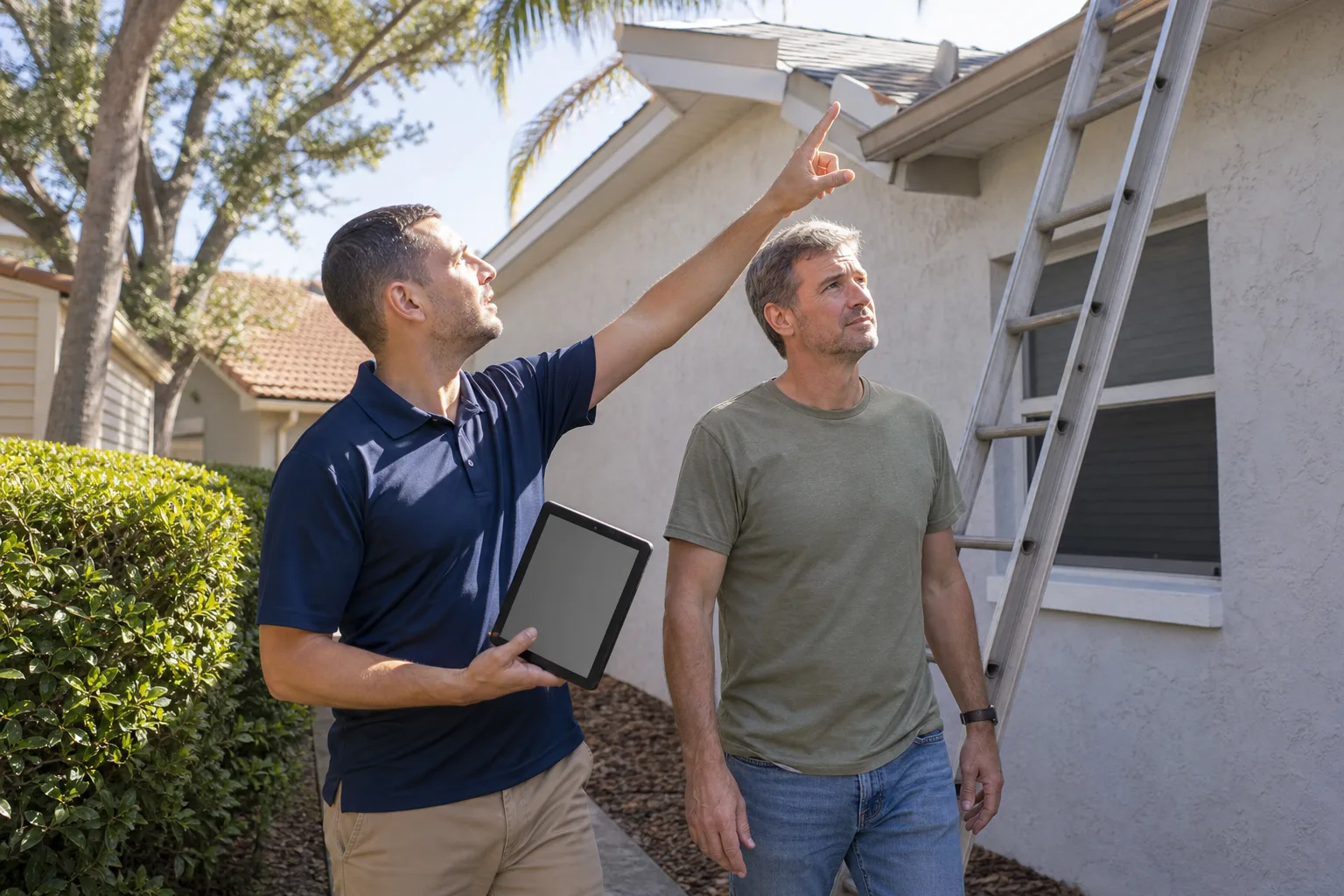
The most dangerous ADU contractors are polite, well-dressed, and quick to quote. Speed is the tell. A real addition or ADU build depends on soil conditions, setback rules, utility runs, and which trades will actually show up – none of which a contractor can know from a phone call. If someone hands you a number before they’ve walked the lot and read the title report, they’re guessing. Guesses get corrected later with change orders.
Here’s what a legitimate pre-contract conversation looks like:
- They visit the lot and look at the dirt. El Monte lots, especially in older neighborhoods like those near Valley Boulevard, often have fill soil, old tree root systems, or previous slab remnants. A contractor who doesn’t excavate a test hole or at least probe the grade is skipping a step that decides whether your foundation costs $18,000 or $45,000.
- They name the electrical and plumbing subs. A general contractor who can’t tell you which licensed electrician and which plumbing company will handle the rough-in is a middleman, not a builder. Ask for the subs’ license numbers and check them.
- They give you a permit timeline in writing. In El Monte, a residential ADU permit can take anywhere from six to sixteen weeks depending on plan check backlog and whether your lot is in a hillside or historical overlay. A contractor who says “two weeks, no problem” is either lying or has never pulled one here.
- They show a written scope with line items. Vague phrases like “foundation and framing” mean nothing. You want square footage, concrete PSI, rebar spacing, and window brands spelled out. If they name products, they should look like the ones we’d trust: Andersen for windows, James Hardie for siding, GAF for roofing. Those are brands with published specs and real warranties, which is exactly what you want behind a wall you’ll never open.
If a contractor quotes a number before they’ve seen the site, treat the bid as a placeholder, not a price. Ask them to visit the lot, and if they refuse, that’s your answer. For context on what a properly scoped addition looks like in this city, our Home Additions & ADU in El Monte page lays out the process from site visit to final inspection.
What Proper Site Prep Looks Like (And How to Spot a Crew Cutting Corners)
Site prep is where the invisible damage happens. A properly compacted foundation pad looks identical to a rushed one on the day it’s poured. The difference shows up two to three years later as slab cracking, door misalignment, drywall cracks radiating from corners, or a floor that feels hollow when you walk across it. El Monte’s soil profile makes this worse. Much of the city sits on clay-heavy soil that expands when wet and contracts when dry, and a slab that wasn’t compacted in lifts will move with the seasonal moisture.
Here’s what proper prep for an ADU or addition foundation includes, in order:
- Excavation to the correct depth. The plans specify a bottom-of-footing elevation. A crew that stops digging early and adds fill to make up the difference is building on loose ground.
- Compaction in lifts. Soil should be compacted in 6- to 8-inch layers, not dumped in a single 24-inch pile and hit once with a plate compactor. Ask what compaction method they use and how they document it. Some contractors perform a density test through a geotechnical engineer and provide the report. If yours doesn’t, ask why.
- Rebar placement checked before the pour. Rebar should sit on chairs, not on the ground, and be tied on a grid matching the structural drawings. Walk out with the superintendent before the concrete truck arrives and confirm the steel is where the plans say it is.
- Formwork that’s square and staked tight. Forms that bow or shift during the pour create out-of-baseline walls that every following trade has to work around.
- A pre-pour inspection sign-off. El Monte requires a foundation inspection before the concrete goes in. If your contractor is pushing to pour before the inspector has signed off, that’s a warning sign of a crew accustomed to skipping hold points.
You don’t need to supervise this yourself. What you need to do is ask for photographs of each stage – excavation, compaction, rebar, forms, pour – before the crew covers the work. A contractor who’s doing it right will already have them on their phone. One who can’t produce them is telling you something you need to hear.
How to Verify Work at Key Inspection Milestones
Here’s the part most homeowners get wrong: a passed inspection is not a quality guarantee. It means the work meets minimum code. That’s a floor, not a ceiling, and the distance between them is where future problems live.
Know what each inspection actually catches, and what it misses:
- Framing inspection. The inspector checks that studs are the right size and spacing, that headers match the plans, that shear walls have the correct nailing patterns, and that the structure ties to the foundation. What it doesn’t catch: whether the lumber was installed wet (it shrinks as it dries, causing nail pops and drywall cracks), whether insulation was compressed into a corner, or whether fire blocking was installed everywhere the code requires.
- Rough electrical. The inspector confirms wire gauge, box fill, and grounding at the panel. It won’t tell you whether the electrician used the right number of dedicated circuits for a kitchenette and laundry, or whether they left enough slack for future service. Ask for the panel schedule in writing, not a photo of a scribbled label.
- Rough plumbing. Inspector tests the drain, waste, and vent system for slope and venting. What it misses: whether the water lines are properly insulated against El Monte’s summer attic heat, and whether shutoff valves were installed for each fixture (a small cost long forgotten when a supply line leaks).
- Final inspection. Confirms everything is functional and safety-compliant. It will not test whether the rain screen behind the siding was installed, whether the window flashing was taped correctly, or whether the stucco has a proper weep screed. Those are the details that determine whether you’ll be tearing into a wall in year five.
Attend each inspection yourself if you can, and bring a phone to take photos. Ask the inspector or your contractor what the inspection found and whether anything was corrected. If your contractor is cagey about the inspection results, that’s an ADU warning sign about the contractor’s management, not the inspector’s.
Warning Signs in the Financial Management of Your Project
Money is how bad contractors hide bad work. A build that starts to fail financially is the one that starts to fail physically, because the crew starts cutting corners to make up for cash-flow problems.
Watch for these:
- A payment schedule that asks for more than 30 percent up front. A deposit for materials and mobilization is reasonable. A contractor asking for 50 percent before day one is using today’s project to fund last month’s payroll. Walk.
- No lien waivers from subs and suppliers. When you pay a general contractor, ask for conditional lien waivers from their subs. Without them, an unpaid electrician or lumber yard can place a mechanic’s lien on your property even though you paid in full.
- Missing material receipts. Any contract that doesn’t include a line-item material schedule should include receipts for major purchases. If your contractor can’t show what was spent on windows, roofing, or cabinets, your budget is being managed by the seat of someone’s pants.
- Change orders without itemized breakdowns. A change order should list what changed, why, what the cost is, and how it affects the schedule. A lump-sum change order of “$12,000 for unforeseen foundation” is a red flag if your original contract had no contingency line.
- Requests to pay subs directly. If a contractor asks you to write checks to their subcontractors, they’re having cash-flow problems. Your contract is with the general contractor, not the plumber.
In El Monte, where a permitted 600-square-foot ADU typically runs $180,000 to $260,000 in total project cost depending on finishes, these details are the difference between a project that ends with a certificate of occupancy and one that ends in court.
Post-Completion Signs an ADU Was Built to Pass Inspection, Not to Last
Some ADUs are built to the letter of the code and nothing more. Walk into the unit six months after the C of O and you’ll find the cracks.
Signs to look for:
- Hairline drywall cracks radiating from corners of doorways and windows. This is differential movement – usually structural, sometimes thermal, but rarely normal in a building under two years old.
- Doors that won’t latch seasonally. In El Monte, this often points to slab movement, not humidity. A properly placed slab on compacted soil doesn’t do this.
- Stucco cracks along corners or at the top of window openings. Almost always a sign that the weep screed or the wire lath was installed wrong.
- Musty smell in the bathroom or closet, especially in summer. The exhaust fan may vent into the attic. That’s a common shortcut and a real problem.
- Water staining at the base of walls after a big rain. Almost certainly a flashing or weep screed issue that won’t get better.
- Hollow-sounding floor tiles. Thinset coverage can be spotty on rushed installs. A quick tap test across the floor will find the loose ones.
If you spot any of these in year one, notify your contractor in writing immediately and demand a site visit. If they stonewall you, this is where a real guarantee matters. Our 730-Day Done Right Promise exists precisely because we’ve seen what happens when a contractor’s warranty runs out before the symptoms show. Built to last, backed in writing means the contract outlasts the failure.
The Exact Documentation to Gather (Before You Need It)
If you ever have to pursue a warranty claim, a contractor complaint, or a legal claim, the documentation wins or loses the case. Gather it during construction, not after. It’s easier to ask on a Tuesday afternoon than in a courtroom.
Here’s the list. Save it all in one folder, digital and physical:
- The signed contract, all addenda, and every change order. Including the ones you signed on your phone in the driveway.
- The full permit set and all inspection cards. Your city’s building department will have these on file, but keep your own copies.
- Photographs at every stage. Excavation, rebar, slab pour, framing, rough electrical, rough plumbing, insulation, drywall, and finishes. Date-stamp them.
- Material receipts and product spec sheets. Especially for windows, roofing, and waterproofing. Warranty claims often require the exact product number.
- All email and text correspondence with your contractor. Export it monthly to a backup.
- All inspection reports, pass or fail. Even the corrections that were fixed. Especially those.
- Lien waivers from every sub and supplier. Every payment, every month.
- The certificate of occupancy. The one piece of paper that proves the unit is legal.
If you’re working with a contractor who balks at providing any of this, treat it as a mid-project warning sign. A real contractor expects to be documented and won’t flinch when you ask. Homeowners in El Monte who’ve been burned before tell us the same thing: the paperwork feels tedious until it’s the only thing that saves you.
How El Monte’s Lots and Codes Affect Your ADU
El Monte isn’t a blank slate. The city’s housing stock is older, its lots are often shallow and irregular, and its ADU rules have evolved under state law while still shaping what’s feasible block by block.
Things that come up here that don’t in newer cities:
- Alley access. Many El Monte neighborhoods were built with rear alleys, which makes a rear-lot ADU with separate access realistic. Confirm the alley is a public right-of-way, not a private easement.
- Older utility infrastructure. Some properties have undersized service panels (a 100-amp service doesn’t support a full ADU). Confirm the panel capacity with a licensed electrician before you finalize the plan.
- Setback standards. State law caps how restrictive local setbacks can be for ADUs, but the rules still apply to the existing primary structure, and lot coverage limits can bite on small parcels. Pull a zoning summary before you design.
- Fire access. If your property is on a narrow street without adequate fire department turnaround, an ADU may need a sprinkler system, adding $8,000 to $15,000 to the budget.
- Historic overlay districts. Parts of El Monte near the downtown core have structures subject to preservation review. Confirm before choosing exterior finishes.
None of these are deal-breakers, but they’re the reason a contractor who’s never built in El Monte will underestimate your budget and your schedule. Also worth knowing: if your addition touches the side yard, fence installation in El Monte often needs to be sequenced around the new utility runs and drainage. Same for the Driveway & Pavers in El Monte – both trades need to be planned with the ADU, not after it.
Common Mistakes to Avoid
- Signing a contract before the site visit. A quote based on a phone call is a placeholder. Contractors who won’t walk the lot are guessing about soil, access, and utility runs. El Monte’s variable soil alone can swing foundation costs by $25,000.
- Choosing the low bid without comparing scope. When three bids come in at $185,000, $240,000, and $315,000, the low bid is usually missing something. Ask every bidder to itemize foundation, framing, electrical, plumbing, HVAC, and finish work separately so you can compare apples to apples.
- Paying for the whole project up front. A payment schedule tied to milestones (foundation, framing, drywall, final) is standard. Any schedule that puts 50 percent in the deposit is dangerous.
- Skipping a pre-construction soil test. Especially on lots near the Rio Hondo channel or in areas with older fill. A $1,500 geotechnical report can save you a $30,000 foundation disaster.
- Not verifying the contractor’s license and insurance. California’s CSLB website is free. Check the license, check the insurance certificate, and confirm the name matches the contract.
- Accepting “we’ll pull the permits later.” There is no later. Permits before work starts or the project is unpermitted, and unpermitted ADUs can’t be legally rented, financed, or sold as ADUs.
- Letting the contractor work without a written schedule. A real schedule, updated weekly, is a sign of a contractor who’s run projects before. No schedule, no accountability.
- Choosing brands the installer doesn’t know. A contractor working with Andersen, James Hardie, and GAF knows those systems’ installation requirements cold. A contractor who’s installing them for the first time will get the flashing details wrong, and you’ll find out in year three.
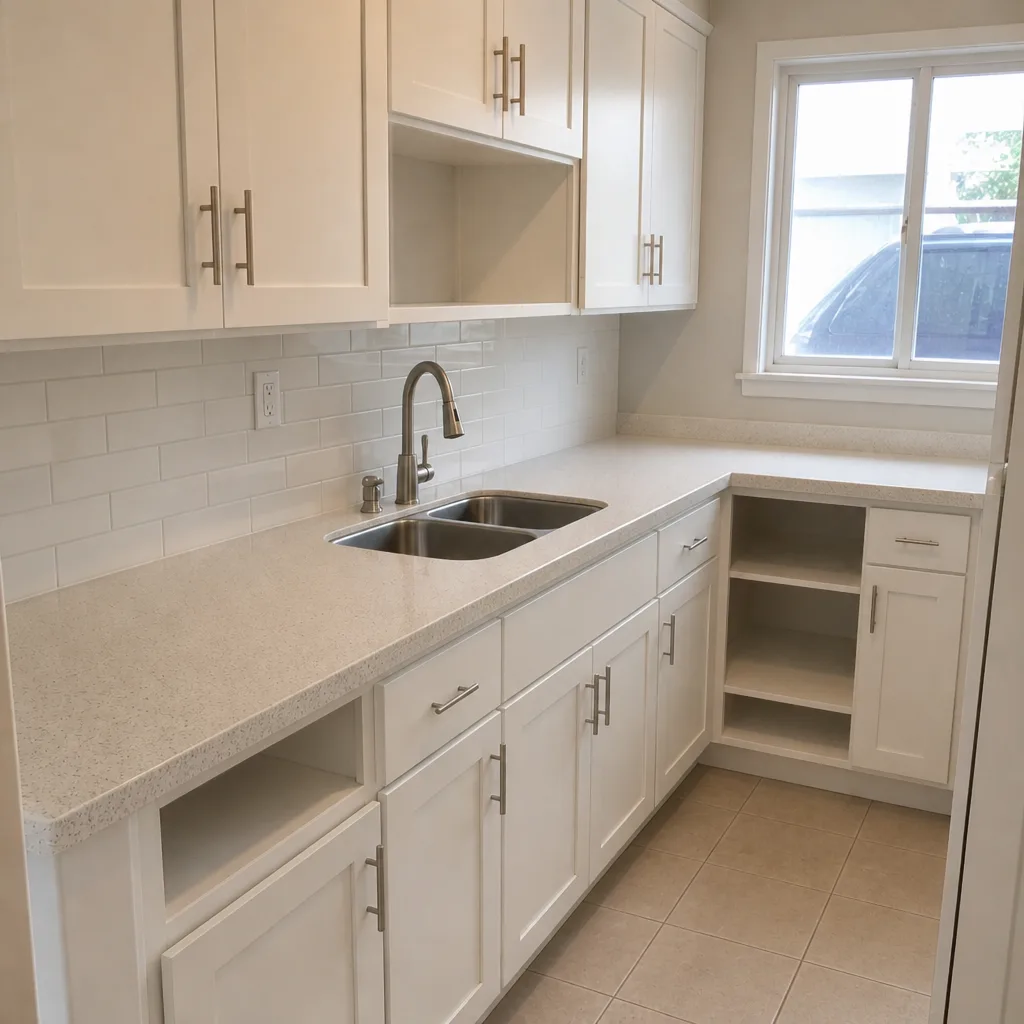
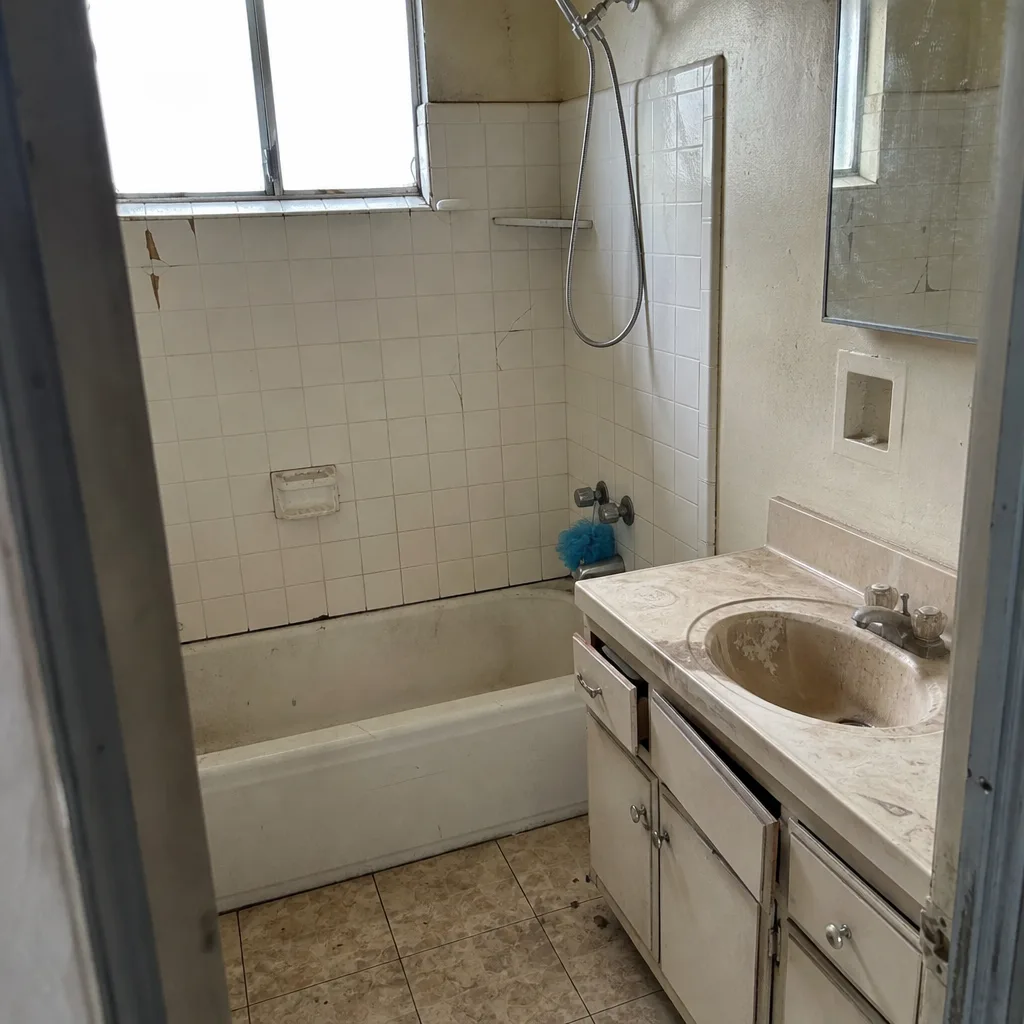
See the difference
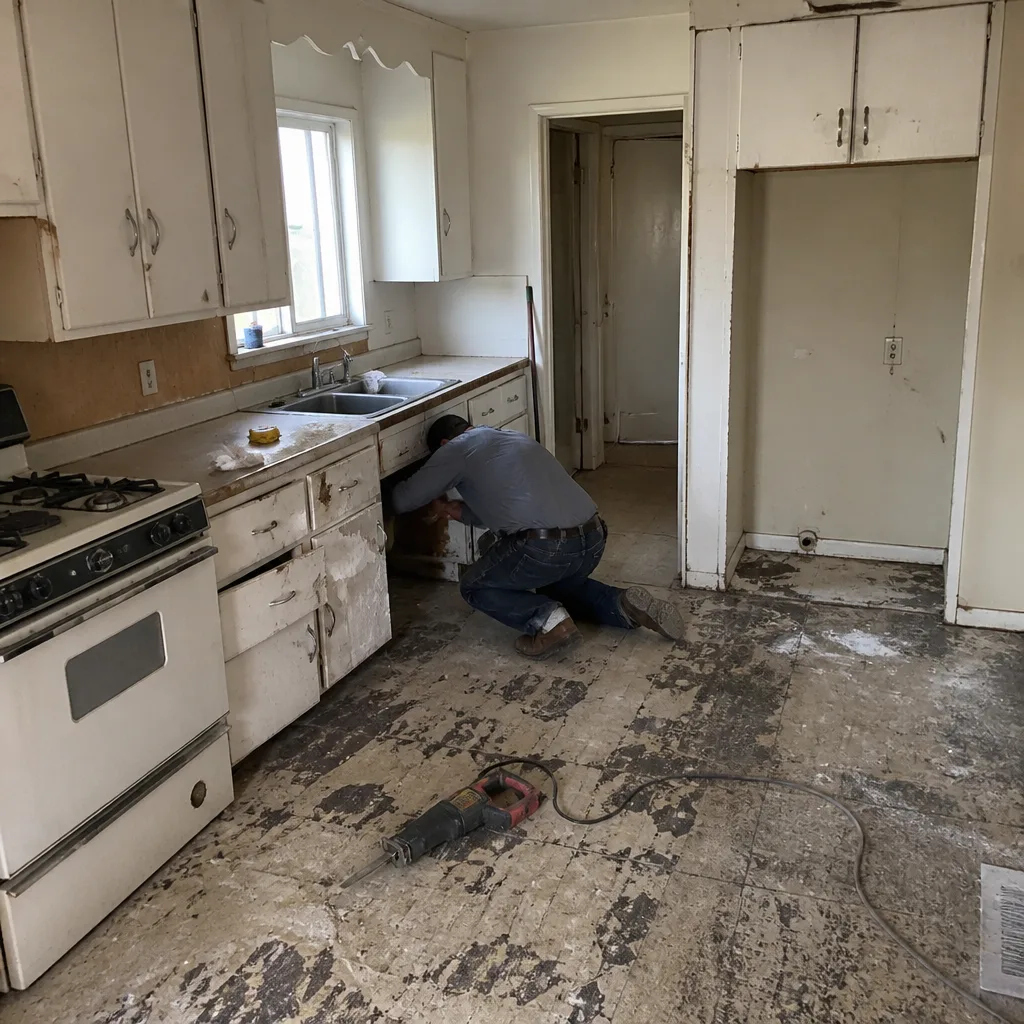 Before
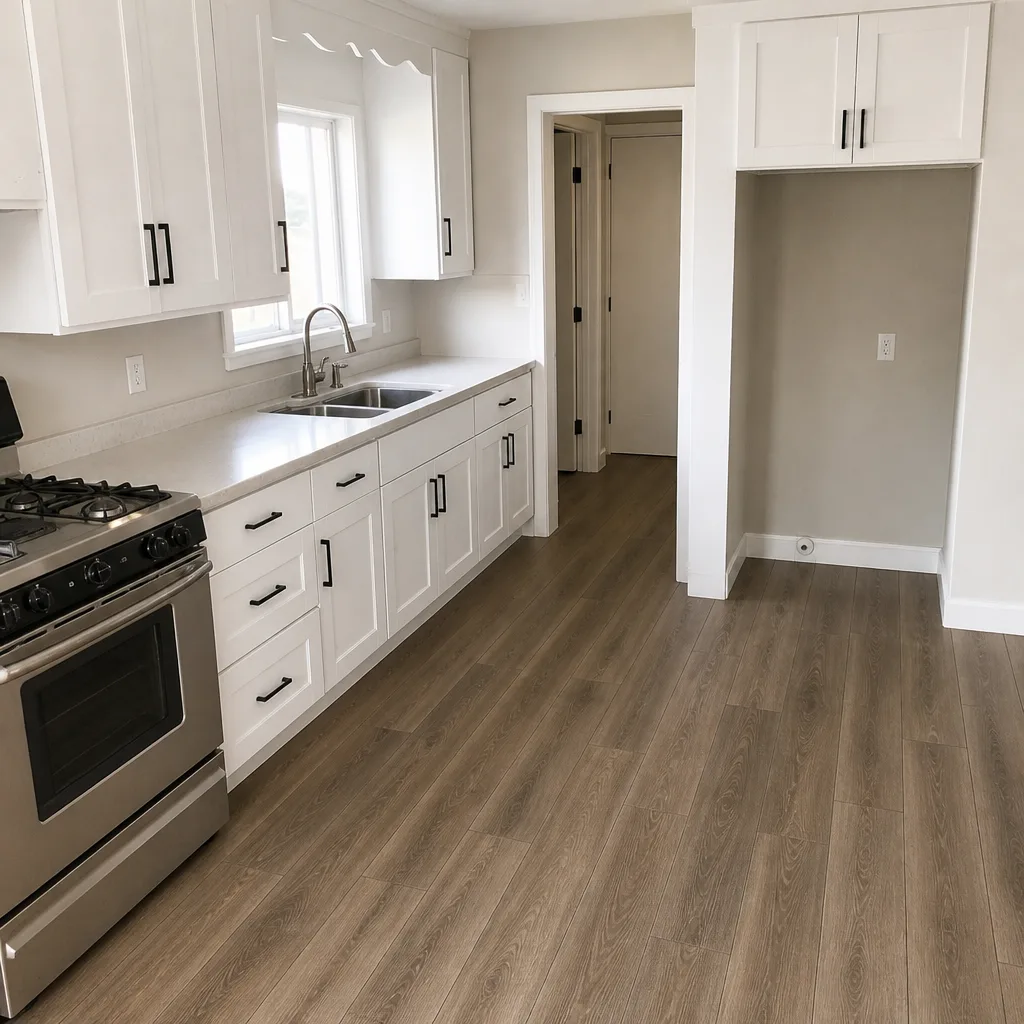 After
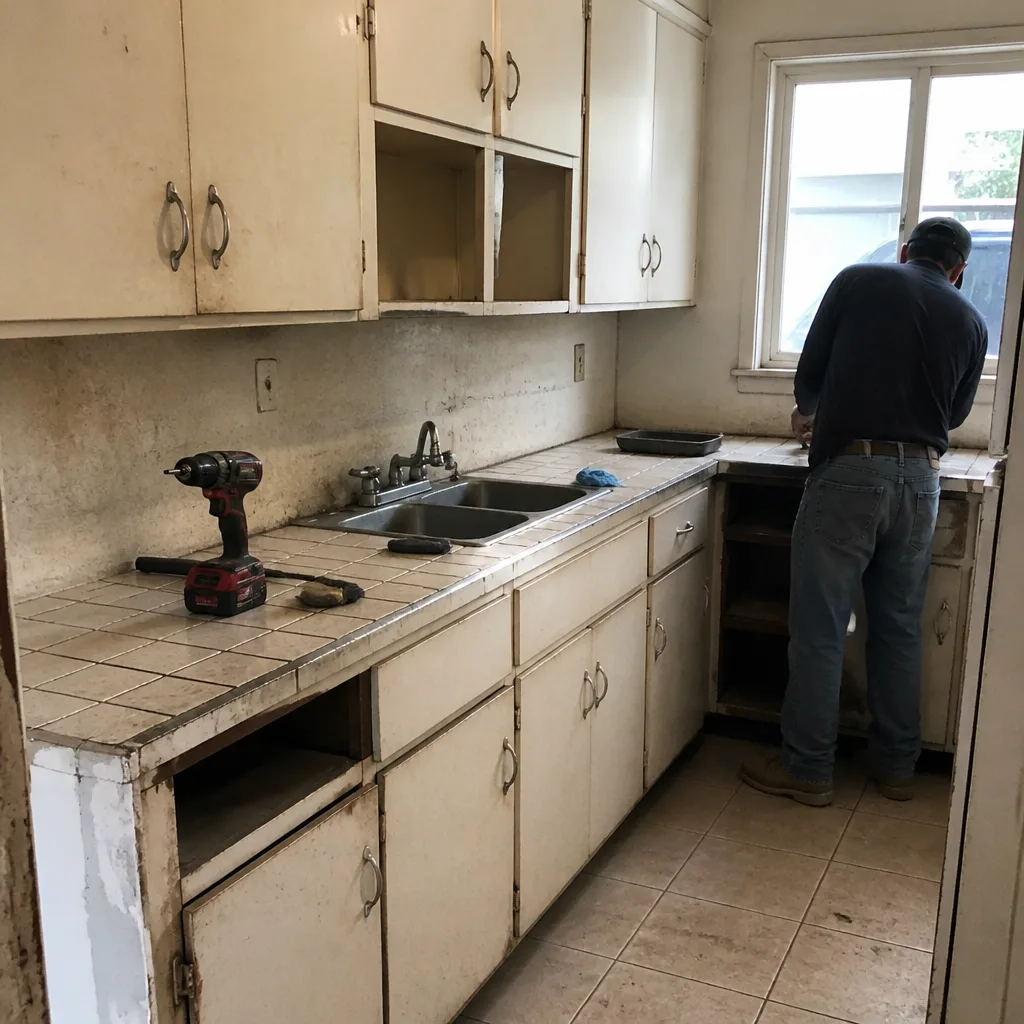 Before
 After
 Before
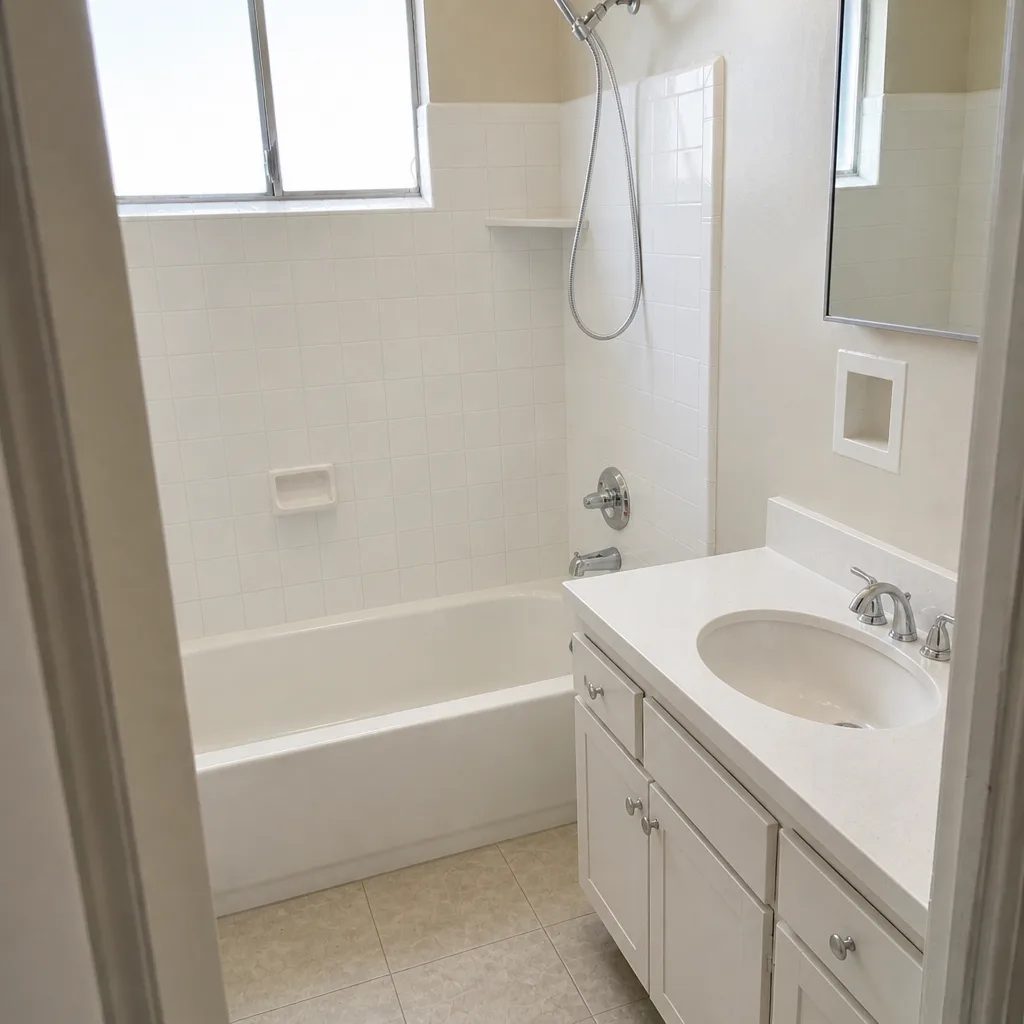 After
When to Call a Professional
If you’re considering an ADU or addition and the first contractor you talk to has any of the signs above, get a second opinion before you sign anything. Fast triggers for calling: a quote without a site visit, a payment schedule with more than 30 percent up front, a contractor who can’t name their subs, or a project already underway where the crew is skipping inspections or you haven’t seen a photo of the rebar since the excavator left. If an existing ADU is showing cracks, sticking doors, or bathroom moisture after year one, have it looked at before the issues spread. Groundwork Construction Co. of El Monte offers free estimates in El Monte – call (888) 271-7872.
Frequently Asked Questions
Quoting a price before visiting the lot. A real ADU quote depends on soil, setback, utility capacity, and access – none of which a contractor can know from a phone call. Any contractor who gives you a number before seeing the property is either guessing or planning to add change orders later. Call (888) 271-7872 for a free on-site estimate from us instead.
A permitted 600-square-foot ADU in El Monte typically runs $180,000 to $260,000 in total project cost, depending on foundation conditions, finishes, and utility upgrades. Garage conversions run $90,000 to $150,000. On lots with clay-heavy soil or an undersized electrical panel, budget $10,000 to $25,000 more than the base number. Call (888) 271-7872 – estimates are free.
It shouldn’t if the bid was properly scoped. Change orders are legitimate when they cover conditions a contractor couldn’t have known before digging – undiscovered footings, an undersized service panel, or unexpected soil. They’re a warning sign when they show up with no itemized breakdown and no photos. Ask for a written contingency line in the contract and photos of every issue that triggers a change order.
Your contractor should pull the permits. Residential ADU permits are the contractor’s responsibility under California law and the permit is issued to them, which keeps them on the hook for the work. If a contractor asks you to pull the permit in your own name, that’s a warning sign. They’re shifting the liability for their work onto you. Call (888) 271-7872 to talk through permit timelines in El Monte.
From design to certificate of occupancy, plan on nine to fourteen months. Permit review alone often takes six to sixteen weeks in El Monte depending on plan check backlog. Construction itself is typically five to seven months for a ground-up unit and three to four months for a garage conversion. Any contractor promising four months total is skipping steps.
Document everything and act fast. File a complaint with the CSLB, notify the contractor in writing, and request a site visit within a reasonable window. If the warranty claim is still live, the contract and inspection records decide the outcome. This is also why a long warranty matters – most workmanship problems surface two to three years out, which is past the coverage window on a standard one-year warranty. Our 730-Day Done Right Promise covers the window when the problems actually show.
The Bottom Line

An ADU that fails looks perfect on the day it’s finished. The failures come later – hairline cracks, sticking doors, musty bathrooms, hollow floor tiles – and by then most contractors are out of reach. Your real protection is what you do during the project: get a site visit before the quote, watch the compaction and rebar, attend inspections, keep the photos and lien waivers, and know what each inspection actually checks. Choose a contractor who expects to be documented, uses brands like Andersen and James Hardie with real warranties behind them, and stands behind the work for years, not months. That’s the difference between an addition and a problem. Explore our broader Groundwork Construction Co. of El Monte home for the full scope of what we build, plus Fence Installation in El Monte for the exterior work that often accompanies an addition.
Ready to build an ADU or addition in El Monte? Call (888) 271-7872 for a free estimate. Our team will visit the lot, walk you through soil and permit realities, and give you a written, line-item quote with no surprise change orders. Calls are answered by a live person 24/7, and every project comes with the 730-Day Done Right Promise. No-hassle upfront pricing and 0% financing for 18 months is available, plus $1,000 off projects over $10,000. From foundation to finish line, we build it to last and back it in writing.
Written by the team at Groundwork Construction Co. of El Monte.