Last updated November 17, 2026

Free written scope consultation - allowances, timeline, and change-order rules on paper before a single trade is scheduled
How Long Does Fence Installation Take? Timelines and What to Expect
Most homeowners are quoted “2 to 3 days” for a fence. That number is real, but it describes only the part where crews dig holes and hang panels. The full job, from signed contract to final walkthrough, routinely runs 3 to 6 weeks in El Monte, where permitting, HOA sign-off, utility locates and clay soil each add their own layer of delay. Contractors who quote only the build phase are telling you half the story. This guide breaks the project into four distinct phases, explains what actually controls the calendar in El Monte and the wider San Gabriel Valley, and gives you the questions to ask before you sign anything.
Quick Answer
A standard residential fence installation takes 1 to 3 days of actual on-site construction, but the complete project from contract to completion typically takes 3 to 6 weeks in El Monte once permits, HOA approval, utility marking and material lead times are counted. Wood and vinyl fences move fastest; block and wrought iron run longer because of curing time, welding and specialty fabrication schedules. The single biggest driver of an accurate timeline is how early you start the pre-installation paperwork.
Styles & brands we work with
- Kitchen remodeling
- Bathroom remodeling
- Home additions & ADU
- Roofing
- Windows & doors
- Driveway & pavers
- Fence
Table of Contents
- The Four Phases of a Fence Project (and Why Contractors Only Quote You One)
- Phase 1: Permits and HOA Approval in El Monte
- Phase 2: Utility Marking and the DigAlert Process
- Phase 3: Material Lead Times by Fence Type
- Phase 4: The Actual Installation Window
- Why San Gabriel Valley Soil Makes or Breaks Your Fence Timeline
- Weather Delays in El Monte: Which Months to Schedule Around
- How Material Choice Changes Realistic Installation Duration
- Red Flags That a Quoted Timeline Is Unrealistic
- Common Mistakes to Avoid
The Four Phases of a Fence Project (and Why Contractors Only Quote You One)
When we walk an El Monte property, we’re mapping four separate calendars that run in sequence and sometimes in parallel. They are permitting, utility marking, material procurement, and construction. A contractor who quotes “2 to 3 days” is quoting the fourth one and skipping the other three, which is why so many homeowners feel strung along when week three arrives and no one has broken ground.
Here’s how the phases stack up for a typical 100-foot wood fence in El Monte:
- Permitting and HOA: 1 to 3 weeks depending on whether your neighborhood has an HOA and whether the fence sits on a property line or faces a street.
- Utility marking: 2 to 3 business days after you submit a DigAlert request, longer if the locator needs to return for a second pass.
- Material lead times: 1 to 10 days for standard wood or vinyl, up to 4 to 6 weeks for custom wrought iron or welded steel panels.
- Installation: 1 to 3 days on site for most residential lots.
If you want a realistic start-to-finish projection, add the phases rather than taking the shortest number you hear. The pre-installation phase is where ground-level knowledge matters, and it’s also the phase where first-time buyers get burned. If your project also involves replacing a worn driveway alongside the new fence, our Driveway & Pavers in El Monte page covers how that work sequences against fence installs so both jobs share grading and utility locates.
Phase 1: Permits and HOA Approval in El Monte
El Monte requires a building permit for most fences over six feet in height, for masonry block walls of any size, and for fences on corner lots where sightlines matter. We’ve also seen stricter review for fences fronting a public street in the flats near Valley Boulevard, where the city checks setbacks and sight distances carefully.
Here’s what typically needs to happen, in order:
- Plot plan and property line verification: 1 to 3 days. You or your contractor pulls the lot’s parcel map and confirms the actual boundary, not the assumed one. Existing fences are often 6 to 12 inches off.
- Permit application: 1 to 5 business days. El Monte’s plan check is usually straightforward for standard wood and vinyl, but block walls trigger structural review, which adds time.
- HOA architectural committee review: 10 to 30 days in El Monte neighborhoods with active HOAs. This is the wildcard. Some committees meet monthly; miss the meeting and you lose a month.
- Neighbor notification where required: some lots require written acknowledgement when the fence sits on or near a shared property line.
If you live in a neighborhood with a record of neighbor disputes over fences, start the conversation with the adjacent owners early. We’ve watched a well-planned install stall for three weeks because an adjacent homeowner objected at the last minute, and none of that time shows up in a contractor’s “2 to 3 days” quote.
Phase 2: Utility Marking and the DigAlert Process
Before a shovel touches soil, every underground utility needs to be marked. In California, that starts with a DigAlert request, which is free and required by law for any excavation. In El Monte, this step usually takes 2 to 3 business days, but the calendar can stretch if the locator can’t get clear access or needs to return for a second pass with a different utility.
What happens behind the scenes:
- You or your contractor submit the ticket with the dig area mapped as precisely as possible. Vague tickets get flagged and delayed.
- Each utility (gas, electric, water, telecom, cable) sends a locator to mark their own lines independently. Some show up same-day, some don’t.
- Painted marks and flags stay live for a limited window before the ticket expires. If materials are delayed past the window, you start the ticket again.
- Private lines on your side of the meter (irrigation, landscape lighting, pool equipment, granny-flat subpanels) are NOT marked by DigAlert. You or your contractor have to find those manually.
This last point trips up a surprising number of El Monte homeowners with older lots. A 1960s ranch house in the northwest part of town can have irrigation, low-voltage garden lighting and an old pool feed all running under the fence line, and none of it shows up on utility marks. We budget a walk-through of the yard with the homeowner before we start digging for exactly this reason.
Phase 3: Material Lead Times by Fence Type
Material procurement is where the timeline either holds or blows out. Standard stock items move quickly. Custom fabrication moves at the speed of the shop, and right now some shops in the San Gabriel Valley are booked several weeks out.
- Standard wood (cedar, redwood, pine dog-ear): 1 to 5 days. In stock at most yards.
- Vinyl (SimTek, Bufftech, standard colors): 3 to 10 days. Custom colors add 2 to 3 weeks.
- Block/masonry: 2 to 5 days for standard CMU block, plus 5 to 10 days for mortar cure in the ground. Premium block like Belgard line styles can run 2 to 3 weeks.
- Wrought iron and aluminum ornamental: 3 to 6 weeks if fabricated to length and finish. Stock panels run 1 to 2 weeks.
- Composite (Trex, Fiberon fence lines): 1 to 3 weeks depending on color and style.
When materials are backordered, the risk isn’t just delay. It’s the temptation to substitute an inferior product to hit a deadline. We don’t do that, and you shouldn’t accept it. The materials should be confirmed in writing on the contract, and trust the schedule only once the yard has given a ship date.
Phase 4: The Actual Installation Window
This is the part everyone thinks about, and for a standard residential fence in El Monte it’s usually 1 to 3 days. A 100-foot wood fence in good soil with a clear line and no surprises is a one-day job for a competent crew. Vinyl fence of the same length runs 1 to 2 days. Block runs 2 to 4 days because of mortar cure between courses. Wrought iron runs 2 to 3 days once the panels are on site.
What can extend the installation window on the day:
- Hitting a utility or irrigation line: adds 1 to 3 hours for repair and re-route, sometimes a full day.
- Rocky or dense clay soil: augering through San Gabriel Valley’s expansive clay slows post holes, particularly in older El Monte lots that were graded with fill.
- Removing an existing fence: 3 to 8 hours depending on material. Block and deep-set posts take longer.
- Gate hardware: a single gate is included in most installs; multiple gates or heavy-duty driveway gates add half a day.
- Neighbor access issues: when the property line sits within a few feet of a structure, crews have to work from one side, which slows everything.
If you want the install to run clean, clear the work area the weekend before. Move planters, hoses, patio furniture and trash cans out of the way. A cleared site is often the difference between a 1-day and a 2-day job.
Why San Gabriel Valley Soil Makes or Breaks Your Fence Timeline
The San Gabriel Valley sits on a mix of expansive clay and older alluvial soils that behave very differently from what a homeowner might expect after watching fence-install videos shot in sandy Texas or the Pacific Northwest. El Monte sits squarely in this zone, and the local clay-heavy ground is the single most common cause of fence failure we see within the first two years.
What that means for the timeline:
- Post curing takes longer. Concrete needs 24 to 72 hours to set hard enough to resist the pressure of the surrounding clay swelling against it. Rushing this step is the fastest route to a leaning fence.
- Deep-set posts are non-negotiable. A typical 6-foot wood fence in El Monte wants 24 to 30 inches of post depth with concrete backfill. Shallower posts move in the first soil expansion cycle after a rain.
- Frost heave is not a factor, but shrink-swell is. The clay expands when wet and contracts when dry, and posts that aren’t deep enough or aren’t backfilled correctly will lean within a year.
- Fill soil requires additional prep. Lots developed in the 1950s and 1960s throughout El Monte often have shallow fill over native soil, and posts need to be set to native grade, not fill grade.
When a contractor quotes you a 2-day install and you’re on clay, ask exactly how deep they’re setting posts and how long they’re letting concrete cure. If the answer is vague, that’s your cue to find someone else. Our Fence Installation in El Monte service page walks through the deeper engineering if you want more detail on post specs.
Weather Delays in El Monte: Which Months to Schedule Around
“Weather delays” is vague language that hides real calendar risk. In El Monte, the practical answer is that the dry season gives you a wider scheduling window than the shoulder seasons, and the rainy window is shorter than most coastal cities but still consequential.
A rough guide by season:
- Late spring through early fall (roughly May through October): the cleanest window. Dry ground, longer daylight for crews, and post curing unaffected by rain. Book installations in this season for the highest probability of hitting your target date.
- Late fall through early spring (roughly November through April): the rainy window. Concrete pour and cure slow down. Clay soil holds moisture longer, which means posts can shift if the surrounding ground isn’t given time to settle before the fence panels go up.
- Santa Ana wind events: infrequent in El Monte but real, and they can cause 1 to 3 day delays on any day a crew can’t safely handle panels and posts.
- Extreme heat (100°F+): crews work slower and concrete cures faster, which sometimes means we add a wet-cure step to the post schedule.
The practical takeaway: if you want your fence in by summer, start the permitting process in February or March. That gives you time to clear permits and DigAlert without racing the calendar, and it puts installation into the driest, most predictable month.
How Material Choice Changes Realistic Installation Duration
Material choice is a cost conversation for most homeowners, but it’s also a timeline conversation, and the two don’t always move together. Here’s how the four main residential options stack up for El Monte installs, counting full project timeline from contract to final walkthrough:
- Wood: 1 to 4 weeks total, with 1 to 2 days of installation. Fastest overall option because materials are stocked locally and install is simple. Expect a shorter service life (10 to 15 years in San Gabriel Valley sun) but the fastest calendar.
- Vinyl: 2 to 5 weeks total, with 1 to 2 days of installation. Vinyl itself moves fast once ordered, but custom color runs add 2 to 3 weeks. Better long-term resistance to the local sun and moisture than bare wood.
- Block/masonry: 3 to 7 weeks total, with 2 to 4 days of installation. The timeline is driven by permit review (structural), material delivery, and mortar cure. Most durable option, and the one most El Monte homeowners choose for front-yard privacy walls.
- Wrought iron and aluminum ornamental: 3 to 8 weeks total, with 2 to 3 days of installation. Custom fabrication is the timeline driver. Best for view-through fences on sloped lots and for homes that want security without a solid wall.
There’s no universally “best” material, only the right match to your lot, your privacy needs, your HOA rules and your calendar. If you’re planning a larger yard project around the fence, like an ADU or detached garage that changes the fence line entirely, our Home Additions & ADU in El Monte page explains how fence work sequences against structural additions so you’re not installing a fence a second time.
Red Flags That a Quoted Timeline Is Unrealistic
You don’t need a construction background to spot a bad timeline. You just need to know what questions to ask and what answers should concern you. Here are the patterns we’ve seen in El Monte when a homeowner calls us after another contractor’s timeline went sideways:
- “2 to 3 days, guaranteed.” If the contractor doesn’t mention permits, HOA or DigAlert at all, the quote is either skipping required steps or assuming they’re already done. Both are red flags.
- No written material lead time. If the contract doesn’t name the material and the expected delivery window, you have no recourse when it slips.
- “We’ll pull the permit after we start.” This is a stop-work risk. El Monte inspectors can and do shut down unpermitted work, and restarting costs more time than getting the permit up front.
- No mention of post depth or concrete. On San Gabriel Valley clay, a crew that doesn’t talk about post depth is a crew that’s going to give you a leaning fence.
- “We don’t need DigAlert, it’s just a fence.” California law requires it. A contractor who skips it is putting you and their crew at risk of hitting a gas or electric line.
- One flat “start date” with no phase breakdown. A real timeline names the permit window, the locate window, the material delivery window and the install window separately.
- Big deposit before permit is filed. Standard practice is a modest mobilization deposit; large deposits before permitting starts are a warning sign.
Ask every bidder to put the four-phase timeline in writing. A contractor who can do this confidently is a contractor who has done it before in El Monte.
Common Mistakes to Avoid
- Starting the HOA approval late. In El Monte HOA neighborhoods, architectural committee meetings can be the single longest stretch of the entire project. Submit the application the same week you sign the contract, not after.
- Skipping the property line verification. Plenty of El Monte lots have fences that are 6 to 12 inches off the actual parcel line. Install a new fence on the wrong side of the line and you’re paying to tear it down, not just to build it.
- Assuming DigAlert covers private lines. It doesn’t. Irrigation, landscape lighting and any private electrical on the homeowner’s side of the meter has to be identified manually before excavation.
- Choosing materials by price alone. A cheap custom wrought iron order often runs 4 to 6 weeks from a shop with a slow queue. Stock vinyl in the same budget arrives in a week. Price and timeline move independently.
- Scheduling during the rainy window without a weather contingency. November through April in El Monte can add 1 to 2 weeks of delay per job if the ground gets saturated. Book in the dry season if timing matters.
- Letting a crew skip the post curing window. Rushing the concrete so the fence is finished in a single day saves 24 hours and costs the fence its structural integrity inside the first wet season.
- Not clearing the work area. A 2-day install can become a 3-day install if a crew spends the first morning moving furniture and planning around parked cars.
See the difference
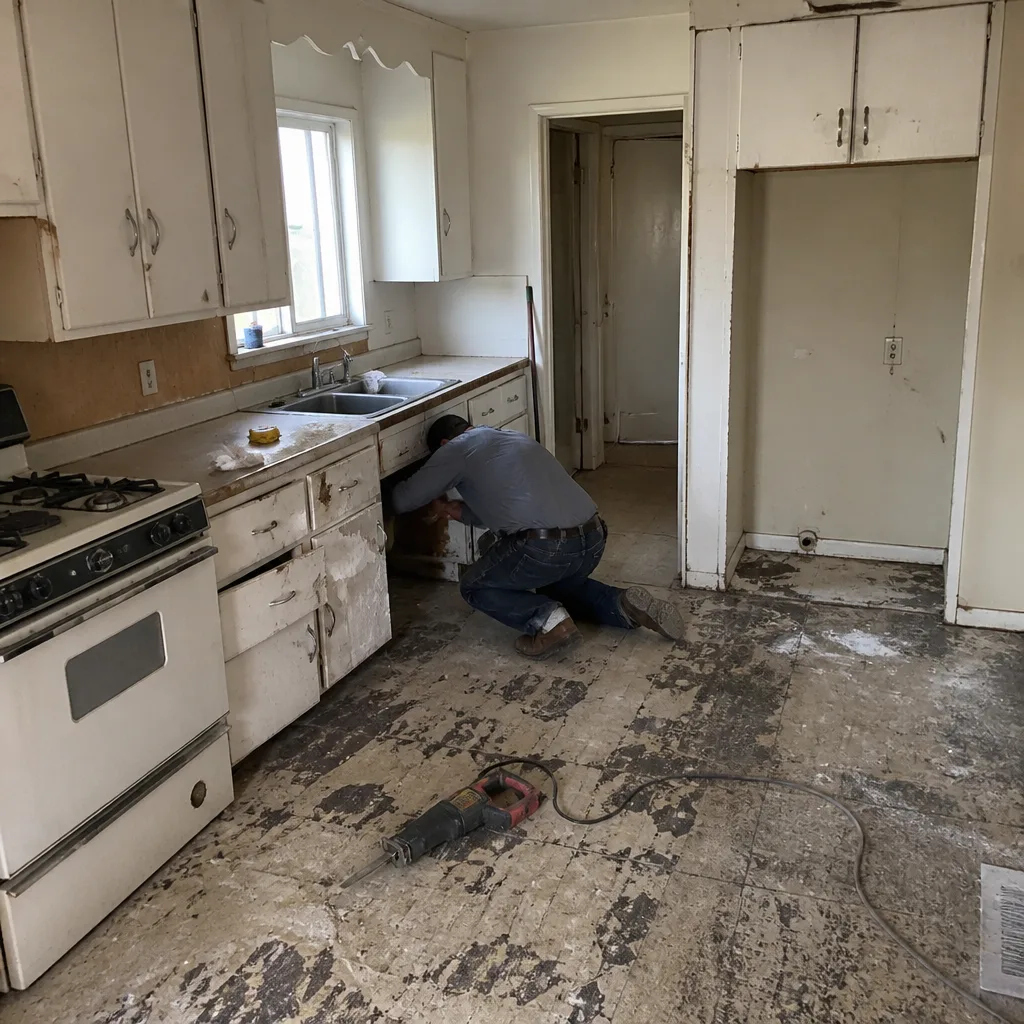 Before
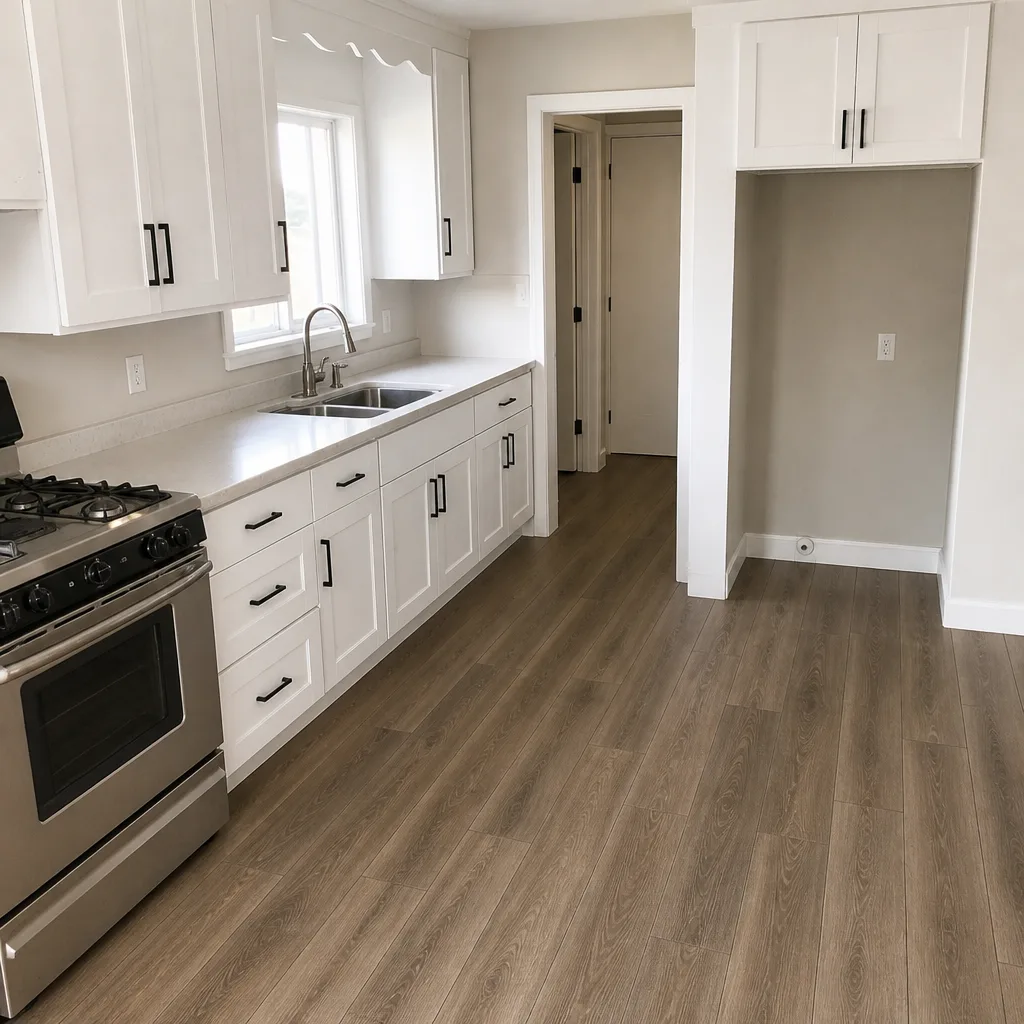 After
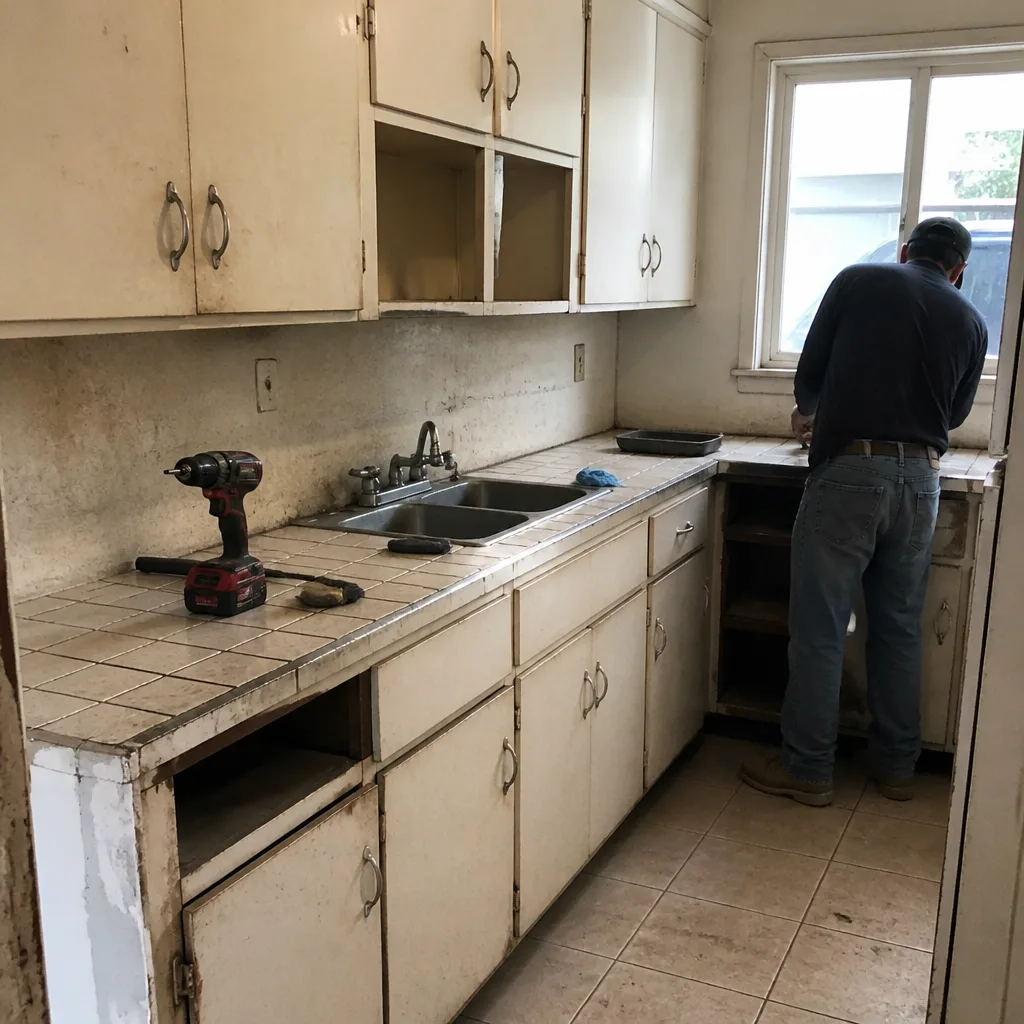 Before
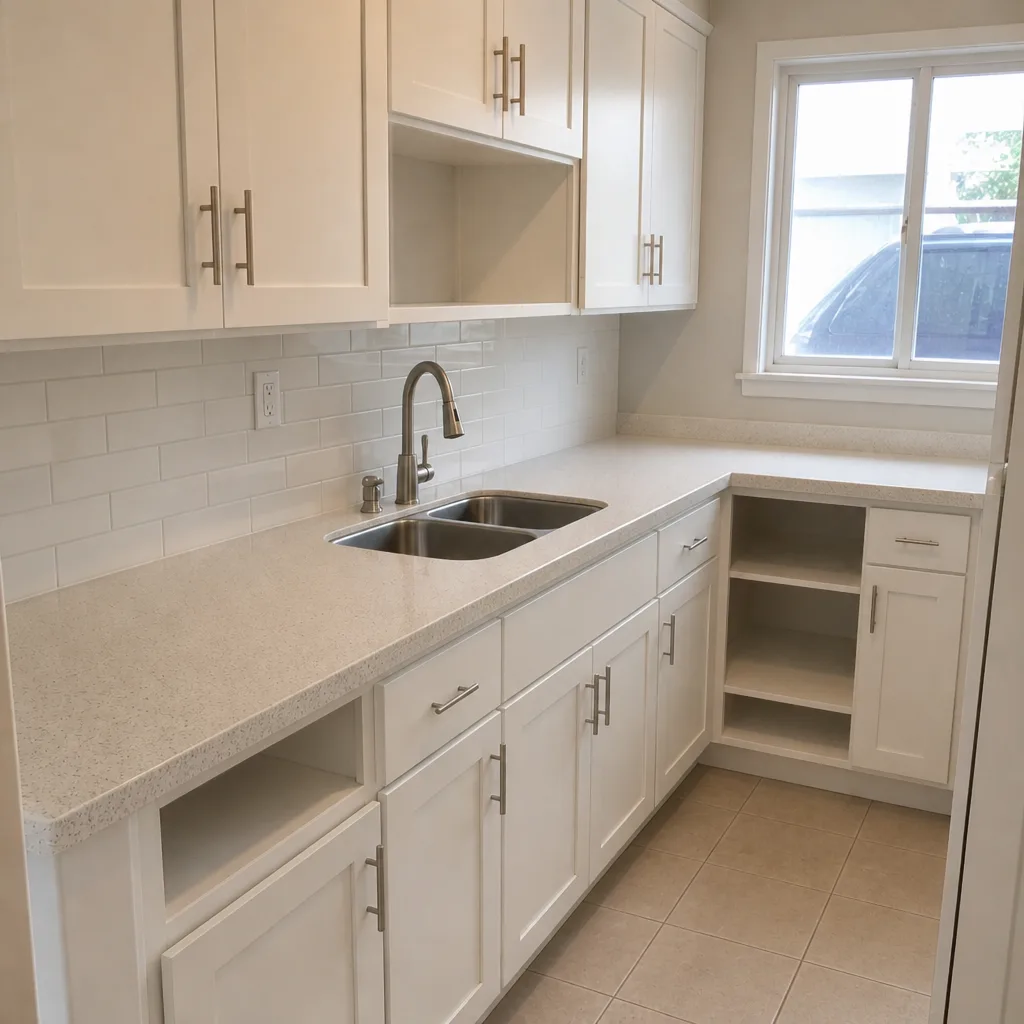 After
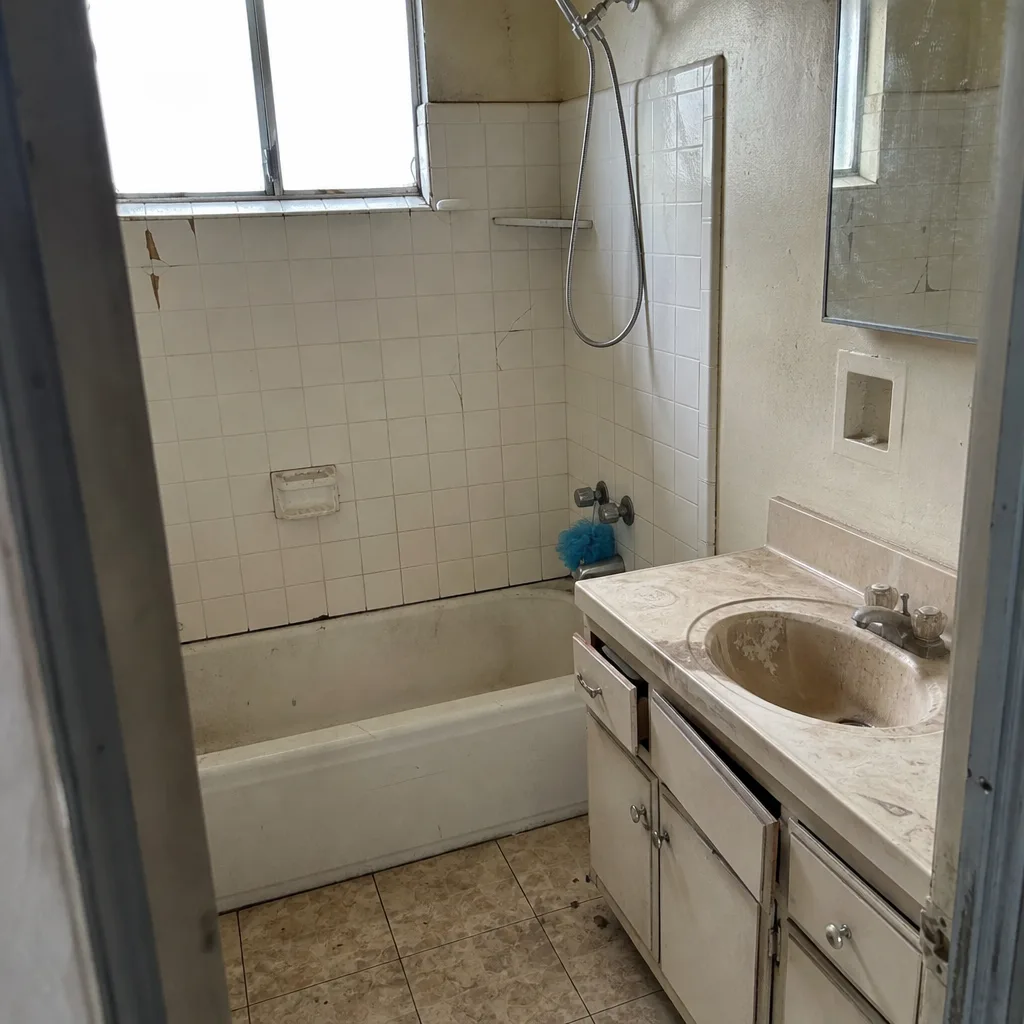 Before
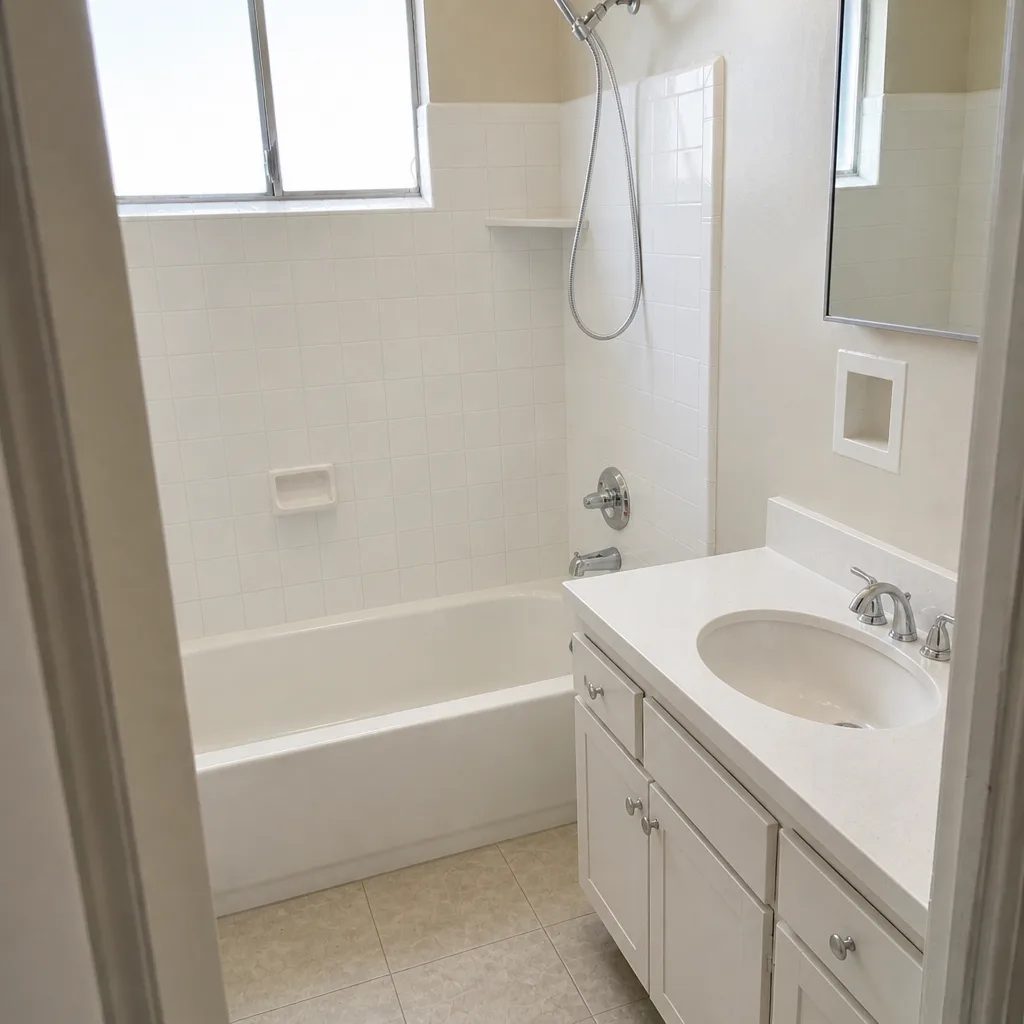 After
When to Call a Professional
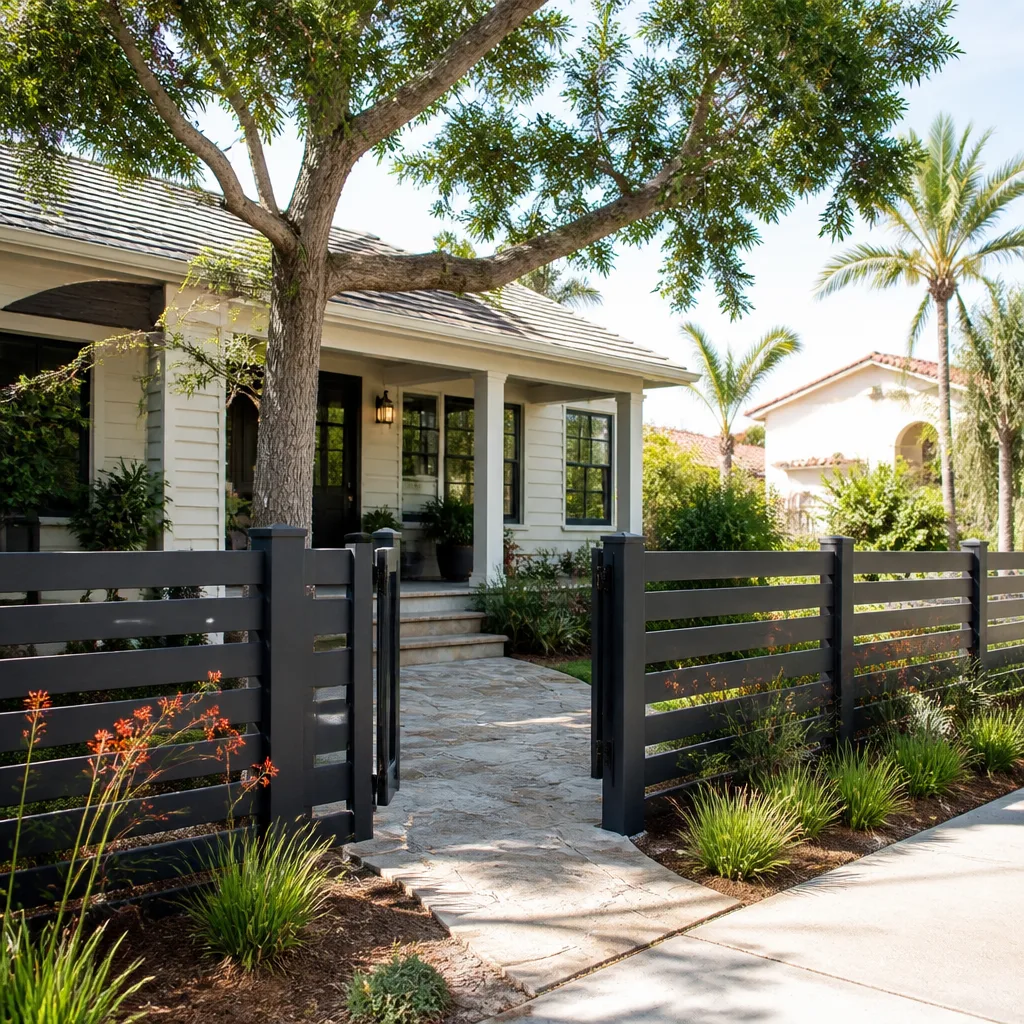
A fence looks like a DIY-friendly project until you’re 30 inches down in San Gabriel Valley clay with a gas line somewhere underfoot. If any of the following sounds familiar, it’s time to call a licensed contractor rather than push through solo: the fence is on a property line that needs verification, the fence sits near a utility easement, the lot has clay-heavy soil or fill, the fence exceeds 6 feet in height, an HOA has architectural rules, or the fence will be a block wall. Each of those adds either permitting, engineering or safety risk that hobbyist tools and YouTube tutorials don’t cover well.
Groundwork Construction Co. of El Monte offers free estimates in El Monte. We walk the lot, confirm the property line, map the utilities, and give you a four-phase written timeline with materials, permit window and install dates spelled out. Call (888) 271-7872 to schedule yours.
Frequently Asked Questions
Fence installation in El Monte typically takes 3 to 6 weeks from signed contract to final walkthrough, with 1 to 3 days of that being actual on-site installation. The rest is permitting, HOA approval where applicable, DigAlert utility marking and material lead time. Wood and vinyl run on the shorter end; block and custom wrought iron run on the longer end. Call (888) 271-7872 for an exact timeline based on your lot and material choice.
Yes, for most fences over six feet in height, for all masonry block walls, and for front-yard or corner-lot fences where sightlines matter. El Monte’s plan check is usually straightforward for standard wood and vinyl, adding 1 to 5 business days for review. Block walls trigger structural review, which adds time. Your contractor should pull the permit before any work begins, not after.
DigAlert is California’s free utility-locating service, and it’s required by law before any excavation. In El Monte it typically takes 2 to 3 business days from ticket submission to complete marking, sometimes longer if a locator needs to return for a second pass. Private lines on your side of the meter (irrigation, landscape lighting, pool equipment) are not covered by DigAlert and have to be identified separately. A contractor who says DigAlert isn’t needed is cutting a legally required corner.
Post lean is almost always caused by shallow post depth, rushed concrete curing, or a post set in fill soil rather than native grade, all of which the San Gabriel Valley’s expansive clay makes worse. The clay swells when wet and contracts when dry; a post set 18 inches deep in this soil moves within the first seasonal cycle, while a post set 24 to 30 inches with properly cured concrete holds. If a contractor doesn’t talk post depth and concrete scheduling at the bid, ask.
Late May through early October is the cleanest window in El Monte. Dry ground makes post curing predictable, longer daylight gives crews more working hours, and rain delay risk is minimal. If you want a fence in by summer, start the permitting process in February or March so the pre-installation phases don’t push you into the rainy window. November through April works, but budget extra days for weather.
A well-written contract should hold the price except for clearly defined change conditions: undocumented utilities found mid-excavation, rock that requires additional equipment, or property line adjustments that change the fence footprint. At Groundwork Construction Co. of El Monte, we work on no-hassle upfront pricing: the number you see is the number you pay, and any genuine change is priced and approved in writing before work continues. Every project is backed by the 730-Day Done Right Promise, so if it’s not done right, we make it right.
The Bottom Line

The fence itself doesn’t take long. The four phases leading up to it do, and they’re the phases that determine whether your El Monte fence project is a smooth 3-week run or a 6-week slog. Understand permitting, HOA approval, DigAlert and material lead times before you sign, verify post depth and curing schedule against San Gabriel Valley clay, and schedule installation in the dry season if timing matters. Every realistic timeline names all four phases in writing. Every unrealistic one just says “2 to 3 days.” If you want the detailed version for your lot, from Groundwork Construction Co. of El Monte home to Fence Installation in El Monte, call (888) 271-7872 for a free estimate. Live person, 24/7.
Written by the team at Groundwork Construction Co. of El Monte.