Last updated November 17, 2026





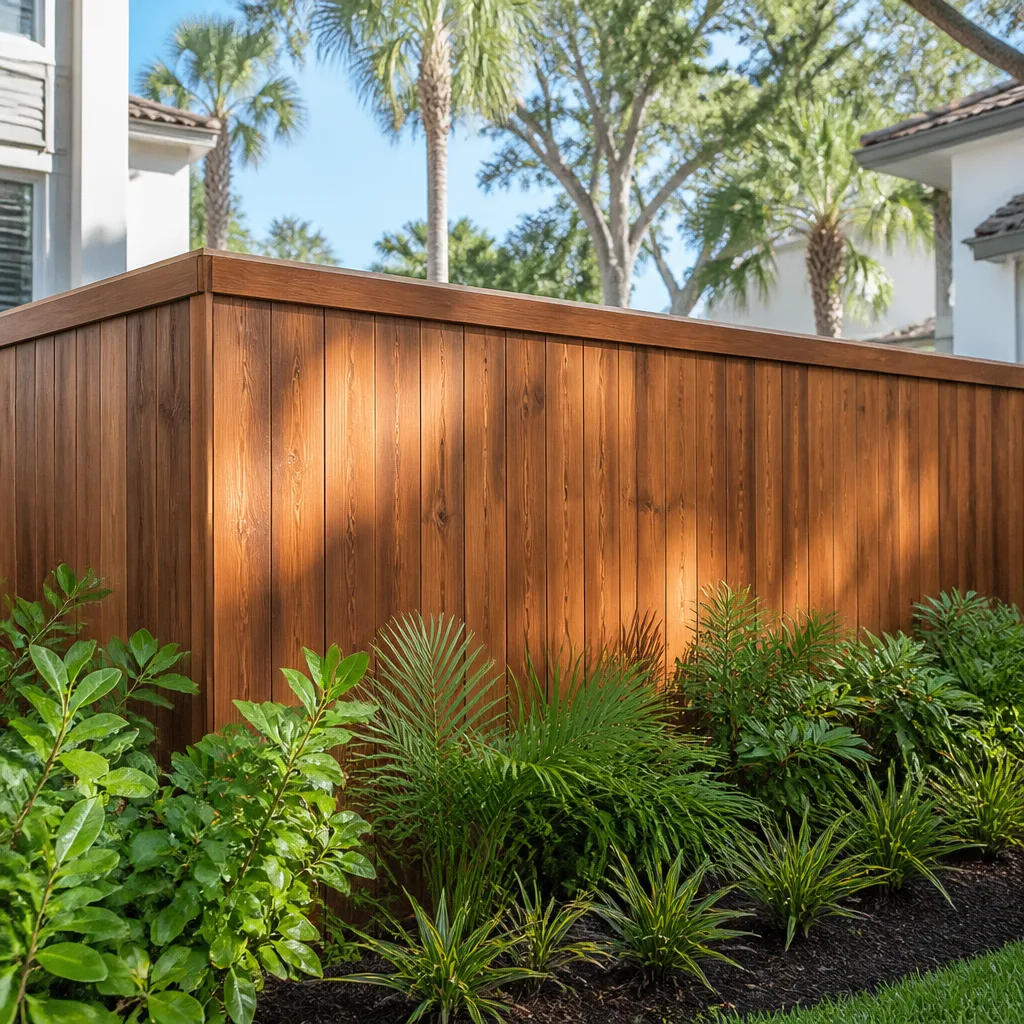
Free written scope consultation - allowances, timeline, and change-order rules on paper before a single trade is scheduled
Construction Emergency Preparedness Guide for El Monte Homes
When a retaining wall starts to lean, or a slab heaves after a heavy rain, the most expensive thing most El Monte homeowners do is wait and hope. Water is patient. So is a widening foundation crack. Neither sends a bill on the day it starts – both send it months later, when a $400 fix has become a $14,000 repair. This guide is built around a different idea: emergencies aren’t random. In El Monte’s climate and soil, the same five failures show up again and again, on a predictable seasonal rhythm. Learn to recognize them early, know what to do in the first 24 hours, and you’ll convert a crisis into a scheduled repair. That’s a construction decision, not just a safety one.
Quick Answer
The construction emergencies most common in El Monte homes are drainage overflow, slab heave, retaining wall movement, exterior caulk breach, and expanding foundation cracks – all driven by heavy winter rain and expansive clay soil. Preparation means knowing the warning signs, documenting damage with dated photos before any cleanup, calling a licensed contractor for structural issues, and limiting homeowner action to safe temporary measures like clearing drains and redirecting surface water.
Styles & brands we work with
- Kitchen remodeling
- Bathroom remodeling
- Home additions & ADU
- Roofing
- Windows & doors
- Driveway & pavers
- Fence
Table of Contents
- Why El Monte Construction Emergencies Cluster in Specific Seasons
- The Five Construction Failures Most Common in El Monte Homes
- Immediate Response Protocols: What to Do in the First 24 Hours
- How to Document Structural and Hardscape Damage for Insurance
- Safe Temporary Stabilization vs. What Makes Things Worse
- How to Vet a Contractor’s Emergency Response Capability
- How the 730-Day Done Right Promise Works as a Preparedness Asset
- Seasonal Preparedness Checklist for El Monte Homeowners
Why El Monte Construction Emergencies Cluster in Specific Seasons
El Monte sits in the San Gabriel Valley, where the soil runs heavy with expansive clay and the rainy season arrives in concentrated bursts between November and March. A single atmospheric river can drop several inches in a day onto ground that’s been baked dry for seven months. That ground doesn’t absorb water – it swells, shifts, and pushes. When it dries, it shrinks back. Repeat that cycle for a decade and you have the physical basis for most of the structural emergencies we get called about in El Monte.
The pattern is so consistent that in our experience, calls spike in three waves:
- Late fall (October – November): First significant rain exposes blocked or undersized drainage. Gutters, yard drains, and French drains that handled light drizzle fail under the first real storm.
- Mid-winter (December – February): Saturated soil triggers slab heave, retaining wall lean, and foundation crack expansion, often overnight.
- Early spring (March – April): Drying soil reveals the damage. This is when homeowners notice the crack, the displaced pavers, or the settled patio corner that wasn’t there in September.
The other factor unique to El Monte is older housing stock. Much of the city’s single-family housing was built in the mid-20th century, long before modern drainage standards. Driveways, patios, and walks poured decades ago often have no subsurface drainage at all – they rely on slope and soil absorption. When an El Monte home hits its 50th or 60th rainy season, the margin for error disappears.
The message is simple: treat El Monte’s rainy season the way other regions treat hurricane season. Plan before it starts. Inspect before the first storm. You’ll spend a fraction of what an emergency repair costs.
The Five Construction Failures Most Common in El Monte Homes
These are the calls we get most often. Each has a distinct warning sign and a distinct first response. Learn to recognize all five, and you’ll know exactly which professional to call – and how urgently.
1. Drainage Overflow
Most visible of the five, and the easiest to prevent. Symptoms include water pooling against the foundation for more than a few hours, gutters overflowing at the downspouts, and water sheeting across the driveway instead of running to the street. In El Monte, drainage failures usually trace back to one of three causes: an undersized yard drain, a clogged or crushed line under a driveway or paver field, or a downspout that dumps water within three feet of the foundation. First response: clear visible debris, check that gutters and downspouts flow, and direct water away from the house. If the drainage line itself is blocked or collapsed, that’s a professional job – don’t try to rod it out through a driveway.
2. Slab Heave
A slab heave is when the concrete slab pushes upward, usually at an edge or corner. It happens when water gets trapped under the slab and the surrounding clay swells. Symptoms in an El Monte home: a new hump in the garage floor, a door that suddenly won’t close, cracks running diagonally from a corner of the slab. Heave often appears overnight after a heavy storm. First response: don’t put weight on the affected slab and don’t try to grind or patch the hump – that’s cosmetic and hides a structural cause. Photograph the affected area with a straightedge or level for scale, and call a contractor to assess the water source under the slab.
3. Retaining Wall Movement
Retaining walls fail slowly, then all at once. Early signs: a lean you didn’t notice before, soil mounding at the base of the wall, drainage holes (“weep holes”) that stopped flowing. In El Monte, walls built without proper backfill drainage or without engineering on taller runs are the usual culprits. Retaining walls above roughly four feet of retained soil are treated as engineered structures under California building code, and many older walls in the city don’t meet that standard. First response: keep people and vehicles away from the top and base of the wall, don’t add soil to the high side to “level” it, and call a contractor the same day. A leaning retaining wall can fail suddenly, and the failure can push into your house.
4. Exterior Caulk Breach
The quiet one. Caulk joints around windows, doors, and at the base of stucco are the first line of defense against water intrusion, and in El Monte’s hot, dry summers, caulk cures and cracks faster than homeowners realize. A hairline breach lets in water that doesn’t reveal itself until interior paint bubbles months later. Symptoms: caulk that pulls away from the frame when you press it, water stains on interior drywall near a window, or visible daylight at a joint. First response: photograph the breach, note its location, and schedule a professional reseal. If water has already gotten inside, the interior work is now part of the repair.
5. Foundation Crack Expansion
Not all cracks are emergencies. Vertical cracks under a quarter-inch wide are common in older El Monte homes and often cosmetic. Horizontal cracks, stair-step cracks in brick or block, and any crack wider than a quarter-inch are the ones that matter. Symptoms that raise the alarm: a crack that’s wider at one end, a crack paired with a door or window that’s started sticking, or a crack that has grown since you last measured it. First response: measure the crack, mark the two ends with a pencil and date them, and photograph. If it’s grown within a week or the crack is horizontal, call a structural contractor before the next rain.
Immediate Response Protocols: What to Do in the First 24 Hours
The first 24 hours after a construction emergency decide how much damage you’ll actually pay for. Here’s the sequence, in order. Follow it top to bottom, then stop and call.
- Make sure everyone is safe. If any part of the structure has moved – a wall, a heavy beam, a slab that dropped – keep people out of that area. Do not walk under a leaning retaining wall or stand near a bulging stucco wall.
- Stop the water if it’s still running. That may mean turning off the irrigation, moving a downspout, or shutting off the main water line if a supply pipe has failed. Nothing else you do matters if water keeps coming in.
- Photograph everything before you touch anything. Wide shots that show the room or yard, then close-ups with a tape measure or coin for scale. Note the time in your phone’s notes. This documentation is worth hundreds of dollars at claim time.
- Remove water-damaged items. Rugs, cardboard, furniture, anything soaked. Mold starts within 24 to 48 hours, and mold remediation is often not covered by homeowner’s insurance.
- Document the damage list. Write down what you see in plain language – “front-left corner of the driveway slab has lifted about half an inch” – with the date. This is your working document for the contractor, the adjuster, and your own memory.
- Call your contractor, then your insurer. A licensed contractor will tell you whether the problem is structural or cosmetic. An adjuster will tell you whether it’s covered. Both conversations go faster with the documentation from steps 3 and 5.
Do not start demolition, do not pull up flooring to “see what’s underneath,” and do not accept a repair estimate from anyone who hasn’t seen the damage in person. In our experience, El Monte homeowners who follow this sequence recover faster and with fewer disputes on their claims than those who jump straight to cleanup.
How to Document Structural and Hardscape Damage for Insurance
Documentation is the part most homeowners skip, and it’s the part that pays. Insurance adjusters work on evidence – if you can’t show what the damage looked like before you cleaned it up, the claim gets harder to win. Here’s how to build a file that holds up.
Start with a date-stamped photo set. Modern phones do this automatically, so just make sure location services are on. Shoot the following, in this order, for every affected area:
- An establishing wide shot that shows the whole side of the house or yard, so the location is unmistakable.
- A mid-range shot of each affected area, at eye level.
- A close-up with a tape measure, straightedge, or coin for scale. “About an inch” isn’t proof. A photo with a ruler is.
- A photo of any water line on stucco, drywall, or concrete – that’s your evidence of how high the water got.
Then build a running written log. Note the date of the event, the date you first noticed the damage, and what changed. If a crack widened between Tuesday and Friday, that log is what turns a “cosmetic” ruling into a covered structural claim.
Keep every receipt for emergency expenses – fans, wet-vacs, temporary tarps, hotel nights if the house is uninhabitable. Most homeowner policies cover at least some of that under “loss of use,” but only if you asked and only if you can prove it.
Finally, call your contractor before the adjuster visits if you can. A written scope from a licensed contractor, specific about what failed and why, carries weight with an adjuster in a way that a homeowner’s description doesn’t. We routinely provide that written scope to El Monte homeowners as part of the free estimate, because the claim goes smoother when the technical explanation is on paper.
Safe Temporary Stabilization vs. What Makes Things Worse
Some things a homeowner can do safely in the first hour. Others cause real injury or turn a $3,000 repair into a $30,000 one. Here’s the honest split.
Safe for homeowners to do:
- Clear leaves and debris from gutters, downspouts, and surface drains, from the ground with a ladder on firm, level footing. If the ladder footing is unsteady, wait for help.
- Place sandbags or rolled towels to redirect shallow surface water away from a doorway or garage threshold.
- Set out a portable fan or wet-vac to pull standing water out of a garage or patio.
- Move furniture and stored items away from the affected area.
- Cover a small roof breach with a tarp as a temporary measure, only from the ground using a pulled-up tarp and weights, never by climbing on a wet roof.
- Shut off the main water valve if a supply line has failed.
Not safe for homeowners, and often counterproductive:
- Climbing on a wet roof to inspect or patch a leak. Water plus a sloped roof is the most common serious-injury scenario in home emergencies. Call a roofer.
- Trying to “prop up” a leaning retaining wall with blocks, boards, or added soil. You can’t safely back-brace a moving wall without engineering, and a failed brace is a liability.
- Grinding or patching a slab hump to make it flat. You’re hiding the symptom and making it harder to diagnose.
- Digging out around a foundation to “see” what’s wrong. You can undermine the footing.
- Spraying foam sealant into a foundation crack. It stops the moisture from venting and traps it inside.
- Chipping or cutting into stucco or drywall to expose framing. That’s demolition, and it changes the insurance picture.
The rule of thumb: temporary measures that redirect water and remove debris are safe. Anything that adds or removes load from a structure, or that opens a wall or floor, is a professional job. The 730-Day Done Right Promise exists in part because we’d rather be called to a five-hour fix than to a five-figure emergency caused by a homeowner’s best guess.
How to Vet a Contractor’s Emergency Response Capability
Every contractor says they respond to emergencies. Very few can prove it when you call at 9 p.m. on a wet Sunday in February. Here’s what to check – before you need it – so you’re not vetting a contractor in the middle of a crisis.
- Call the number cold, on a weekend evening. Does a live person answer, or does it go to voicemail? Groundwork answers every call with a live person, 24/7, because emergencies don’t wait for business hours. Test that at the same moment.
- Ask what written scope you’ll get before work starts. A real emergency contractor provides a written scope and price before any repair begins. Vague verbal estimates are how “surprise” charges appear mid-project. We hold to upfront pricing, no surprises.
- Ask if the crew is background-checked and uniformed. You’re letting strangers onto your property at a stressful moment. Background-checked, uniformed technicians are the baseline, not a luxury.
- Ask what the workmanship warranty is in writing. A 30-day warranty on an emergency repair means the contractor expects to be back next season. Our 730-Day Done Right Promise covers the repair for two full years – if it’s not done right, we make it right.
- Ask whether they pull permits. Structural repairs, retaining wall work above four feet of retained soil, and major slab work usually require permits in El Monte. A contractor who “can skip that” is not one you want holding your fix.
- Ask for local references. A contractor who works regularly in El Monte will know the city’s soil and drainage quirks – which matters more than you’d think on a drainage or retaining wall call.
Build this relationship before the storm. The contractors with strong local reputations are booked solid the week after a hard rain. If you’re calling around in the middle of the emergency instead of six weeks before it, you’ll be taking whoever’s available. See Groundwork Construction Co. of El Monte home for how we handle storm, drainage, and structural calls.
How the 730-Day Done Right Promise Works as a Preparedness Asset
Most homeowners think about warranties when something goes wrong with a repair, not when planning. That misses the point. A long, written workmanship warranty is a preparedness asset because it changes two things: the speed at which you can respond to an emergency, and the quality of the response you get.
Here’s the mechanism. If your 2024 driveway paver install starts to heave in the 2026 rainy season, and it’s still within the 730-Day Done Right Promise, the conversation is straightforward: it wasn’t done right, we make it right. You skip the part where a homeowner has to argue with a contractor who’s long gone. The 730-day window is one of the longest workmanship guarantees in the residential construction space, and it applies to our Driveway & Pavers in El Monte, our Fence Installation in El Monte, our Home Additions & ADU in El Monte, and every other project we take on.
The second mechanism is subtler. Homeowners with a trusted long-term contractor call earlier. They call when the crack is a quarter-inch, not when it’s an inch. They call when the retaining wall first leans, not when it’s folding. The result is that the “emergency” becomes a scheduled repair. This is why we tell El Monte homeowners to build the relationship during a routine project – a kitchen remodel, a fence install, a paver driveway – because the relationship you build in calm weather is what you depend on in a storm. From foundation to finish line, the same company carries the relationship through.
That’s what we mean by built to last, backed in writing. The written promise is only as good as the contractor behind it, and our approach is to be that contractor before you need us.
Seasonal Preparedness Checklist for El Monte Homeowners
Print this. Walk your property against it twice a year – once in early October before the first storm, once in March after the rains. It takes about an hour and prevents most of the calls we get in El Monte.
Before the rainy season (October):
- Clean gutters and downspouts, and check that each downspout discharges at least three feet from the foundation, ideally onto a paver strip or splash block.
- Confirm that surface drains slope away from the house, not toward it. Old El Monte lots often have settled toward the foundation over decades.
- Walk the perimeter caulk around windows and doors. If caulk pulls away from the frame who you press it, schedule a reseal now, not after the first storm.
- Inspect any retaining wall for lean, weep hole clogs, or soil mounding at the base. Photograph anything that looks off, date it, and keep it in your file.
- Look at driveways, patios, and walks for new cracks or settled sections – Quikrete and Sakrete hold up well, but even good concrete moves over 30 seasons.
- Test that the main water shut-off valve turns by hand. If it’s stuck, get it freed by a plumber before you need it.
After the rains (March):
- Re-photograph every crack and mark you made in the fall. Compare. If any crack grew, call a contractor.
- Check for water staining on interior drywall near windows and doors – that’s the caulk breach giving itself away.
- Look at the base of exterior walls for soil that’s washed away or mounded against the stucco.
- Check driveways and patios for new heave or settling.
- Walk any paver field – Cambridge Pavers and Oldcastle installs should be secure underfoot. If a paver rocks, water is getting into the joint.
Common Mistakes to Avoid
- Waiting for the dry season to check a wet-season problem. A crack is easiest to diagnose for water intrusion while the soil is still damp. By July, the evidence has dried away and the diagnosis is guesswork.
- Calling your insurance company before you call a contractor. A claim that starts as “foundation crack” and gets downgraded to “cosmetic” is hard to reopen. A contractor’s written scope, dated before the adjuster visit, protects the claim.
- Trying to fix a leaning retaining wall personally. In El Monte, walls over four feet of retained soil are engineered structures under California code. A homeowner attempt at bracing often fails the same season and puts the wall at greater risk.
- Assuming old drainage is fine because it worked last year. A 40-year-old French drain in El Monte clay is essentially a silt-filled pipe. It doesn’t announce its retirement; it just stops working, usually during the first heavy rain.
- Letting a contractor start emergency work without a written scope and price. This is the most common route to a surprise invoice. Even in an emergency, the price should be in writing before the truck or the crew commits.
- Grinding a slab hump to make a door close. It’s the fastest way to hide a water problem under a slab, and it makes the eventual structural diagnosis harder and more expensive.
- Hiring a contractor who won’t pull permits. El Monte permits protect you at sale time and at claim time. A “we don’t need a permit for this” contractor is a claim dispute waiting to happen.
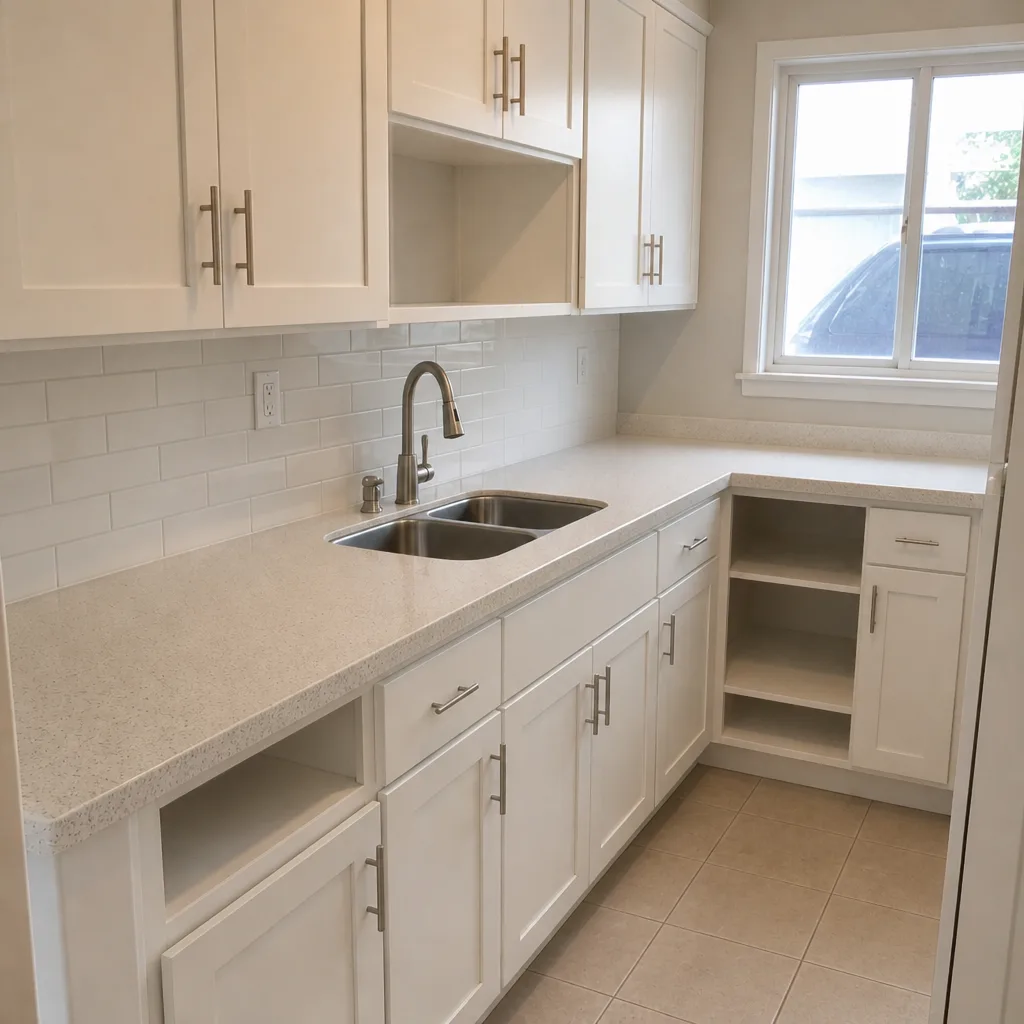
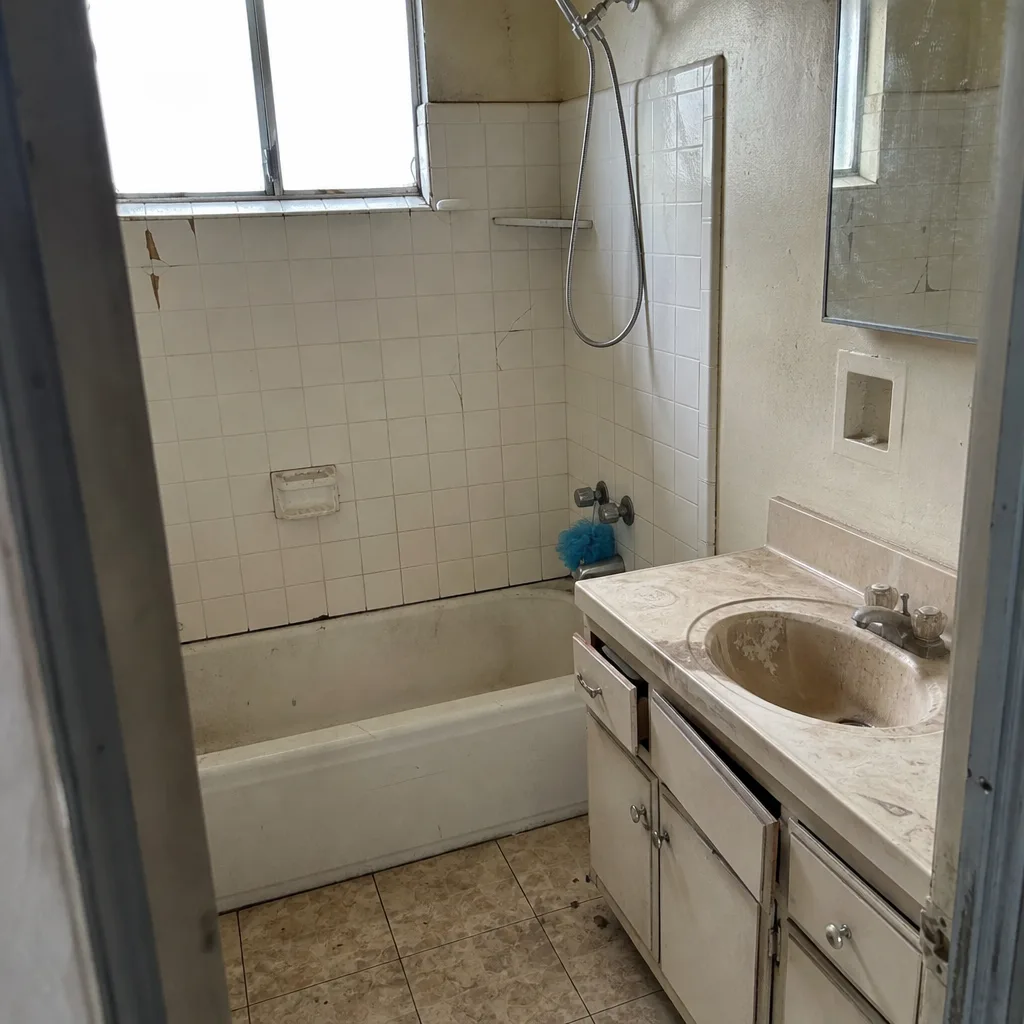
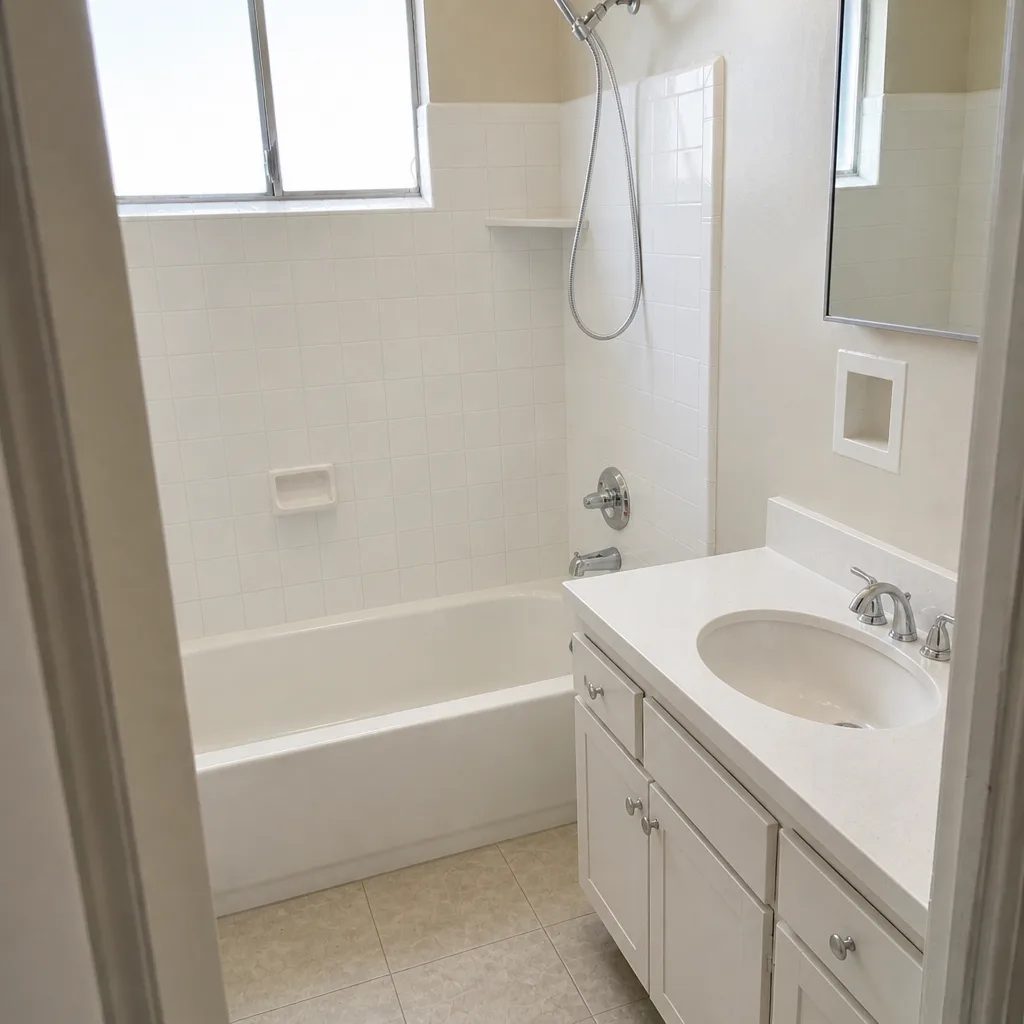
See the difference
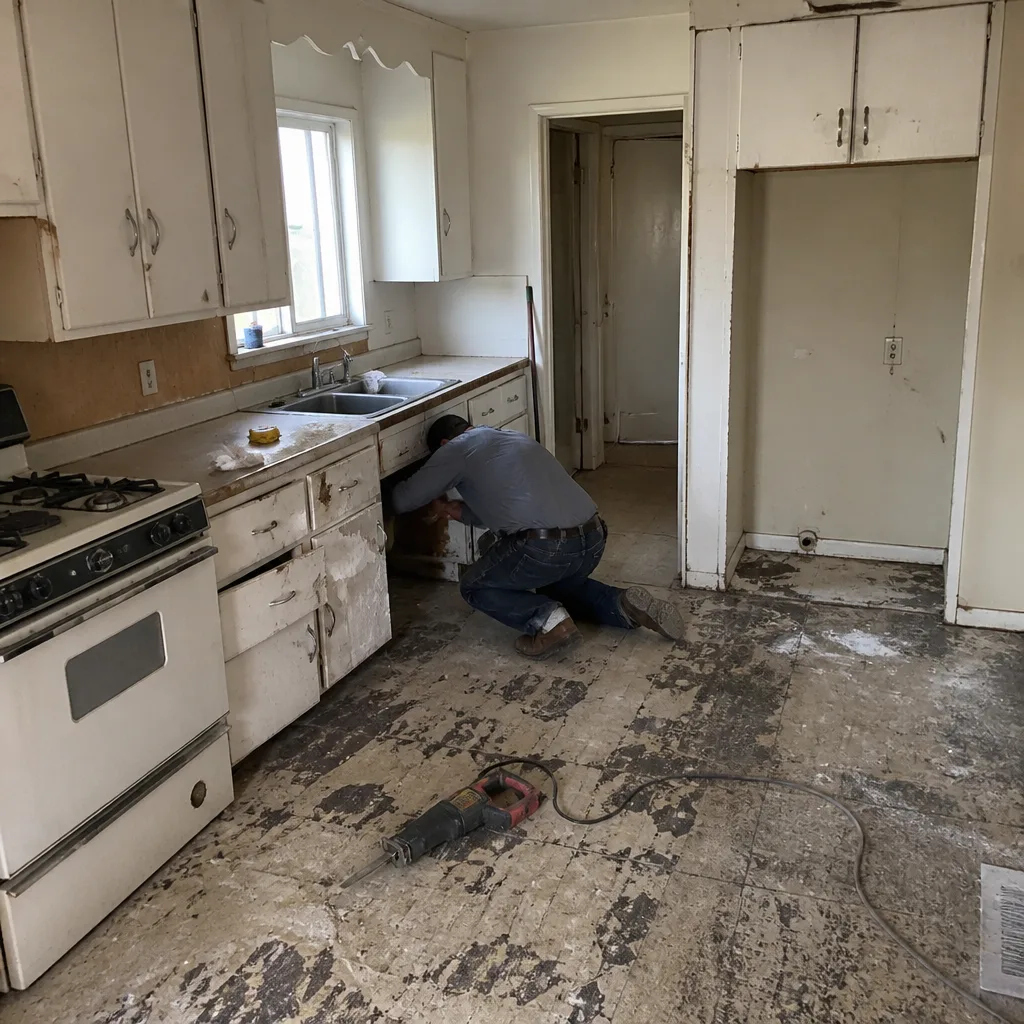 Before
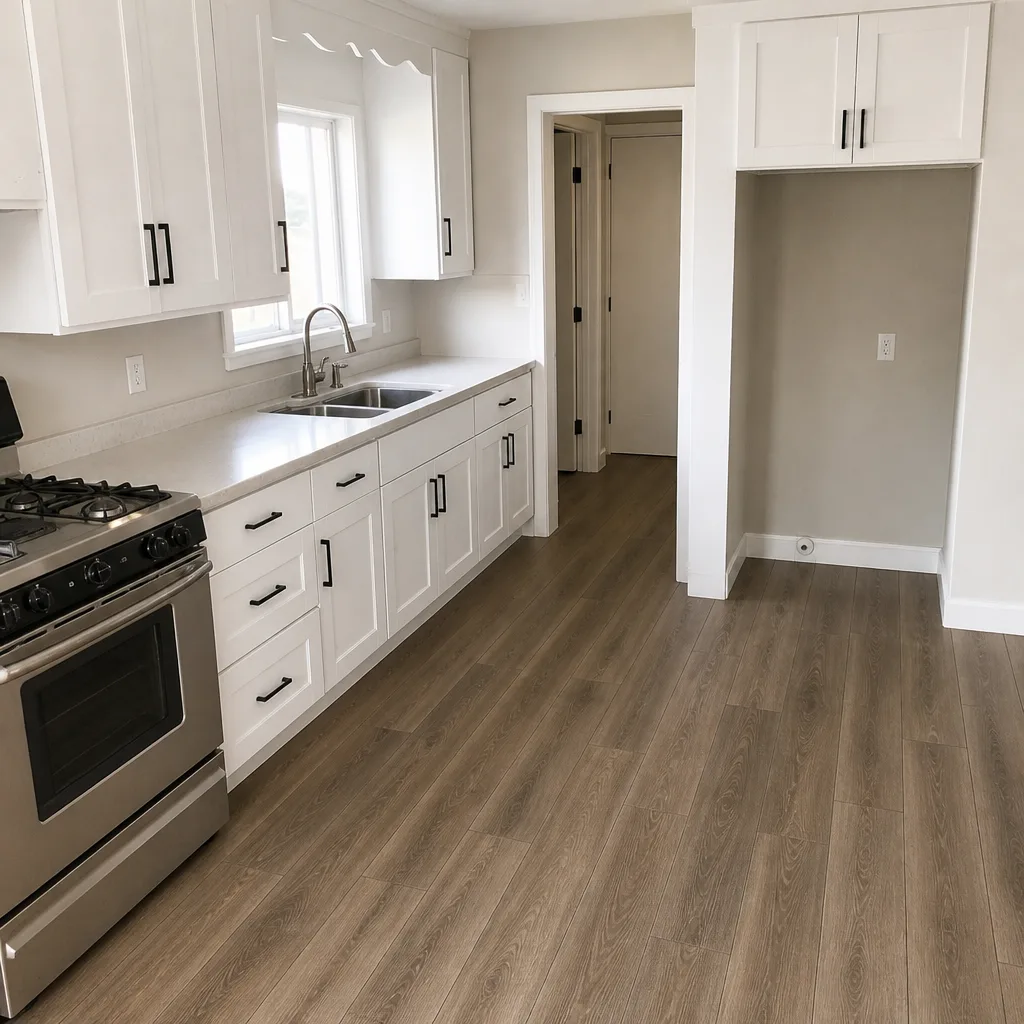 After
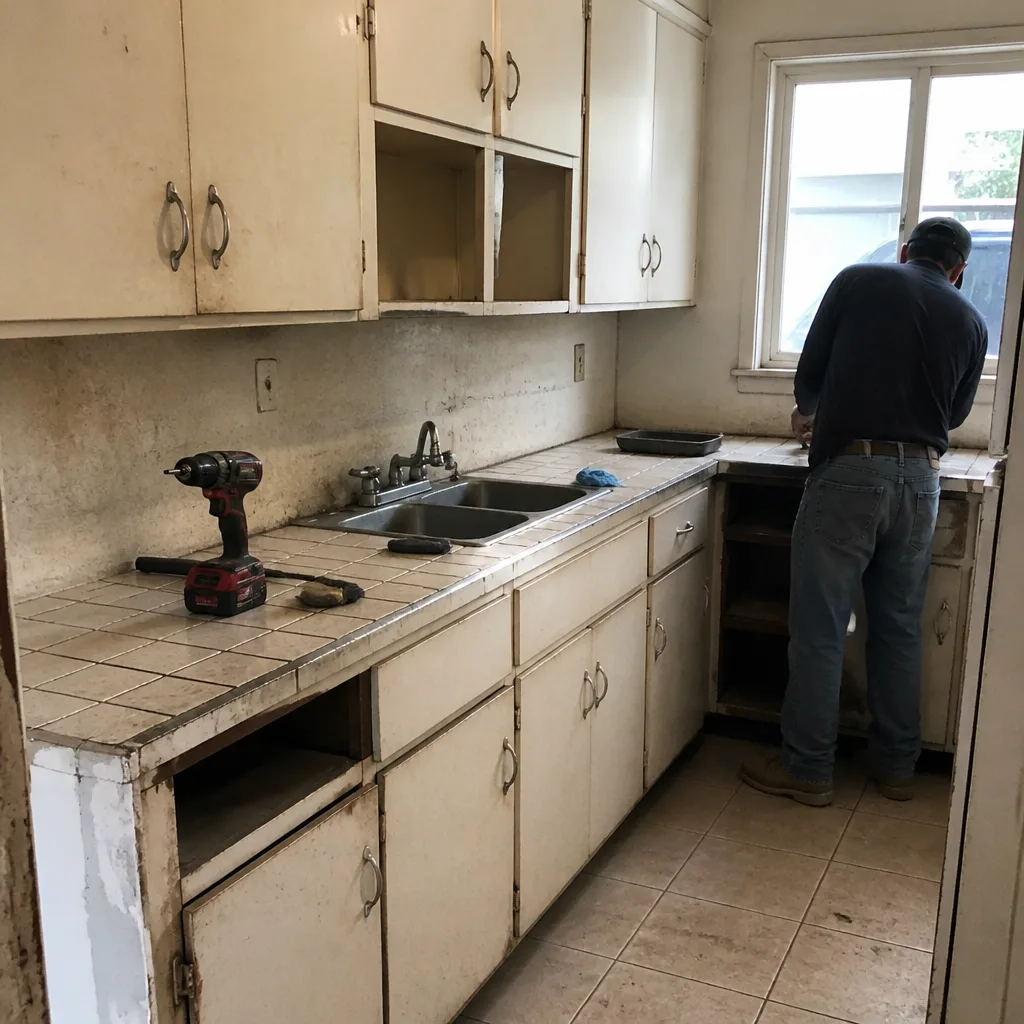 Before
 After
 Before
 After
When to Call a Professional
Call a professional the moment one of these is true: any retaining wall has moved more than a hair, any foundation crack is horizontal or wider than a quarter-inch, any slab has heaved enough that a door won’t close, any water has pooled against your foundation for more than a few hours, or any stucco shows a bubbling or bulging pattern that wasn’t there last month. Call immediately if the crack has grown within a week. Call also if you’re not sure – a phone call is free, and a diagnostic visit costs far less than a repair. Groundwork Construction Co. of El Monte offers free estimates in El Monte – call (888) 271-7872. Calls are answered by a live person 24/7. If it’s not a construction issue, we’ll tell you that plainly and point you to the right trade.
Frequently Asked Questions

Drainage overflow. It’s the first failure that appears each rainy season, usually in the first storm after months of dry weather, when debris and clay have clogged old drains. Clearing gutters and confirming downspout discharge before October prevents the majority of these calls. Call (888) 271-7872 for a free drainage assessment if you’re unsure about yours.
No. Vertical cracks under a quarter-inch wide are common in older El Monte homes and often cosmetic. Horizontal cracks, stair-step cracks, and any crack that has widened since you last measured it are the ones to treat as urgent – call a structural contractor the same day.
Only from the ground. A homeowner can pull a tarp up and anchor it from a ladder on firm, level footing, but climbing onto a wet roof is the most common serious-injury scenario in storm response. If the leak is active and the roof is wet, call a roofer and use interior buckets in the meantime.
It removes the argument. If a repair we completed fails within the warranty window, we make it right – no dispute over the cause. That speed matters most in an emergency, when the conversation needs to be about the fix, not about who’s responsible.
Often yes. Retaining walls that hold back more than roughly four feet of soil are typically treated as engineered structures and require permits and inspection. Smaller walls may not, but the threshold depends on height and site conditions. Ask before work begins – we pull permits and pass inspection on structural repairs.
Sometimes, and it depends on the cause. Sudden events like a burst pipe or a fallen tree are typically covered; long-term soil movement may not be. The single best thing you can do is document with dated photos before cleanup, and get a written contractor scope before the adjuster visit.
The Bottom Line
El Monte construction emergencies follow a seasonal pattern, and that pattern is your advantage. Drainage overflow, slab heave, retaining wall movement, caulk breach, and foundation crack expansion are predictable – they show up in the same order, at the same time each year, on the same clay soil. The homeowner who inspects in October, photographs in the first 24 hours, and calls a licensed contractor early spends a fraction of what a homeowner who waits spends in April. Build the contractor relationship before the storm, and the emergency becomes a scheduled repair. From foundation to finish line, we’re here to be that contractor.
If you’re in El Monte and something on your property looks wrong after the rain, call (888) 271-7872 to schedule your free estimate. Live person, 24/7. Upfront pricing, no surprises. Backed by the 730-Day Done Right Promise.
Written by the team at Groundwork Construction Co. of El Monte.