Last updated November 17, 2026


Free written scope consultation - allowances, timeline, and change-order rules on paper before a single trade is scheduled
Seasonal Construction Care for El Monte: Year-Round Homeowner’s Guide
El Monte averages just 15 inches of rain per year, but nearly 80% of it falls between November and March. That single fact reshapes everything about how you should maintain a home here. Your exterior spends nine months drying out in the sun and three months absorbing more water than the soil, caulk lines, and flatwork were often built to handle. That imbalance is the root of most premature exterior failures we see in El Monte: hairline cracks that spread, fences that lean, driveways that heave. This guide walks through the actual stress cycles of the eastern San Gabriel Valley and shows you how to build a maintenance calendar around them instead of following a generic national checklist that assumes four real seasons.
Quick Answer
El Monte’s climate stress on home exteriors runs in four overlapping cycles: pre-winter water management (October through November), winter rain absorption (December through March), spring post-rain assessment (April through May), and summer heat and Santa Ana wind exposure (June through October). The most expensive repairs we see in El Monte come from ignoring the drainage and caulk work in the fall or from sealing hardscape at the wrong summer temperature. Handle those two windows correctly and you prevent the majority of compounding damage.
Styles & brands we work with
- Kitchen remodeling
- Bathroom remodeling
- Home additions & ADU
- Roofing
- Windows & doors
- Driveway & pavers
- Fence
Table of Contents
- Why El Monte’s Seasons Stress Homes Differently
- Pre-Winter Prep: The October – November Window
- Managing the Rain Season: November Through March
- Spring Post-Rain Assessment
- Summer Heat and Hardscape Sealing
- Santa Ana Winds and Exterior Finishes
- Building Your Property-Specific Calendar
- Common Mistakes to Avoid
Why El Monte’s Seasons Stress Homes Differently
If you moved to El Monte from the Midwest or the East Coast, the instinct is to maintain the way you always have. That instinct produces the wrong schedule here. El Monte sits in the eastern San Gabriel Valley, where inland heat runs hotter than coastal Los Angeles and where the rain comes in concentrated bursts rather than spread evenly across the year. Nine dry months followed by three wet ones is not a mild version of a real climate. It’s a specific stress pattern, and it hits different parts of your property at different times.
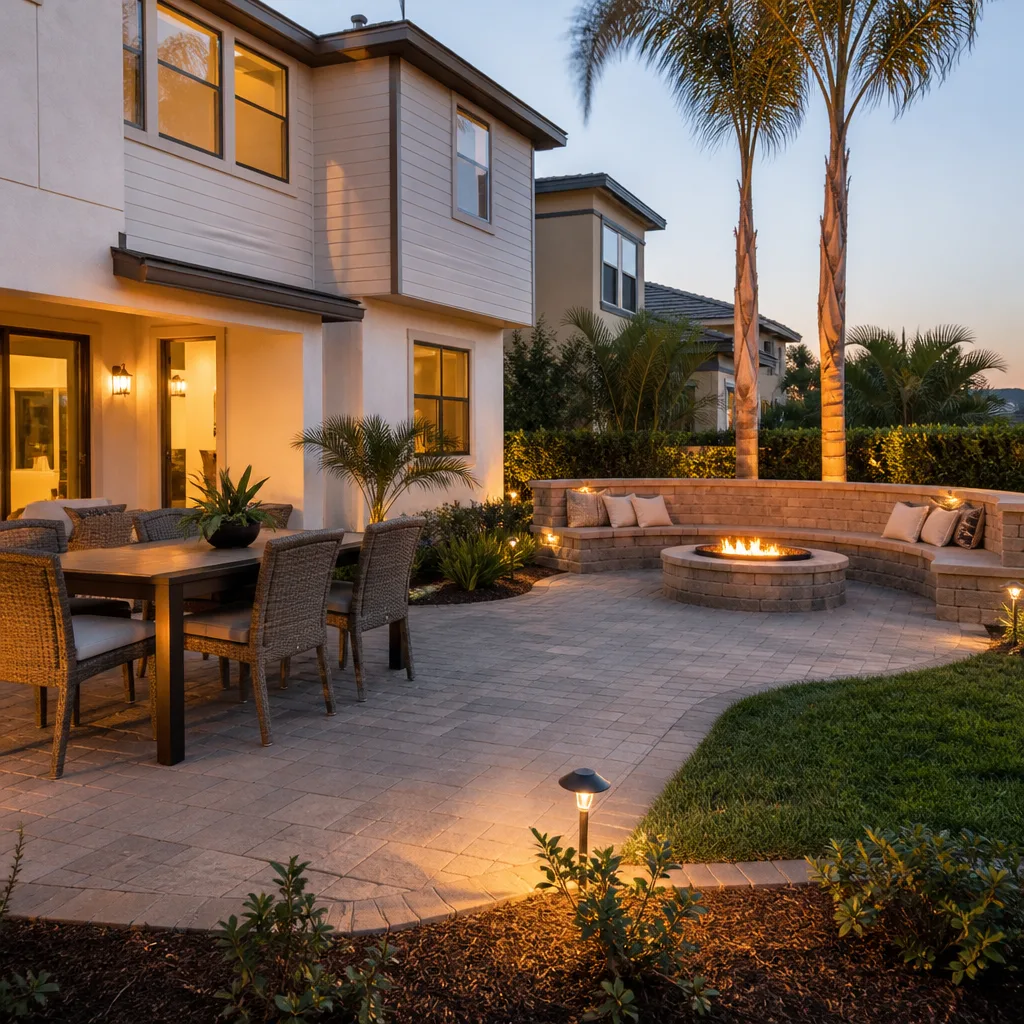
What happens in a wet-dry cycle is that clay-heavy soil expands when saturated and contracts as it dries. Under a driveway, patio, or walkway, that movement works on every control joint and edge at once. In El Monte we regularly see spring failures on concrete that looked perfectly fine in October: new cracks along the joints, corners that lifted slightly, pavers that settled a quarter inch on one side. Those are the result of one wet season, not twenty years of neglect.
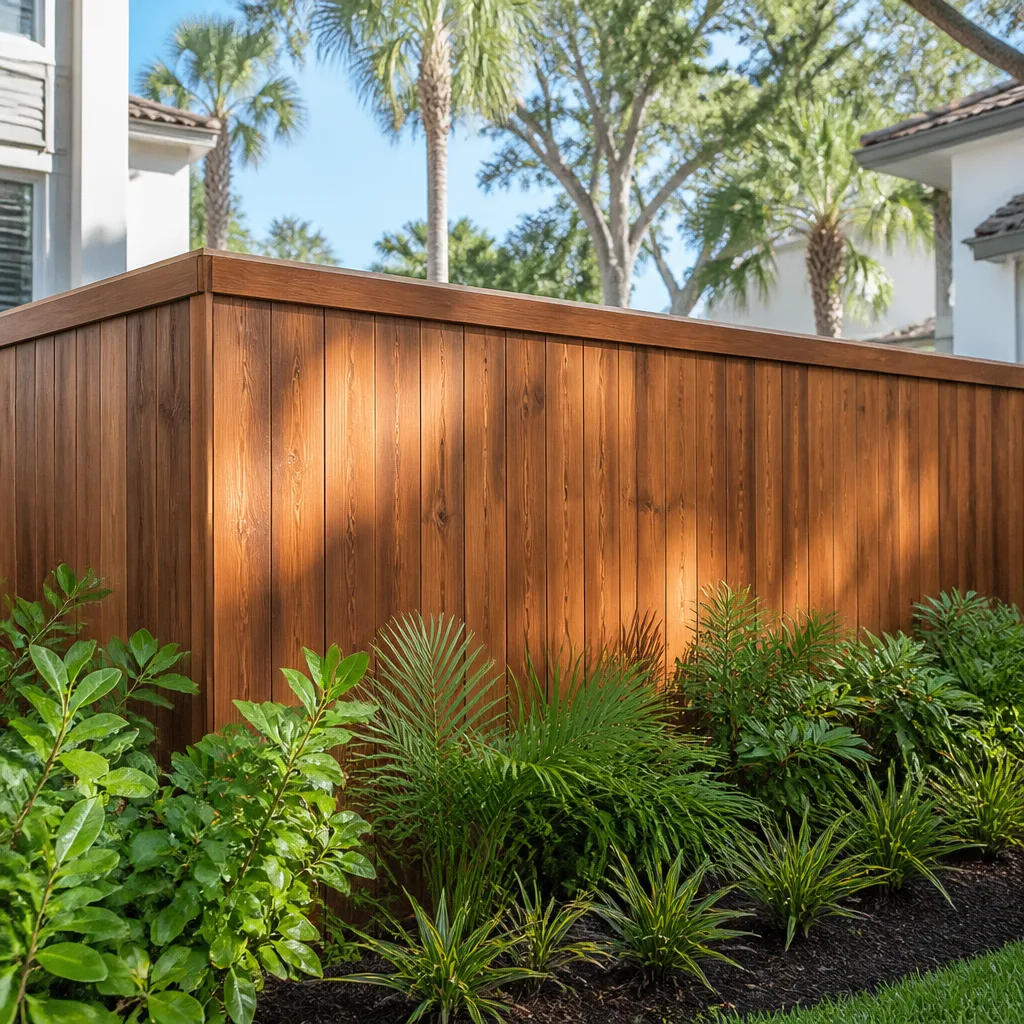
Wood behaves the same way. A cedar or pine fence absorbs moisture from the wet ground and from the air through the wet months, swelling slightly. As the dry months return, it shrinks back and opens small gaps at the joints and fasteners. Repeat that cycle a few years without addressing it and the boards cup, the posts loosen, and the fence starts leaning toward the prevailing wind.
Stucco and exterior caulk fail on a similar rhythm. That thin line of caulk around a window frame expands and contracts every wet-to-dry transition. After three or four seasons it cracks, then it opens, and then the next rain pushes water behind the frame. This is why exterior caulk inspection isn’t cosmetic in El Monte; it’s a structural maintenance item. It’s the cheapest, highest-leverage work on the calendar.
The good news is that all of this is calendared and predictable. A property-specific plan built around El Monte’s actual weather cycles, executed on the right weeks, prevents most of the compounding damage before it gets expensive.
Pre-Winter Prep: The October – November Window
This is the most important window on the calendar for any El Monte property. The goal before the rain arrives is to get water away from your foundation and to close up the building envelope. Do this in October and early November, before the first meaningful storm, and you enter the wet season with the water managed.
- Walk the perimeter and check grading. Every section of soil or hardscape should slope away from the foundation at roughly a quarter inch per foot over the first four to six feet. Standing water against the house after a storm means the grade needs correction. Add compacted soil where it dips; don’t just mound loose dirt.
- Clear gutters, downspouts, and drains. In El Monte the highest-volume rain events are short and intense, and a single clogged downspout sends water sheeting down an exterior wall for hours. Check the downspout extensions too; they should carry water at least three feet away from the foundation.
- Inspect and replace exterior caulk. Walk every window and door frame, corner, and penetration point. If the caulk pulls away easily or has visible cracks, cut it out and replace it with paintable exterior sealant. One afternoon of caulk work prevents a lot of water intrusion and dry rot.
- Seal concrete joints and cracks. Fill control joints with a flexible sealant suited to exterior concrete. Fill any hairline cracks in the driveway, patio, and walkway before they widen under a wet season of soil movement.
- Check the roof edges and flashing. Look at the ridge, the valley, and the step flashing around dormers and chimneys. Loose flashing is an inexpensive fix now; the water damage it causes over the wet season isn’t. If you’re not comfortable on the roof, this is a job for a professional.
- Clear vegetation from the base of the house and fence line. Shrubs that trap moisture against siding or fence boards hold in water and accelerate rot. Trim them back at least a foot.
These six items, done in the right order before November, take most homeowners one to two weekends and cover the highest-risk exposure on the property. If you’re hiring any of them out, this is the season to book. Our Groundwork Construction Co. of El Monte home page outlines the exterior work Groundwork handles, from flatwork to structural repairs, if you’d rather skip the ladder work.
Managing the Rain Season: November Through March
The rain season in El Monte doesn’t need hourly attention, but it does need a quick check after each heavy storm. The point of the wet-season check is to catch problems while they’re still new and to confirm your pre-winter work is holding.
Walk the property during or right after a storm, and look for three things. First, standing water. If water is pooling anywhere against the foundation, against a retaining wall, or in a low corner of the yard, note where and how deep. Second, water sheeting off the roof. If rain is spilling off the edge instead of flowing into the gutter, a gutter or downspout is failing. Third, water intrusion inside. Any damp spot, stain, or bubbling paint on an interior wall after a storm is water finding a way through the envelope, and it needs to be traced and corrected before the next storm.
In our experience, the most common mid-winter call from El Monte homeowners is a drainage problem that 30 minutes of re-grading in October would have prevented. The second most common is a fence or gate that was already loosening at the posts and now can’t hold against saturated ground. If a fence post is wobbling after a heavy storm, don’t wait; saturated soil plus the next storm is how a fence section ends up flat.
The other thing to remember through the wet season is that a saturated yard is heavier than it looks. Don’t drive on soft ground, don’t park on a driveway edge that’s already undercut, and don’t stack materials on a soggy patio. The soil under flatwork is doing more work than usual, and adding load in the wet months is how otherwise-healthy concrete gets damaged.
Spring Post-Rain Assessment
Once the last meaningful storm passes, usually by early April, you have a short window to inspect and repair before the dry heat starts working on the same surfaces. This is the assessment phase, and it’s where the small problems your pre-winter work didn’t catch get addressed.
Walk the flatwork first. Look for new cracks, joint widths that have changed, and corners that have lifted or settled. A driveway that developed a new crack over the wet season needs the crack filled before summer heat expands the concrete and widens it further. The same goes for patios and walkways. In El Monte, the combination of a wet winter followed by a hot dry summer is exactly the cycle that turns a hairline crack into a half-inch gap in two or three years if nothing is done.
Check retaining walls next. A retaining wall under winter load has done more work than any other part of the property. Look for built-out bowing, new cracks in the face, or soil that is visibly pushing at the top. A wall with drainage problems on the uphill side will show stress here first. A wall that looks stressed at the end of the wet season is one to get inspected, not to ignore. This is genuinely structural work, and it’s not a DIY repair.
Then walk the foundation perimeter. You’re looking for new vertical or diagonal cracks in the foundation wall, cracks in the stucco near corners, and doors or windows that have started to stick. Any of those three, especially after a wet winter, means the soil around the foundation has moved. In El Monte this is more common than people expect because the clay soils here do move in wet and dry cycles. If you see it, the next step is an inspection, not a cosmetic patch.
This spring inspection is also the right time to call for any exterior work you’re planning, like a fence replacement or a driveway redo. Elevate Driveway & Pavers in El Monte on your list if the wet season exposed settling or drainage issues; spring is the natural season to address them and get the work in before summer heat.
Summer Heat and Hardscape Sealing
Summer in El Monte is when most sealant failures happen, and they’re entirely preventable. The heat here is real and consistent, and sealants and coatings are temperature-sensitive. Applied at the wrong temperature, they fail in ways that cost more to fix than the original job.
The general rules for sealing hardscape and exterior surfaces in El Monte:
- Apply sealant only when the surface temperature is between roughly 50°F and 85°F. Most concrete and paver sealers fail to cure properly above 85°F to 90°F. In El Monte, that means either early morning or late afternoon, not midday in July. If the pavement feels hot to the touch, it’s too hot to seal.
- Don’t seal new concrete for at least 28 days. The concrete needs to cure and release moisture before sealing.
- Don’t seal any surface that’s been wet within 48 hours. Trapped moisture under a sealer causes cloudiness and peeling.
- Skip the seal entirely if the concrete is showing efflorescence or the surface is chalky. Sealing a failing surface locks in the problem. Clean and repair it first, then wait a season.
- Test a small area first. A two-by-two-foot test patch in an inconspicuous spot tells you more than any label about how a given sealer will behave on your particular concrete.
Summer is also the season to inspect and touch up any exterior paint, especially on south and west-facing walls that take the most sun. Paint failure on those exposures is faster here than coastal Los Angeles, and small touch-ups in June prevent the larger repaint in a couple years.
For a full paver or driveway project, the best application windows in El Monte are spring and fall, not midsummer. If you’re planning the work, Driveway & Pavers in El Monte covers what a professional install involves and what the timing looks like.
Santa Ana Winds and Exterior Finishes
The Santa Ana wind season runs primarily from September into November, and it brings a different kind of stress than either the rain or the summer heat. Santa Ana winds are hot, dry, and can run for days. The combination of sustained wind and near-zero humidity pulls moisture out of anything porous fast, and it tests every exterior attachment on the property.
The first thing the wind finds is any loose attachment: a fence board that’s already cupped, a gutter section that’s worked loose, a piece of flashing that’s been sitting proud. Any of those become projectiles in a strong Santa Ana. In our experience, the wind season prep for an El Monte property is really a fastener and attachment check, and it should happen in September before the first wind event, not after the first one has already done damage.
Walk the fence line and check post integrity and board attachment. A fence that has survived the rain season can still fail in a wind event if the fasteners have loosened. Prompt repairs are simple and inexpensive. A full fence replacement because of one wind event is not, which is why we handle Fence Installation in El Monte with wind loading in mind rather than just aesthetics.
On the roof, wind is the force that finds loose shingles, lifted ridge caps, and compromised flashing. Check the roof if you can see it safely from the ground; if you’re not comfortable on the roof, have it checked. On stucco, wind-driven debris causes cosmetic damage and sometimes small punctures, and post-wind inspection is worth an hour. Wind is also a good reason to confirm that any tree near the house is properly trimmed back before the season starts.
For the drainage system, the Santa Ana season is dry but it’s the setup season for the rain that follows. Any debris the winds drop into gutters and drains needs to be cleared before the wet weather. This is why we treat the fall as one combined prep window: wind attachment check and drainage clearing, done in the same weeks.
Building Your Property-Specific Calendar
A one-size-fits-all maintenance checklist misses the specific needs of any given property. A home with an older wood fence and a long driveway has a different priority order than a home with new hardscape and a metal fence. The guide above gives you the seasonal windows; a property-specific calendar is built by walking the property once and noting its actual exposures. Here’s how to do it.
- List the exterior assets on your property. Driveway, walkways, patio, retaining walls, fence, roof, exterior doors, windows, drainage system, and any outbuildings. Each of these has a different failure mode and a different inspection routine.
- Note the age and material of each. A 20-year-old concrete driveway and a 2-year-old paver patio both need attention, but not the same attention. Same for a cedar fence versus a vinyl one, or asphalt shingles versus concrete tile.
- Identify the high-exposure areas. South and west walls take the most sun. North-facing surfaces stay damp longer in the rain. Flatwork edges that meet soil and fence lines near the property line are the highest-risk drainage areas.
- Assign each asset to a seasonal window. The pre-winter window handles caulk, drainage, and flatwork joint sealing. The spring window handles post-rain assessment and repairs. The summer window handles sealing and paint touch-ups. The fall wind prep window handles fasteners and drainage clearing.
- Write the calendar and keep it somewhere you’ll actually see it. Two hours a season is the difference between a well-maintained property and a compounding repair bill. Put the windows on the same calendar as the rest of your home maintenance; it works better that way.
One item to add for any property: a plan for larger work. If your property has a fence near end-of-life, a driveway with several settled sections, or an older home with a room addition you’ve been considering, those all belong in the maintenance plan, not on a separate to-do list. Elevate Home Additions & ADU in El Monte on your calendar if you’re weighing a larger project that should be sequenced with the exterior work; doing both at once is less expensive than doing them separately.
Common Mistakes to Avoid
- Sealing the driveway in midsummer heat. In El Monte, July afternoons push pavement temperatures well above the safe sealing window. A sealer applied at those temperatures skins over before it cures and peels within a year.
- Skipping the fall caulk check because “the caulk looked fine last year.” Exterior caulk fails at the wet-to-dry transition, and it can look intact from a few feet away while being fully detached up close. You have to touch it and pull on it.
- Adding soil against the foundation to fix a grade problem without checking the slope first. Mounding soil against the house does not correct the grade, and it can trap moisture against the foundation or cover the weep screed. You want slope, not pile.
- Waiting until spring to address a fence post that loosened during the wet season. Saturated soil is when fence posts move; the time to address it is as soon as you notice, not after the next rain event.
- Treating a foundation crack as a cosmetic issue. In El Monte’s clay soils, a new foundation crack after a wet winter is a signal about soil movement. Cosmetic patching hides the signal while the movement continues.
- Ignoring the Santa Ana season entirely. Wind events in the fall are the fastest cause of exterior damage on El Monte properties, and the preparation for them (fasteners, attachment, drainage clearing) is inexpensive.
- Following a one-size-fits-all checklist. A generic national maintenance schedule is built for a climate your property doesn’t live in. Work from El Monte’s actual cycles.
See the difference
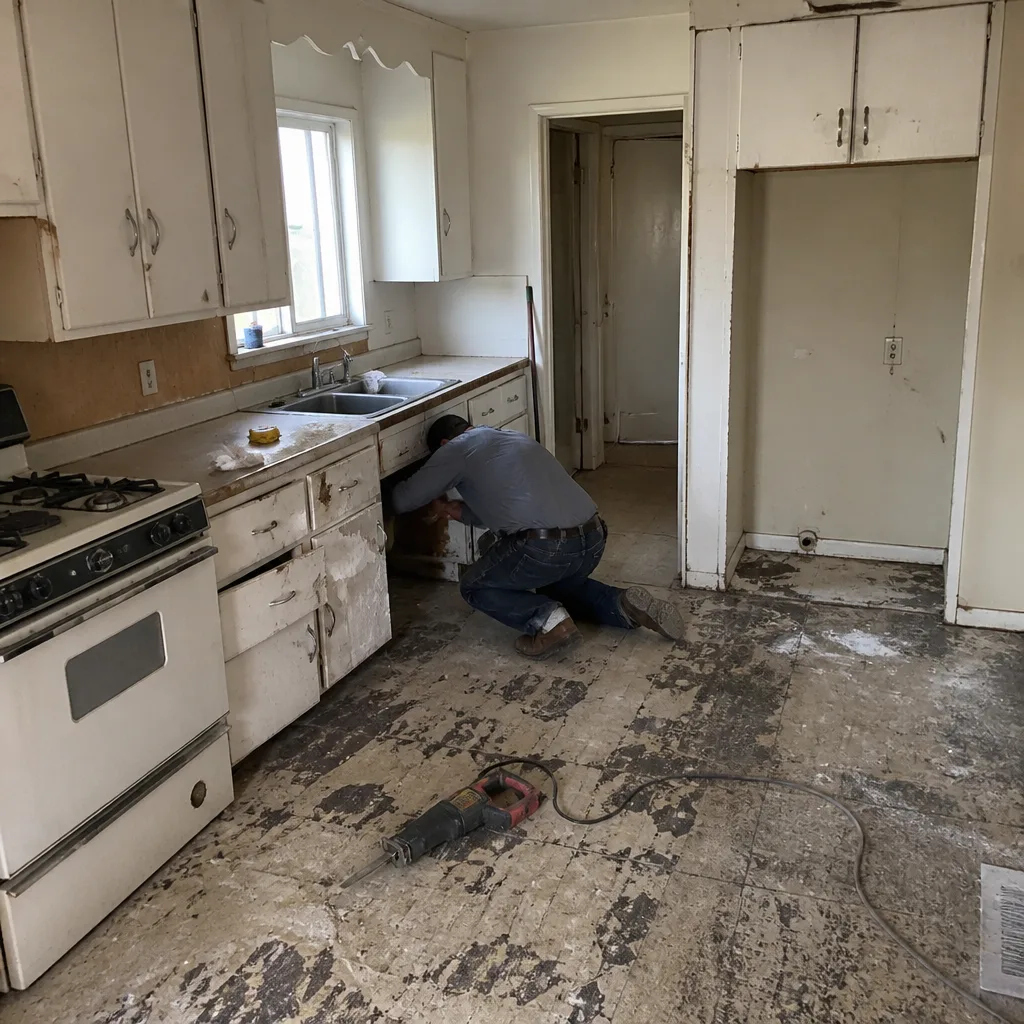 Before
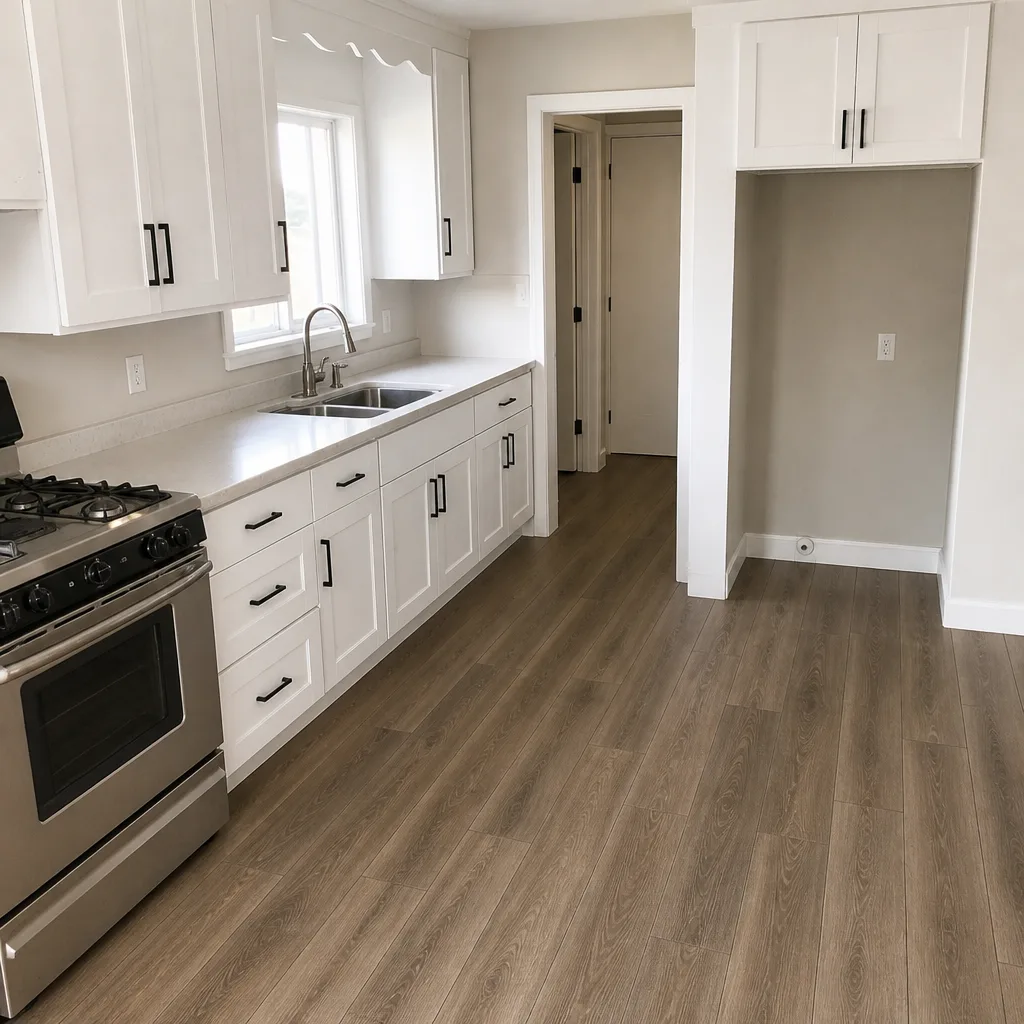 After
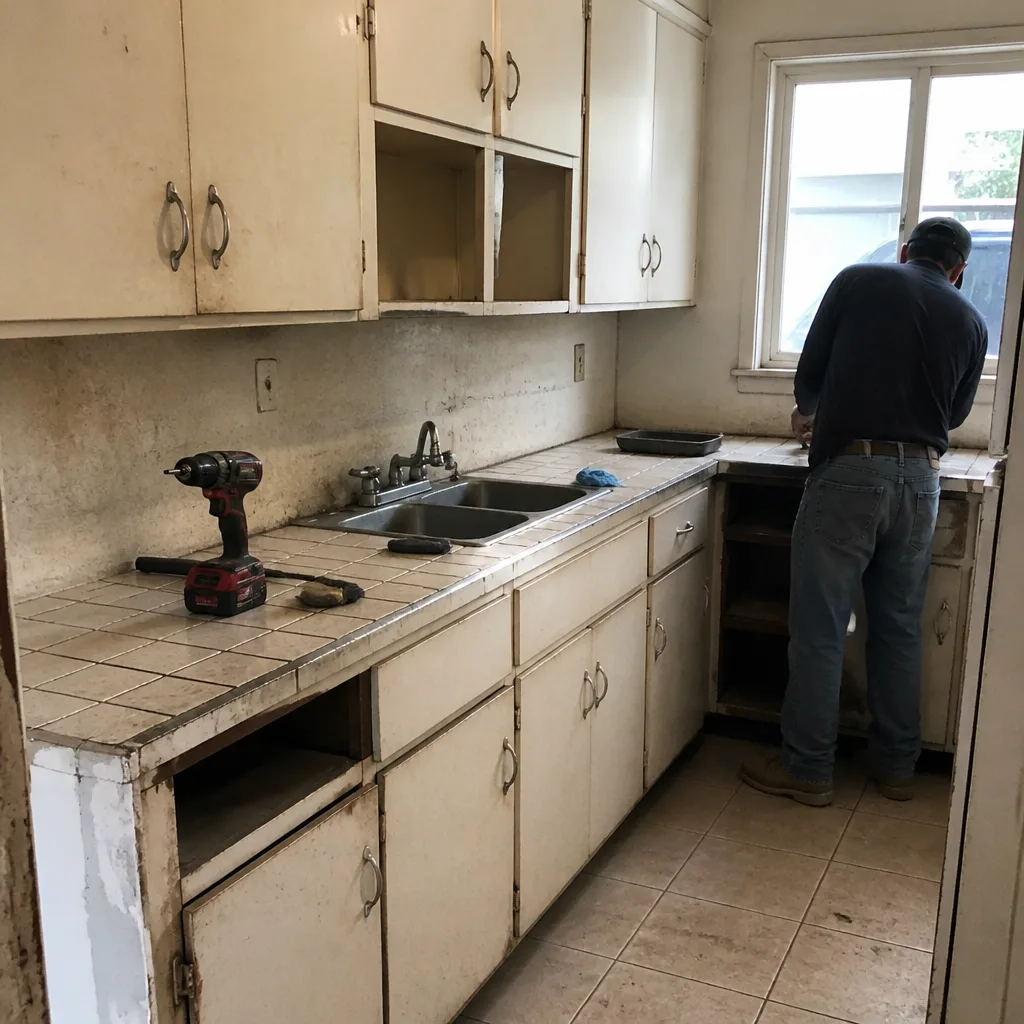 Before
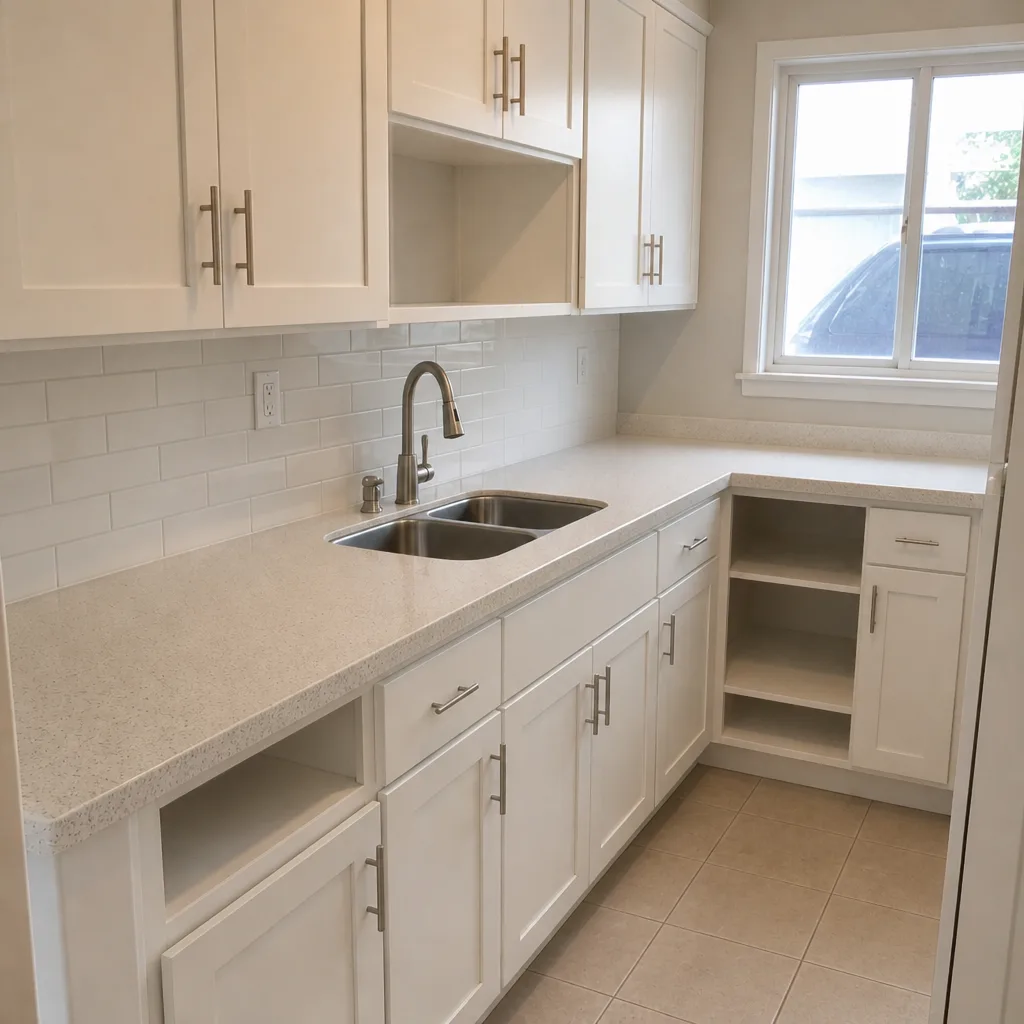 After
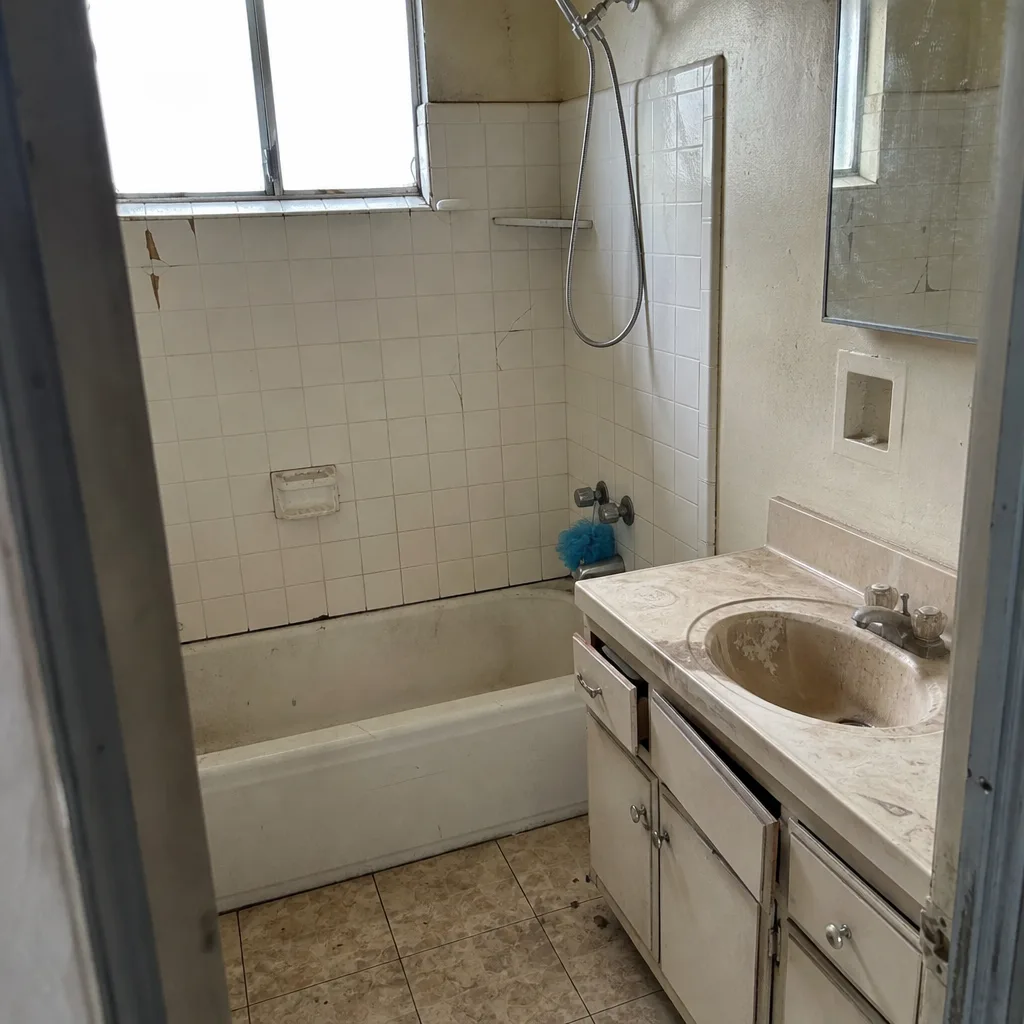 Before
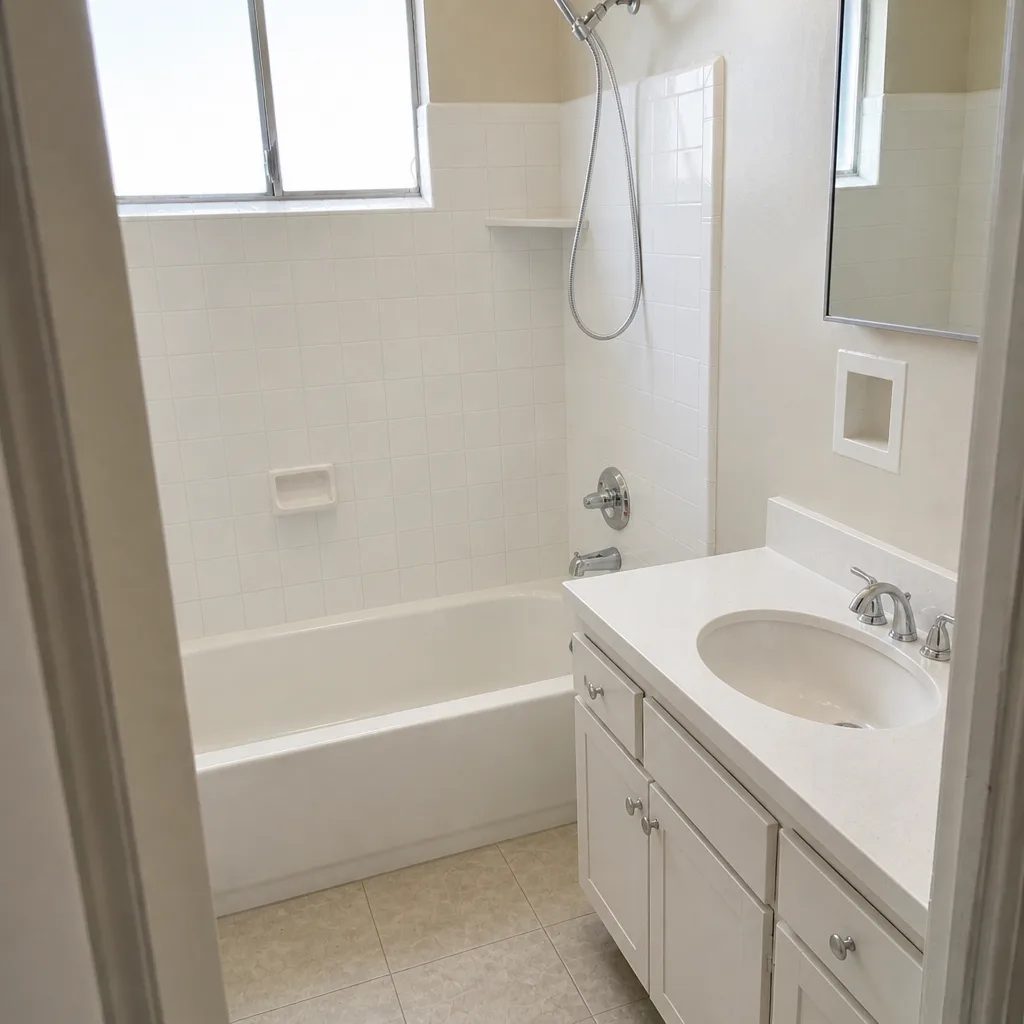 After
When to Call a Professional

Some of the items in this guide are homeowner work: caulk inspection, gutter clearing, and the visual walkthroughs. Others are professional work, and it matters which is which. Call a professional for anything involving roof access and flashing repairs, foundation cracks and soil movement, retaining wall structural issues, and concrete or paver repairs where the sub-base has moved. Those are the work items where an incorrect fix does more damage than the original problem.
Groundwork Construction Co. of El Monte offers free estimates in El Monte. Our technicians have up to 12 years of experience, arrive background-checked and uniformed, and stand behind every project with our 730-Day Done Right Promise. If it’s not done right, we make it right. Call (888) 271-7872 for a free estimate, and a live person will answer around the clock.
Estimates include upfront pricing with no surprises, written line-item detail, and no change orders. If your project is over $10,000, the current promotion takes $1,000 off, and 0% financing for 18 months is available to spread the cost. Material choices include trusted brand partners across every trade, from Andersen windows to GAF roofing and Schluter tile systems.
Frequently Asked Questions
The single highest-value task is pre-winter drainage and caulk work in October and early November. El Monte gets nearly 80% of its rain between November and March, and getting water away from the foundation before the wet season starts prevents most of the expensive damage we see from water intrusion and soil movement. If you hire nothing else out, book the pre-winter inspection and caulk work. Call (888) 271-7872 for a free estimate on any of it.
Seal concrete and pavers in spring or fall, when the surface temperature is between roughly 50°F and 85°F. El Monte summer afternoons run well above that, and a sealer applied too hot will peel. Wait at least 28 days after installation before the first seal, and don’t seal a surface that’s been wet within 48 hours. Call (888) 271-7872 for an exact estimate on driveway sealing or repair.
Yes. The Santa Ana season from September into November is where we see loose fence boards, lifted roof shingles, and detached gutter sections cause the most exterior damage on El Monte properties. Wind prep is mostly fasteners and attachment checks in September, before the first event. It’s inexpensive work that prevents the expensive version. Call (888) 271-7872 to schedule a free wind-season inspection estimate.
Walk your flatwork for new cracks and joint changes, check retaining walls for bowing or face cracks, and look at the foundation perimeter for new cracks or sticking doors and windows. In El Monte’s clay soils, a wet winter followed by the dry season moves the ground, and any of those signals after a wet season means an inspection is worth doing. Call (888) 271-7872 for a free post-rain assessment estimate on any of it.
Gutter clearing, caulk inspection, visual walks, and small paint touch-ups are reasonable homeowner work. Roof access, foundation cracks, retaining wall structural issues, and concrete or paver repairs where the sub-base has moved are professional work; an incorrect fix on those items does more damage than the original problem. For anything in the second category, call (888) 271-7872 for a free estimate before the small problem becomes an expensive one.
Exterior repair costs in El Monte vary by the work: caulk and joint sealing are on the low end, concrete repairs where the sub-base has moved are mid-range, and retaining wall or foundation work is on the higher end of any exterior project. We provide free estimates with written line-item pricing and upfront numbers, so you know the cost before work starts and there are no mid-project surprises. Call (888) 271-7872 for a free estimate, and a live person will answer.
The Bottom Line

El Monte isn’t a harsher-climate town than the rest of Southern California, but its weather pattern is more concentrated than most homeowners realize: nine dry months, three wet ones, and a wind season that arrives on both ends. That concentration is the reason so many of the exterior problems we see in El Monte trace back to a handful of missed windows, not to hard luck. The plan that pays for itself is the simplest one: drainage and caulk before November, an after-storm eye on the property through the rain season, a real inspection in spring, and fasteners and drainage clearing before the Santa Anas. Build that calendar once for your property, run it twice a year, and most of the expensive repairs on this list never happen.
If you’d rather have a trained set of eyes walk the property and tell you what needs doing and when, Groundwork Construction Co. of El Monte offers free estimates. Call (888) 271-7872, and a live person answers, any hour. Our estimates include upfront pricing with no surprises, written line-item detail, and the 730-Day Done Right Promise on all work. For projects over $10,000, $1,000 off applies, and 0% financing for 18 months is available to keep the whole schedule on track.
Written by the team at Groundwork Construction Co. of El Monte.