Last updated November 17, 2026





Free written scope consultation - allowances, timeline, and change-order rules on paper before a single trade is scheduled
Windows & Doors Troubleshooting: Common Problems and How to Fix Them
A drafty window is not always a window problem. Half the time it’s a framing or caulking problem, and no new window will fix it. Homeowners spend thousands replacing glass that was fine while the real gap sat two inches away in the rough opening. Every window and door complaint comes down to three possible causes: the product itself, the installation, or the building around it. Knowing which one you’re facing is the whole game. A $15 tube of sealant or a $1,500 sash replacement. This guide walks you through the five most common complaints across El Monte homes, with yes/no questions that lead you to the root cause instead of the symptom.
Quick Answer
Diagnose window and door problems by isolating where the failure lives before you spend a dollar. Condensation inside the sealed glass unit means the seal failed and the window needs replacing. Condensation on the surface is a humidity and ventilation issue, and nothing needs replacing. Drafts, sticking, water intrusion and noise each divide the same way: frame, weatherstripping, sash, or the building envelope behind it. Match the symptom to the right layer and most fixes run under $200. Guess wrong and you’re buying windows that won’t solve your problem.
Styles & brands we work with
- Kitchen remodeling
- Bathroom remodeling
- Home additions & ADU
- Roofing
- Windows & doors
- Driveway & pavers
- Fence
Table of Contents
- The Three-Cause Diagnostic Decision Tree
- Drafts: Frame Gap, Weatherstripping, or Cracked Sash?
- Condensation: Inside the Glass vs. On the Glass
- Sticking Windows and Doors: Seasonal vs. Structural
- Water Intrusion: Where It’s Actually Getting In
- Noise: Glass, Seals, or the Wall Behind Them
- Stop/Go: What You Can Fix and What Needs a Pro
- Common Mistakes to Avoid
- Frequently Asked Questions
The Three-Cause Diagnostic Decision Tree
Before you call anyone, run the problem through three filters. Each one tells you where the failure lives and, more importantly, what you should not spend money on.
Filter 1: Is the product itself failing? Signs include a cracked sash, a seal that’s failed between panes (fogging or a milky haze inside the glass), a hinge worn past adjustment, or a door slab that’s warped or delaminating. If any of these are true, the component is the problem and no amount of caulking will fix it.
Filter 2: Did the installation leave a gap? Look at the frame-to-wall joint. A draft that moves with the wind but not with the temperature usually points here. Run your hand along the interior frame edge on a windy evening. If air moves at the trim line rather than through the sash, you’ve found an installation-era gap, and resealing is often a small job rather than a window replacement.
Filter 3: Is the building moving around it? Doors that stick year-round, windows that suddenly don’t latch, and cracking at the interior drywall corners all point to the structure rather than the product. El Monte sits on a mix of older slab foundations and homes that predate modern seismic bracing, and settling shows up at the openings first because they’re the weakest point in a wall.
- Locate the symptom precisely: glass, sash, weatherstripping, frame joint, or drywall around the frame.
- Test with wind (frame) vs. temperature (sash) vs. season (building).
- Match the symptom to only one of the three causes. If two seem to overlap, the building is usually the root.
- Price the cheapest fix consistent with that cause. If it works, stop there.
We’ve seen El Monte homeowners order full window packages for a rough opening that was never insulated on install. Andersen and Marvin units are built to tolerances that rarely fail on their own, which is why the frame gap usually gets our attention first.
Drafts: Frame Gap, Weatherstripping, or Cracked Sash?
A draft has three plausible origins, and each one has a different price tag. The test takes two minutes on a breezy evening.
Test for a frame gap
Hold a tissue near the interior trim where the window frame meets the wall. If it flutters along the trim line rather than across the sash, the draft is coming through the gap between the window unit and the rough framing. In El Monte homes built before the 1990s, this gap is often empty of insulation or has settled polyurethane foam that’s dried out. The fix is removing the trim, re-insulating, sealing with exterior-grade caulk, and reinstalling the trim. That’s a half-day to full-day job, not a window replacement.
Test for weatherstripping failure
Run the tissue across the sash itself while the window is closed and locked. If it flutters there, the weatherstripping between the sash and frame has worn, compressed, or pulled away. Look for visible gaps, hardened foam, or a spring seal that no longer touches. This is the most common single-window fix we handle and is often inspected and corrected in one visit.
Test for a cracked sash
Inspect the sash around the hinge points, the corners, and the lock. On wood windows, look for split joints. On vinyl, look for cracks radiating from corners or fasteners. A cracked sash needs replacement even if the glass is fine, and sometimes you’re replacing the whole window rather than the sash.
- Draft at the trim line: frame gap. Reseal.
- Draft across the sash: weatherstripping. Replace.
- Draft through a visible split: cracked sash. Replace the component.
- Draft at all three on the same window: likely frame first, then a full opening inspection.
One caveat: the very first draft of the cold season in El Monte is not a real draft. Intermittent wind patterns through the San Gabriel Valley create pressure differences that push air through openings that are perfectly sealed, and if the flutter stops when the wind dies, you’re done. Wait for a windy evening before you test.
Condensation: Inside the Glass vs. On the Glass
This is the single most expensive diagnostic mistake in home improvement. Two visually similar problems with completely opposite price tags.
Condensation inside the sealed unit
If you see fog, a milky haze, or water droplets between the panes that don’t wipe away from the outside, the sealed insulated glass unit (IGU) has failed. The desiccant inside is saturated and the seal is compromised. Nothing will clean this off. The only fix is replacing the sealed unit itself or the window. On a name-brand window, the IGU alone can often be swapped without touching the frame. On builder-grade units, replacement of the whole sash is more practical.
Failed IGUs cost real energy but they don’t leak water. If replacements are on your mind, the brand you choose matters. Andersen and Marvin sealed units typically last longer than builder-grade IGUs, which is part of why we lean on them for El Monte replacement projects. If you’re considering a broader window and door upgrade, the Windows & Doors in El Monte service is the place to explore options before you commit.
Condensation on the glass surface
If water beads on the surface and wipes off easily, the glass is functioning exactly as designed. You have a humidity problem, not a window problem. Surface condensation forms when indoor air hits a surface below its dew point. In El Monte, this shows up most in winter mornings and in bathrooms with undersized ventilation. The window is the coldest surface in the room, so it collects the moisture.
Fixes for surface condensation, not glass replacement
- Install or upgrade bathroom exhaust fans rated for the room’s square footage.
- Run the exhaust fan for 20 minutes after every shower.
- Keep indoor humidity at 40 – 50% with a whole-house dehumidifier or ventilation adjustment.
- During cooking, use the range hood on the vent setting, not recirculating.
- Open an interior door during winter to balance humidity across rooms.
We’ve been called to El Monte homes where four windows had surface condensation and the homeowner was quoted a full replacement. A $200 bath fan fixed the actual problem. Ask the diagnostic question before you answer with your wallet.
Sticking Windows and Doors: Seasonal vs. Structural
Sticking is the symptom where the fix costs $0 to $8,000 depending on what’s causing it. The dividing line is time.
Seasonal sticking is normal
Wood doors and wood-framed windows absorb and release humidity. A door that sticks in July and frees up in October is doing exactly what wood does. Vinyl frames do the same at lower amplitude as they expand in heat. If the door has stuck for two weeks in summer and released with the cooler weather, don’t quote a repair. Note it and check again in three months.
Year-round sticking is a cause for investigation
A door that sticks in every season, or one that has gotten progressively worse over a year, is telling you something structural. The three most common causes we see in El Monte:
- Foundation settlement: Slab cracks radiate from the front door and interior corners. Doors hang because the frame moved, not because the door did.
- Hinge failure: The top hinge has pulled screws or a hinge plate has bent. The door drops a quarter-inch and drags at the bottom. Tighten, replace, or pack out as needed.
- Improper installation: The frame wasn’t shimmed correctly, so the rough opening is out of square from day one. The door binds more each year as the frame settles to fill the gap.
A quick test: lay a level on the hinge-side jamb and the head jamb. A jamb that’s out of plumb by more than a quarter-inch over the height of the opening usually means the frame moved, not the door.
Windows that won’t latch
If a double-hung window won’t close to meet the upper sash, the issue is usually a balance spring, a worn shoe, or the sash having bowed. Try the weatherstripping and latch adjustment first. If the meeting rail never aligns regardless of adjustment, the sash is warped and needs replacement.
Water Intrusion: Where It’s Actually Getting In
Water is the most damaging symptom and the one most often misdiagnosed. The visible wet spot is almost always lower than the actual entry point because water follows gravity and travels along framing.
Where water enters around a window or door
- Above the unit: Missing or failed flashing at the head. This is the single most common exterior leak source and the least obvious from inside.
- At the sill: Improper sill slope, blocked weep holes, or missing sill pan flashing. Weep holes are the small openings on the exterior sill of windows and sliding doors; if they’re painted over or filled with dirt, water backs into the frame.
- At the frame-to-wall joint: Failed exterior caulk, especially at corners.
- Through the siding above: Water enters at a crack higher up the wall and travels down the sheathing to exit at the window frame header.
Diagnostic test: on a dry day, run a hose on low flow at the exterior head of the window for ten minutes and check for interior moisture. Move down the frame in stages, testing each joint for ten minutes. The first location that shows moisture is your leak source.
El Monte-specific causes
El Monte’s rainy season between December and March does most of its water intrusion damage in single large events, not a steady drizzle. That’s why El Monte homes often show interior staining after one big storm rather than the gradual wet spots seen in wetter climates. A pre-season exterior caulk inspection in October prevents most of it. After any storm that drops more than an inch, walk the interior of every exterior opening and check the sill and head.
If you’re weighing whether a repair or full window replacement makes sense after water damage, our Windows & Doors service page covers the material options we work with. For water that’s entered the wall assembly, a broader look at the envelope is often warranted. Full-scope work like this is what we mean by Groundwork Construction Co. of El Monte home services; it’s the kind of project where a single contractor handling framing, siding and windows saves the finger-pointing.
Noise: Glass, Seals, or the Wall Behind Them
Noise complaints follow the same three-cause pattern as drafts. The fix depends on where the sound is getting through, not on how thick the new window is.
Diagnose by tone and location
- Low-frequency rumble (traffic, trucks): This is coming through the glass as vibration. Single-pane windows transmit low frequencies directly. A laminated glass unit or a triple-pane with asymmetric thickness makes a measurable difference.
- High-frequency noise (voices, dogs, leaf blowers): Usually entering through the frame gap, weatherstripping, and around the trim rather than the glass. A reseal and proper weatherstripping often cuts more noise than a new window.
- Whistling or howling: This is air moving through a gap, which means the “noise” is really a draft with a signature. The draft section above applies here.
What actually reduces noise
The wall assembly is often the real culprit in El Monte homes built before insulation standards tightened. A blown-in wall insulation upgrade plus air sealing around the rough openings will do more for noise than trading single-pane windows for double-pane at the same glass thickness. If you’re replacing anyway, laminated glass (often branded as a noise-control option) outperforms standard double-pane for traffic noise.
If noise is one part of a bigger envelope project, it may sit inside a Home Additions & ADU project in El Monte where the entire wall assembly gets rebuilt. If you’re improving an exterior area and wondering where your budget goes first, we compare priorities on our Driveway & Pavers in El Monte page and side by side you can see the order we’d attack an exterior in.
Stop/Go: What You Can Fix and What Needs a Pro
Some troubleshooting is safe and simple. Other symptoms are a hard stop. Here’s the honest dividing line.
Safe to handle yourself
- Replacing worn weatherstripping on a hinged window or door.
- Cleaning weep holes on sliding doors and windows with a small wire or compressed air.
- Re-caulking an interior trim line with an interior-grade sealant.
- Adjusting a door strike plate or tightening a hinge screw.
- Replacing a bath exhaust fan or clearing a range hood vent (following manufacturer instructions).
- Running a dehumidifier to bring indoor humidity below 50%.
Stop and call a pro
- Any sign of water inside the wall assembly, wet sheathing, or visible mold at the rough opening.
- Condensation inside a sealed IGU. Nothing you can do to fix it and no benefit to delay.
- Doors that stick year-round and show drywall cracking at frame corners. Foundation or structural evaluation is needed.
- Windows that no longer latch or lock on multi-story openings. Fall risk is real.
- Any window or door above the ground floor where the frame is loose from the wall.
- Any exterior work involving ladders or roof-level flashing. Falls are the top serious-injury cause in home exterior work.
One more safety note. Do not try to adjust or “fix” a cracked or compromised sash on an upper floor by yourself. A sash that fails while you’re on a ladder above the ground floor is genuinely dangerous. Call a licensed professional.
Common Mistakes to Avoid
- Replacing windows for a draft that’s coming from the frame. If the air is entering at the trim line, the new window won’t fix anything. Test before you buy.
- Treating surface condensation as glass failure. We’ve seen El Monte homeowners approve five-figure replacement projects when the answer was a bath fan and a dehumidifier.
- Caulking exterior gaps in the wet season. Caulk applied to a wet joint fails within a year. El Monte’s December-to-March rain schedule means exterior sealing should happen in October or November.
- Forcing a sticking door. Pushing a binding door off its hinges can crack the jamb or tear the frame from the rough opening. Find the cause first.
- Patching water intrusion inside without finding the exterior entry point. Painting over the stain doesn’t stop the water, and every wet-dry cycle weakens the framing further.
- Skipping seasonal adjustment on wood doors. A quarter-turn of a strike plate in July prevents a swollen door from getting stuck next summer. Small adjustments, made twice a year, keep a door in service for decades.
- Assuming a big-brand window means a guaranteed outcome. A top-shelf unit installed badly will underperform. The installation, not the label, drives most of the outcome. Ask who’s inspecting the rough opening and who’s sealing the frame.
See the difference
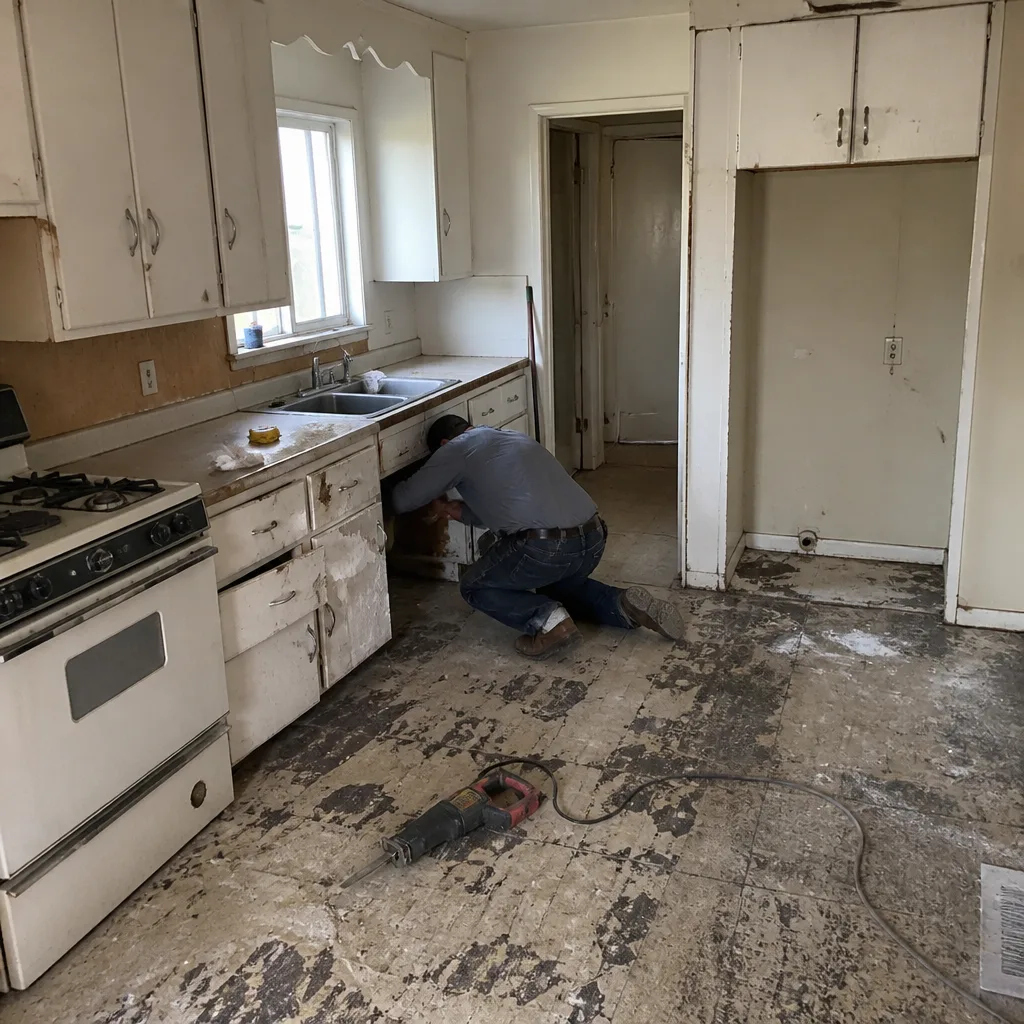 Before
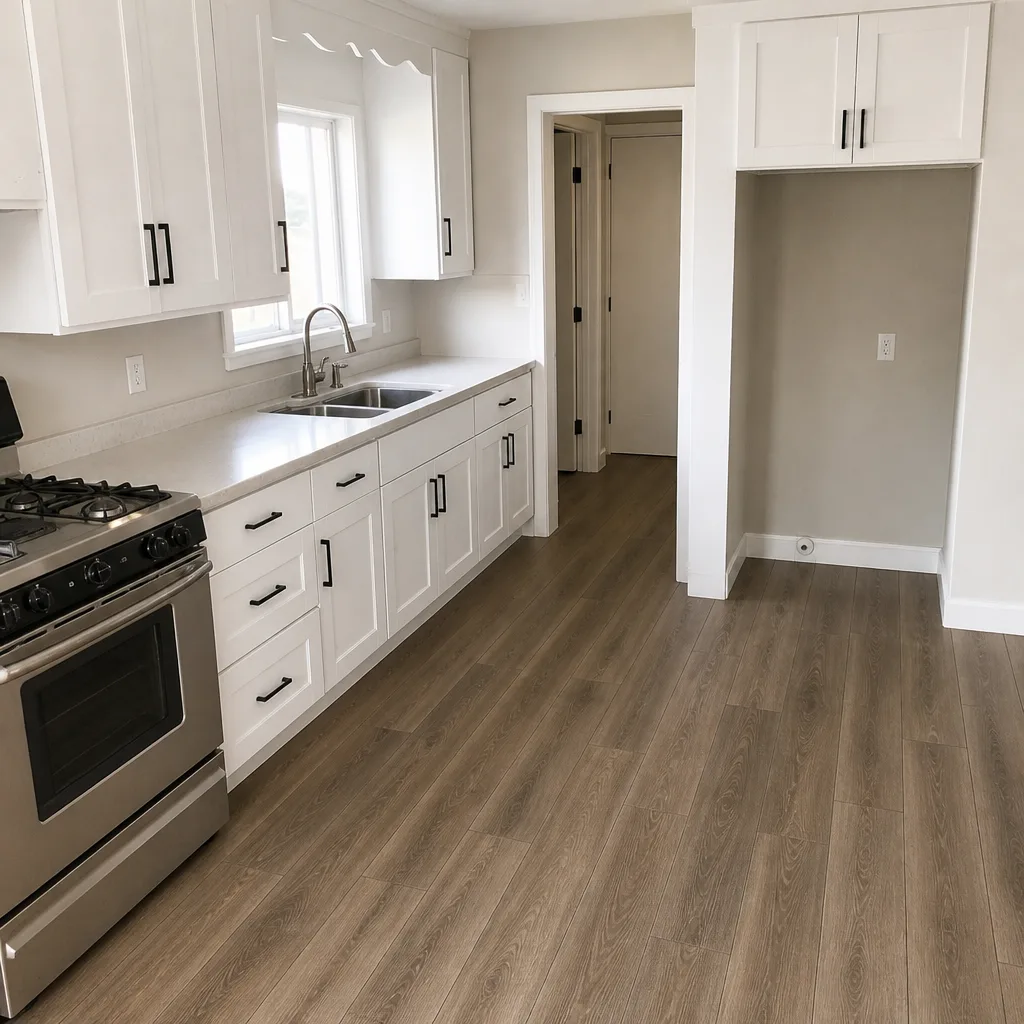 After
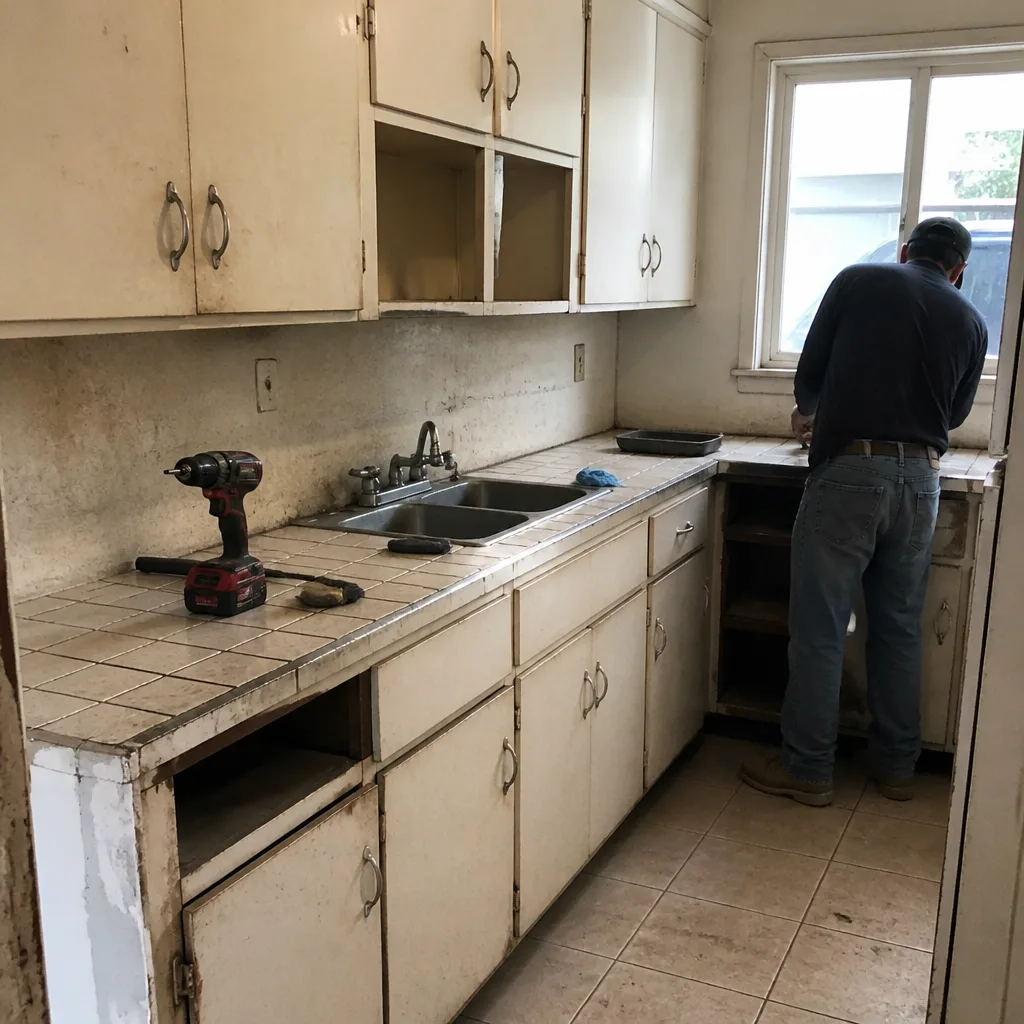 Before
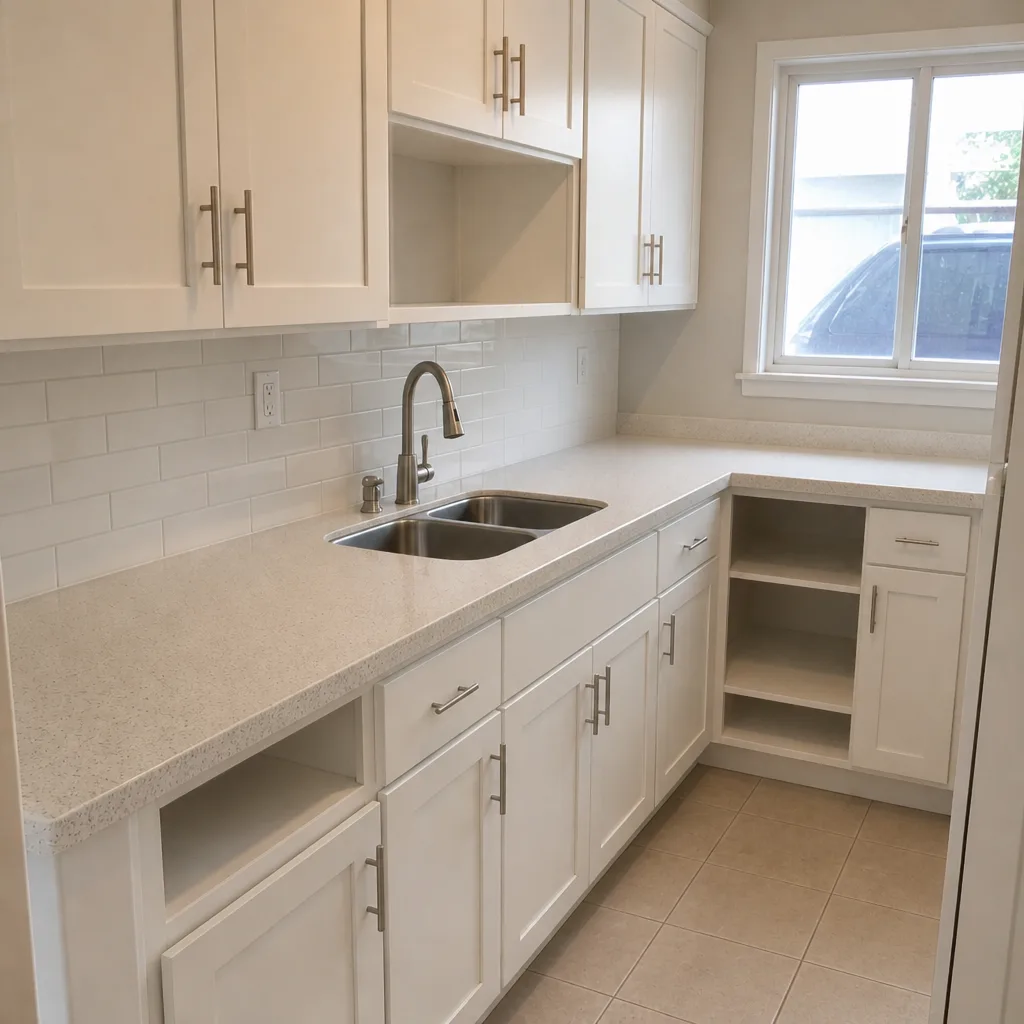 After
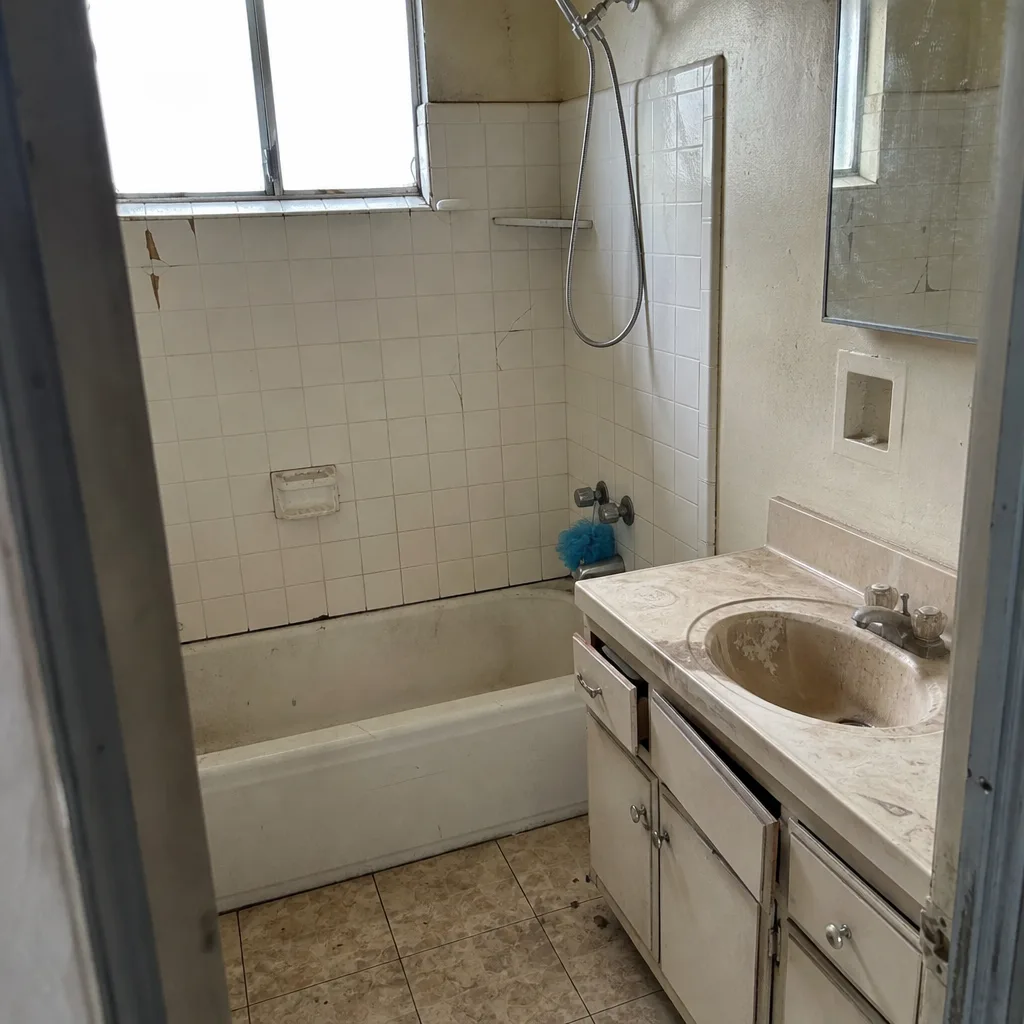 Before
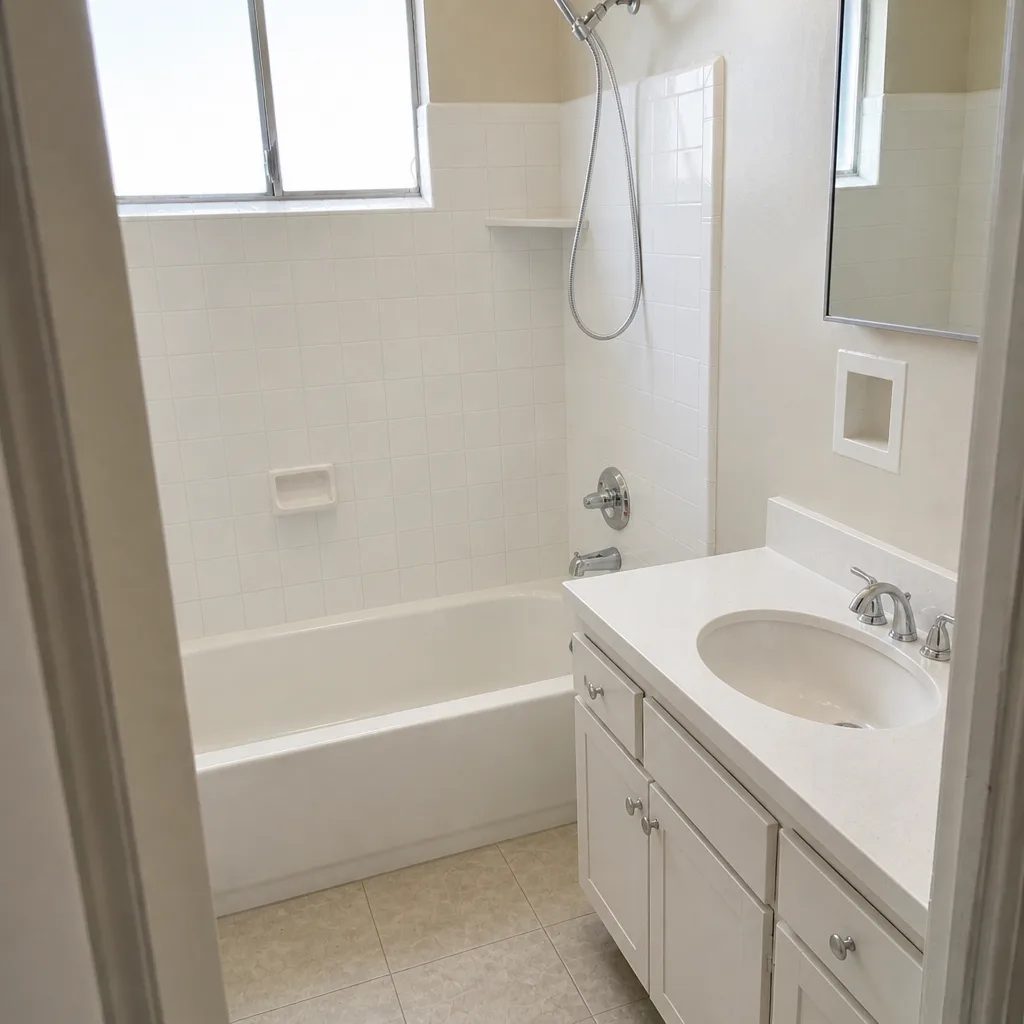 After
When to Call a Professional
Bring in a pro when the symptom is water-related, structural, or on an upper floor. Water that has entered the wall assembly, drywall cracking at frame corners, doors that stick year-round, loose frames, fogged IGUs, or any window or door you can’t safely reach from the ground are all hard stops. Those aren’t a do-it-yourself line item; they’re an inspection that determines whether you’re looking at a $200 fix or a $2,000 one.
Groundwork Construction Co. of El Monte offers free estimates in El Monte – call (888) 271-7872. We’ll walk the openings with you, tell you which of the three causes is actually driving the problem, and put a written line-item price on the fix. Upfront pricing, no surprises. Every job we do is covered by the 730-Day Done Right Promise: if it’s not done right, we make it right. If you’re eyeing a fence or exterior improvement at the same time, the same inspection model applies, and you can see how we approach it on our Fence Installation in El Monte page. Live person answers our phone 24/7.
Frequently Asked Questions

A diagnostic visit typically falls in the $100 – $250 range in El Monte, and many contractors roll that into the estimate if you move forward with repair work. Weatherstripping replacements usually run $80 – $200 per window. Frame resealing with trim removal runs $150 – $400 per opening. Full sealed-unit replacement on a failed IGU typically runs $250 – $450 depending on size and brand. Call (888) 271-7872 for a free estimate on your specific windows.
Condensation inside the sealed unit means the IGU has failed, and the answer is to replace at least the glass. On an Andersen or Marvin window, the sealed unit is often replaceable without replacing the frame, which drops the cost significantly. On builder-grade units, replacing the sash is usually more practical. Either way, don’t ignore it: a failed IGU loses most of its insulating value within a few months. Call (888) 271-7872 for an exact quote – estimates are free.
Wood and vinyl doors expand in summer heat and humidity, so a door that sticks only in July and August is behaving normally. The fix is small: a quarter-turn of the strike plate, a hinge adjustment, or a light sanding at the contact edge. If the door sticks year-round, the cause is structural, either foundation settlement, hinge failure, or an improper installation frame. That’s worth an inspection. Call (888) 271-7872 for a free evaluation.
No. Groundwork Construction Co. of El Monte quotes with written line-item pricing, and the number we quote is the number you pay. If we open a wall and find something we didn’t anticipate, we stop, itemize the added scope, and get it approved before we touch anything. That’s what “upfront pricing, no surprises” means in practice. Call (888) 271-7872 to schedule your free estimate.
Yes, and it matters. Most jurisdictions, including El Monte, require permits for window and door replacement when the rough opening changes and in most cases when the number of exterior openings changes. Flashing and sealing requirements are inspected for a reason: they’re the exact details that fail and leak. We pull the permits and pass the inspections as part of every window and door project. Call (888) 271-7872 for a scope conversation.
We work with a curated set of verified window partners, including Andersen and Marvin, because both build units that reduce the risk of the three failure modes we covered: seal integrity, sash durability, and weatherstripping longevity. We don’t carry every brand, and we don’t install every budget. The brand you end up with should match the problem you’re solving and the long-term plan for the opening. Call (888) 271-7872 for a no-pressure consultation.
The Bottom Line
Every window and door complaint in El Monte comes down to three root causes: the product, the installation, or the building. Surface condensation is humidity, not a failed window. A draft at the trim is a frame gap, not a bad sash. Seasonal sticking is normal, year-round sticking is structural. Water in the wall is a hard stop. Diagnose the layer, price the cheapest fix consistent with it, and only then consider a replacement. If you want a real inspection before you spend, call (888) 271-7872. Free estimate, live person 24/7, written line-item pricing, and the 730-Day Done Right Promise on every job. $1,000 off projects over $10,000 and 0% financing for 18 months, so the upgrade you were quoted is more reachable than you might think.
Written by the team at Groundwork Construction Co. of El Monte.