Last updated November 17, 2026



Free written scope consultation - allowances, timeline, and change-order rules on paper before a single trade is scheduled
Construction Permits, Codes & Inspections in CA: What You Need to Know
Unpermitted work in California doesn’t just risk a stop-work order. It can make a home legally unsellable, freeze a refinance, and leave you personally liable if the work causes injury, even years after the project is finished. Most homeowners in El Monte don’t learn this until they’re sitting at a closing table watching a buyer’s lender demand documentation nobody has. The gap between what California’s building code requires and what actually gets built is where real money disappears. This guide closes that gap: which projects need permits, how El Monte’s plan check runs compared to LA County, the inspection sequence that trips people up, Title 24 surprises, and how to resolve discovered unpermitted work without blowing up a sale.
Quick Answer
In California, most structural, electrical, plumbing, and mechanical work requires a permit pulled from the local building department, and any project that alters a home’s footprint, load path, or energy performance needs plan review before work starts. In El Monte, that means pulling permits through the City of El Monte’s Building & Safety Division rather than LA County, with its own plan check timelines, local amendments, and inspection preferences. Skipping the permit doesn’t save money; it transfers risk to you and follows the property, not the contractor who did the work.
Styles & brands we work with
- Kitchen remodeling
- Bathroom remodeling
- Home additions & ADU
- Roofing
- Windows & doors
- Driveway & pavers
- Fence
Table of Contents
- Which El Monte Projects Always Require a Permit (and Which Don’t)
- How El Monte’s Plan Check Compares to LA County Unincorporated Areas
- The Inspection Sequence for Common Residential Projects
- How Title 24 Affects Renovations and Additions
- El Monte Climate, Geography, and Neighborhood Code Realities
- When an Inspection Reveals Unpermitted Prior Work
- What Your Contractor Owes You on Permits and Inspections
Which El Monte Projects Always Require a Permit (and Which Don’t)
Here’s the plain-English list. If your project touches structure, changes the building envelope, runs new gas or electrical circuits, or changes a room’s use, assume a permit is required. The City of El Monte follows the California Building Standards Code with local amendments, and the permit thresholds are not as generous as homeowners assume.
Almost always permitted:
- Any wall removal, including the “non-load-bearing” kind (you still need to prove it’s not load-bearing on paper)
- Kitchen and bathroom gut remodels that move plumbing, gas, or electrical
- Room additions, ADUs, and garage conversions, including converting a garage to living space
- Re-roofing beyond a minor patch, and any new roof covering
- Replacing a water heater, furnace, or HVAC system, and any panel upgrade
- Fence installation above the city’s height limits, retaining walls above a specific height, and any driveway apron that meets the public right-of-way
- New windows and doors that change the size of an opening or alter egress
- Any structural repair to a foundation, beam, or post
Sometimes no permit required:
- Cosmetic work: paint, flooring over an existing subfloor, cabinet refacing, countertop swaps that don’t touch plumbing or gas
- Like-for-like fixture replacement (same location, same wiring or piping) at some jurisdictions, though El Monte may still require a permit for panels and gas appliances, so verify before starting
- Small fences under the height limit, landscaping, and paving that doesn’t connect to the public right-of-way
The gamble homeowners take on the “sometimes no permit required” list is what sinks them. In El Monte, permits exist for more than code compliance; they establish legal, insurable value on the property. If you build a 500-square-foot addition without a permit, the appraiser won’t count it, the insurer may exclude it, and the next buyer’s lender will demand it be permitted or removed. Same goes for exterior structures. We’ve walked plenty of properties where an unpermitted fence installation in El Monte had to be torn out before a sale because it crossed a property line or exceeded the height the neighboring parcel allowed.
How El Monte’s Plan Check Compares to LA County Unincorporated Areas
The biggest misconception homeowners carry into an El Monte project is that the city building department works the same as LA County’s. They don’t. The City of El Monte runs its own Building & Safety Division, its own plan reviewer preferences, and its own turnaround rhythm. If a contractor tells you “LA County won’t care” while your property sits inside El Monte’s city limits, they’re already signaling a mismatch.
Here’s what actually differs:
- Plan check turnaround. El Monte typically returns first review comments faster than LA County’s regional offices, but the comment sets are often more specific about Title 24 documentation and energy compliance forms. Expect a 2 – 4 week window for residential submittals, longer if your project touches hillside grading.
- Over-the-counter review. El Monte handles many smaller residential permits over the counter, including water heater replacements, panel upgrades, and simple re-roofs. LA County routes some of these through the same OTC process but with different forms and different requirements for the Title 24 energy paperwork.
- Local amendments. El Monte adopts the state code with city-level amendments, particularly around grading, drainage, and lot coverage in older neighborhoods with shallower lots. The setback in one part of the city is not the setback in another.
- Inspection scheduling. The city runs its own inspectors, and their preferences are consistent. The inspector who checks your framing knows the neighborhood, knows the soil, knows what fails locally. That’s good for you if your contractor has built here.
- Fire and grading coordination. Projects in the northern part of the city closer to the hills face extra review steps; LA County unincorporated areas have a different fire authority. This matters for additions and ADUs more than for interior remodels.
In our experience, the fastest El Monte projects are the ones that go in with a clean Title 24 package, a structural calculation set prepared for the specific lot, and a contractor who has reviewed El Monte’s most recent comment letters. Bad submittals don’t just cost time; they invite deeper scrutiny on resubmittal.
The Inspection Sequence for Common Residential Projects
Inspections happen in a fixed order, and you can’t skip ahead. If your contractor misses a stage, the re-inspection costs you a fee and days of schedule. Here’s the sequence El Monte residential inspectors follow for a typical remodel or addition, and what we see get flagged most often at each step.
- Pre-construction / site verification. The inspector confirms you’re building where the approved plans say you’re building. Flagged most often: lot lines shifted from the plan, grading not matching, tree protection missing on hillside-adjacent lots.
- Foundation. Rebar placement, anchor bolt layout, and forms. Flagged most often: anchor bolts set in the wrong pattern for the framing plan, form work not square, waterproofing missing at grade.
- Underslab rough MEP. Plumbing, gas, and electrical runs in the slab. Flagged most often: drain slope short of the 1/4-inch-per-foot minimum, gas line pressure test incomplete, conduit cover depth not verified.
- Framing. Wall, floor, and roof framing, plus shear paneling and hardware. Flagged most often: missing hold-downs, shear nailing pattern off by one field row, header sizing inconsistent with the approved plan.
- Rough MEP (walls). Electrical, plumbing, gas, and HVAC in walls before drywall. Flagged most often: missing nail plates on studs where conduit passes, gas line not pressure-tested to specification, HVAC duct sizing not matching Manual J, plumbing vent stack terminations short of code.
- Insulation and Title 24 verification. Insulation R-values, air sealing, and window ratings. Flagged most often: insulation batts compressed into a smaller cavity, air sealing at penetrations skipped, window U-factor not matching the approved compliance form.
- Drywall. Sometimes combined with insulation on El Monte projects; sometimes separate.
- Final inspection. Everything visible and tested. Flagged most often: smoke and CO detector placement, GFCI and AFCI coverage in kitchens and baths, range hood venting, water heater strapping and T&P discharge line routing.
The pattern behind almost every flag we see: plans approved for the drawing but not adjusted for the built conditions. In El Monte, older housing stock from the 1950s and 1960s means you frequently find a deviation between the drawing and what’s actually behind the drywall. The right move is to surface those deviations before the inspector does.
How Title 24 Affects Renovations and Additions
Title 24 is California’s energy code, and it’s the part of the permit process most homeowners underestimate. If your project touches more than a small percentage of the building envelope, or adds conditioned square footage, you’re probably in Title 24 territory. That’s true for El Monte projects as much as anywhere else in the state, and the current code cycle is stricter than the one most homeowners remember.
Where Title 24 lands most often in residential work:
- Windows and doors. You can’t drop in a standard double-pane unit and call it done; U-factor and SHGC ratings have to meet the prescriptive or performance pathway on the approved compliance form. Andersen and Pella both publish the rated units that matter here, and the rating has to match the form.
- Roofing. Cool-roof requirements apply to most reroofs and new roofs. If your plan calls out a GAF or CertainTeed product, the reflectivity and emittance specs need to line up with Title 24’s cool-roof table.
- Insulation and air sealing. Wall and ceiling cavity insulation must meet current R-values, and air sealing is verified at the rough stage. On El Monte homes built before 1978, this frequently means adding insulation in walls that had none.
- Water heating. Tankless replacements and heat-pump water heaters carry their own Title 24 documentation requirements, and the venting and electrical implications often trigger additional permits.
- Lighting and controls. Kitchen and bath remodels require high-efficacy fixtures and specific vacancy sensor placement in some rooms. This catches homeowners off guard because it’s not about the fixture’s look; it’s about the wattage.
The practical takeaway: budget for the energy compliance work before you fall in love with a design. A kitchen remodel in El Monte that opens the wall between the kitchen and living area becomes a Title 24 project, not just a design decision.
El Monte Climate, Geography, and Neighborhood Code Realities
El Monte sits in the San Gabriel Valley, with the Puente Hills rising to the north and flat residential blocks stretching south toward the 10 freeway. That geography shapes code enforcement in ways that surprise homeowners who’ve built elsewhere in Southern California.
Where the code bites differently here:
- Hillside and slope-adjacent properties. The northern edge of El Monte, backing toward the Puente Hills, sees added grading and drainage review. Retaining walls and drainage swales are inspected more closely, and inspectors want to see where water goes during a heavy winter storm, not just during a light one.
- Older housing stock. Much of the residential housing in El Monte dates to the 1950s through the 1970s. That means lead paint and asbestos disclosures on any renovation that disturbs walls, plus discoveries mid-project of original knob-and-tube wiring, undersized panels, and cast-iron plumbing that will fail the current code if revealed. The right response is to plan for one round of surprises, not zero.
- Lot coverage and setbacks. El Monte’s denser parcels constrain what you can add. An ADU addition that pencils out on a 6,000-square-foot lot in a neighboring city might not clear El Monte’s lot coverage and setback math on a narrower lot. Same footprint, different answer.
- Fire and wind zones. The Santa Ana wind corridor affects roof attachment requirements on the north edge of the city more than the south. If your roofer uses the standard attachment but the property is in a higher exposure area, the final inspection holds up.
- Driveway and public right-of-way. A driveway widening that reaches the curb line often triggers a separate encroachment permit from the city, plus the residential permit for the paving itself. Homeowners commonly skip this step, and it’s one of the more expensive fixes at resale.
For additions and ADUs specifically, the local reality is that careful pre-application matters more than clever design. Our team’s home additions & ADU work in El Monte regularly starts with a pre-submission site review because it’s cheaper to find the coverage limit before plans are drawn.
When an Inspection Reveals Unpermitted Prior Work
This is the part of the process that scares homeowners the most, and it’s the part we see most often in El Monte. During a pre-sale inspection or a refinance appraisal, the inspector finds a finished garage conversion, a bathroom with no permit on record, an added electrical subpanel that was never documented. The sale stops. The lender wants documentation. The buyer wants the price knocked down.
Here’s how it actually gets resolved, in the order we recommend:
- Determine what was done and when. Pull the property’s permit history from the City of El Monte, which typically retains records going back decades. Get whatever the city has on file. It’s not always complete, but it’s the starting point.
- Get a licensed inspection and a written assessment. A licensed professional needs to look at the work and decide whether it meets current code or needs correction. Electrical panels, gas lines, and structural work usually need to be opened up for inspection; cosmetic-only work sometimes doesn’t.
- File for a permit as-built or a permit to correct. El Monte allows certain previously completed work to be permitted retroactively, though the process is different from a standard new-work permit and often requires a licensed engineer’s letter for structural elements.
- Expect correction work. Most unpermitted work that gets permitted retroactively requires some correction: adding a proper vent, upgrading a panel, adding anchor bolts, insulating a wall that was never insulated. Budget for this as part of the resolution, not as an add-on.
- Coordinate with the sale or refinance timeline. The city’s “permit in progress” status is usually enough for a lender to extend a closing date. The worst outcome is trying to hide the work; lenders and title companies are good at finding it.
The good news: unpermitted work that’s resolved properly often adds value to the property, because a formerly gray-area addition becomes a legally counted square footage. The bad news: work that gets flagged and can’t be permitted becomes removal work. In El Monte, we’ve seen this most with garage conversions and unpermitted room additions in older neighborhoods.
What Your Contractor Owes You on Permits and Inspections
Any contractor you hire for a project in El Monte should be able to answer these questions in plain English before you sign:
- Will you pull the permits, or will I? (If they say “you pull them,” that’s a warning sign. Licensed contractors on structural work typically pull permits in their own name and carry the corresponding liability.)
- Who meets the inspector on site, and when? A serious contractor shows up for inspections. A less serious one sends the sub.
- What’s included in the bid for corrections, and what’s priced separately? Inspection corrections are the single biggest cost that bites homeowners mid-project because they weren’t scoped.
- What happens if the inspector flags something not caught in the plan review? Who pays for the correction work?
- Is the permit fee included in the bid or on top? In El Monte, residential permit fees vary by scope and value. You want this line-itemed, not buried.
A contractor who hesitates on any of these questions is telling you what the job will feel like. The right contractor writes these answers into the proposal, along with the workmanship guarantee that backs the work after the inspector leaves. Our Groundwork Construction Co. of El Monte home page outlines how we structure that, and the 730-Day Done Right Promise applies to permit corrections we perform, not just the original scope.
Working with permitted trades on the same job
Most El Monte residential projects involve at least three trades: framing, MEP, and finish. Permits and inspections tie those trades together, and the failure mode is always the same: one trade does its rough work, the next trade covers it before the inspector sees it. On a bathroom remodel, that means the plumber roughs in, the tile setter shows up, and the inspector shows up after tile is installed. Repeat inspections cost money and delay the schedule. Good project management is about sequencing the schedule so inspections happen when they should, before the next trade closes a wall. Schluter and Grohe system components are commonly used on our bathroom projects because the assembly details are documented and match what inspectors check for waterproofing and rough-in alignment. The material choices matter, but the scheduling behind them matters more.
Common Mistakes to Avoid
- Assuming “cosmetic” means “no permit.” In El Monte, removing a wall between a kitchen and living room is not cosmetic even if the wall isn’t load-bearing. Structural verification and Title 24 kick in as soon as the envelope or envelope-open plan changes.
- Skipping the pre-submission site check on additions. Setbacks and lot coverage limits in El Monte are calculated against your specific lot, not against the general zoning. A design that pencils out on paper fails plan check when the actual lot dimensions are applied.
- Not verifying the contractor’s permit history. Two minutes on the city’s permit lookup tells you whether the contractor’s name appears on prior permits in El Monte. A contractor with a clean track record here already knows the inspectors and their thresholds.
- Treating Title 24 as a paperwork nuisance. The energy form has to match the built product. If your window supplier is not on the approved list for the rating your plan calls out, the final inspection fails. Get the ratings matched at order time, not at final.
- Ignoring prior unpermitted work during escrow. Buyers routinely discover unpermitted additions during inspection and negotiate them as if they’re a pricing problem. They’re a permitting problem. Resolve it before it becomes a sale-killer.
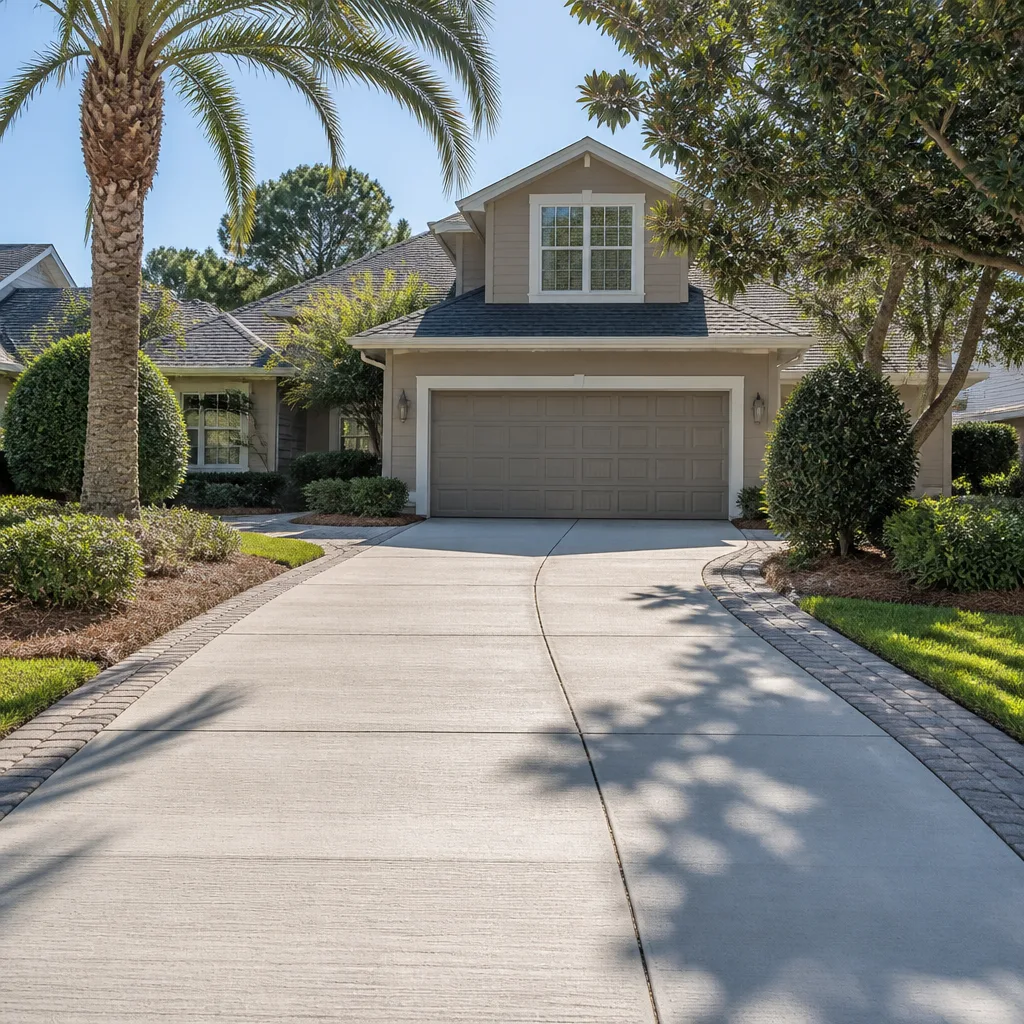
- Skipping the encroachment permit for driveway work. A new driveway or widened apron that reaches the sidewalk requires a separate permit from the city, not just the paving scope. We coordinate both on driveway & pavers projects in El Monte because the two permits aren’t the same.
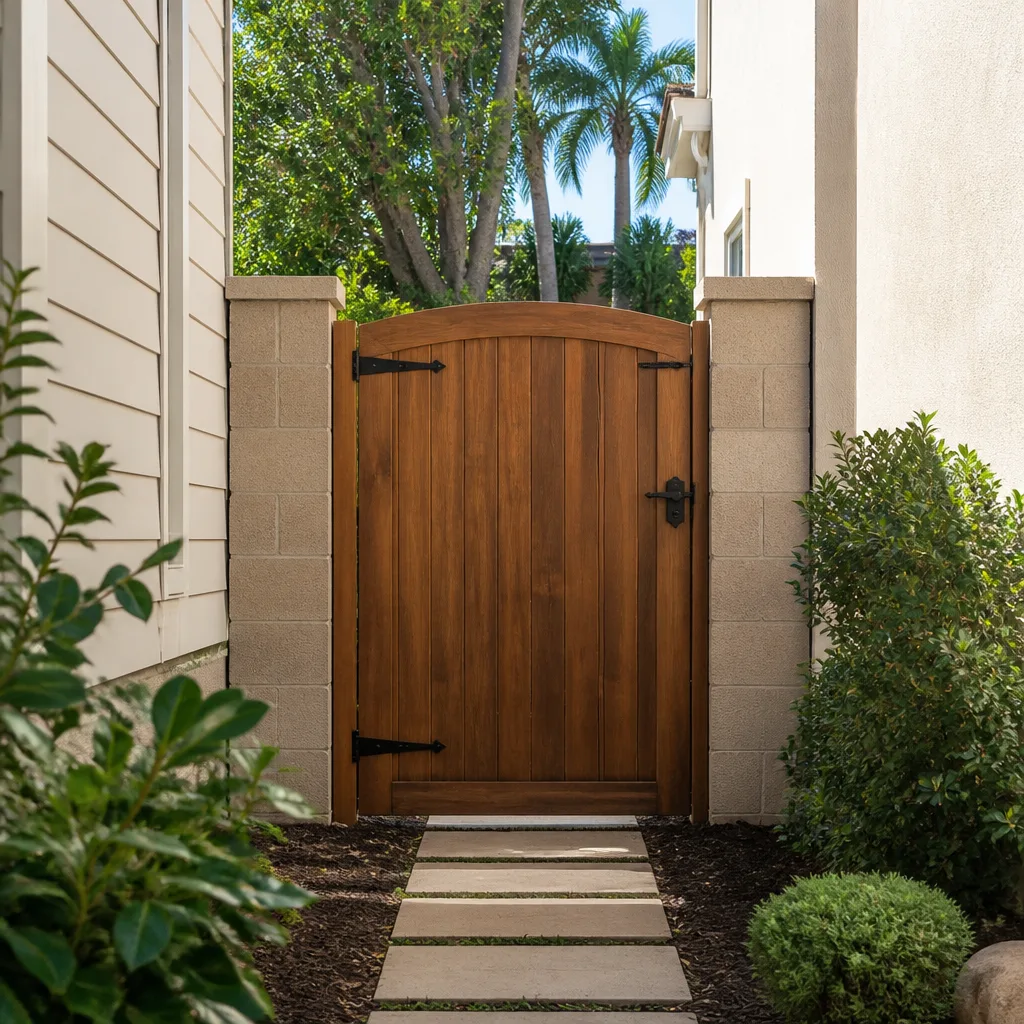
- Assuming a fence is exempt from everything. Height, setback from the property line, and visibility at corners all have code implications in El Monte, and a preexisting fence that violates any of them becomes someone else’s problem at the next sale. Our fence installation team in El Monte pre-checks those items on every job.
See the difference
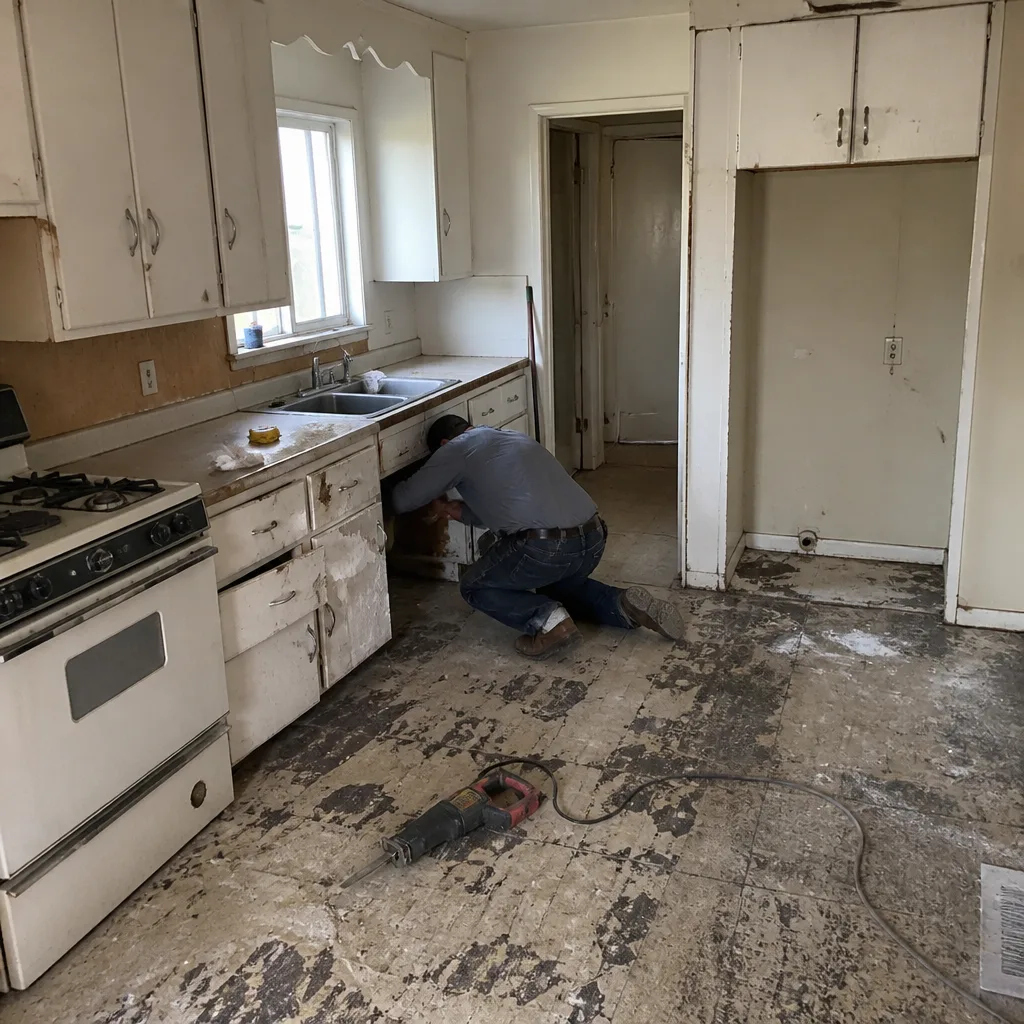 Before
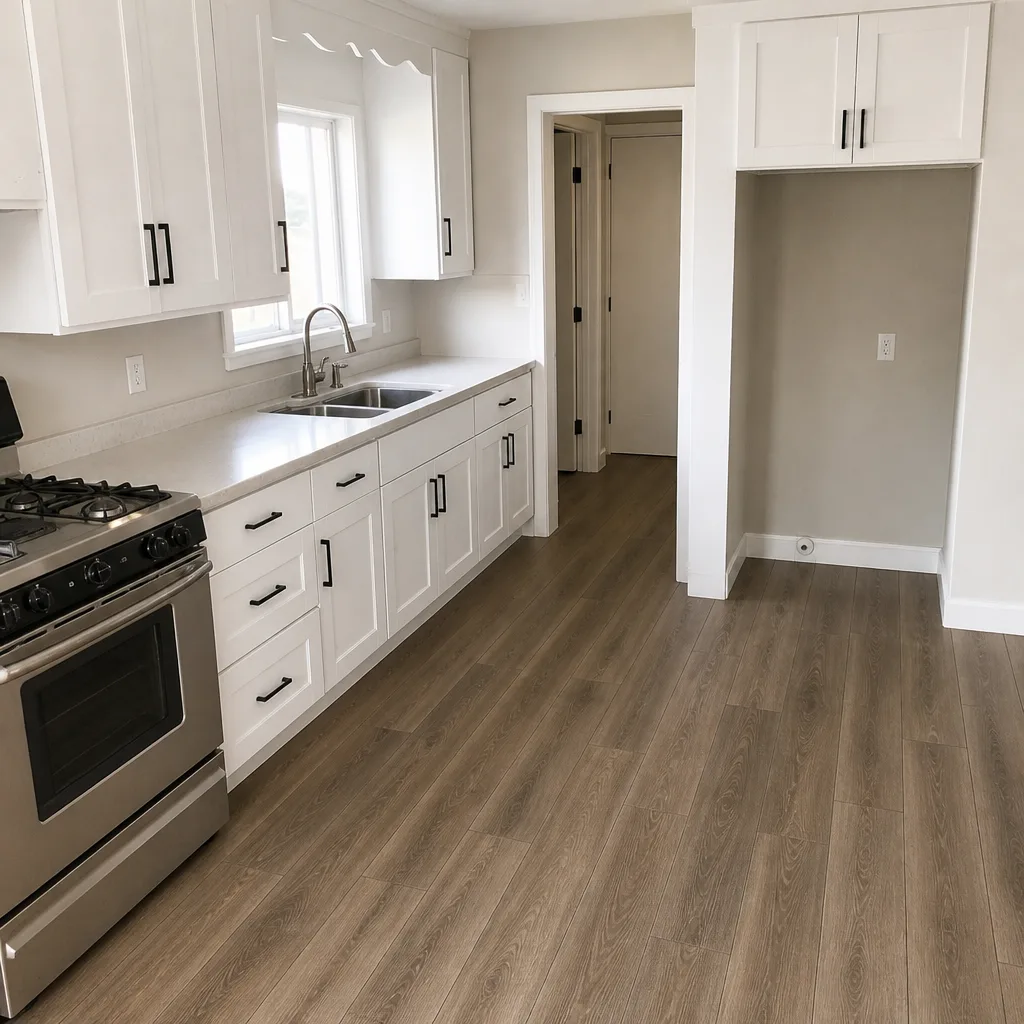 After
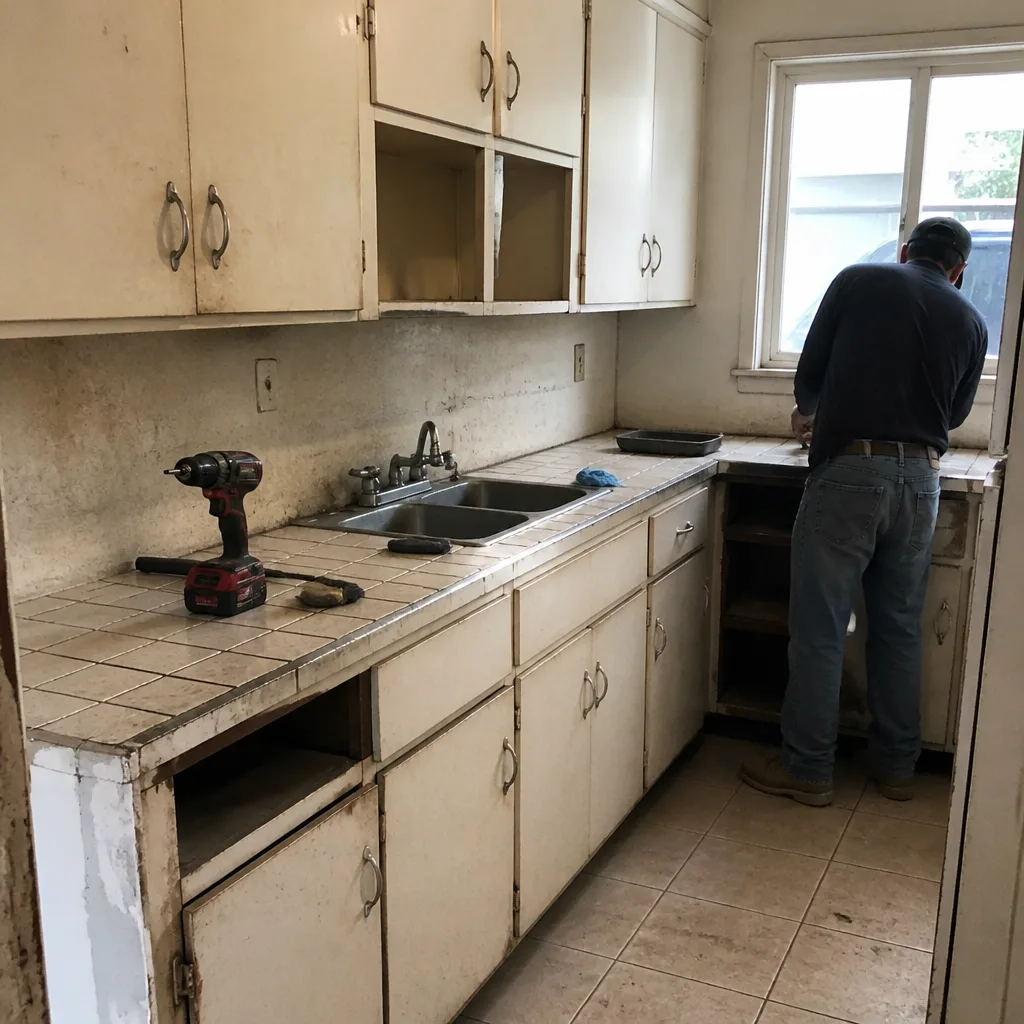 Before
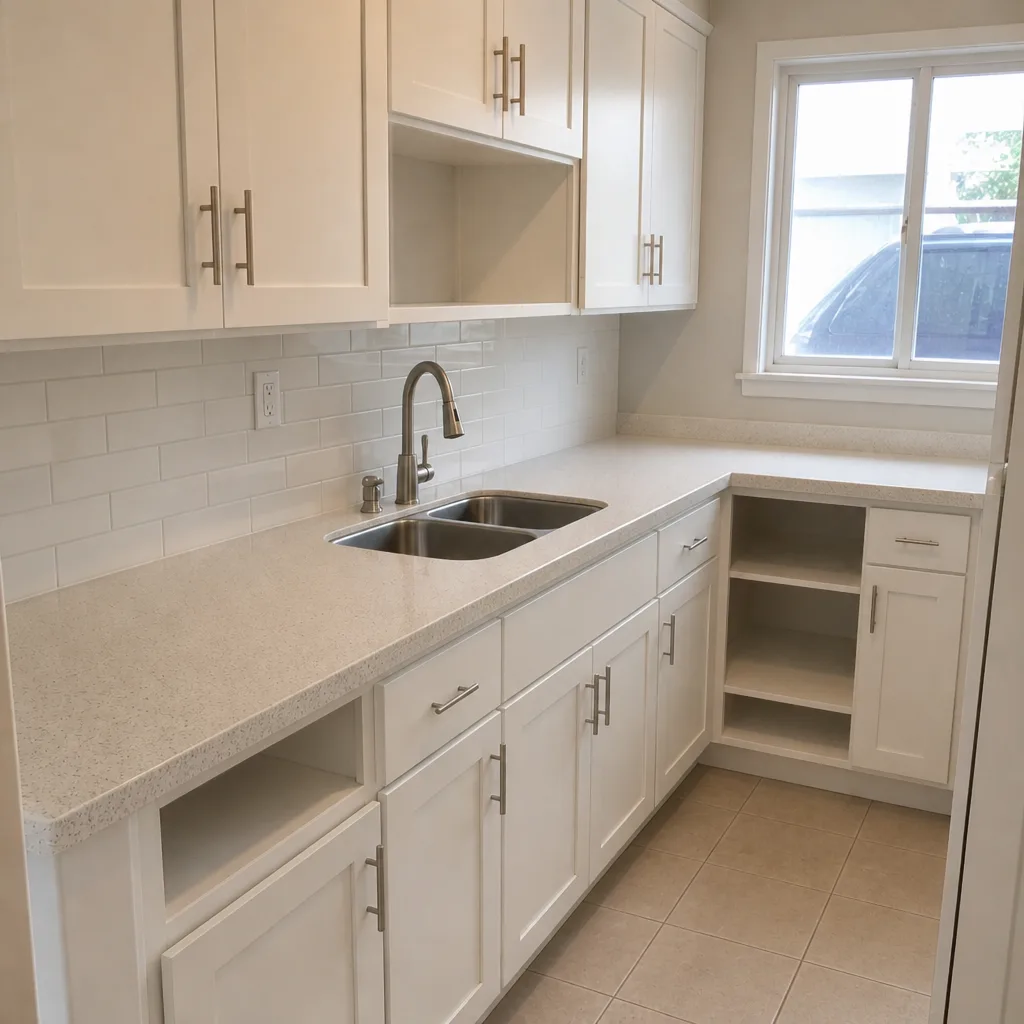 After
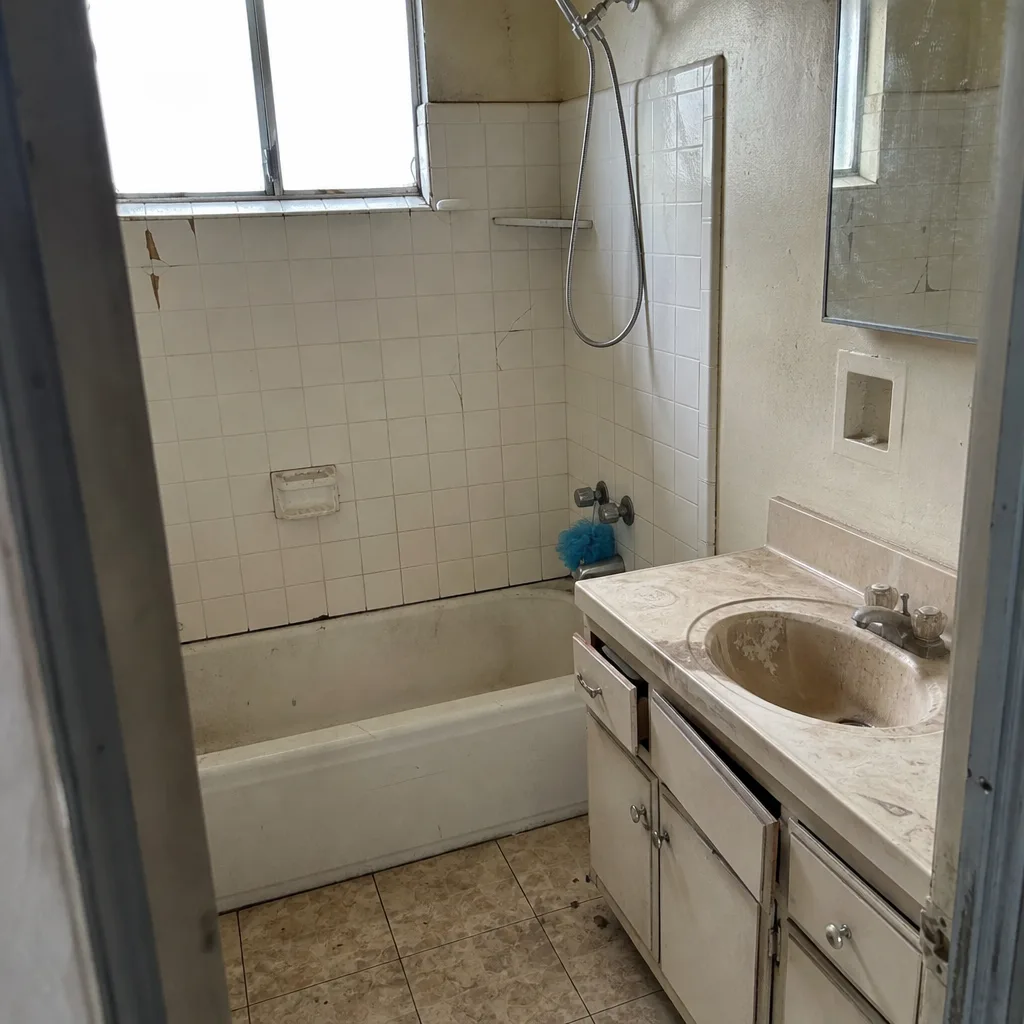 Before
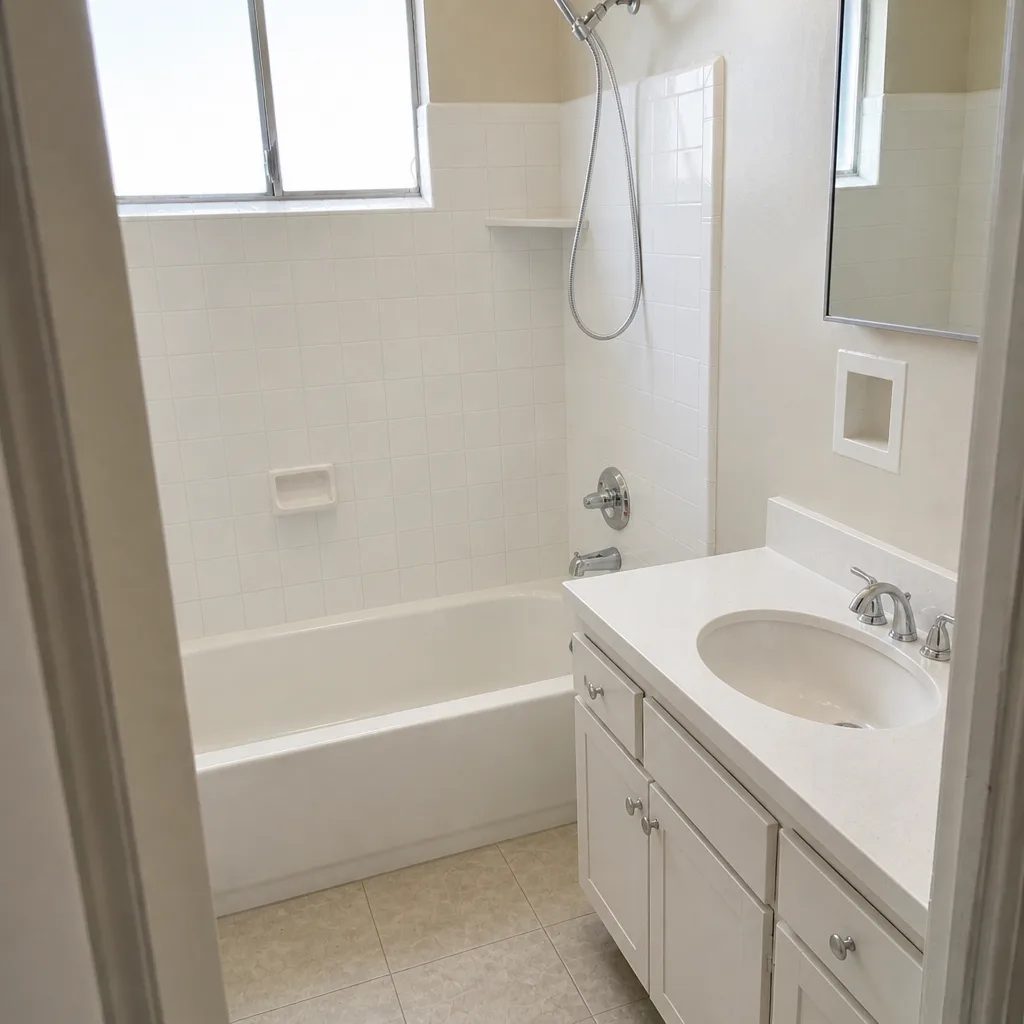 After
When to Call a Professional
Call a licensed contractor before you touch the wall, not after. Scenarios that should always trigger a professional call in El Monte: any plan to remove a wall, open a ceiling, change the footprint, install or replace a roof covering, upgrade the electrical panel, replace a water heater, or modify gas or plumbing rough-in. Same goes for anything you’re planning around an unpermitted prior addition, because the resolution path is a permitting project, not a handyman fix. Some inspections can be scheduled by the homeowner, but the corrections flagged at inspection should be made by the trade that installed the work, with a permit tracking the correction. Groundwork Construction Co. of El Monte offers free estimates in El Monte with a written line-item scope that covers permit fees, inspection corrections, and the workmanship guarantee. Call (888) 271-7872 to schedule yours.
Frequently Asked Questions
Yes, in nearly every case. Any kitchen remodel that moves plumbing, gas, or electrical, or that removes or adds a wall, requires a permit from the City of El Monte, and most also trigger Title 24 energy compliance documentation. Only cosmetic work like paint, flooring over an existing subfloor, or cabinet refacing without utility changes skips the permit. Call (888) 271-7872 for a free estimate that includes the permit scope.
Residential permits typically take 2 – 4 weeks for first plan review, with over-the-counter approval for smaller scopes like water heater replacements and panel upgrades. Additions and ADUs with structural or hillside elements run longer, and resubmittals after plan check comments add time. The fastest approvals come from clean submittals; the slowest come from plans copied from another city’s template. Call (888) 271-7872 for a scoped timeline on your project.
The city can issue a stop-work order, assess penalties, and require the work to be permitted retroactively or removed. The bigger risk is downstream: lenders won’t finance a home with unpermitted additions, insurers may exclude the work from coverage, and buyers negotiate heavily against the cost of resolution. Getting caught at the wrong moment (during a sale) costs far more than resolving it proactively. Call (888) 271-7872 for a no-hassle assessment of unpermitted work.
Yes, if your bathroom remodel touches the envelope, lighting, or water heating. Title 24 applies to the energy performance of new fixtures, insulation values, and ventilation controls, and the approved compliance form has to match what’s built. A like-for-like swap of a vanity top without utility changes typically doesn’t trigger it. Call (888) 271-7872 for a free scoped estimate including Title 24 documentation.
Yes, materially. The City of El Monte runs its own Building & Safety Division with its own plan review, local amendments, and inspector preferences, distinct from LA County’s regional offices that serve unincorporated areas. Timelines, over-the-counter thresholds, and the specific Title 24 comment patterns all differ. A contractor who has only built in LA County unincorporated areas is adjusting to El Monte on your job. Call (888) 271-7872 to work with a team that already knows the local process.
You can, but the sale becomes complicated. Most buyers will negotiate the price down by the cost of resolution, and lenders frequently refuse to finance properties with unpermitted square footage. The clean path is to permit and correct the work before listing; the messy path is to disclose it and let the buyer use it against you. Call (888) 271-7872 for a free estimate on permitting and correcting prior work.
The Bottom Line
California’s building code is a framework, but the speed and outcome of your project are set at the local level: how cleanly your submittal matches El Monte’s plan review, how well your contractor sequences the inspection stages, and how seriously Title 24 is handled before construction starts. The three things that matter most: pull the permit (unpermitted work follows the property, not the contractor), budget for inspection corrections before you sign the bid, and treat Title 24 as design work, not paperwork. Groundwork Construction Co. of El Monte exists to close that gap, with upfront pricing, background-checked technicians, and a 730-Day Done Right Promise behind every job.
Call (888) 271-7872 for a free estimate on your El Monte project, including permit scope, inspection sequencing, and a written line-item bid. Live person, 24/7. Free Project Estimate & Design Consult. $1,000 off projects over $10,000, plus 0% financing for 18 months. The number you see is the number you pay.
Written by the team at Groundwork Construction Co. of El Monte.