Last updated November 17, 2026





Free written scope consultation - allowances, timeline, and change-order rules on paper before a single trade is scheduled
How to Hire a Construction Contractor in El Monte: A Step-by-Step Guide
The California Contractors State License Board logs more complaints from Los Angeles County homeowners than from any other region in the state. Most of those complaints trace back to three questions that never got asked before the contract was signed. Not three pages of paperwork. Three questions.
That’s the whole game in El Monte. The San Gabriel Valley has no shortage of licensed, competent contractors. It also has no shortage of operators who bid low, start fast, and disappear once the deposit clears. Telling them apart takes a process, not a gut feeling. This guide gives you that process: how to verify a license, what contract clauses to demand, which red flags are specific to this market, and how to read two identical-looking bids that hide completely different jobs.
Quick Answer
To hire a construction contractor in El Monte, verify the contractor’s license and complaint history on the CSLB website first, then request three local references and a written scope of work before comparing any prices. The contract must include a payment schedule tied to completed milestones, a change-order clause, and lien waivers. Compare bids line by line, not by bottom-line total, and confirm any warranty in writing before signing.
Styles & brands we work with
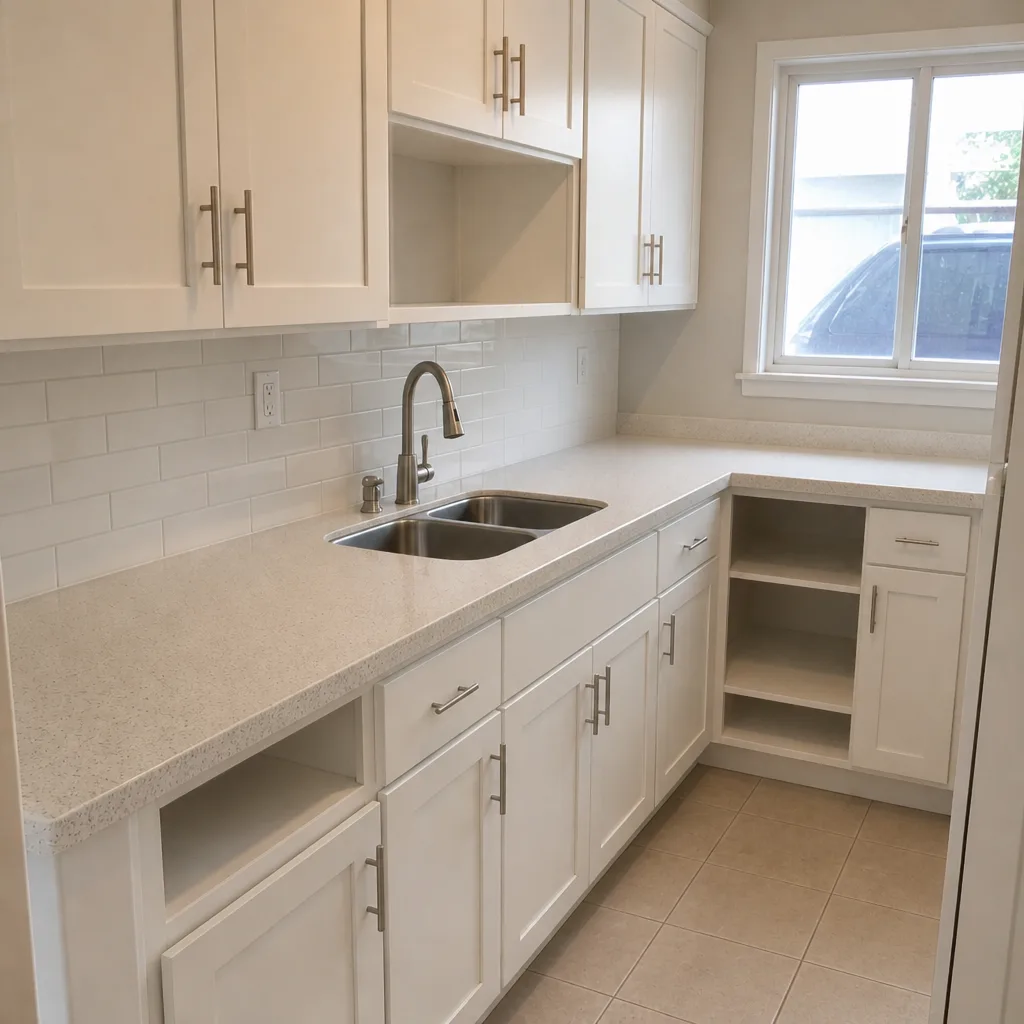
- Kitchen remodeling
- Bathroom remodeling
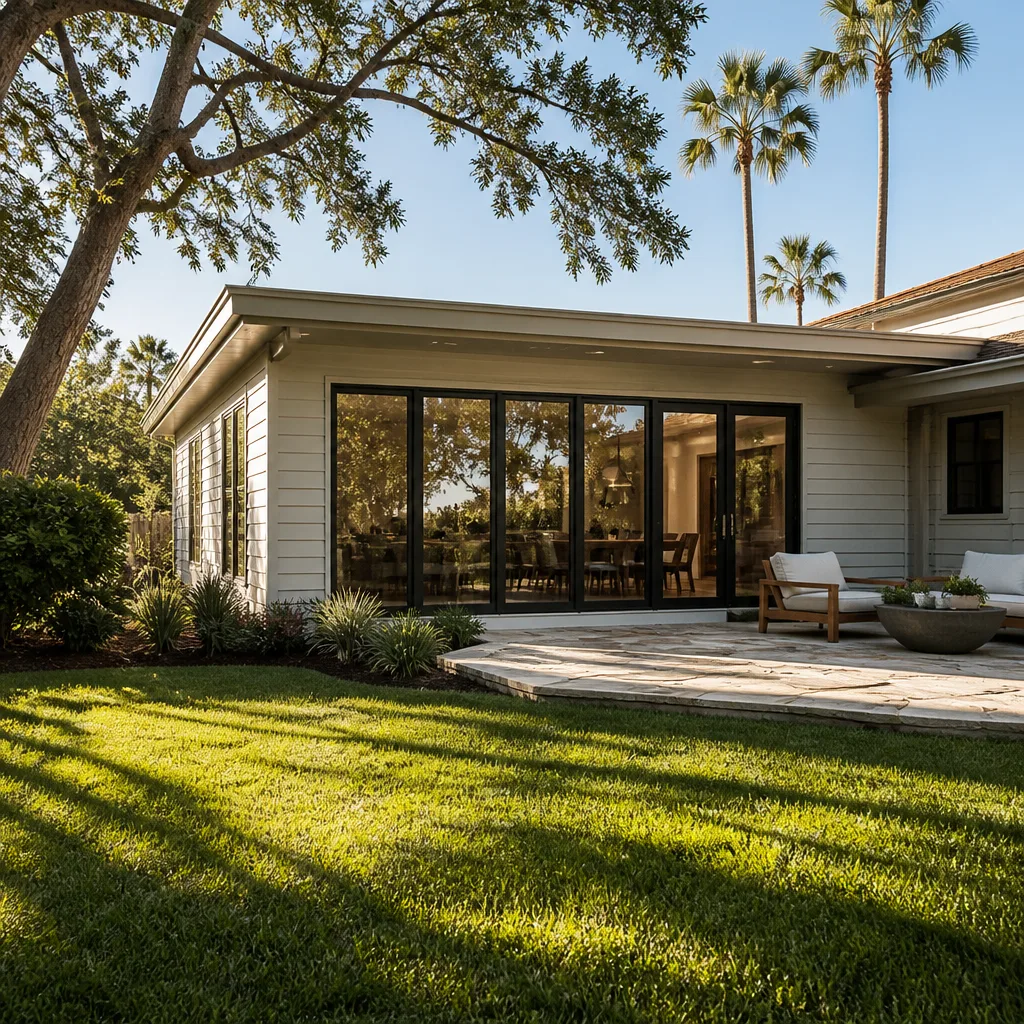
- Home additions & ADU
- Roofing
- Windows & doors
- Driveway & pavers
- Fence
Table of Contents
- How Do You Verify a Contractor’s License in California?
- What Do License Classifications Mean for Your Project?
- Which Contract Clauses Should Every El Monte Homeowner Demand?
- What Red Flags Are Specific to the San Gabriel Valley Market?
- How Do You Compare Bids That Look Identical?
- What Does a Real Warranty Look Like in Writing?
- How Do Permits and Inspections Work in El Monte?
- How Should You Structure Payments?
How Do You Verify a Contractor’s License in California?
Every licensed contractor in California appears in the Contractors State License Board database, and checking it takes about four minutes. You’ll need the license number, which a legitimate contractor hands over without being asked. If someone hesitates to give you a license number, that hesitation is your answer.
Here’s the verification sequence we walk homeowners through:
- Pull the license record. Search the license number or business name on the CSLB site. Confirm the name on the license matches the name on your contract and the name on the bid.
- Confirm the status is “Active.” A license can be expired, suspended, or revoked. Active means active. Nothing else counts.
- Check the classification. The license classification tells you what work the contractor is legally allowed to perform. More on this in the next section.
- Read the complaint history. The CSLB publishes disclosed complaints, arbitrations, and disciplinary actions. One old complaint from a decade ago may mean nothing. A pattern in the last two years means everything.
- Verify the bond and workers’ compensation coverage. Both appear on the license record. If the contractor has employees and no workers’ comp, that’s a legal problem and your liability exposure.
We suggest doing this check before the first in-person meeting, not after. It saves you a Saturday morning. In our experience working across El Monte and the surrounding San Gabriel Valley, the contractors who welcome this scrutiny are the same ones whose bids hold up six months later.
What Do License Classifications Mean for Your Project?
A California contractor license isn’t a single blanket credential. Each license carries a classification that defines which trades the holder can legally perform. Hiring outside that classification voids your protections.
The classifications that matter most for El Monte homeowners
- Class A – General Engineering Contractor. Covers work that requires specialized engineering knowledge: large site work, grading, sewer and drainage systems, and some structural foundations. Rarely the right fit for a residential remodel, but common on larger ADU site work.
- Class B – General Building Contractor. The standard license for home construction, remodels, additions, and multi-trade projects. A Class B can take a whole house remodel, but must subcontract specialty trades to properly licensed subs.
- Class C – Specialty Contractors. Dozens of sub-classifications: C-39 for roofing, C-36 for plumbing, C-10 for electrical, C-33 for painting. A roofer should hold C-39. An electrician should hold C-10.
Here’s the practical part. If you’re building a home addition in El Monte, a Class B general contractor is your starting point. That contractor is allowed to manage the framing, drywall, and finish work while bringing in a licensed roofer and electrician for their pieces. If someone holding only a C-39 roofing license offers to “handle the whole addition,” they’re operating outside their license. That’s not a technicality. It’s a guarantee that no one will back the work if something fails inspection.
How to check the classification quickly
The CSLB record shows the license classification in the same screen as the status. Match the classification to the scope of work before you sign anything. For a broader look at how we approach multi-trade projects from one contract, see Groundwork Construction Co. of El Monte home.
Which Contract Clauses Should Every El Monte Homeowner Demand?
A California home improvement contract over $500 must be in writing, and it must include specific elements under Business and Professions Code section 7159. But the code minimum is not the same as a contract that protects you. The gap between the two is where disputes live.
These are the clauses we tell every El Monte homeowner to demand, in writing, before signing:
- A detailed scope of work. Not “kitchen remodel” but the actual line items: demolition, rough plumbing, rough electrical, drywall, cabinet model numbers, countertop material and thickness, tile specifications, paint brand and sheen. Vague scopes are how change orders multiply.
- A written change-order procedure. Every change must be priced, signed, and approved before the work happens. No verbal “we’ll work it out later.”
- A milestone-based payment schedule. Never a large deposit up front. Progress payments released as specific phases finish and you’ve inspected them.
- Conditional lien waivers. These documents prove your subcontractors and material suppliers have been paid, protecting you from mechanics’ liens filed against your property. Request one at every payment.
- A warranty clause with a stated term. “Guaranteed workmanship” means nothing. “730 days from substantial completion, covering labor and installation” means something you can enforce.
- A three-day right to cancel. Required by California law on home improvement contracts. If a contractor rushes you past this, that alone disqualifies them.
For projects that involve structural work, like a home addition, the contract should also specify who pulls the permits and who pays for re-inspection fees if the first inspection fails. We’ve seen El Monte jobs stall for weeks because the answer to that question was “nobody agreed.”
What Red Flags Are Specific to the San Gabriel Valley Market?
The contractor market in the San Gabriel Valley runs deep and competitive, and that competition is mostly a good thing. It also means the operators who cut corners have gotten good at looking legitimate. These are the specific patterns we see homeowners get burned by around El Monte.
Vague scopes of work
A bid that reads “demo and rebuild bathroom – $14,500” isn’t a bid. It’s a number. It doesn’t tell you what fixtures, what tile, what waterproofing method, or who handles disposal. When the work starts, every missing specification becomes a change order at the contractor’s price.
Cash-only deposits
Any contractor who asks for a large cash deposit and no paper trail is putting your money somewhere you can’t recover it. California caps the down payment on home improvement contracts at 10% of the contract price or $1,000, whichever is less. A contractor who asks for 30% in cash isn’t just breaking the rule. They’re telling you what the rest of the job will look like.
No local references
The San Gabriel Valley is a word-of-mouth market. A contractor who’s done real work in El Monte, South El Monte, Rosemead, or Temple City can give you three addresses within fifteen minutes. A contractor who can’t name a single street is likely bidding jobs from out of the area and won’t be around to honor a warranty. Ask for references from the last twelve months and call them.
Pressure to skip the permit
El Monte requires permits for structural work, electrical, plumbing, roofing, and most additions. A contractor who suggests skipping the permit to “save you money” is transferring the risk to you: unpermitted work becomes a disclosure problem when you sell, and the city can require you to tear it out. We’ve seen this play out on converted garages throughout the city.
Vanishing bids and unreturned calls
If a contractor doesn’t return your call within two business days before they have your money, assume the pattern holds after they do. That’s why we answer the phone with a live person around the clock.
How Do You Compare Bids That Look Identical?
Two bids for the same kitchen can sit side by side looking like twins and represent completely different jobs. This is the single most expensive comparison mistake homeowners make, and it’s especially common on larger El Monte remodels where three or four bids land on the same table.
Lay the bids out in a comparison grid and check these five dimensions:
- Materials by brand and model. “Shaker cabinets” hides a $4,000 spread. KraftMaid cabinets with soft-close hardware and a specified finish are not the same line item as an unnamed import. Roofing bids should specify whether the shingles are CertainTeed, Owens Corning, or IKO – and which product line within each.
- Labor hours implied. A bid that’s 20% lower usually means fewer crew members, fewer days, or skipped steps like proper waterproofing behind tile. Ask how many days the job will take and who will be on site.
- Inclusions and exclusions. Does the bid include demolition, haul-away, permit fees, paint, hardware, and cleanup? A bid that excludes half of these will match its bottom-line total by the end of the job – and not in your favor.
- Warranty depth. One bid backs workmanship for a year. Another backs it for two. A third offers a verbal guarantee. Those are three different products at three different risk levels.
- Subcontractor disclosure. Ask which trades will be subcontracted and whether those subs hold their own licenses. Vague answers here usually mean unlicensed labor.
When the comparison is done right, the cheapest bid often stops looking cheapest. In our experience, that’s the moment a homeowner stops bidding the job and starts hiring a contractor.
What Does a Real Warranty Look Like in Writing?
A verbal warranty is a promise. A written warranty is a contract. When something fails at month fourteen – a leaking shower pan, a roof flashing that pulls loose, a door that stops latching – the difference between those two is the difference between a repair and a lawsuit.
What to look for in a workmanship warranty
- A stated duration in days or years. “We stand behind our work” is not a duration. “730 days” is.
- What’s covered, specifically. Labor, installation, and workmanship should all appear. Materials have their own manufacturer warranties, and those are separate.
- What triggers service. A real warranty tells you how to request service and what the response timeline is.
- Whether it transfers. If you sell the home inside the warranty window, does the coverage follow? This matters for resale in El Monte, where properties change hands regularly.
- Exclusions in plain language. Normal wear, damage from neglect, and acts of nature are standard exclusions. Anything broader should raise a question.
Our own 730-Day Done Right Promise runs two full years past substantial completion. If something we installed fails because of how we installed it, we make it right. That’s the standard we’d ask for as homeowners, and it’s the standard we put in writing on every project. We mention it here because when you’re comparing contractors, the length and clarity of the warranty is one of the clearest signals of who expects to be around to honor it.
A 730-day promise is not the same as a 730-day warranty on the materials themselves – roofing shingles carry manufacturer warranties from CertainTeed and Owens Corning that run far longer, and window warranties from Andersen and Pella have their own terms. Ask any contractor to separate the two clearly.
How Do Permits and Inspections Work in El Monte?
Permits are pulled through the City of El Monte’s Building and Safety Division, and any contractor who tells you they’re optional is telling you something else. Here’s how the process usually runs on a residential project.
- Scope review. The contractor reviews your project against current California Building Code and local amendments, and confirms which permits are required. Structural work, additions, electrical, plumbing, roofing, and most fencing over a certain height need permits.
- Application and plan check. Plans get submitted to the city. Plan check can take one to several weeks depending on complexity – additions and ADUs take longer than a re-roof or a bathroom.
- Permit issuance. Fees are paid. The permit is posted on site.
- Inspections at milestones. Framing inspection before drywall, rough electrical and plumbing before cover, final inspection at the end. Skipping an inspection is not a shortcut – it’s a failed final.
- Final sign-off. The city closes the permit. This document matters when you sell.
One El Monte-specific detail: many homes here were built in the mid-twentieth century, and older structures often trigger additional requirements around seismic anchoring and egress when you open walls. A contractor who’s done this work in El Monte knows to budget for those contingencies up front rather than discovering them mid-demo. That’s one of the reasons we build a contingency line into every addition estimate.
If your project falls into the addition or ADU category, see Home Additions & ADU in El Monte for the specific permit path those jobs follow.
How Should You Structure Payments?
The payment schedule is where most contractor disputes begin. Get it right on paper before the first check, and half your risk disappears.
California law caps the down payment on home improvement contracts at 10% or $1,000, whichever is less. Beyond that, every payment should tie to a completed milestone you can see with your own eyes, followed by a lien waiver from the contractor and each subcontractor who worked on that phase.
A defensible schedule looks like this:
- Deposit: 10% or $1,000, due at signing.
- Phase payments: released as each defined phase completes and you’ve inspected it in person. Demo, rough-in, drywall, finish, punch list. Each is a distinct payment.
- Retainage: a final 5 – 10% held until the punch list is complete and final inspection passes. This is your leverage in the last two weeks of the job.
Never pay for materials that haven’t arrived or labor that hasn’t happened. If a contractor needs to order cabinets or specialty roofing, that deposit should be documented in the contract with a receipt, not folded into a larger advance. We work on upfront pricing so the number you see on the estimate is the number you pay at the end; the payment schedule is the mechanism that makes that promise enforceable.
Common Mistakes to Avoid
- Hiring before checking the CSLB. A four-minute check eliminates most of the bad outcomes. Many El Monte homeowners skip it because the contractor seems like a straight shooter in person – and that’s exactly how bid-and-disappear operators get hired. Verify the license, status, and complaint history before you talk numbers.
- Choosing the lowest bid without comparing scope. The lowest number is often the narrowest scope. When you line up two bids side by side and see one that excludes permits, disposal, and paint, you’re comparing two different jobs. Always compare line items to line items.
- Paying a large cash deposit. A contractor asking for 30% or 40% cash up front is asking for money you may never see again if the job stalls. Stay within the 10%/$1,000 cap and tie the rest to milestones.
- Accepting a verbal warranty. “You’re covered” is not a warranty. If the term isn’t in the contract with a stated number of days and clear coverage language, assume you have no warranty at all.
- Skipping the permit to save money. Unpermitted work in El Monte becomes a disclosure problem when you sell, and the city can require corrections at your expense. The permit cost is far less than the removal cost.
- Not asking who’s on site. Ask which trades will be subcontracted and confirm each sub holds their own license. A framing crew showing up without a company name on the truck is worth a question.
- Skipping lien waivers. You can do everything right with the general contractor and still end up with a mechanics’ lien on your property because a supplier wasn’t paid. Request a lien waiver at every payment.
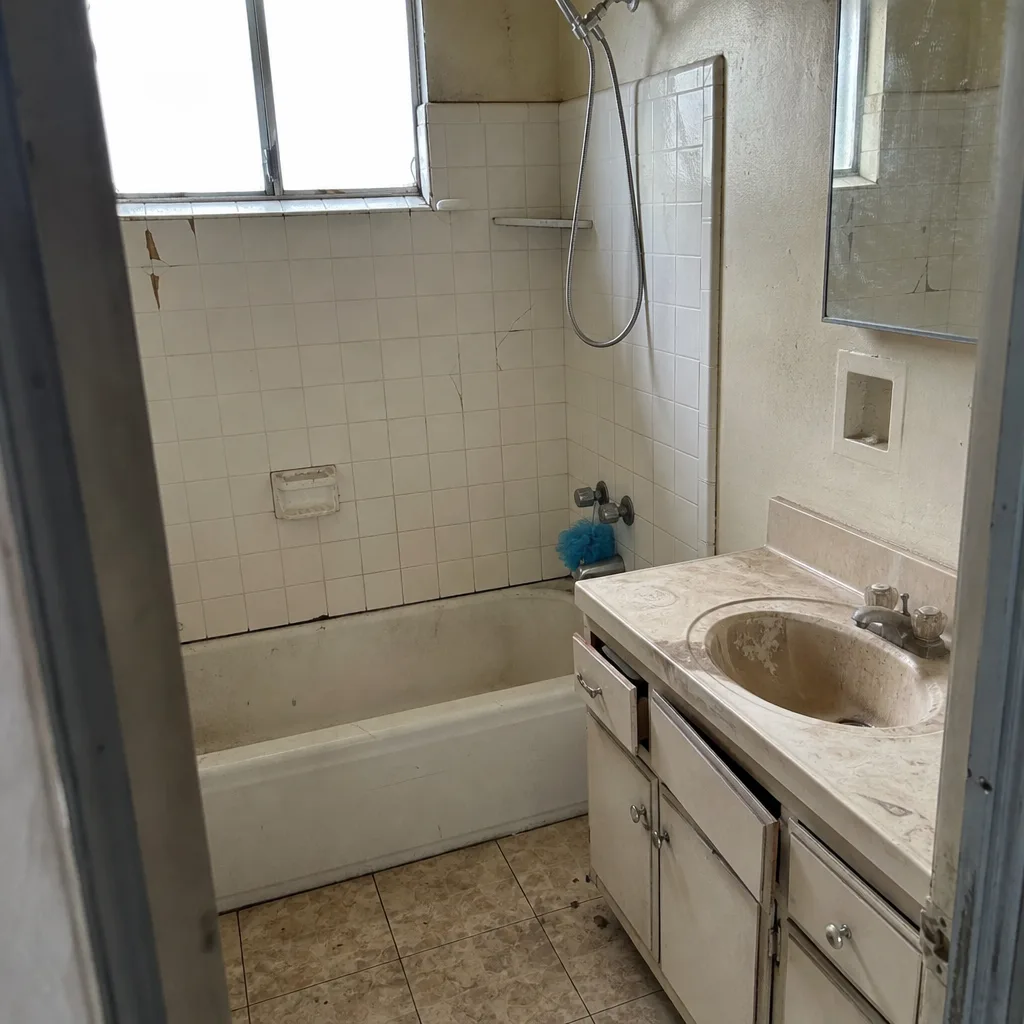
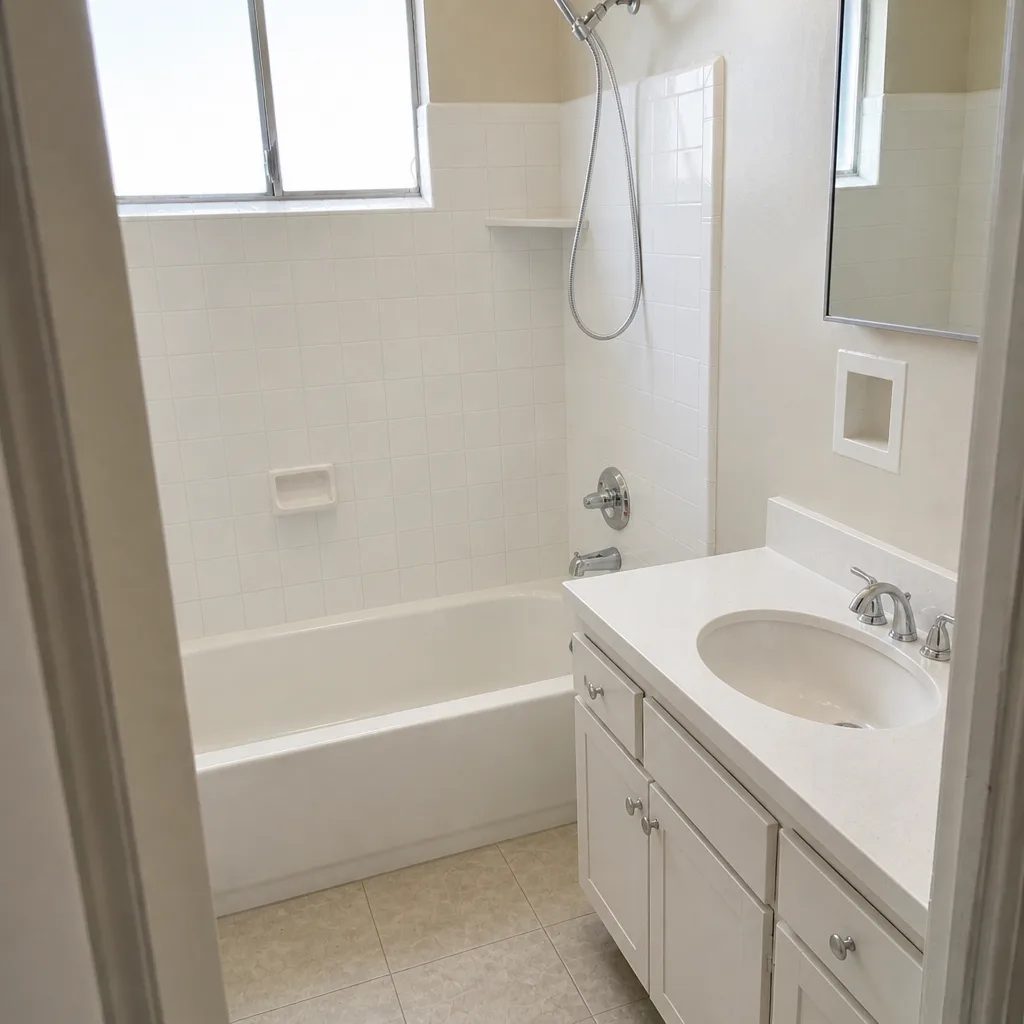
See the difference
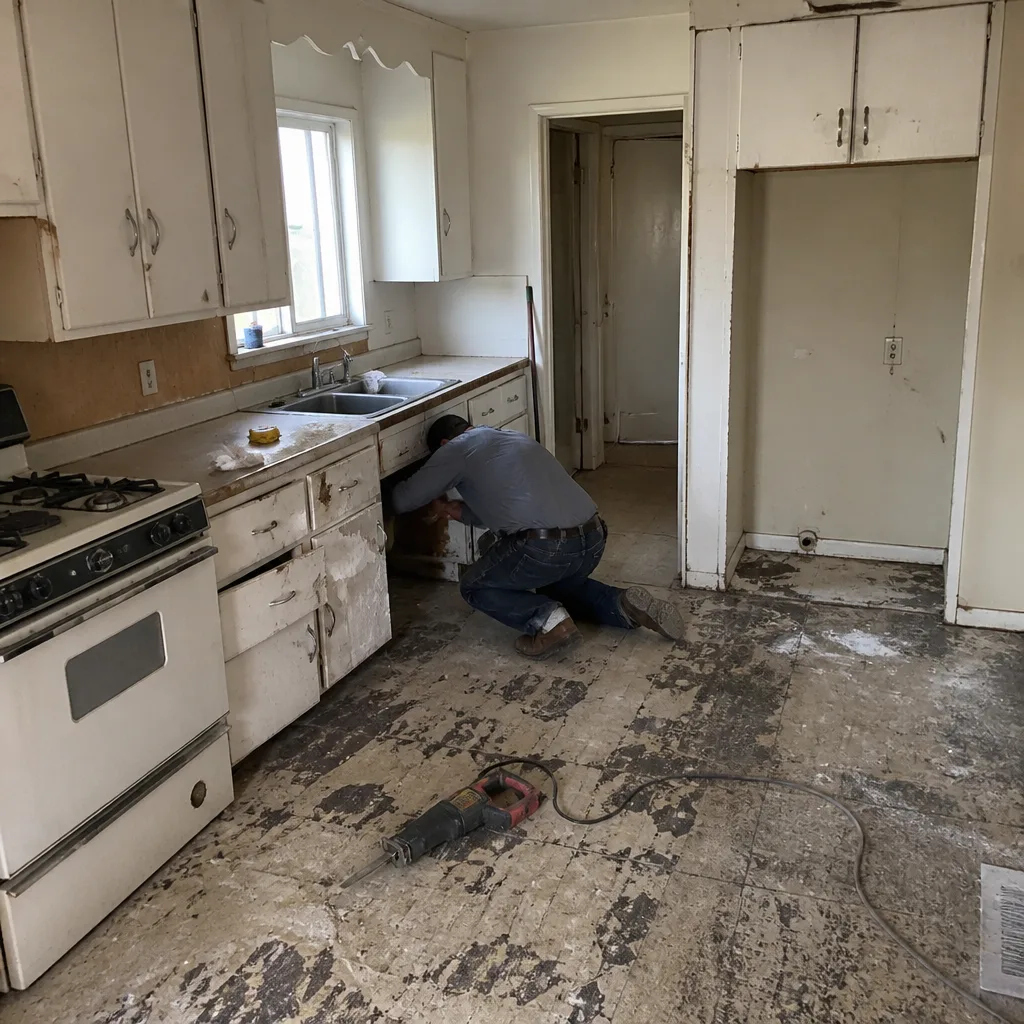 Before
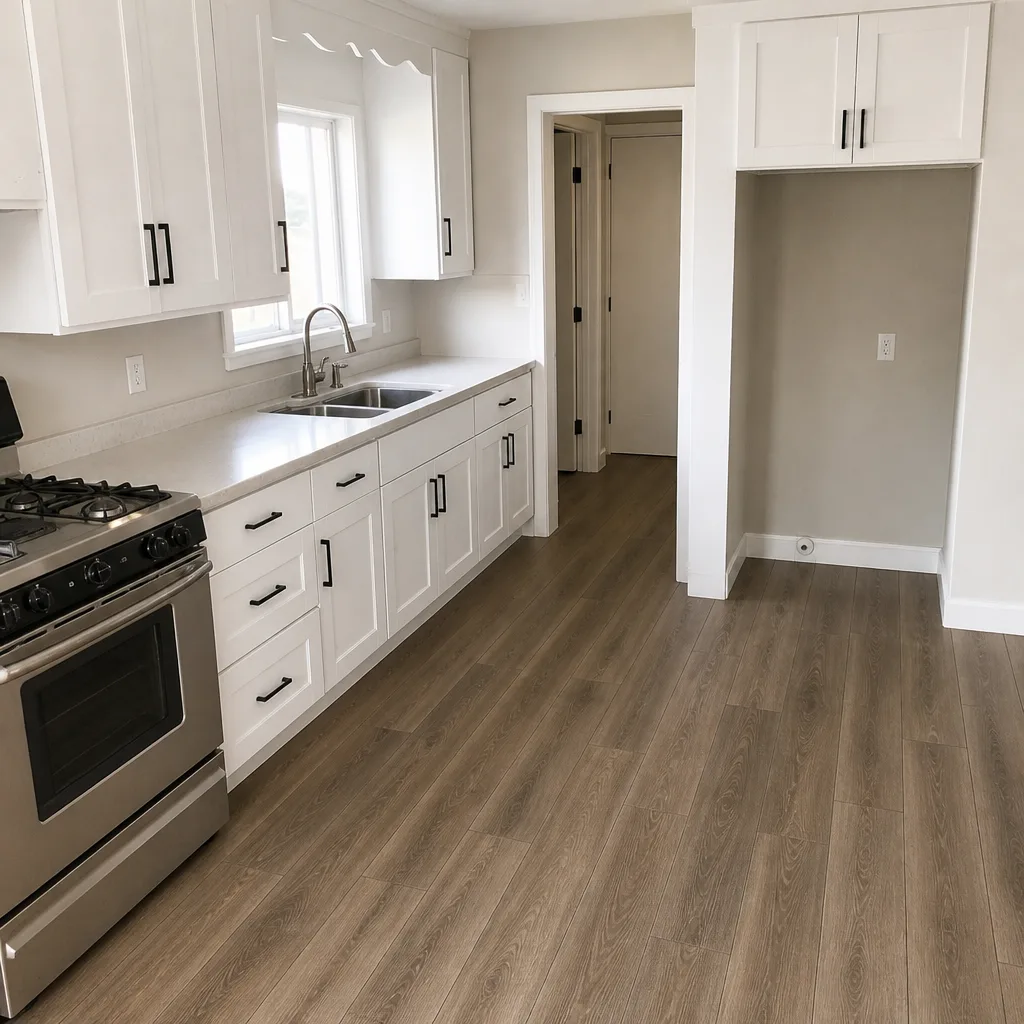 After
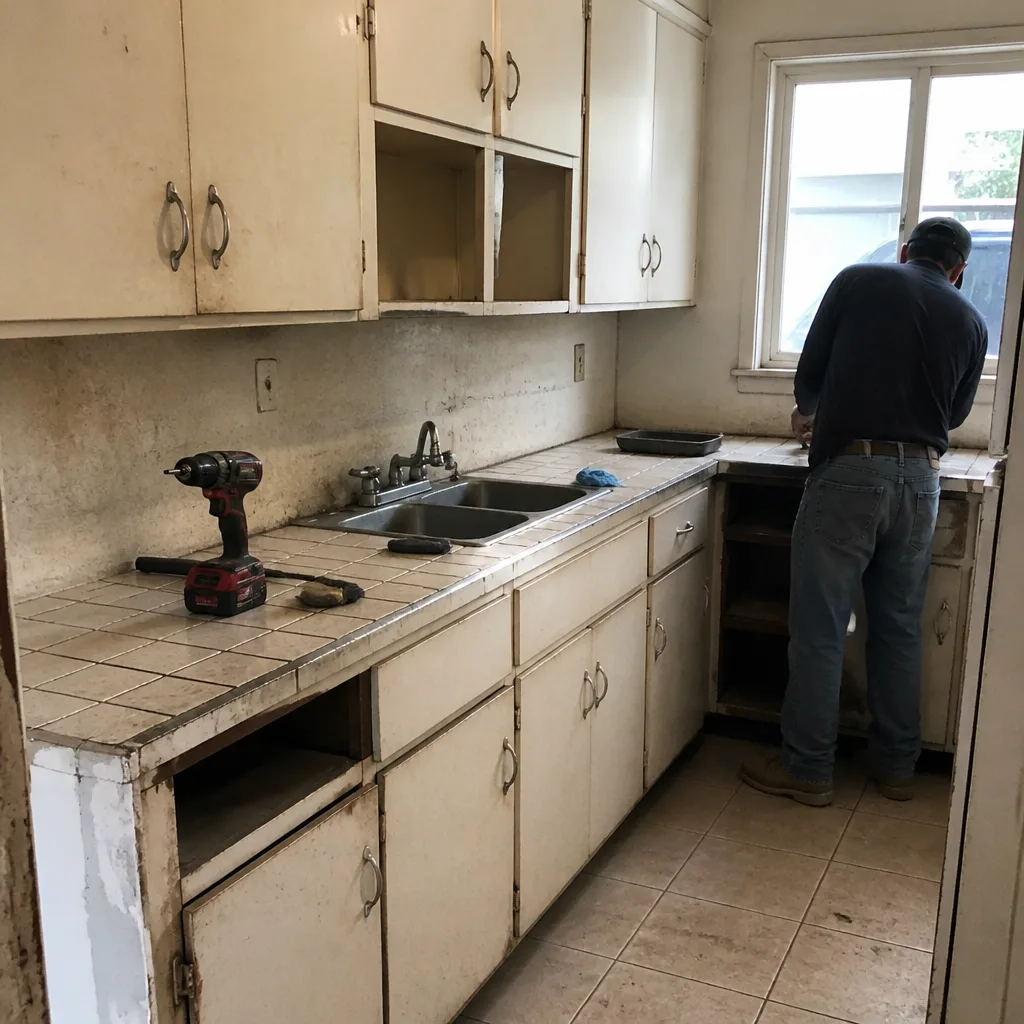 Before
 After
 Before
 After
When to Call a Professional
Some work is straightforward enough that a careful homeowner can manage pieces of it. Most of what we’re asked about in El Monte is not that. Roof work at height, any gas or electrical rough-in, structural modifications, and additions all carry real safety and legal risk. A failed roof flashing in the rainy season can cost four figures in water damage in weeks. An improperly wire-nutted circuit in a mid-century El Monte home is a genuine hazard. Cutting into a load-bearing wall without an engineer’s input can compromise the whole structure. We never advise DIY on those items – a trained, licensed professional should handle them, and the permit that comes with that pro is part of what protects you.
Groundwork Construction Co. of El Monte offers free estimates in El Monte – call (888) 271-7872 to schedule one.
Frequently Asked Questions
A typical kitchen remodel in El Monte runs $28,000 – $75,000 depending on size, layout changes, and finish level. Mid-range projects with KraftMaid or comparable cabinets, quartz counters from a partner like Cambria, and new appliances usually land in the $45,000 – $60,000 range. Full gut remodels with layout changes and new electrical sit at the top of the range. Call (888) 271-7872 for an exact quote – estimates are free.
Yes. Bathroom remodels that move or replace plumbing or electrical fixtures require a permit from the City of El Monte Building and Safety Division, and most cosmetic-only remodels still need one if they touch valves, drains, or circuits. Roof replacements, additions, and structural changes all require permits. Call (888) 271-7872 to confirm what your specific project needs.
Search the contractor’s license number on the CSLB website and confirm the status is Active, the classification matches your project type, and the complaint history doesn’t show a recent pattern of issues. The full check takes about four minutes and requires only the license number, which a legitimate contractor provides without hesitation. Call (888) 271-7872 if you want us to walk you through what to look for.
A Class B (General Building) license covers whole-home construction, remodels, and additions across multiple trades. A Class C (Specialty) license covers a single trade like roofing, plumbing, or electrical. A Class A (General Engineering) license covers larger site work like grading and drainage systems. For most residential El Monte projects, you’ll want a Class B general contractor managing licensed Class C subs.
A California home improvement contract over $500 must be in writing and include the contractor’s license number, a detailed scope of work, a payment schedule, a three-day right to cancel, and specific notices required under Business and Professions Code section 7159. We recommend demanding a written change-order clause, conditional lien waivers at each payment, and a stated workmanship warranty term on top of the code minimum.
Request a conditional lien waiver from your general contractor and each subcontractor at every payment. The waiver proves the sub or supplier has been paid and releases the right to file a lien against your property. If your contractor can’t produce one at payment, don’t release the next payment until they do. Call (888) 271-7872 if you have questions about the documents on a current project.
Not with a properly written contract. A legitimate contractor builds a contingency line into the estimate and defines the change-order procedure up front, so the number you see is the number you pay unless you approve a scope change in writing. Upfront pricing means no surprises at the end of the job. Call (888) 271-7872 for a written line-item estimate on your project.
Yes. Every roofing, window, and addition project we manage pulls the required permits from the City of El Monte and passes final inspection before the job is closed. The permit and inspection record is part of what backs the work when you sell. Call (888) 271-7872 to talk through the permit path for your specific project.
The Bottom Line
Hiring a construction contractor in El Monte comes down to a repeatable process: verify the license and complaint history on the CSLB, demand a written scope with line-item materials, refuse large cash deposits and vague bids, tie every payment to a milestone with a lien waiver attached, and get the warranty term in writing before you sign. Those five steps do more to protect your home than any bid comparison ever will. A contractor who welcomes this scrutiny is the one worth hiring – and one who resists it has already answered your question.
For projects across El Monte – from Driveway & Pavers in El Monte to Fence Installation in El Monte – we’re happy to walk you through the vetting process and give you a written line-item estimate side by side with anyone else you’re considering. Background-checked, uniformed technicians show up on every job, calls are answered by a live person any hour of any day, and projects are backed by our 730-Day Done Right Promise.
Contact
Ready to get a written estimate or talk through your project? Call Groundwork Construction Co. of El Monte at (888) 271-7872 for a free estimate. We’ll confirm your project scope, quote a fixed price, and walk you through the contract clauses before you commit to anything.
Written by the team at Groundwork Construction Co. of El Monte.