
Free written scope consultation - allowances, timeline, and change-order rules on paper before a single trade is scheduled
Styles & brands we work with
- Kitchen remodeling
- Bathroom remodeling
- Home additions & ADU
- Roofing
- Windows & doors
- Driveway & pavers
- Fence
See the difference
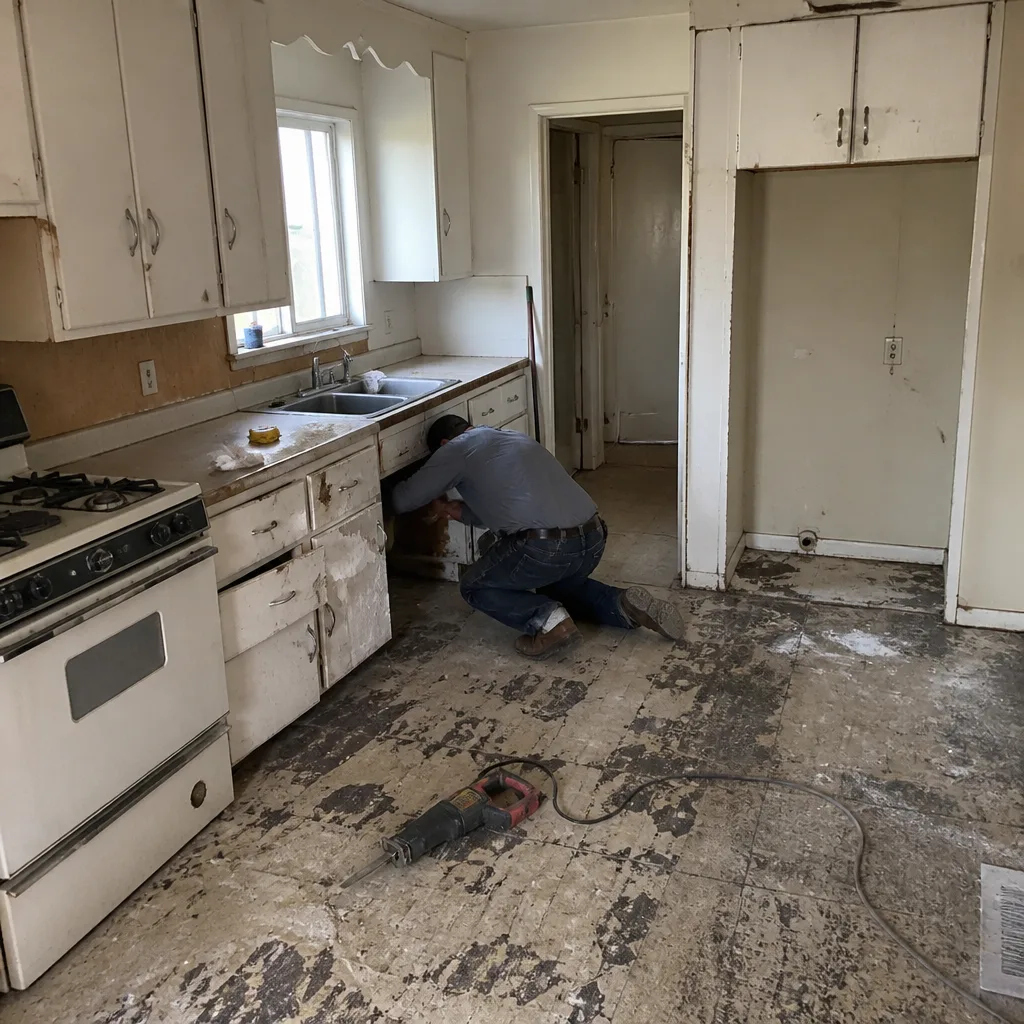 Before
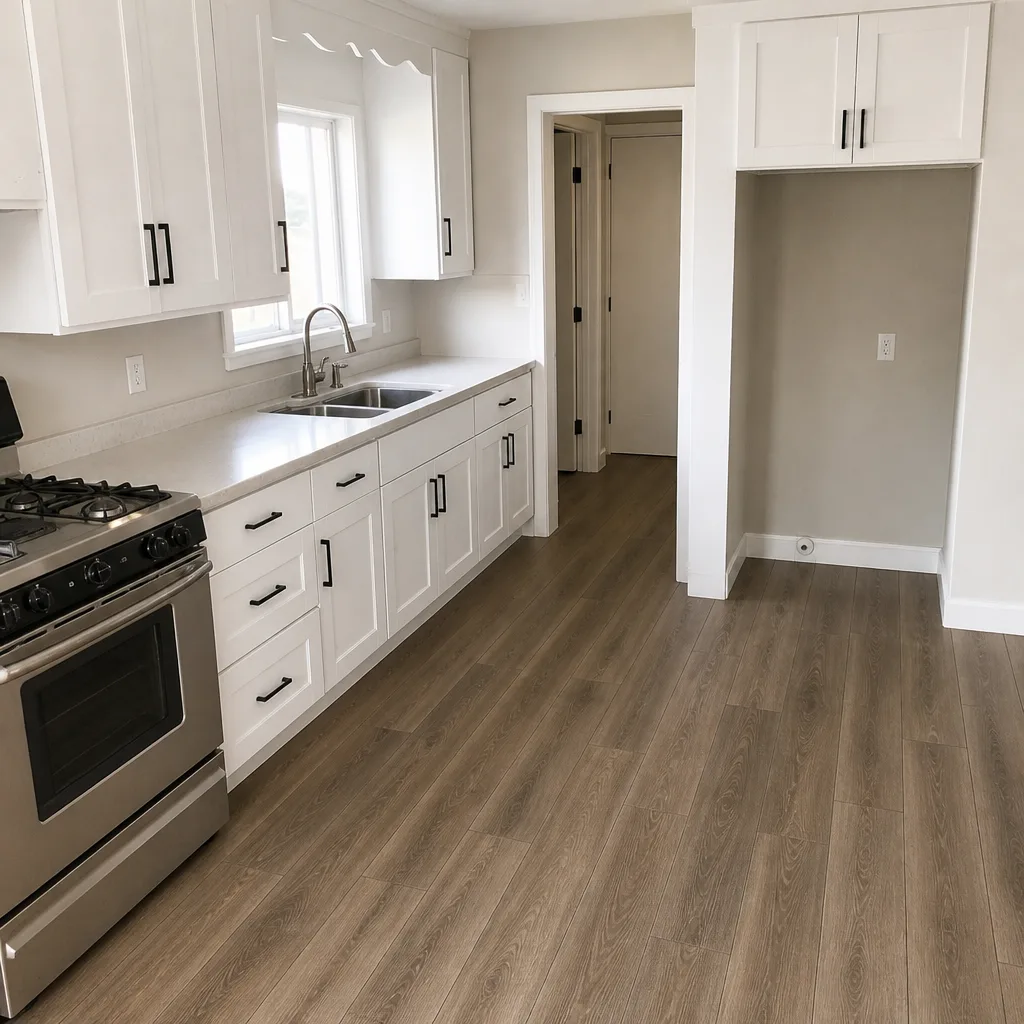 After
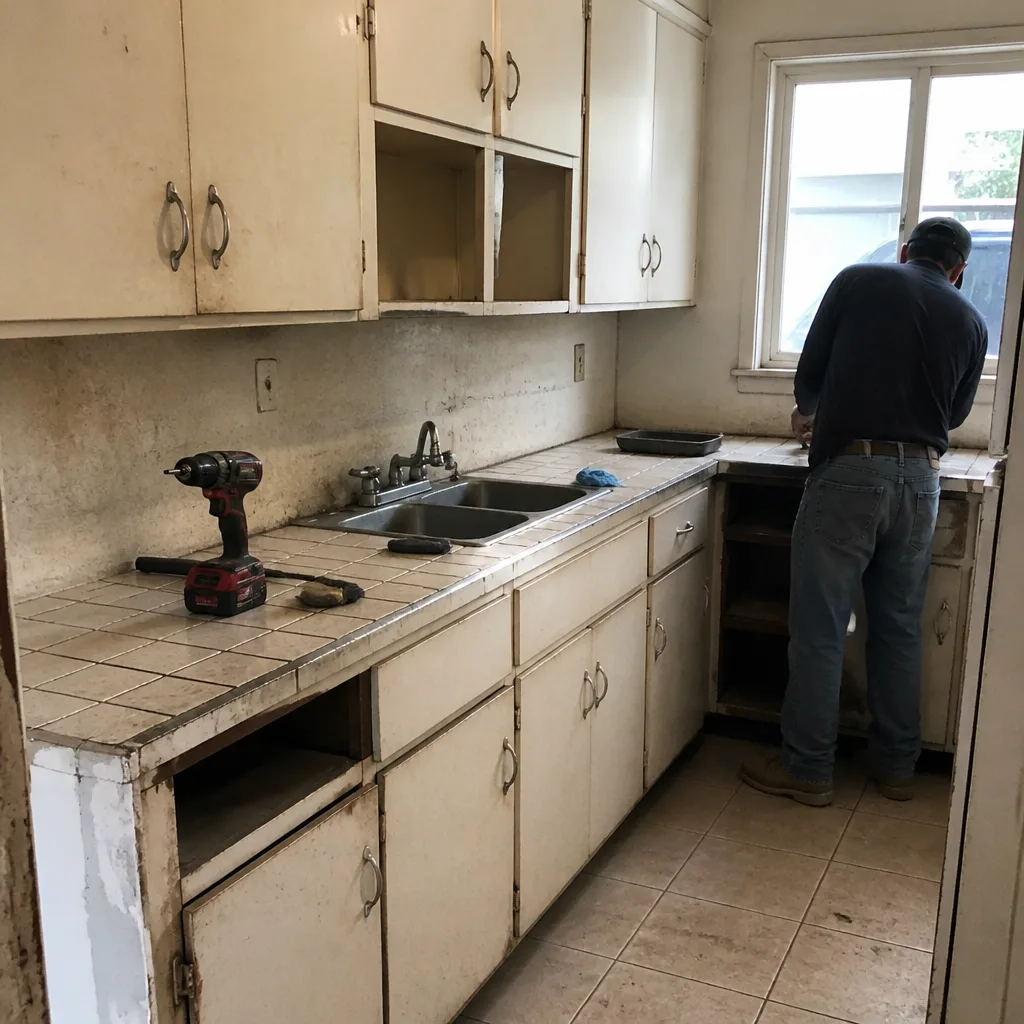 Before
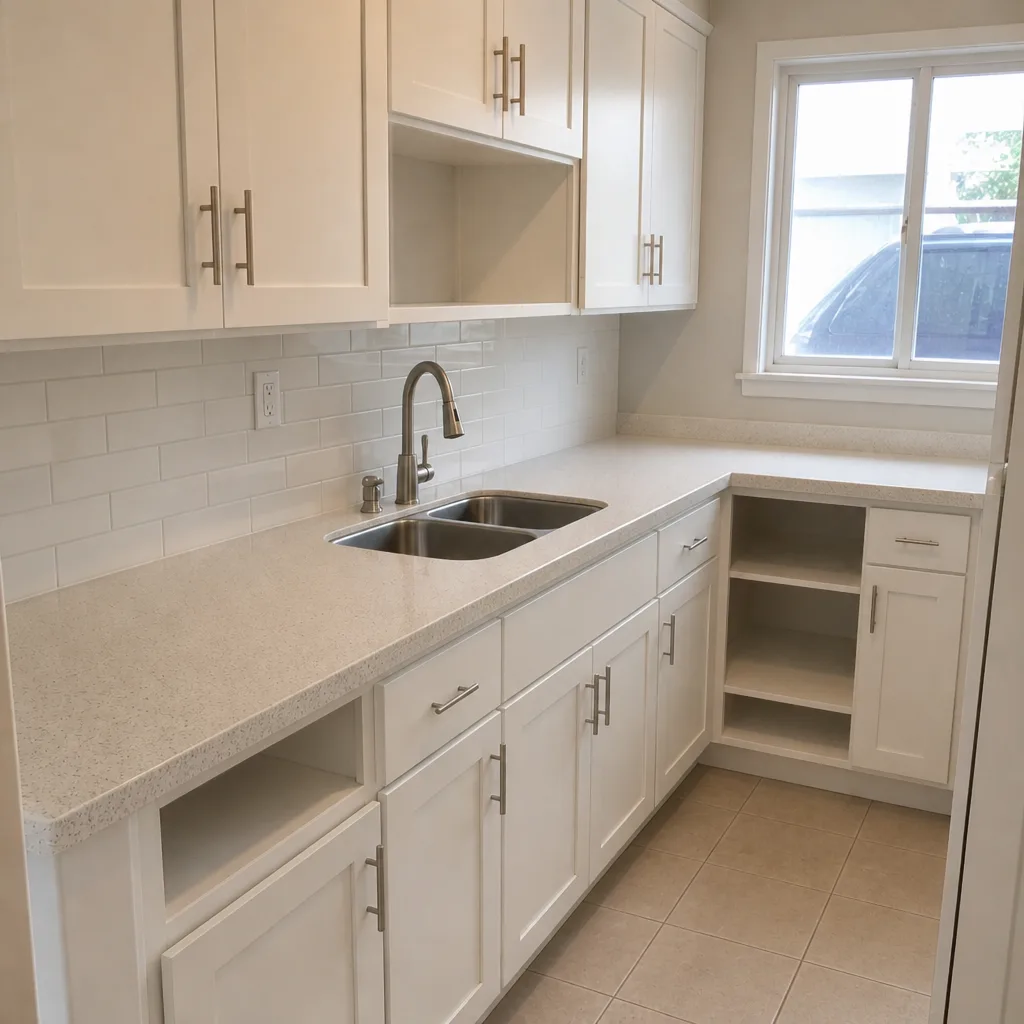 After
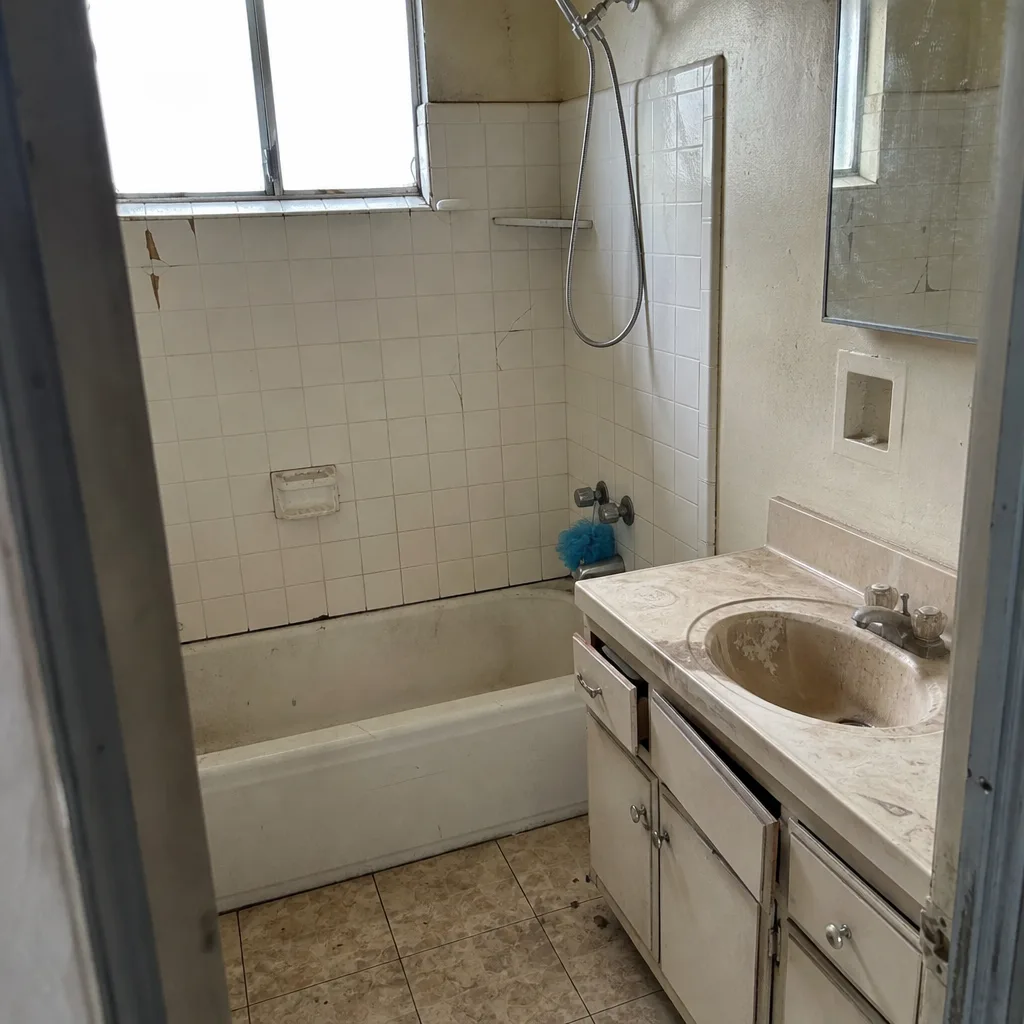 Before
 After
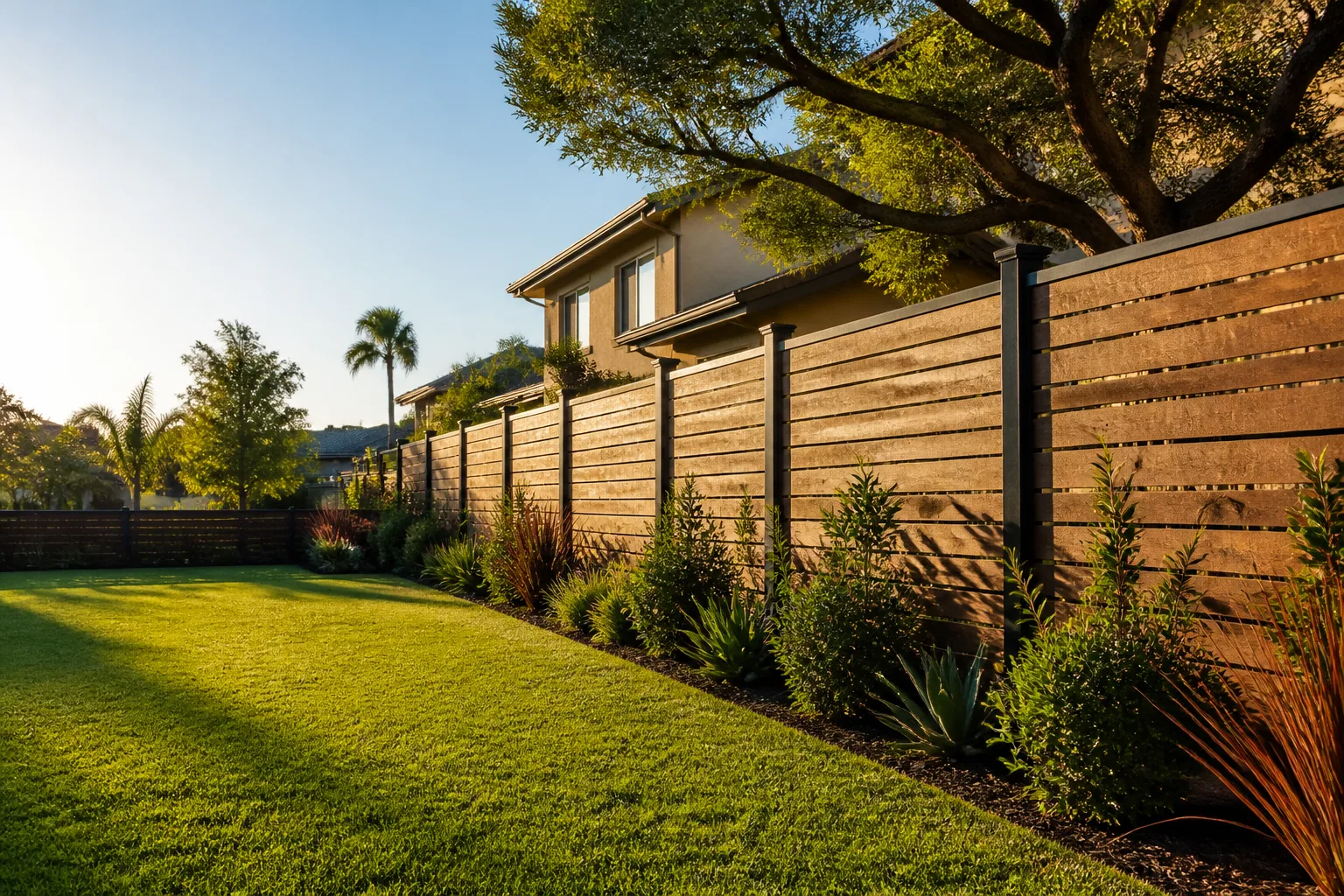
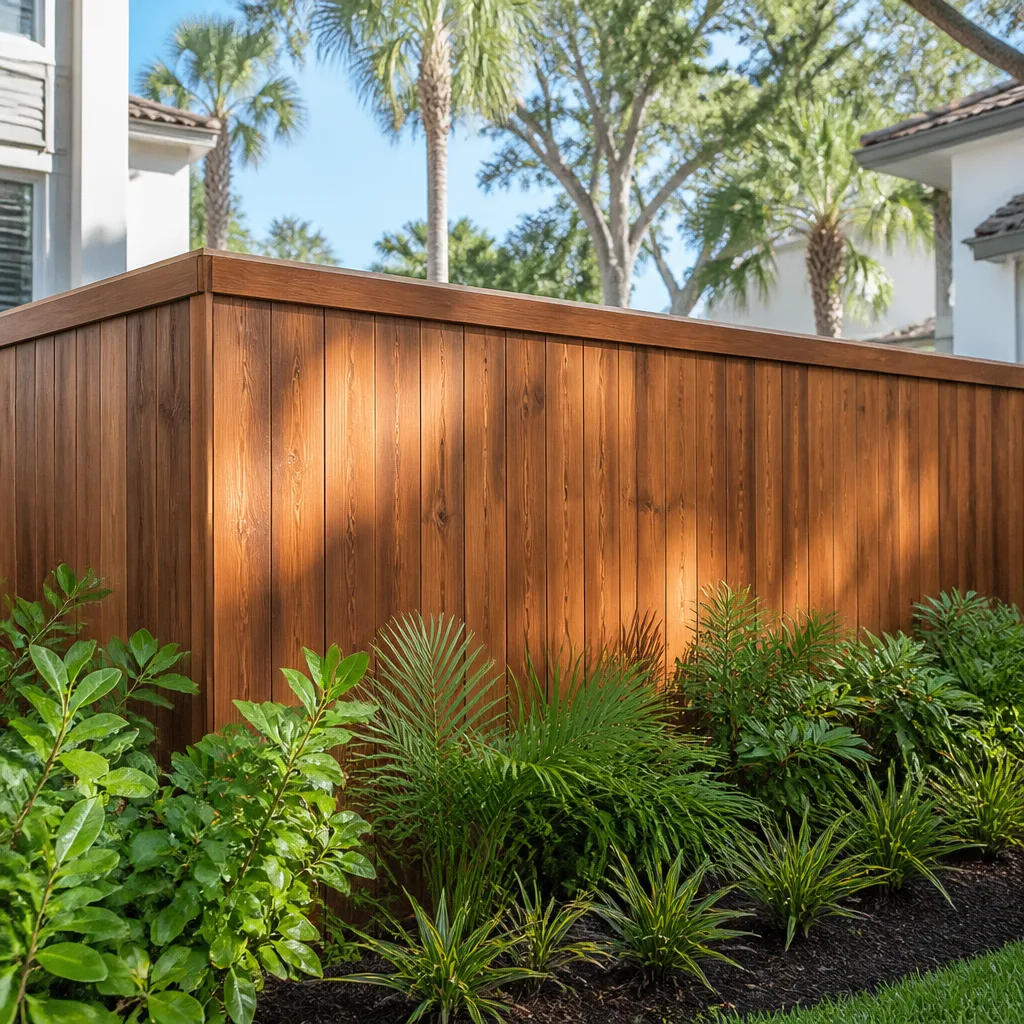
How Deep Should Fence Posts Be in El Monte, CA?
For a 6-foot fence, plan on 30 to 36 inches of post buried in El Monte’s clay soil, not the 24 inches the standard one-third rule would give you. The one-third rule is a national minimum, and in the San Gabriel Valley’s shrink-swell clay it’s often the starting point, not the finish line. Fence installation across El Monte generally runs $3500-$9000 depending on material, length, and how much footing work the soil demands. Call (888) 271-7872 for a free estimate on your specific line.
Why 1/3 of the post length isn’t enough here
The internet’s favorite fence rule says bury one-third of the above-ground post height. For a 6-foot fence that’s 24 inches. Straightforward math. The problem is that math assumes stable soil.
El Monte sits on San Gabriel Valley alluvial clay, and that clay has a moderate-to-high plasticity index. Plain English: it takes on water and swells in the wet months, then shrinks and cracks through a dry Santa Ana summer. That cycle repeats every year. A post set 24 inches deep in this stuff is holding through soil that has moved up and down since you planted it.
The 1/3 rule wasn’t written for expansive clay. It was written as a floor for ordinary conditions. In El Monte, the floor is where the conversation starts.
The depth table we actually use in El Monte
Height, wind load, and soil type all move the number. Here’s the adjustment we apply to SGV clay, which is more than most national guides publish for this region:
| Fence configuration | Minimum bury depth in El Monte clay |
|---|---|
| 4-foot fence | 24 inches |
| 6-foot fence | 30-36 inches |
| 8-foot fence or gate post | 42 inches minimum |
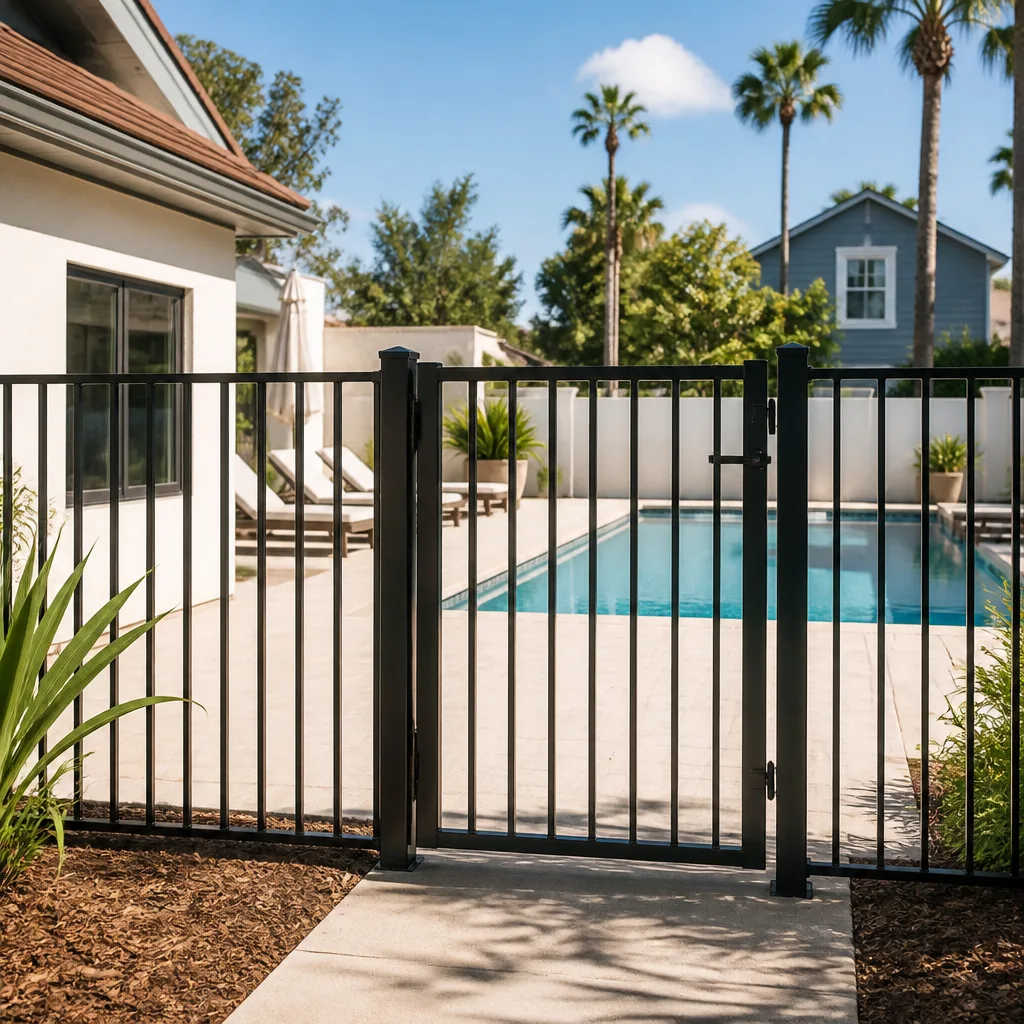
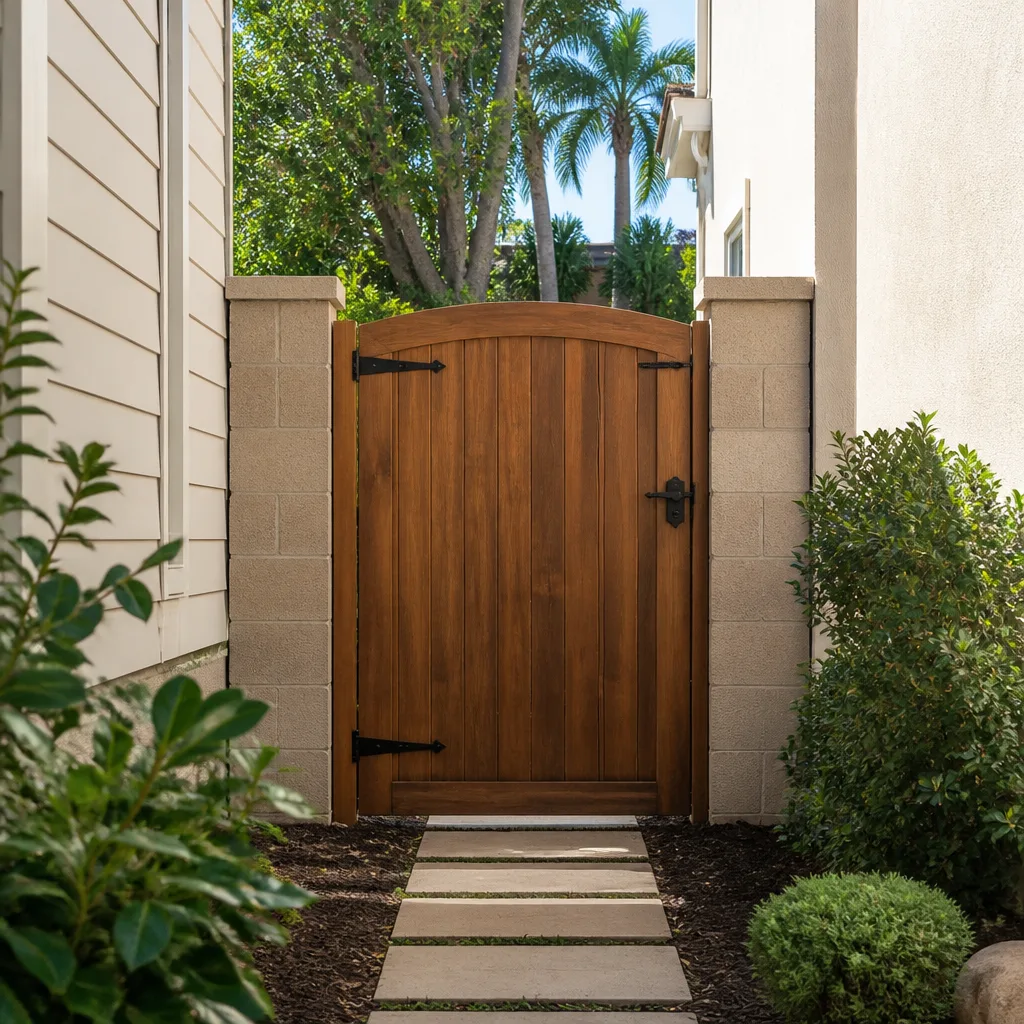
Use the higher end of the 6-foot range on a shared property line where the fence faces open wind, or anywhere a gate swings. A gate post carries load a regular post never sees. Treat it like an 8-foot post, not a 6-foot one.
Afternoon wind matters too
El Monte catches periodic Santa Ana events, dry hot gusts that come over the San Gabriels and hit a fence panel broadside. Those gusts load the post. Depth handles the downward and vertical heave; wind is a lateral pull. Both have to be accounted for before you dig. This is also why we specify depth in writing before a shovel hits dirt, and why we stand behind it with the 730-Day Done Right Promise.
The hole diameter variable most depth guides skip
Depth gets all the attention. Diameter is the half of the equation nobody mentions.
Picture a narrow augered hole in expansive clay. The post and its concrete plug fit snug. When the clay swells, that plug has nowhere to go but up. It’s a piston. We’ve pulled posts out of El Monte yards that lifted four inches over a couple of wet winters because the hole was too tight and the soil had no relief.
A wider footing with a gravel base layer underneath changes the equation. The gravel lets water drain away instead of pooling at the bottom of the hole, and it gives the swelling soil room to move without shoving the plug upward. In this soil, a well-built footing beats a deeper bad one every time.
The seismic piece homeowners don’t hear about
El Monte sits in a moderate seismic zone. That fact doesn’t usually make it into fence conversations, but it should.
A gate post or corner post with shallow footing is a lateral-load failure point. In a shake event, that’s where a fence line gives. It fails at the hinge point because the post can’t resist sideways force. Corner posts and gate posts are the two spots to over-engineer, not economize. If you’re building a rear-yard fence as part of an ADU project or a garage conversion, do those two posts right. Groundwork Construction Co. of El Monte builds these into the plan from day one, since the fence line becomes part of the overall site work.
What “expansive soil” actually means for your fence line
Expansive clay is classified by how much it changes volume with moisture. The higher the plasticity index, the more movement you get between wet and dry.
El Monte’s housing stock is largely post-WWII single-story tract homes and small stucco bungalows on compact lots, and many of those lots share fence lines with a neighbor. That puts your post depth in shared territory: a post that heaves and pulls loose doesn’t just affect your fence, it affects the neighbor’s property too. When we set shared-line posts, we call out depth and diameter to the homeowner in writing before the crew arrives. No guessing at the property line and no guessing at the footing.
Given El Monte’s built-out character, almost every fence job here is an infill project on an established lot, not a clean new-build site. That means tight access, existing utilities, and neighbors on both sides of the dig. It shapes how the work gets scheduled, and it raises the stakes on getting depth right the first time. If you’d rather hand off this detail entirely, we handle Fence Installation end to end, from footing spec to final walkthrough.
Post material and the guarantee that backs it
Depth and diameter carry the load; the post material decides how long the whole assembly survives. We work with James Hardie, Tuff Shed, and Plant Prefab across our exterior and outdoor work, and the principle stays the same: the best material in the world sinks into a bad footing. Depth is settled first. Materials come after.
That’s where the 730-Day Done Right Promise earns its keep. If it’s not done right, we make it right. We commit to the depth and footing spec in writing before the job starts, not after the fence heaves in year two. The team carries up to 12 years of technician experience, and projects get background-checked, uniformed technicians on site. For comparably involved work, a full fence line in El Monte runs $3500-$9000, which puts it in the same ballpark as several other projects we coordinate through the same upfront pricing process, including a vinyl fence installation and a paver patio in the $3500-$11000 range.
What you get before the crew shows up
- Depth and diameter in writing. No mystery spec. You see the footing plan before we dig.
- An upfront price. No surprises, no billing after the fact.
- Live person, 24/7. Call any hour, reach a person, not a voicemail box.
- 730-Day Done Right Promise. If the work isn’t right, we make it right.
FAQs
A 6-foot fence in El Monte clay needs 30 to 36 inches of bury depth, not the 24 inches the one-third rule suggests. The higher end applies on shared property lines, on wind-exposed panels, and anywhere a gate or corner post is involved. Call (888) 271-7872 for a free estimate on your property.
Yes. El Monte’s alluvial clay has a moderate-to-high plasticity index, meaning it swells when wet and shrinks when dry every year. That movement pushes shallow footings out. The 1/3 rule is a floor for ordinary soil; expansive clay needs the adjustment shown in the depth table above. Call for a free assessment of your soil and fence line.
A narrow hole in clay acts like a piston and the swelling soil pushes the post up; a wider footing with a gravel base resists that heave. Depth alone doesn’t solve the problem. Diameter and drainage matter just as much. Call (888) 271-7872 and we’ll walk you through the footing spec for your lot.
Gate posts and corner posts should be treated like an 8-foot post, meaning 42 inches minimum in El Monte clay. Those two spots take lateral load that regular posts never see, especially in a moderate seismic zone, so they’re the ones to over-engineer. Call to get the specifics for your layout.
If you’d rather have your fence line looked at by a team that puts the footing spec in writing before anyone digs, Groundwork Construction Co. of El Monte offers a no-pressure assessment. We answer the phone with a live person, 24/7, and the estimate is free. Call (888) 271-7872 to get your property scheduled.
Written by the team at Groundwork Construction Co. of El Monte, serving El Monte, CA.