


Free written scope consultation - allowances, timeline, and change-order rules on paper before a single trade is scheduled
Styles & brands we work with
- Kitchen remodeling
- Bathroom remodeling
- Home additions & ADU
- Roofing
- Windows & doors
- Driveway & pavers
- Fence
See the difference
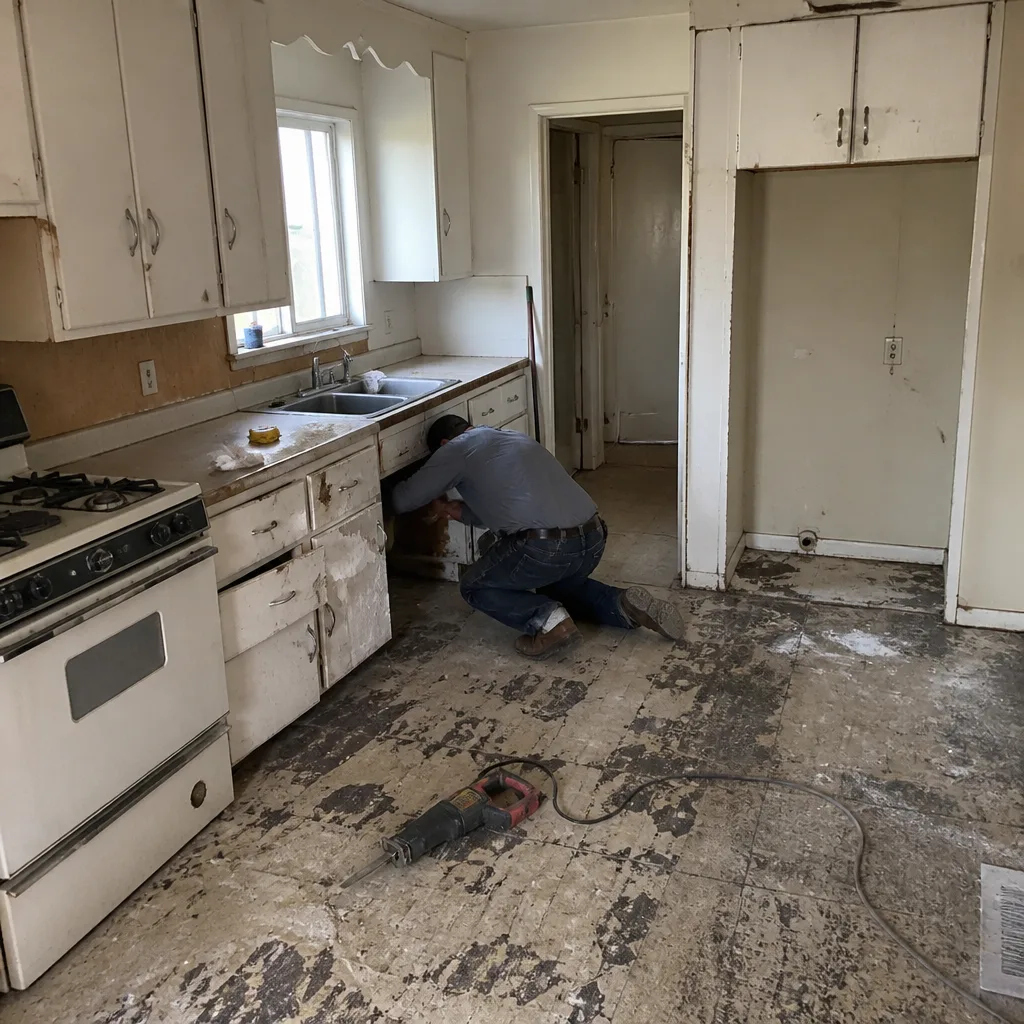 Before
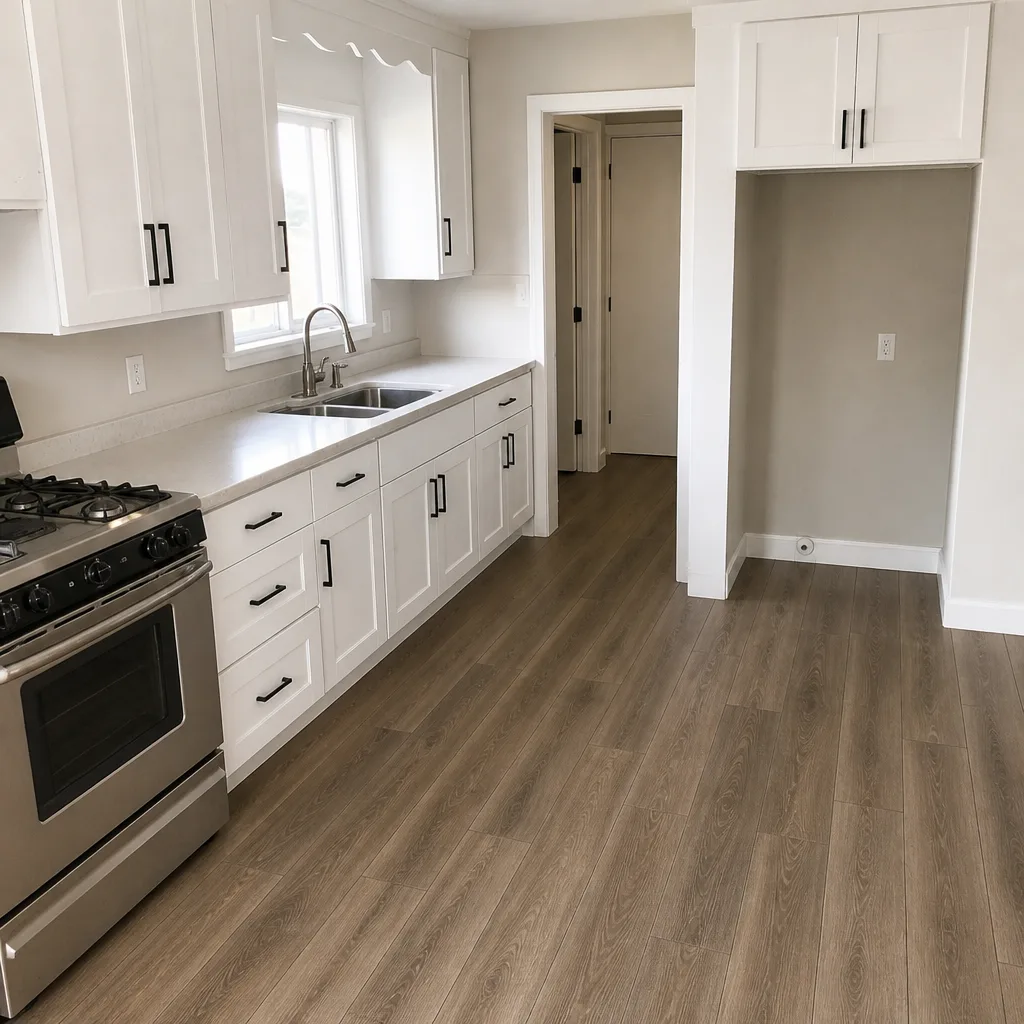 After
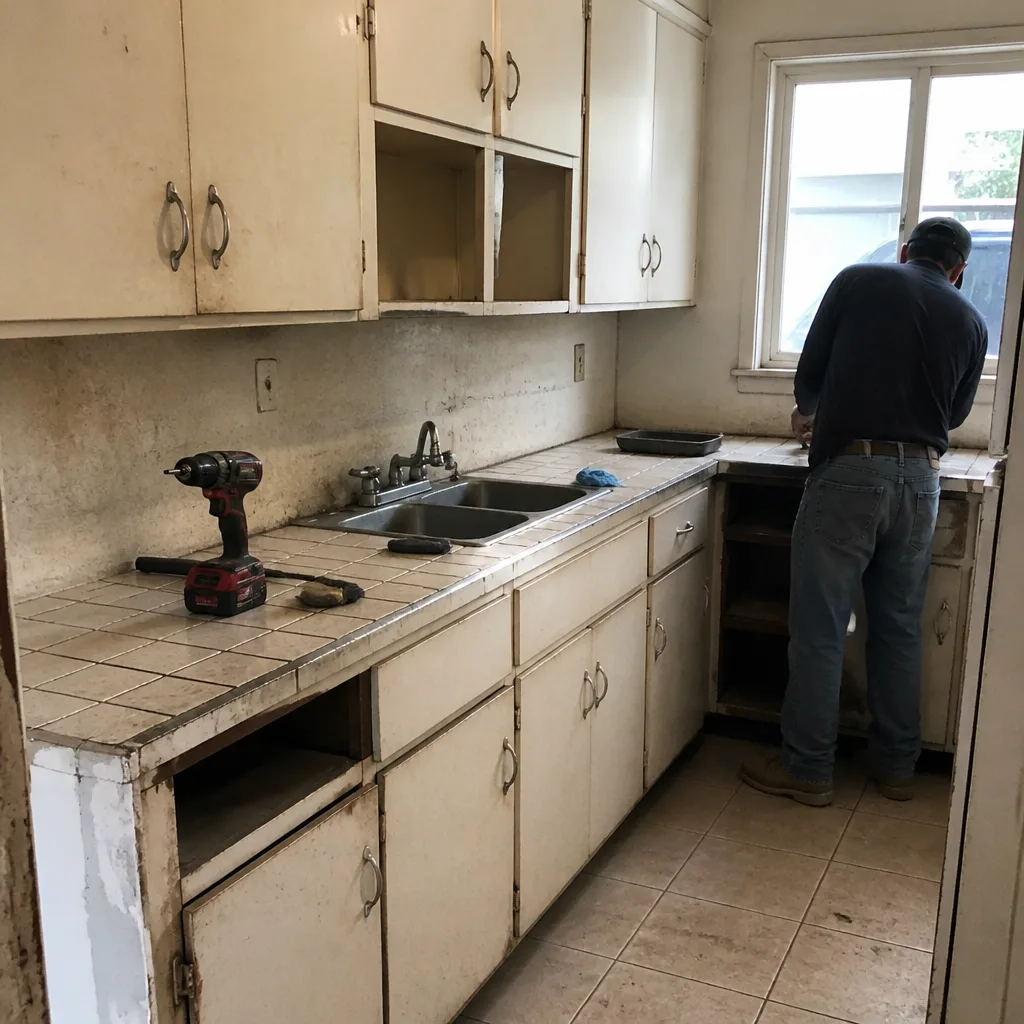 Before
 After
 Before
 After
How to Fix a Leaning Fence Post in El Monte, CA
The short answer: a leaning fence post is usually a footing problem, not a wood problem. In El Monte, most posts fail because the original hole was too shallow for the clay-heavy soil that swells every wet winter and shrinks every dry summer, and that cycle walks the post out of plumb over time. The durable fix is to reset the post in a wider hole with a gravel drainage layer and a crowned concrete collar, not to brace it straight and hope. If you’d rather have someone diagnose the footing in person, call Groundwork Construction Co. of El Monte at (888) 271-7872 for a free estimate.
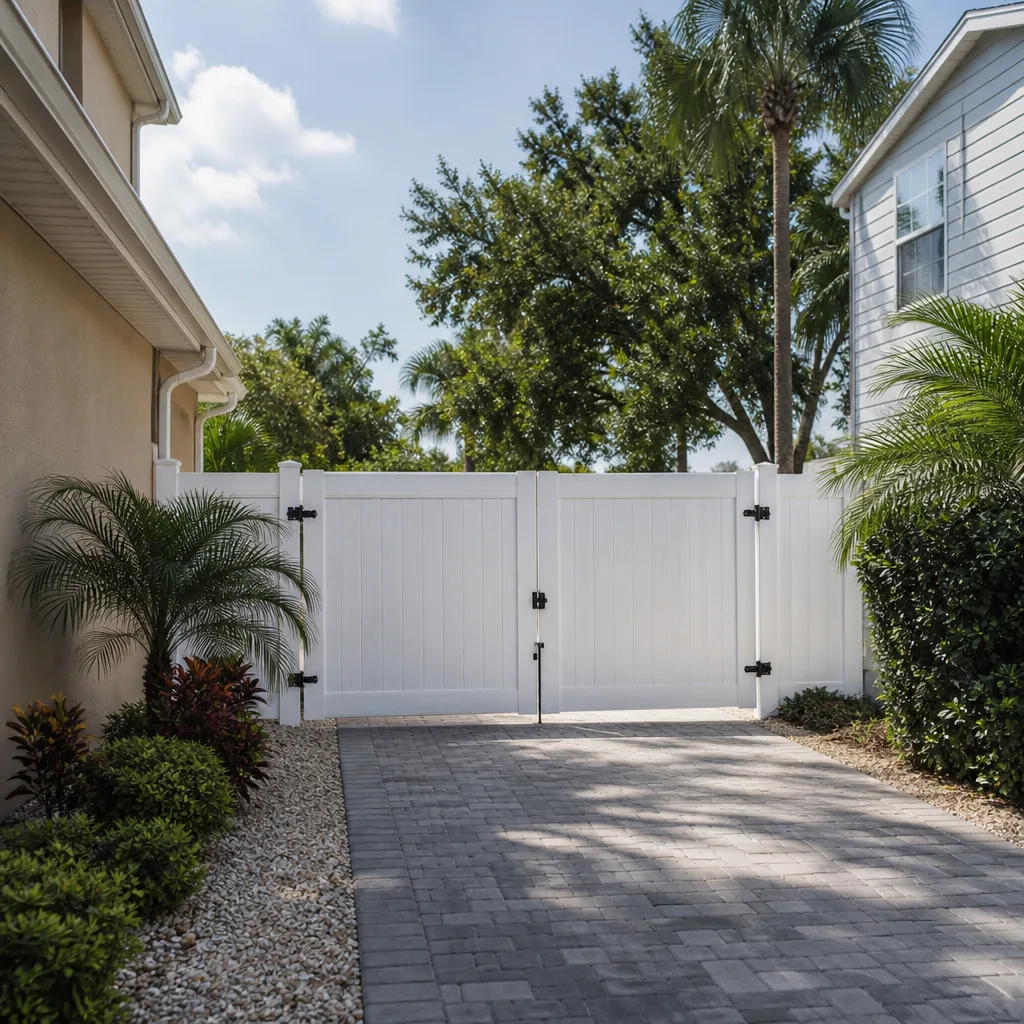
Why El Monte Fence Posts Lean (It’s Not What You Think)
If your fence post is leaning and your house was built before 1970, there’s a good chance the original posts were set only 18 inches deep in clay soil that has been swelling and shrinking for 50 years. Straightening that post without fixing the footing just resets the clock to the next Santa Ana wind season.
Here’s the mechanism most repair tutorials skip. San Gabriel Valley clay behaves like a slow hydraulic pump. During the dry summer it contracts and pulls away from the concrete, opening a gap around the post. When winter rain arrives, that gap fills, the clay swells, and it pushes against the concrete footing from the side. Multiply that by several decades and the post walks out of plumb, sometimes leaning into the yard, sometimes into the neighbor’s. The wood can be perfectly sound the whole time.
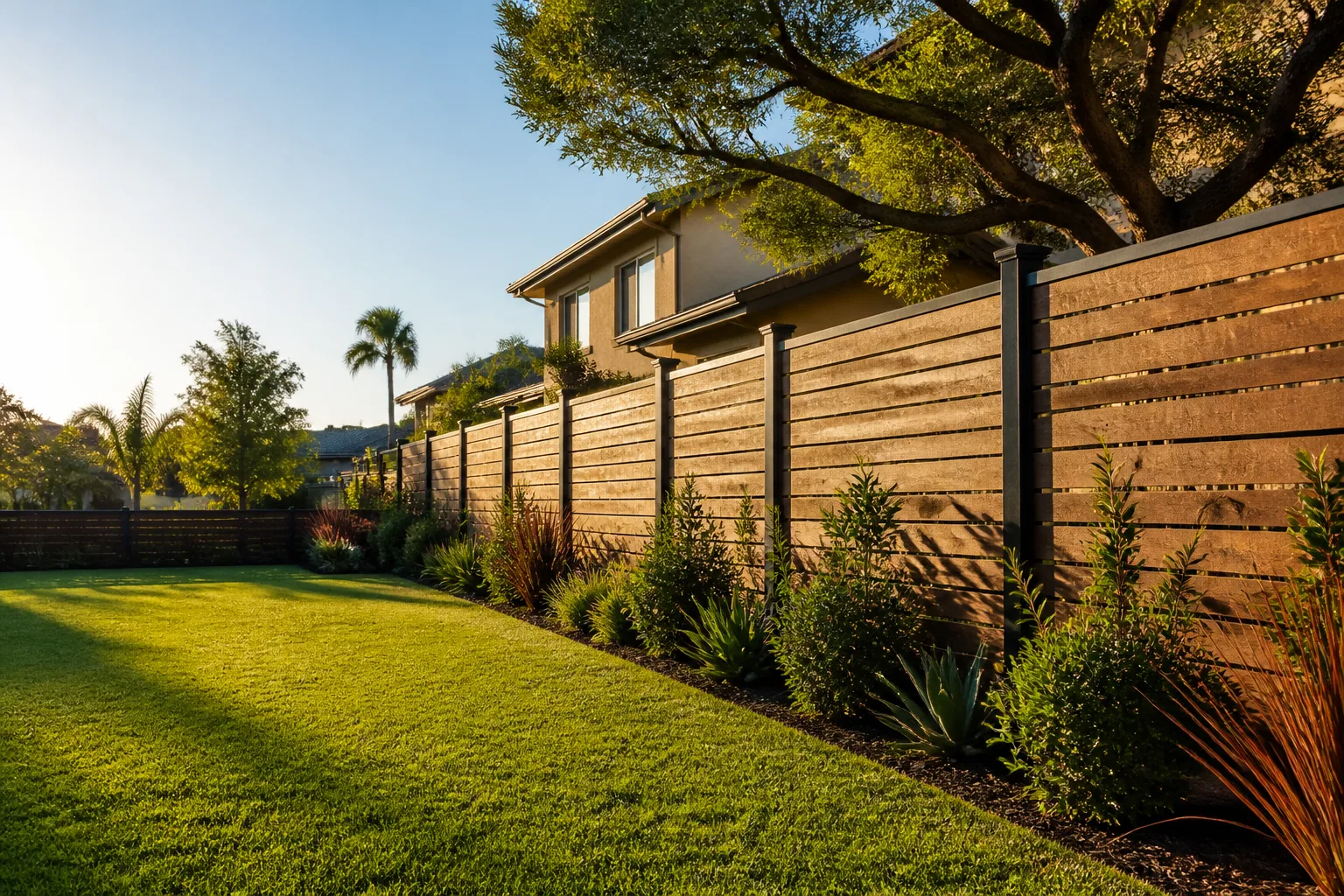
El Monte’s post-WWII single-story tract homes make this worse. Many were built fast on compact lots with shallow post holes and no gravel drainage, which is why we see the same failure pattern block after block rather than as isolated incidents. If you want to understand how a properly set post should look on a new build, our Fence Installation page walks through footing depth, materials, and post spacing.
The Diagnostic Step Most DIYers Skip
Before you assume the post is rotten, probe it. Push a screwdriver into the wood at soil level, wiggle the post by hand, and watch the concrete collar. That tells you which of these three problems you actually have:
- Solid wood, fractured footing. The concrete collar is cracked or the post rocks at the base. This is the classic El Monte clay-heave failure and it needs re-footing, not bracing.
- Solid wood, undersized footing. The hole was shallow and small, so the concrete never had enough bearing surface to hold against swelling clay. Same repair path: dig it out and do it right.
- Soft, punky wood at the base. Genuine rot, usually from water pooling against the post because the concrete crown slopes toward it instead of away. Here you’re replacing the post itself.
That first step changes the whole job. Bracing a post whose footing has failed is like splinting a broken leg without setting the bone. It stands for a few months, then the next rain season moves it again.

Re-Footing a Post for El Monte Clay
The correct re-footing for heavy clay is different from what a generic guide will tell you. Three things matter most:
- A wider hole. El Monte clay needs more bearing surface than sandy soil, so we open the hole wider than a standard post-hole digger produces to give the concrete something to push against when the clay swells.
- A crushed gravel drainage layer at the bottom. Two to three inches of gravel under the concrete gives water somewhere to go instead of sitting against the footing and feeding the heave cycle. This one step is what most quick-set fixes leave out.
- A concrete crown that sheds water. The top of the footing should slope away from the post on all sides, so rain runs off instead of pooling at the wood-to-concrete joint. That detail is the difference between a post that lasts and one that rots from the top of the footing down.
Quick-set in a shallow hole is cheap and fast, but in El Monte clay it’s a temporary fix. It resets the clock to the next Santa Ana event.
What a Leaning Post Fix Costs in El Monte
Repairing one or two leaning posts is a small job, but the cost climbs fast if the whole fence run has shifted or the wood is too far gone to save. Here are the ranges we see on El Monte properties:
| Scope of work | Typical El Monte range |
|---|---|
| Re-foot one or two posts with proper gravel base and crowned concrete | $350 - $900 |
| Straighten and re-set a short run (3-6 posts) | $900 - $2,400 |
| Partial fence replacement to address footing failures along a whole run | $3,500 - $9,000 |
| Full vinyl fence replacement on a repaired footing line | $3,500 - $9,000 |
The lead range for this kind of work is typically $3,500-$9,000 once a whole section needs to come out and go back in right. That lower tier of one- or two-post repairs is common, and it’s worth calling for an exact number instead of guessing. Our Fence Installation in El Monte page covers what a full new run costs, and it’s worth reading if the footing failure runs the length of your property line.
When a Leaning Post Becomes a Permit or Neighbor Issue
On shared fence lines in El Monte, a leaning post can turn into a property dispute fast. California law treats a boundary fence as a shared responsibility in many cases, and if a repair moves the fence line even a few inches, the neighbor has an ownership interest in what happens. We’ve seen a simple straightening job turn awkward when the new footing crept onto the neighbor’s side of the line.
Two things keep it clean. First, know where the property line actually sits before anyone digs. Second, if the fence is on a shared line and the correction shifts it, get a written acknowledgment from the neighbor before the work starts. On older El Monte lots, the fences often sit a few inches off the recorded line, so a quick check matters more here than in newer subdivisions.
As for the leaning post itself: a repair that keeps the fence in its existing position and simply re-sets the post usually doesn’t require a permit. A full fence replacement or a new footing that changes the line is a different conversation with the city.
What to Look for in a Repair Crew
A proper re-footing job needs a post-hole digger, a level, gravel, ready-mix concrete, and someone who knows how to crown a collar so water sheds. A bag of quick-set and a rubber mallet won’t do it. Groundwork Construction Co. of El Monte sends background-checked, uniformed technicians with the right footing tools, and every repair is covered by our 730-Day Done Right Promise. If the fix fails, we come back and make it right. Our technicians have up to 12 years of experience, and the quality partners we work with on materials, from brands like Delta and Schluter on related projects, reflect the same standard. Straight-talking upfront pricing means the number you see before the job starts is the number you pay.
El Monte is built-out, tight-lot territory where nearly every project is a remodel or repair on an old footprint, and plans get scrutinized at every step. A repair crew that knows the local soil, the local housing stock, and the local permit line is worth calling before you dig.
FAQs
No, not if the footing has failed. Bracing a post whose concrete collar is fractured or undersized looks like a fix but doesn’t correct the clay heave cycle that moved it, so it leans again within a season or two. The right fix is to dig out the old footing, set a wider hole with a gravel drainage layer, and pour a crowned concrete collar that sheds water away from the post. Call (888) 271-7872 for a free estimate if you’d rather have it done right the first time.
Deeper than the standard 18 inches that failed on so many older El Monte posts. Clay soil needs a wider hole and more bearing surface than sandy soil, and the depth should run at least a third of the post’s above-ground height. Add two to three inches of crushed gravel at the bottom for drainage and crown the concrete on top. A technician can tell you the right depth for your specific post in a free estimate. Call (888) 271-7872.
Your wood is fine and your footing isn’t. That’s the most common failure we see in El Monte, and it points straight at the clay-heave cycle: dry summers shrink the soil, wet winters swell it, and the post walks out of plumb inch by inch. You’re re-footing, not replacing the wood. Call (888) 271-7872 for an in-person look before you start digging.
A single post re-footed the right way typically runs $350-$900 in El Monte, and a short run of three to six posts usually lands between $900 and $2,400. Full-section repairs can reach $3,500-$9,000. Upfront pricing means the number you see is the number you pay. Call (888) 271-7872 for an exact quote, and estimates are free.
If you’d rather have it looked at, Groundwork Construction Co. of El Monte offers a no-pressure assessment in El Monte, with a proper look at the footing, the soil, and the property line before anyone commits to a plan. Call (888) 271-7872. We answer with a live person, 24/7, and the 730-Day Done Right Promise covers the repair, not just the initial diagnosis.
Written by the team at Groundwork Construction Co. of El Monte, serving El Monte, CA.