Free written scope consultation - allowances, timeline, and change-order rules on paper before a single trade is scheduled
Wood Fence in La Puente, CA: What the Job Actually Involves
A wood fence in La Puente, CA usually runs $3,500 to $9,000, and most residential lots are finished in three to five working days once the layout is approved. The range covers materials, tear-out of the old fence, posts set below the frost line, and hauling the debris off. Two things drive the final number: lineal footage and how much of the old fence has to come out first. Call (888) 271-7872 and we’ll walk your lot line and give you a line-item estimate.
How We Run a Wood Fence Project, Start to Finish
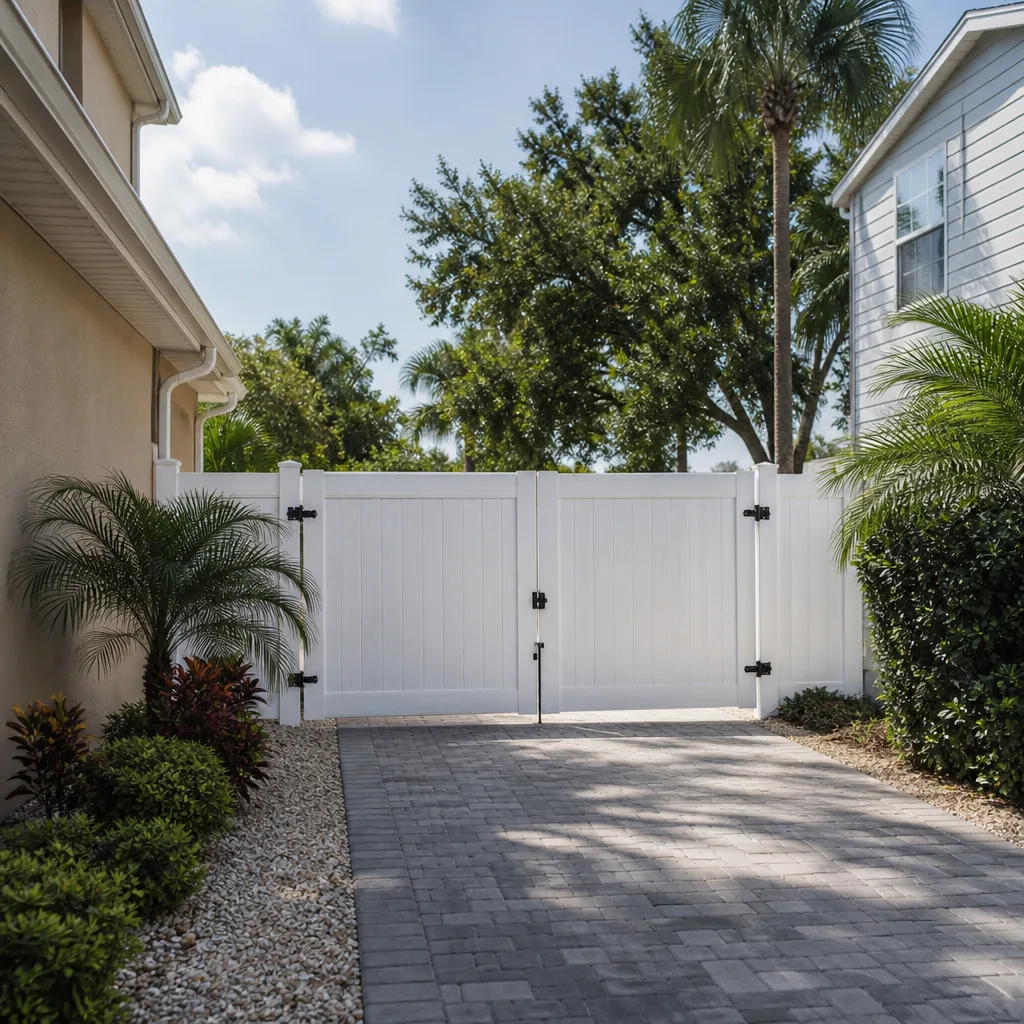
Fencing looks simple from the sidewalk. It isn’t. The sequence below is how we actually work, and each stage has a decision that belongs to you, not us.
Stage 1: On-Site Measure and Layout (Day 1, 60 to 90 minutes)
We walk the property line with you, measure every run, and mark post locations in the dirt with stakes and string. You decide where gates go and which side of the fence faces your neighbor. In a built-out city like La Puente, this is where we also confirm the line against your plat map, because existing fences drift over the decades and a fence built 8 inches onto the neighbor’s parcel is a problem nobody wants.
Stage 2: Tear-Out and Disposal (Day 1 to Day 2)
Old boards, rails, posts, and any concrete footings come out and go straight into a dumpster. We don’t stack demo in the driveway and leave it. If the old posts are set in concrete, the footings get broken out with a spade bit and a bar – backbreaking work, but skipping it means your new posts sit against old concrete and blow out within a season or two.
Stage 3: Digging and Setting Posts (Day 2 to Day 3)
Post holes go 24 to 36 inches deep depending on the wind exposure of the run. Posts are set plumb, braced, and filled with fast-setting concrete. The single most important decision you’ll make here is post material: pressure-treated pine is standard, and we recommend it for the buried portion of every post no matter what the visible fence is made of, because it resists rot where the wood meets soil and concrete.
Stage 4: Framing, Boards, and Gates (Day 3 to Day 4)
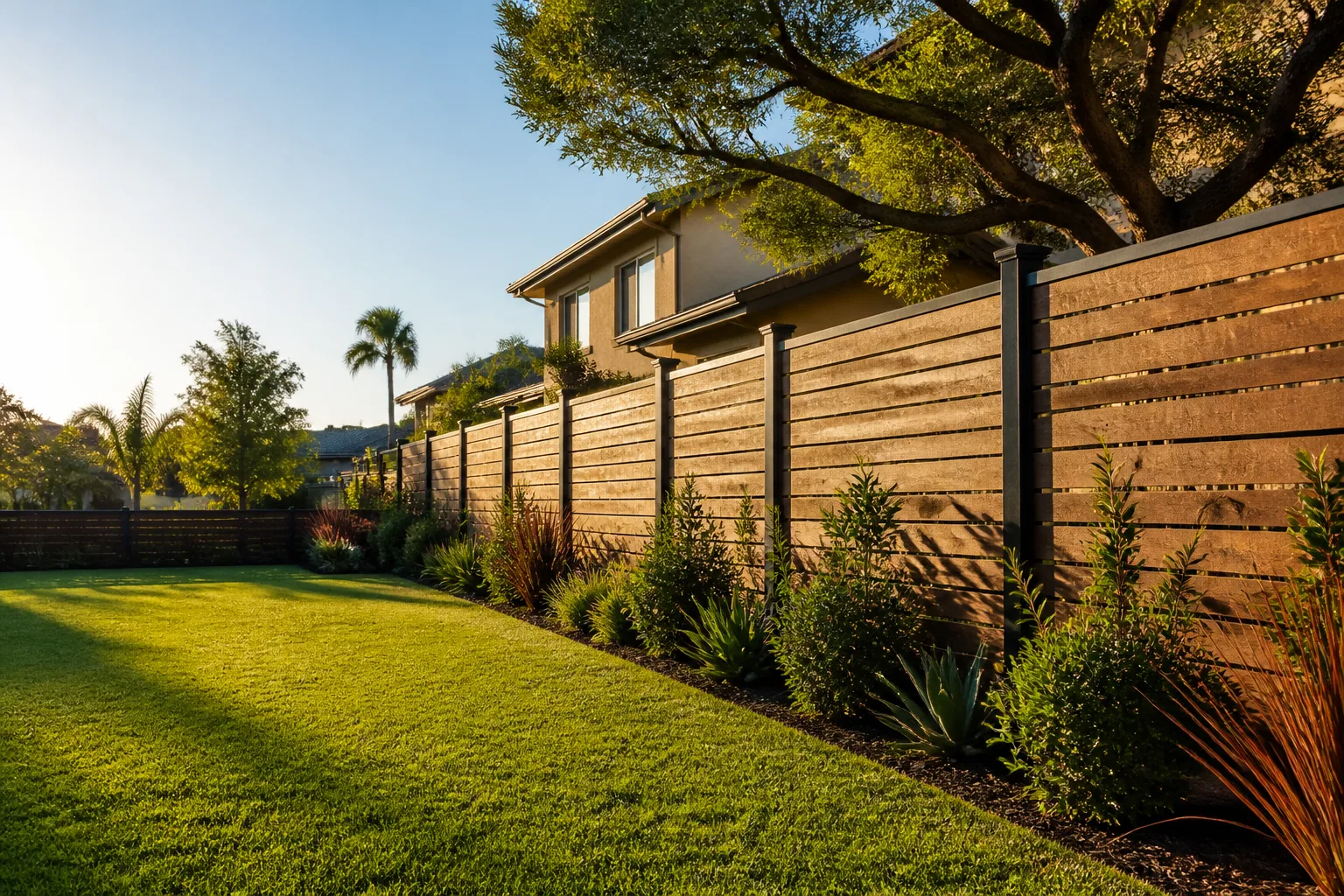
Rails go on, then the pickets or dog-ear boards, then the gate frames and hardware. You’ll pick board width (typically 6-inch dog-ear for privacy runs), height (6 feet is standard, some HOAs cap at 5), and cap style at this stage. This is also the point where the fence either reads as a straight, tight line or a wavy one. We check string lines twice and shim the rails to keep the top edge running true across the whole run.
Stage 5: Cleanup and Walkthrough (Final Day)
Sweep, haul, and walk the fence with you before we ask for a signature. You check gate swing, latch alignment, and post plumb. If something isn’t right, it gets fixed before we leave – that’s what the 730-Day Done Right Promise means in practice, and it’s why we put it in writing.
Styles & brands we work with
- Kitchen remodeling
- Bathroom remodeling
- Home additions & ADU
- Roofing
- Windows & doors
- Driveway & pavers
- Fence
The Wood Fence Options You’ll Choose Between
What you pick under this heading is most of the price difference between a $3,500 job and a $9,000 job. Here’s the honest version of each option.
- Cedar (Western Red Cedar): The premium choice. Naturally rot- and insect-resistant, no chemical treatment, gorgeous grain. Runs 25 to 40 percent more than treated pine. Best for visible front-yard runs where the fence is part of the curb appeal.
- Pressure-treated pine: The workhorse. Solid, holds up well in the San Gabriel Valley’s dry heat, needs staining or sealing every few years. Most La Puente fences are pine because the value is unbeatable for a privacy run.
- Redwood: Between cedar and pine on price, naturally resistant, and a great fit if you want the California-native look without premium cedar cost.
- Board style: Dog-ear (the arched top), flat-top, and board-on-board (overlapping boards creating a textured, near-solid screen). Board-on-board costs about 15 percent more but blocks more sightline.
- Height: 6-foot is the standard privacy height. 5-foot is common where an HOA restricts height. 8-foot commercial runs are occasionally requested but flagged at the planning stage if the neighboring lot is at a higher grade.
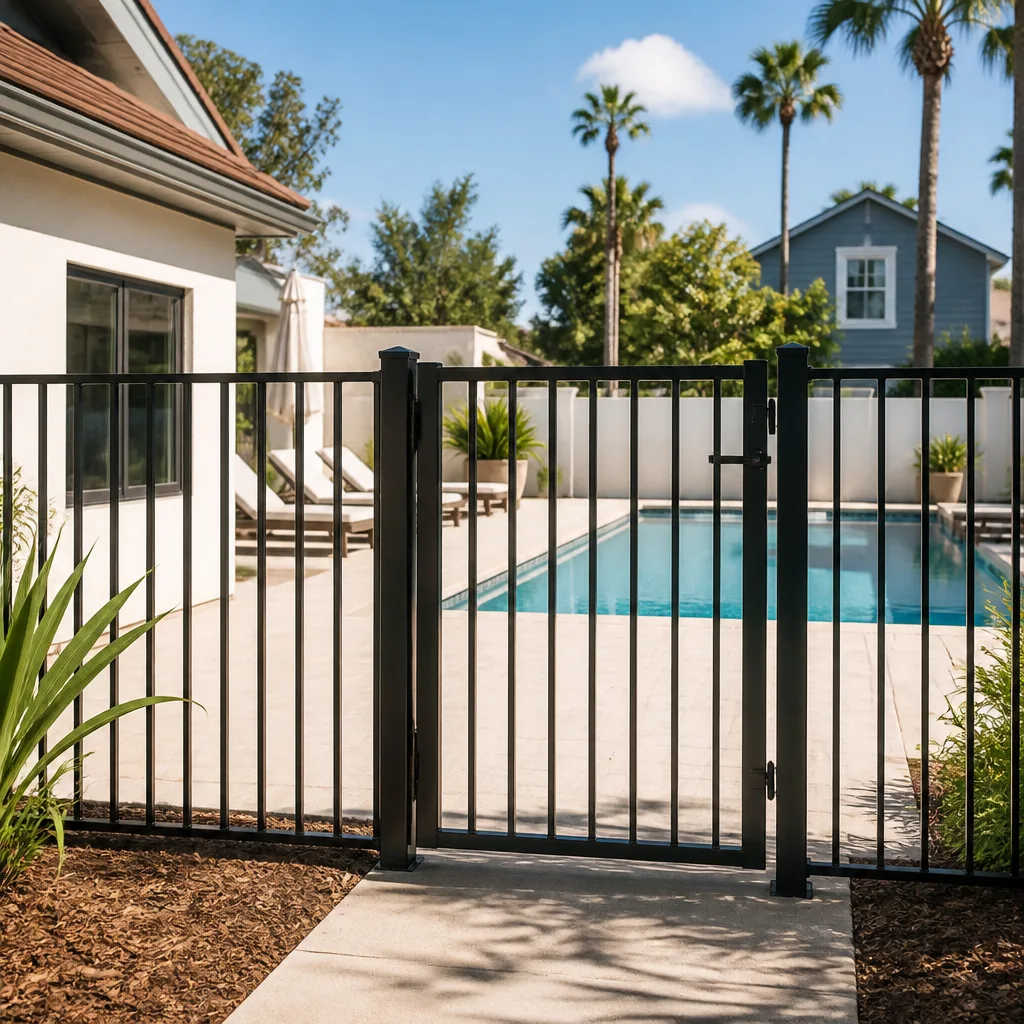
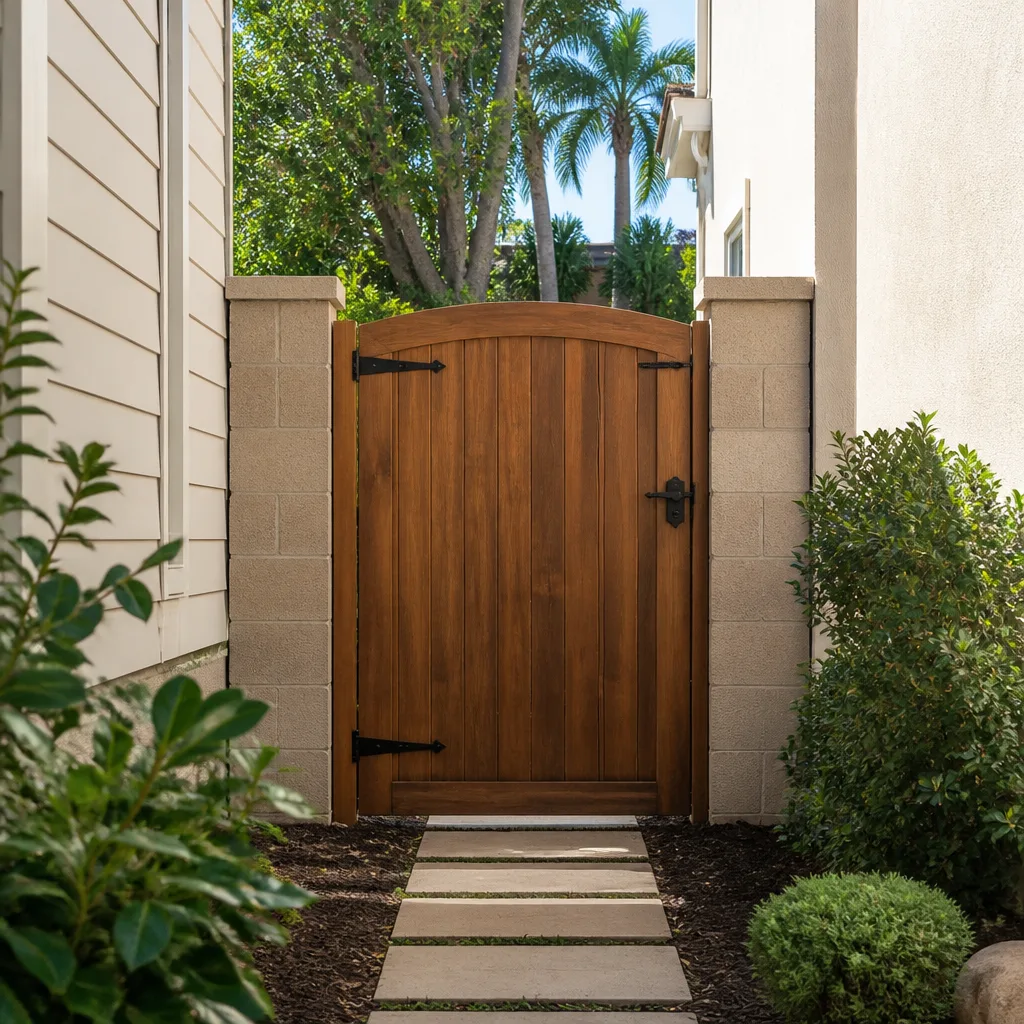
- Gates: A pedestrian gate (36-inch swing) and a vehicle or double gate are each a separate build decision. Double gates over a driveway apron need a drop rod and a reinforced frame to avoid sag.
What a Wood Fence Costs in La Puente, CA
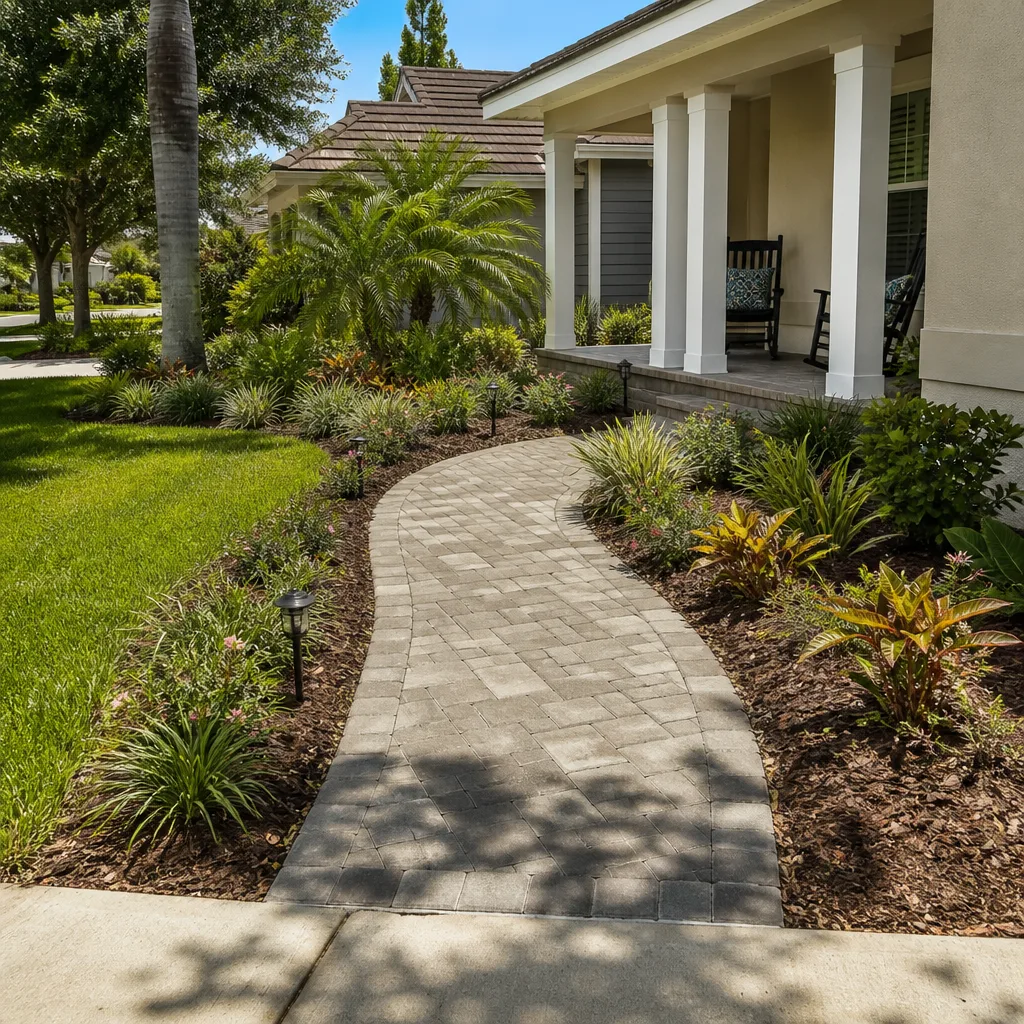
Expect $3,500 to $9,000 for a typical residential wood fence in La Puente. The number moves based on five variables, not one:
- Lineal footage: A 60-foot run sits near the bottom of the range. A 200-foot perimeter plus gates lands at the top.
- Existing condition: An old fence set in concrete is more demo work than one with rotted posts you can pull by hand. Add $300 to $900 for concrete footings and disposal.
- Material grade: Pine is the low end, cedar the high. A full cedar build can push $1,500 to $2,500 above a like-for-like pine job.
- Grade and slope: On Puente Hills lots, sloped or stepped runs need either a racked (angled) fence or a stepped build – both add labor and roughly 10 to 20 percent to the labor line.
- Permits and HOA: If your property line is on a corner lot, or you’re replacing an over-height fence, a permit may be required and adds time and cost. We’ll tell you at the estimate.
Every written estimate is line-itemized – posts, boards, rails, concrete, hardware, dumpster, labor, permits if applicable. What’s typically not included: correcting a property line dispute with a neighbor (you’ll need a survey before we can build), landscaping damage beyond the standard 18-inch work zone, and staining or sealing after installation (available as an add-on).
See the difference
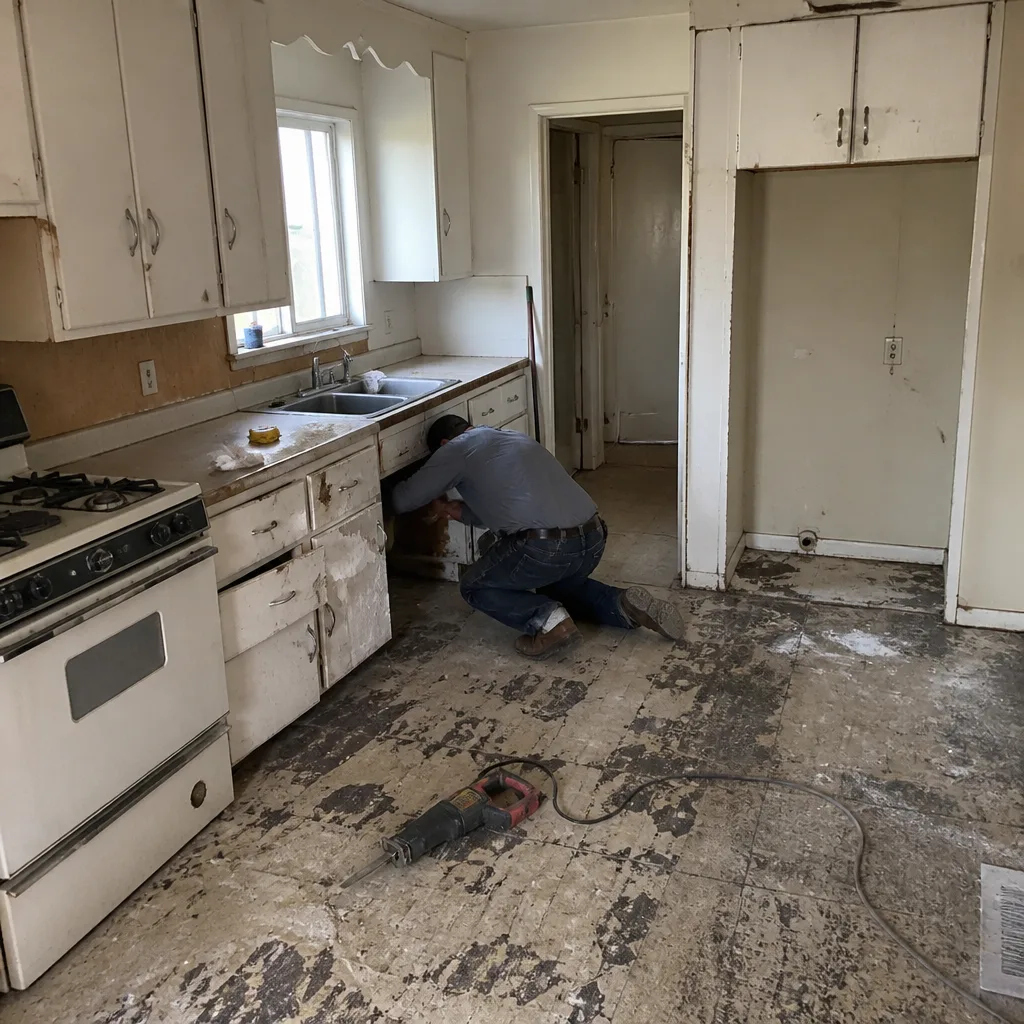 Before
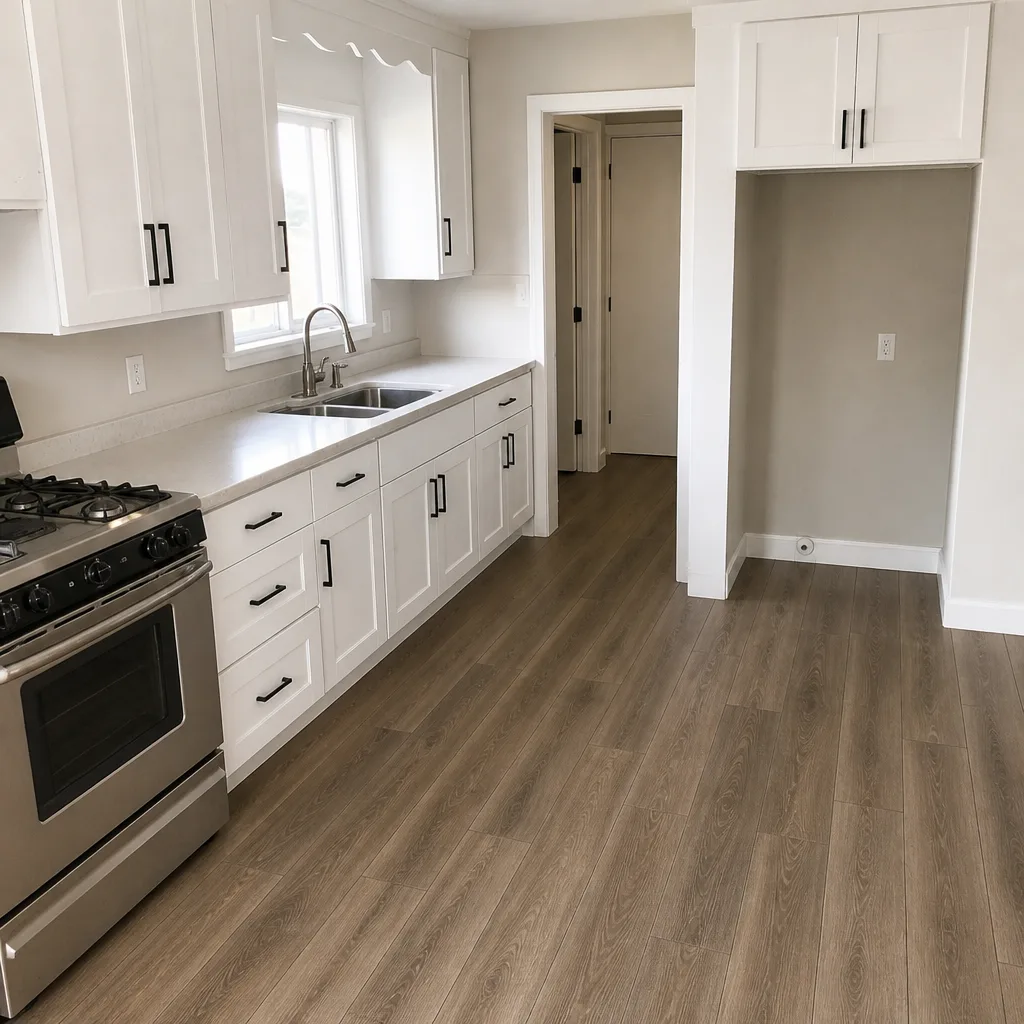 After
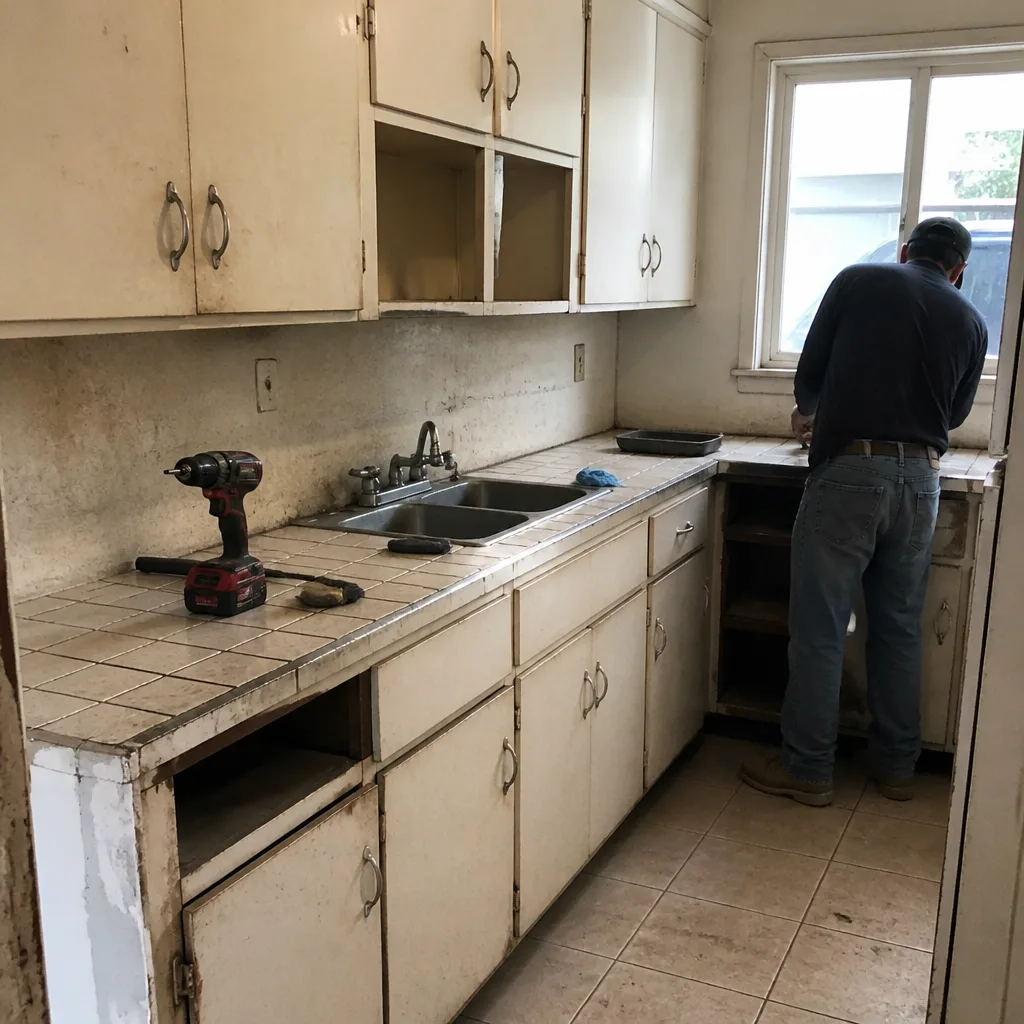 Before
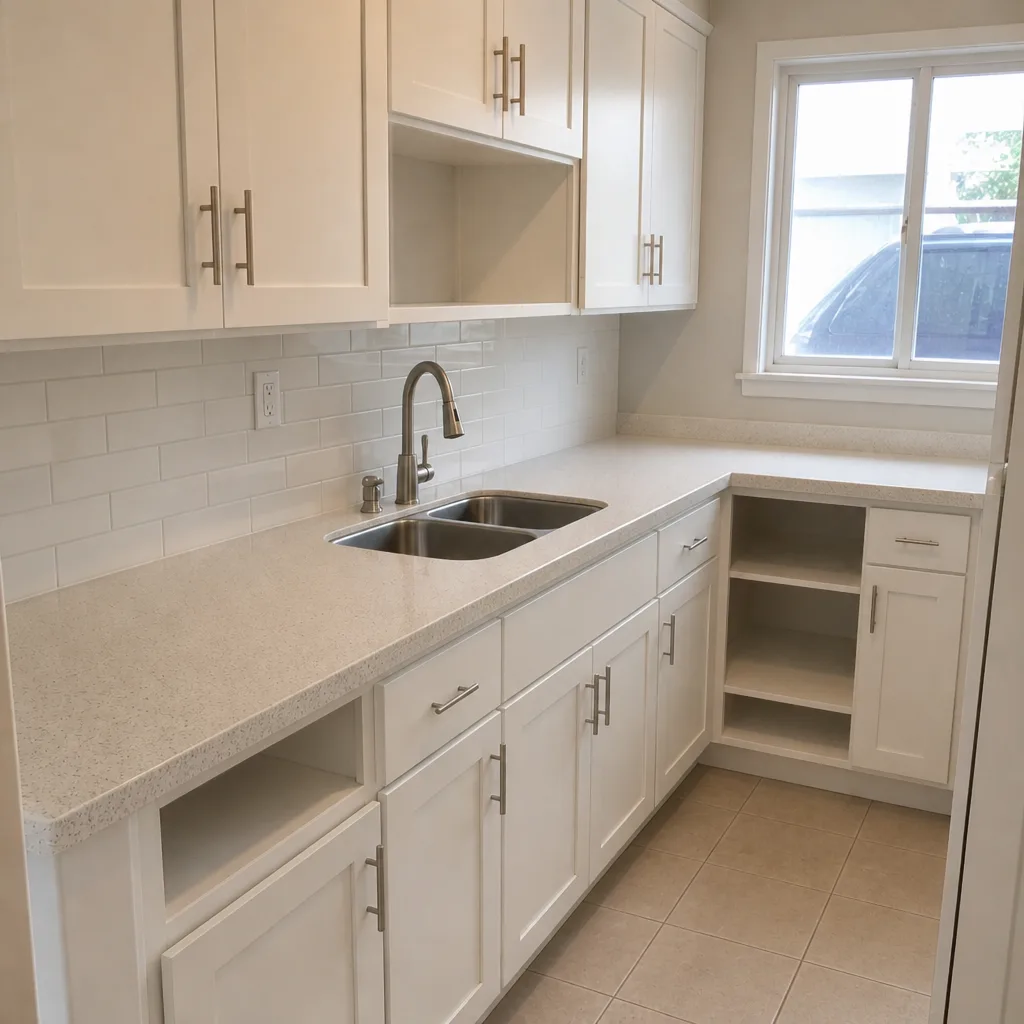 After
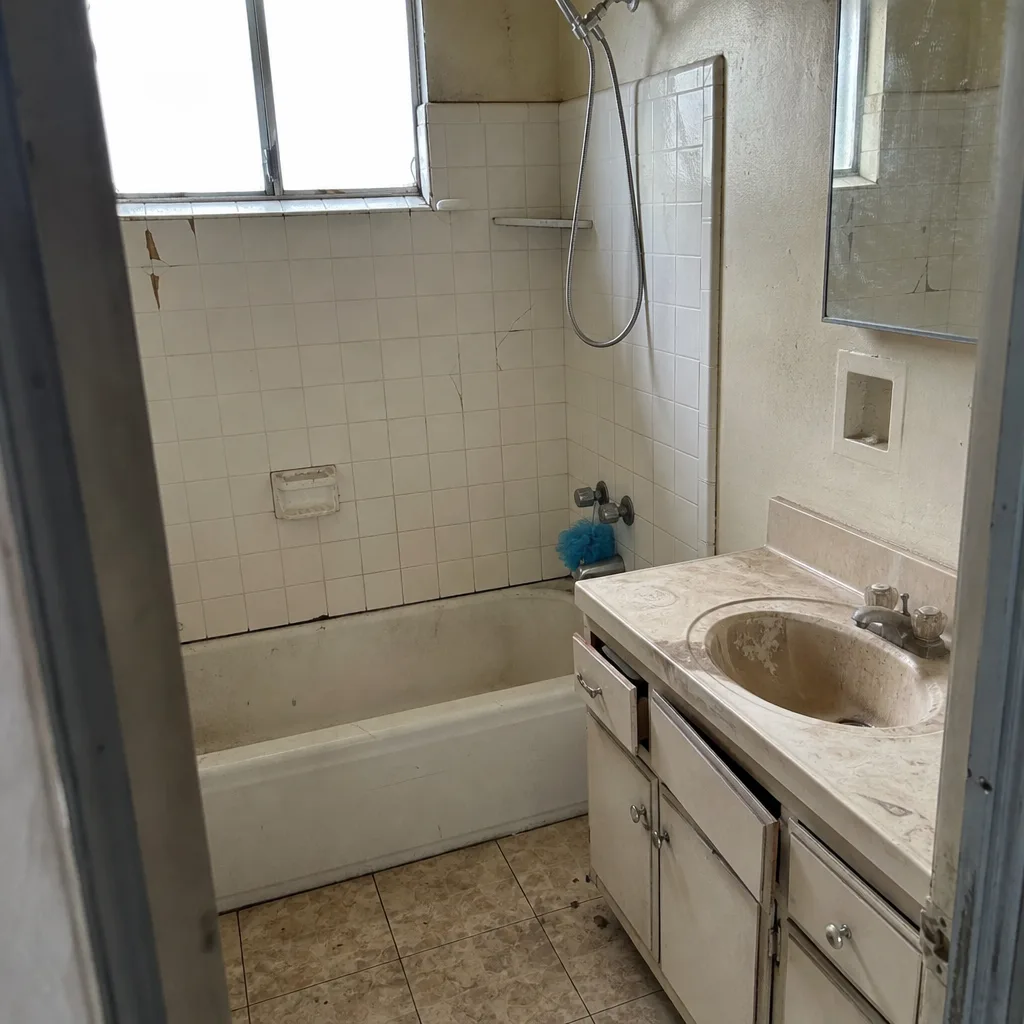 Before
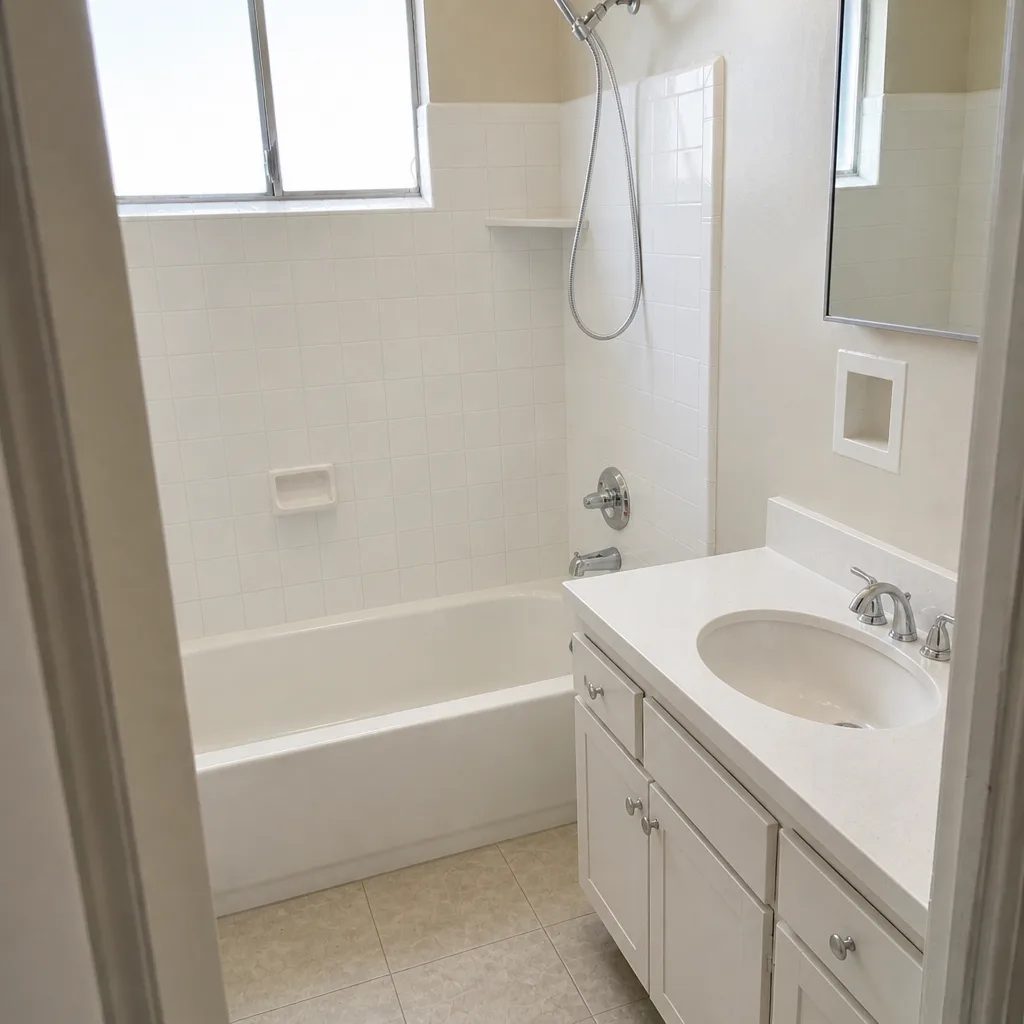 After
What La Puente Homes Specifically Do to a Wood Fence Job
La Puente is a compact, built-out city – almost every lot is already developed, which means every fence job happens between two existing structures with mature trees leaning over the run. The dominant housing stock here is post-WWII mid-century tract homes and small stucco single-family houses on narrow lots. That pattern shows up in three predictable ways for a wood fence.
First, property lines often run at odd angles because the original 1950s subdivisions were platted tightly, and a fence built 30 or 40 years ago with some drift can create confusion. We measure twice and ask for a plat map. Second, the San Gabriel Valley’s hot, dry summers and Santa Ana wind events age a pine fence faster than the coast – boards cup, and untreated posts dry-check. Staining every 3 to 5 years matters more here than in cooler regions. Third, we regularly work in a Spanish-speaking neighborhood, and our crews communicate in both languages, because fence decisions (particularly on shared property lines) get made face-to-face with neighbors more often than through written documents.
In the older streets near the Puente Hills, backyard grading and retaining walls often mean the fence line has a grade change. We check that before the estimate, because a fence built flat over a 2-foot drop looks fine from your side and awful from the neighbor’s.
Serving La Puente, CA – Our Local Coverage Area
We serve La Puente and nearby communities. Use the map below to see the area we cover. If you’re nearby, we can almost certainly help.
Frequently Asked: Wood Fence in La Puente
Three to five working days for a typical residential wood fence in La Puente, from tear-out to final walkthrough. Straight runs with no grade change finish faster; corner lots, HOA review, or major demo push it to the longer end. We give you a start-to-finish date in the written estimate, not a vague window.
Usually no for a standard 6-foot privacy fence on a side or rear property line, but corner lots, over-height fences, and fences near public right-of-way often do need one. La Puente handles fence permitting through the city’s building department, and we’ll tell you at the estimate whether your specific lot triggers a permit. We pull permits and pass inspections when they’re required.
In most cases yes. We probe post holes for irrigation lines before digging and re-route when needed. Trees with mature roots are the harder case – we’ll either offset a post or hand-dig around the root mass. If a major tree conflicts with a straight line, we’ll flag it at the estimate so you can decide whether to shift the run or trim.
No, not on our fence projects. The written estimate is what you pay. The rare exception is undisclosed damage – a buried gas line or a concrete footing larger than the probe suggested – which we stop and price before proceeding. We don’t do surprise change orders, and if we find something that has to change, you’ll see the number and sign off first.
Every wood fence we build is covered by the 730-Day Done Right Promise – two full years on workmanship, in writing. If a post leans, a board splits at the fastener, or a gate sags under normal use, we come back and make it right. Material manufacturer warranties pass to you directly and are separate from our workmanship coverage.
Ready to Price a Wood Fence in La Puente?
Call (888) 271-7872 to schedule a free on-site estimate. A live person answers 24/7 – no voicemail, no waiting until Monday. We’ll walk your line, confirm measurements against your plat map, and hand you a written line-item quote with a start date before you commit. Most jobs can also add a concrete pad or paver work at the same time if you’re replacing a driveway – we quote it as a separate line so you can decide. From foundation to finish, and backed in writing.
Written by the team at Groundwork Construction Co.