Free written scope consultation - allowances, timeline, and change-order rules on paper before a single trade is scheduled
Styles & brands we work with
- Kitchen remodeling
- Bathroom remodeling
- Home additions & ADU
- Roofing
- Windows & doors
- Driveway & pavers
- Fence
See the difference
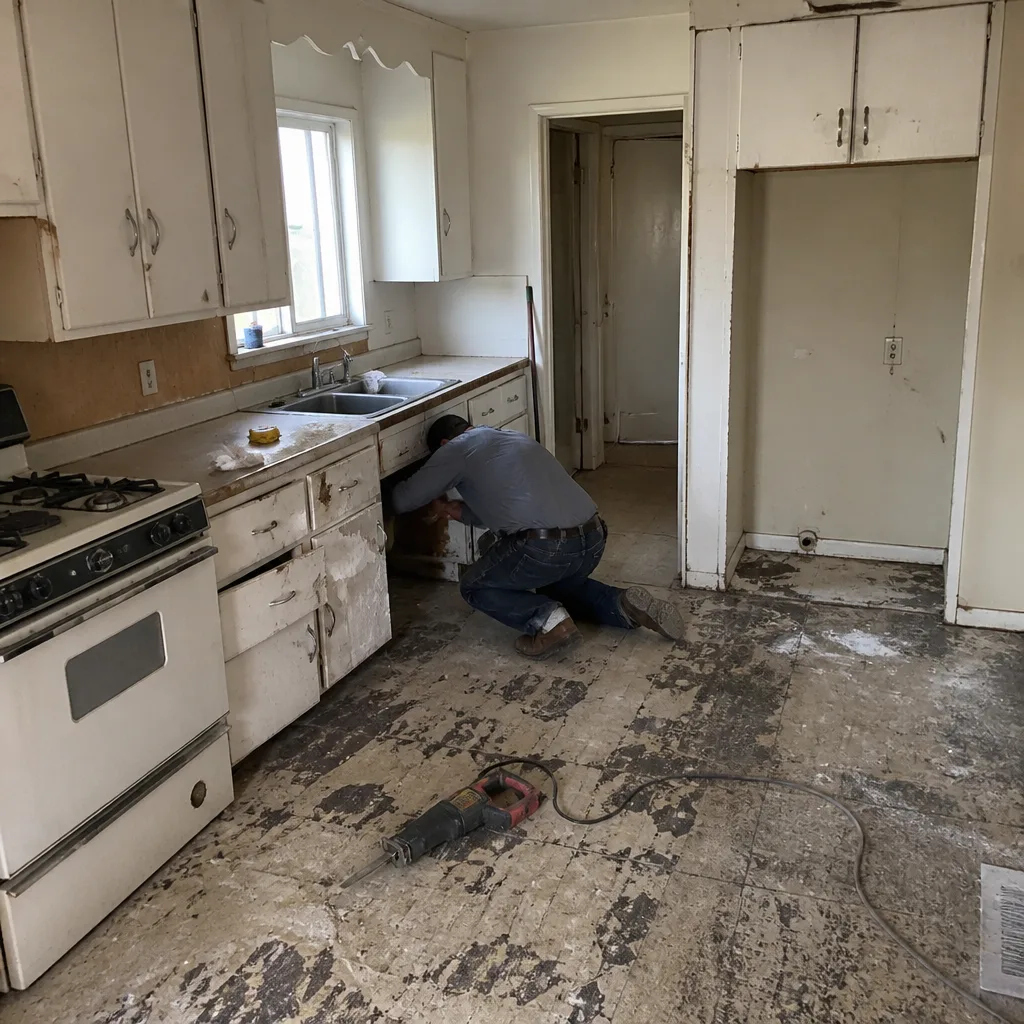 Before
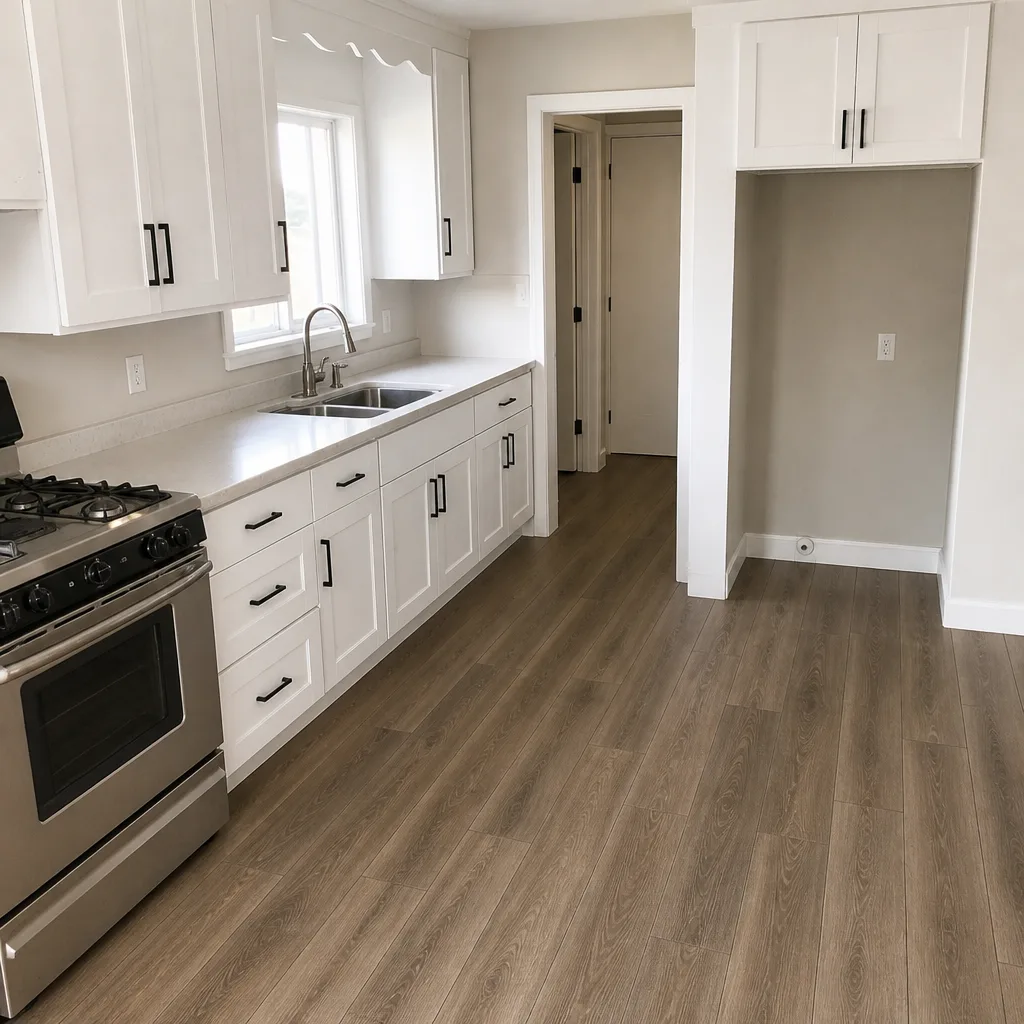 After
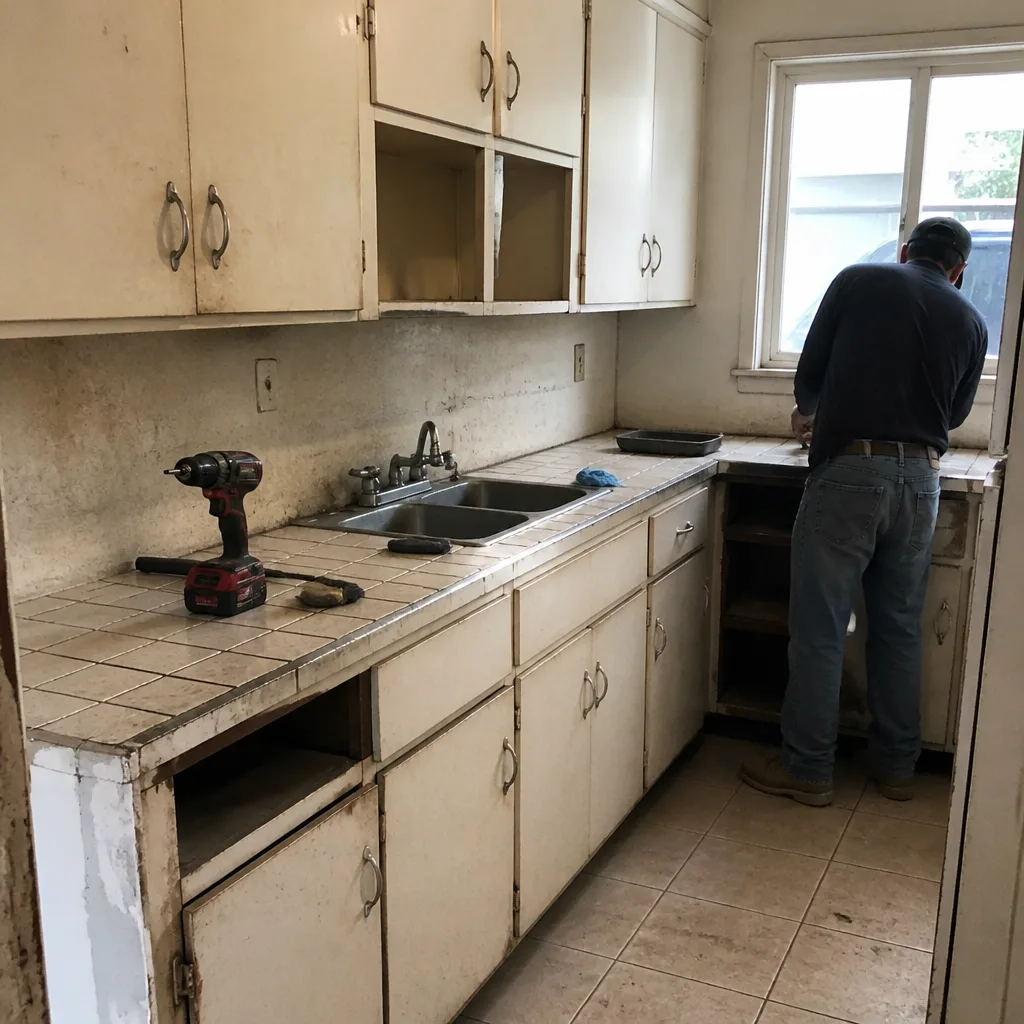 Before
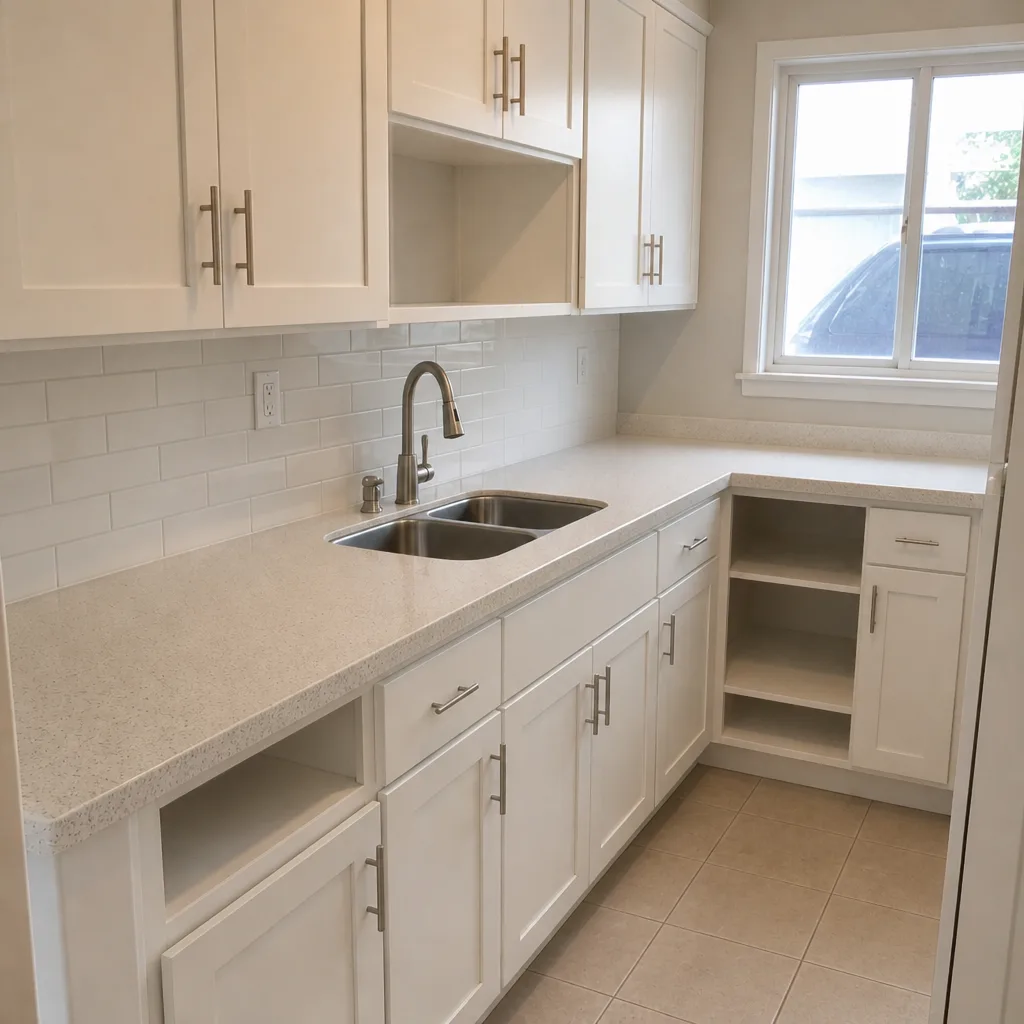 After
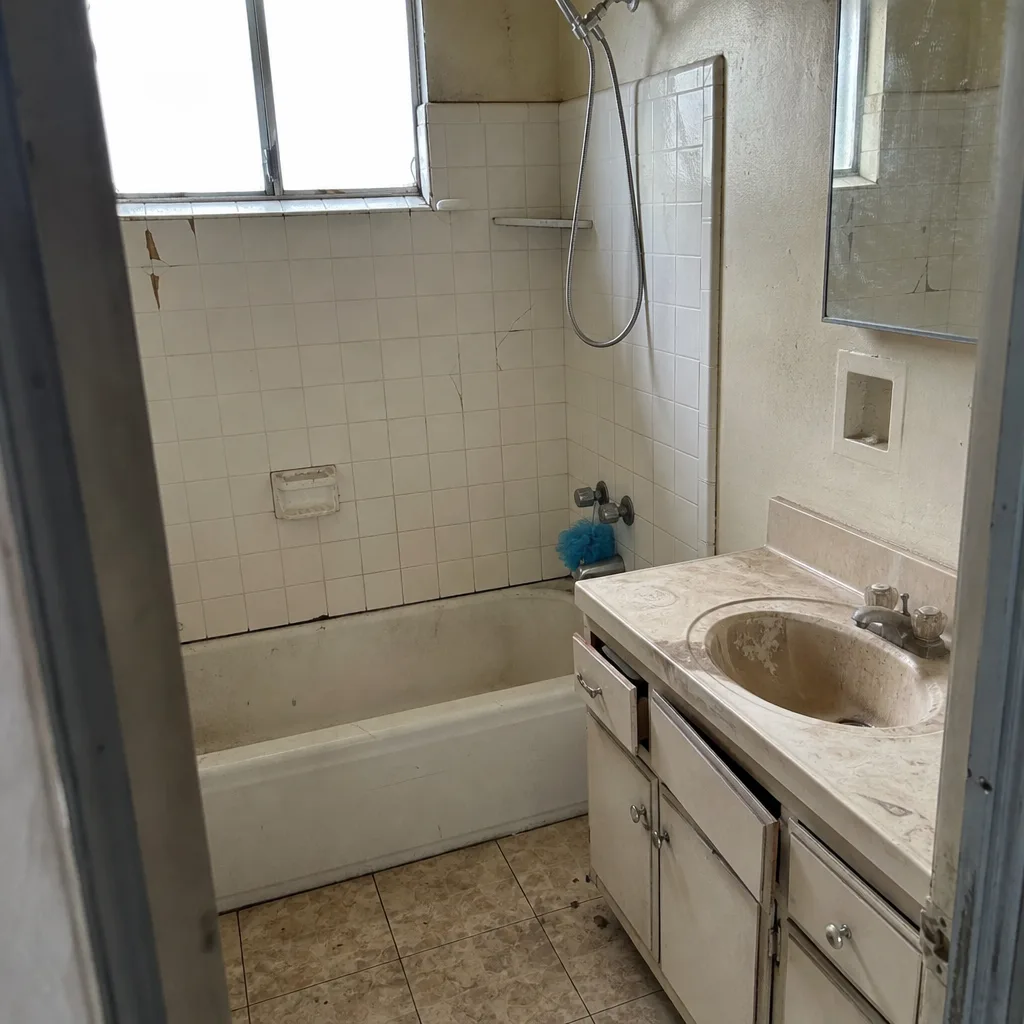 Before
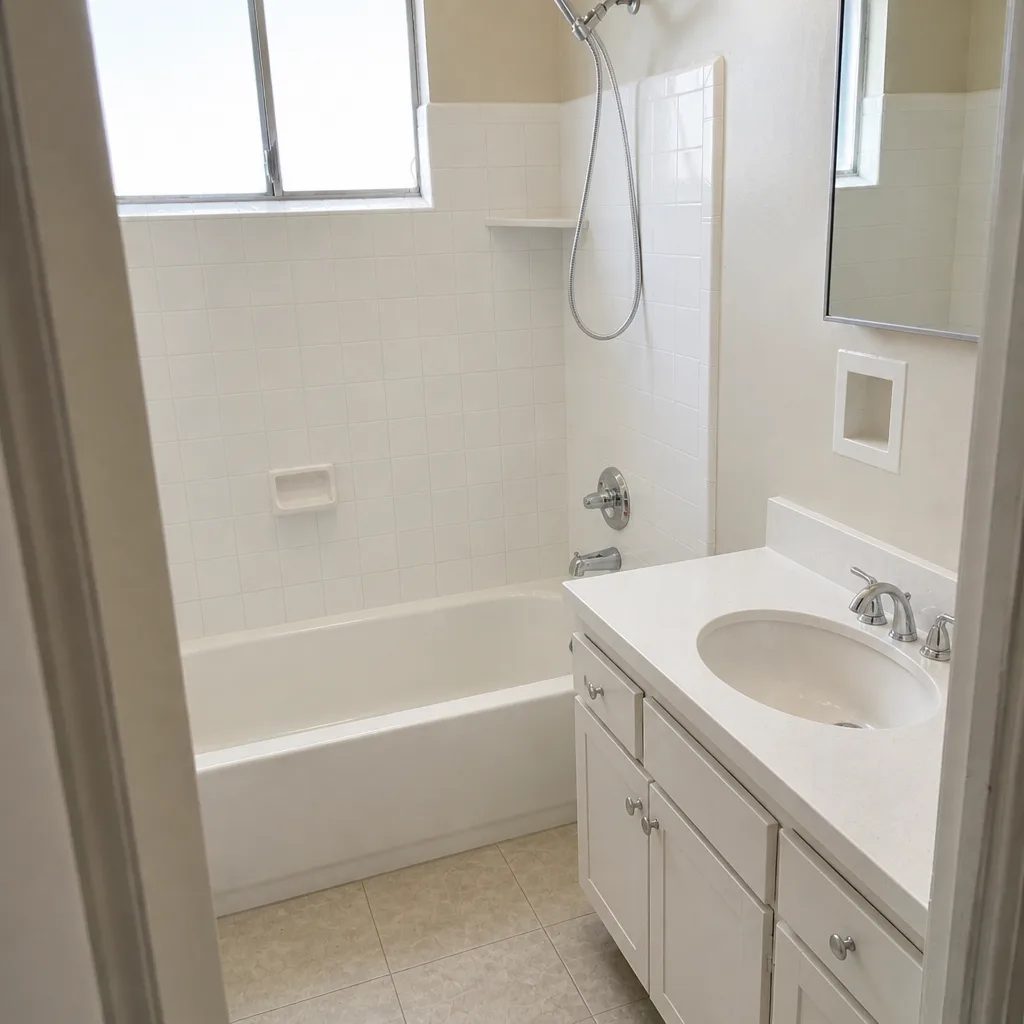 After
What Is Low-E Glass? The Answer Most El Monte Homeowners Get Wrong
Low-E glass is ordinary window glass coated with a microscopically thin metallic layer that reflects radiant heat back where it came from instead of letting it pass through. That’s the short answer. The part that matters in El Monte is that “Low-E” is not one product: passive Low-E is built to trap solar heat inside for cold climates, and solar-control Low-E is built to reject it for hot climates like ours. Put the wrong one on a west-facing window in the San Gabriel Valley and your cooling bill goes up, not down. If you want to know which coating belongs on your home before anyone hands you a quote, call (888) 271-7872 and we’ll walk through it with you.
This isn’t a technicality. We see it constantly on remodels across El Monte, and it’s the single most common window mistake we’re asked to correct.
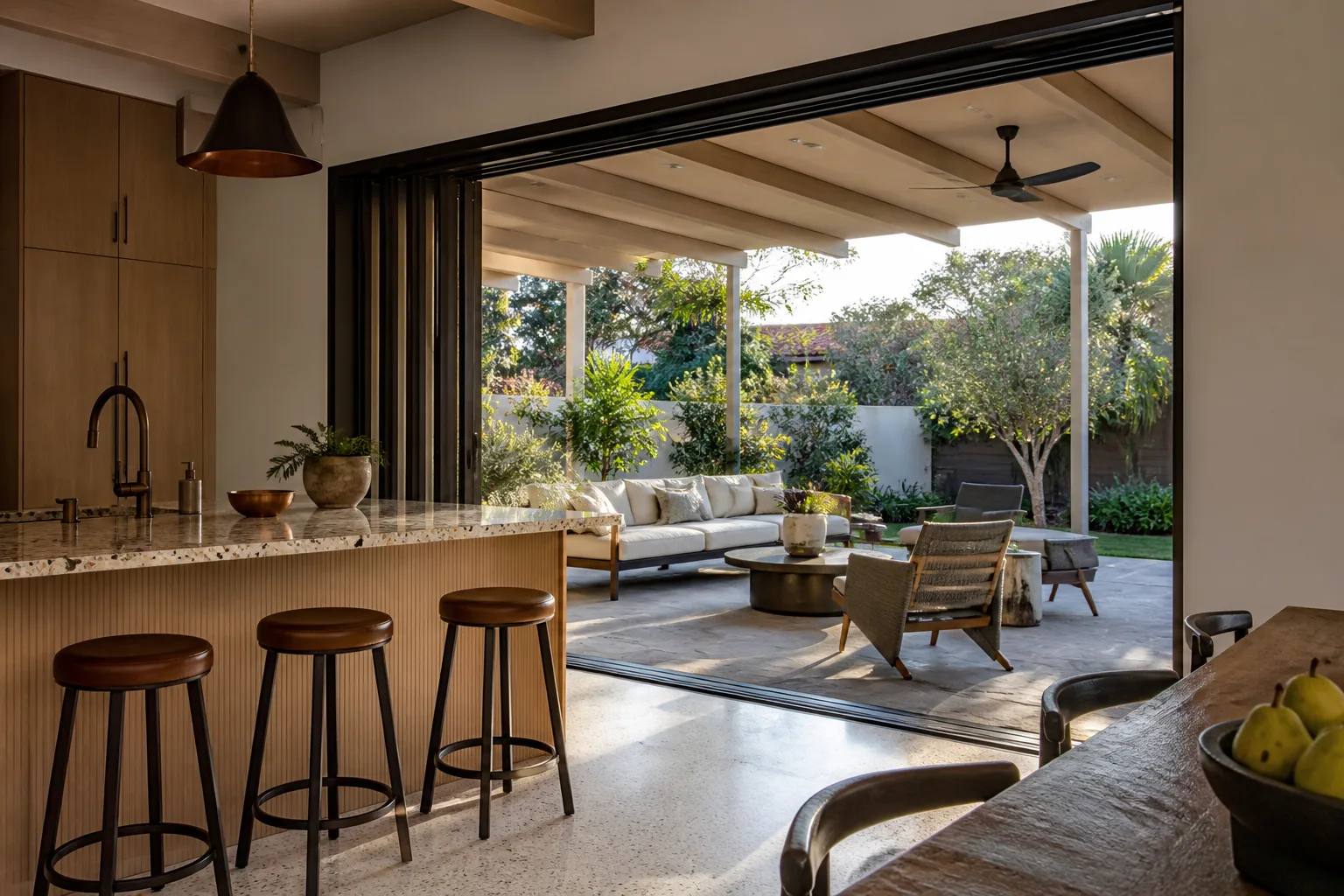
Two Coatings, Opposite Jobs – and Only One Belongs on Your El Monte Home
The physics is simpler than the sales pitch makes it sound. Radiant heat from the sun travels as infrared energy. A Low-E coating reflects that energy rather than absorbing it, and how much it reflects depends entirely on how the metallic layer was tuned at the factory.
Passive Low-E is tuned to let solar heat in. It’s the right call in Minneapolis or Buffalo, where winter heat loss is the expensive problem. Solar-control Low-E is tuned the opposite way: it blocks the heat while still letting visible light through. El Monte sits in a hot, dry valley where summer sun pounds west and south glass for six or seven hours a day. Passive Low-E on that exposure is a heat collector bolted to your wall. We’ve walked into El Monte living rooms where a previous installer used a cold-climate unit because it was what the supplier had on the shelf, and the homeowner couldn’t understand why the room was unbearable by 3 p.m.
Why the Spec Matters Legally, Not Just Thermally
California doesn’t leave this to homeowner preference. Title 24 sets a maximum Solar Heat Gain Coefficient (SHGC) of 0.25 for west-facing glazing in Climate Zone 10, which covers the San Gabriel Valley. SHGC is the fraction of solar heat that gets through the whole window assembly. A lower number means less heat. Only solar-control Low-E coatings consistently hit 0.25 on west-facing units, which means specifying the wrong glass isn’t just uncomfortable, it can fail plan check.
That code detail lands squarely on El Monte’s housing stock. The post-WWII tract homes and small stucco bungalows that fill most of this city were built with single-pane aluminum sliders that have no coating at all and an SHGC near 0.86. That’s roughly 86% of the sun’s heat coming straight through the glass. Swap in a properly specified solar-control Low-E unit from the Andersen or Marvin line, and you can cut solar heat gain through that opening by more than 70%. Same window opening. Completely different room.
The Tradeoff Nobody Warns You About: Visible Light
Aggressive solar-control coatings can darken a room. That’s real, and it’s worth knowing before you sign, because the last thing you want after a remodel is a living room that feels like a cave at noon.
The number to ask for is Visible Light Transmittance, or VT. It tells you what percentage of daylight makes it through the glass. A well-specified solar-control unit can block the heat while keeping VT in a comfortable range, but the two numbers move against each other, and the right balance depends on which window you’re replacing. A west-facing slider in a hot room benefits from a lower VT. A north-facing kitchen window you actually want bright can take a higher one. Ask your installer for the SHGC and the VT side by side, and make the tradeoff a decision instead of a surprise.
Here’s the practical range we work with on El Monte window replacements:
| Window work | Typical El Monte range |
|---|---|
| Window replacement (whole-home or multi-opening) | $4,500-$15,000 |
| Impact window installation | $8,000-$25,000 |
| Single-opening replacement with solar-control Low-E | Quoted per opening based on size and frame material |
Those are real El Monte numbers, not national averages. Upfront pricing means the number you see is the number you pay, and our Windows & Doors work is backed by the 730-Day Done Right Promise. If it’s not done right, we make it right.
How to Confirm You’re Actually Getting Solar-Control Low-E
Don’t take a verbal claim. Every window sold in the U.S. carries an NFRC label that states its verified U-factor, SHGC, and VT. That label is your proof. The Andersen and Marvin lines we work with publish NFRC labels for every unit, so you can confirm the exact performance spec before installation rather than trusting a salesperson’s description of “energy-efficient glass.”
Here’s what to check on the label:
- SHGC: For west-facing glass in El Monte, you want 0.25 or lower to meet Title 24 in Climate Zone 10.
- VT: Compare it against SHGC. A high SHGC and a high VT together means you’re getting a cold-climate unit.
- U-factor: This measures how well the window resists heat flow through the assembly. Lower is better in both summer and winter.
- Climate designation: Passive Low-E units are often labeled for heating-dominated climates. That’s your red flag on a San Gabriel Valley home.
This level of specification matters more here than in most of the country because so much of El Monte is built out. Almost every window job we do is a retrofit into an existing wall in an older tract home, not new construction with a clean spec sheet from an architect. Tight lots, aging framing, and original aluminum sliders mean the glass choice has to be matched to the actual opening and its sun exposure. When we look at a project, we’re reading the building, not just the catalog.
Our technicians have up to 12 years of experience, and we send background-checked, uniformed crews on every job. Calls are answered by a live person, 24/7, so you’re not waiting until Monday to ask a question about your window order.
Common Local Scenarios We Run Into
Here’s how this plays out on real El Monte jobs, because the right answer depends on the house:
- The 1960s stucco bungalow with original aluminum sliders: Every west-facing opening is a heat pump. Solar-control Low-E on those exposures cuts the load dramatically, and the difference in a cooled room is noticeable the first week.
- The garage conversion or rear ADU: New units get new glazing, and the window spec has to clear plan check along with the setback and parking calculations the city reviews. Getting the SHGC right up front saves a correction later.
- The 1980s infill home with a mixed-exposure facade: West and south glass gets solar-control Low-E. North glass can take a higher VT for daylight without overheating the room.
- The homeowner who already has Low-E and still overheats: Nine times out of ten, the old unit went in with passive coating or the SHGC was never checked. We read the NFRC label and tell you what’s actually on the glass.
If you have an older home in El Monte and you’re planning a window project, the same spec questions come up on roofing and additions too. Roofing choices like Owens Corning, IKO, and Atlas shingle systems interact with attic insulation and window performance, and an ADU or addition triggers the same Title 24 glazing rules. You can see the full scope of what we handle on our home page and on the El Monte service area page.
Financing makes the decision easier: 0% financing for 18 months, plus $1,000 off projects over $10,000 and a free project estimate and design consult. No-hassle upfront pricing, no surprises.
FAQs
Passive Low-E maximizes solar heat gain to keep cold-climate homes warm, while solar-control Low-E minimizes it to keep hot-climate homes cool. They’re opposite coatings on the same technology. If you’re in a hot valley like El Monte’s, you want solar-control. Call (888) 271-7872 for a free estimate and we’ll confirm which type fits your windows.
Yes – Title 24 in Climate Zone 10 caps SHGC at 0.25 for west-facing glazing in the San Gabriel Valley, and only solar-control Low-E reliably meets it. That’s a code requirement, not a suggestion, and it can affect plan check on remodels and additions. Call (888) 271-7872 to get your spec verified before you order glass.
Aggressive solar-control coatings can reduce visible light, which is why you should ask for the VT number alongside the SHGC. A well-specified unit blocks heat while keeping the room bright, but the balance depends on the exposure. Call (888) 271-7872 and we’ll help you pick a VT that fits each window.
Check the NFRC label on the unit – it states the verified SHGC and VT, so you can confirm the spec instead of trusting a verbal claim. Every Andersen and Marvin unit we install carries one. Call (888) 271-7872 if you’d like us to read your existing labels and tell you what’s on the glass.
Get Your Window Spec Right the First Time
If you’d rather have it looked at, Groundwork Construction Co. of El Monte offers a no-pressure assessment in El Monte – call (888) 271-7872. We’ll read your exposures, check the labels, and tell you exactly which Low-E coating your windows need. Free estimate, upfront pricing, live person on the line 24/7.
Written by the team at Groundwork Construction Co. of El Monte, serving El Monte, CA.