
Free written scope consultation - allowances, timeline, and change-order rules on paper before a single trade is scheduled
Vinyl Fence in Valinda, CA: What It Costs and How Long It Takes
A vinyl fence in Valinda typically runs $3,500 to $9,000, and most residential jobs are finished in three to five working days once materials are delivered. The number depends on linear feet, height, style, and what’s buried under your grade – old footings, roots, or a prior fence line are the usual swing factors. Call (888) 271-7872 and we’ll price the actual fence line, not a ballpark.
How a Vinyl Fence Goes In, Stage by Stage
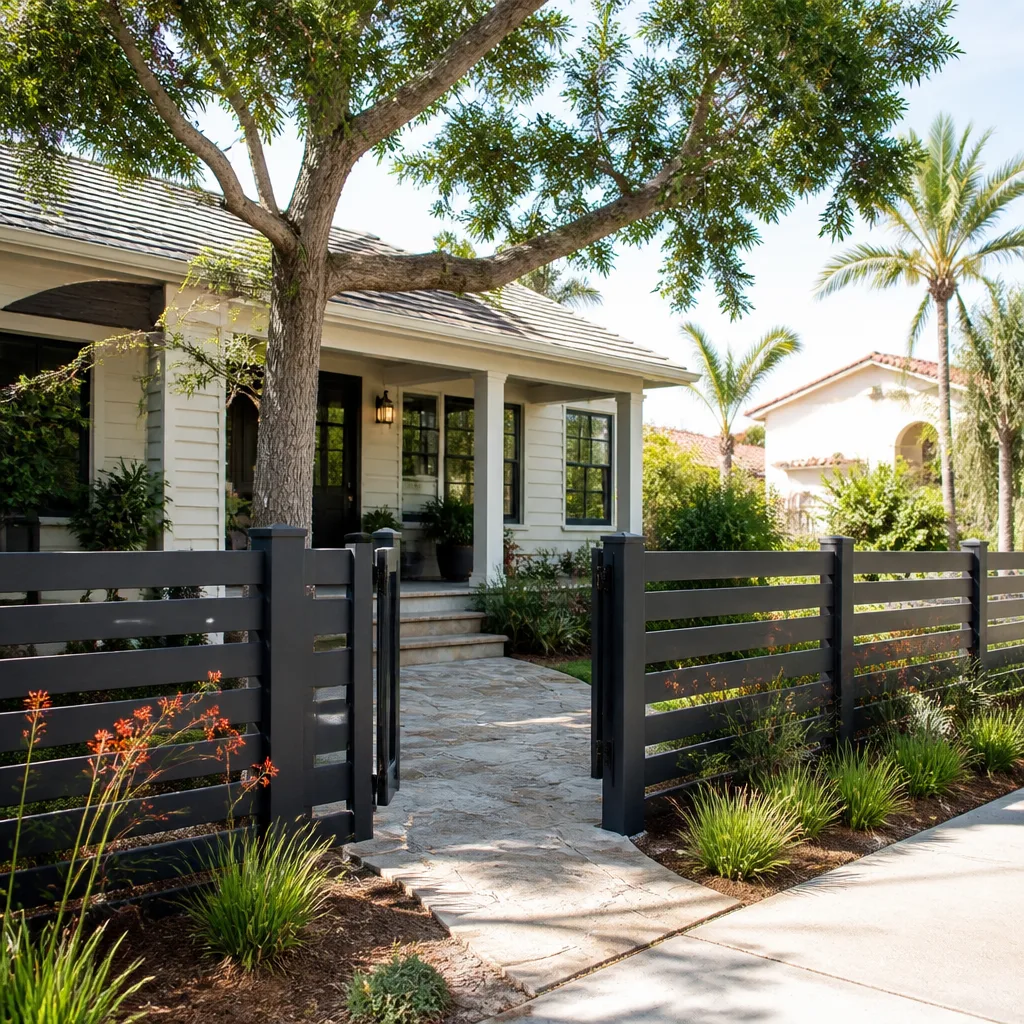
Vinyl fence work is largely a site and layout exercise before it’s a fencing job. Here’s the real sequence we follow on Valinda properties.
Stage 1: On-site measure and layout (1 – 2 hours)
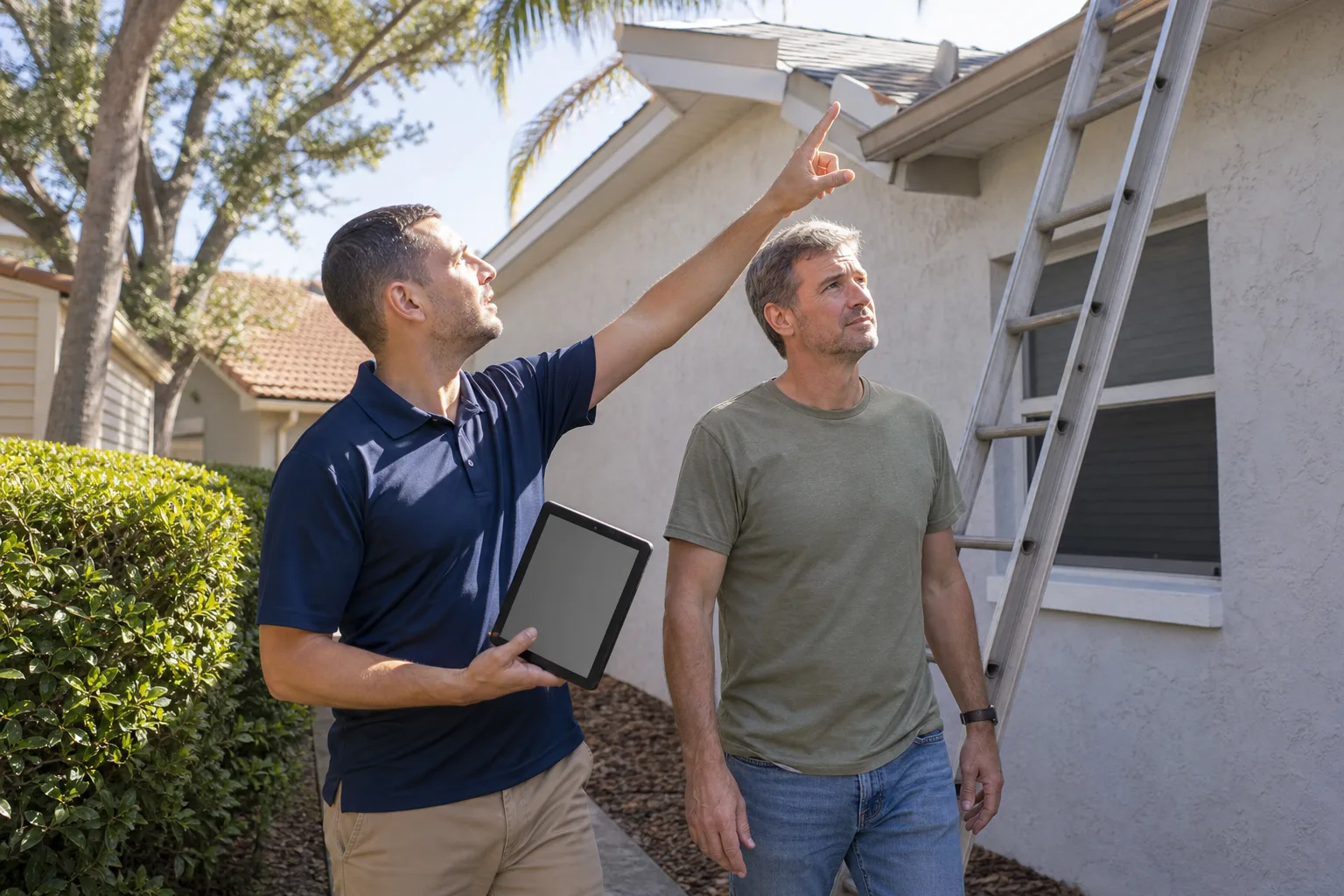
We walk the property line with you, measure total linear footage, and mark post positions. You decide two things here: the exact boundary path (matters more than you’d think on these irregular lots) and gate placement. We confirm the fence sits inside your line before anyone digs.
Stage 2: Utility check and line clearance (same day, callouts may follow)
Before ground disturbance, underground utilities get located. On older Valinda lots with private or undocumented runs, this step occasionally adds a day or two. We don’t skip it – hitting an irrigation line or a private conduit turns a five-day job into a two-week one, and it’s on us if we cause it.
Stage 3: Demolition and removal of the old fence (half a day to a full day)
Old wood panels, rotted posts, and buried concrete footings get pulled. On this housing stock, the old posts usually come out in chunks – the concrete collars are large. A standard run clears in one day; a full property perimeter with heavy rot can stretch to two, and removal and haul-away are quoted as a line item.
Stage 4: Post setting (Day 1 – 2 of install)
Posts go in cement backfilled per manufacturer spec, spaced typically at 8-foot centers with a post where the fence changes direction or elevates. This is the step that makes or breaks a vinyl fence – a post set shallow or with too little cement will lean within a season. We set them properly and let the cement cure per spec before panels go on.
Stage 5: Panels, caps, and gates (Day 3 – 5)
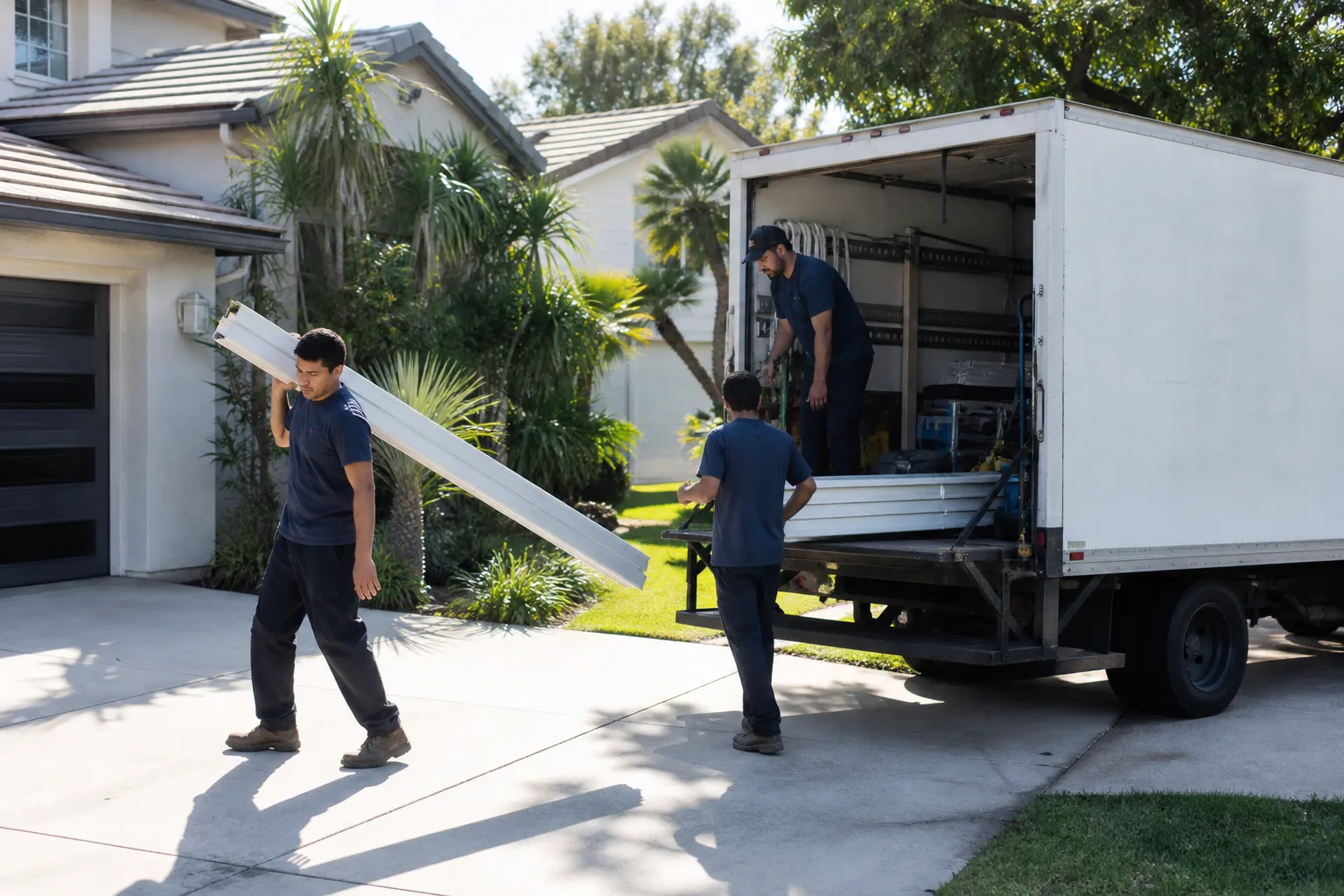
Panels and pickets go up, rails get inserted, caps go on, and gates are hung and adjusted. You do a walkthrough with us at the end. Any post that’s not plumb, any gate that sags, gets fixed before we leave. Total install for a typical backyard run: three to five working days after delivery.
Styles & brands we work with
- Kitchen remodeling
- Bathroom remodeling
- Home additions & ADU
- Roofing
- Windows & doors
- Driveway & pavers
- Fence
The Options You’ll Choose Between
A vinyl fence isn’t one product – the spec differences matter for heat, sun exposure, and how long the fence looks new.
- Privacy height: Standard 6-foot privacy is the most common for backyard runs – full visual block. 4-foot is common for front-yard dividers where you want a boundary without blocking the view. 5-foot is the compromise. Height affects material cost by roughly 10 – 15% per size step.
- Style: Solid privacy panel (the standard), picket-style (more open, looks closer to a traditional wood picket), and lattice-top (a decorative panel over a solid base). Solid privacy uses more material; lattice-top adds cost because of the extra components. Pick what fits the rest of your exterior – not just what’s cheapest per foot.
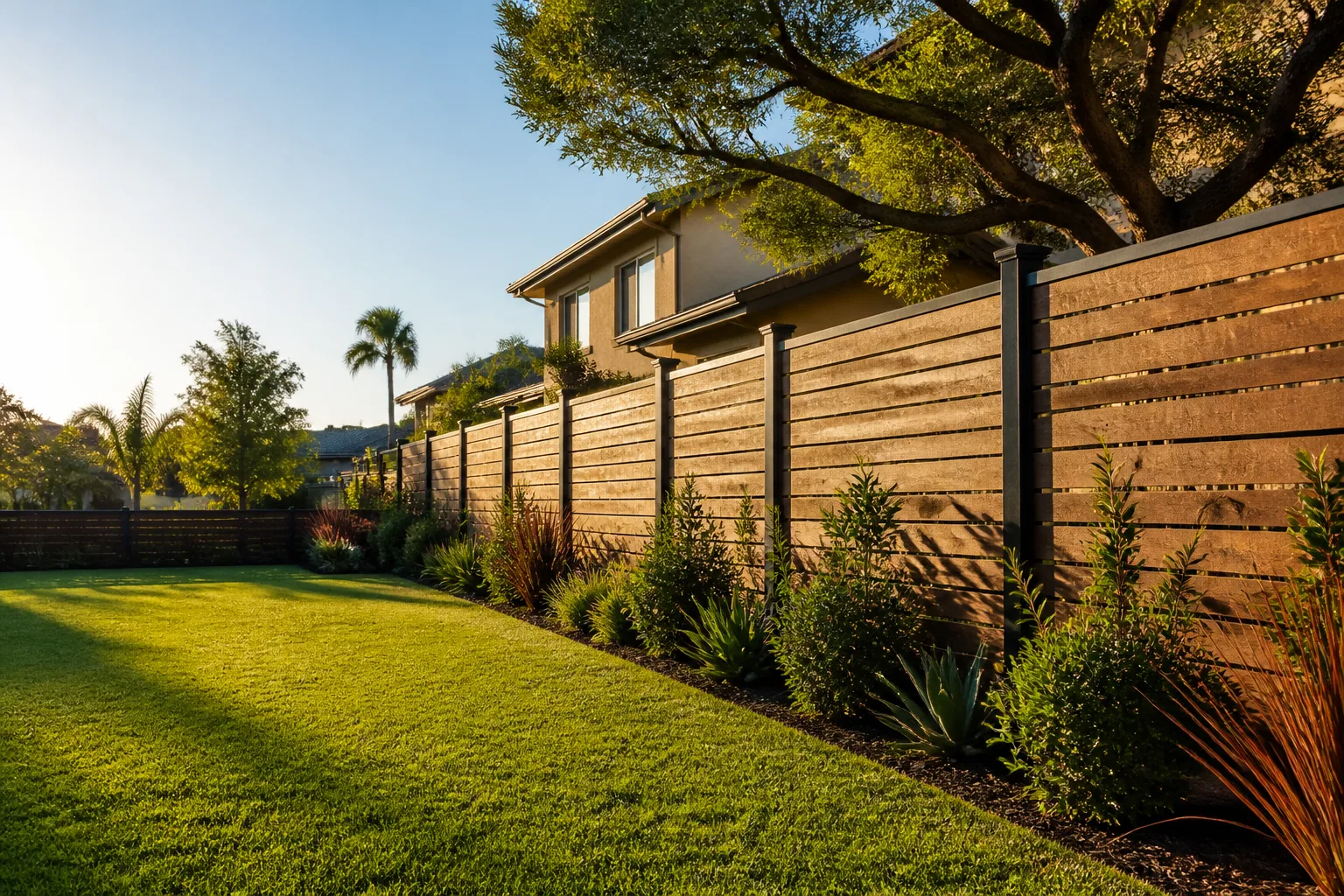
- Color: White is the default and easiest to match. Tan, gray, and two-tone (darker pickets, light rail) are popular on stucco homes where white looks stark. Colored vinyl costs slightly more and varies between manufacturers – confirm the exact tone before you commit.
- Grade of vinyl: Economy vinyl is thinner and can chalk and yellow within 5 – 8 years in direct sun. Premium vinyl is thicker and UV-stabilized; it holds color much better over long horizon. Inland San Gabriel Valley heat punishes cheap vinyl. We recommend premium on any south- or west-facing run.
- Post caps and top rail: Not cosmetic frills – they protect the open top of the post from water intrusion and UV. Standard caps are fine; decorative caps and a routed top rail add cost but noticeably extend the visual life.
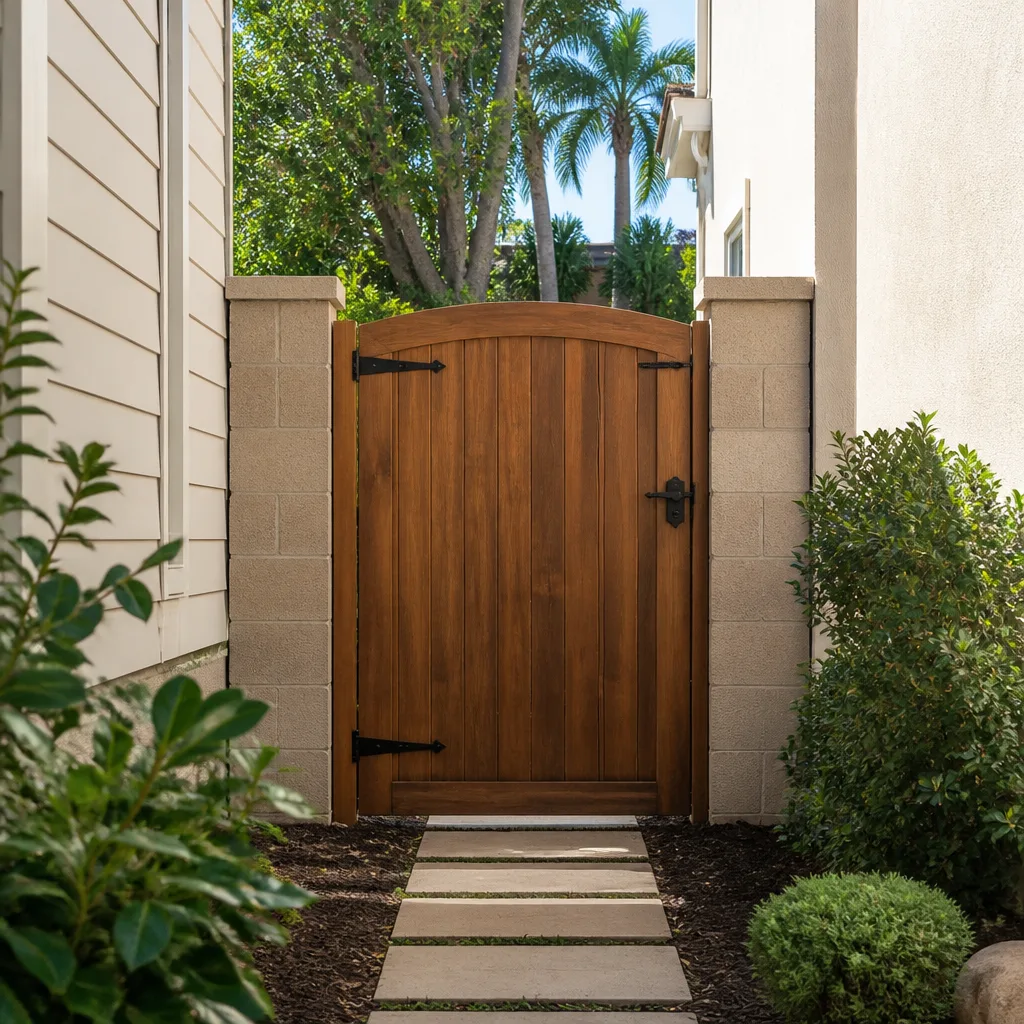
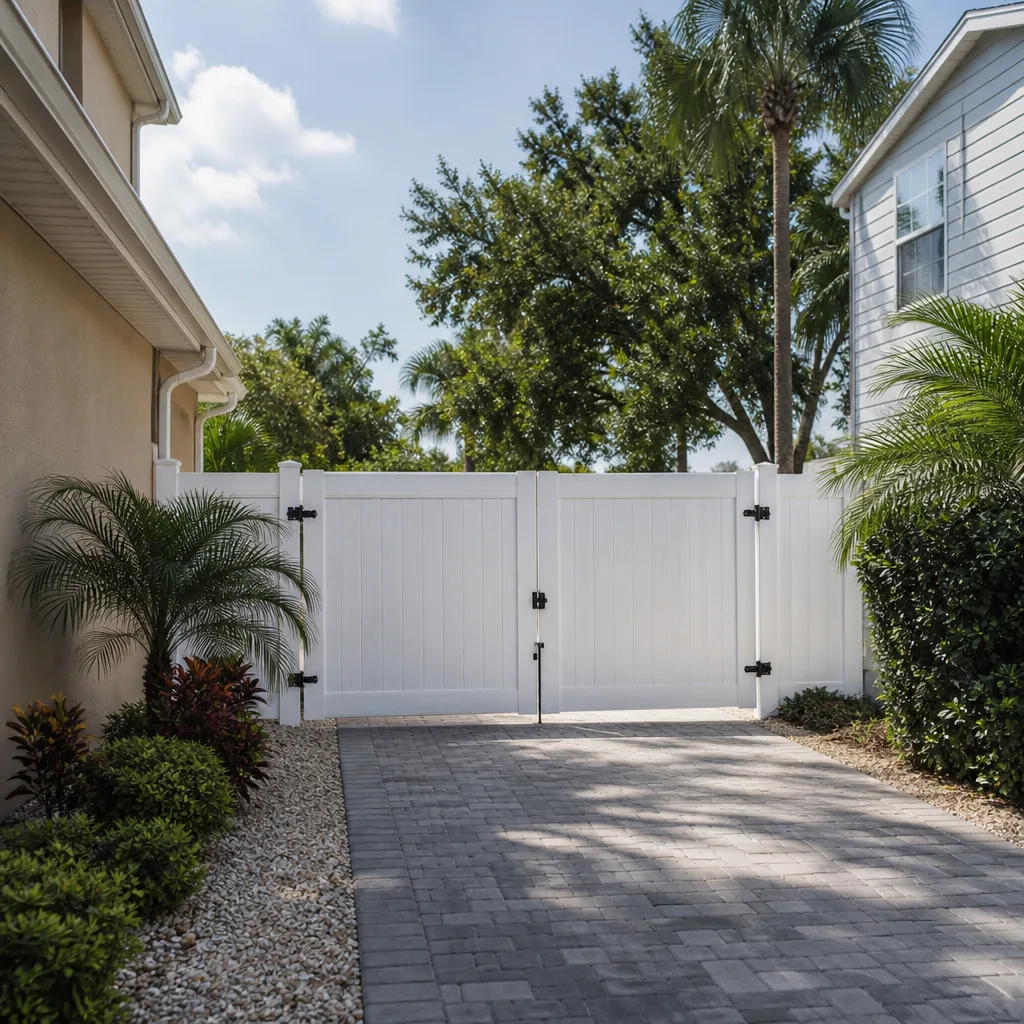
- Gate type: Walk gates in matching vinyl look clean; metal-framed gates inside a vinyl panel are more durable where gates get heavy use. We match hardware finish to the fence color.
What Vinyl Fence Costs in Valinda, CA
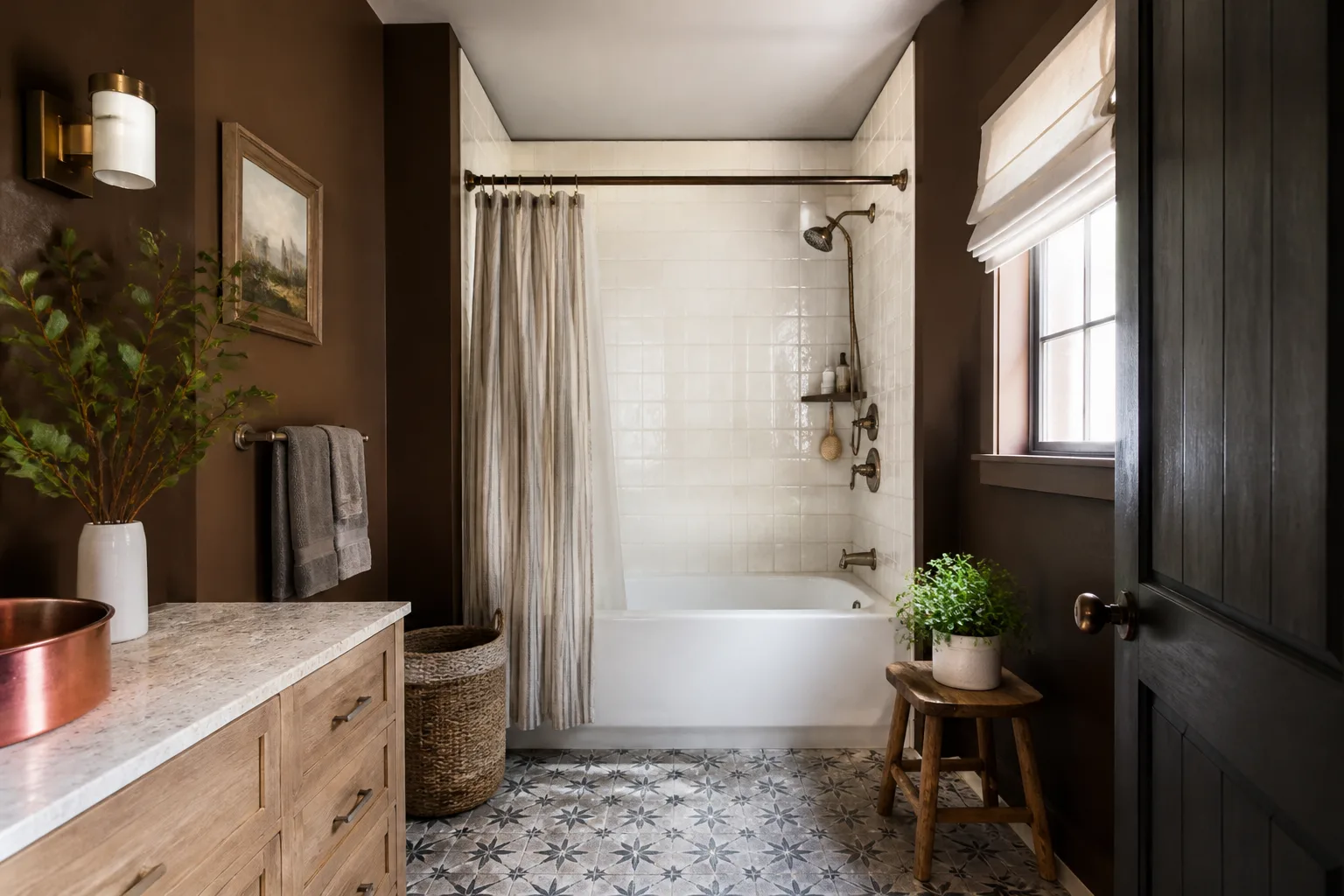
Plan for $3,500 to $9,000 on a standard residential vinyl fence in Valinda. Here’s the breakdown of what pushes a job toward either end.
| Line item | Typical range |
|---|---|
| Standard 6-foot privacy vinyl, per linear foot (installed) | $30 – $55 |
| Demolition and haul-away of old fence | $350 – $900 |
| Gate (walk gate, matching vinyl) | $400 – $1,100 |
| Concrete post setting (per post, included in some quotes) | $40 – $90 |
| Full backyard package, 80 – 120 linear feet, one gate | $3,500 – $6,500 |
| Full property perimeter, 150 – 200 linear feet, two gates, demo | $6,500 – $9,000 |
The variables that move the number: linear footage (the biggest lever), number and location of corners and gates (each adds posts and hardware), existing grade and buried obstacles (roots, old footings, private utilities), vinyl grade and style, and whether old fence and footings need removal. A written estimate from us breaks out every line item, so you can see exactly which variable is driving your number. No change orders partway through. The number you see is the number you pay.
What’s included in our estimates: materials, labor, post setting, hardware, permits (where required), haul-away, and cleanup. What’s typically excluded unless you ask for it: landscaping restoration (re-sodding the disturbed line), any relocation of a private utility line, and HOA submission fees.
See the difference
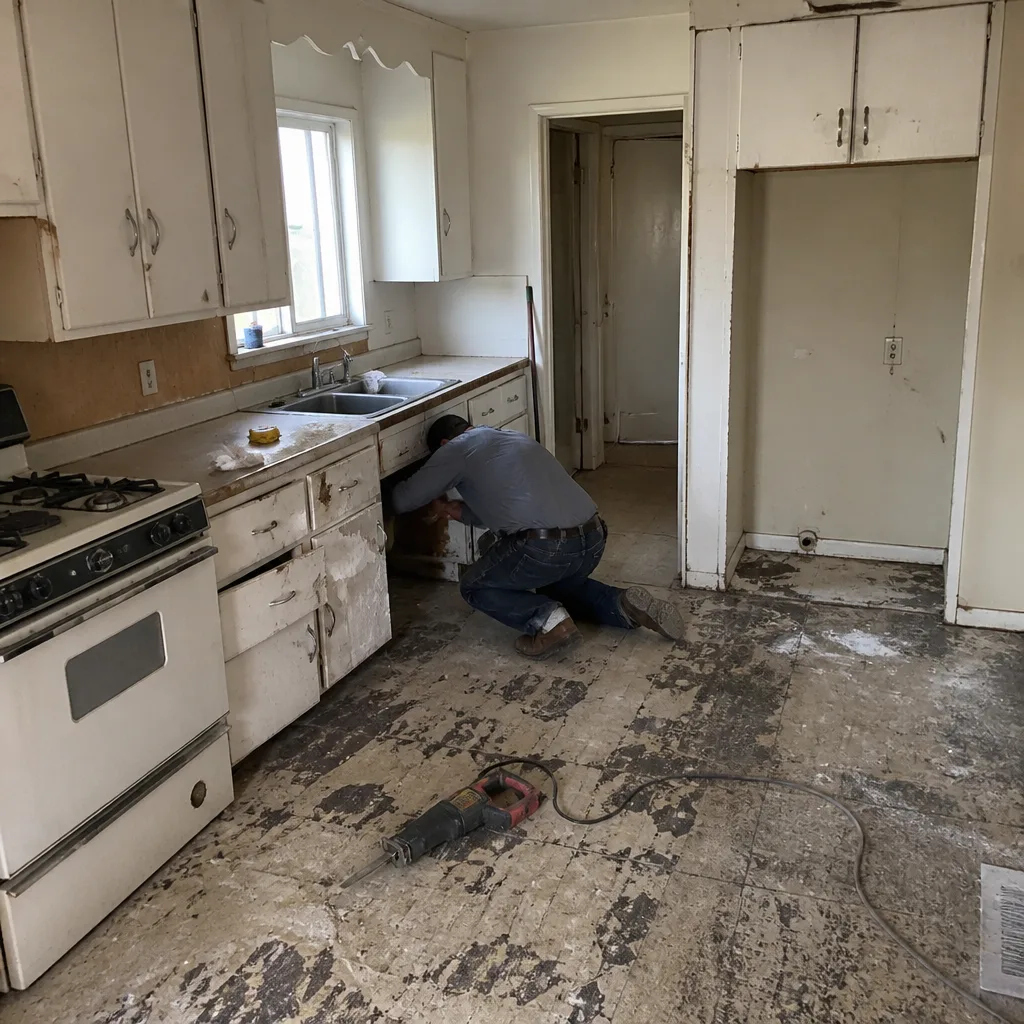 Before
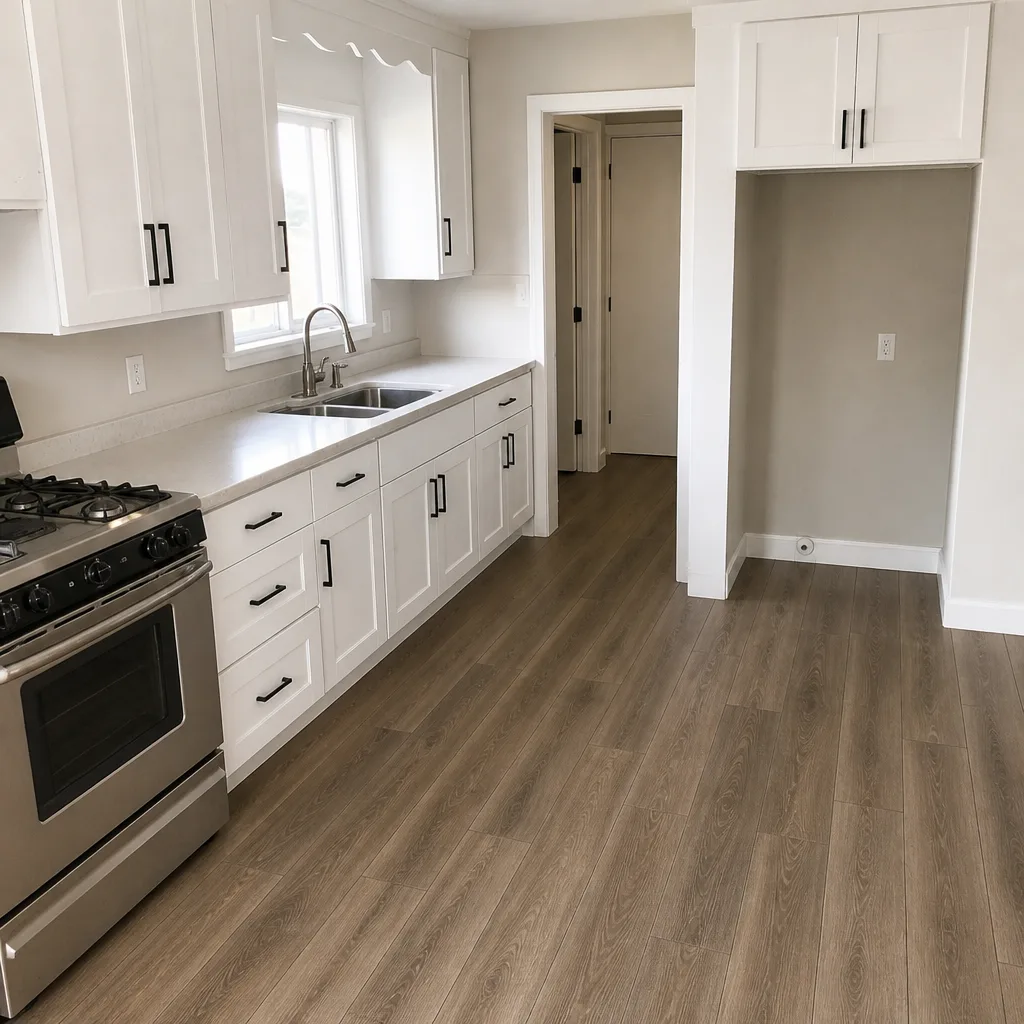 After
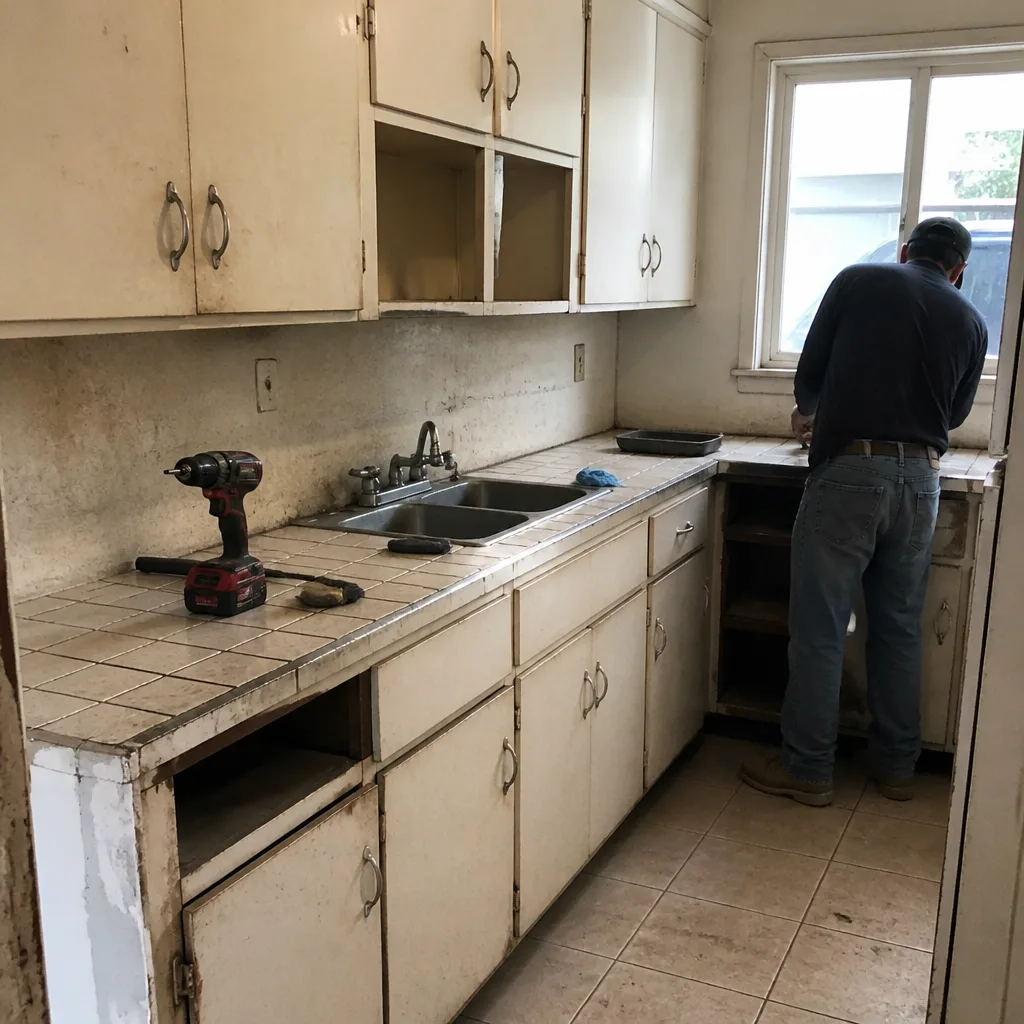 Before
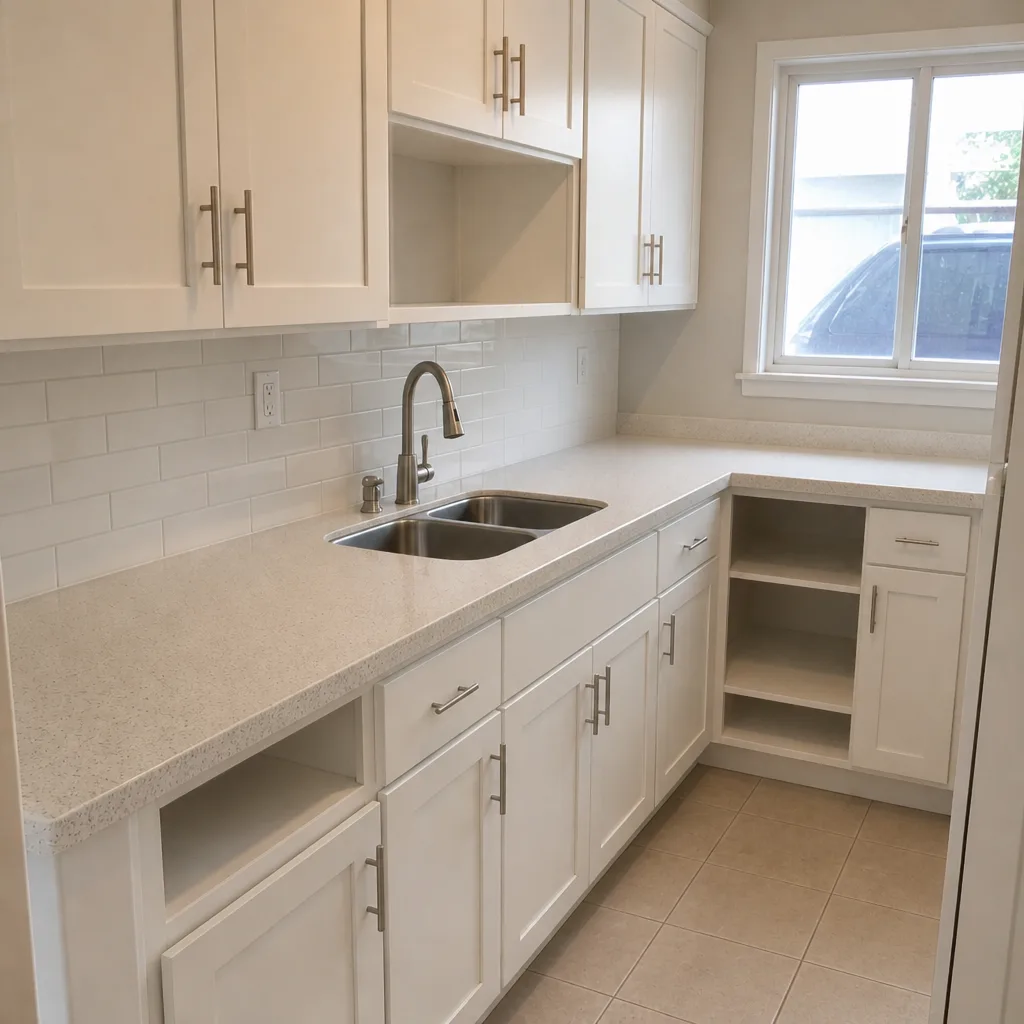 After
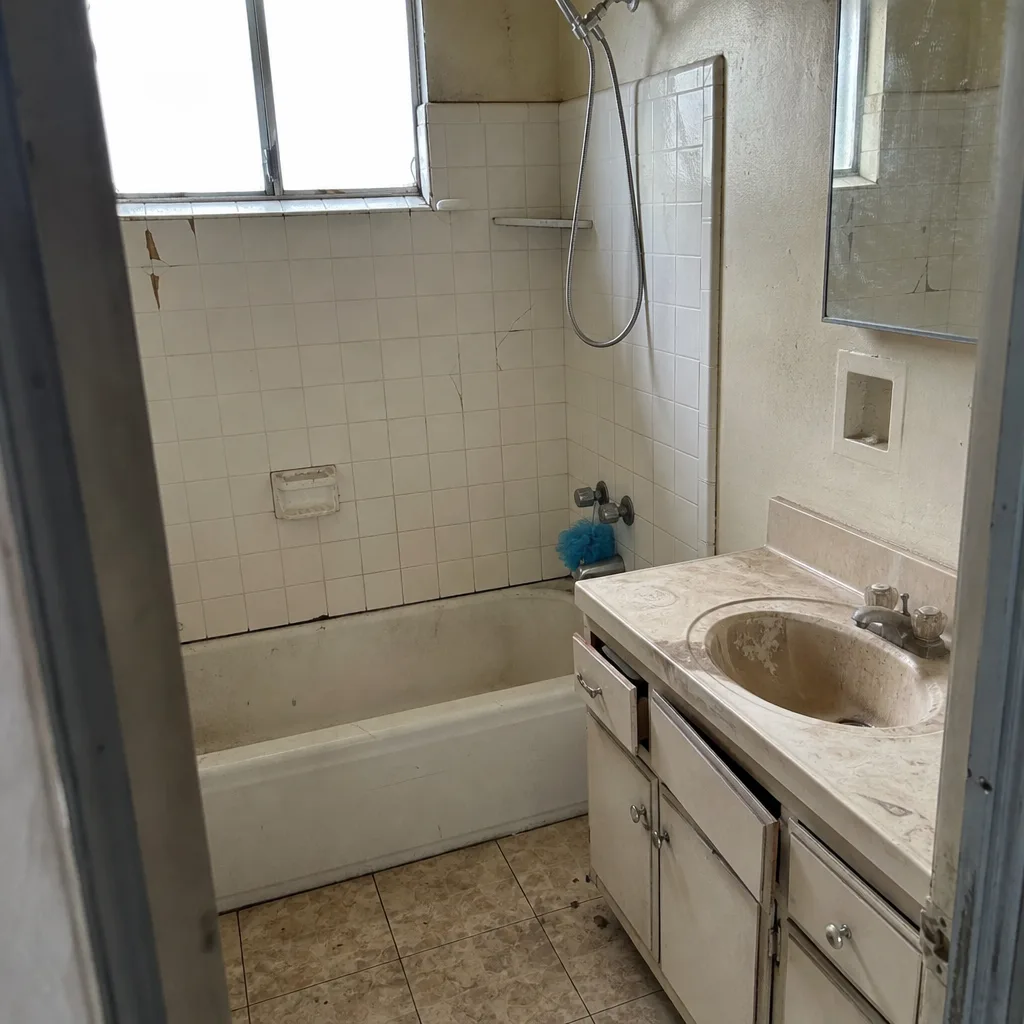 Before
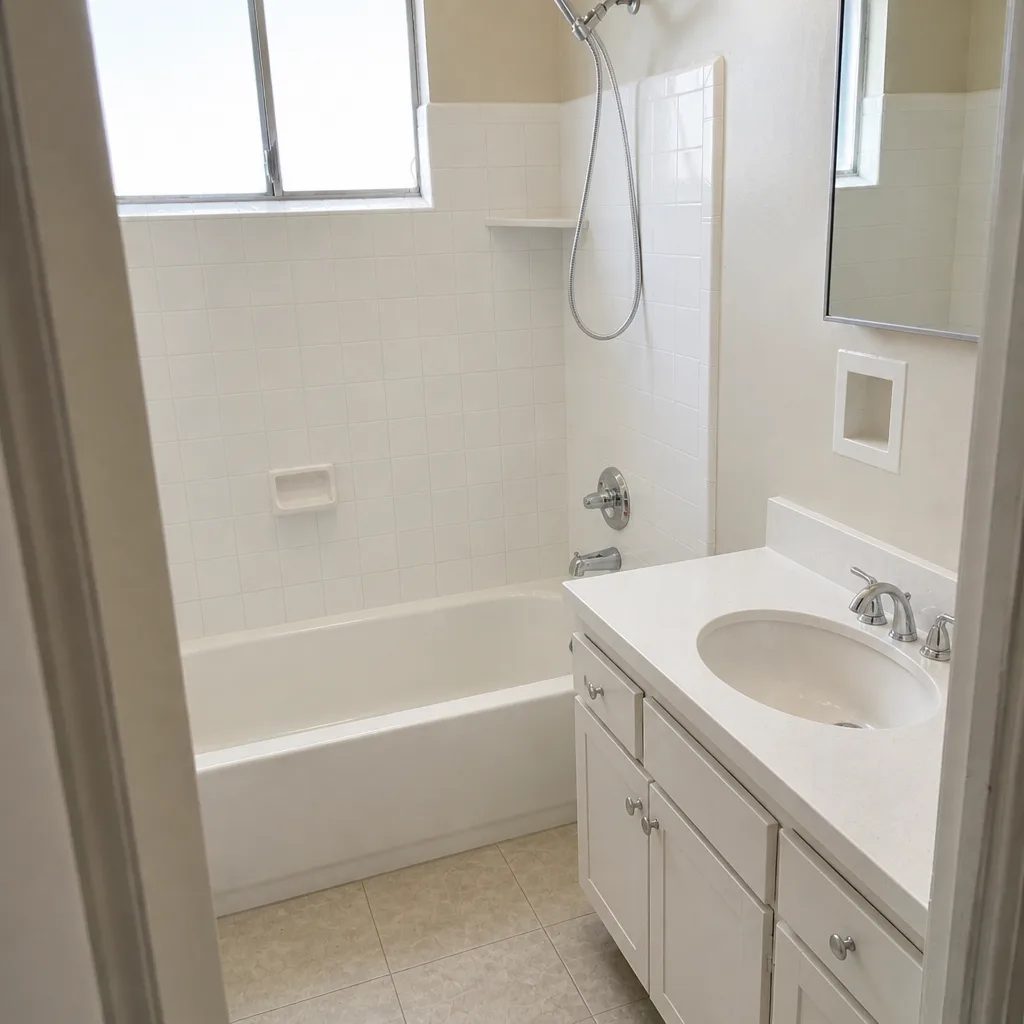 After
What Valinda Properties Specifically Do to This Job
Valinda is unincorporated, which changes how a fence project gets approved. Rather than a single city building department, fence work here often runs through LA County Building and Safety review, and community plan rules can pull in. That means the permit path isn’t always obvious up front – a fence along a property line at the standard height usually goes smoothly, but a taller privacy run or a fence that changes the property’s frontage sometimes needs a conversation with the county before we order material.
The other thing that shows up on almost every Valinda vinyl fence job is the lot itself. These are deep, irregular parcels compared to what you’d see in an incorporated neighboring city. That irregularity means less standardized fence layout and more custom work: stepped fence lines following grade, posts set at angles where the boundary turns, and sometimes a fence that has to route around an owner-added rear structure so it doesn’t sit on an easement or a setback that the county will flag. On older stucco ranch homes here with owner-added additions and converted garages, we frequently find the old fence line doesn’t match the current legal property line – we check that before we dig.
The climate angles in too. Inland San Gabriel Valley summer heat – routinely 95 – 100°F – is exactly the condition that makes cheap vinyl chalk and yellow. UV exposure on south and west-facing runs is severe. The Santa Ana wind season puts real lateral load on a privacy panel, which is why post depth and cement volume aren’t negotiable on our installs. If your home has an older wood fence the wind has already started to lean, that’s the failure mode most often seen – and a properly set vinyl run won’t replicate it.
Serving Valinda, CA – Our Local Coverage Area
We serve Valinda and nearby communities. Use the map below to see the area we cover. If you’re nearby, we can almost certainly help.
Frequently Asked – Vinyl Fence in Valinda
Most residential vinyl fence jobs run three to five working days on site after materials arrive. A simple backyard run with one gate can finish in three; a full perimeter with demo, two gates, and grade changes runs closer to five. Material lead time adds a week or two depending on color and style. Call (888) 271-7872 to get a real timeline for your line.
Most standard residential vinyl fences at typical heights don’t require a permit, but Valinda’s unincorporated status means the rule comes from LA County rather than a single city office, and some conditions change that. We check permit requirements as part of every estimate and include any that apply in the written quote, so there’s no surprise. Call (888) 271-7872 and we’ll tell you what your specific fence line needs.
Yes, in almost every case. A vinyl fence install is a post-and-panel job – it doesn’t require moving plumbing or electrical unless a post has to go in directly on top of a private line, which we identify during the utility check. Landscaping along the fence line gets disturbed by the footing work, and re-sodding or replacing a planting bed is excluded from our standard quote unless you ask us to include it.
Expect $3,500 to $9,000 for a typical residential vinyl fence, with most jobs landing in the middle of that range. Linear footage, number of gates, vinyl grade, and whether old fence and footings need removal are the four variables that move the number most. Call (888) 271-7872 for an exact quote – estimates are free.
Our workmanship is covered by the 730-Day Done Right Promise – if it’s not done right, we make it right, for two full years from completion. Manufacturer warranties on the vinyl material itself vary by grade and run longer than the install guarantee. Ask for the specific product warranty in writing when you get your estimate.
Get a Written Vinyl Fence Estimate in Valinda
Call (888) 271-7872 for a free on-site estimate on your vinyl fence in Valinda. We’ll walk the property line with you, measure the actual footage, confirm the permit path, and hand you a line-item written quote – materials, labor, gates, and demo priced separately, backed by the 730-Day Done Right Promise. If you’re planning other exterior work, we can look at area projects alongside it.
Written by the team at Groundwork Construction Co.