




Free written scope consultation - allowances, timeline, and change-order rules on paper before a single trade is scheduled
Styles & brands we work with
- Kitchen remodeling
- Bathroom remodeling
- Home additions & ADU
- Roofing
- Windows & doors
- Driveway & pavers
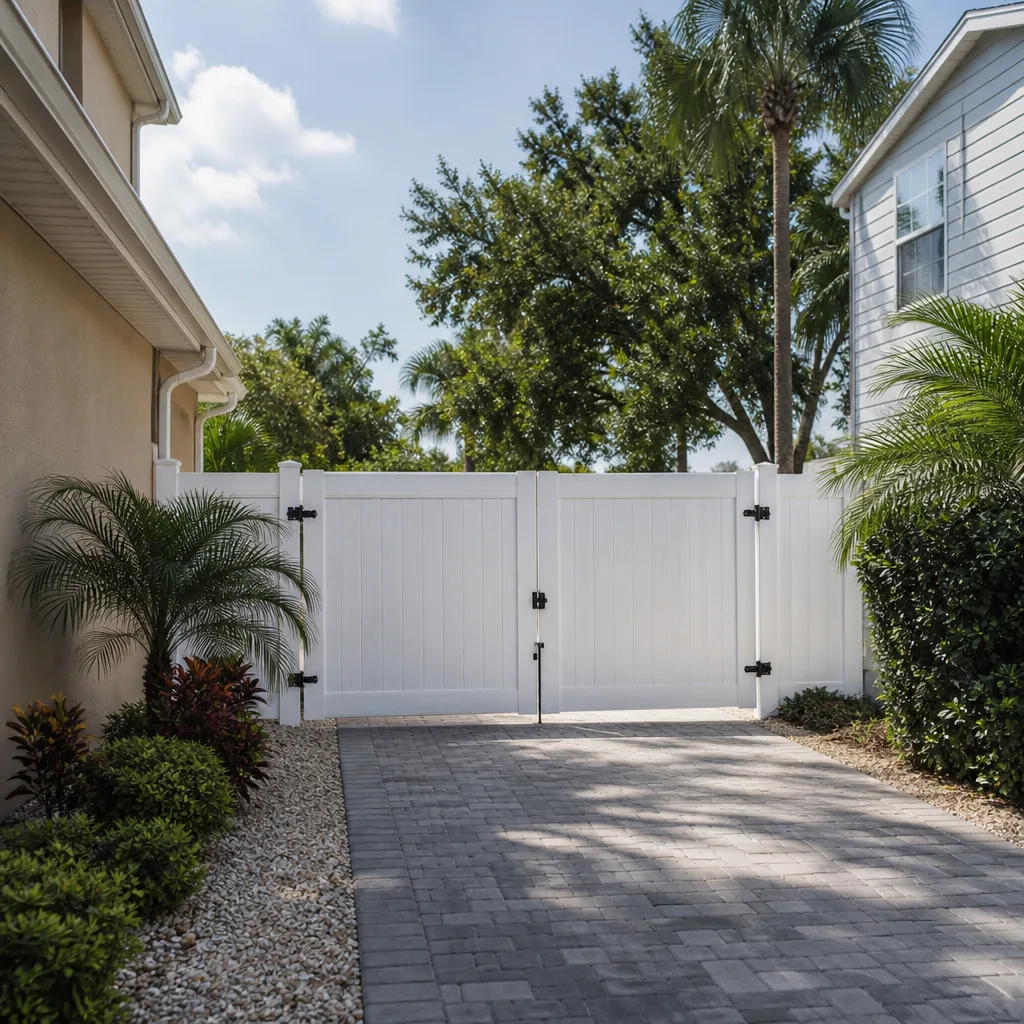
- Fence
See the difference
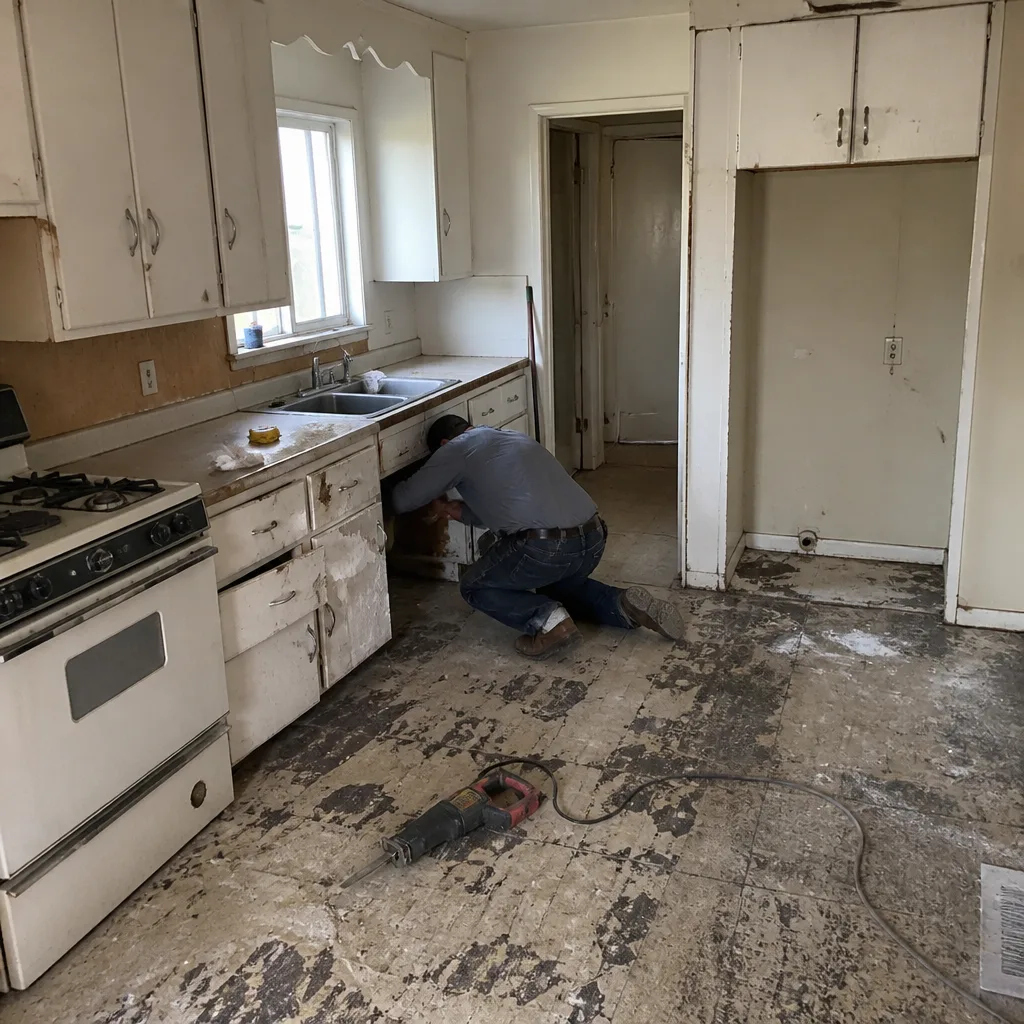 Before
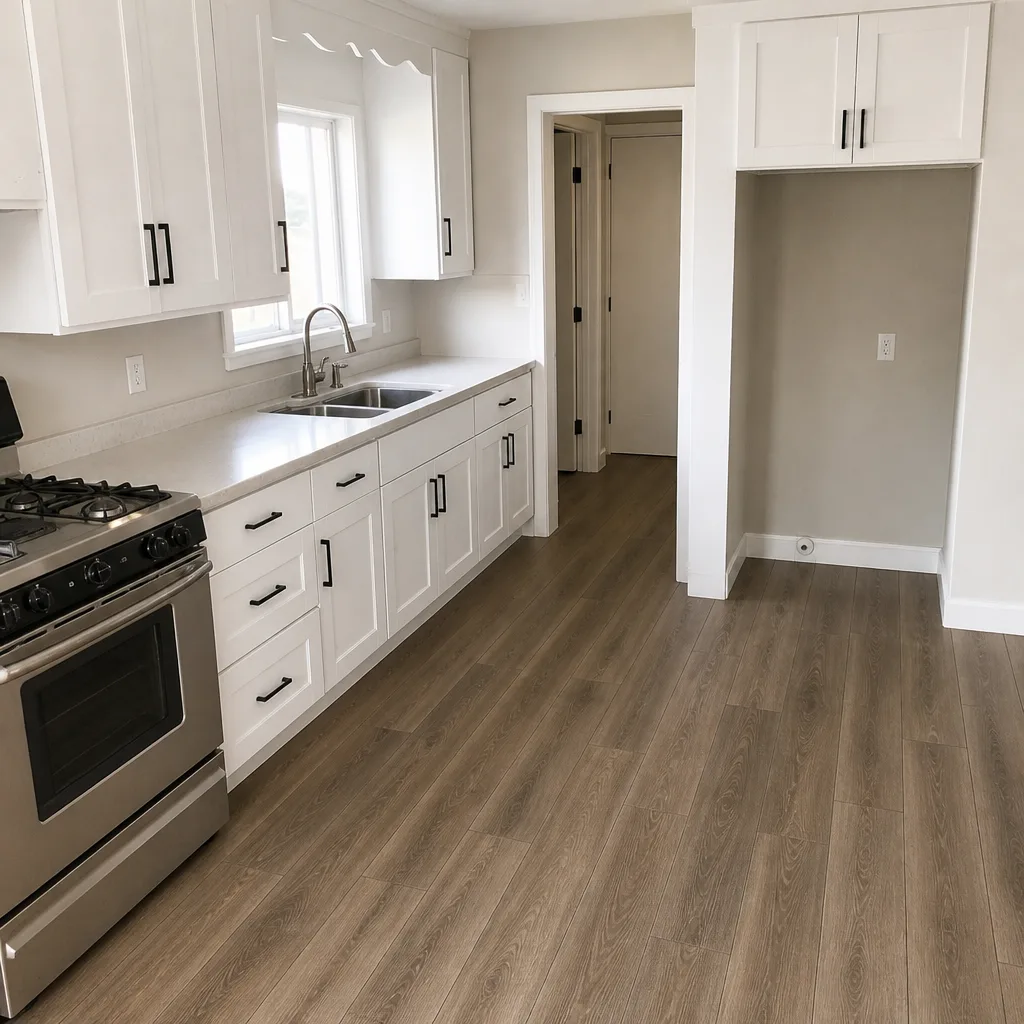 After
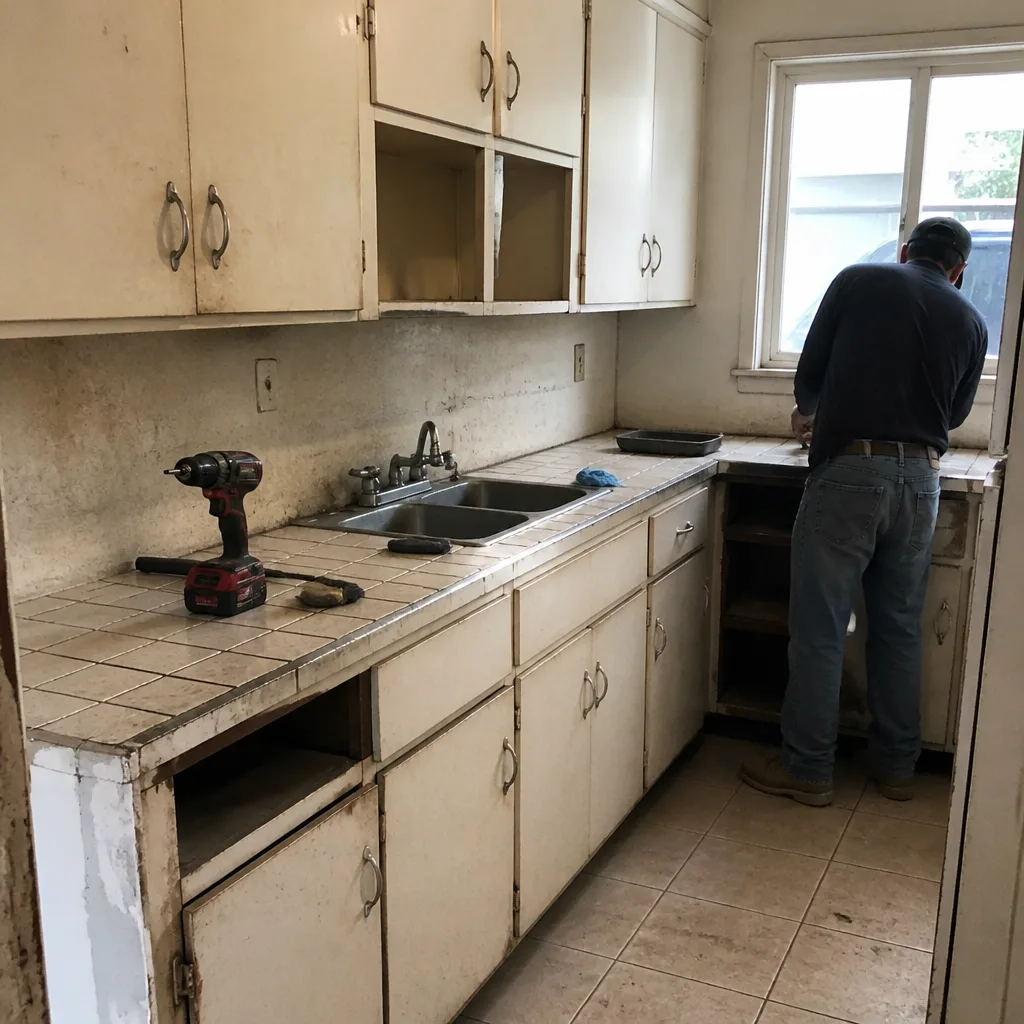 Before
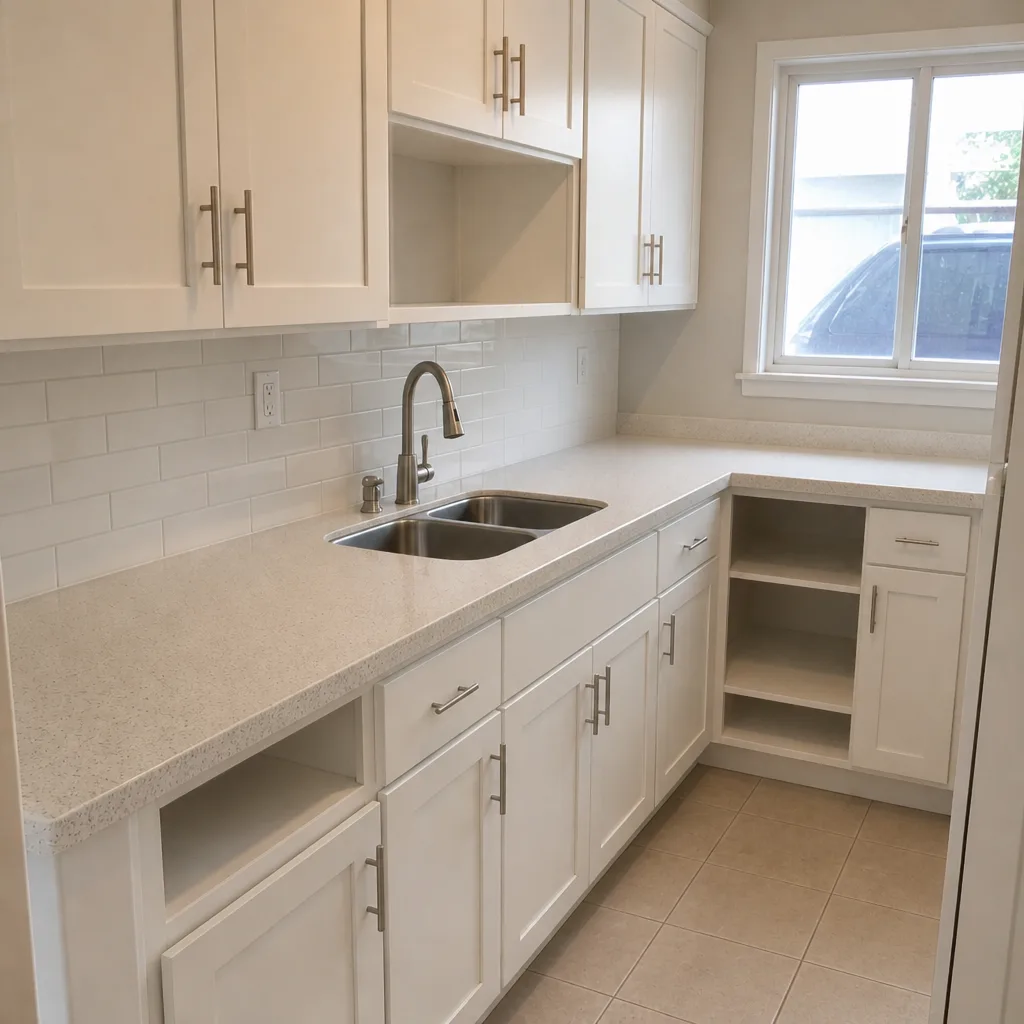 After
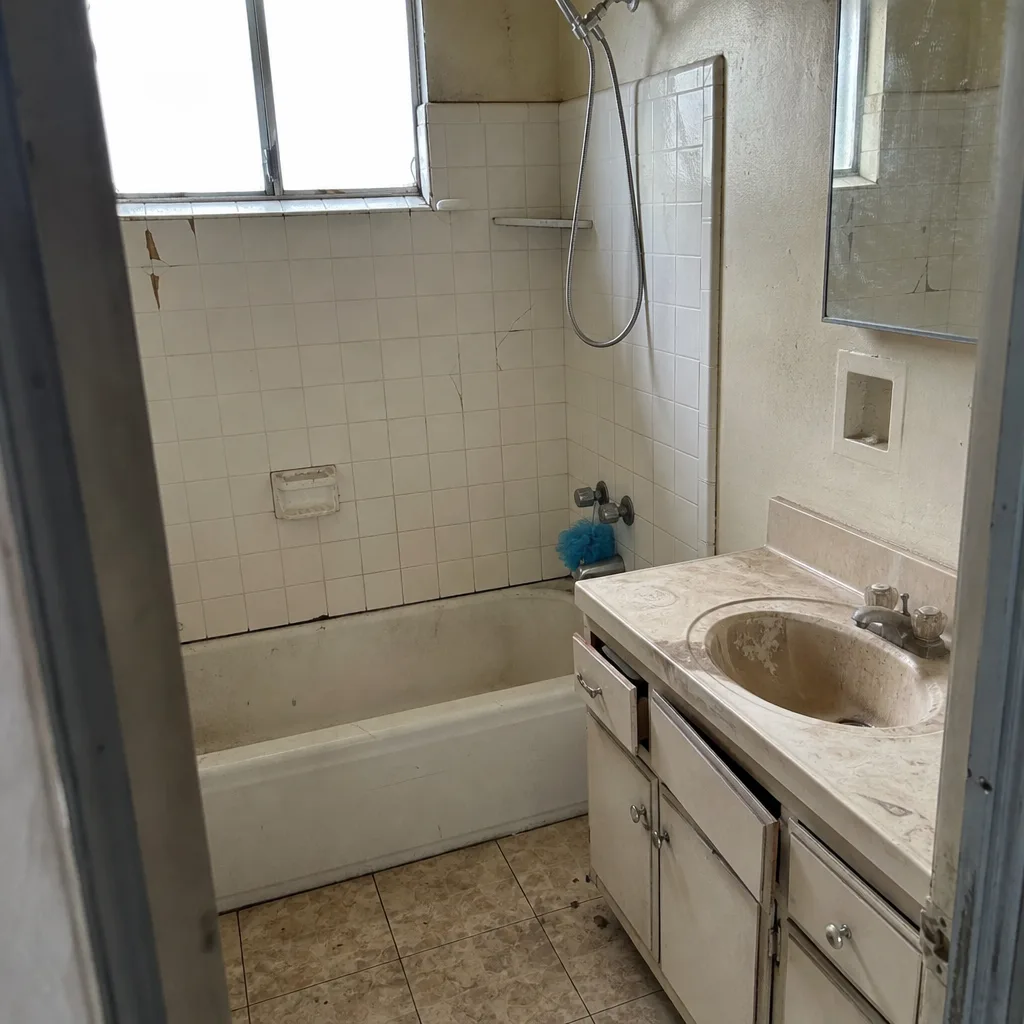 Before
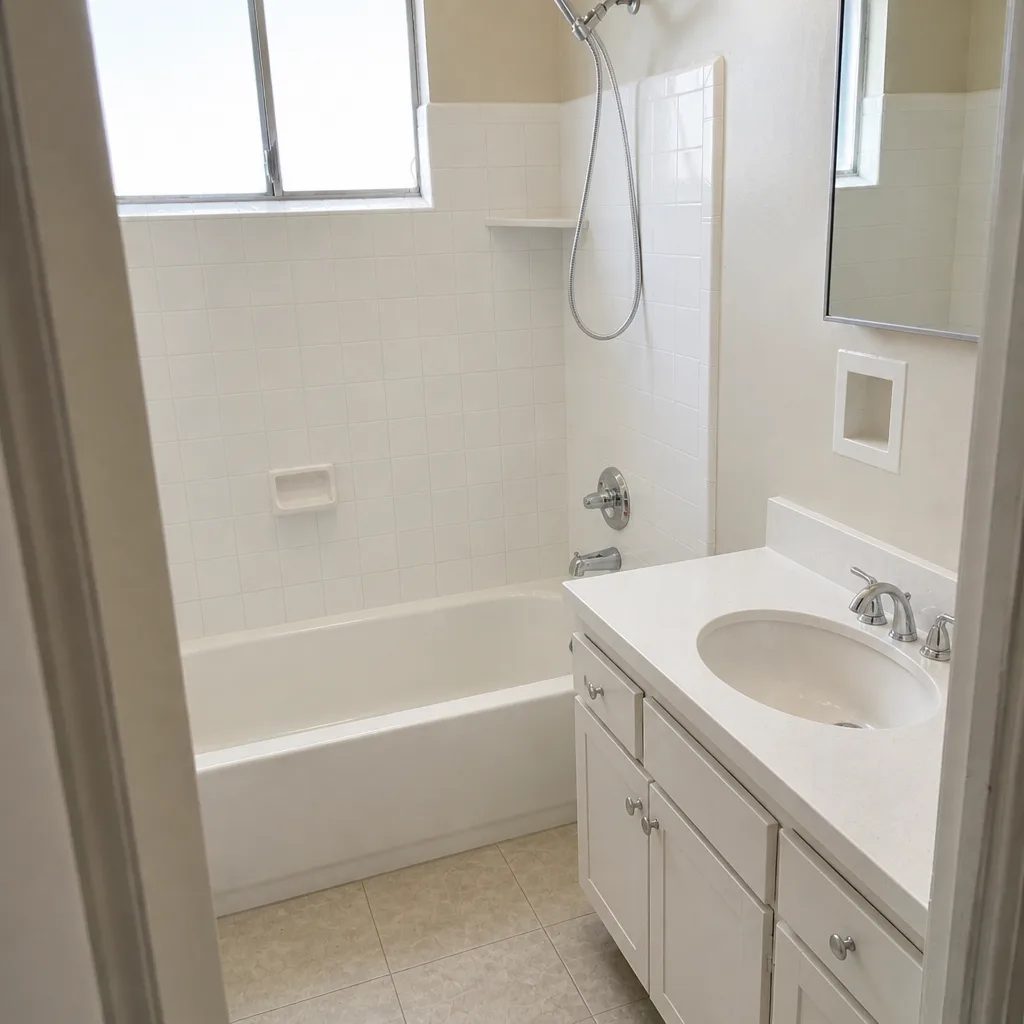 After
What Roof Hail Damage Actually Looks Like in El Monte, CA
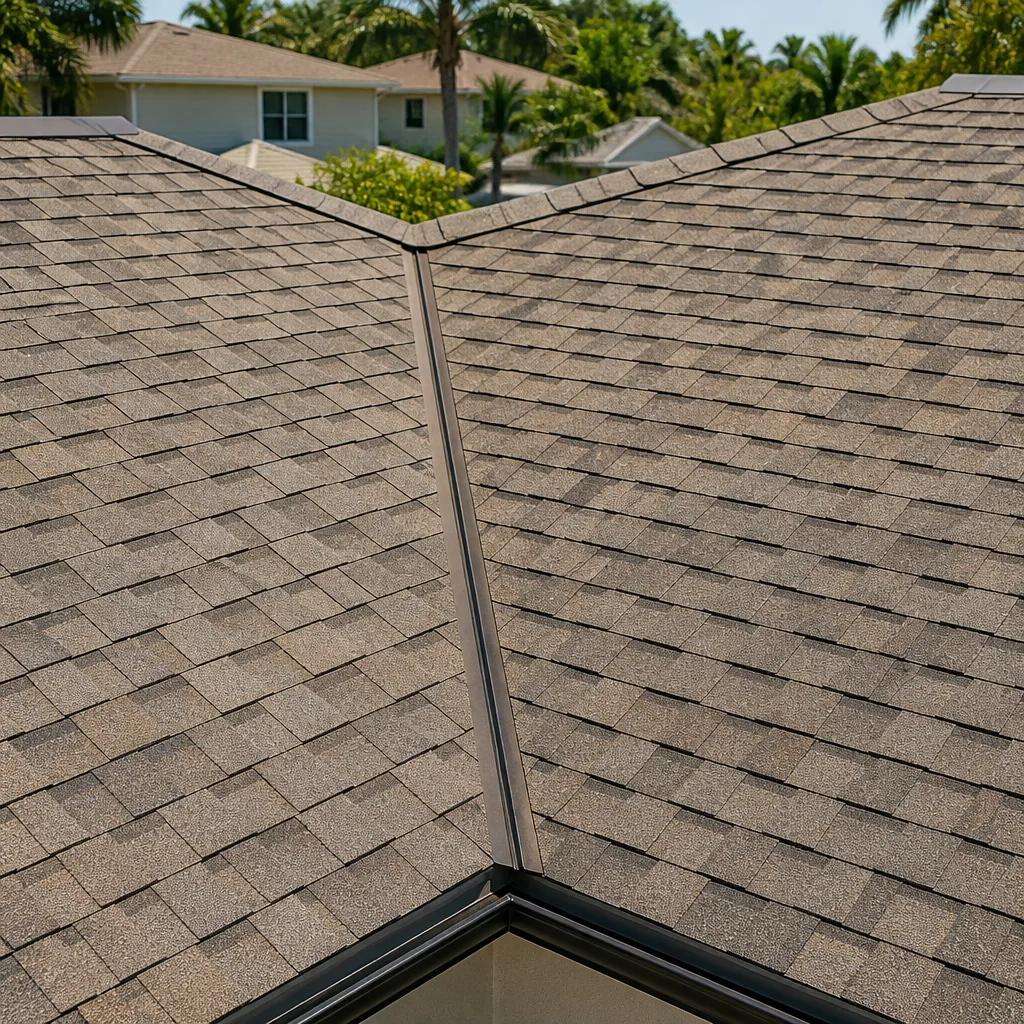
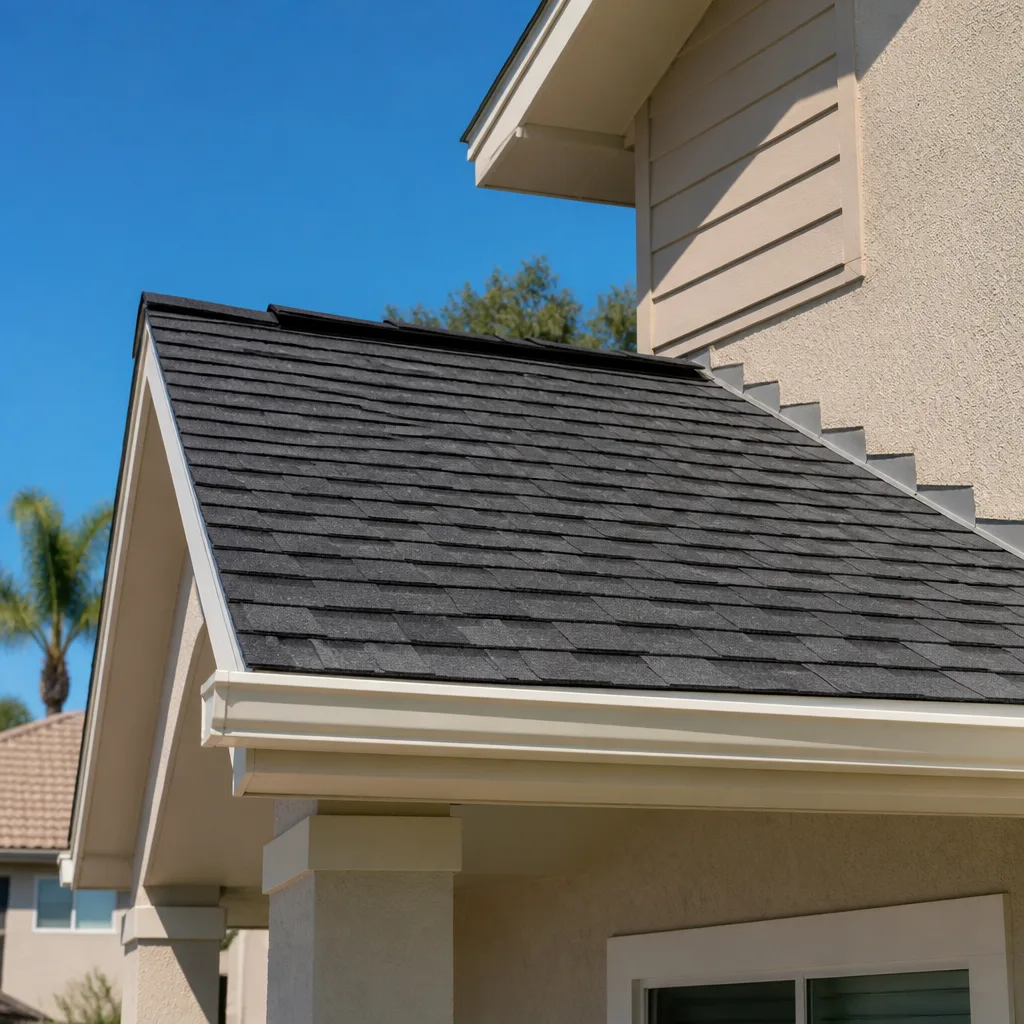
The most reliable sign of hail damage on an El Monte roof is a spatter pattern of accelerated granule loss across the field of the shingles, not a neat circular bruise. On the aged architectural shingle and concrete tile roofs that cover most of this city, even pea-sized hail does its work quietly: it scuffs the surface, opens the granules, and leaves the roof looking a little older than it did last winter. Small hail storms in the San Gabriel Valley rarely make headlines, which is exactly why this damage gets dismissed. If you suspect your roof took a hit, call Groundwork Construction Co. of El Monte at (888) 271-7872 for a straight answer and a free assessment.
Key Takeaways
- On 20-plus-year-old shingles, hail shows up as random granule loss, not clean dents.
- Aluminum HVAC flashing and vent caps are the most honest hail indicators on your roof.
- Small hail storms in the SGV usually ride in behind cold fronts that also bring uplift-causing wind, so check both.
- A written, photographed damage report protects you if you ever file a claim.
Why El Monte Hail Damage Looks Different From the Texas Videos
You’ve probably seen the footage of golf-ball hail punching holes through shingles in Oklahoma. That isn’t what happens here. The SGV sees periodic small-hail events during winter storm systems, and those quarter-inch to half-inch stones hit roofs that are already carrying 30 to 50 years of sun. El Monte’s housing stock is mostly post-WWII single-story tract homes and small stucco bungalows, many still wearing their original or second roof. On that kind of surface, hail doesn’t leave a dramatic crater. It strips granules in a scattered, splattery pattern across the middle of the roof field and hurries along the cracking that was already starting.
That distinction matters when you’re diagnosing your own roof. A homeowner looking for big dents will look right past the real evidence and blame the wear on age. A professional with up to 12 years of experience knows the difference between sun-worn granule loss (uniform, mostly on south-facing slopes) and hail-driven granule loss (random, spread across the field).
Concrete and Clay Tile: The El Monte Tile Roof Hail Check
Small hail won’t shatter a concrete or clay tile, and that’s the part people get wrong. What it does instead is crack the aged surface sealant that’s been curing in San Gabriel Valley sun for decades. Once that sealant breaks, UV degradation speeds up and the tile starts shedding its surface. The way to catch it is with raking afternoon light: get up on a ladder (safely, from the ground if you can) and look across the plane of the roof when the sun sits low. Surface pitting and a chalky, sugar-like texture on the tile faces are the tell.
While you’re up there, look at the ridge caps. El Monte’s dry summers and periodic Santa Ana winds work over that caulk, and a hail storm can knock loose a cap that was barely holding. If your ridge cap caulk is cracked or missing, that’s a repair, not a re-roof – tile roof repairs in this market typically run $600-$2,500. For full replacement numbers, the table below covers the local range.
| Roofing Service | Typical El Monte Range |
|---|---|
| Roof repair (patches, flashing, granule touch-ups) | $400-$1,800 |
| Tile roof repair (cracked tiles, ridge caps, caulk) | $600-$2,500 |
| Full roof replacement (asphalt shingle) | $8,000-$20,000 |
| Metal roof installation | $15,000-$40,000 |
The Soft-Metal Test: Your Most Reliable Hail Indicator
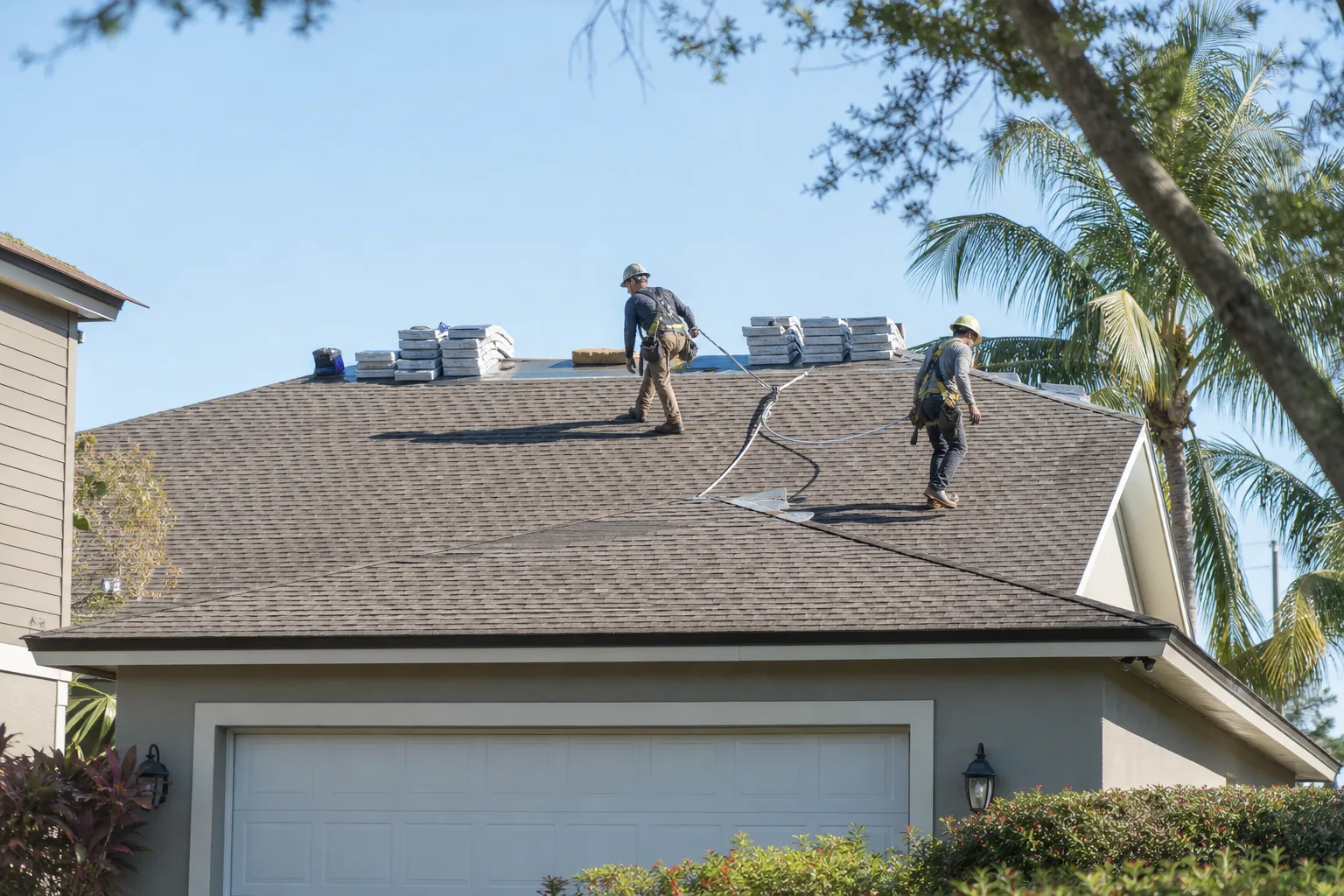
If you want one check that tells you whether your roof took hail, skip the shingles and look at the soft metal. Aluminum and thin-gauge steel dent where shingles only scuff, which makes them the honest witnesses on an El Monte roof. Walk the perimeter and check these three:
- HVAC flashing and the metal plenum top – look for small dimples or a stippled surface.
- Vent pipe caps and turbine vents – dents on the cap or the vanes mean hail hit that plane of the roof.
- Swamp cooler shrouds – common on older El Monte homes, and easy to ding.
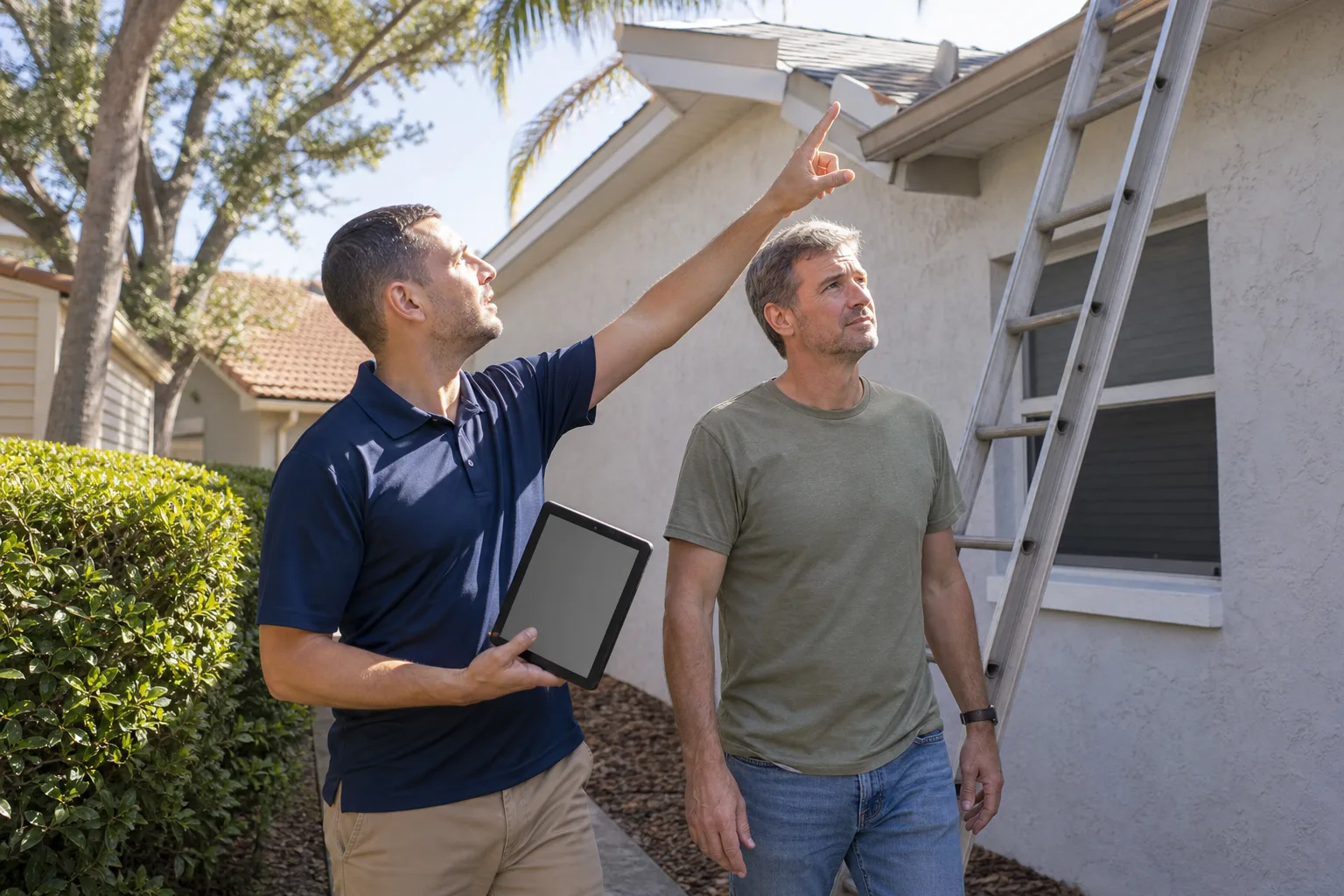
If the aluminum shows ding marks, the roof took hail, period. That’s your cue to get a formal inspection rather than guess. Our Roofing service covers the full assessment, and the technicians arrive background-checked and in uniform.
Read the Storm Sequence: Hail and Wind Together
Here’s the pattern the SGV serves up: small hail usually arrives in the wake of a cold front that also drags strong wind across the valley. So the honest post-storm assessment covers two things at once, not just the hail. Walk the roofline and check for wind uplift on ridge and hip tiles, lifted or creased shingle tabs, and any flashing that’s pulled away. Then look for the granule spatter and the soft-metal dings. Hail and wind damage often overlap on the same roof, and a report that only addresses one will miss half the story.
What to Check After a Storm: A Quick Walk-Around
You don’t need to climb the roof to get useful information. From the ground, grab binoculars or a phone camera with zoom and work through this short list. Anything that reads as a yes is worth a professional look.
- Granule sheen. A random, spattered patch of exposed shingle mat across the field, not a uniform south-slope fade.
- Soft metal. Dings on HVAC flashing, vent caps, or the swamp cooler shroud.
- Ridge and hip tiles. Loose caps, cracked caulk, or tiles that have shifted.
- Gutter grit. A sudden load of granules in the gutters after a storm points to fresh surface loss.
- Interior signs. New stains on ceilings near exterior walls, which can appear once surface protection fails.
Aging utility laterals and older roofs are already common on El Monte’s compact lots, so it pays to know the baseline condition of your roof before the next front rolls through. You can read more about the area we cover on our El Monte service area page, or check our home page for the full range of what we handle from foundation to finish line.
Why a Written, Photographed Report Matters
Verbal “it looks fine” doesn’t hold up if you ever file a claim. Hail damage on an aged El Monte roof is easy to argue about precisely because it looks like normal wear, and an insurance adjuster needs evidence. That’s where a documented assessment earns its keep: photos of the granule spatter, close-ups of the soft-metal dings, notes on the wind uplift you found on the same roof. Our technicians can put that report in writing so you have a dated record of condition. It’s the same accountability behind our roofing work and every project, and it’s part of what backs the 730-Day Done Right Promise on any repair or replacement we perform. When the materials go on, we work with GAF and Owens Corning shingle systems and premium tile suppliers, so what goes up is built to last and backed in writing.
FAQs
The first sign is usually a random spatter of granule loss across the field of the shingles, paired with small dings on aluminum HVAC flashing or vent caps. On tile roofs, look for surface pitting and cracked ridge cap caulk rather than broken tiles. If you see the soft-metal dings, the roof took hail and deserves a professional inspection. Call Groundwork Construction Co. of El Monte at (888) 271-7872 for a free assessment.
Yes. On a 20-plus-year-old shingle roof or a tile roof with dried-out caulk, even pea-sized hail accelerates granule loss and speeds up UV degradation. The damage is subtle rather than dramatic, which is why it often gets blamed on age. A technician with up to 12 years of experience can tell the two apart. Estimates are free, so it’s worth a call.
Coverage depends on your policy and on whether you can document the damage as a distinct storm event, not routine wear. A written, photographed damage report is the strongest thing you can bring to an adjuster. We produce that documentation on every assessment so you have a dated record. Call (888) 271-7872 to schedule one.
Typical repairs run $400-$1,800, and tile-specific repairs (cracked tiles, ridge caps, caulk) run $600-$2,500. Full replacement, if the damage is widespread, lands in the $8,000-$20,000 range. We quote upfront with no surprises. For an exact number, call (888) 271-7872 – estimates are free.
Get It Looked At Before the Next Front
Hail damage on an El Monte roof hides well, and it gets worse with every storm and every summer of sun. If you’d rather have it looked at than guess, Groundwork Construction Co. of El Monte offers a no-pressure assessment in El Monte – call (888) 271-7872. You’ll reach a live person 24/7, and we’ll give you a written report and an upfront number you can trust.
Written by the team at Groundwork Construction Co. of El Monte, serving El Monte, CA.