



Free written scope consultation - allowances, timeline, and change-order rules on paper before a single trade is scheduled
Styles & brands we work with
- Kitchen remodeling
- Bathroom remodeling
- Home additions & ADU
- Roofing
- Windows & doors
- Driveway & pavers
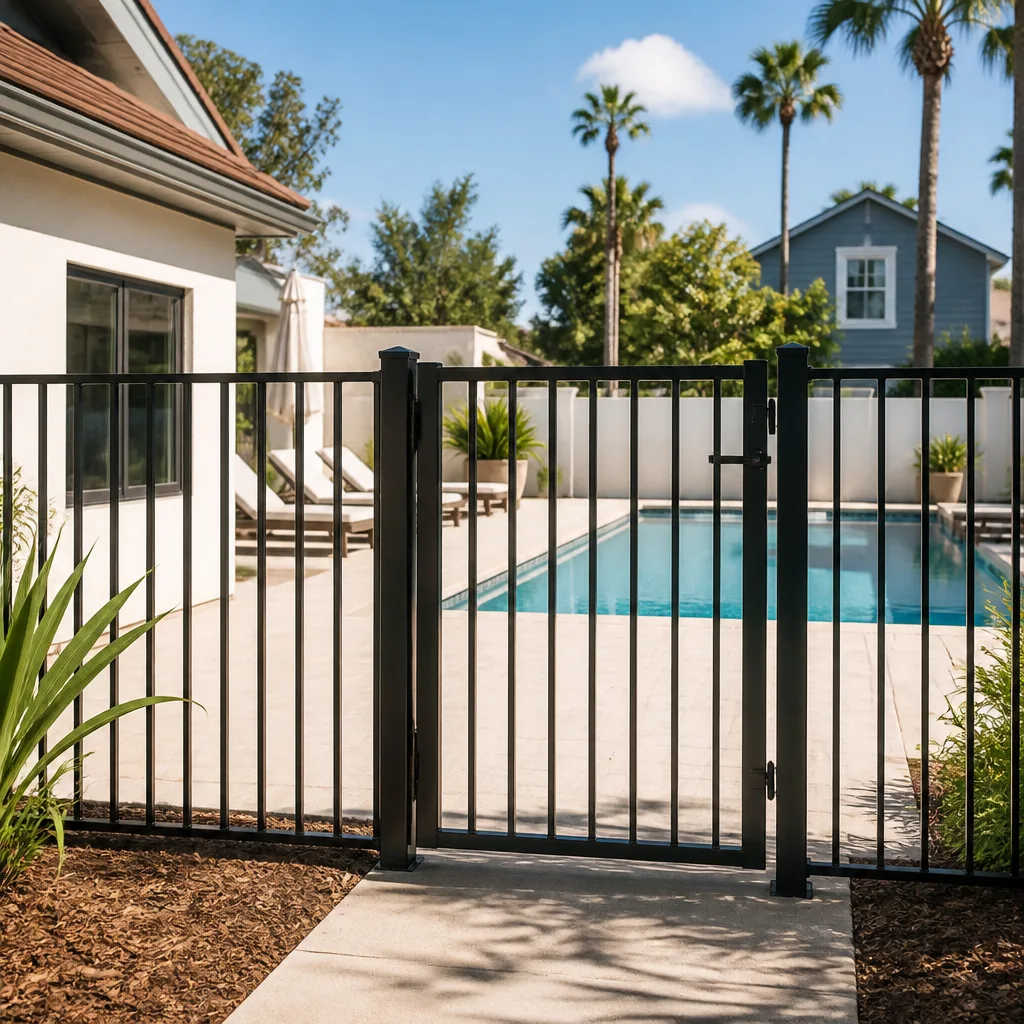
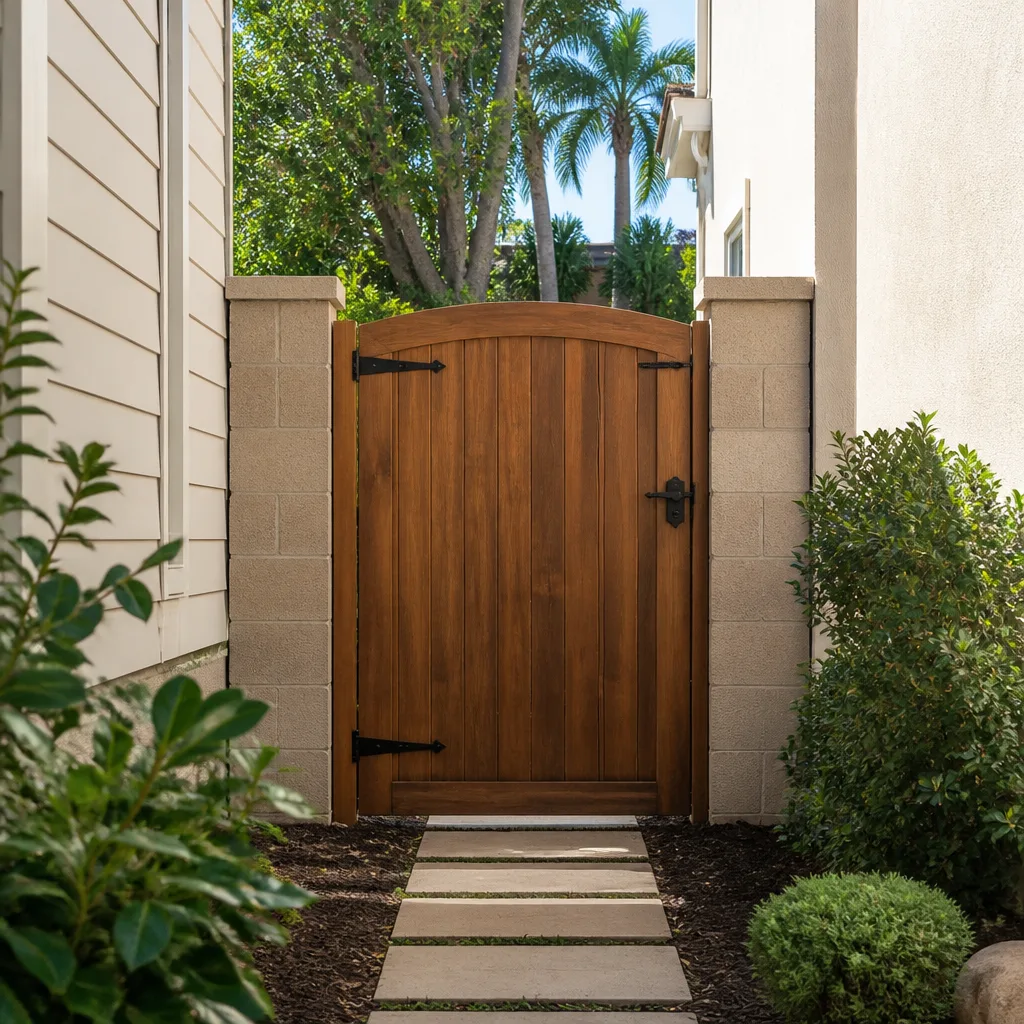
- Fence
See the difference
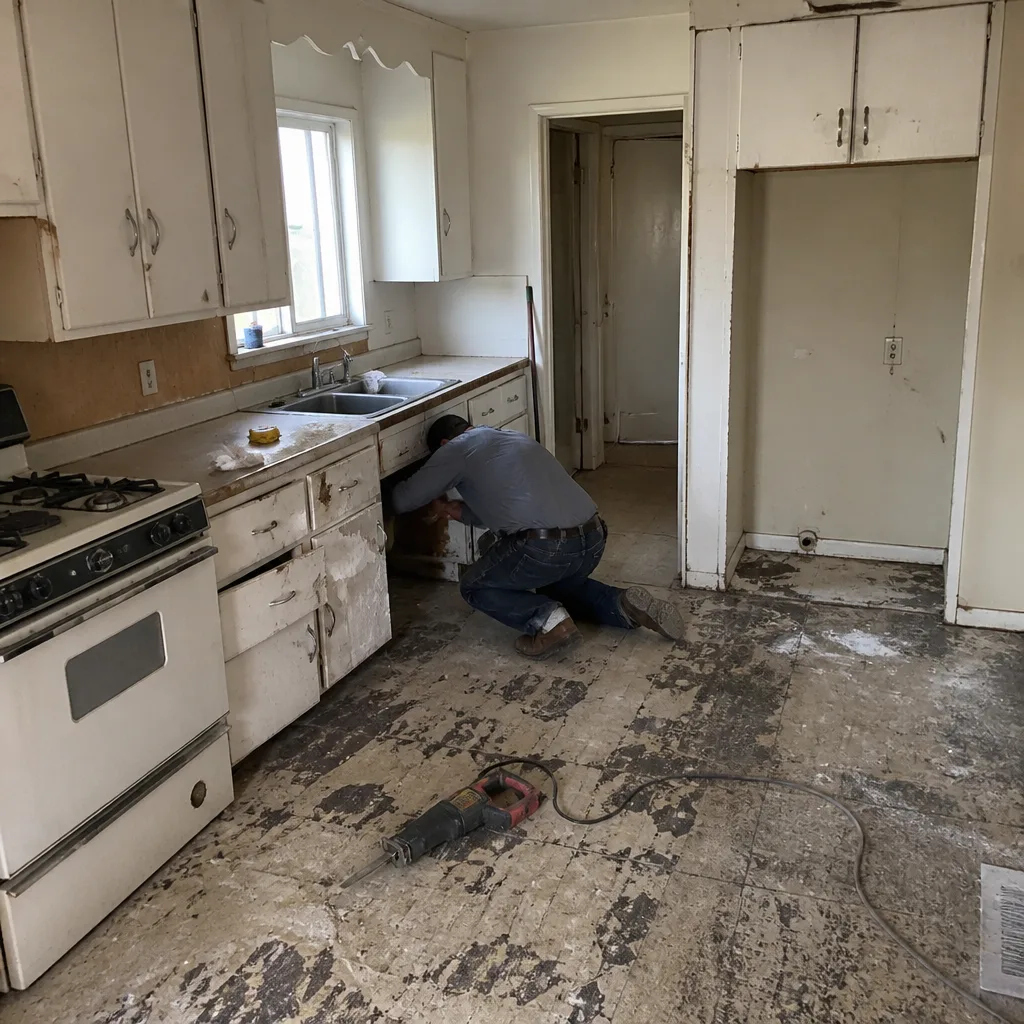 Before
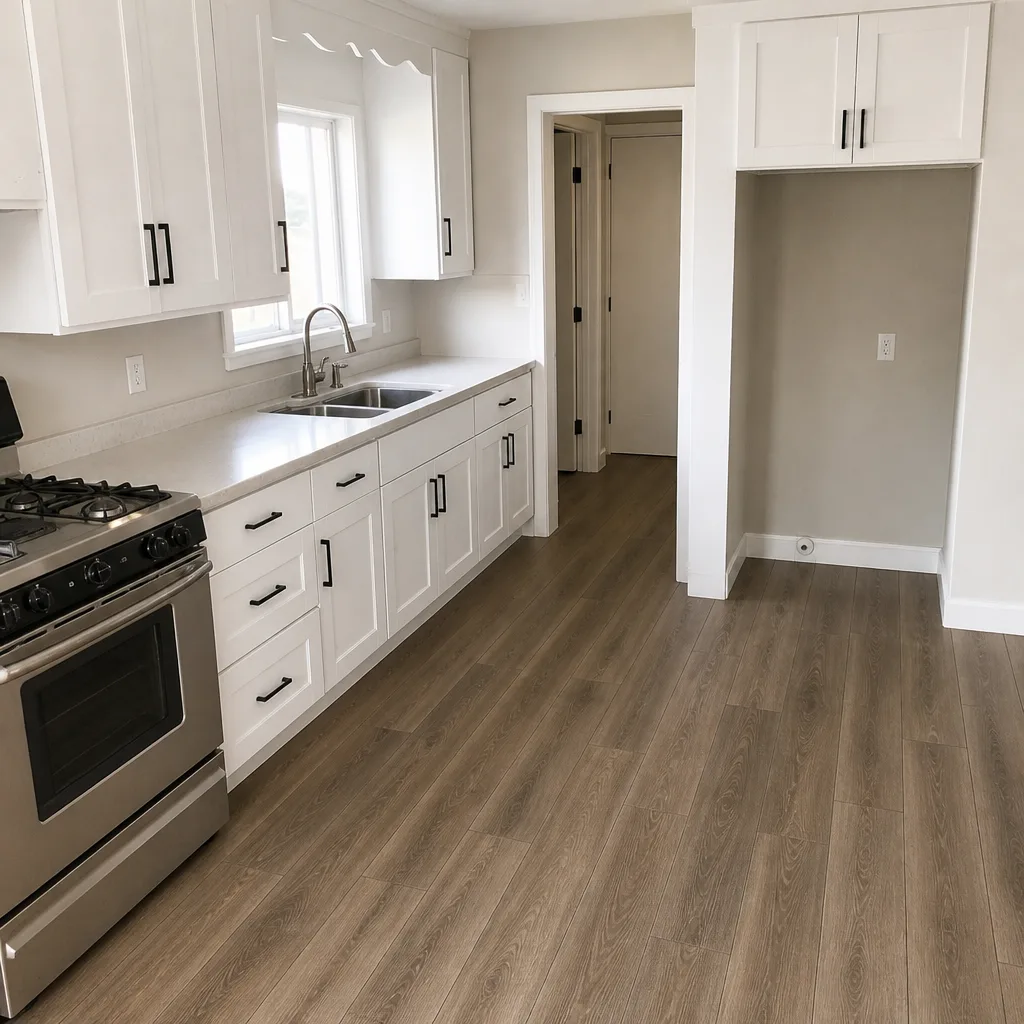 After
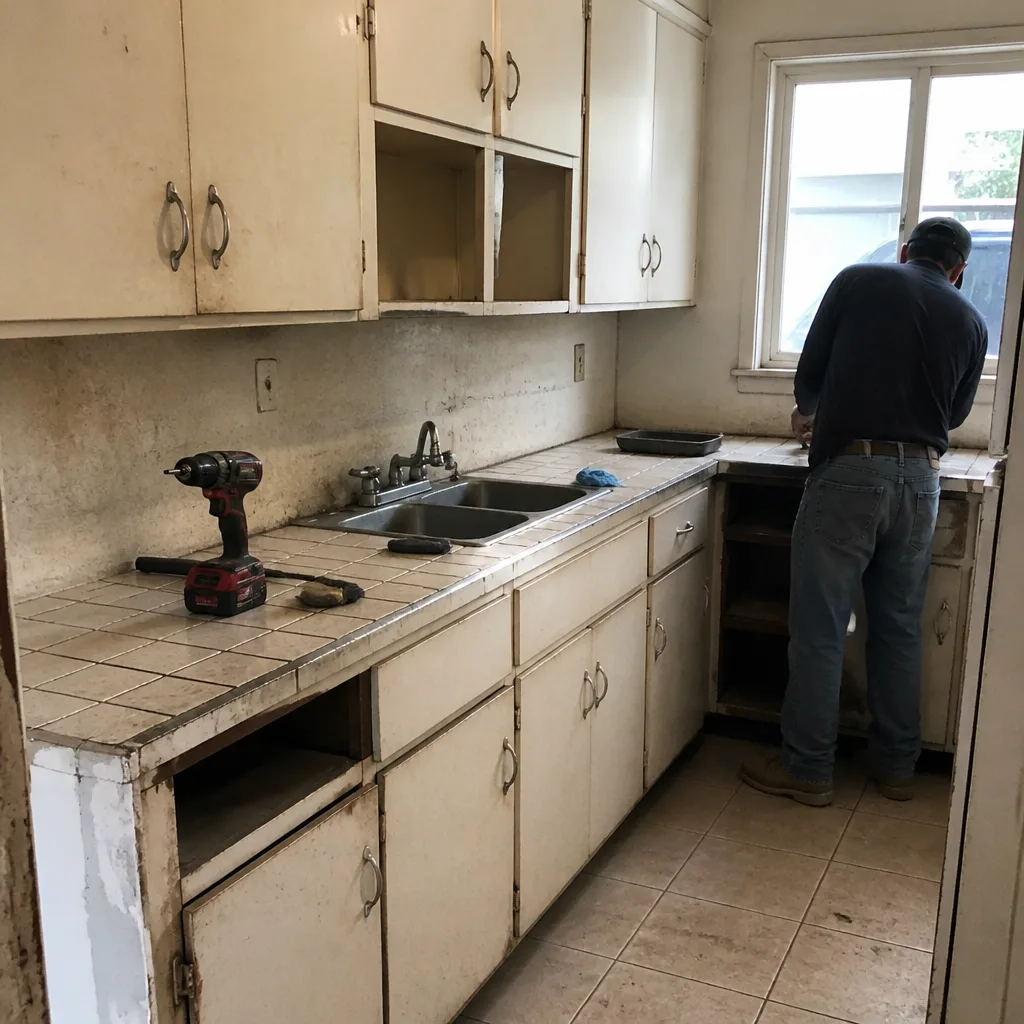 Before
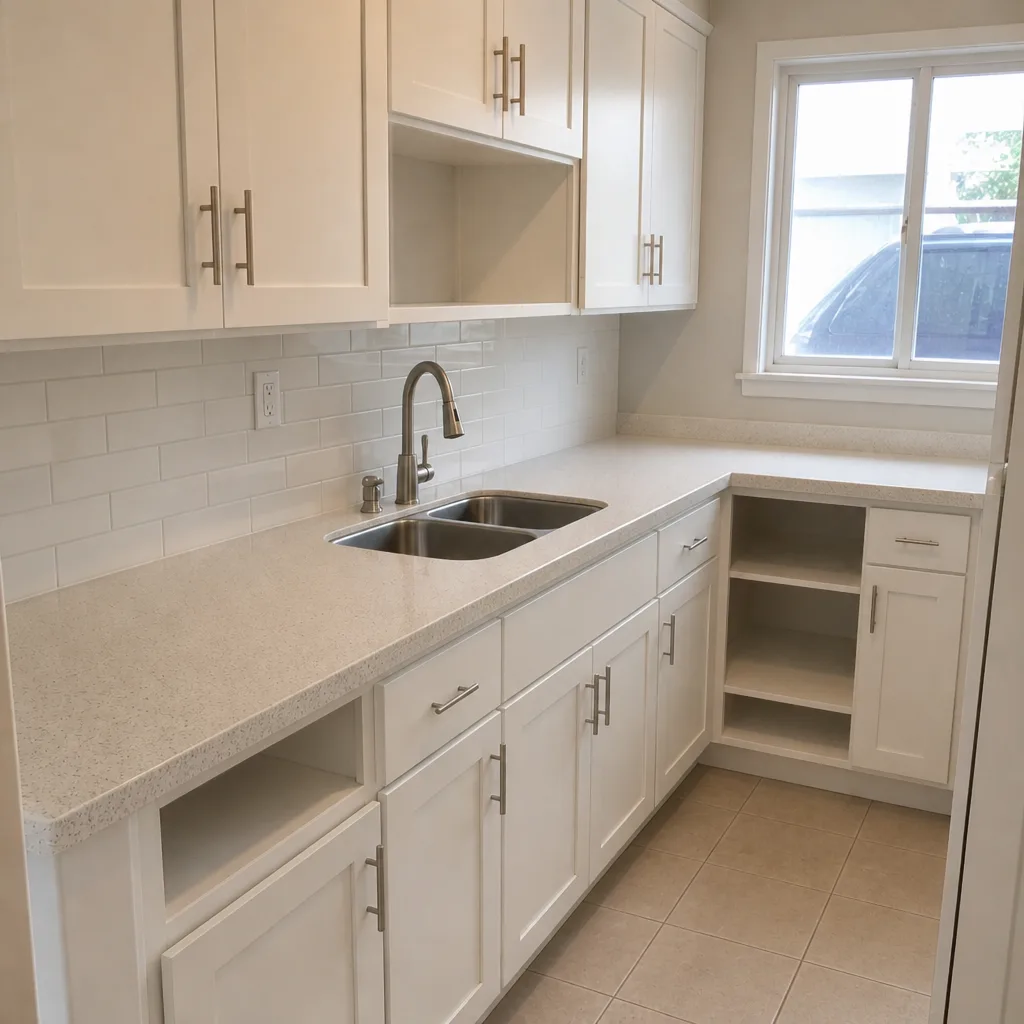 After
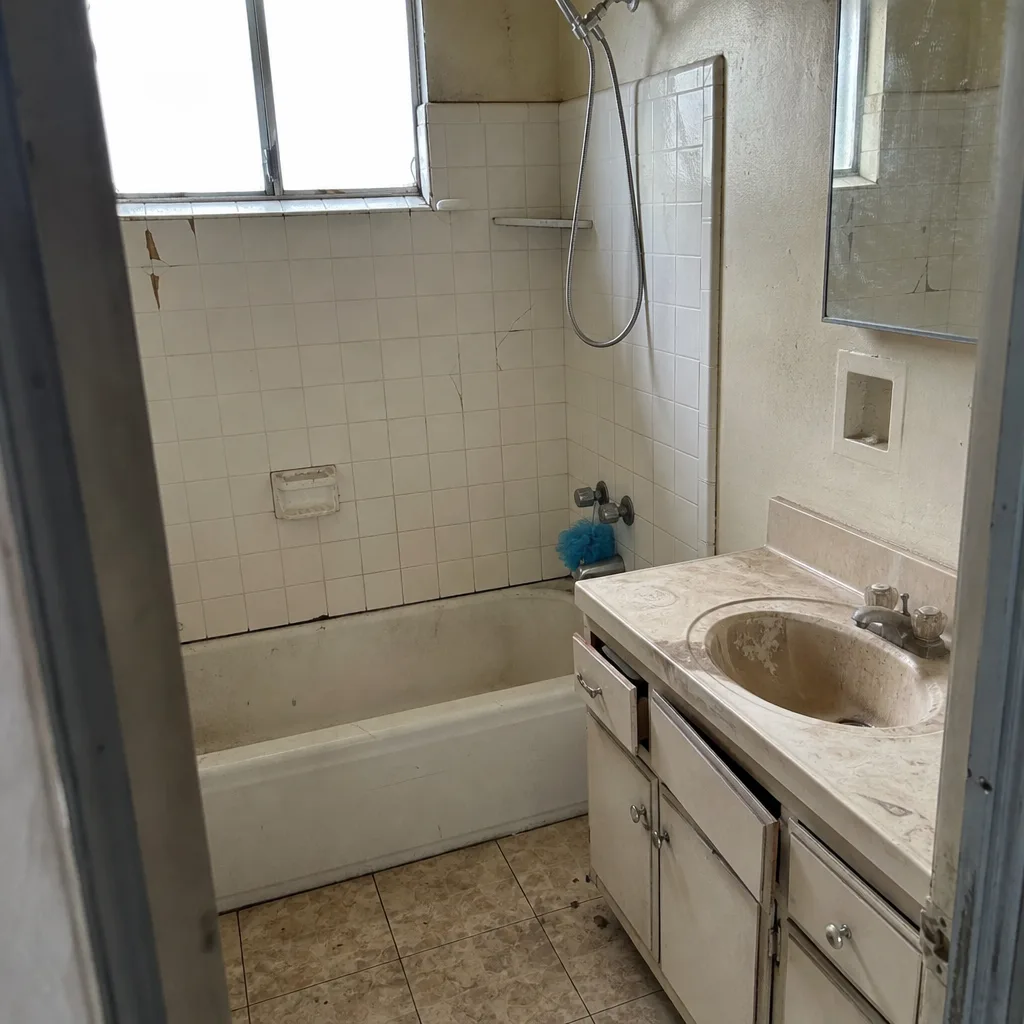 Before
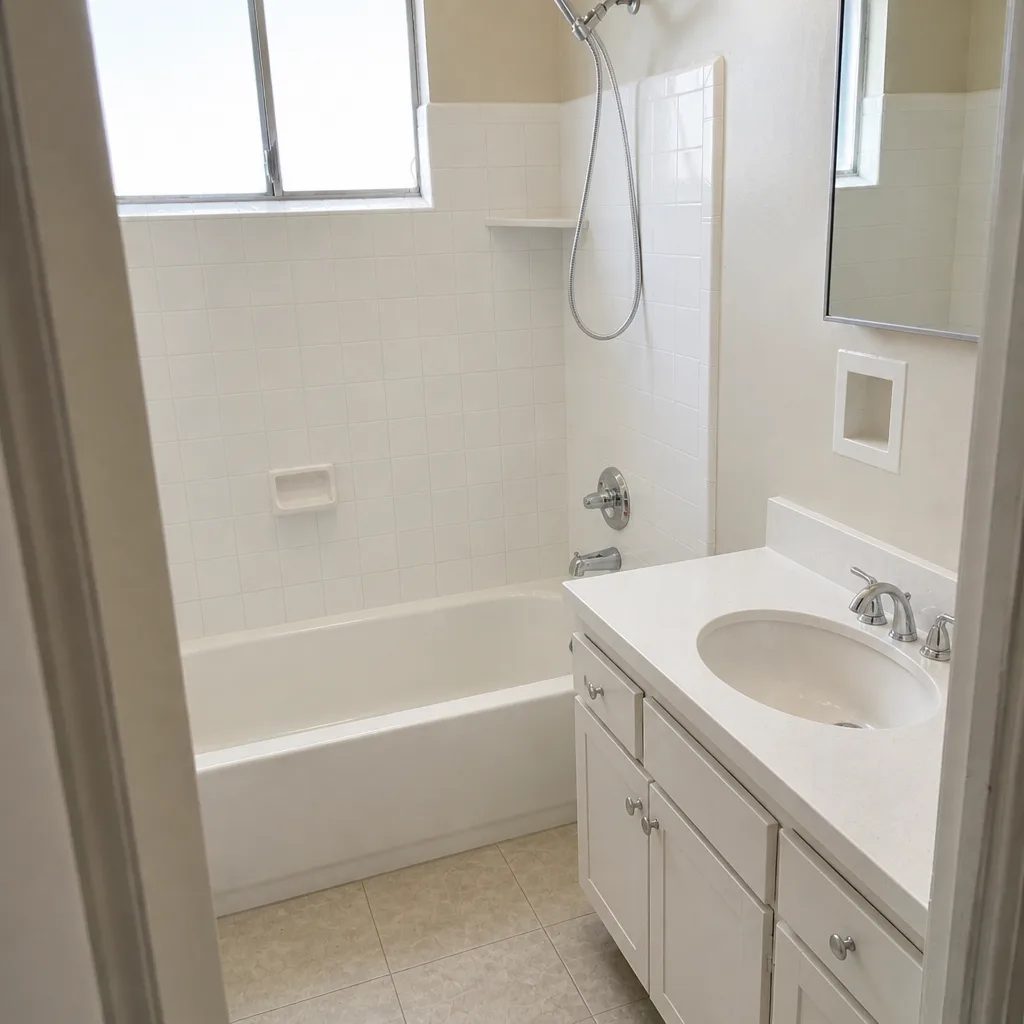 After
Repair or Replace Fence in El Monte, CA: The Honest Answer Rests on the Posts, Not the Boards
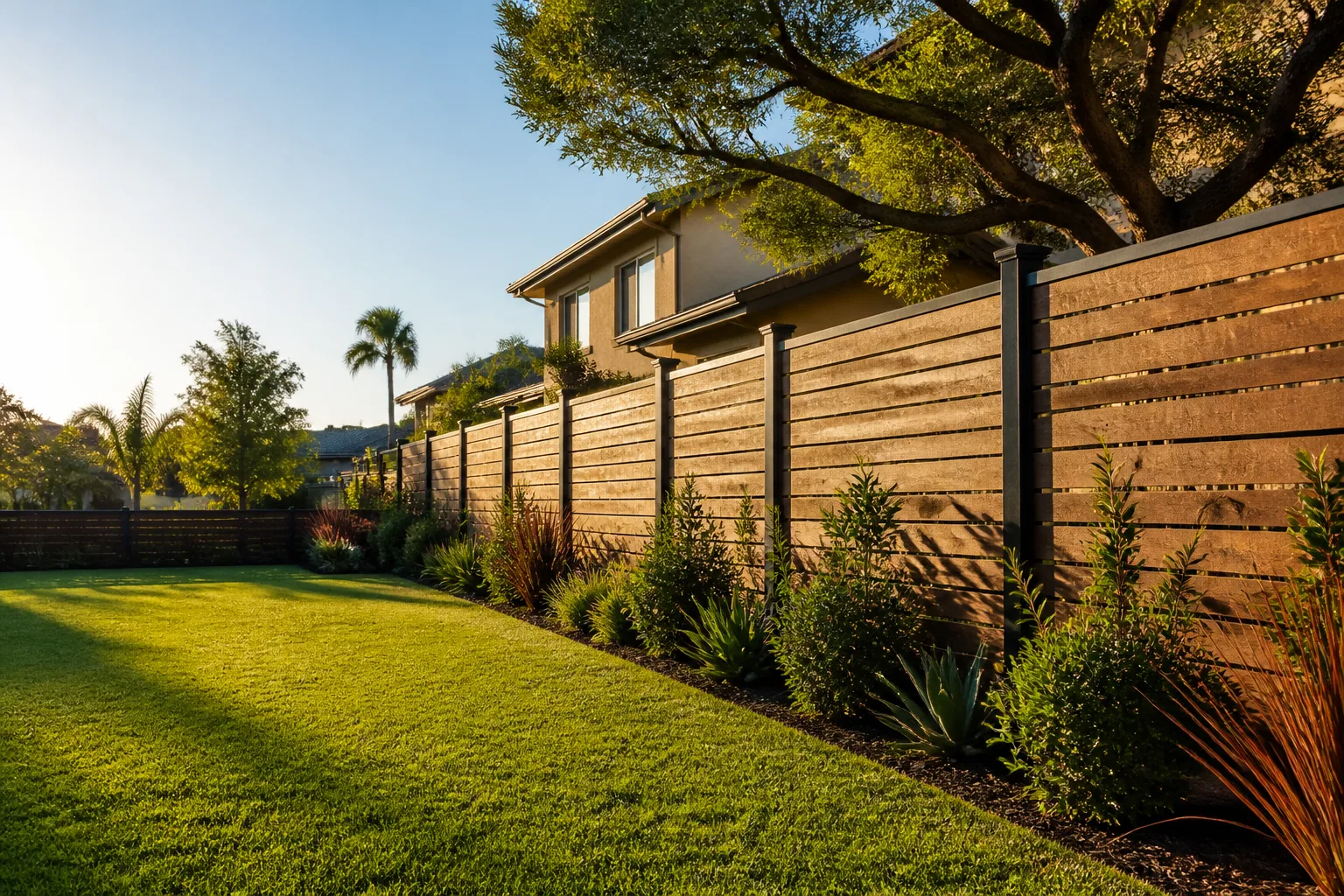
Repair the fence if the damage is on the surface – rotted boards, warped pickets, missing slats, a sagging gate. Replace it if the posts are leaning more than about 10 degrees, the concrete footings are cracking at the base, or two or more rail connections are pulling away from the posts. For El Monte’s post-WWII housing stock, that second situation is the norm, and it comes down to clay soil doing what clay soil does. Call (888) 271-7872 and we’ll walk the fence line with you before you spend a dollar on either path.
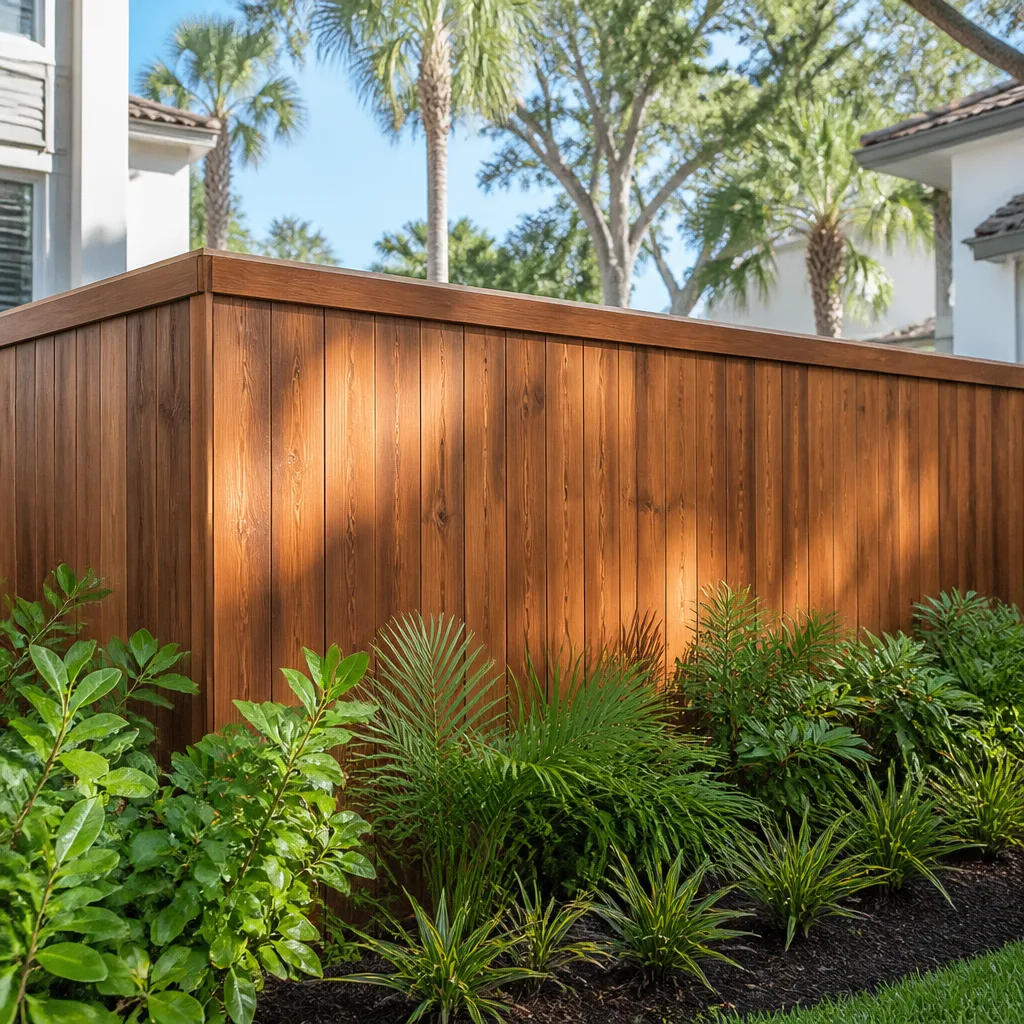
What El Monte’s Houses Tell Us Before We Ever Look at the Fence
Most of El Monte was built in a tight window – 1940s through the 1960s, single-story stucco bungalows on compact lots that were subdivided while the San Gabriel Valley was still citrus groves. That matters for one specific reason: the fence posts on many of these properties are original or first-replacement, meaning the wood and the concrete are 25 to 40 years old. They’ve been through every hot SGV summer, every Santa Ana wind event, and every rainy season that turns our clay-heavy soil into something closer to a slow-moving sponge.
Expansive clay doesn’t just get wet. It swells when it absorbs water and shrinks when it dries, which means it’s been pushing and pulling on those footings for decades. A post set 18 inches deep in a 10-inch hole – which was common practice in 1962 – will eventually work loose. Not because the wood failed, but because the ground around it moved enough times that the concrete lost its grip. When we see a leaning post in El Monte, we’re not looking at a fence problem. We’re looking at a footing problem that’s now visible above grade.
We also see the housing density firsthand. El Monte is built out, so almost every job here is a remodel or a re-do on an existing lot. That means fence runs often sit tight to a property line, next to an aging utility lateral, or within a setback the city plan-check cares about. All of that affects what a replacement looks like and what it costs to permit.
The Diagnostic Framework: Which Failure Type Are You Looking At?
Here’s the framework we use on every assessment, and you can use it yourself before you call anyone. Match the symptom to the likely recommendation.
- Surface damage only – rot on the lower boards, warped pickets, a few missing slats, one loose gate hinge. Repair is usually the right call. Boards and rails can be swapped without touching the posts.
- Post lean under 10 degrees with solid concrete – a targeted fix may hold, but only if the footing is re-leveled and re-seated properly. Bracing a leaning post without addressing the base is the classic El Monte false economy.
- Post lean over 10 degrees, or cracked footing at the base – recovery is unlikely. The post has lost its anchor, and the soil that caused the lean hasn’t stopped moving.
- Rail separation at two or more points, or a fence run that has become visibly wavy along the top – this is a post-and-rail structural failure across multiple bays, and piecemeal repair turns into a rotating schedule of fixes.
- Posts on a 1960s original run – even if they look straight today, the wood is at or past its service life. If one section fails, expect the neighbors in the run to follow within a season or two.
If you can push a post back and forth by hand with the concrete visibly moving under the surface, that post is done. Boarding over it is money spent twice.
The Clay-Soil Recurrence Problem Nobody Warns You About
Here’s the part most homeowners only learn after they’ve paid twice. In El Monte’s expansive soil, a post that gets re-set without being re-footed to proper depth in a wider-diameter hole will re-lean within two to three seasonal cycles. Two to three. That’s not a scare tactic; it’s the predictable behavior of clay that swells and shrinks with the same annual rhythm it has followed since the house was framed.
The fix isn’t a bigger post. It’s a footing dug to the depth the soil actually requires, set in a hole wide enough that the concrete bell has something to grip when the clay moves. On a full replacement, we do that every time. On a partial repair, we can only do it if the failing post is exposed and the surrounding rails allow for it – which is why we never quote a repair without checking the footings first.
This is also where the age-and-trigger consideration comes in. On a 1962 El Monte home, a fence section that was original has already survived 25 to 40 years of that soil. Pull one post and you may find a utility lateral where the new footing wants to go, a property-line encroachment, or a setback the replacement has to respect. Better to resolve those once, on a permitted full replacement, than to discover them mid-repair and stop.
Repair vs. Replace: The Break-Even Math
Repair runs roughly $8 to $15 per linear foot for boards and rails. Full wood replacement runs roughly $20 to $35 per linear foot in the El Monte market, and vinyl sits in the $3,500 to $9,000 range for a typical residential run. Those numbers make repair look obviously cheaper – until you divide by expected remaining life.
| Approach | Cost per linear foot | Expected remaining life | What typically triggers the do-over |
|---|---|---|---|
| Board and rail repair | $8-$15 | About 3 years on failing posts | Post re-learns, footings crack, rail separation returns |
| Full wood replacement | $20-$35 | 15 years with proper footings | Normal weathering and maintenance |
| Vinyl replacement | $3,500-$9,000 (whole run) | Long service life with a clean install | Impact damage, not decay |
When repair buys three years and replacement buys fifteen, the break-even is usually inside the first five. That’s the whole decision in one line: if you expect to be in the house longer than five years, and the posts are the failure, replacement wins on math alone. Repair wins when the posts are sound and only the surface needs refreshing.
Why Groundwork Backs Either Recommendation in Writing
A homeowner can’t easily verify whether a repair recommendation is honest or a shortcut to a quick sale. We make that verifiable by putting the recommendation under the 730-Day Done Right Promise – if it’s not done right, we make it right. When we say repair, the repair is covered for the full 730 days. When we say replace, the quote is upfront, the number you see is the number you pay, and there are no mid-project change-order ambushes buried in fine print.
The work itself is done by background-checked, uniformed technicians with up to 12 years of experience, and the material partners we build with on the exterior trades – James Hardie among them – are chosen because they hold up in San Gabriel Valley sun and wind, not simply because they’re available. For a deeper look at how the installation side works, our Fence Installation page walks through the process end to end. If your property happens to include an ADU or garage conversion mid-build, we coordinate the fence line with the rest of the scope so the timing doesn’t trip your plan-check. Full-scope work, from foundation to finish line, is how we prefer to run a job – it keeps the details from getting lost between crews. You can see the broader range of what we cover on our home page.
FAQs
Fence repair in El Monte typically runs $8 to $15 per linear foot for boards and rails, while a full wood replacement runs $20 to $35 per linear foot, or roughly $3,500 to $9,000 for vinyl on a typical residential run. The final number depends on run length, post condition, footing depth, and whether a permit is needed. Call (888) 271-7872 for an exact quote – estimates are free.
Sometimes, but only if the post can be properly re-footed – re-set to the correct depth in a wider-diameter hole so the clay soil has something to hold. A post that’s braced in place without re-footing will usually re-lean within two to three seasonal cycles in El Monte’s expansive soil. If the post is too far gone to re-foot, the honest answer is a replacement of that run, not a repair. Call us and we’ll tell you which one you’re looking at.
Fence replacement in El Monte generally requires a permit when the run exceeds standard height limits or sits on a property line where setbacks apply, and a full replacement is the right moment to resolve encroachments, utility lateral conflicts, and setback questions that a partial repair would only postpone. Because so much of El Monte’s housing is older infill on small lots, plan-check scrutiny on setback and parking calculations is common – better to sort it before the posts go in. Call (888) 271-7872 and we’ll walk through the permit picture for your specific lot.
Push the post at chest height – if the concrete moves with it or you can rock it more than a couple of inches, the footing is gone. Look for cracking at the concrete base, rail connections pulling away in more than one spot, and a wavy top line along the run. Surface rot on the boards without any post movement is usually a repair; post movement is usually a replacement. Call for a no-pressure assessment and we’ll give you the honest read.
If you’d rather have it looked at, Groundwork Construction Co. of El Monte offers a no-pressure assessment in El Monte – call (888) 271-7872. We’ll tell you repair when repair makes sense, replace when it doesn’t, and put either recommendation under the 730-Day Done Right Promise so you’re not guessing.
Written by the team at Groundwork Construction Co. of El Monte, serving El Monte, CA.