


Free written scope consultation - allowances, timeline, and change-order rules on paper before a single trade is scheduled
Styles & brands we work with
- Kitchen remodeling
- Bathroom remodeling
- Home additions & ADU
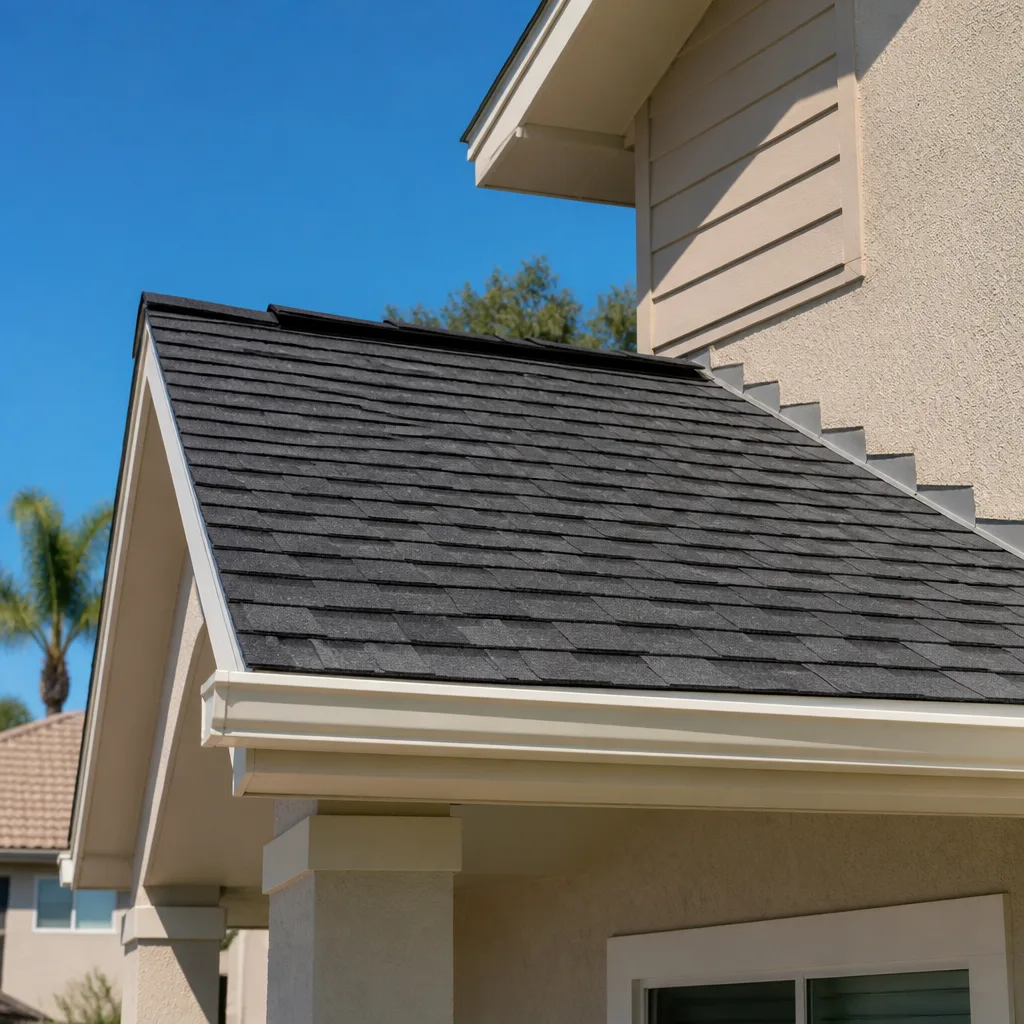
- Roofing
- Windows & doors
- Driveway & pavers
- Fence
See the difference
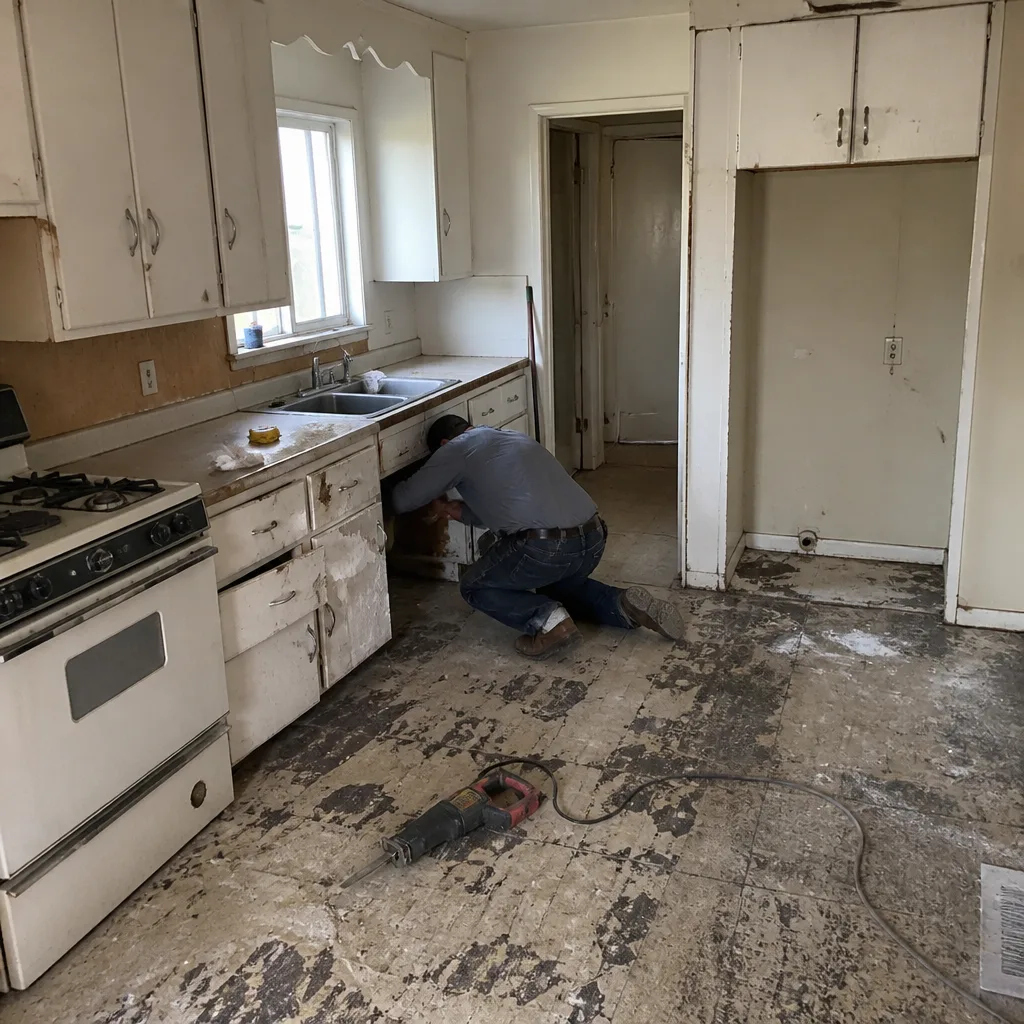 Before
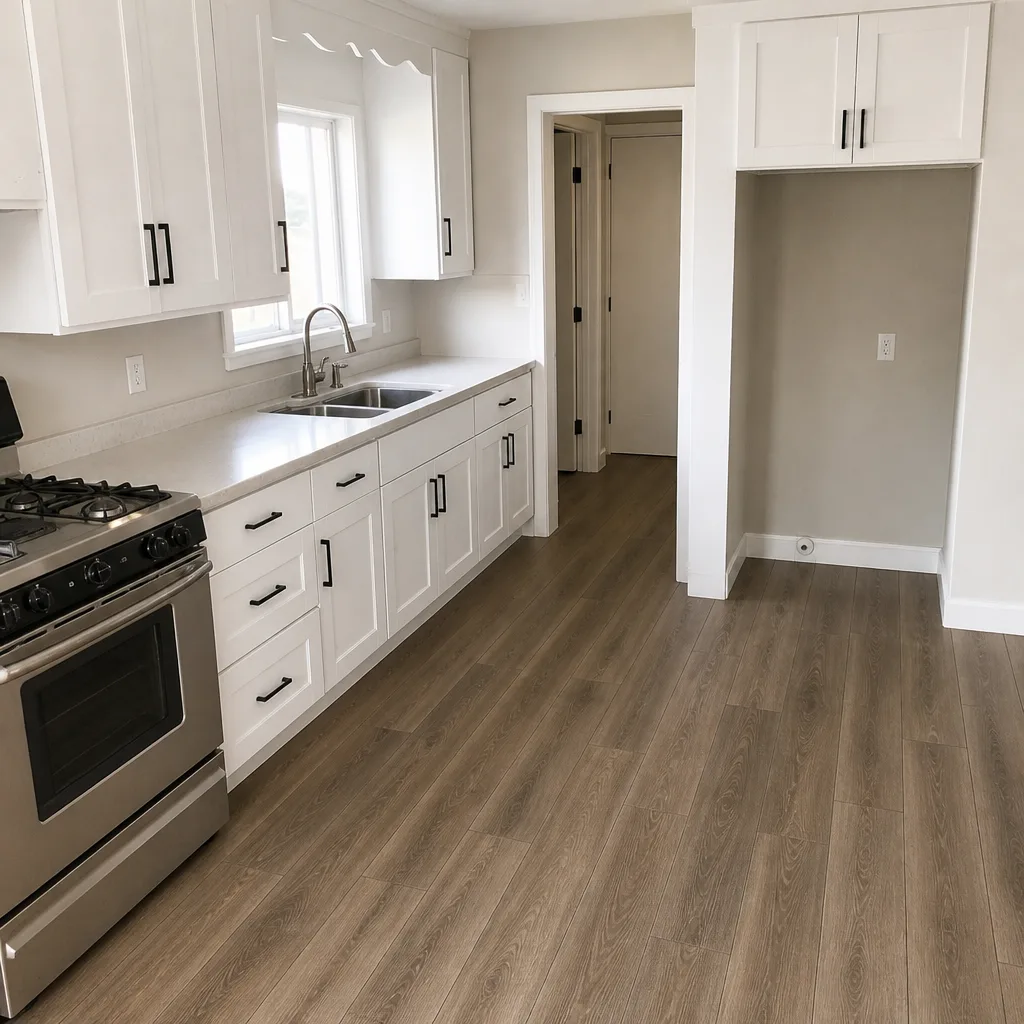 After
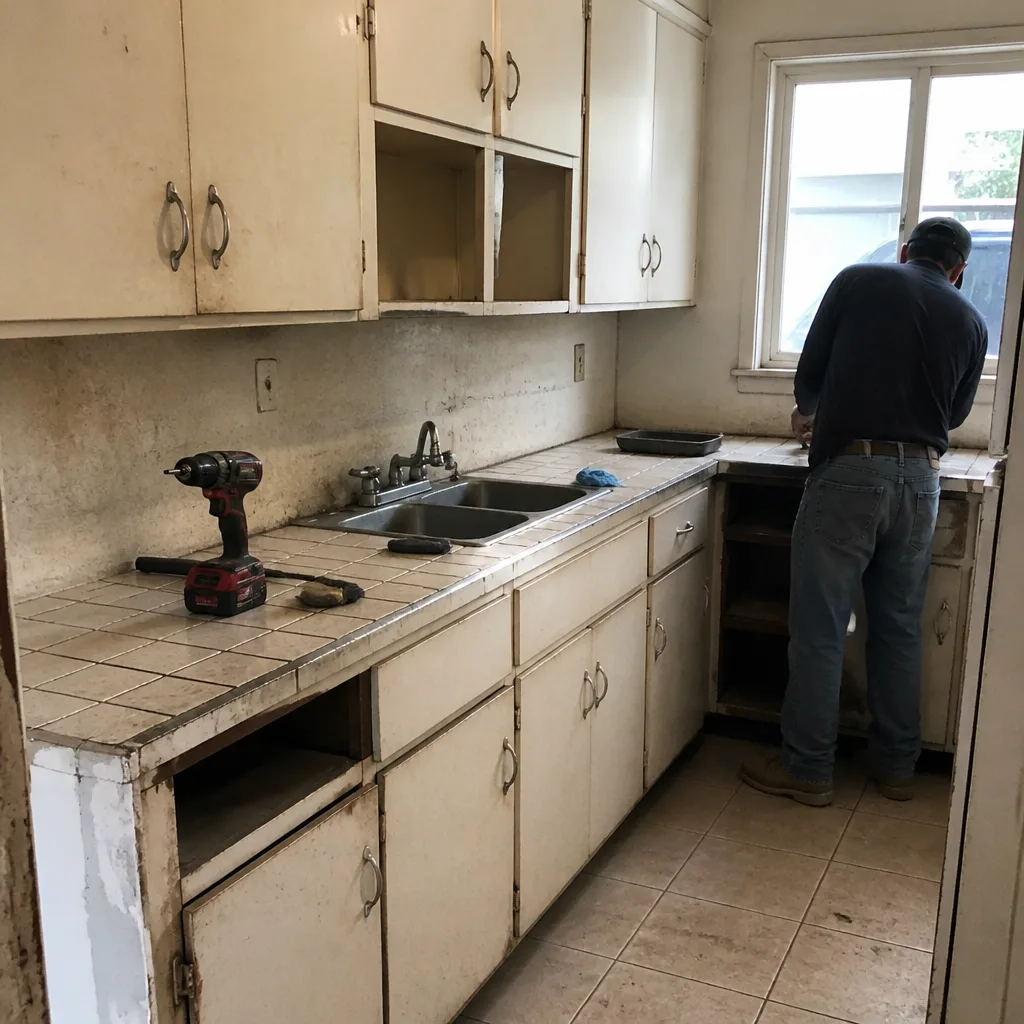 Before
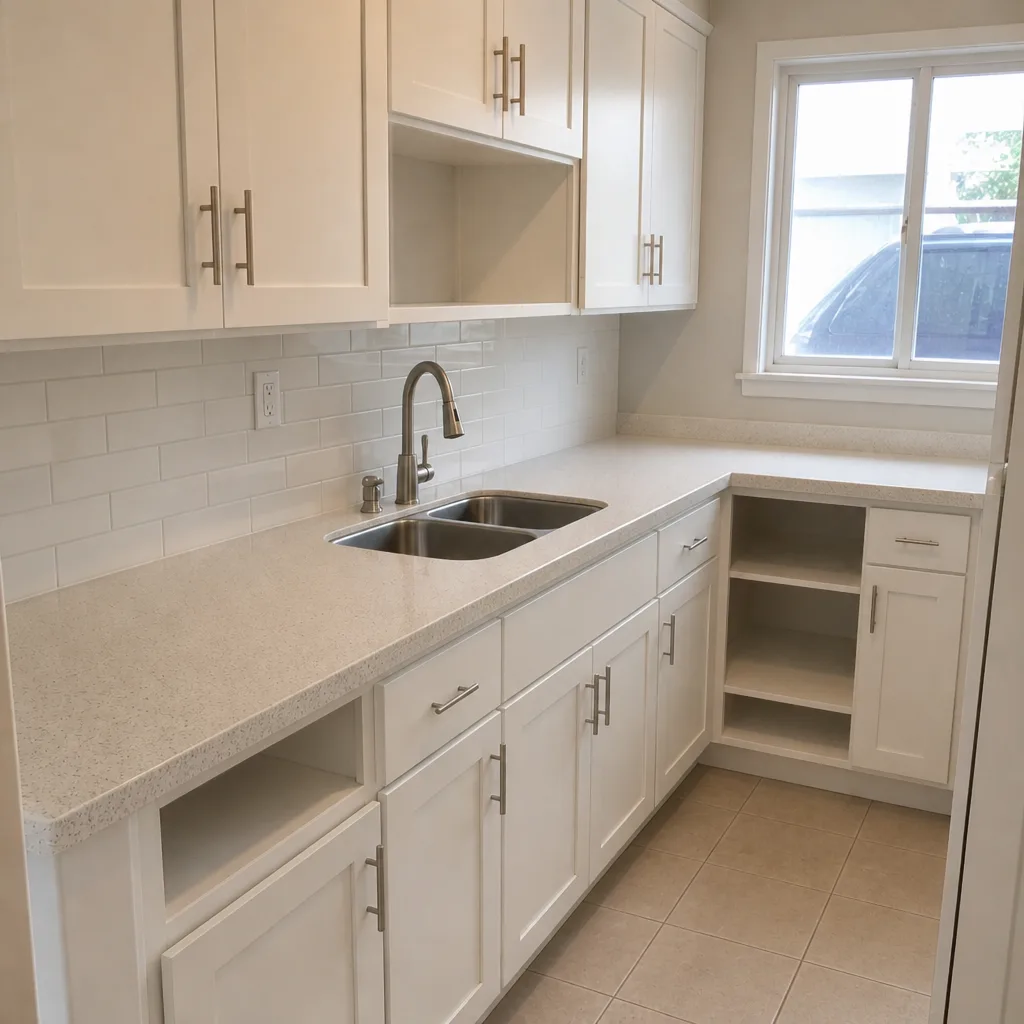 After
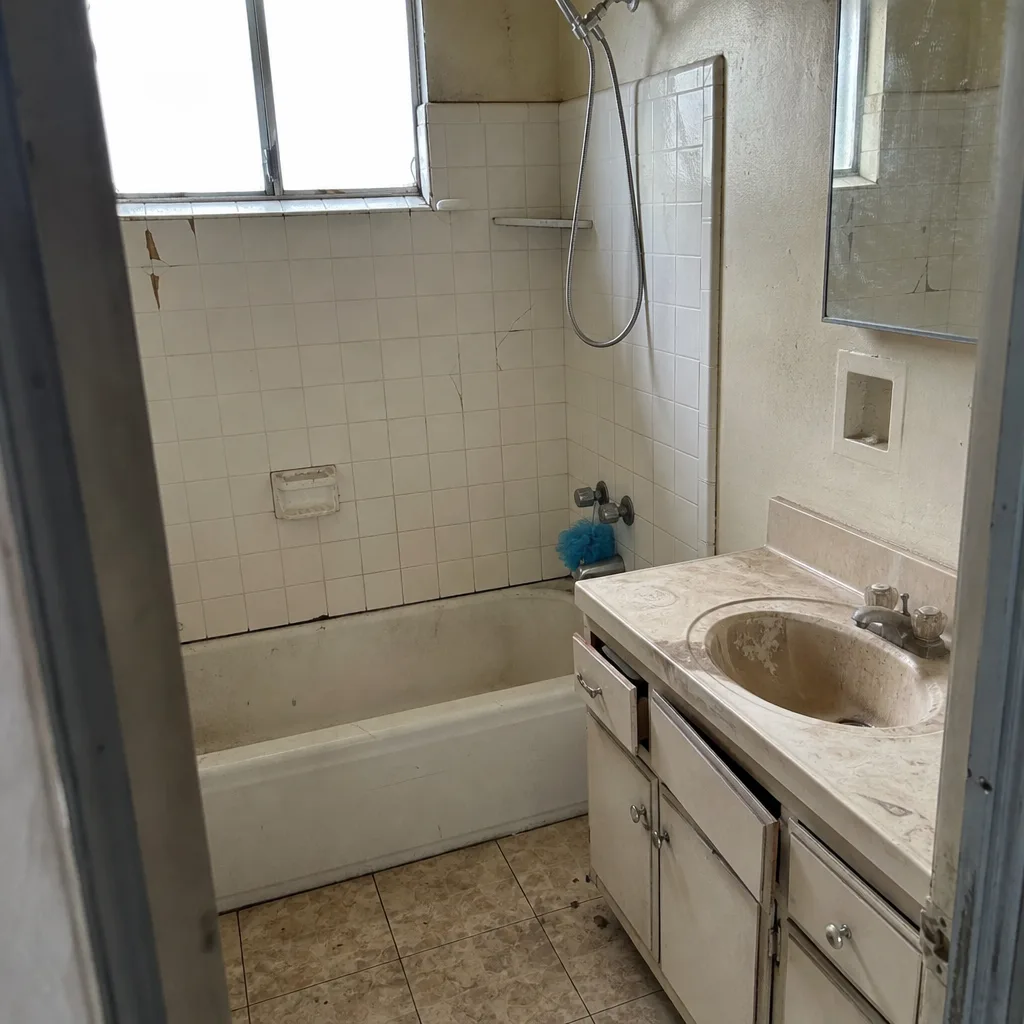 Before
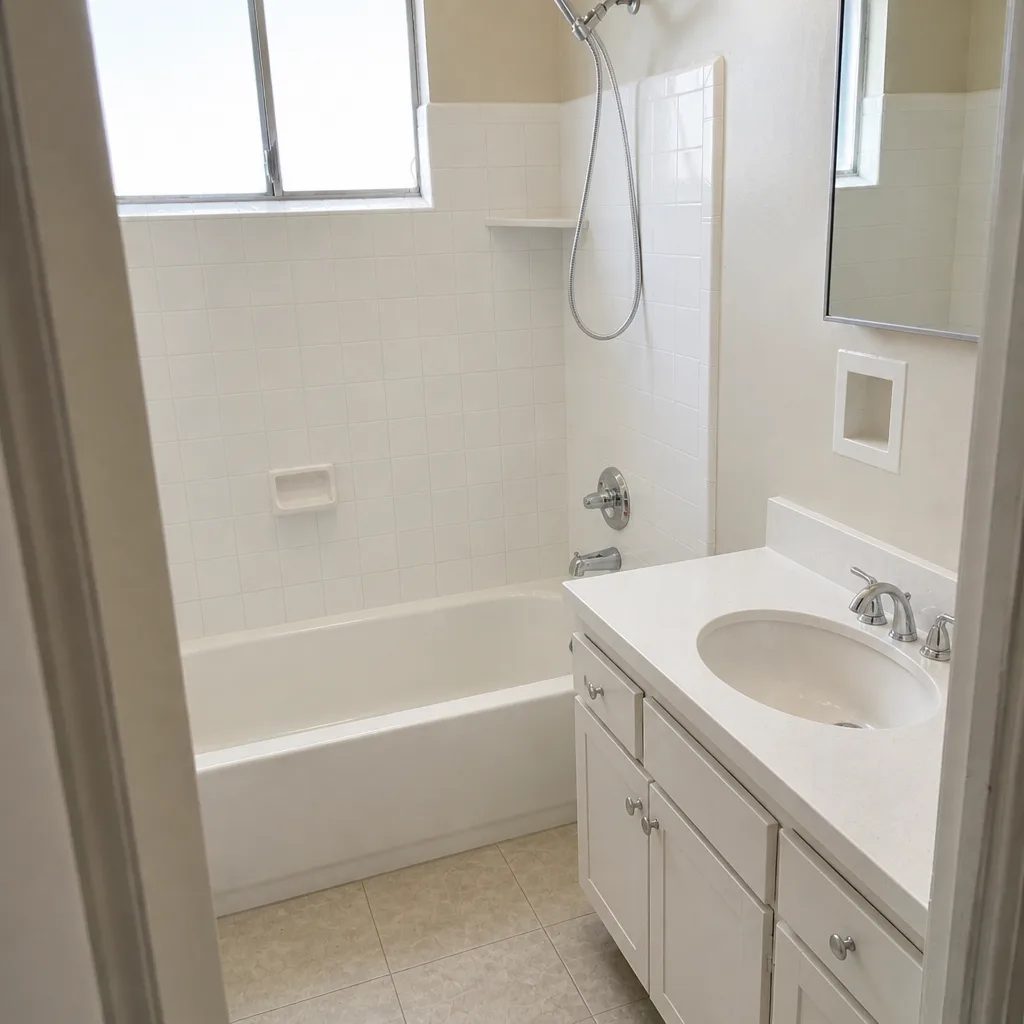 After
How Long Before You Can Drive on New Concrete in El Monte, CA?
Seven days is the short answer for a passenger car, and 28 days is the number for anything heavy. But in El Monte, that seven-day clock is only half the story. Our hot, dry San Gabriel Valley summers can pull surface moisture out of a fresh slab within 20 to 30 minutes of placement, and when evaporation outruns hydration, the top layer cures weaker than the core. You get a driveway that looks ready to drive on before it actually is. If you’re planning a pour and want it done right the first time, call Groundwork Construction Co. of El Monte at (888) 271-7872 for a free estimate.
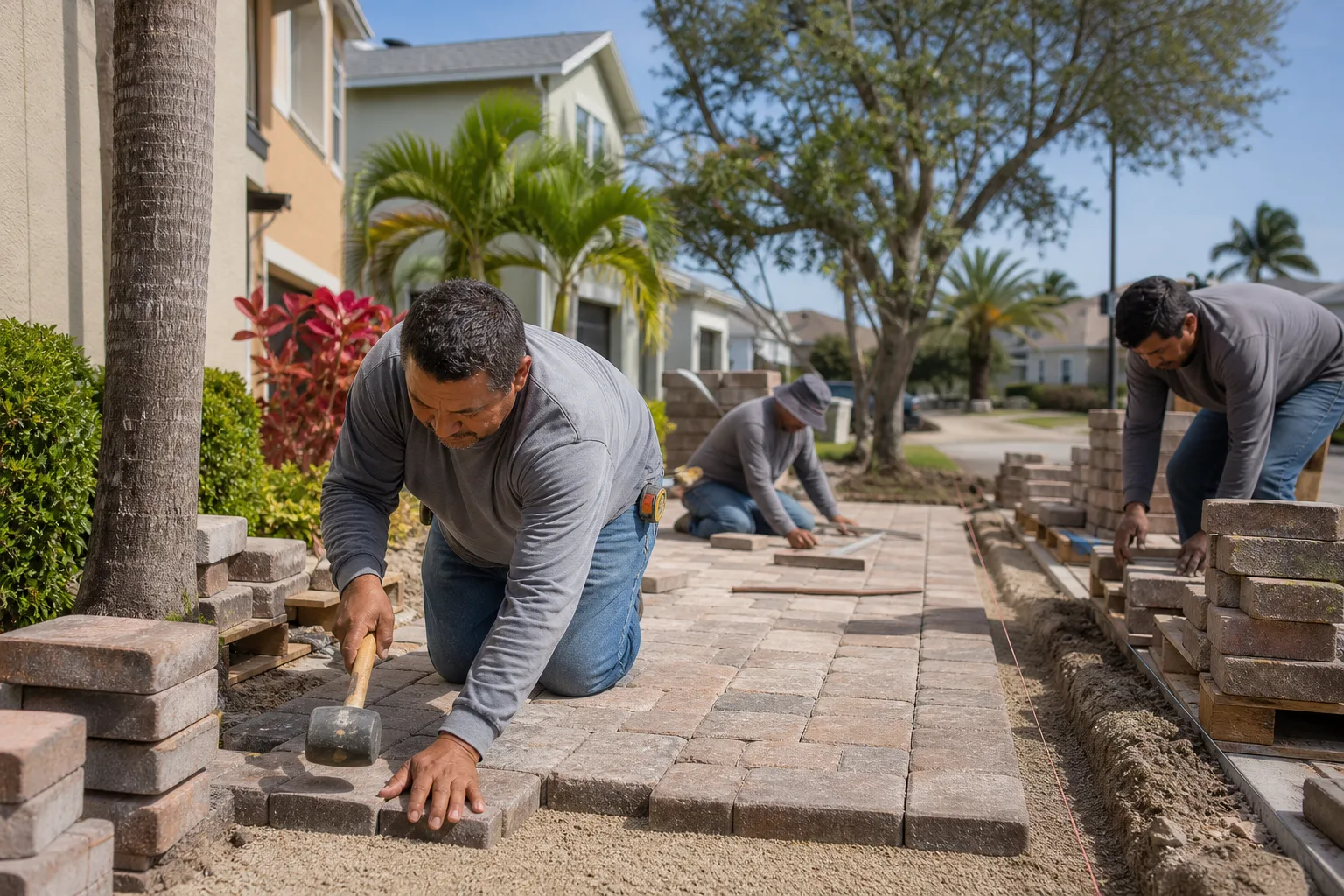
Why El Monte Heat Changes the Curing Timeline
Concrete doesn’t dry. It cures, which is a chemical reaction between cement and water. That distinction matters here more than it does in cooler parts of the country, because El Monte regularly hits 95°F to 105°F in July and August with low humidity. In those conditions, the water at the surface evaporates before the cement can use it.
The result is what builders call plastic shrinkage cracking. Small hairline cracks show up in the first few hours, sometimes before the finisher has even left the site. The slab still sets. It still reaches a drivable surface. But the outer quarter-inch ends up weaker than the interior, and that’s the layer taking the tire loads for the next 20 years.
We’ve seen this pattern across El Monte’s older tract neighborhoods, where driveways are short, sun-exposed, and rarely shaded by trees. A 1940s bungalow on a compact lot off Valley Boulevard gets full afternoon sun with no relief.
Wet curing vs. dry curing: the strength gap
A 3,000 PSI design mix left to cure without moisture protection in El Monte summer heat can finish closer to 2,600 PSI. The same mix wet-cured with burlap and plastic for seven days typically reaches 3,200 PSI or higher. That’s not a rounding difference. It directly sets how many years the slab holds up under vehicle weight before scaling, spalling, or cracking appears.
Most installers in this climate skip the curing step. It adds a day of labor, requires burlap or a curing compound, and doesn’t show up in the finished product for a year. We build it into the job because a drive that fails at year eight is a warranty claim, not a savings. That’s the thinking behind our Driveway & Pavers work and the 730-Day Done Right Promise behind it.
What El Monte Homeowners Actually Deal With
The concrete itself is the easy part. The timing around it is where projects go sideways. Here’s what we run into most often in El Monte.
- The garage conversion driveway. Half the ADU and garage-conversion projects in El Monte need a new apron or replacement drive, and the homeowner wants to park on it the same weekend. Seven days minimum, and 28 days before a loaded utility trailer or work truck rolls across.
- The late-season rain misjudgment. El Monte gets occasional rain in October through December. Light rain on a fresh slab helps curing. Rain that lands in the first 24 hours after finishing can pit and mar the surface. Timing the pour around the forecast is a planning decision, not luck.
- The aging-driveway replacement. Post-WWII tract homes on small lots often have driveways poured decades ago with no expansion joints. Replacing them means working around tight setbacks and often pulling permits before the first bag of concrete shows up.
- The heavy-vehicle surprise. An RV, camper van, or work truck parked on a seven-day slab is the single most common cause of early surface failure we see. Most installers never mention the 28-day rule. We do, in writing.
Owner-driven garage conversions are everywhere in El Monte, and the permitting knowledge that comes with them matters as much as the pour. When a homeowner is juggling city plan-check and a driveway pour at the same time, having one contractor who reads the scope clearly saves weeks.
The Real Number: Seven Days vs. Twenty-Eight
Seven days after the pour, concrete has reached roughly 70% of its design strength. That’s enough for a passenger car, and that’s the threshold most people ask about. At 28 days, it’s at about 99% of design strength, which is where heavy loads become safe.
| Time after pour | Approximate strength | What’s safe on it |
|---|---|---|
| 24 hours | ~15% | Foot traffic only; keep sprinklers or cure blanket on |
| 3 days | ~40% | Foot traffic, light lawn equipment |
| 7 days | ~70% | Passenger cars, light pickup |
| 14 days | ~85% | Most standard vehicles |
| 28 days | ~99% | Heavy trucks, RVs, campers, loaded trailers |
Curing doesn’t stop there. Concrete keeps gaining strength for years beyond the 28-day mark, but 99% is the point where you’re not risking the surface with normal driving.
How long should you keep it wet?
Seven days of moisture protection is the standard. That means a curing compound sprayed on after finishing, or burlap kept damp under plastic sheeting. In El Monte’s heat, skipping this step is what turns a 3,000 PSI mix into a 2,600 PSI slab. We recommend the wet-cure method on any drive or patio pour during the summer months.
If you’d rather not manage curing on your own, that’s the kind of thing our technicians handle before we hand the job over, backed by the 730-Day Done Right Promise and upfront pricing so you know the number before work starts. Our technicians have up to 12 years of experience framing and pouring driveways and patios in the San Gabriel Valley.
When You Should Call a Pro
Pouring your own slab and curing it correctly in El Monte heat is doable if you know what you’re doing. If you don’t, the failure mode is expensive. If you’re already seeing hairline cracks within the first week, surface scaling, or a driveway that’s spalling after a few years, those are signs of a curing problem that a second pour won’t fix unless the process changes.
Our home team also handles the wider scope when a driveway project turns into a bigger one: garage conversions, ADU additions, and full remodels that all start with a proper slab and grading plan. You don’t need a specialist for every step.
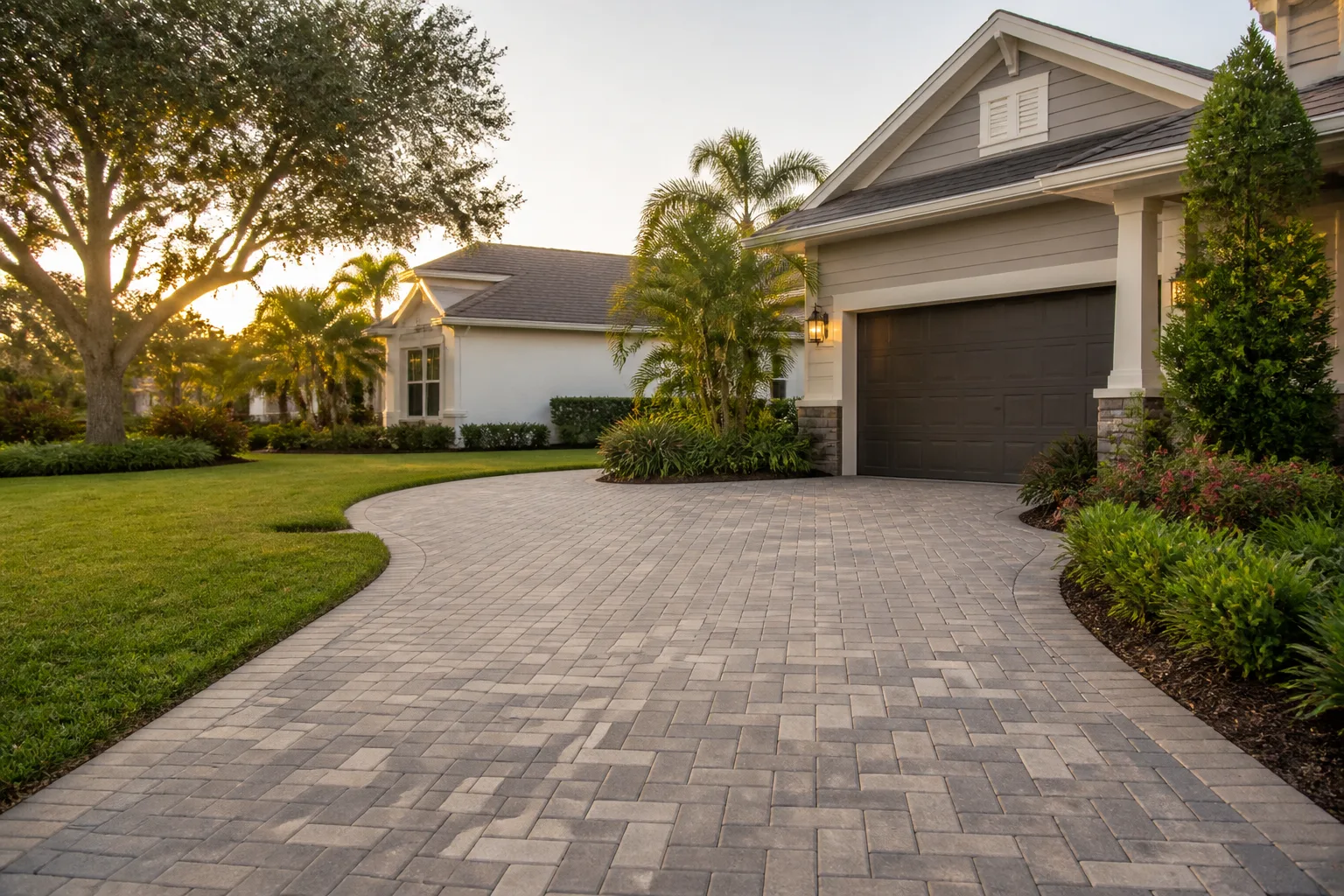
A concrete driveway installation in El Monte typically runs $4,500 to $12,000 depending on size and site prep. A driveway replacement runs $5,000 to $14,000, and paver driveway installation is $7,000 to $18,000 if you’re considering a change from concrete.
FAQs
No, three days isn’t enough for vehicle traffic on a standard slab. Concrete at 72 hours is around 40% of its design strength, which is fine for foot traffic but not for tires. Wait the full seven days for a passenger car.
Not longer for driving, but longer for curing protection. The seven-day drivable timeline holds, but El Monte summer heat means the surface needs moisture protection for those seven days or it will finish weaker than designed. Wet burlap or a curing compound makes the difference between 2,600 PSI and 3,200 PSI on the same mix.
Wait a full 28 days before parking anything heavy: RVs, camper vans, work trucks, or loaded trailers. Concrete reaches about 99% of its design strength at 28 days. Driving on it at day seven with that kind of weight is the most common cause of early surface failure we see.
If rain hits within 24 hours of finishing, it can mar the surface finish. After that window, light rain actually helps curing. In El Monte, most rain comes October through December, so scheduling the pour around the forecast is the smart move rather than hoping for the best.
If you’d rather have it looked at, Groundwork Construction Co. of El Monte offers a no-pressure assessment in El Monte. Call (888) 271-7872 for a free estimate and a clear number before any work begins. Live person, 24/7.
Written by the team at Groundwork Construction Co. of El Monte, serving El Monte, CA.