
Free written scope consultation - allowances, timeline, and change-order rules on paper before a single trade is scheduled
Styles & brands we work with
- Kitchen remodeling
- Bathroom remodeling
- Home additions & ADU
- Roofing
- Windows & doors
- Driveway & pavers
- Fence
See the difference
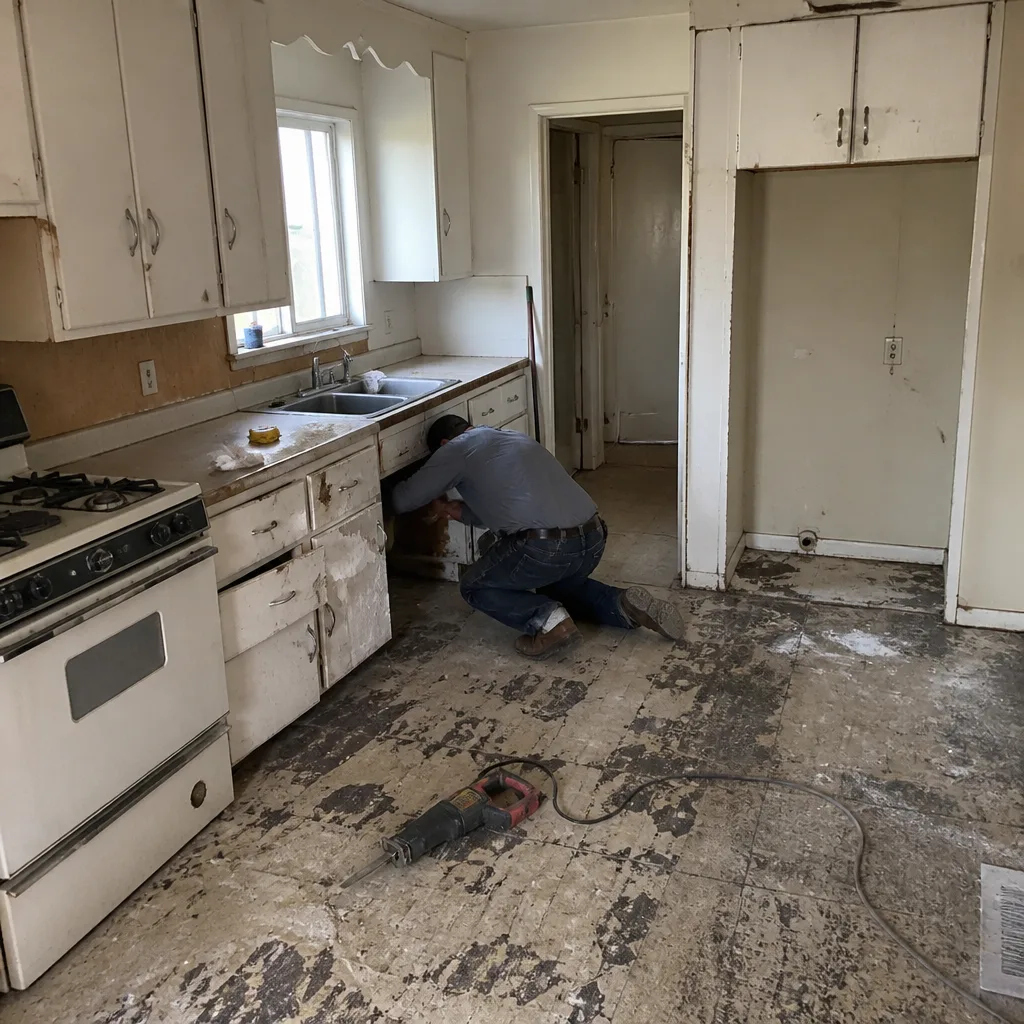 Before
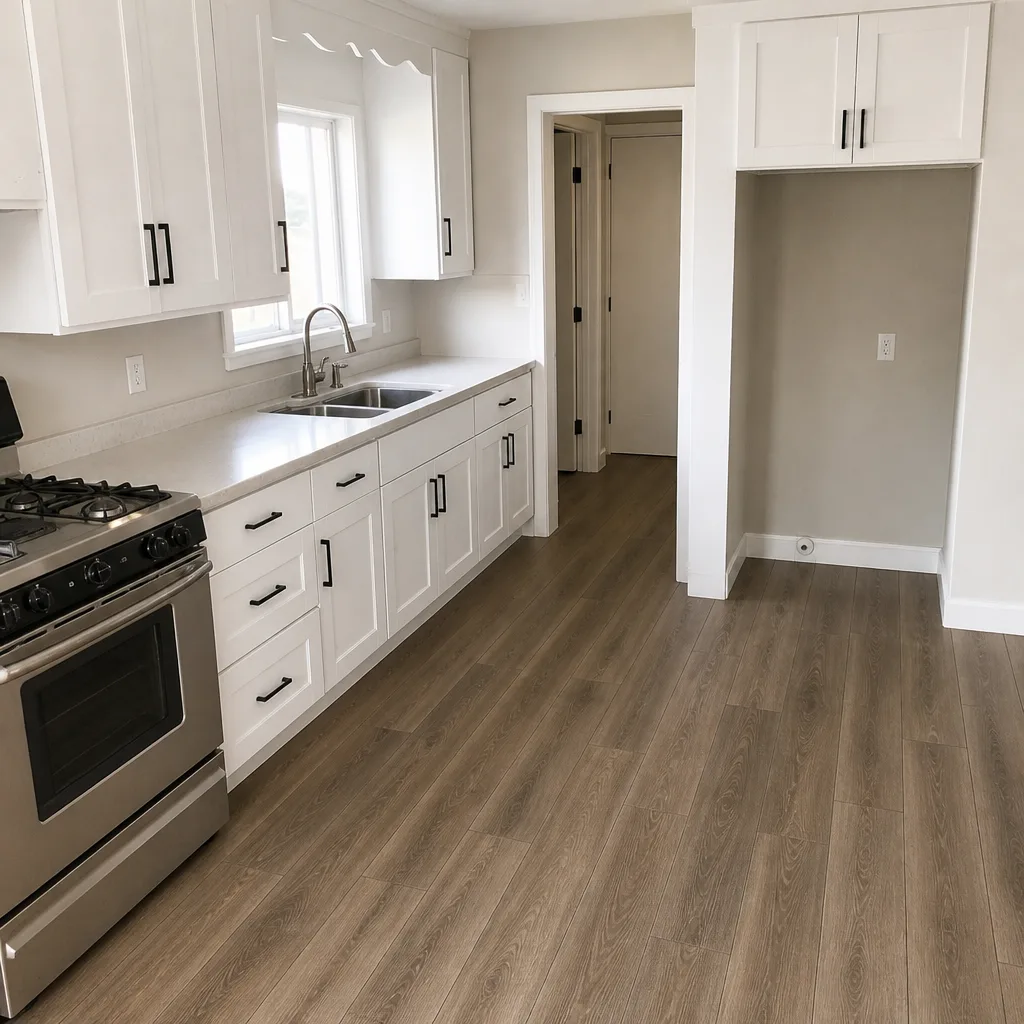 After
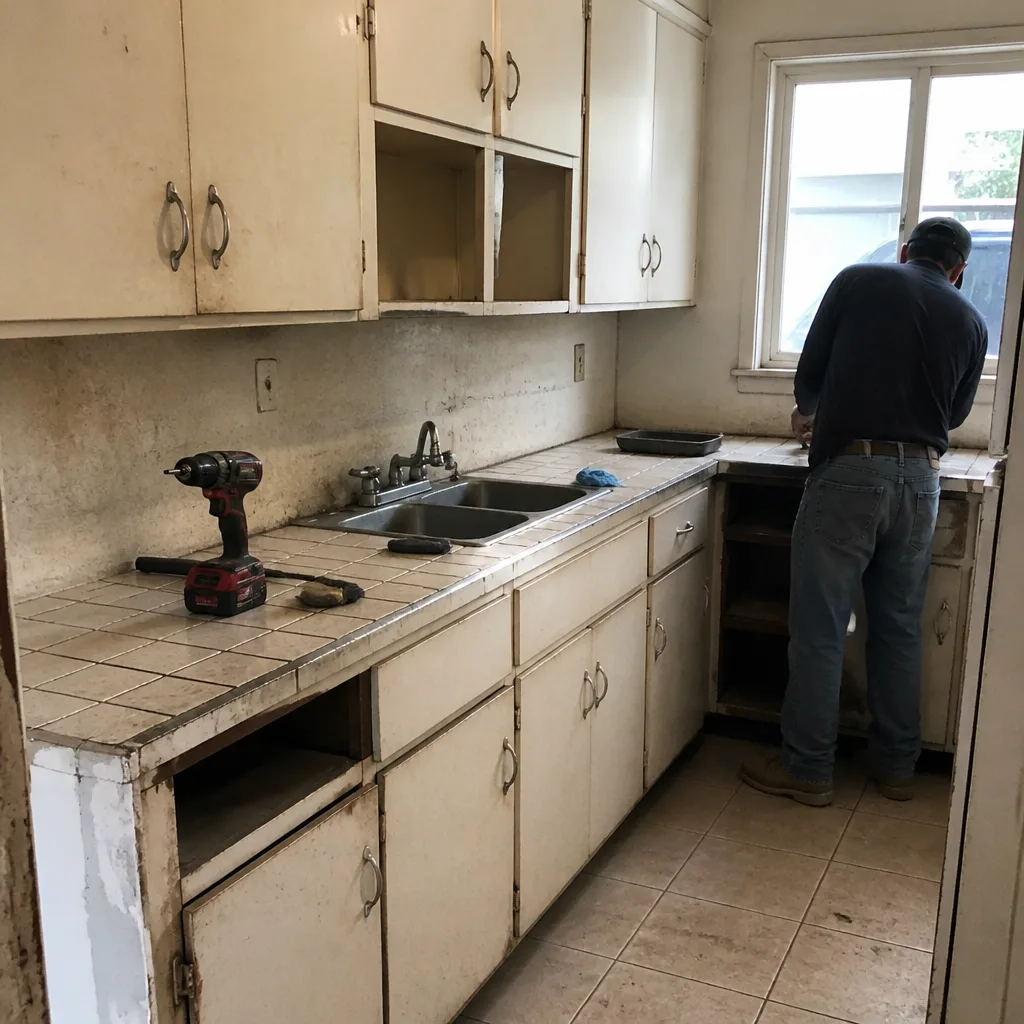 Before
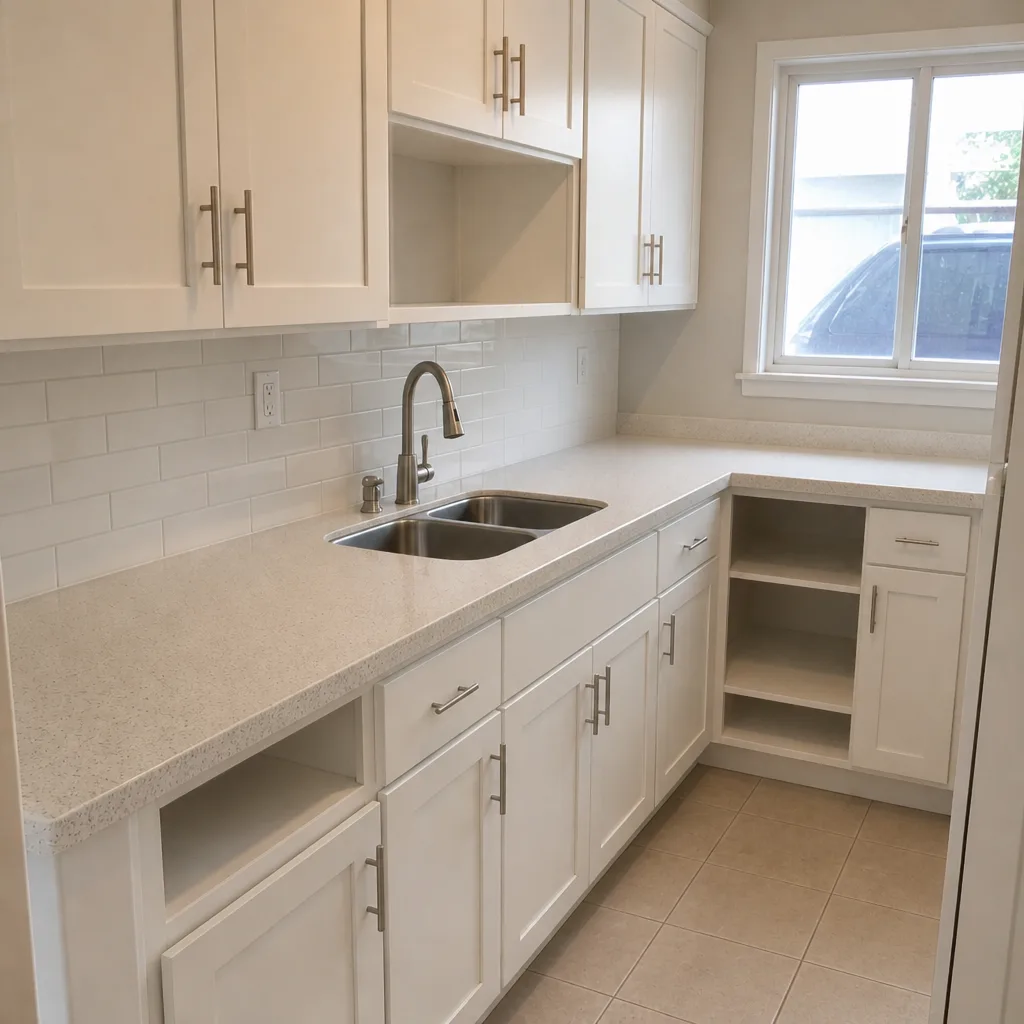 After
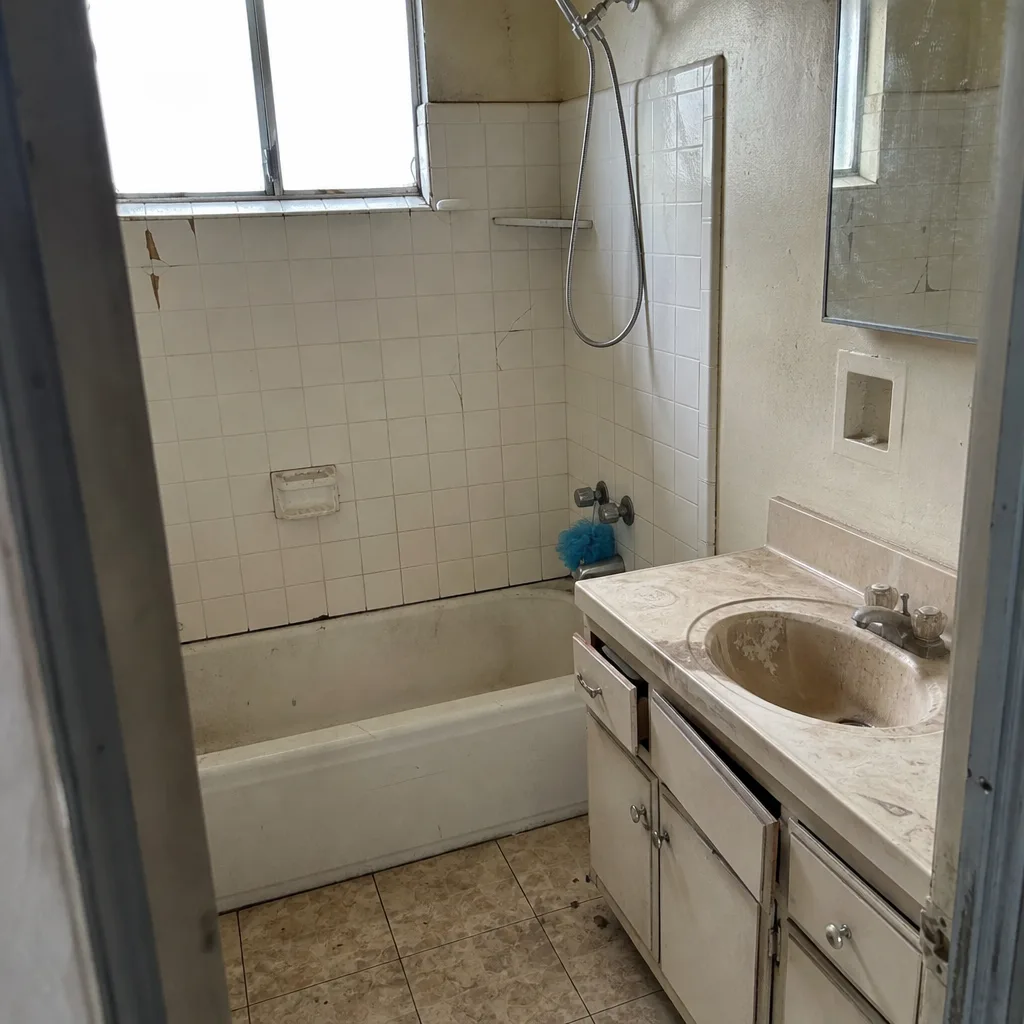 Before
 After
Clay vs Concrete Roof Tiles in El Monte, CA: Which One Holds Up Here?
Choose clay tile unless your budget is tight and your framing is sound, in which case concrete is a solid second. That’s the short answer for most El Monte roofs. But the honest framework behind it isn’t about color or price per square foot. It’s about clay soil, roof weight, and the way each material handles a deck that moves. Drive any older block in El Monte and you’ll see cracked concrete ridge tiles on homes that are barely 30 years old. The tile didn’t fail. The ground under it shifted and the rigid mortar set had nowhere to go.
If you’re weighing this decision right now, call Groundwork Construction Co. of El Monte at (888) 271-7872. A live person answers, day or night, and we’ll walk you through what your specific roof deck can carry before you spend a dollar on material.
Why El Monte Roofs Crack When the Material Isn’t the Problem
Much of El Monte sits on expansive clay soils. Those soils swell in the wet season and shrink through the hot, dry San Gabriel Valley summers, and the cycle repeats every year. That micro-settlement doesn’t just crack driveways. It transfers load up through the structure and into your roof deck, which flexes just enough to work against anything rigid sitting on top of it.
Concrete tile weighs roughly 9 to 12 pounds per square foot. Clay runs about 6 to 7. Put the heavier material on a post-WWII single-story tract home whose rafters were never engineered for tile at all, and you’ve added load that amplifies every bit of that ground movement. That’s why we regularly see mortar-set concrete ridges cracked open on 1980s and 1990s El Monte homes while the field tile underneath is still perfectly fine.
What the weight difference actually does to an older deck
On the compact lots and older single-story stock that define most El Monte blocks, the rafter system is often the deciding factor, not the tile catalog. A lighter clay assembly eases the load on rafters that may already be carrying stucco, original sheathing, and decades of repair. You feel that difference at the ridge and hip lines first. That’s where rigid mortar takes the stress.
- Concrete: heavier, generally lower material cost, more color and profile options, but leans on paint or surface treatment to hold its color under intense sun.
- Clay: lighter, fired color that runs through the body of the tile, holds up to decades of UV without repainting or resealing, higher material cost.
- Both: need code-compliant underlayment, a proper fastening schedule, and manufacturer-matched accessories for ridges, hips, and flashings. Generic mortar and foam shortcuts are where most failures start.
The Comparison, Side by Side
Here’s how the two stack up for a typical El Monte roof replacement, using the ranges we quote locally:
| Factor | Clay Tile | Concrete Tile |
|---|---|---|
| Weight per sq ft | ~6-7 lbs | ~9-12 lbs |
| Color life under SGV sun | Fired through the body, holds for decades | Fades over time; may need paint or seal cycles |
| Best fit for older framing | Easier on rafters | Needs a sound deck |
| Typical full roof replacement in El Monte | $8,000-$20,000 | $8,000-$20,000 |
| Targeted tile roof repair | $600-$2,500 | $600-$2,500 |
Notice the replacement range is the same for both, and it holds whether you’re on a bungalow near the civic center or a corridor infill home. What changes is how long the assembly lasts before you’re paying for repairs. Clay’s mineral-deep color is a real advantage under the SGV’s UV index, and it’s the reason so many roofs here still look sharp 40 years on. Concrete can absolutely serve you well. It just asks more of the structure beneath it and the upkeep above it.
What Seismic and Code Requirements Actually Mean Here
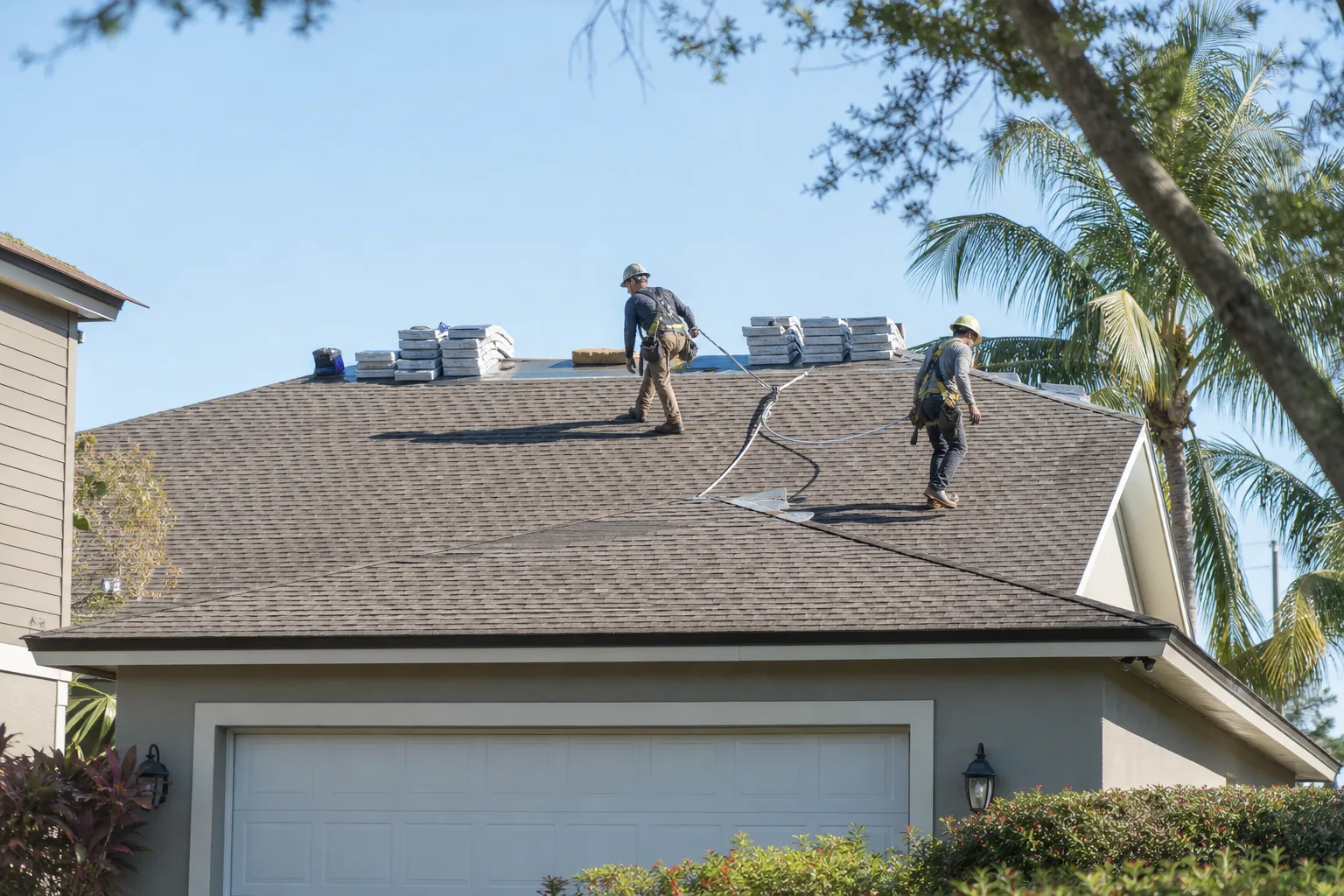
El Monte sits in a moderate seismic zone, so tile roofing in this city isn’t just a style choice. It’s a code-governed assembly. ICC Evaluation Service Acceptance Criteria 166 (AC166) sets the testing and installation standards for tile roof systems, and California Building Code Chapter 15 governs roof construction and the fastening schedules your installer has to follow. In practice that means:
- Underlayment rated for the slope and the local sun exposure, installed to manufacturer spec, not swapped for whatever’s on hand.
- A fastening schedule matched to the tile profile and the seismic zone, with the attachments your permit requires.
- Ridge caps, hip starters, and flashings from the same manufacturer as the field tile. Mixed or generic accessories are where water gets in and warranty coverage stops.
This is why we install both systems with manufacturer-matched components and cover the whole assembly under the 730-Day Done Right Promise. Ridges, hips, and flashings included, not just the tile in the middle of the roof. When you choose clay or concrete, you’re choosing a system, and that system is only as good as its edges.
Before You Pick a Tile: The Inspection That Saves You
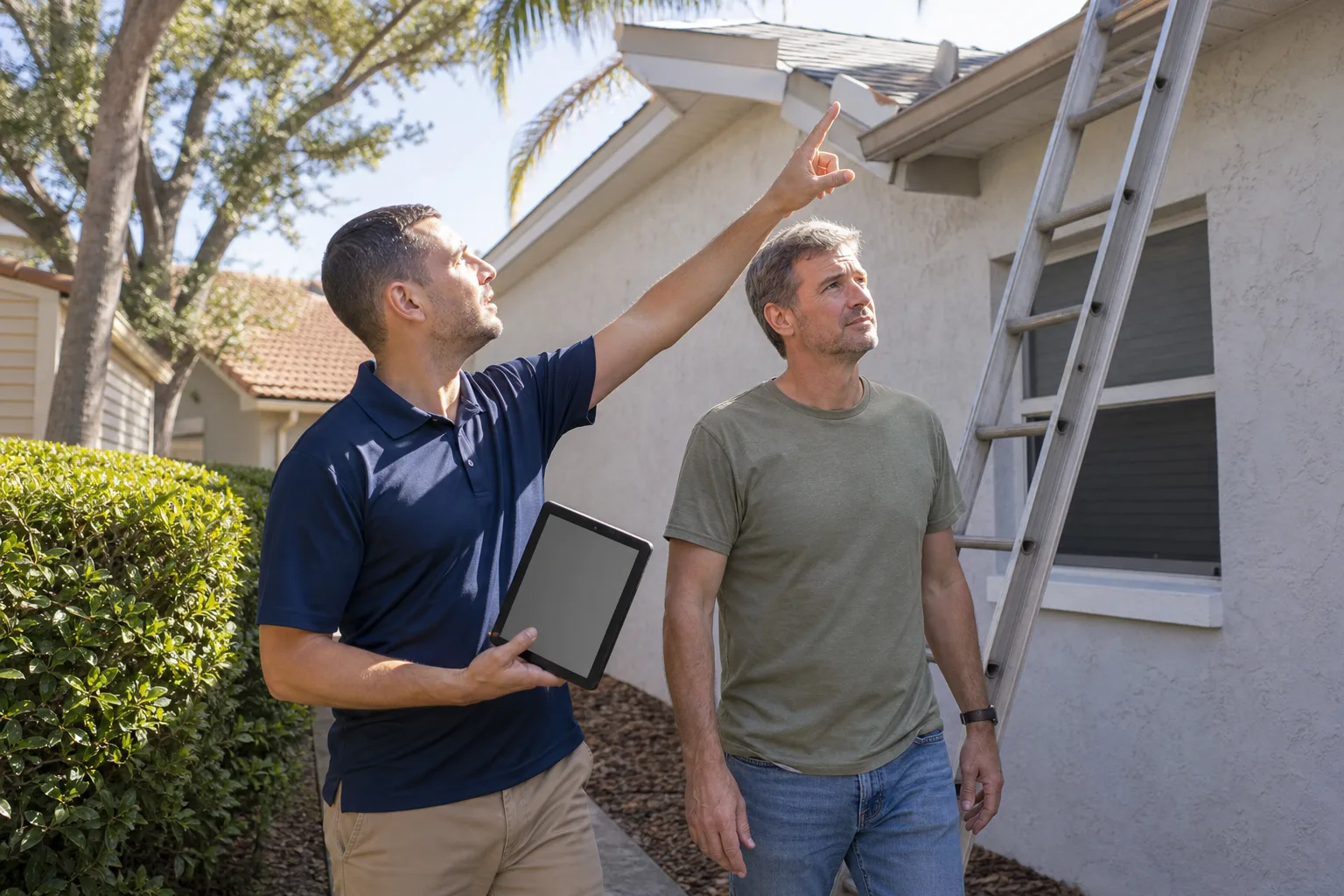
For older El Monte homes where the existing rafters weren’t engineered for tile, a structural assessment before material selection is non-negotiable. This is where a lot of comparisons go quiet. Here’s what that assessment involves: we check the rafter size and spacing, look at sheathing condition and any past water damage, confirm the deck can carry the dead load of the material you want, and identify whether seismic fastening will need upgrades. It happens before demo, not after, so a permit-ready contractor catches framing problems while they’re still a line item instead of a surprise.
El Monte’s housing is largely built-out and infill-driven, which means tight lots and city plan-check scrutiny before any permit clears. Getting the structural call right early keeps your project moving instead of stalling at inspection. Industry partners like Boral and IKO give us material options with published testing data, so we’re specifying from real load figures, not guesswork. For a deeper look at how we handle the whole scope, see our Roofing services and our El Monte service area page.
Common Local Scenarios We Run Into
Every roof tells you something about the block it’s on. A few patterns show up again and again in El Monte:
- “My concrete ridge caps keep cracking.” Classic sign of a deck flexing on clay soil. The fix is usually a re-set with a flexible or manufacturer-matched system, not another round of mortar.
- “The tile looks faded but the roof doesn’t leak.” Expected with painted concrete under SGV sun. A color refresh is cosmetic; check the underlayment before you commit to resurfacing.
- “We’re adding a rear unit and the roofer wants to re-tile.” On infill additions, matching the existing tile profile and getting the fastening right at the tie-in matters more than the material itself.
- “The house is from the 1950s and has never had tile.” Structural assessment first. Always. The rafters decide the material here, not the other way around.
Frequently Asked Questions
Clay is generally the better fit for El Monte because its lighter weight eases the load on older rafter systems and its fired color holds through decades of intense SGV sun without repainting. Concrete is a strong option when your framing is sound and you want more profile and color choices at a comparable installation range. For homes on expansive clay soil, the lighter material is usually the safer bet.
A full tile roof replacement in El Monte typically runs $8,000-$20,000, and targeted tile roof repair falls in the $600-$2,500 range. The material doesn’t usually change that replacement figure much; the deck condition and any framing or seismic upgrades are what move the number. Call (888) 271-7872 for an exact quote, and estimates are free.
Concrete tile cracking usually traces to the roof deck flexing on expansive clay soil, not to the tile itself. The heavier concrete assembly adds load that amplifies ground movement, and rigid mortar at the ridges and hips takes the stress first. Clay’s lighter weight reduces that loading, so it often weathers the same movement with less visible damage.
Yes, if your home is older and the rafters weren’t engineered for tile. A structural assessment checks rafter size and spacing, sheathing condition, and whether the deck can carry the dead load of your chosen material, and it happens before demo so problems surface while they’re still easy to fix. Groundwork Construction Co. of El Monte builds that inspection into the plan so the material you pick is one your roof can hold. Call (888) 271-7872 to schedule a free project estimate and design consult.
If you’d rather have it looked at, Groundwork Construction Co. of El Monte offers a no-pressure assessment in El Monte. We’ll tell you straight whether clay or concrete makes sense for your deck, and we back the work with our 730-Day Done Right Promise, upfront pricing, and 0% financing for 18 months. Call (888) 271-7872 for a free estimate.
Written by the team at Groundwork Construction Co. of El Monte, serving El Monte, CA.