Free written scope consultation - allowances, timeline, and change-order rules on paper before a single trade is scheduled
Aluminum Fence in El Monte, CA: What It Costs and What the Job Actually Looks Like
An aluminum fence in El Monte typically runs $4,000 – $10,000 for a standard residential run, and most jobs are measured, permitted where required, and installed inside two to three weeks from the first on-site visit. Powder-coated aluminum panels arrive pre-assembled, posts get set in concrete footings, and gates are hung and adjusted on the last day. Call (888) 271-7872 to set up a free on-site measure and get a written, line-item number before anything gets ordered.
How We Run an Aluminum Fence Job, Stage by Stage
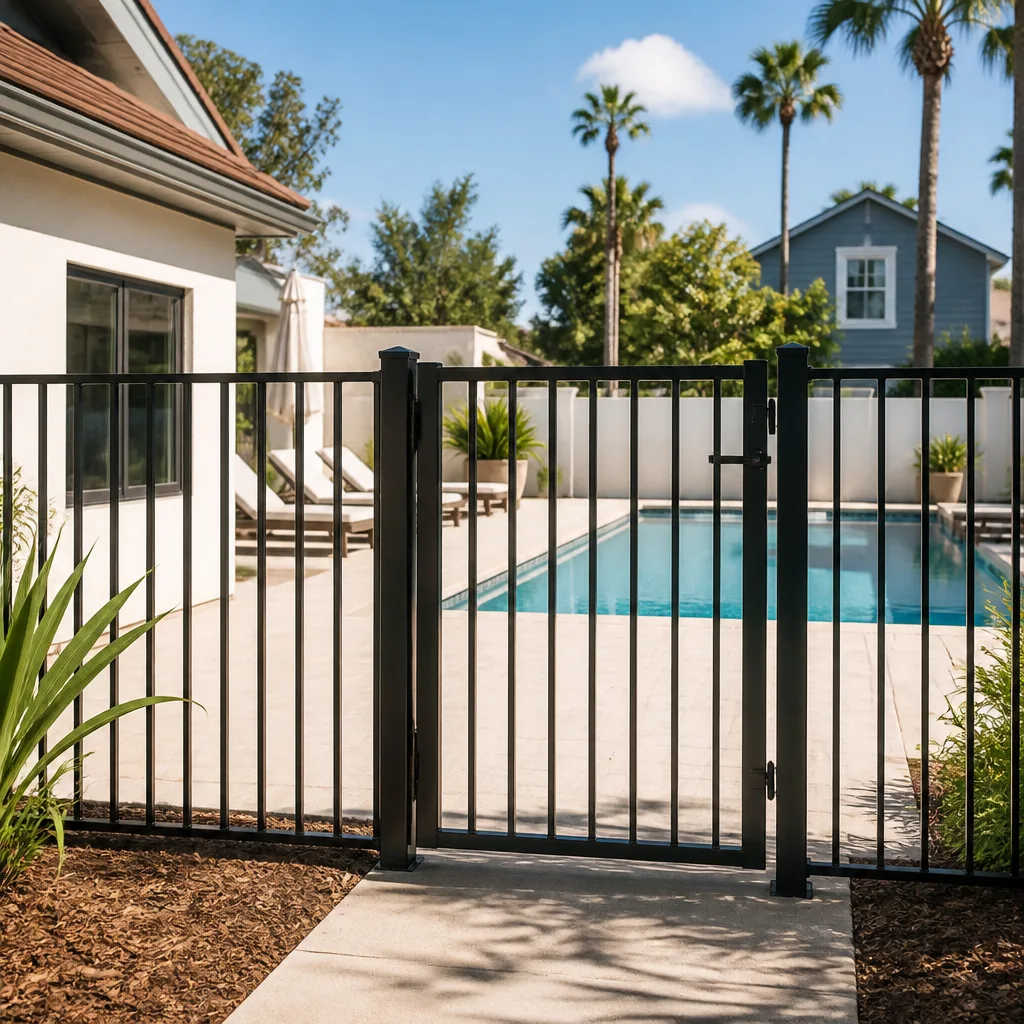
Aluminum fencing looks simple from the street. The parts that decide whether it stays true for twenty years are the layout, the footings, and how the gates are set. Here’s the sequence we follow.
1. Site Walk and Layout (Day 1, about 90 minutes)
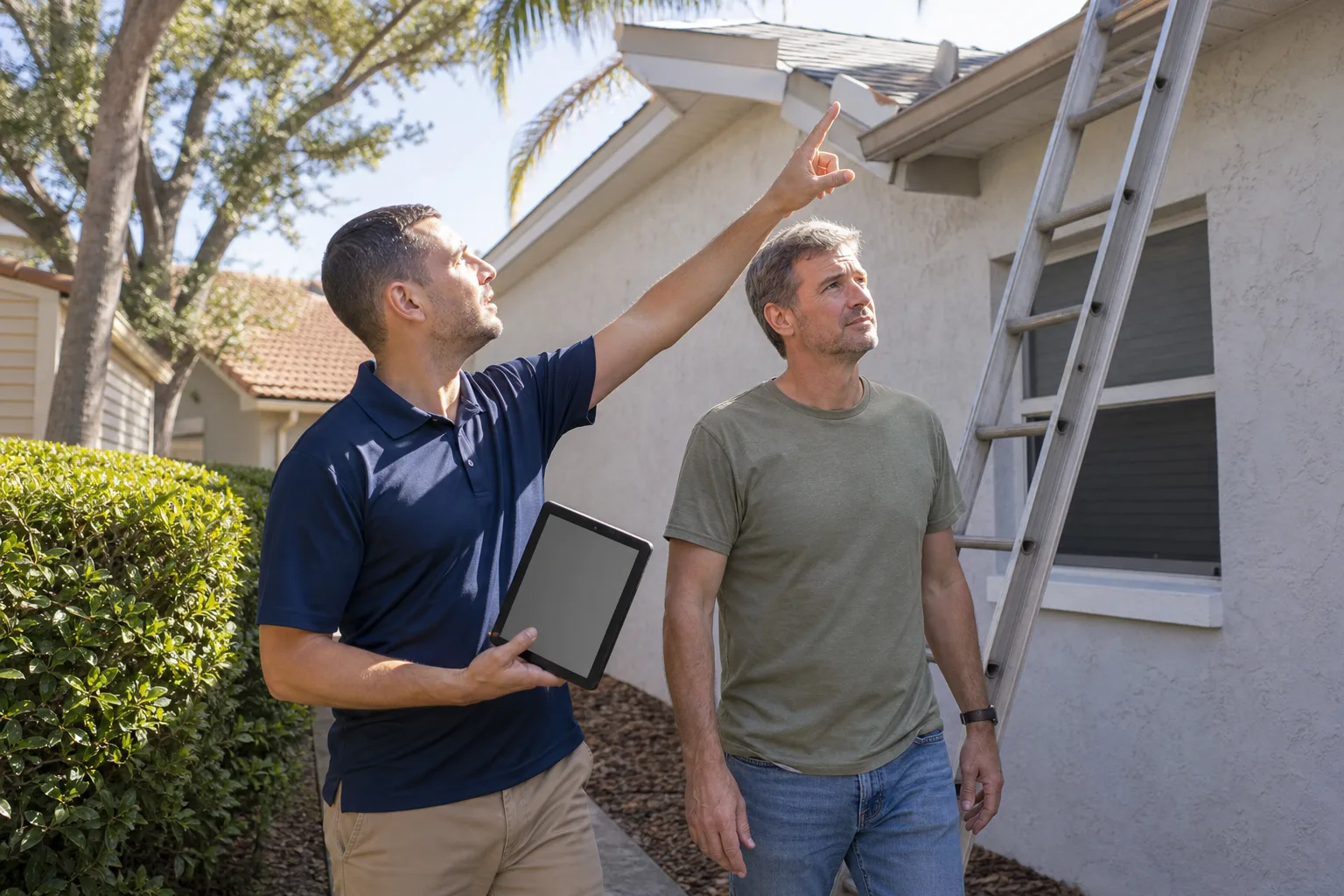
We walk the property line with you, confirm where the fence should sit relative to the actual property line, and flag anything in the path: irrigation lines, old concrete mow strips, mature roots, a sagging block wall you want to tie into. You decide the fence height (4, 5, or 6 feet is typical) and whether it runs the full perimeter or just a front section. This is also when we measure for the gate openings, because a 4-foot gate and a 12-foot double-drive gate are different builds.
2. Permit Check and HOA Review (Days 2 – 7)
In El Monte, a fence under 6 feet usually doesn’t require a building permit, but front-yard and corner-lot fences run into visibility and setback rules, and anything over 6 feet generally does need one. If your property sits in an HOA, the architectural request goes in before we order a single panel, because a denied color choice after fabrication is an expensive lesson. You decide here: standard height and go, or submit for a variance if the lot lines are tight.
3. Locating Utilities and Marking (Days 3 – 5, before digging)
Every post gets dug, and every dig gets cleared first. We call for utility locating and hand-probe where the marks are ambiguous. Older El Monte lots often have irrigation, old gas stubs from a removed appliance, or a lateral that wasn’t where the plat map said it was. Skipping this step is how a fence job becomes a plumbing job.
4. Demo and Footings (Days 5 – 8)
Old fencing comes out, concrete mow strips get cut and hauled, and post holes go down 24 – 30 inches depending on soil and wind exposure, filled with concrete and left to cure. On clay-heavy San Gabriel Valley soil, footing depth and drainage matter more than people expect. Posts set in wet clay without proper depth will lean within a couple of Santa Ana wind seasons. You decide here whether to keep an existing block wall as the back run and only fence the open sides, which trims cost.
5. Panel Set, Gate Hang, and Final Walk (Days 9 – 14)
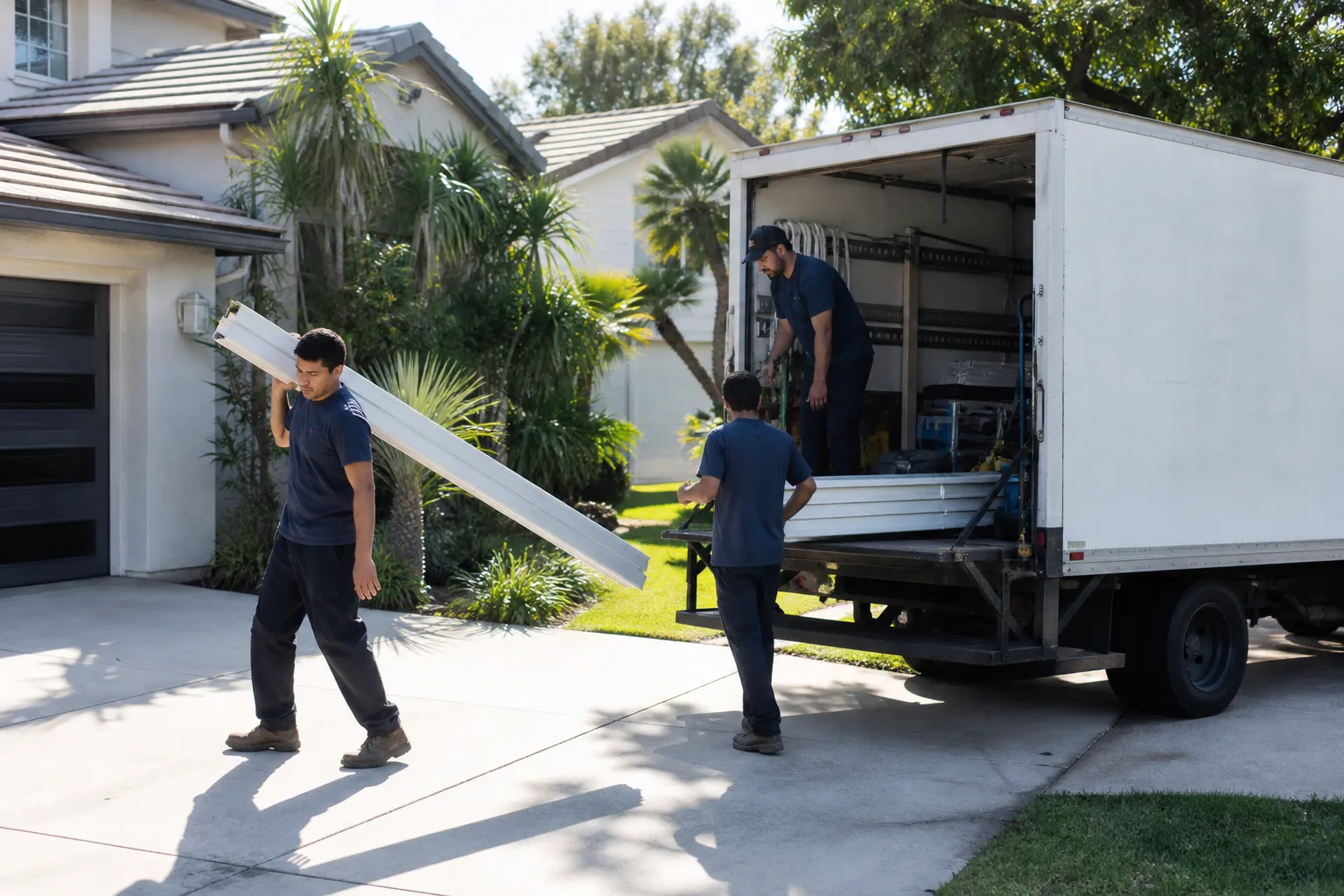
Racks of pre-assembled panels go up on the cured posts, caps and finials go on, and gates get hung with self-closing hinges and adjusted until they swing clean. We walk the whole run with you, check every post for plumb, and hand over the finish touch-up kit. Most aluminum fence jobs in El Monte wrap inside two weeks of the first visit, weather permitting.
Styles & brands we work with
- Kitchen remodeling
- Bathroom remodeling
- Home additions & ADU
- Roofing
- Windows & doors
- Driveway & pavers
- Fence
The Aluminum Fence Options You’ll Actually Choose Between
Almost every decision on this job comes down to five choices. Here’s the honest trade-off on each.
- Residential-grade vs. heavy commercial-grade panels: Residential panels (typically 1-inch to 1-3/8-inch pickets) are lighter and cost less. Commercial-grade runs heavier wall thickness and holds up better to dogs, balls, and gate slamming. For a typical El Monte backyard, residential grade is fine; for a street-facing run or a house with big dogs, step up.
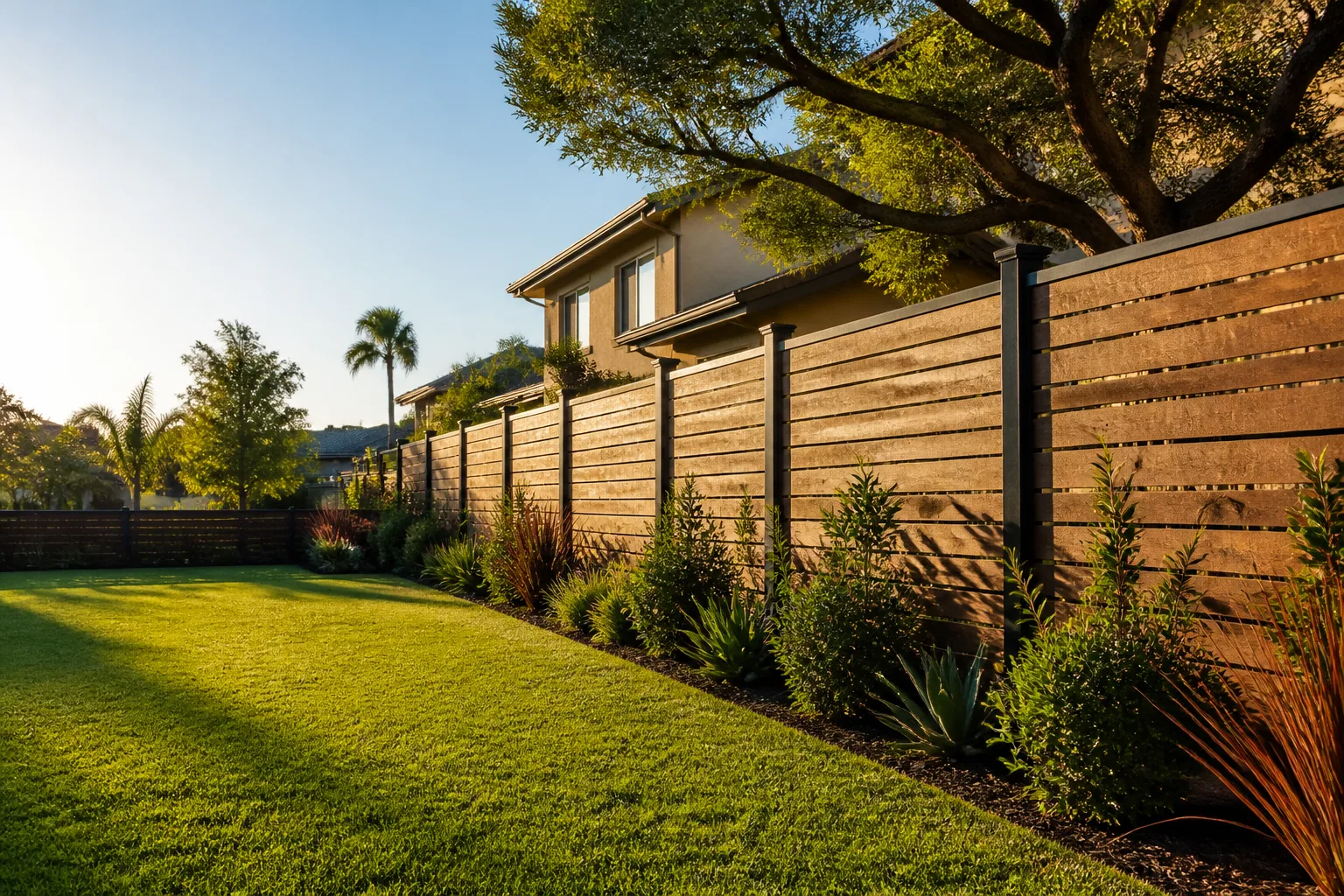
- Flat-top vs. pressed-point or spear-top: Flat-top is the cleanest look and the safest around kids. Spear-top and pressed-point styles add a traditional look and are the common choice for front-yard runs. Price difference is modest, usually a few dollars per linear foot.
- Powder-coat color: Black is the standard and the easiest to touch up. Bronze and architectural-grade colors cost more and can come with longer lead times. Whatever you pick, confirm the coating is a baked powder coat, not a spray finish that chalks in two summers.
- Rackable vs. stepped panels: Sloped yards need one or the other. Rackable panels follow the grade; stepped panels stay level and drop in increments. Rackable looks better on gentle slopes, stepped is stronger on steeper ones.
- Gate hardware: Standard latch, self-closing hinge, or a keyed latch. Decide before the gate is fabricated, not after.
What Aluminum Fence Costs in El Monte, CA
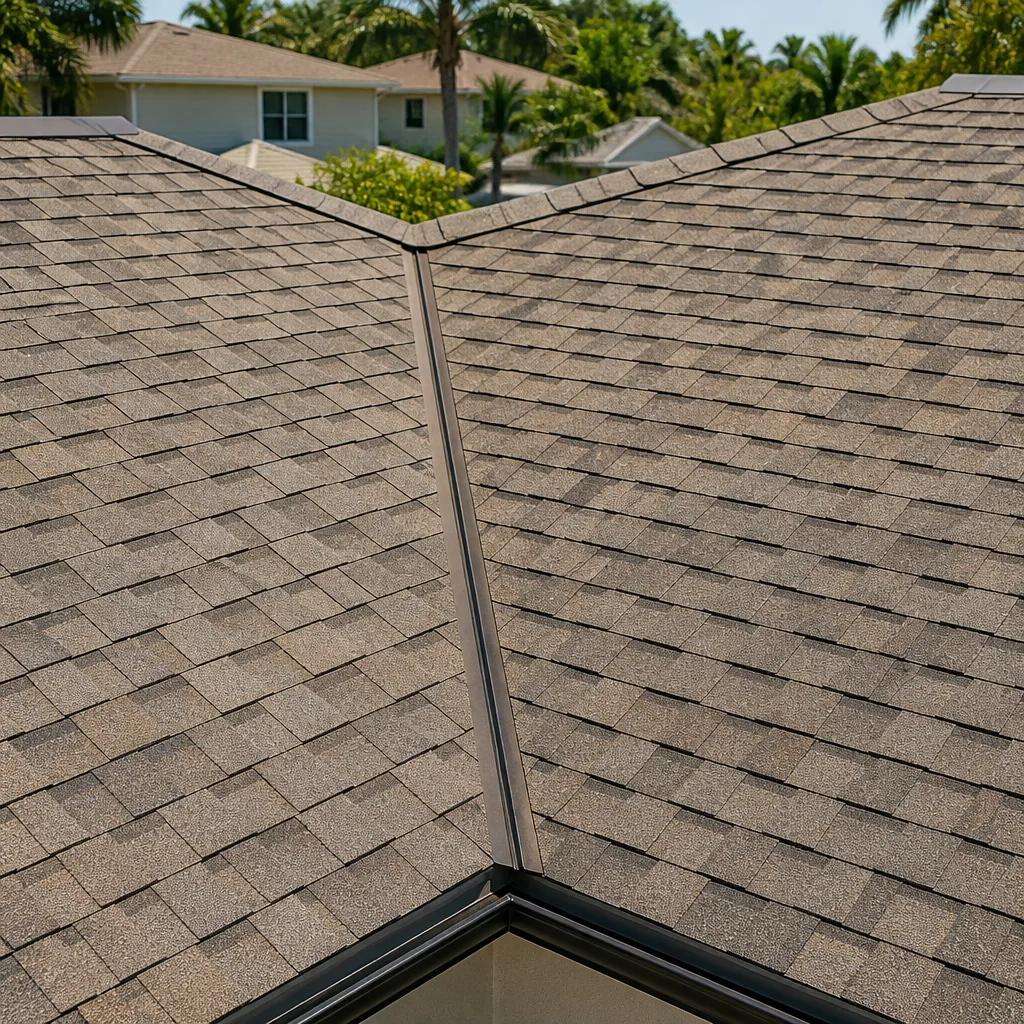
Most aluminum fence projects here land between $4,000 and $10,000. A short front-yard run on a compact lot sits near the bottom; a full perimeter with a double drive gate and heavy commercial-grade panels pushes the top. Every quote we write is a line-item breakdown, not a lump sum.
What moves the number:
- Linear footage: The single biggest driver. Cost scales roughly with length, but the per-foot price drops as the run gets longer.
- Height and grade: A 6-foot commercial-grade run costs meaningfully more per foot than 4-foot residential.
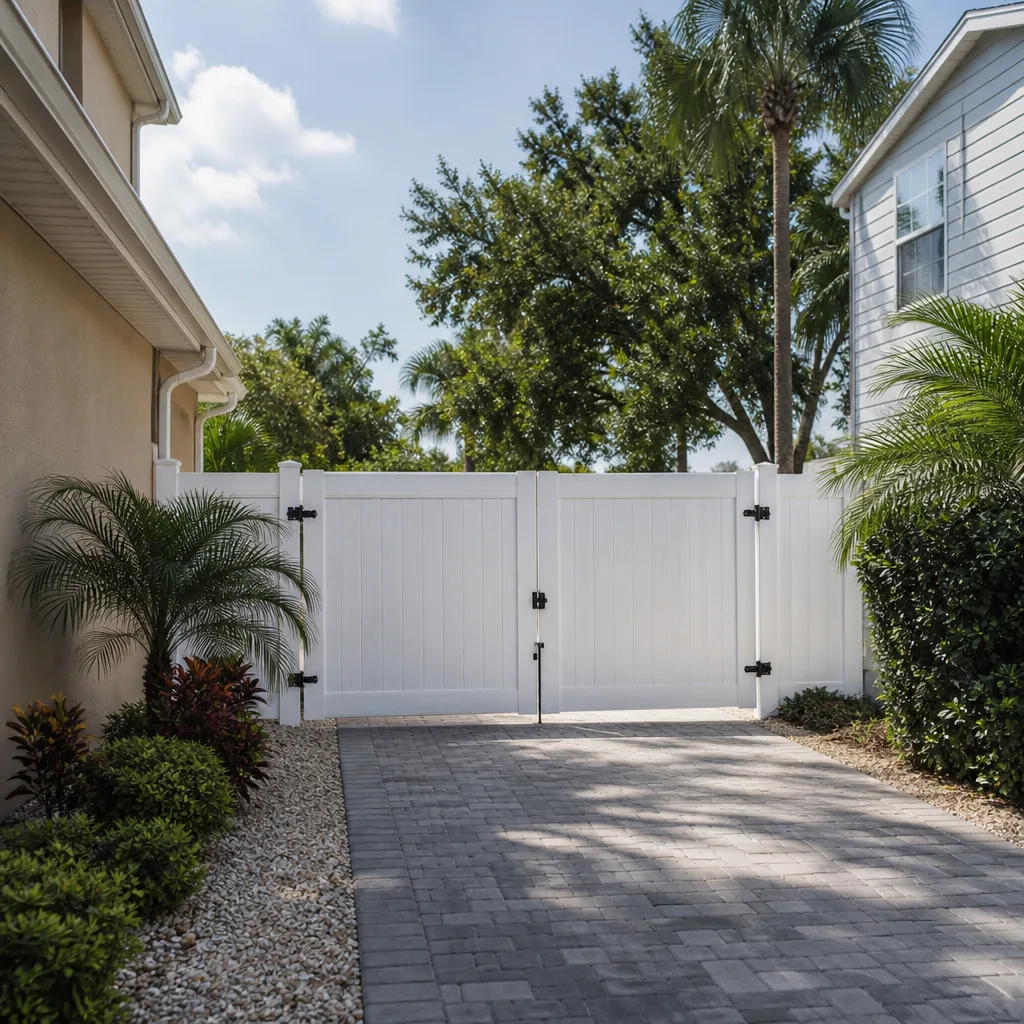
- Gate count and width: A walk gate is a modest add; a wide double drive gate with heavier posts and upgraded hardware is a real line item.
- Site conditions: Sloped yards, old concrete to demo, and rocky or hard-packed soil all add labor.
- Permit scope: If the city requires a permit for the height or placement, plan-check and inspection time get built into the schedule.
A written estimate covers panels, posts, concrete, hardware, labor, demo and haul-away of the old fence, and cleanup. What it typically doesn’t include: property line survey if the line is disputed, retaining wall work if the grade needs structural support, and HOA fees. Ask for those as separate line items so nothing shows up as a surprise later. Part of a larger landscape project? Homeowners often pair this with Patios, Walkways & Pool Decks in El Monte so the yard gets finished in one pass instead of two.
See the difference
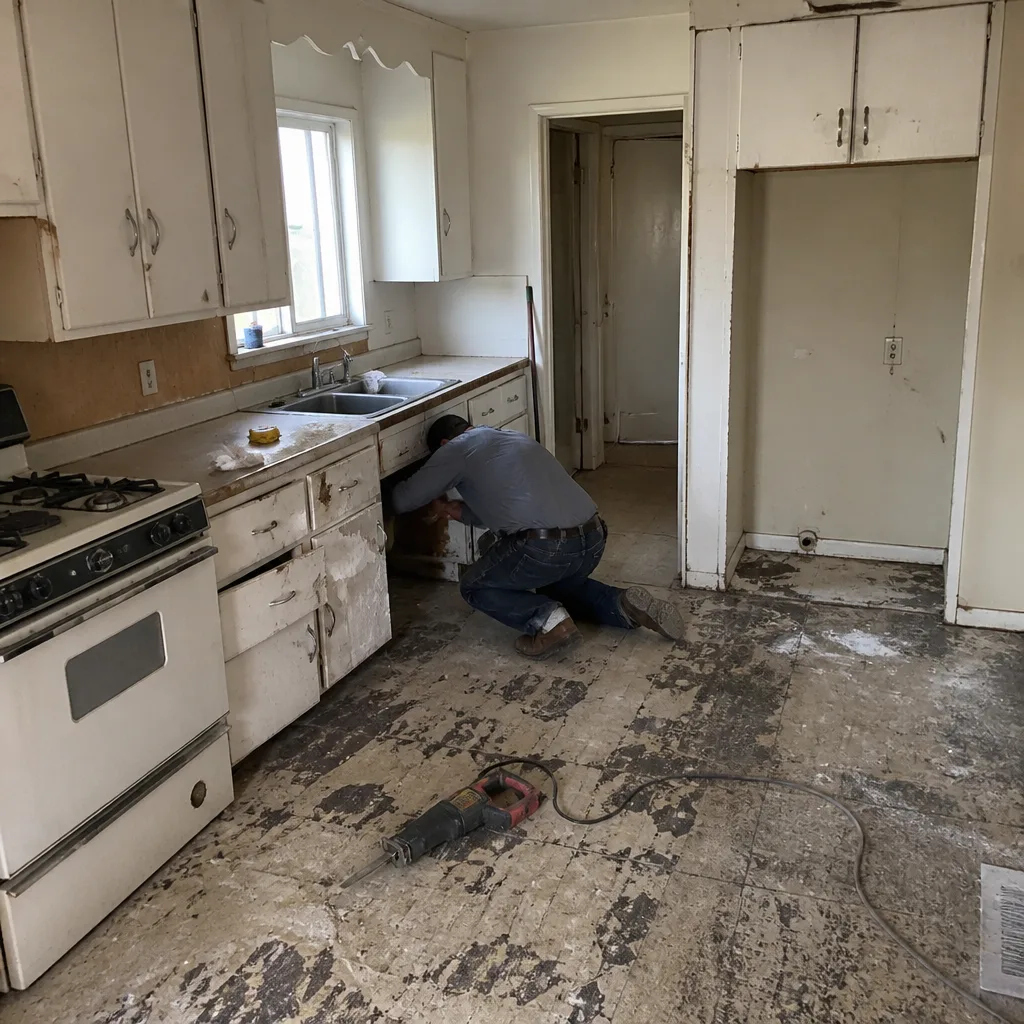 Before
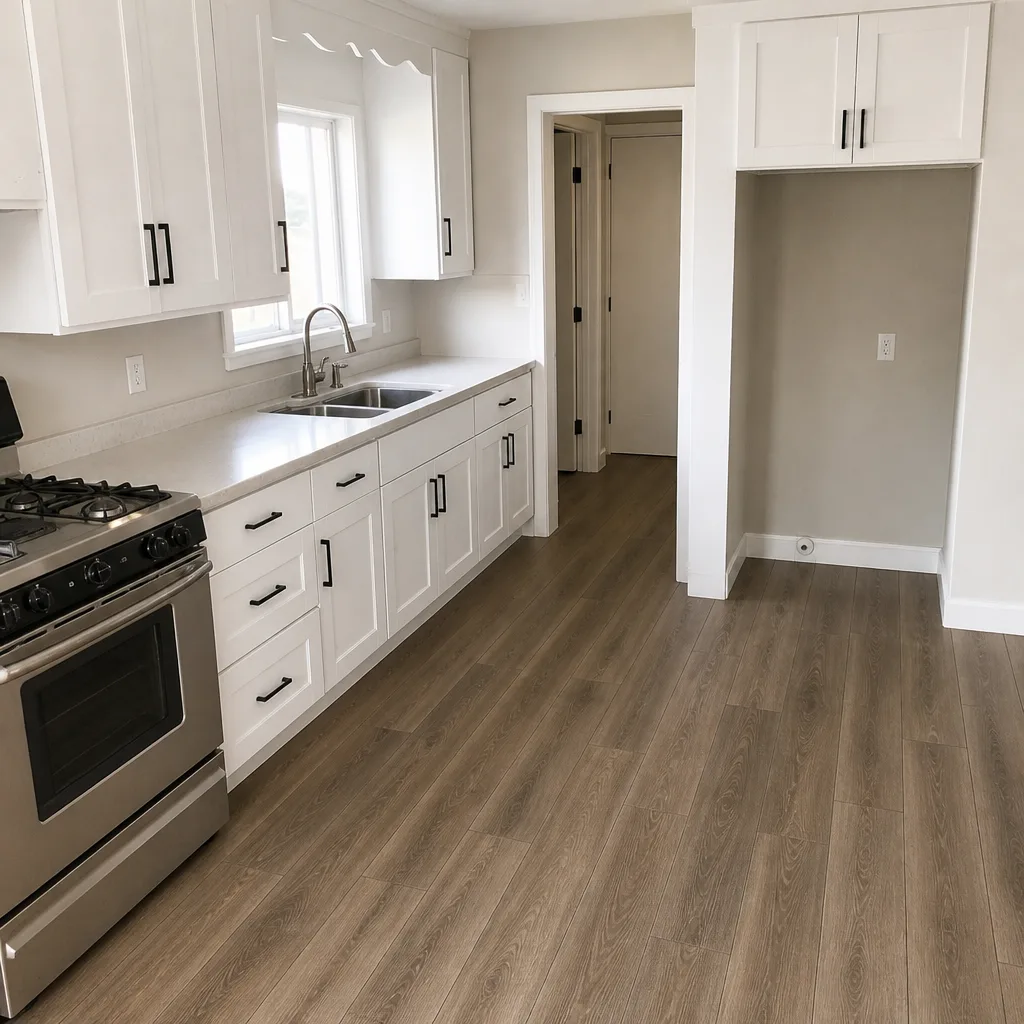 After
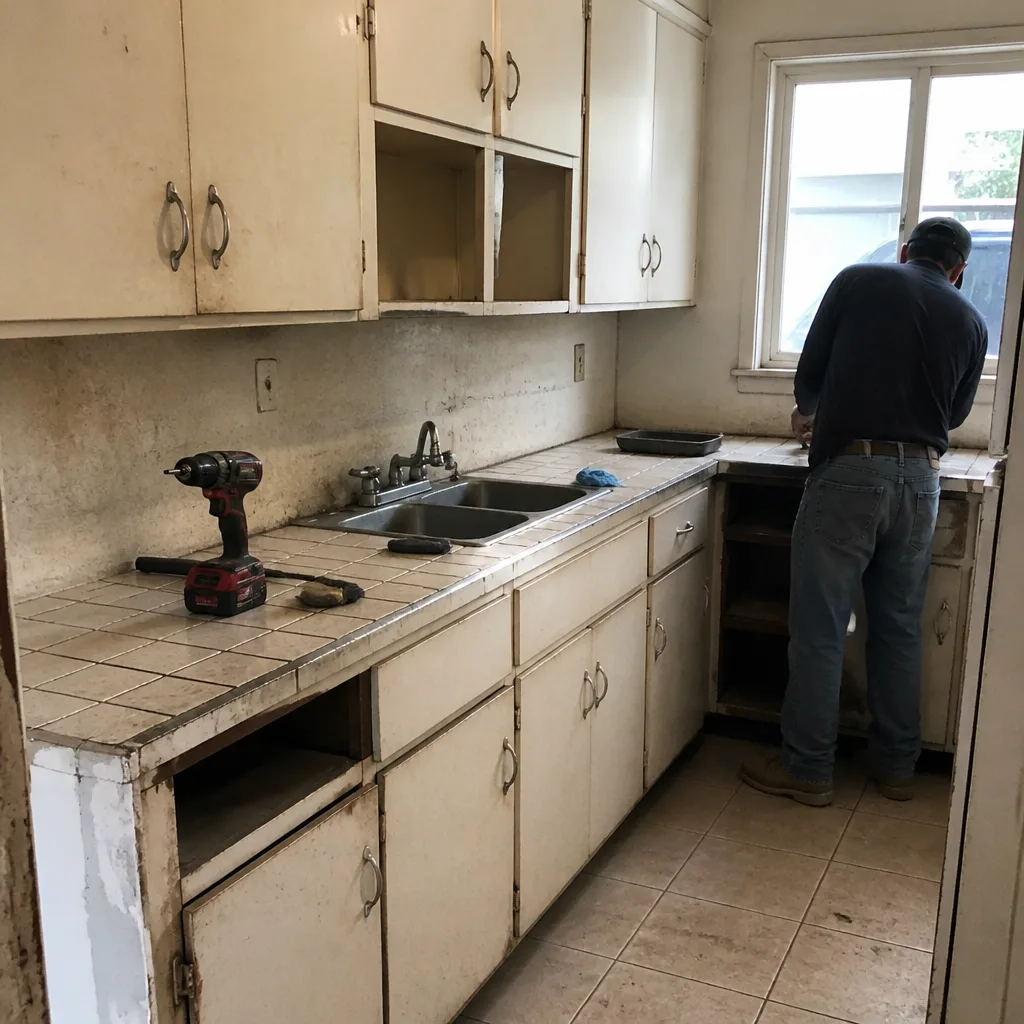 Before
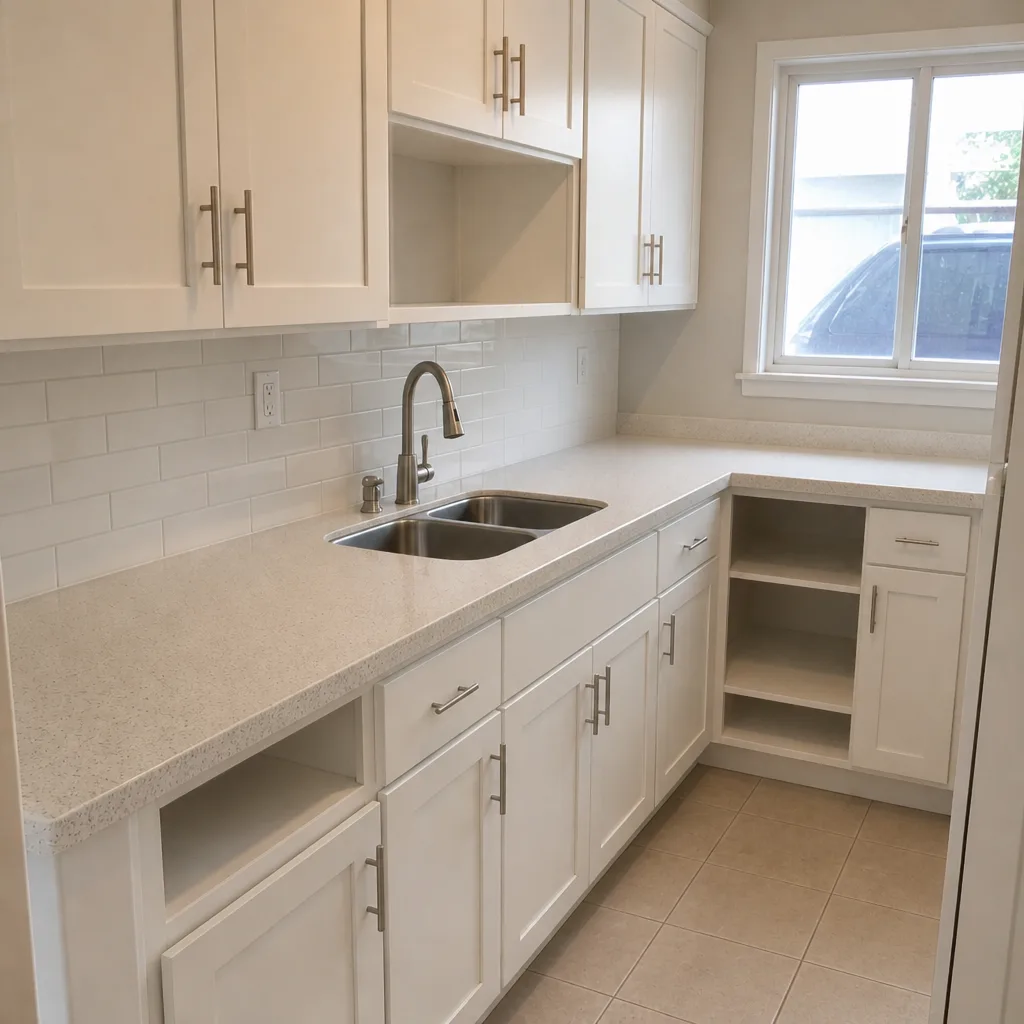 After
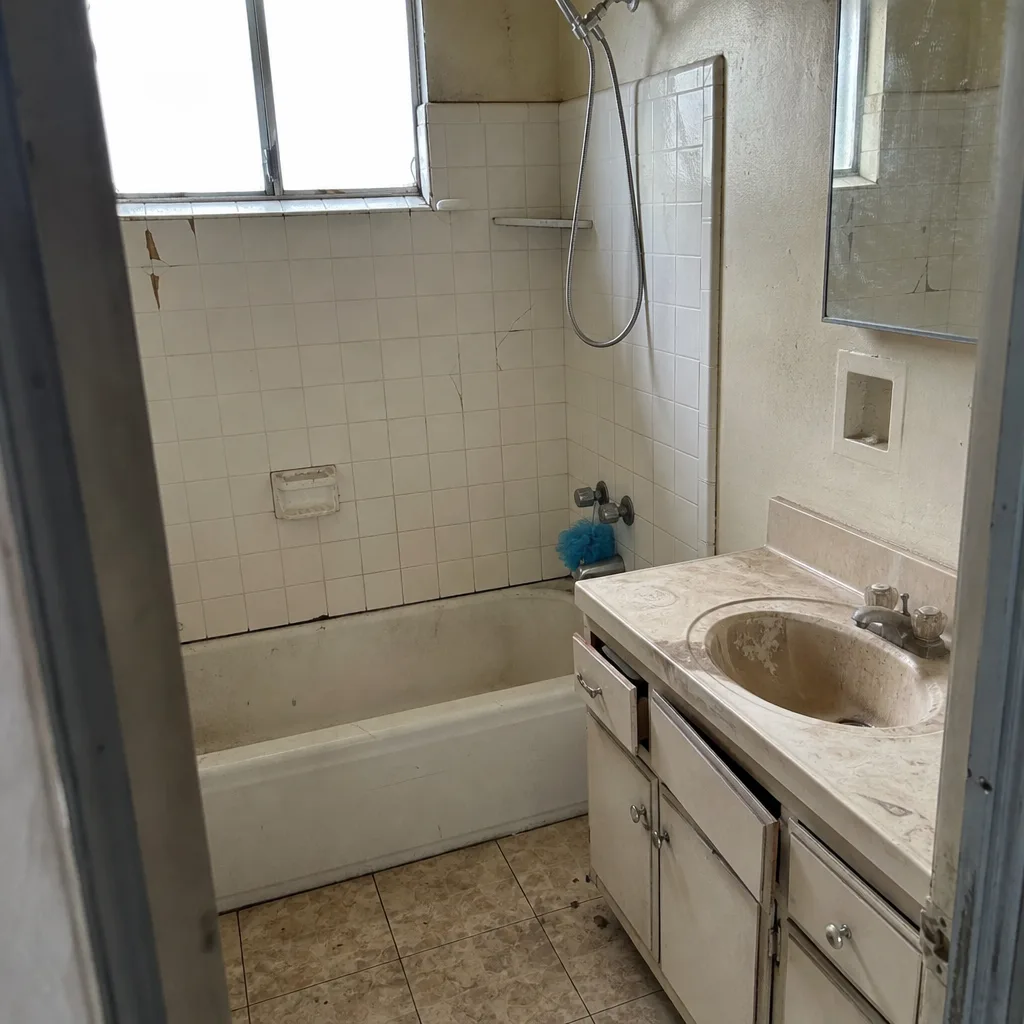 Before
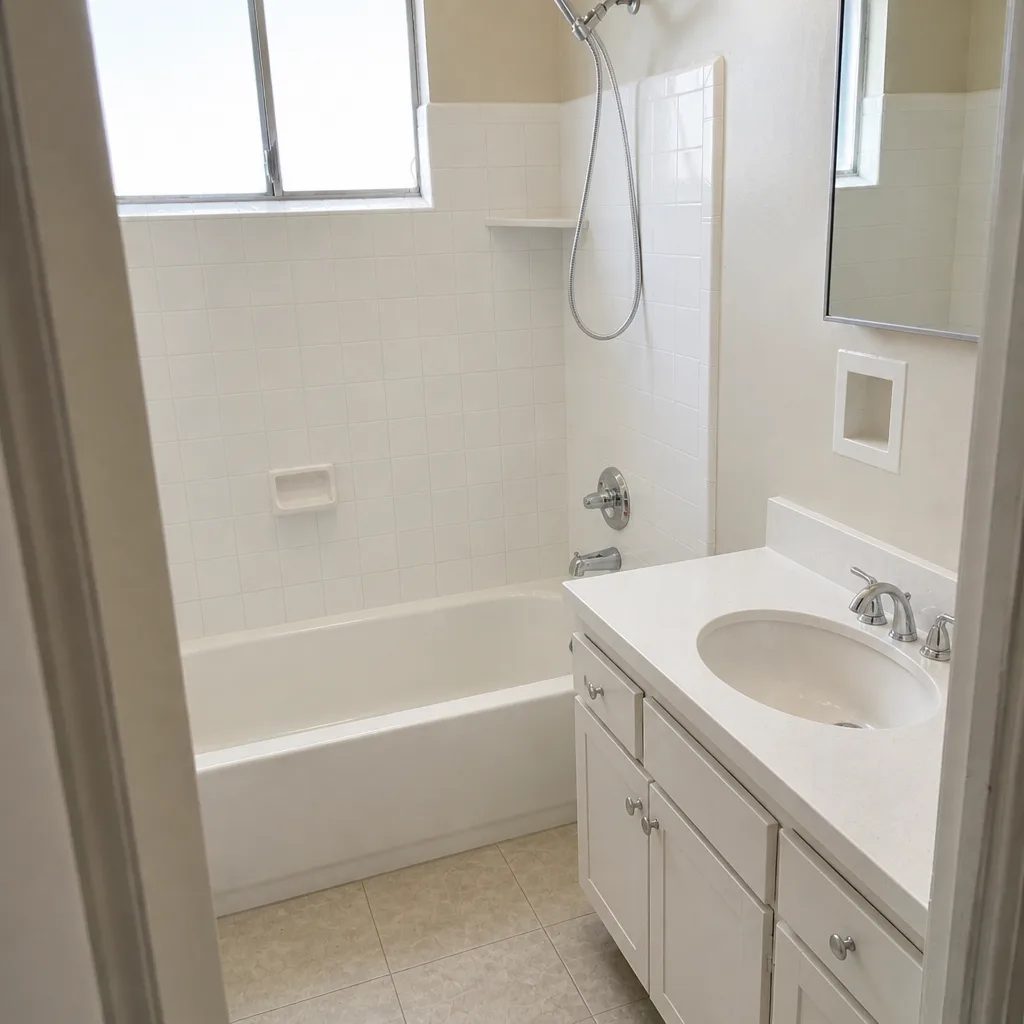 After
What El Monte Homes Specifically Do to This Aluminum Fence Job
El Monte is a dense, largely built-out San Gabriel Valley suburb, and almost every job here is infill rather than new construction. That shapes this work more than people expect. Lots are compact, so fence lines run close to the house, the neighbor’s block wall, and the driveway edge, and tight setbacks mean the layout has to be right the first time. A lot of the housing stock is post-WWII single-story tract homes and small stucco bungalows, and many still have original utility laterals and old concrete mow strips along the property line. We plan for a dig that finds something unexpected. Hot, dry summers and periodic Santa Ana wind events push us toward deeper footings and heavier posts on exposed runs, especially on west-facing fences taking the afternoon sun.
The other El Monte pattern that changes the job: owner-driven garage conversions and ADU additions are everywhere. When a detached garage becomes a living space, the fence line around it often has to shift to preserve the required rear setback and parking. Homeowners often pair this with Driveway Repair & Replacement in El Monte when the new fence layout means reworking the approach, and part of a full Fence Installation in El Monte project often means coordinating that scope with our broader Fence Installation work across El Monte. We check setback and parking requirements before the first post goes in, not after.
Serving El Monte, CA – Our Local Coverage Area
We serve El Monte and nearby communities. Use the map below to see the area we cover. If you’re nearby, we can almost certainly help.
Frequently Asked – Aluminum Fence in El Monte
Most jobs run two to three weeks from the first on-site visit to the final walk. Design, permit check, and utility locating take the first week; demo and footings take a few days; panel and gate installation takes one to three days once posts cure. Call (888) 271-7872 for a schedule that fits your property.
Fences 6 feet and under generally don’t need a building permit, though front-yard and corner-lot placement can still have restrictions, and anything over 6 feet usually does require one. HOA approval is separate and comes first. We check the requirement for your lot before ordering panels; call (888) 271-7872 and we’ll walk you through it.
In most cases, yes. We hand-dig rather than use a trencher where landscaping is established, hand-probe around irrigation, and set posts individually. Some disruption along the fence line is unavoidable, but we keep it tight. Call (888) 271-7872 to talk through what’s in the path.
Budgets typically fall between $4,000 and $10,000 for a full residential run, which works out to roughly $35 to $70 per linear foot depending on height, grade, and gates. Get an exact line-item number from a free on-site measure at (888) 271-7872.
Labor and workmanship are covered by our 730-Day Done Right Promise: if it isn’t done right, we make it right. Panel and hardware warranties come from the manufacturer and vary by grade. Call (888) 271-7872 and we’ll put the coverage in writing.
Get a Free Aluminum Fence Estimate in El Monte
Call (888) 271-7872 to schedule a free on-site measure and design consult. A live person answers around the clock, so you won’t land in voicemail. We walk the property line, check setback and HOA requirements, and hand you a written, line-item estimate with no surprise line items. Pricing is upfront, 0% financing for 18 months is available, and projects over $10,000 get $1,000 off.
Written by the team at Groundwork Construction Co.