Free written scope consultation - allowances, timeline, and change-order rules on paper before a single trade is scheduled
ADU Site Prep & Utilities in South San Jose Hills, CA: What the Work Actually Involves
ADU site prep and utilities in South San Jose Hills typically runs $53,100 to $153,400, and most projects take 6 to 12 weeks from first excavation to final utility inspection. That range covers grading, trenching, foundation prep, and bringing electrical, water, gas, and sewer or septic connections to the build pad. On these hillside lots, the site work is often the harder half of the project. Call (888) 271-7872 to schedule a free on-site estimate.
How We Run ADU Site Prep and Utilities, Stage by Stage
Site prep isn’t a single job. It’s a sequence of decisions, and every one of them affects what the next trade can do. Here’s the real order.
Stage 1: Site survey, soil review, and utility locate (days 1 – 3)
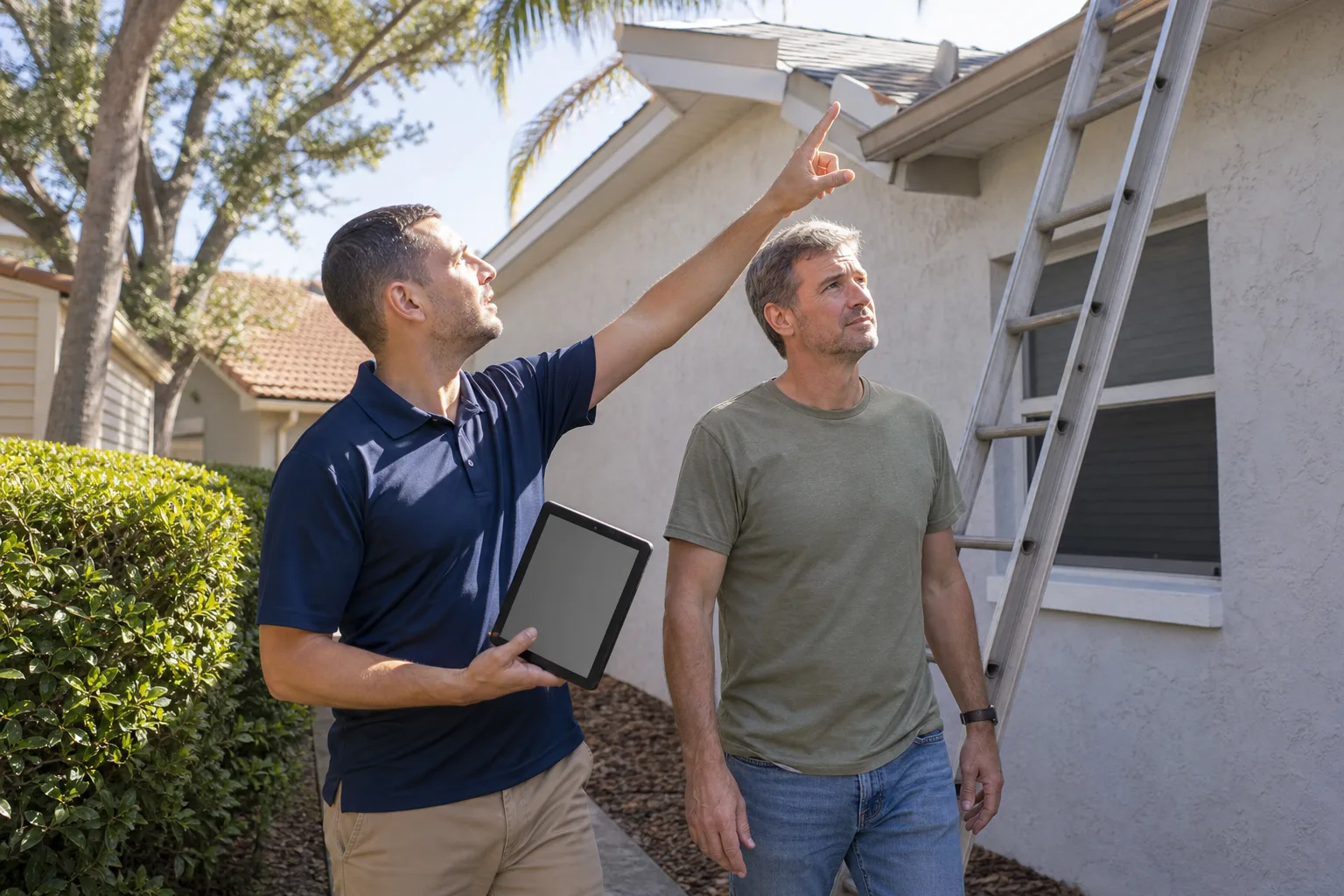
We start by walking the parcel and mapping the build pad against the slope. On South San Jose Hills hillside lots, that means confirming how much cut-and-fill the pad needs and where the retaining wall will sit. We call in 811 to mark existing utilities and pull the soil or geotechnical report if the county requires one. You decide the pad location at this stage, because moving it later means moving every trench with it.
Stage 2: Demo and clearing (days 3 – 7)
Old sheds, fence runs, concrete patios, and overgrown brush come out first. We haul off debris and rough-grade the pad to within a few inches of design elevation. If the existing lot drains toward the house, this is where we re-shape the grade so water sheds away from both homes. You’ll confirm whether any trees or hardscape you want to keep fall inside the work zone.
Stage 3: Grading, retaining walls, and foundation prep (weeks 2 – 4)
Multi-level terrain is the defining condition here. We cut the pad, build retaining walls where the hillside pushes back, and compact the subgrade before footings. This is the longest stage and the one most affected by clay-soil expansion after a wet spring. You choose the retaining wall material (poured concrete, segmental block, or a Belgard or Techo-Bloc system) and the finish level.
Stage 4: Trenching and utility runs (weeks 4 – 7)
Electrical conduit, water main, gas line, and sewer or septic connections get trenched from the main house or street to the pad. Distances matter: a pad set 150 feet up a private drive costs more in trenching, conduit, and wire than one 40 feet from the meter. This is often where we discover undersized existing service, which means an electrical panel upgrade or a service lateral replacement. You approve any change to scope before we proceed.
Stage 5: Inspections and utility hookup (weeks 7 – 10)
Each utility gets inspected before backfill, and the foundation gets signed off before framing can start. We schedule those inspections, hold the trenches open as needed, and handle corrections. You’ll get the written line-item quote updated to final scope, fixed price, no change orders on work already agreed.
Styles & brands we work with
- Kitchen remodeling
- Bathroom remodeling
- Home additions & ADU
- Roofing
- Windows & doors
- Driveway & pavers
- Fence
The Choices You’ll Weigh During Site Prep
- Retaining wall type: Poured concrete is the sturdiest for tall hillside cuts and the most expensive. Segmental block is faster and handles moderate height. Belgard and Techo-Bloc systems give you a finished look on the visible face, at a premium over plain block.
- Trench depth and conduit: Direct-burial cable is cheaper but vulnerable to a shovel or a stray gopher. Rigid PVC conduit costs more up front and protects the run for decades. On rural-zoned lots, we recommend conduit for electrical and low-voltage.
- Sewer vs. septic: If a municipal sewer stub exists at the lot line, connecting is straightforward but requires the tap fee and lateral. If you’re still on septic, an upgrade means a new tank, leach field, and perc test, and that can swing the budget by a wide margin.
- Electrical service: A 125-amp subpanel is often enough for a small ADU. A 200-amp upgrade makes sense if you’re adding EV charging, heat pump HVAC, or an all-electric kitchen. The panel upgrade may require a service lateral replacement from the street.
- Pad surface and drainage: Concrete pad, paver pad, or graded gravel. Paver (Unilock or Belgard) drains better and looks finished, but costs more than a broom-finish concrete slab.
What ADU Site Prep & Utilities Costs in South San Jose Hills, CA
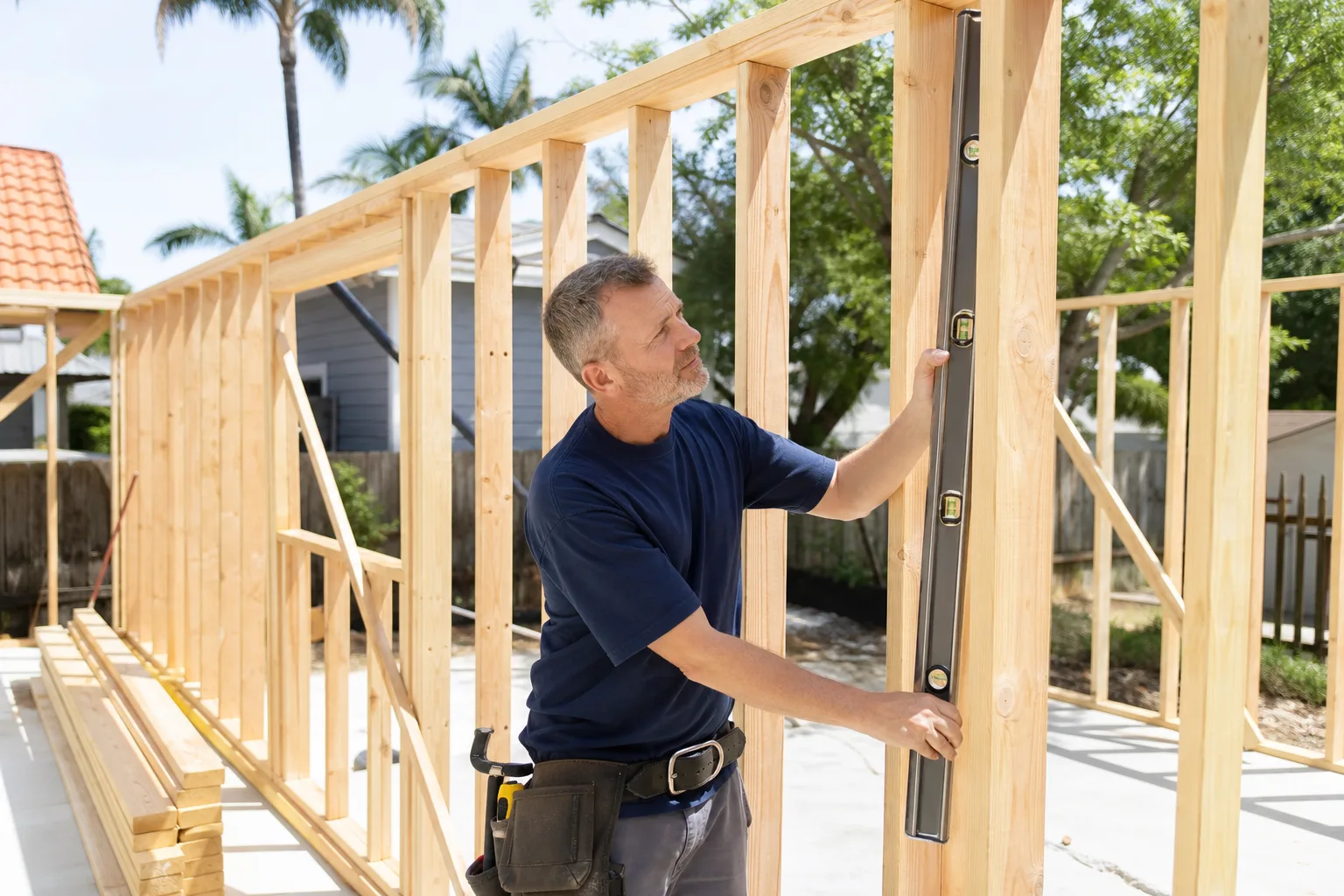
Expect $53,100 to $153,400 for the site prep and utilities phase of an ADU project, separate from the ADU build itself. That’s a wide range because five variables drive it:
- Slope severity. A flat pad needs grading. A steep South San Jose Hills lot needs cut-and-fill, a retaining wall, and possibly engineered fill with a compaction report.
- Distance to utilities. Every extra 10 feet of trench adds labor, conduit, and wire. A pad near the meter lands at the low end.
- Existing service condition. Original 1960s – 1980s panels and galvanized plumbing often need upgrading before they can support a second dwelling.
- Septic vs. sewer. A septic-to-sewer conversion adds cost that a straightforward tap doesn’t.
- Permit and inspection scope. Grading permits, geotechnical review, and utility inspections each add line items.
A written line-item estimate from us spells out earthwork volume, trench lengths, conduit and wire sizes, wall dimensions, and every permit fee. It does not cover the ADU structure, finishes, or interior trades: those live on the construction budget. Call (888) 271-7872 for an exact quote, and remember we offer $1,000 off projects over $10,000 with 0% financing for 18 months.
See the difference
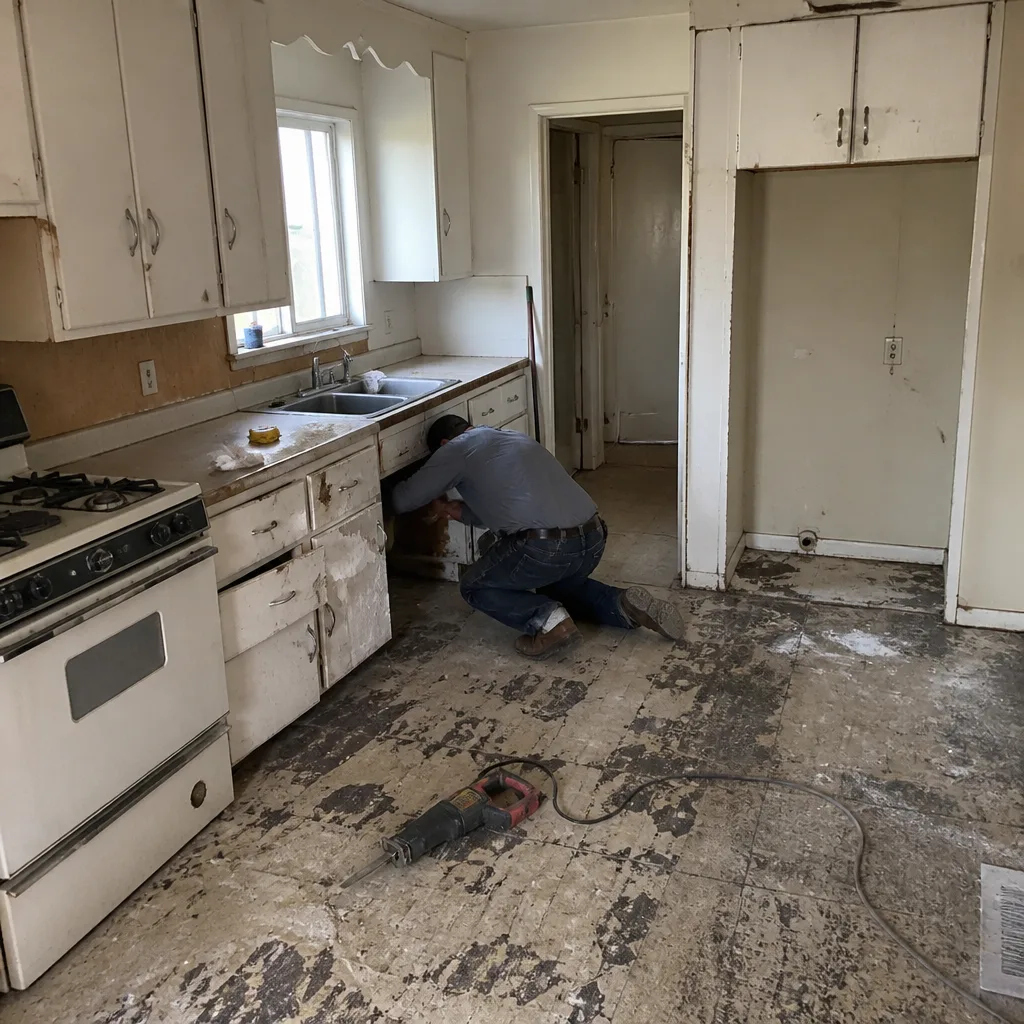 Before
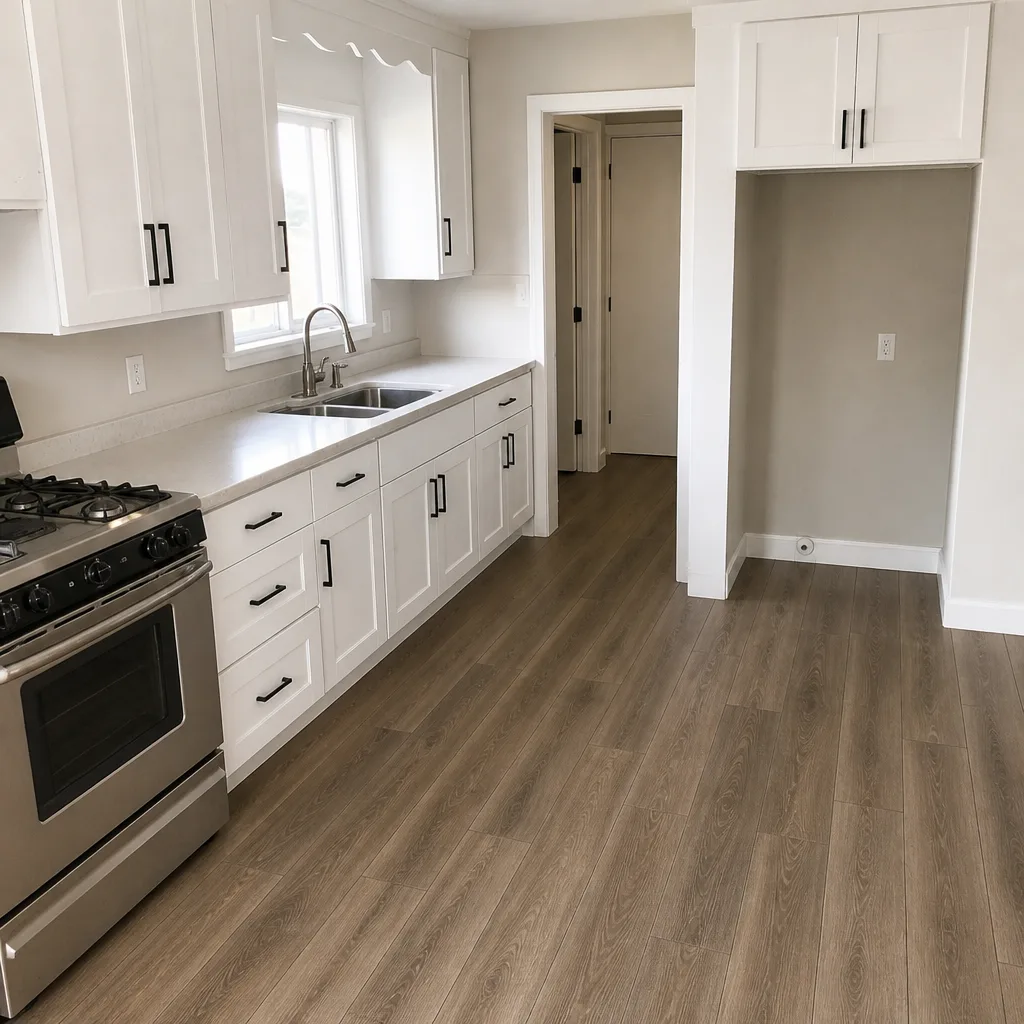 After
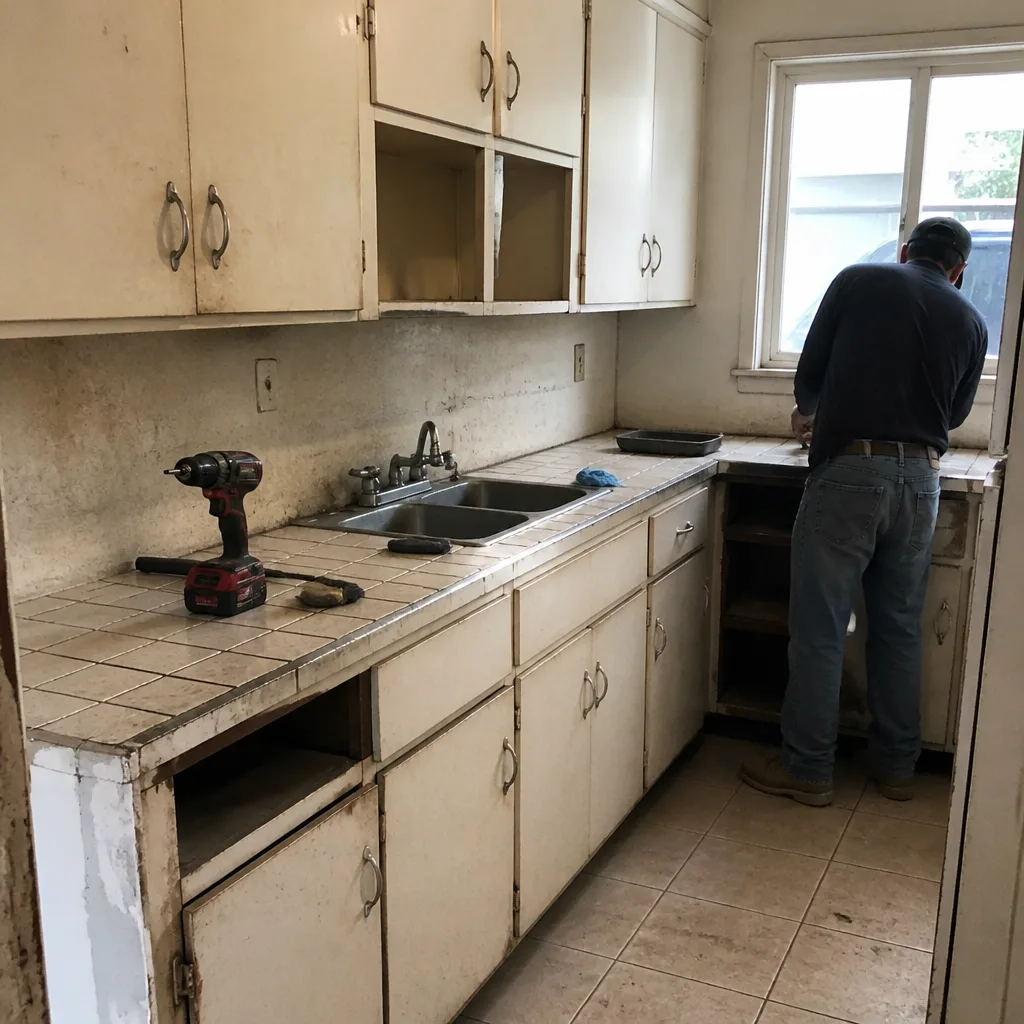 Before
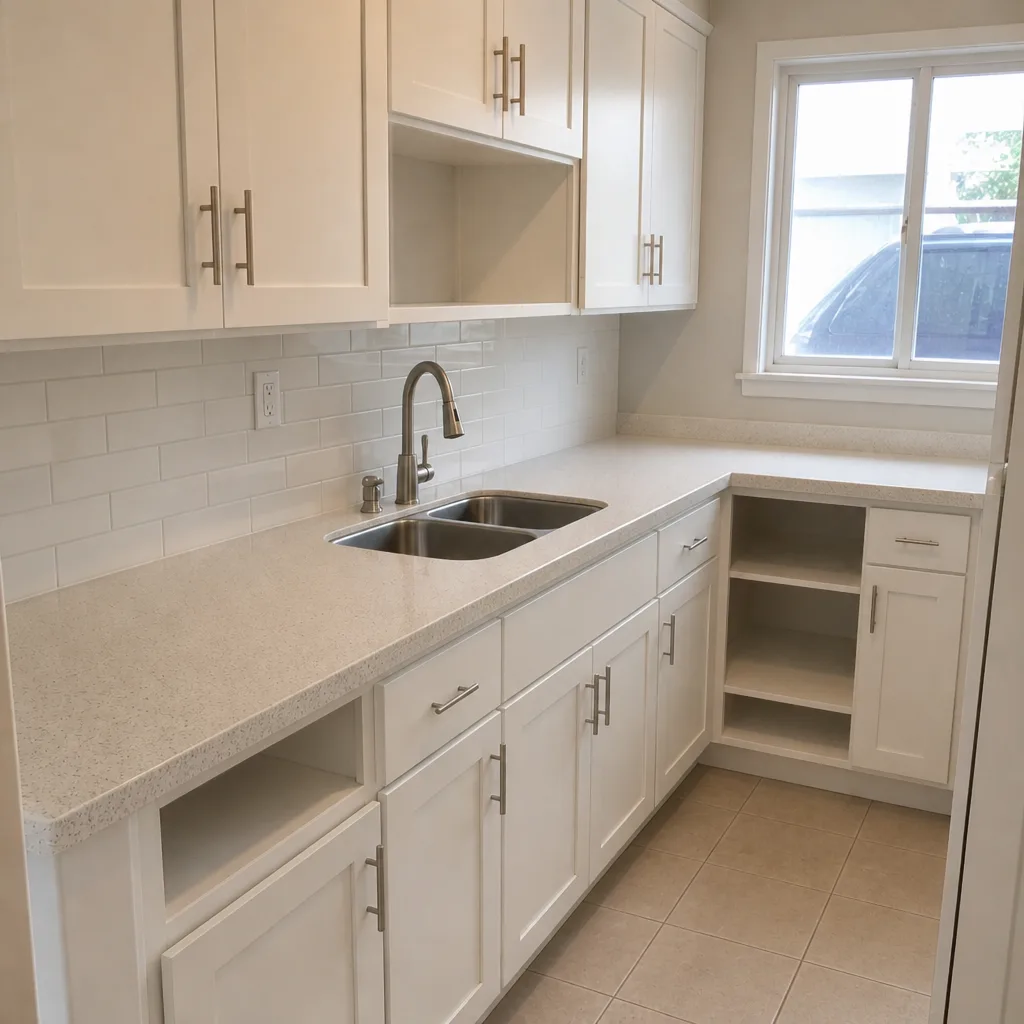 After
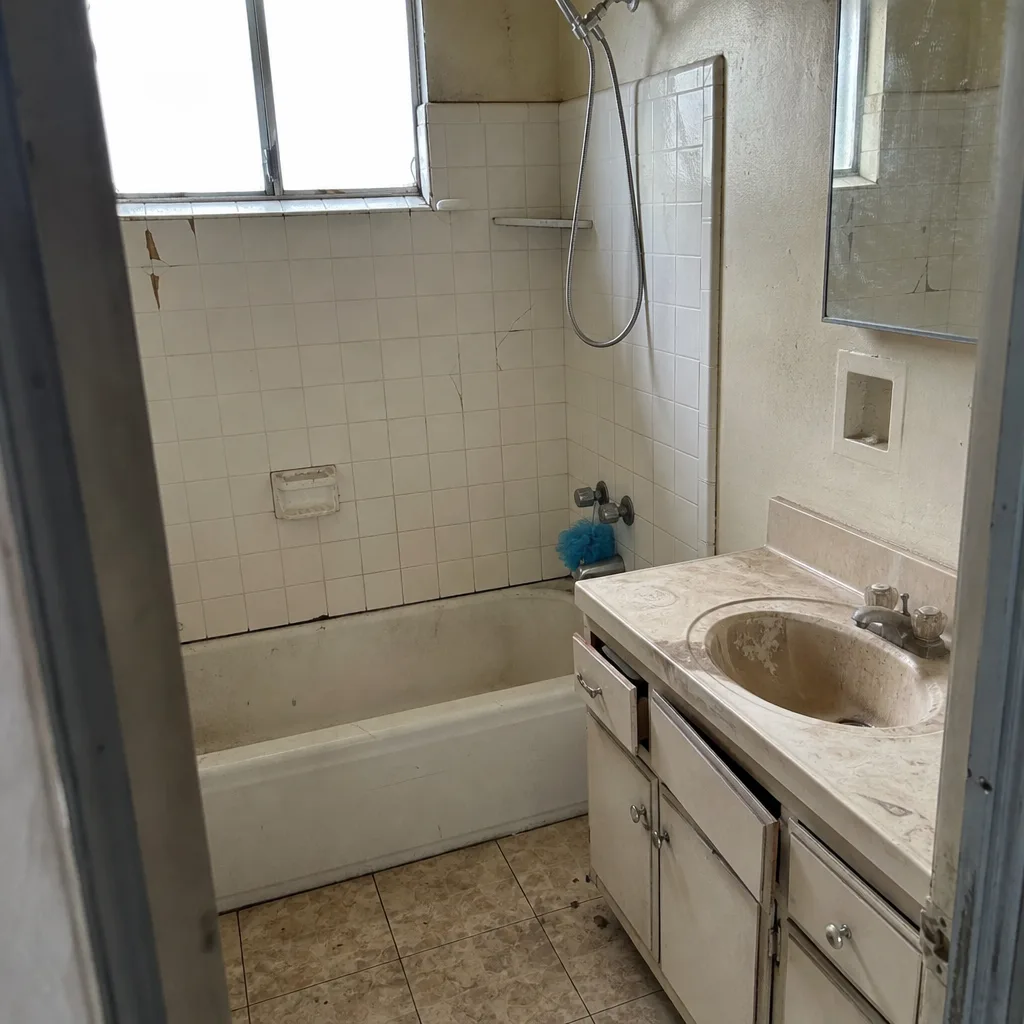 Before
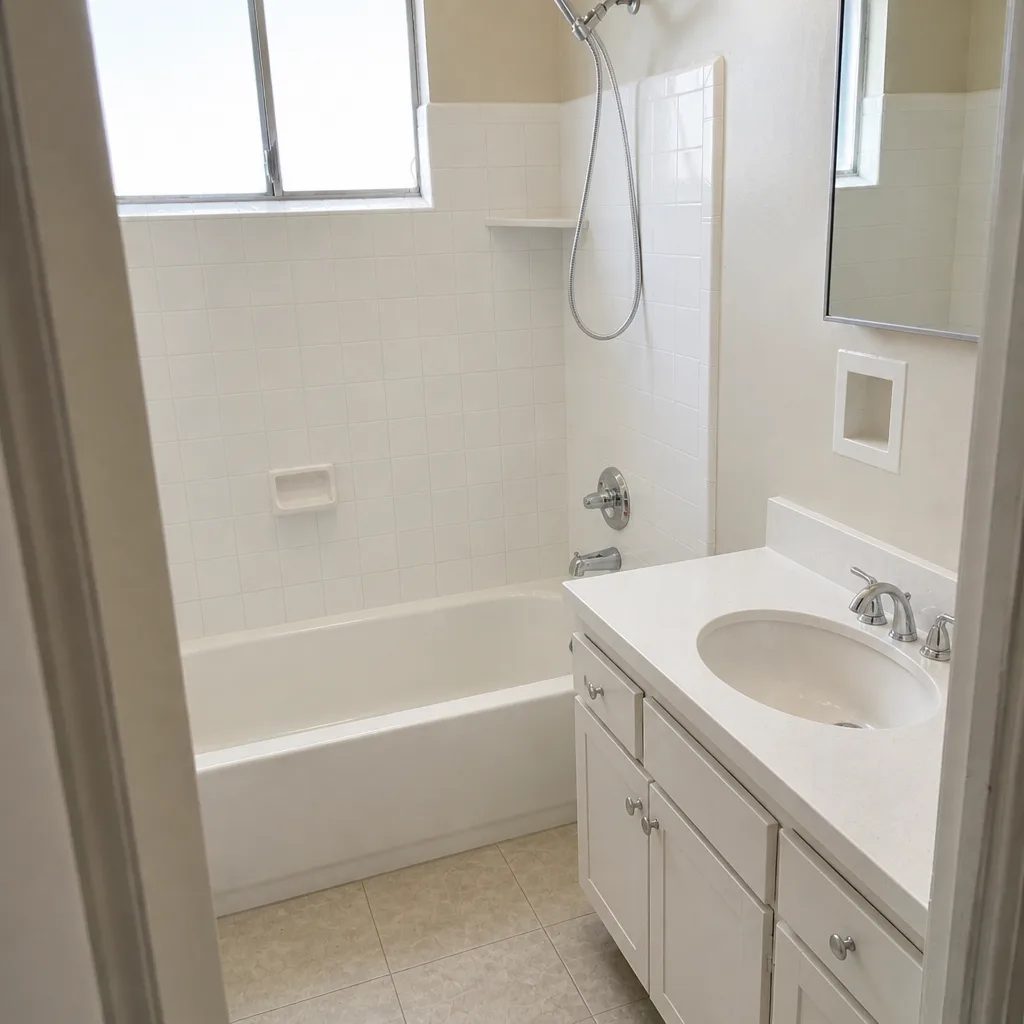 After
What South San Jose Hills Lots Specifically Put in Front of This Job
South San Jose Hills is one of the last unincorporated pockets of LA County, and the terrain shows it: half-acre to two-acre hillside lots, many still zoned for horses, with long private driveways and multi-level grades that most neighboring cities don’t have. That combination changes site prep in ways you won’t see on a flat lot. Construction has to blend residential and rural infrastructure, meaning retaining walls on the upslope side, driveway aprons long enough for a utility trench to run beside them, and septic-to-sewer upgrades when the old system hits its limit. The housing stock pushes the same way: 1960s – 1980s ranch and custom homes, many still on original electrical panels and galvanized plumbing, which means we plan for a service upgrade before the ADU can tap in. Seasonal clay-soil expansion on these hillsides makes reinforced foundations and proper drainage non-negotiable, and Santa Ana wind events mean we anchor exterior equipment and stucco edges more heavily than we would inland at lower elevation. We pull the grading and utility permits and hold the inspections with the county, and we know which West Covina and La Puente border parcels sit near utility stubs and which don’t. All of this is part of your Home Additions & ADU in South San Jose Hills project, and it’s why we treat site prep as engineering, not just dirt moving.
If your plan includes interior work too, homeowners often pair this with Small & Partial Kitchen Remodels in South San Jose Hills for the main house or Full Bathroom Remodeling in South San Jose Hills for the ADU itself. We handle both through our Home Additions & ADU service and throughout the South San Jose Hills area.
Serving South San Jose Hills, CA – Our Local Coverage Area
We serve South San Jose Hills and nearby communities. Use the map below to see the area we cover. If you’re nearby, we can almost certainly help.
Frequently Asked: ADU Site Prep & Utilities in South San Jose Hills
Most ADU site prep and utilities projects in South San Jose Hills take 6 to 12 weeks from first excavation to final utility inspection. The grading and retaining wall stage takes the longest on steep lots, and inspections add a few weeks depending on county scheduling. Call (888) 271-7872 for a timeline based on your specific parcel.
Yes, we pull the grading, trenching, and utility permits and hold the inspections with Los Angeles County before the trenches are backfilled. Foundation and utility inspections are a normal part of the sequence, not an afterthought, and the written estimate includes permit fees as line items. Call (888) 271-7872 to talk through what your parcel needs.
Sometimes, but on South San Jose Hills hillside lots, it’s the exception. Utility trenching has to reach the pad, and long runs across a sloped lot often require upgrading the existing service or moving the panel. We map that before excavation so the scope is settled up front, not discovered mid-job. Call (888) 271-7872 for an assessment.
The range is $53,100 to $153,400 for the site prep and utilities phase, driven by slope, trench distance, existing service condition, septic vs. sewer, and permit scope. A flat lot with a short run lands near the low end; a steep hillside lot with a septic-to-sewer upgrade and panel replacement lands near the high end. Call (888) 271-7872 for an exact quote, and estimates are free.
All of our ADU site prep and utilities work is covered by the 730-Day Done Right Promise: if it isn’t done right, we make it right. That guarantee applies to earthwork, retaining walls, utility runs, and every other part of the phase. Call (888) 271-7872 for the full warranty terms.
Ready to Price Your ADU Site Prep & Utilities?
Call (888) 271-7872 to schedule your free on-site estimate for ADU site prep and utilities in South San Jose Hills. On the call, we’ll set a time to walk the lot, talk through slope and utility placement, and follow up with a written line-item quote: fixed price, no change orders, permits included. The number you see is the number you pay.
Written by the team at Groundwork Construction Co..