Free written scope consultation - allowances, timeline, and change-order rules on paper before a single trade is scheduled
Styles & brands we work with
- Kitchen remodeling
- Bathroom remodeling
- Home additions & ADU
- Roofing
- Windows & doors
- Driveway & pavers
- Fence
See the difference
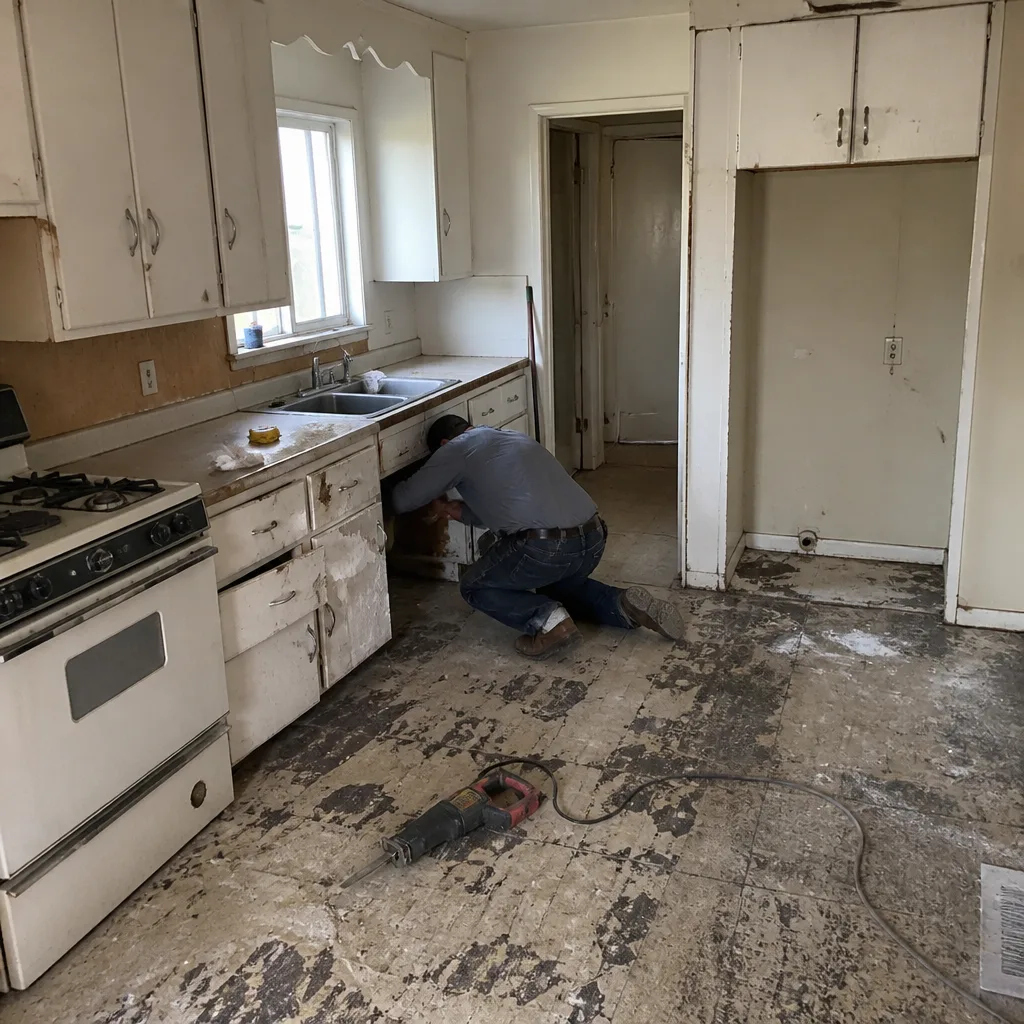 Before
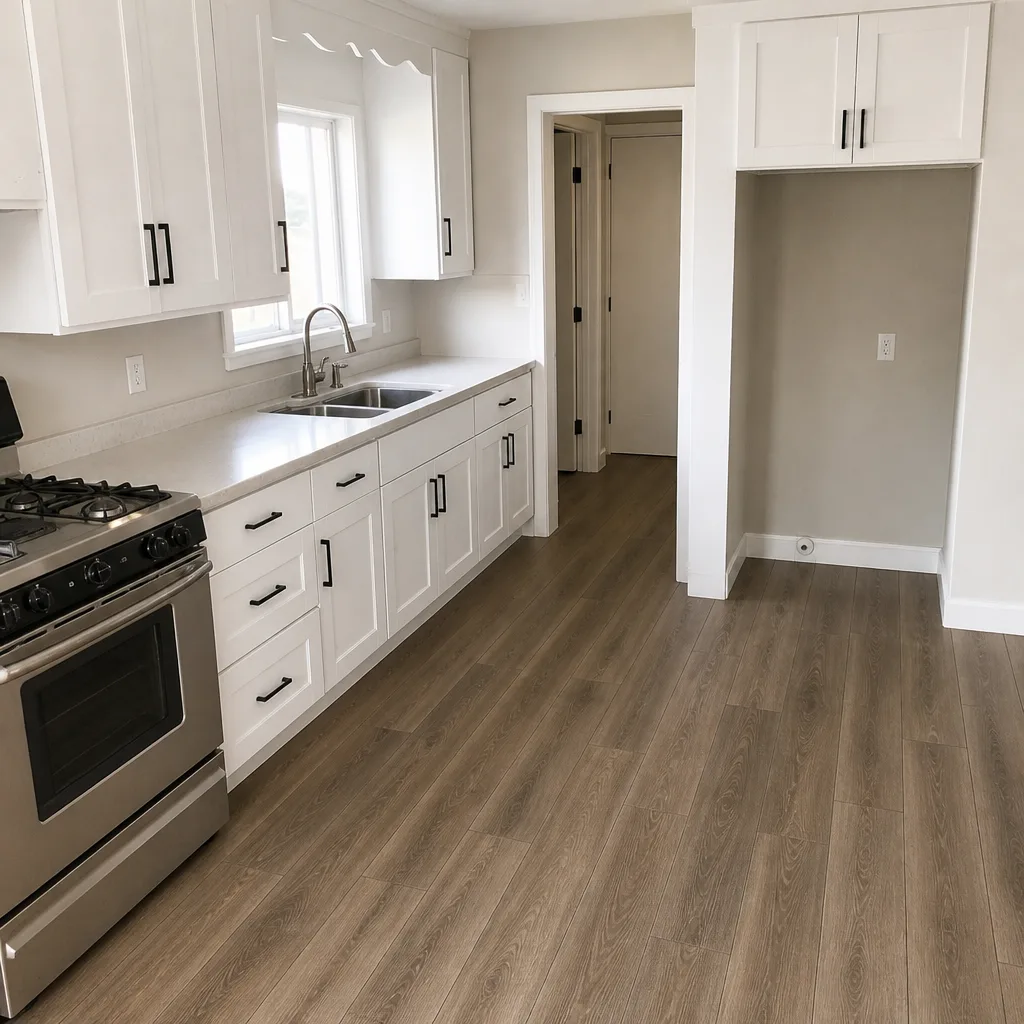 After
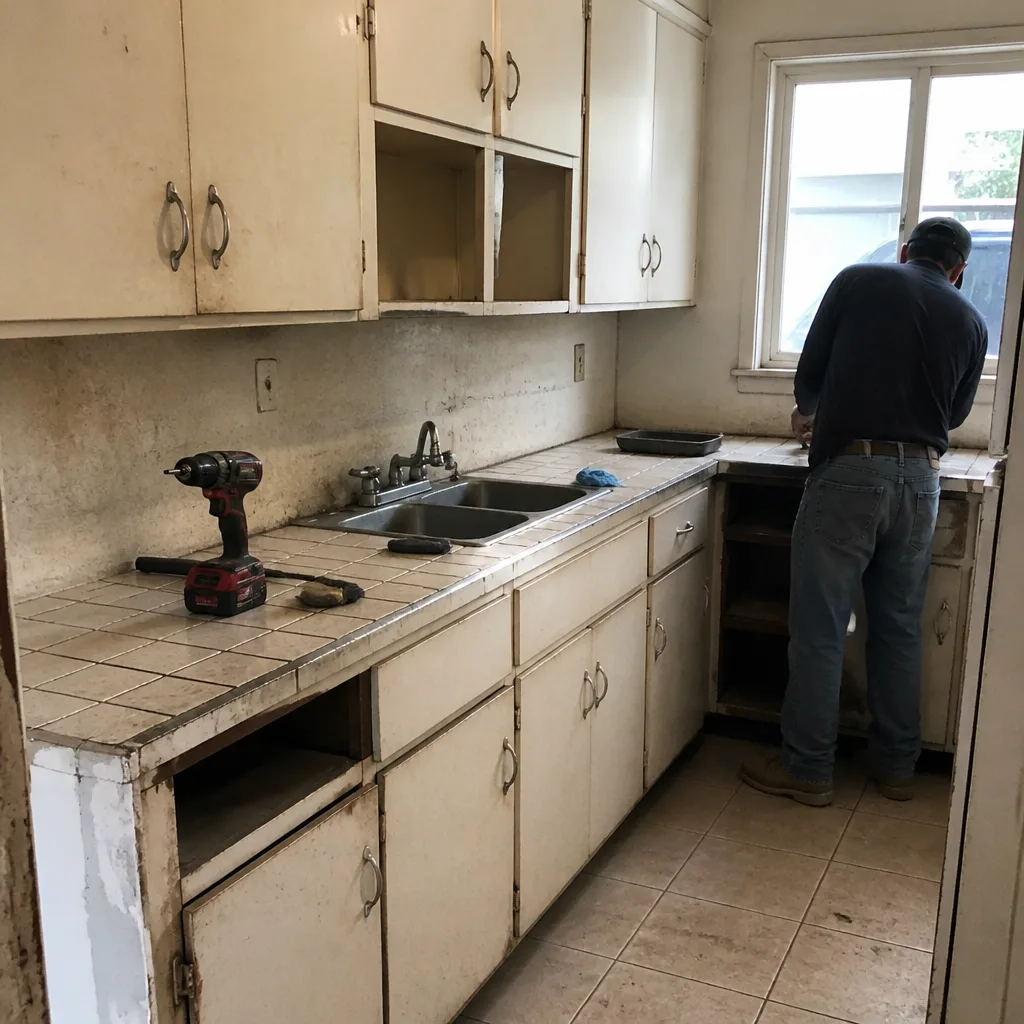 Before
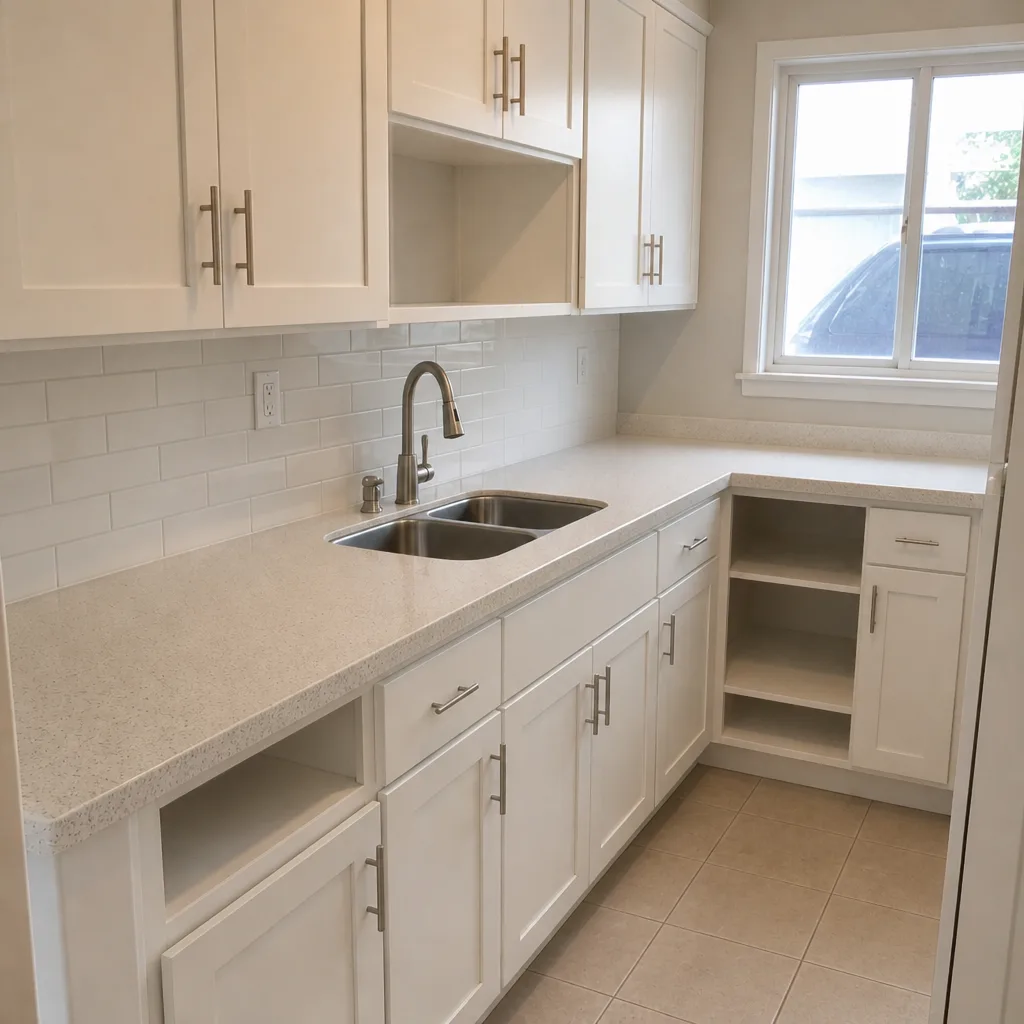 After
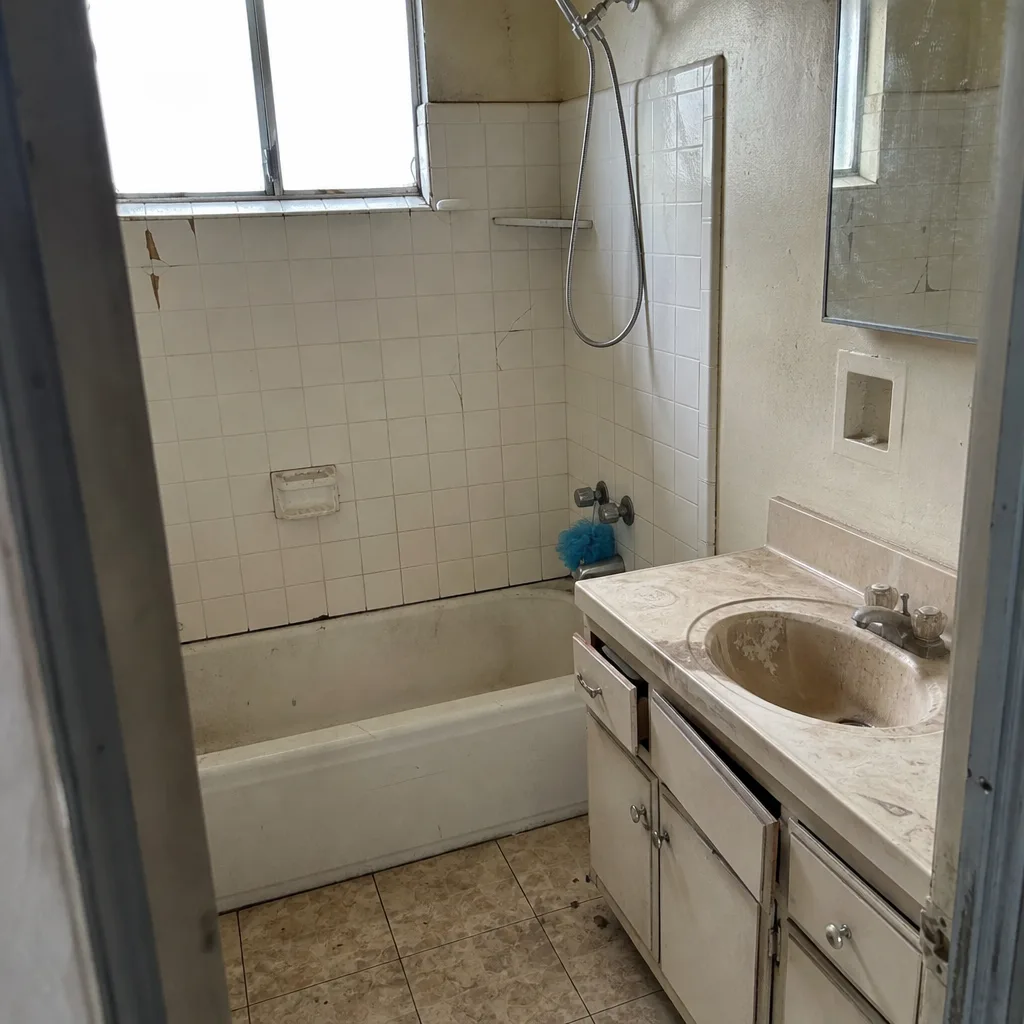 Before
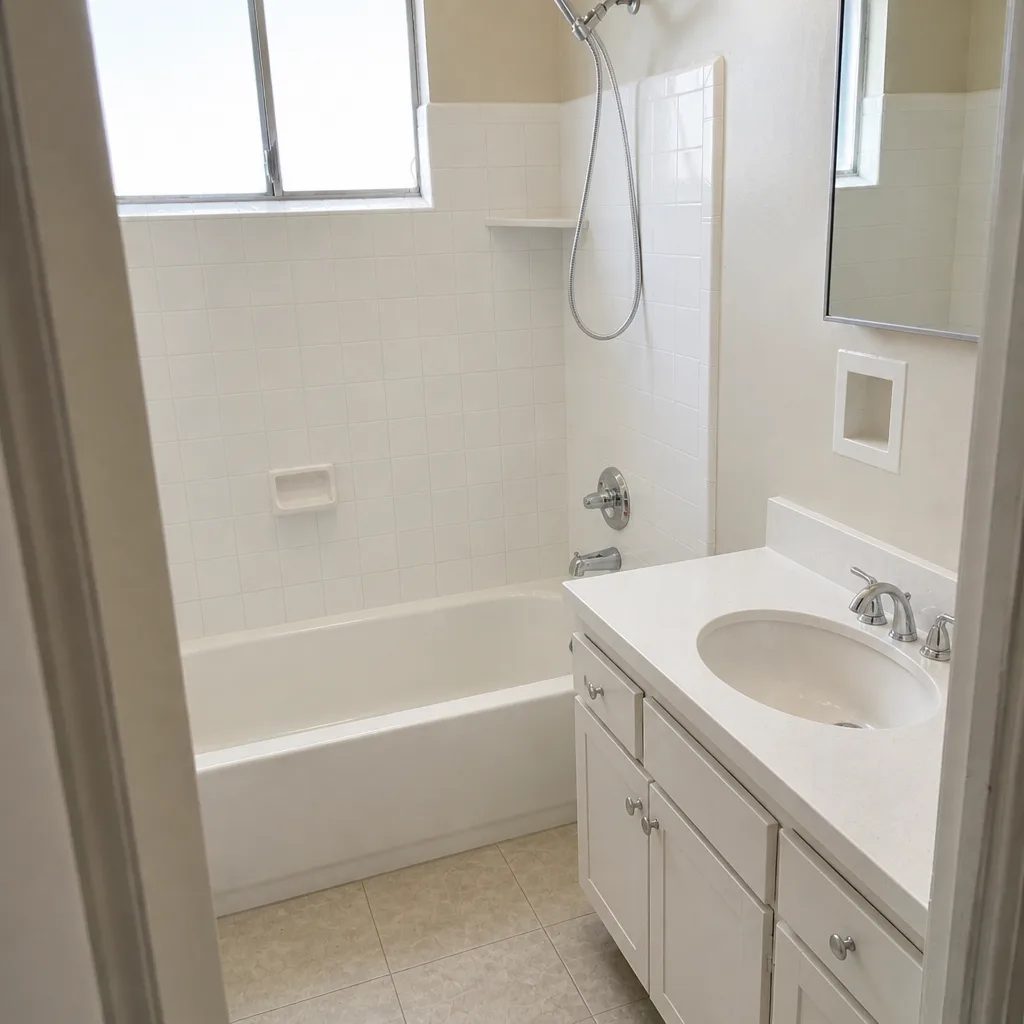 After
Home Addition vs ADU in El Monte, CA: Which One Actually Pays You Back?
Choose an ADU if you want a legally rentable second unit that can offset your mortgage; choose a home addition if you want more space for your own household and no landlord obligations. In El Monte, both often occupy the same rear footprint on a compact lot, but only the ADU creates rental income and a separate legal dwelling unit. The gap in cost is real, though: additions here run $45,000-$130,000, while ADU construction runs $90,000-$220,000. To sort out which path fits your lot and your finances, call Groundwork Construction Co. of El Monte at (888) 271-7872 for a free, no-obligation estimate.
The Decision Most Comparison Pages Skip: What You’re Legally Allowed to Do With It
An addition is part of your primary dwelling. It shares your address, your utility meter, and your household. You can’t rent it as a separate unit, and it doesn’t trigger landlord-tenant law. It’s more house for the people already living there.
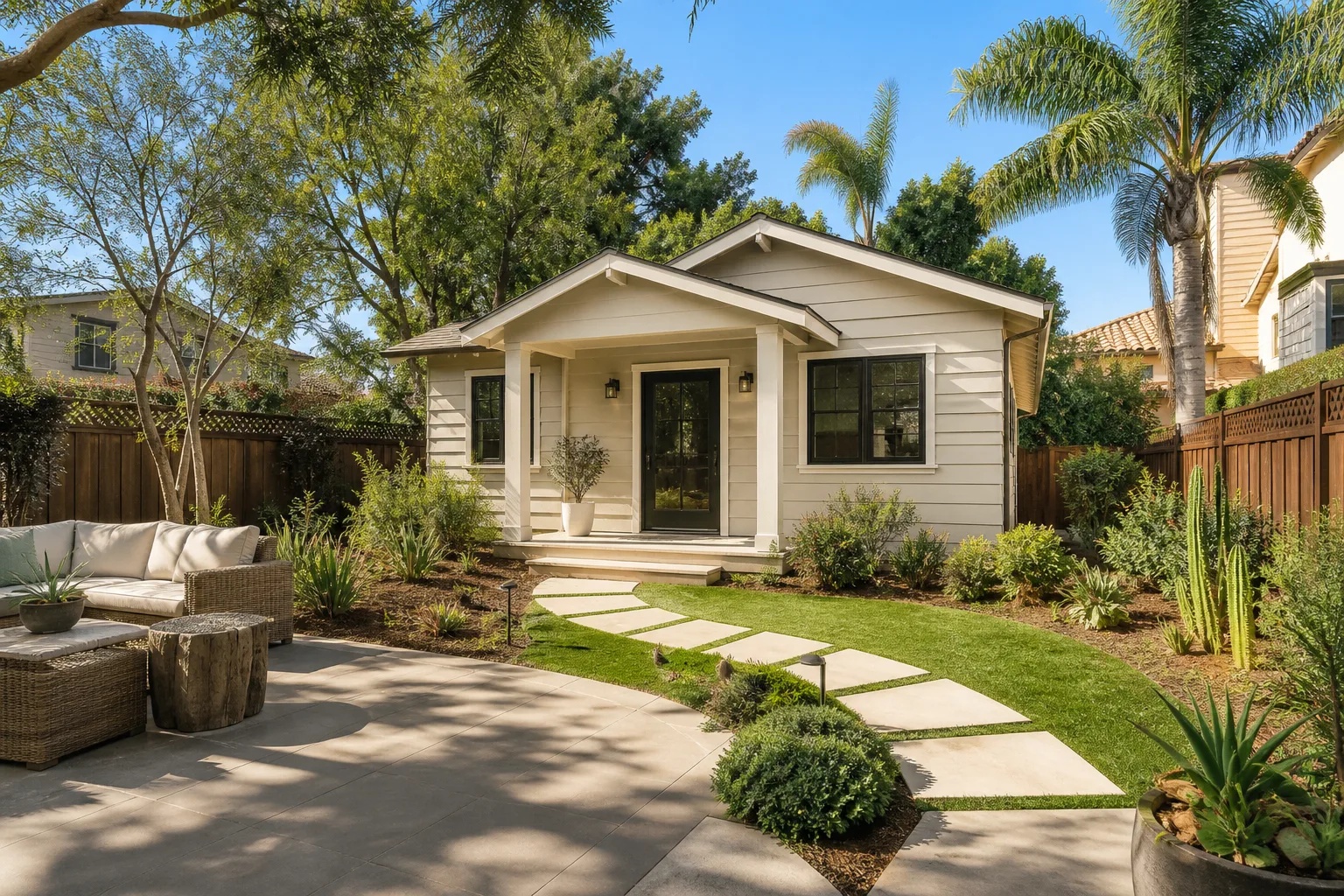
An ADU is a separate dwelling unit. It gets its own address, its own certificate of occupancy, its own utility considerations (a separate meter is often worth pricing in), and it’s a leasable asset under California law. That last part is the whole decision. The moment a unit becomes legally rentable, it stops being a construction project and starts being a small income property attached to your house.
That shift carries obligations. Tenant protections apply. So does the question of who maintains the unit, who handles a vacancy, and how you’ll screen a renter. Some El Monte homeowners want exactly that. Others read this paragraph and realize they just want a bigger kitchen and a guest room. Both answers are correct; they’re just different purchases.
One more thing that surprises people: on many El Monte lots, the ADU is the easier permit. State ADU law gives second units certain setback and development-standard exemptions that a standard addition doesn’t get. On a small 1940s-1960s tract lot where the rear yard is already tight against the property line, an addition can run into coverage and setback limits that an ADU may be allowed to sit within. We’ve walked plenty of El Monte backyards where the answer flipped for that reason alone.
Side by Side: Addition vs ADU on a Typical El Monte Lot
| Factor | Home Addition | ADU |
|---|---|---|
| Typical cost in El Monte | $45,000-$130,000 | $90,000-$220,000 (garage conversion: $30,000-$80,000) |
| Legal status | Part of primary dwelling | Separate dwelling unit, own address |
| Rental income potential | None as a separate unit | Yes. SGV studio rents commonly run $1,400-$1,800/month |
| Financing path | HELOC or cash-out refinance | ADU-specific loan products plus state programs, or HELOC |
| Setback flexibility | Standard zoning standards apply | May qualify for state ADU exemptions on small lots |
| Ongoing obligations | None beyond normal homeownership | Landlord-tenant law, maintenance, vacancy risk |
Here’s how the income math works, because it’s the part that changes the ROI story. A studio ADU renting at $1,600/month grosses $19,200 a year. On a $150,000 ADU loan, that’s a meaningful chunk of the annual payment. An addition of comparable square footage produces zero rent, forever. It produces something else: usable space you don’t have to share, and no tenant call on a Sunday.
The financing difference follows from the same logic. ADU projects qualify for dedicated ADU loan products and state-backed programs that a standard addition doesn’t. A plain addition is usually financed through a HELOC or cash-out refinance, which means the right choice often comes down to how much equity you’re sitting on and whether you want the project to service part of its own cost.
Why El Monte Specifically Changes the Calculation
El Monte is a dense, largely built-out stretch of the San Gabriel Valley. Almost every job here is infill: a rear addition, a garage conversion, a second unit squeezed onto a lot that was platted before anyone imagined two households on it. The housing stock is mostly post-WWII single-story tract homes and small stucco bungalows, and plenty of them still carry original galvanized plumbing, aging electrical panels, and roofs that are past their service life. When you open up a wall for an addition, the plan-check and inspection process tends to surface those upgrades, and they get priced in.
The climate shapes the build too. Hot, dry summers and periodic Santa Ana wind events push both paths toward stucco, tile roofing, strong insulation, and cooling that can actually keep up in August. Clay-heavy soils and moderate seismic exposure mean foundation and drainage detailing matter more here than on newer ground elsewhere in the region.
And the local pattern is hard to miss: garage conversions and rear units are everywhere in El Monte. A lot of homeowners manage their own projects, often in Spanish, and the jobs that go smoothly are the ones where scope and setbacks were nailed down before plan-check, not after. That’s the first conversation we have on every visit, and it’s why we price both the Home Additions & ADU paths in writing before anyone swings a hammer.
Common Scenarios We See in El Monte
- The growing household, no rental intent. Adult children or parents moving in, and nobody wants a landlord. An addition keeps it simple and avoids tenant law entirely.
- The mortgage-offset play. You have equity, a buildable rear yard, and you’d rather the project help carry its own payment. A rear ADU or a garage conversion is built for exactly this.
- The tight-lot stalemate. The rear yard is too shallow for the addition you sketched, but an ADU may sit within setback allowances that an addition can’t use. Worth checking before you redesign anything.
- The aging-infrastructure surprise. A 1950s bungalow where the panel and plumbing need attention either way. Budgeting for that upfront keeps the project from stalling mid-build.
- The phased plan. Start with an addition now, keep the detached garage as a future conversion. The home footprint grows first, income comes later.
How Groundwork Prices Both Paths
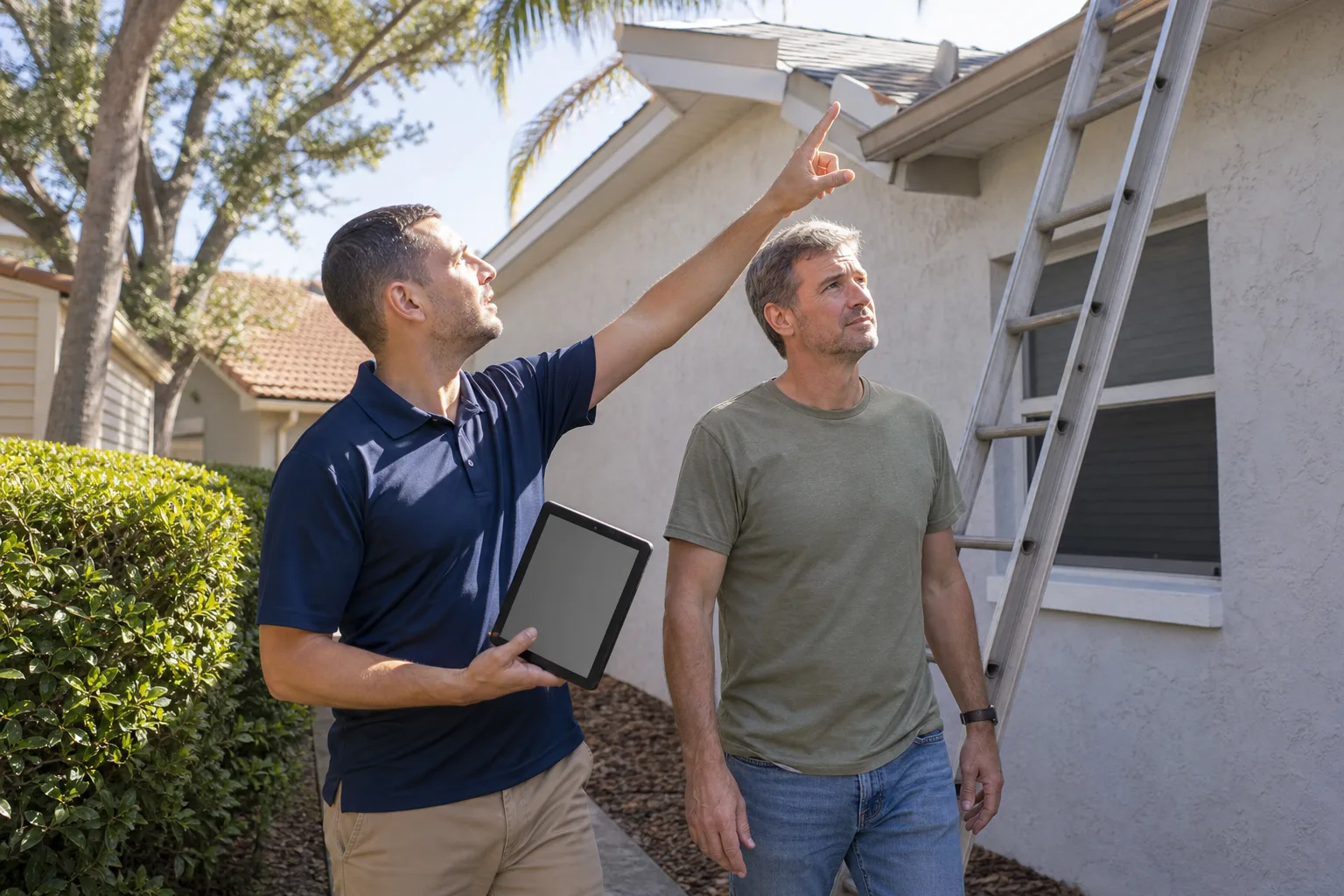
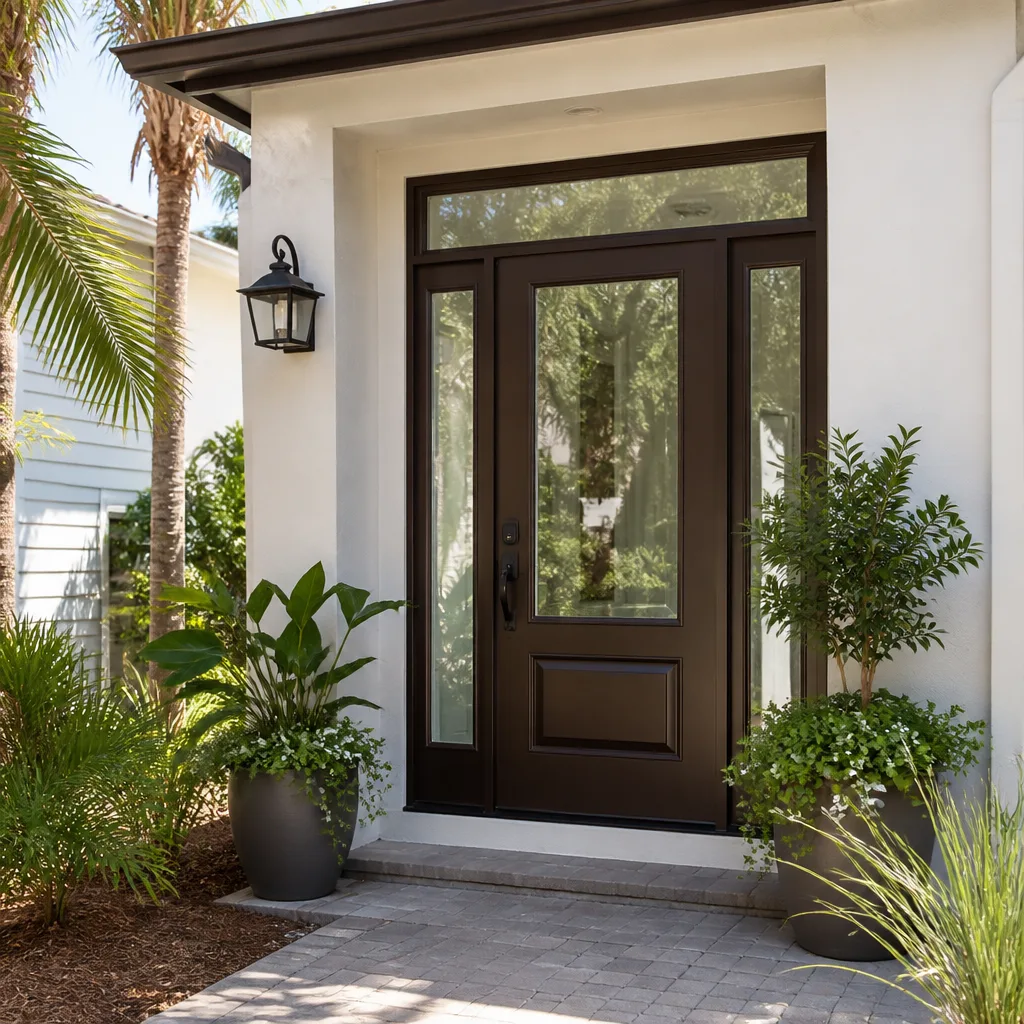
Groundwork Construction Co. of El Monte gives you one no-obligation estimate with both options priced out, upfront, so you can compare real numbers rather than estimates with asterisks. There’s a $1,000 discount on projects over $10,000, and 0% financing for 18 months if you want to spread the cost. Every project carries the 730-Day Done Right Promise: if it isn’t done right, we make it right. Our technicians (up to 12 years of experience) are background-checked and arrive in uniform, and when you call, a live person answers, 24/7. We fit Outswing and specialty doors from partners like Therma-Tru when the plan calls for a separate ADU entry.
FAQs
A home addition is cheaper upfront, typically $45,000-$130,000 versus $90,000-$220,000 for an ADU. But if you plan to rent the unit, the ADU can offset its own cost through rental income at SGV rates of roughly $1,400-$1,800/month for a studio, which the addition can never do. Call (888) 271-7872 for an exact quote on your lot, free of charge.
Not as a separate unit. An addition is part of the primary dwelling, so it shares your address and doesn’t qualify as a rental unit under local rules. Only an ADU, with its own certificate of occupancy and address, creates a legally leasable unit. If rental income is the goal, the ADU path is the one that works.
Not always, but it’s worth pricing in. Many homeowners separate the meter so utility costs aren’t tangled with a tenant’s, while others keep a single meter and build the arrangement into the lease. We’ll walk you through both during the estimate, so the number you see includes the choice you actually want.
Yes. We assess your lot, setbacks, existing infrastructure, and the plan-check path for both an addition and an ADU, then give you a written comparison. Calls are answered by a live person 24/7, and the estimate is free with no obligation.
If you’d rather have it looked at, Groundwork Construction Co. of El Monte offers a no-pressure assessment in El Monte. Call (888) 271-7872 to schedule your free estimate and get both paths priced side by side.
Written by the team at Groundwork Construction Co. of El Monte, serving El Monte, CA.