Last updated November 17, 2026






Free written scope consultation - allowances, timeline, and change-order rules on paper before a single trade is scheduled
Windows & Doors Warning Signs Every Homeowner Should Know
A door that suddenly sticks after years of smooth operation isn’t a door problem. It’s a foundation or framing problem, and it deserves the same urgency you’d give a crack in your slab. Windows and doors are the only parts of your house that touch the outside world every single day. They flex with heat, swell with moisture, and settle with the ground beneath them. Long before you see rot or a broken pane, they’ve already started telling you something is wrong. This guide maps those signals to their real root causes, ranks them by urgency, and shows you how to document what you find so you’re covered for a warranty claim, an insurance claim, or a contractor dispute. We’ll use what we’ve seen across El Monte’s housing stock to make it concrete.
Quick Answer
Most window and door warning signs fall into three buckets: structural movement, moisture intrusion, or failed product seals. A sticking door often means foundation or framing movement, fogging double-pane glass means the sealed unit has failed, and condensation trails on the interior frame usually point to failing exterior flashing. Catching these early turns a $400 repair into a small fix instead of a $14,000 replacement. In El Monte, original single-pane aluminum windows and aging sliding door tracks are the two failure points we see most often.
Styles & brands we work with
- Kitchen remodeling
- Bathroom remodeling
- Home additions & ADU
- Roofing
- Windows & doors
- Driveway & pavers
- Fence
Table of Contents
- Structural Warning Signs: When a Door Is Telling You About Your Foundation
- Glass and Seal Failures: Fogging, Condensation, and What They Actually Mean
- El Monte-Specific Warning Signs: Aluminum Frames and Sliding Door Tracks
- The Three Urgency Tiers: Monitor, Fix Within 30 Days, or Call Now
- How to Tell a Real Diagnosis from a Manufactured Sales Pitch
- How to Photograph and Log Warning Signs for a Defensible Record
- Common Mistakes to Avoid
- When to Call a Professional
Structural Warning Signs: When a Door Is Telling You About Your Foundation
A door that used to close with two fingers and now needs a shoulder is a diagnostic event. The door itself hasn’t changed shape. What changed is the frame around it, and the frame changes when the foundation or the framing moves. In a home built on expansive clay soil, which is common across much of the San Gabriel Valley, that movement can be seasonal and small or it can be a slow drift that keeps going in one direction.
Here’s what to track and what each signal usually means:
- Sticking at the top corner of the door: the header or the top plate of the frame is racking. Often tied to foundation settlement on one side of the house.
- Sticking at the bottom, with a gap at the top: the door is dragging on the threshold because the floor or the jamb has dropped. A foundation issue until proven otherwise.
- Doors that stick and free up with the seasons: soil moisture cycling. Worth monitoring, but a consistent seasonal pattern over two or three years is a sign to get it looked at.
- Doors that stick in one direction and keep getting worse: active, one-way movement. This is the signal to call someone, not watch it.
- Cracks in the drywall at the corners of door frames: diagonal cracks radiating from a door or window opening usually mean the framing around the opening is moving.
Windows tell the same story from a different angle. A window that used to open freely and now binds in its track, or a casement that won’t latch squarely, points to the same frame movement the doors are reporting. When several openings on the same side of the house all start to bind at once, you’re not looking at five broken windows. You’re looking at the structure those windows sit in.
None of this means your house is falling down. Most of the homes we look at in El Monte have some amount of movement and it’s manageable. The point is that a sticking door is information, and ignoring it lets a small structural correction turn into a full window and door replacement. If the movement is happening at the openings, it may also be worth reading our guide to Home Additions & ADU in El Monte, since adding on to a house that’s already moving is a problem you want solved first.
Glass and Seal Failures: Fogging, Condensation, and What They Actually Mean
Fogging between the panes of a double-pane window is not a cleaning problem. It’s a sealed-unit failure. Modern insulating glass has a desiccant-filled spacer and a sealed edge. When that edge seal fails, moisture gets into the space between the panes, the desiccant saturates, and you get a milky haze or visible water droplets that no amount of glass cleaner will touch. The window still works. It has simply stopped insulating the way it was built to.
What fogging usually signals, and how urgent it is:
- A single fogged pane on a south- or west-facing window: thermal stress on the seal. Common in El Monte’s hot summers. Usually replace the glass unit, not the whole window.
- Fogging on every window on one side of the house: often a manufacturing batch failure. Check whether the units share a date stamp.
- Condensation on the inside face of the glass, not between the panes: this is a humidity or ventilation issue, not a failed seal. It’s telling you the interior air is too moist, which is worth investigating separately.
- Condensation trails running down the interior frame or jamb: water is getting in from the outside. This usually points to failing exterior flashing above the window, not the window itself. Left alone, that trail becomes rot in the framing behind the wall.
- Water stains or soft spots at the bottom interior corner of the window opening: the window has been leaking for a while. At this point the repair is framing, not glass.
Condensation trails deserve a special mention because they’re the most commonly misdiagnosed sign we see. A homeowner notices moisture on the interior trim, assumes the window is bad, and replaces the window. Two years later the same trail appears on the new window. The window was never the problem. The flashing above and beside the opening was, and no window replacement fixes a flashing failure. This is why a proper diagnosis matters before you spend money on product. In our experience around El Monte, a lot of windows that got replaced on suspicion of failure were actually fine; the wall around them was the culprit.
El Monte-Specific Warning Signs: Aluminum Frames and Sliding Door Tracks
El Monte has a large share of homes built in the 1950s through the 1970s, and that building stock has its own signature failures. The two we get called about most are original single-pane aluminum windows and aging sliding glass doors. Both are predictable, and both announce their problems in specific ways.
Original aluminum windows. Aluminum is a great conductor of heat, which is why these windows feel scorching in the summer and cold in the winter. They also expand and contract more than vinyl or wood, and after decades of that cycling, the frame-to-glass seal separates. What you’ll see:
- A visible gap or dark line between the glass edge and the aluminum frame. That’s the glazing seal giving up.
- The frame pulling away from the stucco or siding on the exterior, with a visible crack at the perimeter.
- Corrosion or white powdery oxidation at the bottom of the frame, which traps moisture against the sill.
- Sliding panels that rattle in their tracks or won’t stay latched because the frame itself has twisted.
Aging sliding glass doors. A sliding door rides on a bottom track that sits directly above the threshold, and the threshold is where the house’s whole moisture defense system meets the ground. When the track wears out, the door starts to drag, and homeowners often push harder to get it to close. That extra force, over time, opens gaps at the threshold and lets water in under the door. The track failure is the visible problem. The threshold rot behind it is the expensive one, and you can usually find it by pressing on the wood at the base of the door from the inside.
El Monte’s climate adds to this. Hot, dry summers followed by the occasional heavy winter rain cycle the window and door seals hard. UV exposure degrades caulk and weatherstripping faster than in cooler climates, so the exterior seal around windows and doors in El Monte needs inspection more often than a homeowner from a milder region might assume. Those seals are your first line of defense, and they fail quietly. If you’re replacing fence or hardscape around the yard, it’s also worth thinking about how runoff from those surfaces drains away from the house, which we cover in our Driveway & Pavers in El Monte page, because surface water directed at a wall eventually shows up at the nearest window.
The Three Urgency Tiers: Monitor, Fix Within 30 Days, or Call Now
Not every warning sign is an emergency, and treating them all like one is exhausting. What matters is sorting them correctly, because the wrong call in either direction costs you. Here’s how we rank them.
Tier 1: Monitor and Maintain
- A door that sticks only in the hottest or wettest weeks and frees up afterward, with no cracks in the surrounding drywall.
- Fogging on a single window pane with no water staining inside the opening.
- Weatherstripping that’s compressed or torn but the door or window still latches and seals to the touch.
- Caulk joints around exterior frames that are cracked but the frame is tight to the wall.
Check these every six months. Take photos each time, which we’ll get to in the documentation section.
Tier 2: Fix Within 30 Days
- Fogging across multiple windows in the same unit or on the same wall.
- An interior condensation trail that recurs after rain and leaves a mark on the trim.
- A sliding door that needs extra force to latch, or a track with visible wear and debris buildup.
- Rot or soft wood at the base of a door or window sill, but only in a small area and without interior damage.
- Original aluminum windows with visible frame-to-glass separation but no water intrusion yet.
These are all things that are actively getting worse. Fixing them in the 30-day window is usually a smaller repair; waiting past it is usually a bigger one.
Tier 3: Call for Immediate Professional Evaluation
- A door that sticks suddenly after years of easy operation, especially with a new diagonal crack in the drywall nearby.
- Any water intrusion at a window or door opening that shows up during rain, not just after it.
- A sliding door that won’t close fully or latches with a visible gap to the frame.
- Several openings on the same side of the house binding at once.
- Rot that has spread past the sill into the jamb or the wall framing.
Tier 3 isn’t a “get a quote” situation, it’s a “get eyes on this now” situation. A door that changes behavior overnight is a structural signal, and structural signals are the ones that cascade.
How to Tell a Real Diagnosis from a Manufactured Sales Pitch
When a contractor walks through your house pointing at warning signs, your job is to tell whether they’re diagnosing a real problem or manufacturing urgency to close a sale. It’s a fair question to ask, and a trustworthy contractor will welcome it. Here’s what to look for.
Signs of a real diagnosis:
- They identify the cause, not just the symptom. “This window is fogged” is a symptom. “This window failed its seal because the frame has been twisting against the header” is a cause.
- They point to evidence you can see for yourself: a moisture meter reading, a level held against a frame, a photographed flashing detail.
- They tell you which items are urgent and which can wait, and they’re willing to put the wait items in writing.
- They quote both the repair path and the replacement path, so you can compare cost honestly.
- They encourage a second opinion or an independent structural evaluation when the cause is in doubt.
Signs of a manufactured pitch:
- Every window in the house is a “must replace today” emergency, regardless of condition.
- The urgency is tied to a discount that expires when they leave your driveway.
- No cause offered, only a product and a price.
- They won’t give you a written, line-item quote that separates diagnosis from product.
- They discourage a second opinion or get defensive when you ask for one.
A real diagnosis is boring by design. It’s a written observation, a cause, and a repair path. At Groundwork Construction Co., no-hassle upfront pricing means the number you see is the number you pay, and that includes the diagnostic step. If a contractor won’t quantify the problem, ask them to. A real one will.
How to Photograph and Log Warning Signs for a Defensible Record
If you find a warning sign and it turns into a warranty claim, an insurance claim, or a dispute with a contractor, your record of it will matter more than your memory. Here’s how to build one that holds up.
- Photograph with context and close-up. Every sign gets two shots: one that shows the whole door or window from inside the room, and one close-up of the specific defect. Without context, a close-up of a cracked caulk joint is hard to localize later.
- Include a date and location reference. The date you took the photo, and which wall or room it’s in. “Master bedroom, east wall, window 2” is enough. Don’t rely on the timestamp alone.
- Add a scale reference. A coin or a tape measure next to the defect tells you how big it was and how fast it grew.
- Photograph the same spot every six months. Consistent angles over time show progression, which is the evidence that matters most. A crack photographed once is noise; the same crack growing over a year is a story.
- Use a moisture meter where you can. An inexpensive pin meter pressed to the sill or jamb records a number, and numbers are what an adjuster or an arbiter actually looks at. Note the reading with the photo.
- Keep a simple written log. A notebook with dates, room, description, moisture reading, and which photo file it matches. If you ever need to hand over a record, this is the index that makes the photos usable.
- Save every written interaction. Quotes, emails, texts, the contractor’s written diagnosis, and any warranty documentation. Store them with the photos in one folder, physical or cloud-based.
Two things matter most in this record: progression and contemporaneousness. A record made at the time of the discovery, showing the defect growing over a documented period, is what separates a warranty claim that stands from one that gets denied. It also gives a future contractor a clear picture, which makes their diagnosis faster and their quote more accurate. If the record shows the wall has been moving, it also tells them the new windows and doors need to sit in a wall that’s stable, not a wall that’s still going.
Common Mistakes to Avoid
- Replacing the window when the flashing is the problem. The most expensive mistake we see. A window that leaks at the interior trim usually has failing flashing above it, and a new window installed into bad flashing will leak too.
- Treating a sticking door as a door problem. A door that suddenly sticks is messaging you about the frame or the foundation. Adjusting the hinges fixes the symptom and leaves the cause alone.
- Ignoring a single fogged pane because “it still works.” It does work, and it’s also already costing you on insulation. One failed unit is a repair; a whole wall of failed units is a replacement. Catching the first one early keeps it in the repair category.
- Forcing a dragging sliding door instead of fixing the track. The extra force is what opens the threshold and starts the rot. Address the track before you learn about threshold rot the expensive way.
- Replacing windows and doors without checking that the wall is stable. In El Monte, homes built in the mid-century era often have some foundation movement. New product set into a moving wall will bind just like the old one did.
- Skipping the documentation because it seems like overkill. It takes an hour and saves arguments later. A photographed, dated record of a symptom growing over time is the evidence that carries a claim.
- Accepting a driveway or fence repair without checking the drainage path near your openings. Surface water routed toward a wall finds a window. If you’re redoing hardscape, the runoff path is part of the job. Our Fence Installation in El Monte page covers how the yard meets the house, and it’s worth a read before you re-grade anything.
When to Call a Professional
Call us when a door changes behavior suddenly after a long period of normal operation, when several openings on the same wall start binding at once, or when water appears inside a window or door opening during rain. Also call when a single fogged pane has become a pattern, when a sliding door needs force to latch, or when rot has moved past the sill into the jamb. Those are the cases where a proper diagnosis saves real money, because the fix is upstream of the product. Groundwork Construction Co. of El Monte offers free estimates in El Monte; call (888) 271-7872 to schedule one. We’ll look at the openings, the walls around them, and the drainage path, and we’ll put the findings and the pricing in writing before you spend anything.
See the difference
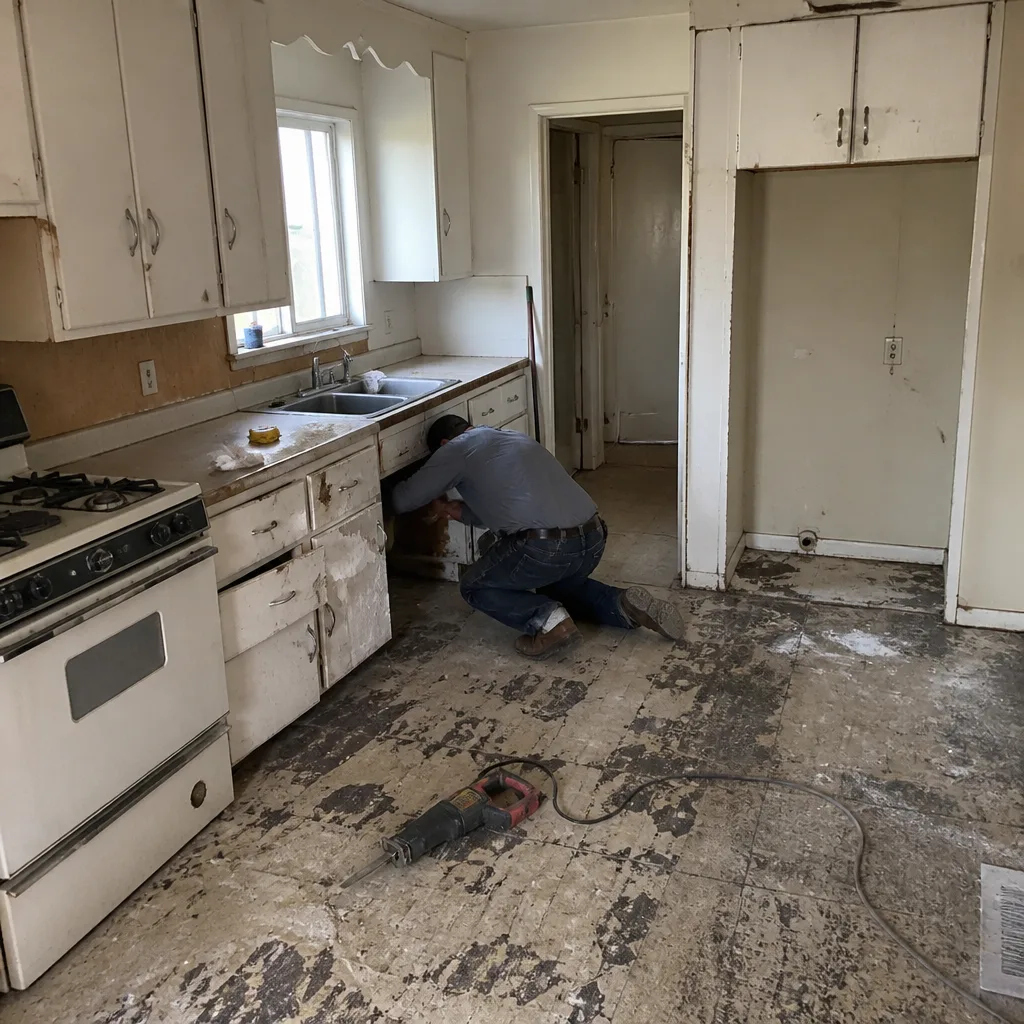 Before
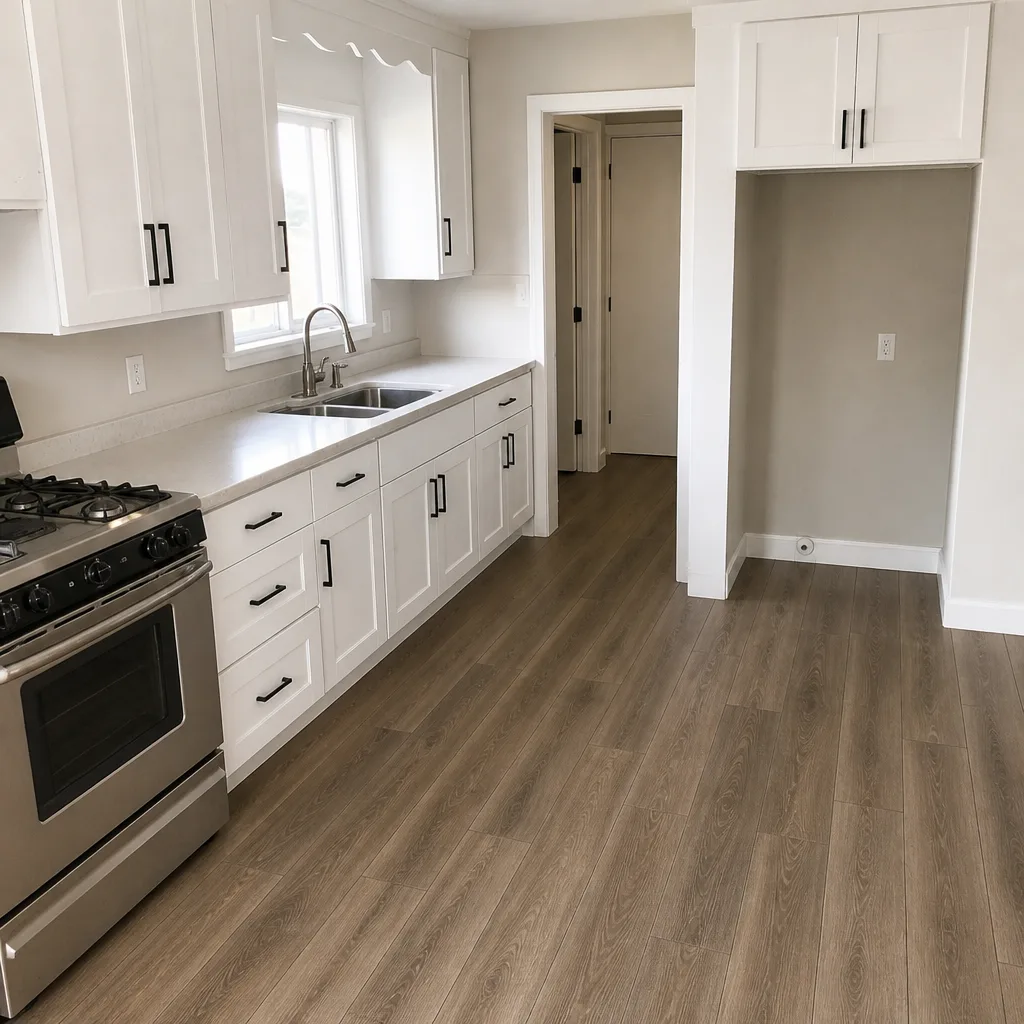 After
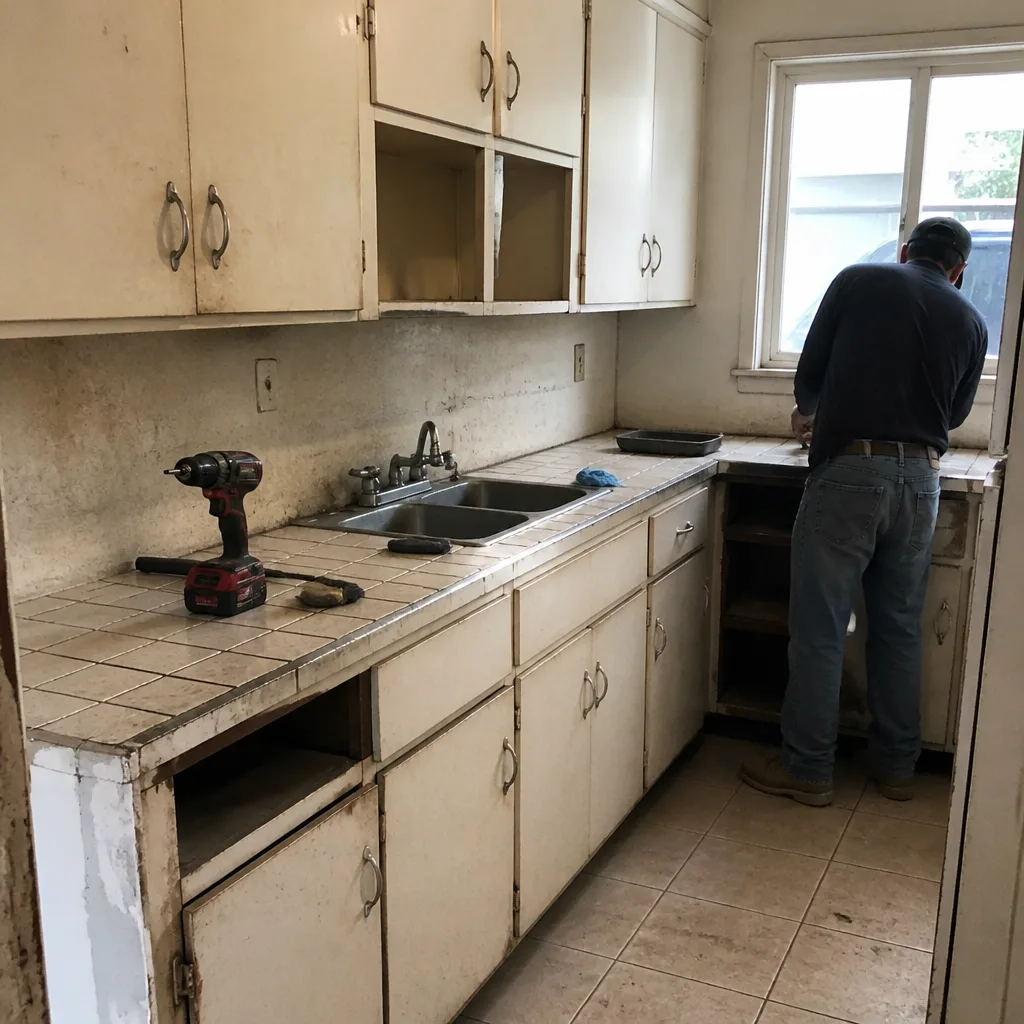 Before
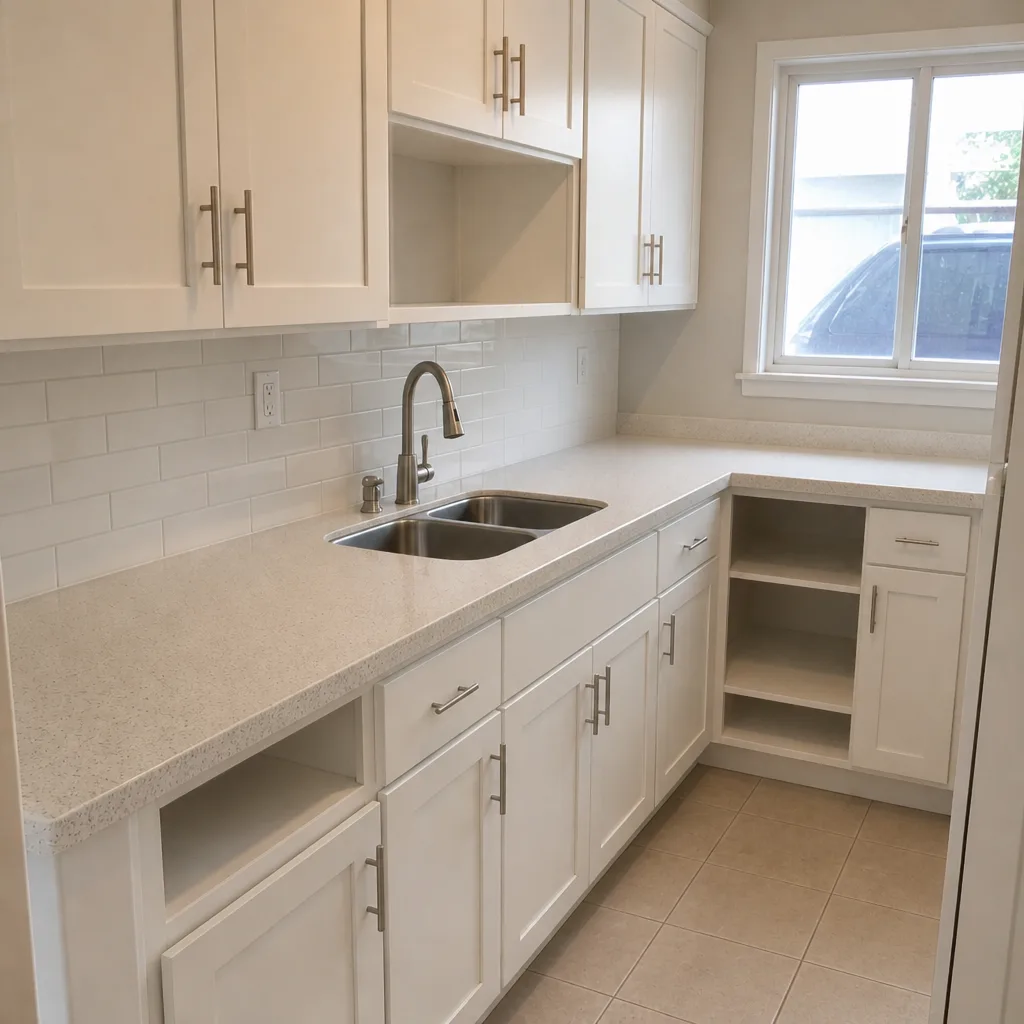 After
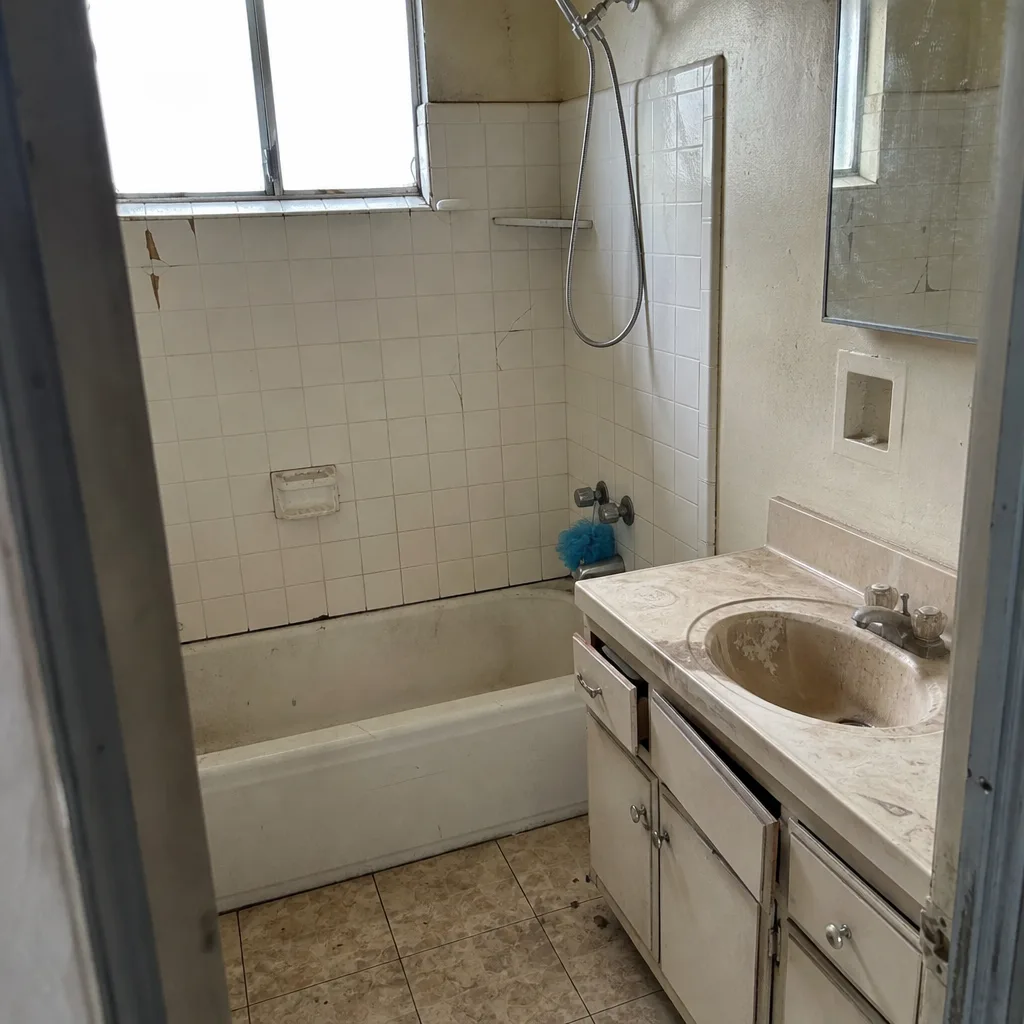 Before
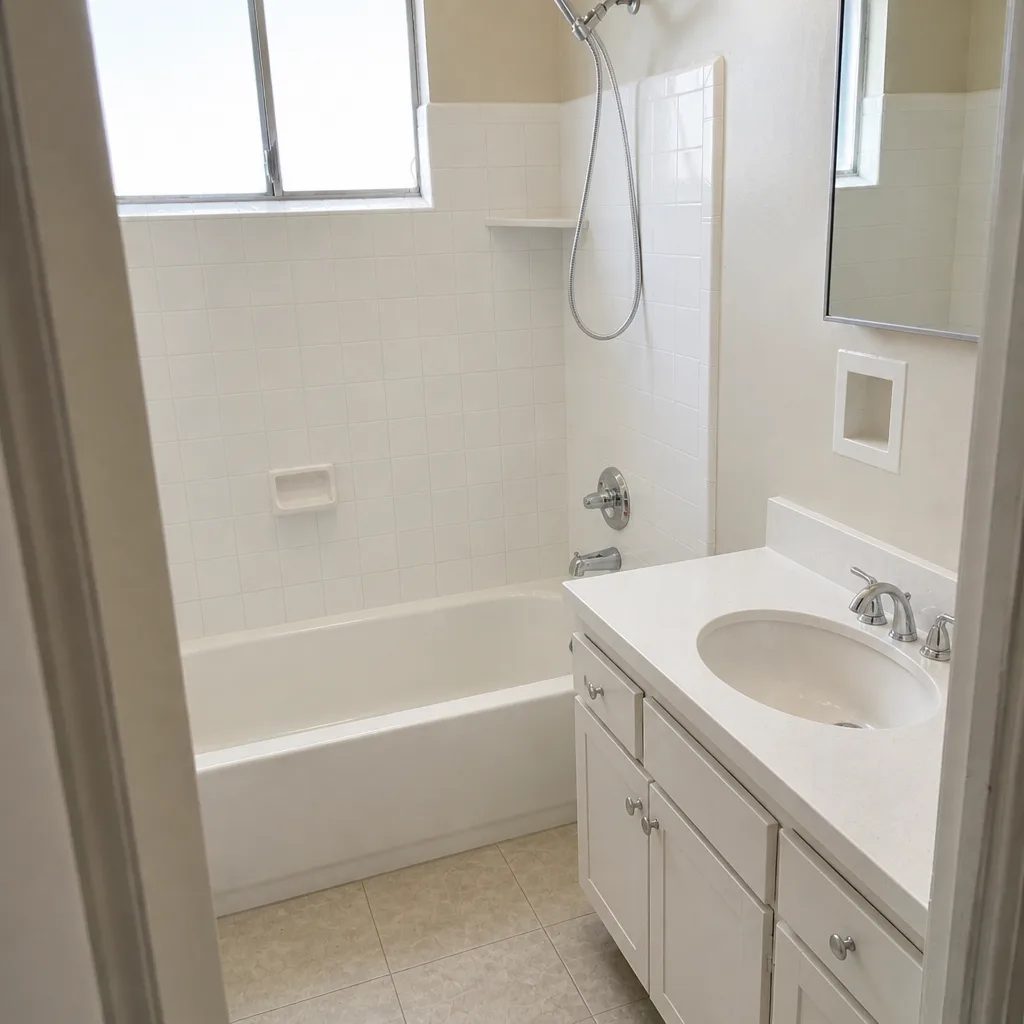 After
Frequently Asked Questions

A door that sticks suddenly is usually reporting movement in the frame or foundation around it, not a problem with the door itself. In El Monte, seasonal soil movement and foundation settlement are the common causes. It’s a signal worth a professional look, and it’s cheap to check early and expensive to ignore.
Fogging between panes means the sealed glass unit has failed its edge seal, and the window has lost most of its insulating value. It’s rarely structural, but it’s real. A single fogged unit is usually a glass replacement; a whole wall of them often points to a batch or install issue worth a closer look. Call (888) 271-7872 for a free estimate to sort out which one you have.
Yes, and it often is. Water that appears on the interior trim or runs down the jamb during rain is usually entering above the window at failed flashing or caulk, not through the glass. A new window installed into bad flashing will leak again. That’s why we diagnose the opening before recommending product.
A single fogged pane or a seasonally sticking door can be monitored. Sudden sticking, water intrusion during rain, several openings binding at once, or rot moving into the jamb means you should call a professional now. Our free estimate in El Monte covers the diagnosis and comes with written, upfront pricing.
Foundation work first, always. Windows and doors installed into a wall that’s still moving will bind the same way the old ones did, and you’ll have spent the money twice. Get the structure stable, then bring in new product. Our guide to Groundwork Construction Co. of El Monte home lays out the full scope from foundation to finish line.
Dated, consistent photos of the defect showing progression, a written log with location and any moisture readings, and every quote or warranty document in writing. A record made at the time of discovery is what carries a claim. If you haven’t started the record yet, start today. Call (888) 271-7872 if you want a professional assessment to go with it, and estimates are free.
The Bottom Line
Windows and doors are your house’s early warning system. A sticking door is telling you about movement in the frame or foundation. Fogging between panes is a failed seal with a repair-vs-replace clock on it. A condensation trail on the interior trim is usually a flashing problem that no new window will fix. Sort what you find into monitor, fix within 30 days, or call now. Photograph and log it as you go. And when a contractor points at a warning sign, ask for the cause and a written quote, because a real diagnosis is boring and specific, and a manufactured one is urgent and vague. If you’re in El Monte and want a second set of eyes on what you’re seeing, call (888) 271-7872 or schedule a free estimate with Groundwork Construction Co. today.
Written by the team at Groundwork Construction Co. of El Monte.