Last updated November 17, 2026
Free written scope consultation - allowances, timeline, and change-order rules on paper before a single trade is scheduled
The Complete Windows & Doors Guide for El Monte Homeowners
Most window advice you’ll read online was written for a house in Ohio. Here’s the problem with that: a window rated for Minnesota winters is the wrong window for an El Monte home that bakes at 105°F in September, sits in a seismic zone, and takes Santa Ana wind gusts straight to the west-facing glass. Climate drives the spec sheet, and a spec sheet chosen for the wrong climate is money that never pays you back in comfort or a lower bill. This guide maps El Monte’s specific heat, sun, wind, housing stock, and California Title 24 rules to the window and door choices that actually work here.
Quick Answer
For El Monte homes, the right window is a dual-pane unit with a low U-factor for summer heat, a solar heat gain coefficient (SHGC) tuned to the direction it faces, and strong air-leakage ratings for Santa Ana wind season. Most El Monte homes were built between 1950 and 1980, so sizing, framing repairs, and Title 24 compliance matter as much as the glass itself. Get the spec and the permit right and the utility bill follows.
Styles & brands we work with
- Kitchen remodeling
- Bathroom remodeling
- Home additions & ADU
- Roofing
- Windows & doors
- Driveway & pavers
- Fence
Table of Contents
- Why El Monte Climate Breaks Generic Window Advice
- Reading Window Ratings: U-Factor, SHGC, and Air Leakage
- The El Monte Housing Stock Reality
- California Title 24 Compliance for Window Replacement
- Choosing Doors That Fit How El Monte Homes Actually Live
- Permits and Inspections in El Monte
- Common Mistakes to Avoid
- When to Call a Professional
Why El Monte Climate Breaks Generic Window Advice
El Monte sits in the San Gabriel Valley, inland enough to miss the marine layer that cools the coast and hot enough that summer afternoons push past 100°F for stretches. That inland heat is the single biggest driver of window selection here, and it’s the factor national window marketing almost never addresses. Where a coastal installer worries about marine corrosion and a Minnesota installer worries about heat loss, an El Monte installer worries about solar gain off west-facing glass and how much heat the glass lets in during a September afternoon.
Three climate forces shape what belongs in an El Monte window:
- Inland heat and HVAC load. West- and south-facing windows in El Monte absorb direct sun for hours. Glass with the wrong solar rating turns a room into an oven and forces the air conditioner to run harder and longer. This is where SHGC does the work.
- UV exposure. High-altitude sun in the valley bleaches hardwood floors, fades furniture, and stresses interior finishes. A low-E coating blocks most UV and pays for itself in things you don’t have to replace.
- Santa Ana wind pressure. When Santa Ana winds funnel through the valley, they hit window and door assemblies with real pressure and fine grit. Loose frames, worn weatherstripping, and poor air-leakage ratings show up fast as dust infiltration and rattling glass.
In our experience, El Monte homeowners who buy a window rated only for “energy efficiency” in a generic sense end up with a unit that’s efficient in winter but mediocre at keeping out the summer sun. The fix is direction-specific specification: different ratings for the west wall than the north wall. That’s the conversation that matters here, and it’s the one we start with.
How El Monte’s neighborhoods differ
A west-facing window on a two-story house near Valley Mall faces a different sun load than a shaded east-facing unit in a quieter pocket off Peck Road. Older blocks with mature camphor and ficus canopy get afternoon shade that changes the calculus. Orientation and shade change the spec, which is why a cookie-cutter order form from a big-box chain misses the mark. Walk the house, note which walls cook and which stay cool, and spec each opening to its reality.
Reading Window Ratings: U-Factor, SHGC, and Air Leakage
Three numbers on a window label do most of the work in El Monte, and understanding them turns a confusing sticker into a clear buying decision.
U-factor
U-factor measures how well a window resists heat flow. Lower is better. In El Monte’s hot climate, you want a low U-factor to keep conditioned air from leaking out through the glass and frame. Dual-pane glass with a low-e coating pushes U-factor down dramatically compared to the single-pane aluminum windows still found in many 1960s and 1970s El Monte homes. That’s a big part of why a replacement here can lower a summer bill even before you touch the air conditioner.
Solar heat gain coefficient (SHGC)
SHGC is the number most El Monte homeowners should care about most. It measures how much of the sun’s heat passes through the window. Lower SHGC means less heat gets in. West- and south-facing windows should carry a lower SHGC than north-facing glass, which mostly needs light, not heat control. A window that’s fine on a shaded north wall can be a bad choice on a sun-blasted west wall. This direction-by-direction thinking is the single most useful habit to build.
Air leakage
Air leakage ratings measure how much air sneaks around the frame, sash, and weatherstripping. Lower is better. In Santa Ana wind season, air leakage is the number that decides whether dust and hot air whistle past the glass or stay outside. A well-built, tightly-sealed window assembly outperforms a cheap one on this metric even when the glass specs look similar on paper.
What to prioritize, in order
- Match SHGC to orientation first. West and south get the lowest SHGC your budget allows; north can be more forgiving.
- Choose a low U-factor for year-round comfort and HVAC relief.
- Insist on a strong air-leakage rating so Santa Ana winds and valley grit stay outside.
- Add low-e coatings for UV protection on floors and furnishings.
Getting this order right is the difference between a window that just looks new and a window that actually performs in El Monte. A written, line-item spec from your installer should show these numbers for each opening before a single unit is ordered. For the full scope of how these choices fit into a larger renovation, our Groundwork Construction Co. of El Monte home page lays out the trades we coordinate under one contract.
The El Monte Housing Stock Reality
Most El Monte homes were built between 1950 and 1980. That single fact shapes how window replacement actually goes here, and it’s a detail generic guides skip. A house from that era usually has original framing that has moved, settled, and dried out over decades. The rough opening a new window drops into is almost never perfectly square. If your installer doesn’t plan for that, you get gaps, drafts, and a window that fights its frame for years.
What we plan for on El Monte replacement jobs:
- Out-of-square rough openings. Older framing means new windows usually need shimming and re-flashing rather than a simple drop-in. Skilled installers measure and refit, not force.
- Framing repair and rot. Dry rot around sills and headers is common on weathered homes. A window job is the moment to fix what’s behind the wall, because you won’t get a cheaper chance to open it up.
- Asbestos and lead paint adjacency. Homes of this vintage may have asbestos-containing materials or lead-based paint near window and door areas. Disturbing them during removal isn’t a risk to leave to chance. Proper handling before demolition is part of a professional scope, and it protects your family.
- Aluminum-to-vinyl conversion. Many El Monte homes still have single-pane aluminum windows. Swapping to modern dual-pane vinyl or a composite frame is the single biggest comfort improvement available.
This is where a national installer with a standardized order process falls short. The house doesn’t cooperate with the template, and the extra work gets skipped or billed later. Upfront pricing should already account for the refit work on an older home, which is exactly why a real site walk beats a phone quote. It’s also why the trades we coordinate – from Driveway & Pavers in El Monte to the interior finish around each opening – are scoped together so the house ends up tight and finished, not just glazed.
California Title 24 Compliance for Window Replacement
California regulates the energy performance of replacement windows through Title 24, the state energy code, and LA County enforces it. When you replace windows, the new units have to meet the energy requirements for your climate zone unless a specific exemption applies. In plain terms: you can’t drop in whatever glass is on sale. The product has to be certified and the installation has to be documented.
How this plays out for an El Monte homeowner:
- Climate zone check. El Monte falls in a Title 24 climate zone, and the prescriptive requirements for U-factor and SHGC depend on it. Your installer should confirm the zone and spec the window to match before ordering.
- Certified products. Windows must be certified and carry the performance ratings that meet the code. A written spec showing the ratings is part of a compliant project file.
- Permit and inspection. Window replacement typically requires a permit, and the inspector verifies the installed product matches the approved spec and ratings. Skipping this step is a compliance problem, not a shortcut.
- Alteration rules. Only a limited portion of glazing can be replaced without triggering the full energy requirements, and the rules are specific. Getting this wrong means redoing the job or fighting a permit later.
Title 24 is not red tape to route around. It’s the code that guarantees the window you buy will perform in this climate, and it’s on your side as a homeowner. A contractor who pulls the permit, specs certified products, and documents the ratings is giving you a defensible paper trail for resale. For additions and larger projects where Title 24 compliance overlaps with structural scope, our Home Additions & ADU in El Monte page covers the permit and inspection path in more depth.
Choosing Doors That Fit How El Monte Homes Actually Live
Doors do different jobs, and the biggest mistake El Monte homeowners make is picking for looks first. An entry door on a hot, sun-blasted front elevation needs different performance than an interior slider that opens to a shaded patio. Here’s how to match the door type to the real use case.
- Entry doors. In El Monte, a west- or south-facing entry door takes direct sun and needs UV-stable finish and solid weatherstripping to stand up to heat and wind. Insulated fiberglass or steel resists warping better than a thin wood door in this climate. Security hardware also matters more when the door faces the street.
- Sliding glass doors. Common on El Monte homes opening to patios. The performance question is the glass and the track: cheap sliding doors leak air around worn rollers and let hot air in. Dual-pane glass with a tight track and quality weatherstripping changes how the whole room feels.
- French doors. Beautiful, but the swing eats floor space and the pair of panels must seal at the meeting point. In windy zones, a French door with a weak astragal (the seal between the two panels) becomes a draft source. Buyers who want the look should insist on a well-sealed assembly.
- Pocket doors. Great for tight interior spaces where a swing would block a hallway. The tradeoff is the wall cavity and track quality. A cheap pocket door rattles and sticks; a good one glides for decades.
Where El Monte homeowners get it wrong most often is choosing a large sliding or French door for sun exposure and then buying it for price alone. That door becomes the hottest wall in the house by August. Spec the glass the same way you’d spec a west-facing window: low SHGC, dual-pane, tight seals. The finish and hardware matter too. Brand partners like ActiveYards and Belgard come up most often on the exterior and hardscape side of these projects, but the door’s own glass and sealing spec is what determines summer comfort. When the door leads to a new patio or side yard, we usually coordinate that with a Fence Installation in El Monte and hardscape plan so the whole exterior reads as one finished project.
Permits and Inspections in El Monte
Window and door replacement usually requires a permit in El Monte, and the process is straightforward when it’s handled right. Here’s what a compliant project looks like from the homeowner’s side.
- Scope and spec. The contractor documents each opening, the product, and the energy ratings so the permit application reflects what will actually be installed.
- Permit application. The application goes to the city with the product specs and Title 24 documentation. Approval happens before work starts, not after.
- Installation. The work is done to the approved scope, with proper flashing, sealing, and framing repair where the older rough openings need it.
- Inspection. The city inspects the installed product against the approved spec. When the spec, the install, and the paperwork line up, the inspection passes and the permit closes.
- Project file. You keep the permit record and product documentation. That paper trail is what protects you at resale.
How unpermitted window work hurts resale
Unpermitted window replacement in El Monte becomes a problem the moment you sell. A buyers’ inspector flags windows that don’t match permit records or that lack Title 24 documentation, and the deal can stall while it’s sorted out. You may be forced to permit after the fact, sometimes redoing work to meet the current code. A buyer’s agent will treat missing permits as leverage, and the eventual cost of fixing it falls on you. The permit fee is small next to the drag a disclosure issue puts on a sale. Pull the permit. It’s part of doing the job right, and it’s part of what a written workmanship guarantee should stand behind.
Common Mistakes to Avoid
- Buying one spec for every window. A window tuned for a north wall performs poorly on a west wall that gets six hours of valley sun. Spec SHGC by direction, or you’ll fight the heat all summer.
- Skipping the permit to save time. Unpermitted window work in El Monte turns into a resale problem and a possible full redo. The permit also verifies the Title 24 ratings are met.
- Ignoring the rough opening. In a 1960s or 1970s El Monte home, the framing has settled. Installers who measure fast and install without refitting leave gaps, drafts, and rattling glass.
- Skipping rot and lead-paint checks. Disturbing dry rot or older paint during removal without proper handling is a health and durability risk. Plan for what’s behind the wall before the old window comes out.
- Choosing a door on looks alone. A west-facing entry door or a large slider that gets full sun needs insulated glass and UV-stable finish. Cheap finish fails fast in inland heat.
- Believing a verbal quote. A number taken over the phone has no line items, no product spec, and no permit scope. On an older El Monte house the refit work decides the final cost, so get it in writing.
- Trusting a warranty you can’t read. Short workmanship warranties disappear exactly when you need them. Read the term. A long written guarantee is a promise; a short one is a slogan.
When to Call a Professional
Some window and door problems are maintenance. Others are a warning. If your glass fogs between the panes, the seal has failed and the unit won’t perform no matter how you clean it. If glass rattles or whistles during Santa Ana winds, the frame or weatherstripping has given out. If you see moisture stains or soft wood around a sill, there’s likely rot behind the frame. If you’re planning a Title 24 window replacement, a permit is on the table and the spec has to be right before the order goes in. And if the job touches older lead paint or walls that may hold asbestos, the safe handling matters more than the timeline. These are the moments to stop guessing. Groundwork Construction Co. of El Monte offers free estimates in El Monte, backed by the 730-Day Done Right Promise and upfront pricing so the number you see is the number you pay. Call (888) 271-7872 to schedule your free estimate.
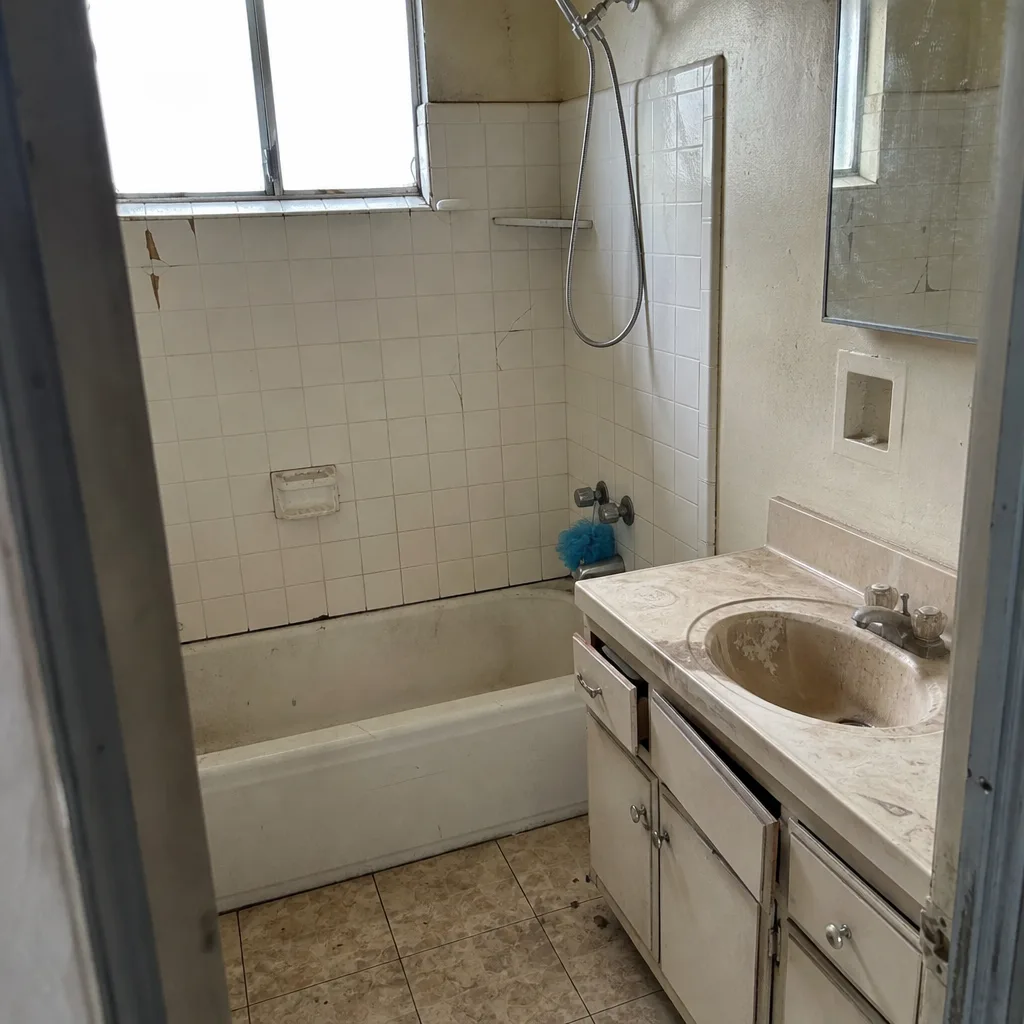
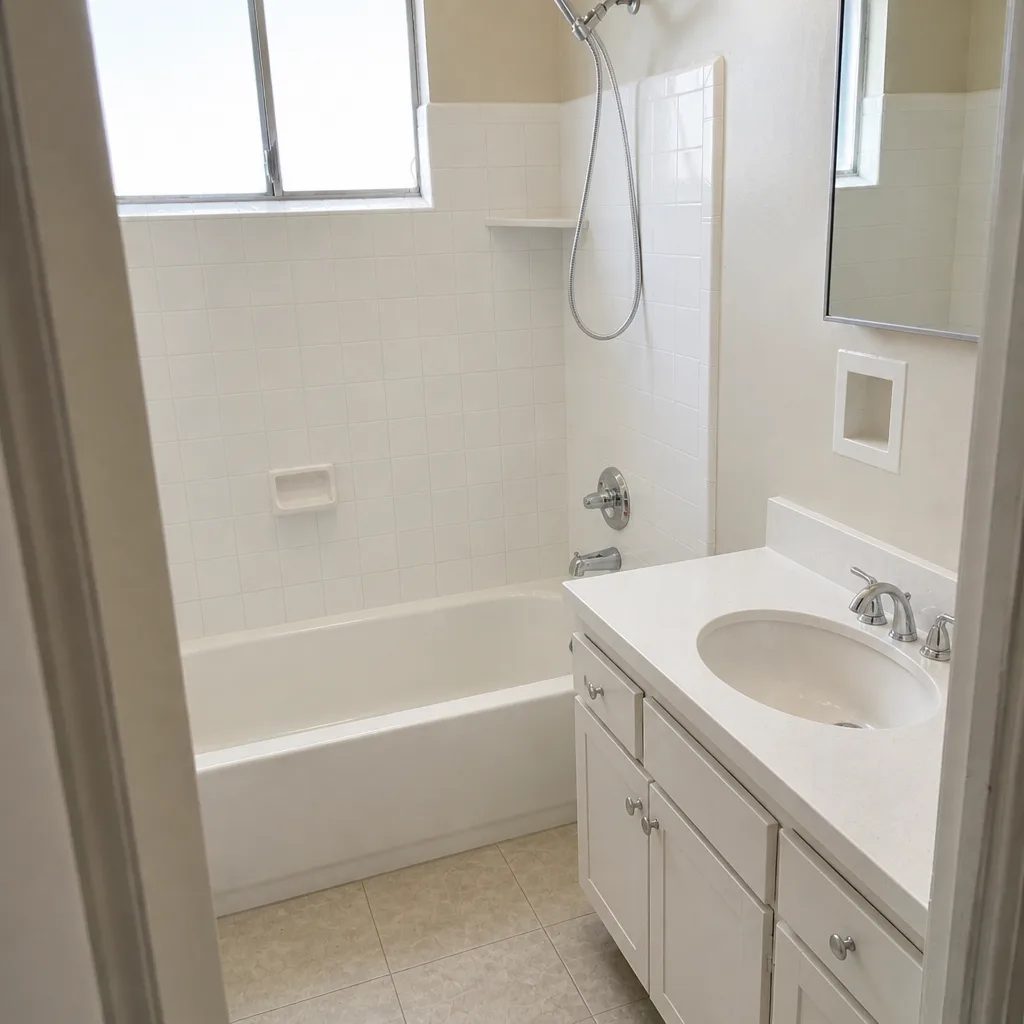
See the difference
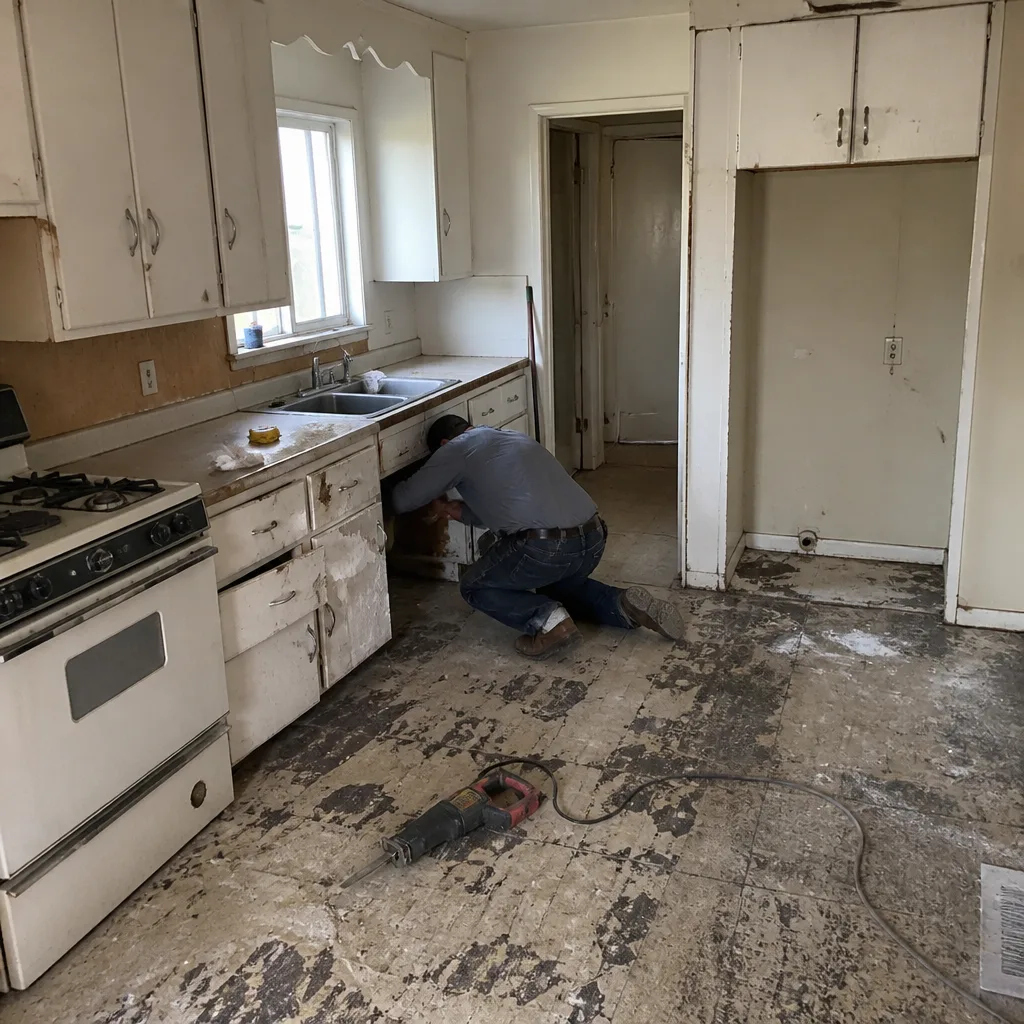 Before
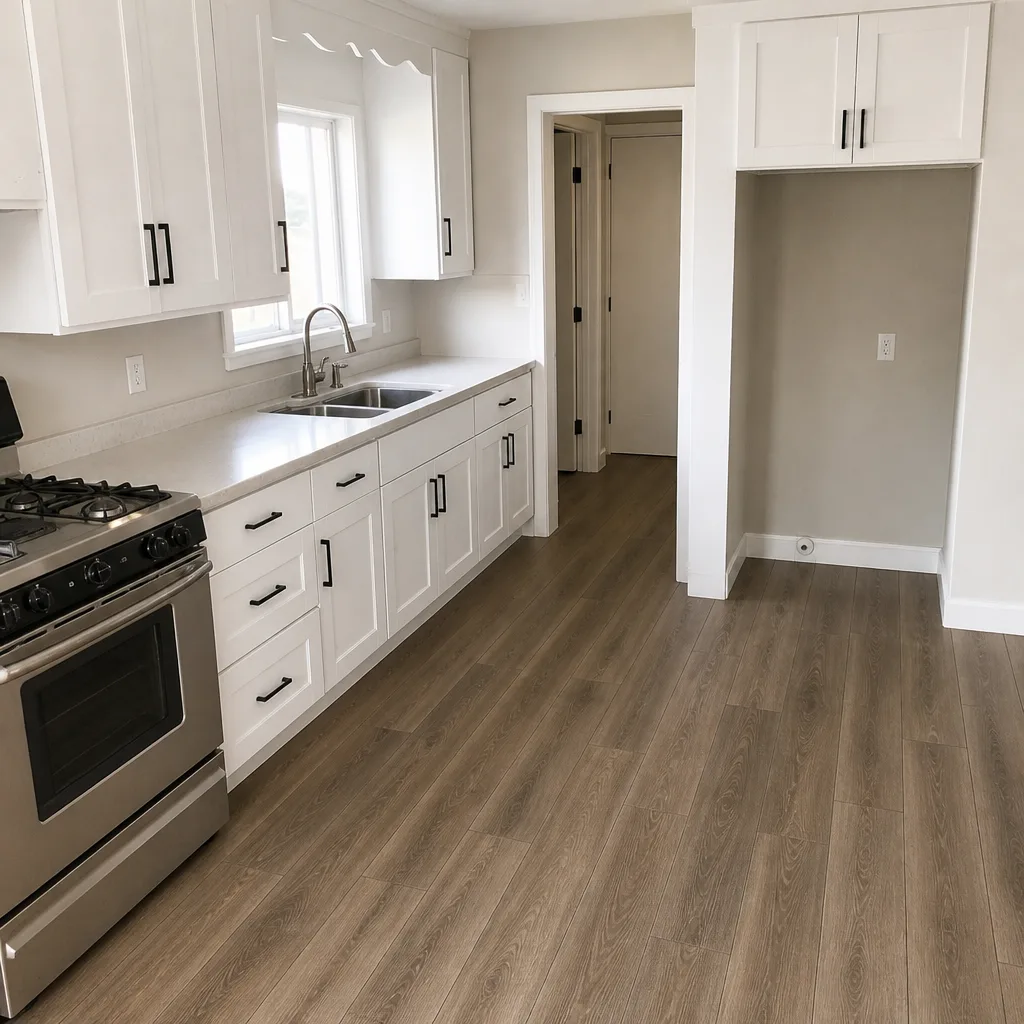 After
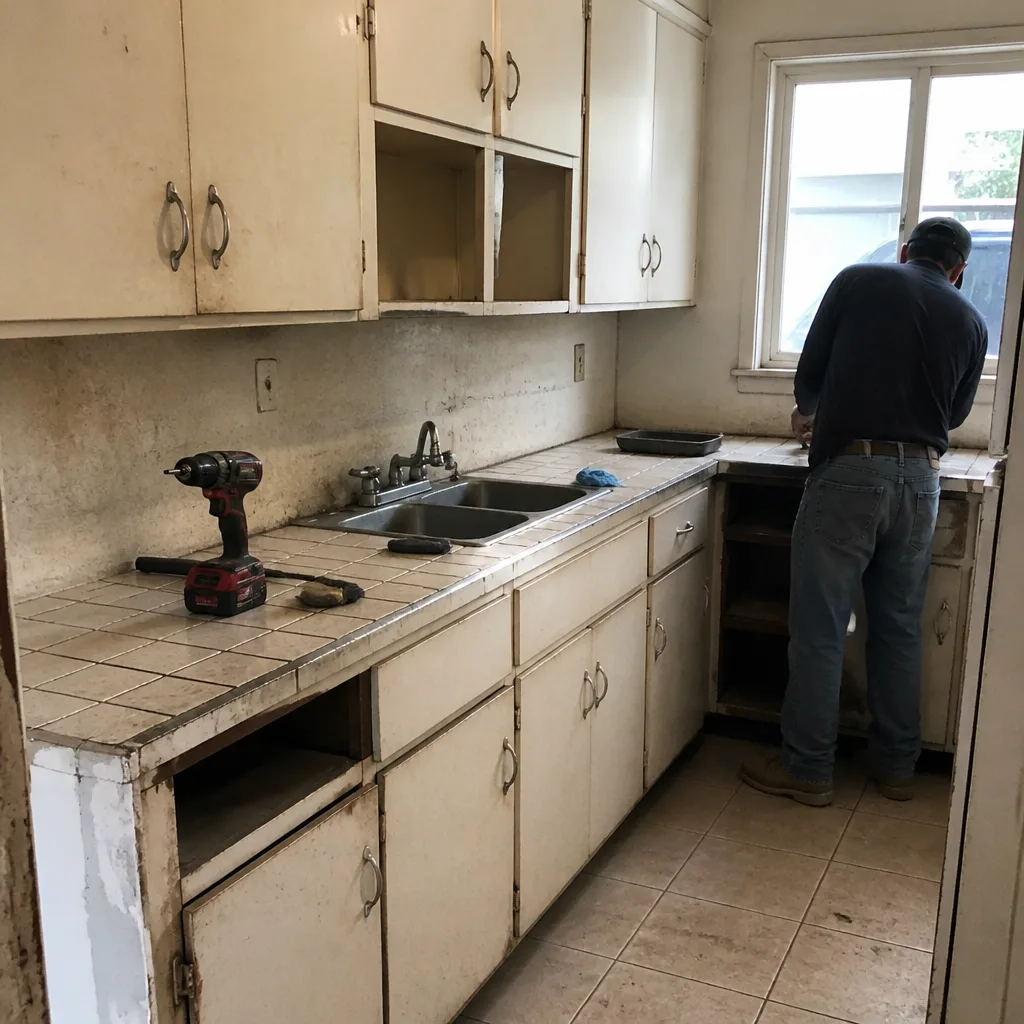 Before
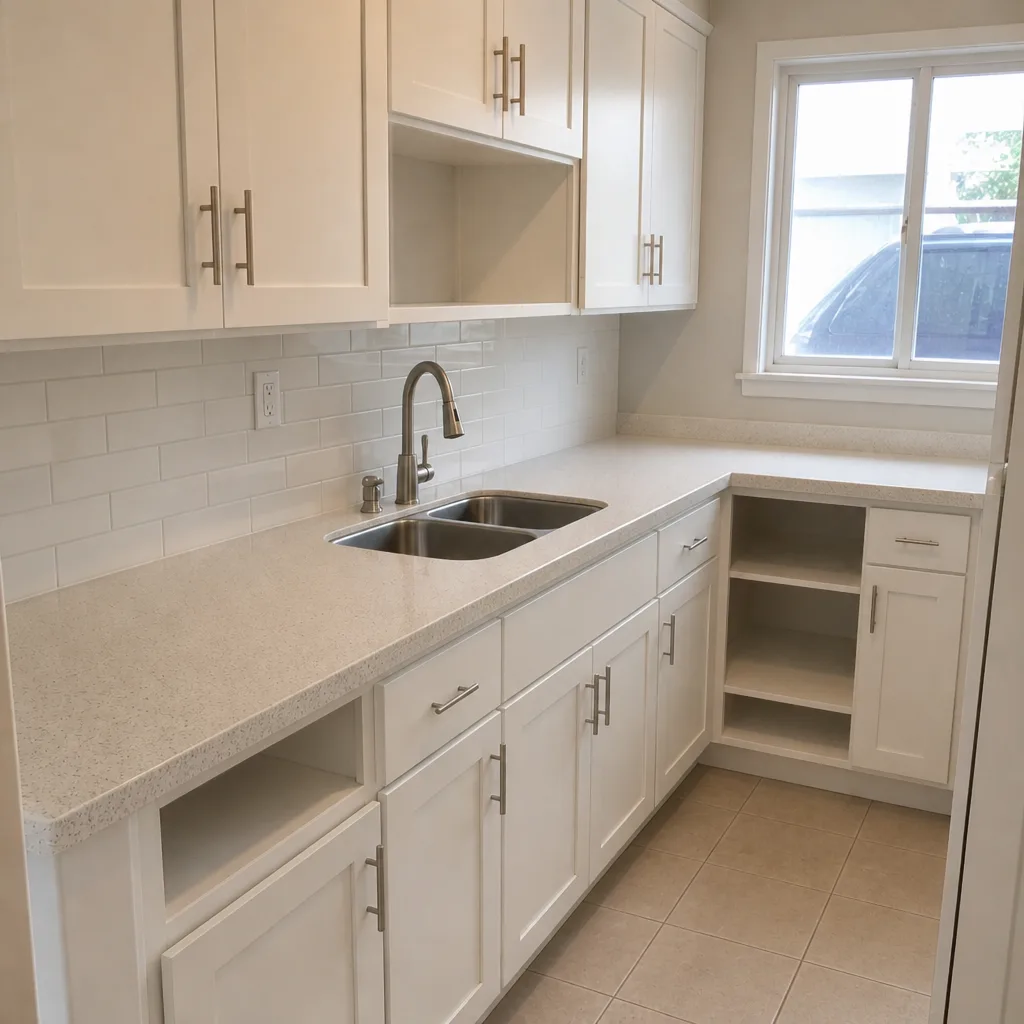 After
 Before
 After
Frequently Asked Questions
Dual-pane windows with a low U-factor and a solar heat gain coefficient matched to the direction the window faces. West and south windows in El Monte need a lower SHGC because they take direct summer sun; north windows need less heat control. A strong air-leakage rating matters too, because Santa Ana winds are real pressure on glass and frames. Call (888) 271-7872 for an exact spec and a free estimate.
Yes. Window replacement in El Monte typically requires a permit, and the job is checked against California Title 24 energy requirements. The product has to be certified and match the approved spec, and the city inspects the install. Unpermitted work becomes a resale problem. A professional installer handles the permit and the inspection as part of the scope. Call (888) 271-7872 to talk through your project.
Cost depends on the number of openings, the glass spec, and how much framing repair a 1950s to 1980s home needs. A home with settled rough openings and rot to refit costs more than a straight swap, which is why a written line-item quote from a site walk beats a phone estimate. We give upfront pricing with no surprises, plus 0% financing for 18 months and $1,000 off projects over $10,000. Call (888) 271-7872 for a free estimate.
It shouldn’t. On an older El Monte home, the refit conditions behind the wall are the main variable, and those are visible on a proper site walk. Look for a written quote with line items for windows, installation, framing repair, and permit, so the scope is defined before the crew arrives. We stand behind a single upfront number and the 730-Day Done Right Promise. Call (888) 271-7872 for a free estimate with no surprises.
Most homes are completed within a scheduled window once the windows arrive and the permit is in hand, with many single-day installs for a standard set of openings. Larger homes with more windows and rough-opening repairs take longer. Title 24 compliance and city inspection add to the timeline, so plan the permit before the product order. Call (888) 271-7872 and we’ll map the schedule for your home.
Match the door to its job and its sun exposure. A west-facing entry needs insulated glass and UV-stable finish; a patio slider needs dual-pane glass and a tight track; a French door needs a solid seal between the panels so Santa Ana winds don’t find a gap. Pocket doors work in tight hallways where swing space is short. The mistake is choosing on looks alone. Call (888) 271-7872 to talk through the right door for your top problem.
It’s our written workmanship guarantee: if the work isn’t done right, we make it right, and the coverage runs 730 days on our workmanship. That’s one of the longer guarantees in residential construction, and it’s why we want the permit and the spec right the first time. Calls are answered by a live person 24/7, and every technician is background-checked and arrives in uniform. Call (888) 271-7872 for your free estimate.
The Bottom Line
The right window for an El Monte home is chosen by climate, not by a national ad. Match SHGC to orientation, keep U-factor low, and demand tight air-leakage ratings for Santa Ana wind. Respect the housing stock: refit settled rough openings, fix rot, and handle lead paint and asbestos risk with a professional. Pull the permit and meet Title 24, because it protects your resale. Choose doors by use case and sun exposure, not looks. On a project this specific, get a written spec and a written guarantee. Call (888) 271-7872 for a free estimate from Groundwork Construction Co. of El Monte.
Written by the team at Groundwork Construction Co. of El Monte.