Last updated November 17, 2026



Free written scope consultation - allowances, timeline, and change-order rules on paper before a single trade is scheduled
Home Additions & ADU Troubleshooting: Common Problems and How to Fix Them
The number one complaint after a home addition or ADU is finished isn’t a roof collapse or a failed foundation. It’s a slow collection of small, nagging issues – the back bedroom that never cools down, the baseboard that pulled away from the wall, the faint musty smell after a rain. The original contractor calls it “normal settling.” Sometimes it is. Often it’s the fingerprint of a step that got skipped during framing, waterproofing, or mechanical rough-in, and it’s been quietly compounding since the day the crew packed up. This guide shows you how to read those early signals in your El Monte home before a $400 fix becomes a $40,000 repair.
Quick Answer
Most post-completion ADU and addition problems trace back to four root causes: skipped waterproofing details, an HVAC system that was never load-calculated for the new square footage, framing or beam sizing errors that show up as cracks and sticking doors, and rough-in mistakes in plumbing and electrical that surface 6 to 18 months later. Diagnose by pattern – where the symptom appears, when it appears, and whether it’s getting worse – then document it in writing before you call your contractor or an independent inspector.
Styles & brands we work with
- Kitchen remodeling
- Bathroom remodeling
- Home additions & ADU
- Roofing
- Windows & doors
- Driveway & pavers
- Fence
Table of Contents
- Is that drywall crack cosmetic settling or something worse?
- Why your addition never heats or cools right
- Water intrusion in California additions: where it enters and what it looks like
- Plumbing and electrical issues that surface 6 to 18 months later
- Independent inspection vs. going back to your contractor
- How to document issues before you make the call
- El Monte climate factors that shape how additions fail
- How to avoid these problems on the front end
Is that drywall crack cosmetic settling or something worse?
A crack in new drywall is the single most misread symptom in addition work. Some cracks are harmless. Some are the first visible evidence that a beam is undersized or a footing is moving. The trick is knowing which pattern you’re looking at.
Cosmetic cracks look like this: hairline width, usually at a drywall seam or corner, appearing in the first 12 months, stable after the first year, and located where two different materials meet (drywall-to-ceiling, drywall-to-trim). These are nail pops and normal lumber shrinkage as the framing dries out. A good drywall finisher can touch them up in an afternoon.
Cracks that warrant investigation look like this:
- Stair-step cracks in drywall corners or above door headers, especially on a diagonal
- Width over 1/16 inch, or any crack that widens month over month
- Repeating patterns – the same crack reappearing in the same spot after two repairs
- Doors and windows that stick in the new space but not the old
- Floors that slope or feel spongy near a beam line
- Cracks that mirror a beam or header location on the wall below it
In El Monte, we see a specific pattern in additions built over older slab-on-grade sections on the south and east sides of town: when the new footing isn’t tied into the existing grade beam correctly, the two structures move at different rates during the summer dry cycle, and the seam shows up as a vertical crack in the interior wall above the junction. That’s not settling. That’s two foundations behaving differently because the connection detail was wrong. Our technicians have up to 12 years of experience reading exactly this kind of pattern, and it’s the reason we walk through framing details on every Home Additions & ADU in El Monte project before the drywall goes up.
If a crack meets any of the second-list criteria, don’t spackle over it. Photograph it with a ruler in the frame, note the date, and re-photograph in 30 days. If it grew, you have your answer.
Why your addition never heats or cools right
The most common complaint about a finished ADU or addition is temperature: too hot in summer, too cold in winter, or both. It’s also the problem most likely to trace back to a single skipped step – the load calculation.
Before any HVAC work on an addition, a contractor should run a Manual J load calculation on the entire house-plus-addition, not just the new square footage. This tells you how many BTUs the new space needs, what the existing system can actually deliver, and whether a new zone, a new unit, or a duct upgrade is required. When that calculation gets skipped – and it gets skipped a lot – the new space ends up hanging off the tail end of a duct run designed for a smaller house. The result: a room that gets 40% of the airflow it needs and 100% of the complaints.
Signs your HVAC was never properly sized for the addition:
- The new room is consistently 5 to 10 degrees off from the rest of the house
- The system runs constantly in the new space and short-cycles in the old space
- Airflow from the new registers is noticeably weaker than existing registers
- The return air path for the new space runs through a door you have to leave open
- Your electric bill climbed 20% or more after the addition went live, but comfort didn’t
How to fix it: A qualified HVAC technician needs to measure actual static pressure and airflow at the new registers, then compare against the Manual J and Manual D (duct design) numbers. In some cases the fix is as simple as rebalancing dampers or adding a return. In others it’s a mini-split for the new zone, which in El Monte’s climate often delivers better comfort at lower cost than extending the central system. The important thing is to diagnose with measurements, not guesswork.
One more El Monte-specific note: many of the post-war homes near the Whittier Narrows side of town have undersized electrical panels for a modern HVAC addition. Before you add a mini-split or a second condenser, verify the panel capacity. We cover that connection in more detail below.
Water intrusion in California additions: where it enters and what it looks like
Water intrusion is the most expensive problem in this guide, because it damages framing, insulation, and drywall before it announces itself. In Southern California’s climate, most additions don’t fail during a heavy rain event – they fail during the second or third rain of the season, after the first one has had time to wet the assembly and the second one finds the weakness.
Where water enters in El Monte additions:
- At the transition between the new roof and the existing roof, especially on low-slope sections
- Around the ADU’s exterior wall-to-framing detail if the house wrap was lapped backward – a common but invisible shortcut
- Behind stucco at window and door penetrations where the flashing wasn’t integrated into the weather-resistive barrier
- At the slab-to-wall junction on slab-on-grade additions if the bottom plate wasn’t detailed for drainage
- Through the door threshold on ADUs where the exterior door sits at grade without proper weep detail
What it looks like from inside:
- Faint musty smell that shows up 24 to 72 hours after rain
- Bubbling or blistering paint on the interior wall, usually near a corner or window
- Dark stains on ceiling drywall at the new-to-old roof junction
- Water pooling on the interior slab near the wall base, or efflorescence (white powdery residue) on concrete
- Baseboards that swell and pull loose from the wall
If you see any of these, the waterproofing detail at that location was wrong or missing. It’s a contractor warranty issue in almost every case – a properly built assembly should handle decades of El Monte rain, not two seasons. This is where premium building materials matter: components like James Hardie siding and properly integrated weather barriers are the difference between a wall that sheds water and one that drinks it. On additions and ADUs we build, the flashing sequence is part of the inspection walk before the walls close. If you’re dealing with an intrusion from a contractor who’s gone silent, Groundwork Construction Co. of El Monte home can assess the assembly and write a scope for the fix.
Plumbing and electrical issues that surface 6 to 18 months later
Rough-in mistakes hide inside walls. They don’t fail on day one – they fail once you’ve moved into the new space, started using the fixtures, and had a warm season for the pipes and wires to settle into their new routine. Here are the signals worth taking seriously.
Plumbing:
- Slow drain in the new bathroom that started fine and got progressively slower. Usually a slope issue in the drain line, not a clog.
- Water stain on the ceiling below the new bathroom within the first year, especially after a heavy shower. Points to a shower pan or supply line connection.
- Banging or clanking pipes when you turn off the new sink or tub. That’s water hammer from missing or improperly secured arrestors.
- Sewer smell in the new space. Almost always a missing or improperly installed P-trap or vent under a new fixture.
Electrical:
- Breakers that trip during normal use, especially when the new space has multiple loads on at once. Suggests the panel wasn’t properly sized for the addition.
- Lights that dim or flicker in the new space when appliances cycle. Points to an undersized circuit or a shared neutral issue.
- Warm outlets or switch plates in the new space. That’s a fire-prevention red flag – call an electrician immediately, not next week.
- GFCI outlets in the new bathroom or kitchen that trip repeatedly. Sometimes a bad outlet, sometimes a wiring fault on the load side.
Who’s responsible? Rough-in errors like improper slope, missing venting, undersized circuits, or wrong GFCI placement are contractor warranty issues. Wear-and-tear items – a shower cartridge that fails after 18 months, a GFCI that ages out, a water heater element – are homeowner maintenance. The line between them matters, because it’s usually where warranty disputes start.
Independent inspection vs. going back to your contractor
The instinct when something goes wrong after a project is to call the contractor immediately. That’s usually right – but not always. There’s a short decision tree that saves homeowners time and money.
Go back to your contractor first when:
- The issue is clearly within the work they performed
- It’s within the warranty period (in our case, the 730-Day Done Right Promise covers workmanship for two full years)
- The issue is visible to a layperson, or you have clear photos
- You have a written record of the original scope and the contractor is still responsive
Call an independent inspector or third-party specialist first when:
- You suspect a structural problem (crack patterns, deflection, sloping floors)
- Water intrusion is significant and the source isn’t obvious
- The contractor has gone silent, been evasive, or disputed the issue in writing
- You’re outside the original warranty period
- The issue potentially affects safety (electrical arcing, gas connections, structural movement)
A licensed independent inspector or structural engineer will document findings with photos and a written report you can use in a warranty claim, insurance claim, or dispute. It’s not adversarial – the good contractors welcome a third-party read because it resolves the “is this normal or not” conversation with actual evidence.
One El Monte-specific note worth knowing: additions in the San Gabriel Valley often fall under city inspection cycles that already require engineering sign-offs on structural elements. If your project went through those inspections, the reports are on file at city hall, and pulling them is often the fastest way to determine whether an issue was supposed to have been caught. It’s not usually necessary to hire a separate engineer just to pull the file.
How to document issues before you make the call
The single biggest reason homeowners lose warranty disputes is that they can’t show the issue developing over time. A photo a year after the problem started doesn’t prove it’s been growing – a photo series does. Here’s the process we recommend to every homeowner, whether the original builder was us or someone else.
- Photograph with scale. Place a ruler, coin, or tape measure against the crack, stain, or gap. Always. A crack without scale is a crack without evidence.
- Add a date stamp. Take the shot with a phone that timestamps, or write the date on a piece of paper and put it in the frame. Either works.
- Shoot both the detail and the wide shot. Close-up plus context. The detail shows the issue, the wide shot shows where it is on the wall.
- Repeat on a schedule. Same location, same time of day, same lighting, every 30 days until you call.
- Keep a written log. A simple notes app entry works: date, what you observed, what the weather was, whether the issue was new or changed.
- Save all communications. Emails and texts from the original contractor, the original scope of work, receipts, inspection records. Screenshot anything that could disappear if a phone changes hands.
- Get a written acknowledgment on record. When you call the contractor, follow up with a written summary of what was discussed. “Just confirming our call – you mentioned you’ll send someone out Tuesday.” A record protects both sides.
El Monte climate factors that shape how additions fail
El Monte sits in the San Gabriel Valley, and the local climate produces a specific set of failure patterns in additions and ADUs that don’t show up the same way in other parts of California. It’s worth knowing them because they change how you read the symptoms.
Dry summer / wet winter cycling. The valley floor pushes framing lumber through a strong seasonal expansion-contraction cycle. Lumber that was milled on the wet side of the spec will shrink noticeably in the first summer after a project closes in, which is why hairline drywall cracks in the first 12 months are so common. That’s not failure – it’s physics. The test is whether the cracks stabilize after year one.
Santa Ana wind exposure. El Monte gets gusty conditions during Santa Ana events that stress the roof-to-wall junction and window flashings. Additions with marginal flashing details will show their first problems during these events – not during a rainstorm, but during the wind that precedes one.
Clay-heavy soil in parts of the valley. Sections of El Monte are built on expansive clay soil that swells and shrinks with moisture. Additions on these lots need piering or a reinforced grade beam that accounts for the movement. If the original design ignored it, you’ll see the symptoms pattern in the first 18 months – a crack at the new-to-old foundation seam, a door that shifts through the year, a slab that cracks along the same line year after year. If you’re planning a new addition in an older El Monte neighborhood, this is the design detail most worth asking about before work starts. Our free project estimate and design consult includes a walk through these details on the front end, and it’s the reason foundation scope gets its own line item instead of a lump sum.
Wildfire smoke and air quality periods. Seasonal smoke events push HVAC filtration hard. Additions with ductwork that was properly sealed at the seams handle it fine. Additions with sloppy duct tape jobs (and yes, we see that) leak smoke into the new space in ways that the rest of the house doesn’t. If the new room smells like the outside air on bad air-quality days, that’s a duct-sealing issue, not a coincidence.
How to avoid these problems on the front end
Every problem in this guide has a front-end prevention step that costs a fraction of the fix. If you’re still in the planning phase on an El Monte addition or ADU, this is the short list of scope items to insist on before work starts.
- Manual J load calc on the whole house before any HVAC scope is finalized. Not the addition alone – the whole house.
- Photographed waterproofing sequence at every transition. You should have photos of the flashing before stucco or siding went up.
- Written foundation detail, not a hand-wave, especially on clay soil lots. Ask for the specific design of the new-to-old connection.
- Pre-drywall walk with you present. This is your single best chance to catch rough-in mistakes before they get buried.
- Permits pulled and inspections passed, with the documents copied into your project file. A building department sign-off is documented proof.
- Written workmanship warranty, in scope, with the warranty period stated in days or months – not “warranted for a reasonable time.”
- Upfront pricing, no surprises. A line-item scope of work, and a commitment to fixed pricing through the project except for owner-directed changes.
If you’re already finished and troubleshooting symptoms, the prevention list is your audit checklist. Walk it against what you know about the original project – most homeowners can identify at least one item that got skipped, and that’s usually where the problem started.
Common Mistakes to Avoid
- Spackling over a crack before you photograph it. You’ve just destroyed the evidence, and warranty claims live or die on evidence. Photograph first, with a scale, then fix.
- Assuming every symptom is “settling.” Settling is a phase, not a permanent excuse. If a crack is still growing at 18 months, it’s not settling – it’s structural or a material defect.
- Running the new HVAC zone off the existing thermostat. Sharing a thermostat between old and new spaces guarantees the new space never balances. Zoned or separate control is standard on properly built additions.
- Waiting for the second wet season. Water intrusion compounds. A $400 flashing repair in month 3 is a $4,000 framing and drywall repair in month 14. In El Monte’s clay soil and winter rain patterns, water damage spreads faster than most homeowners expect.
- Calling the contractor without documentation. A written log with dated photos gets a serious response. A phone call describing “the wall is cracking” gets a “we’ll take a look.”
- Letting the original contractor’s silence stretch into the warranty window. If you’re inside a warranty period, every week of silence costs you time on the resolution. Document, then escalate – don’t wait for them to call back.
- Hiring the cheapest bid on the front end. The most common reason foundations get skipped details and HVAC gets under-sized is a low bid that shaved scope. Upfront pricing with a written line-item scope protects you here in ways a verbal quote never does.
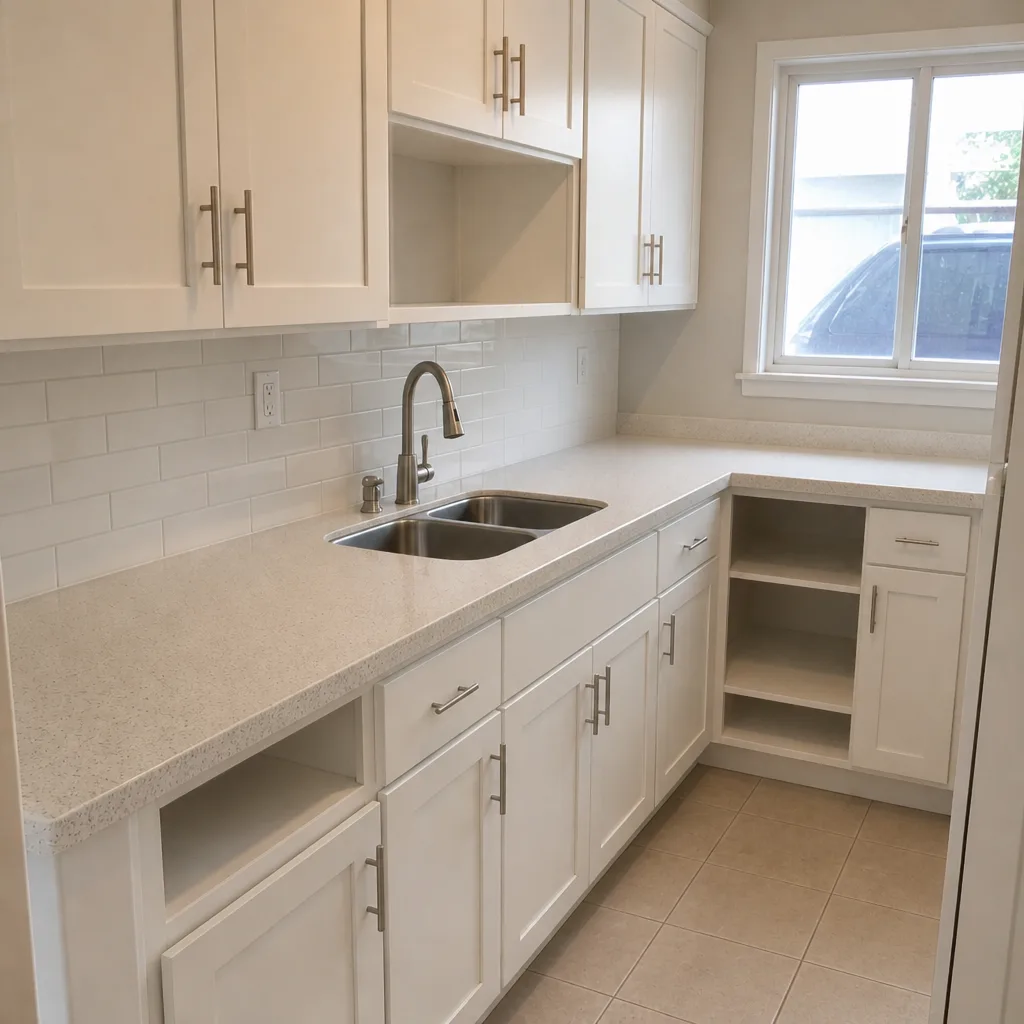
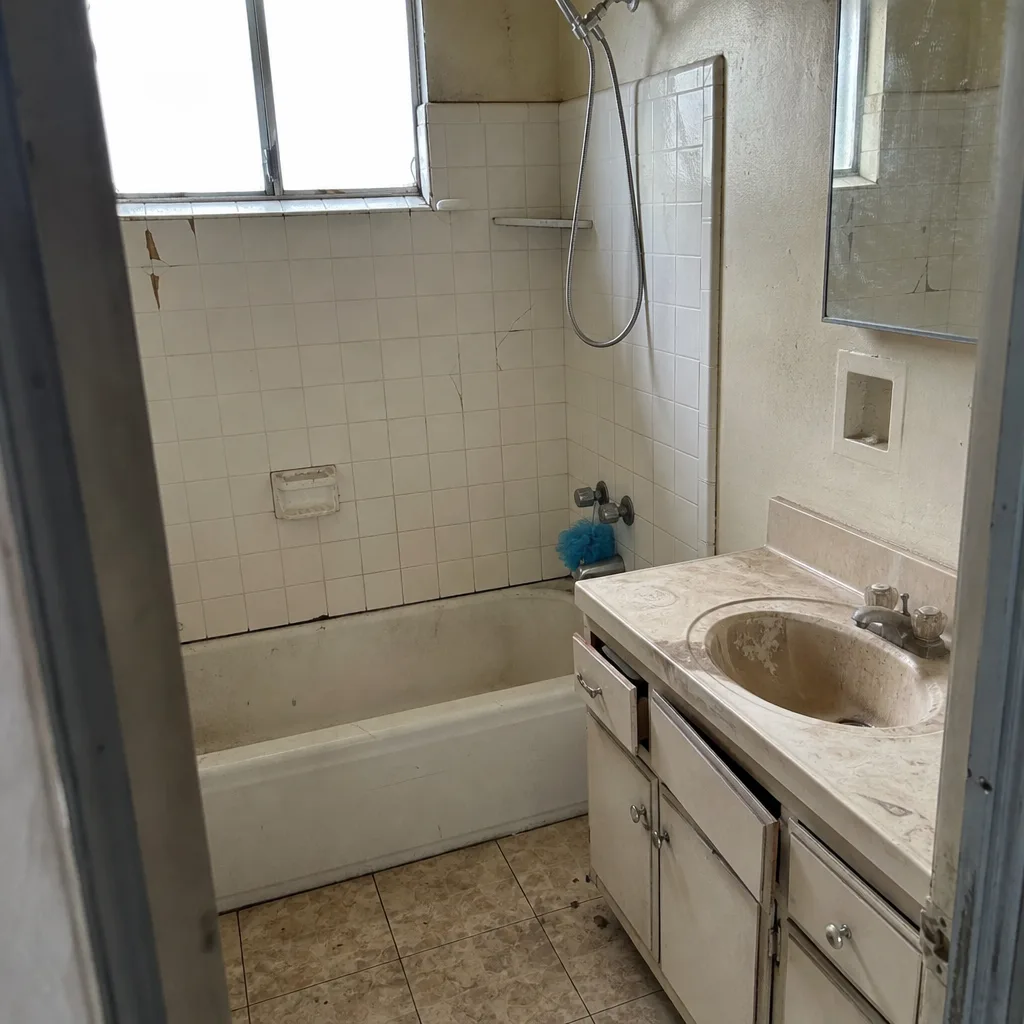
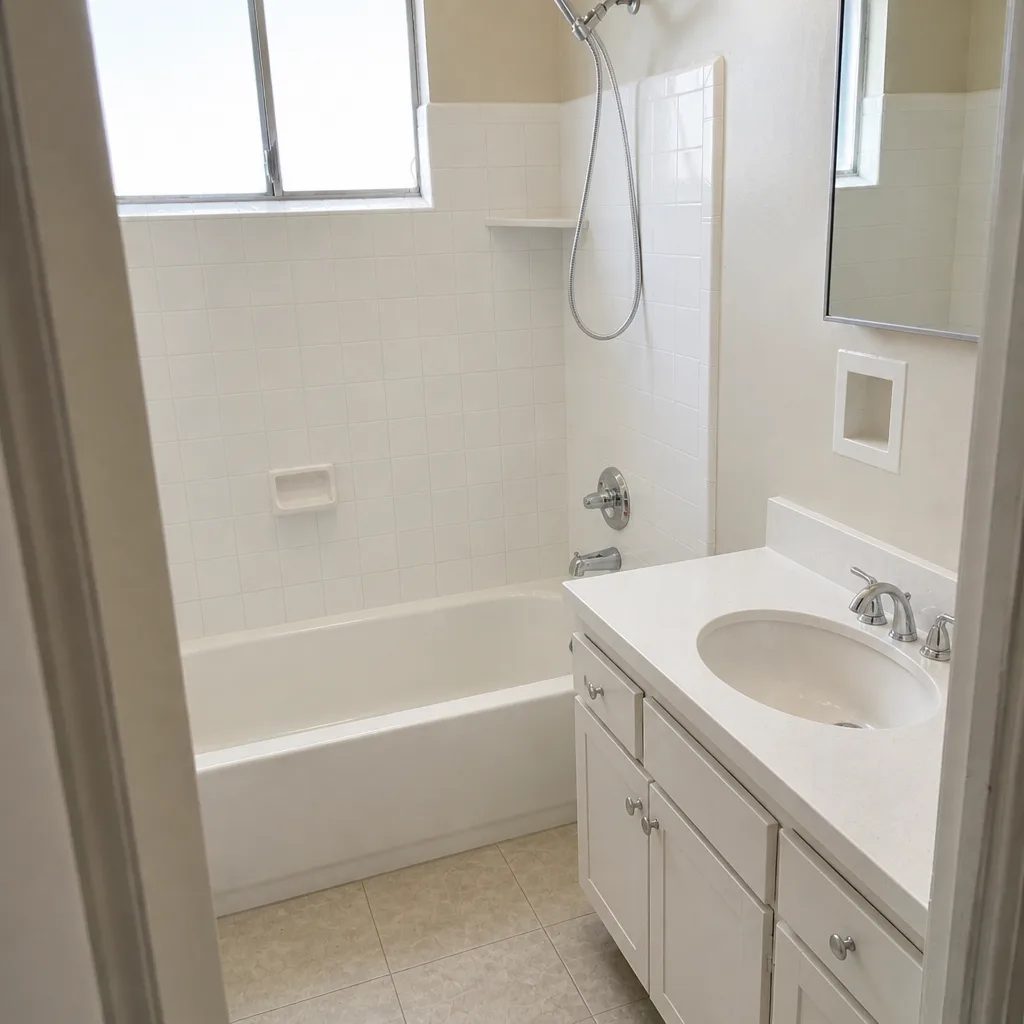
See the difference
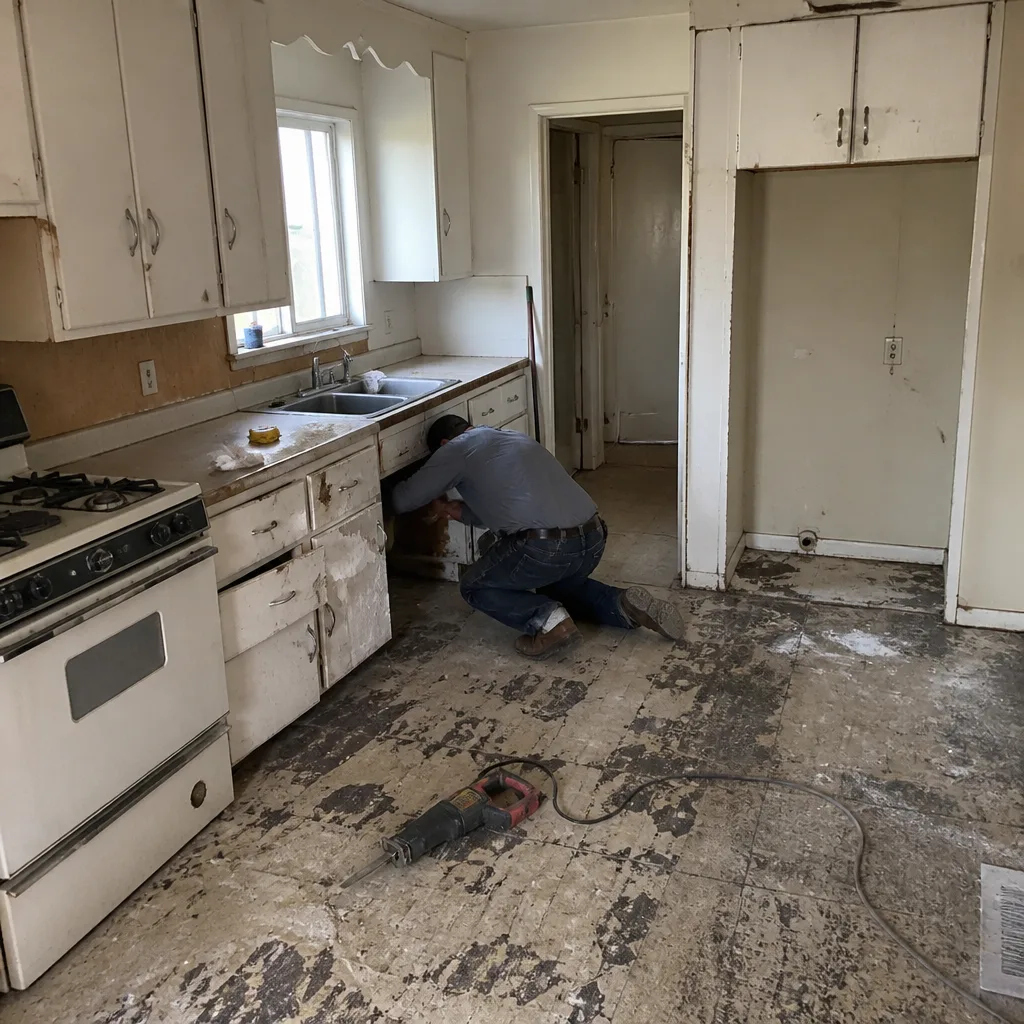 Before
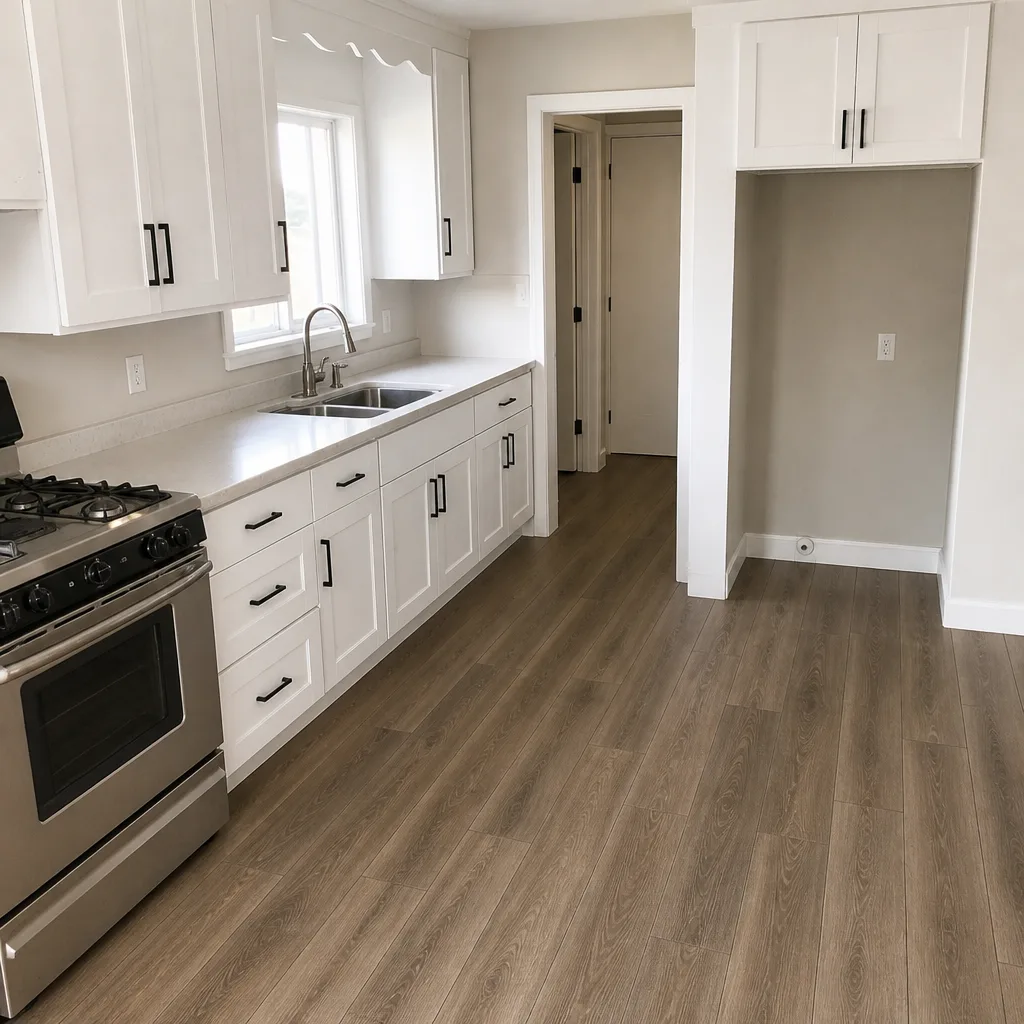 After
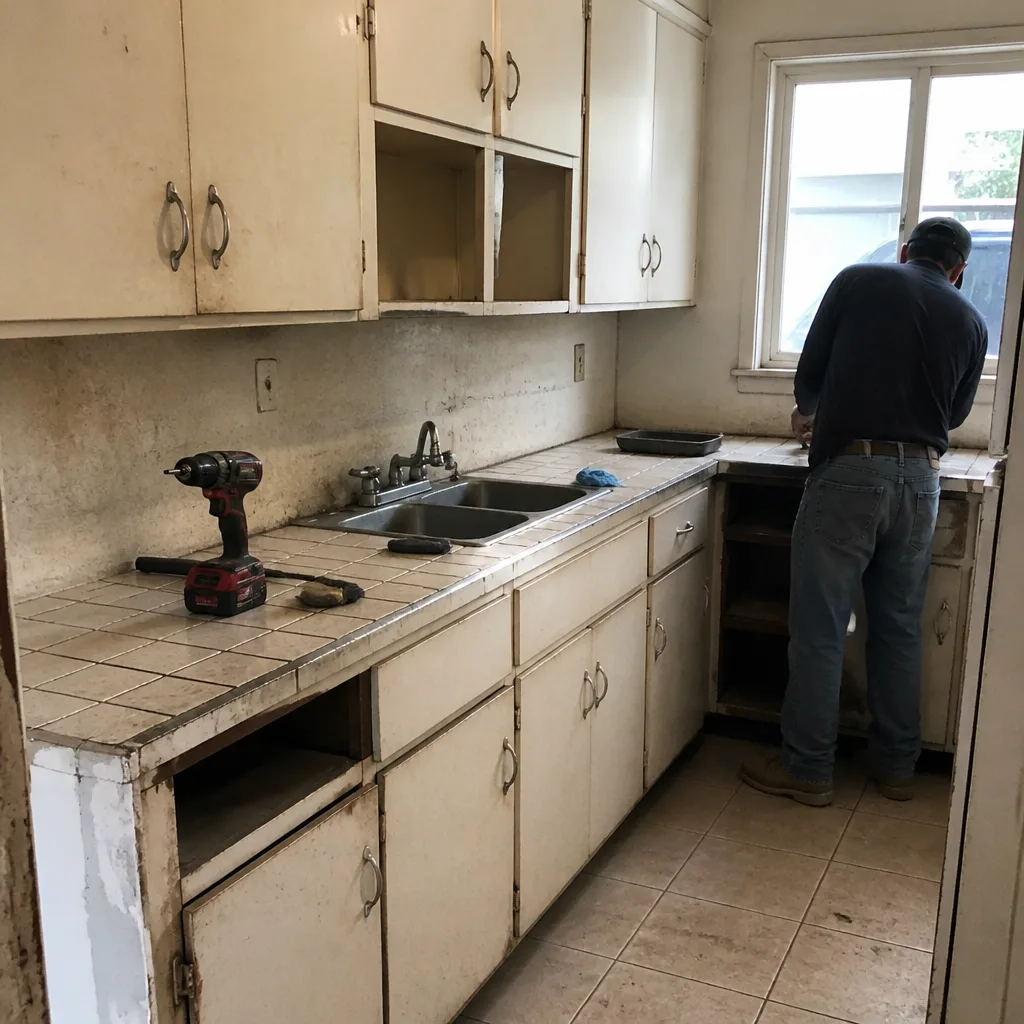 Before
 After
 Before
 After
When to Call a Professional
Some of what’s in this guide is homeowner-territory: documenting cracks, monitoring a stain, changing a GFCI. But several categories are not. Call a licensed professional immediately if you’re seeing structural crack patterns (stair-step in drywall corners, cracks that widen month over month, doors shifting through the year), active water intrusion (stains that grow after each rain, musty smell with visible damage), any electrical symptom involving warm outlets or repeated tripping, gas smell of any kind, or plumbing leaks that have reached drywall or flooring. Do not DIY diagnosing structural or electrical systems. Bring in an independent inspector if you’re past your contractor’s warranty window or worried about the original build.
Groundwork Construction Co. of El Monte offers free estimates in El Monte for homeowners troubleshooting additions and ADUs. Call (888) 271-7872 – a live person answers the phone 24/7, no voicemail, no waiting until Monday. We’ll come out, walk the symptoms with you, and write a scope with line-item pricing before anything else happens.
Frequently Asked Questions
Repair costs in El Monte typically run $400 to $900 for cosmetic drywall and trim fixes, $1,500 to $4,000 for HVAC zone correction (damper rebalancing or mini-split addition), $2,500 to $8,000 for localized water intrusion repair with stucco or siding removal, and $6,000 and up for structural remediation involving beam or footing correction. Exact pricing depends on access and scope. Call (888) 271-7872 for a free estimate – we write line-item quotes so you can see exactly what’s being fixed.
Not on our projects. Upfront pricing, no surprises: the number in the written quote is the number you pay, unless you as the homeowner request a change to scope mid-project. If we open a wall and find something the original scope couldn’t have revealed (a hidden framing issue, unexpected water damage behind the drywall), we come to you with the finding and a written change order before any work proceeds. You approve or you don’t – we don’t absorb silent additions into the final bill.
Yes. Structural repairs, HVAC additions or replacements, electrical panel changes, and plumbing rough-in work all require permits in El Monte, and we pull them as part of the scope. The permit inspection gives you third-party documented proof the work was done to code – which is exactly the kind of evidence you’d want if this issue ever came up again with a future buyer or insurer.
Diagnostic walk and written scope: 3 to 7 business days from your call. Cosmetic drywall repairs: 1 to 2 days. HVAC zone correction: 2 to 4 days including permit. Water intrusion repair: 5 to 12 days depending on the extent of damage found. Structural remediation: 3 to 6 weeks. We give you a written timeline with the scope, and we tell you upfront which phases depend on what we find behind the wall.
Every Groundwork Construction Co. of El Monte project is backed by the 730-Day Done Right Promise – if it’s not done right, we make it right, for two full years from completion. That’s one of the longest workmanship guarantees in the residential construction space. If a repair we perform fails within that window, we come back and fix it at no charge. No fine print, no “reasonable wear and tear” exclusions on our workmanship.
Yes. Remediation work on additions built by other contractors is a significant part of what we do in El Monte, and we do it without editorializing about the original builder. We diagnose what’s actually wrong, write a scope to fix it, and give you line-item pricing before we start. If the original contractor’s work is still covered by their warranty and it’s worth pursuing, we’ll say so – sometimes the right call is to hold them accountable rather than pay us. We’d rather give you the honest read than the expensive one.
The Bottom Line
ADU and addition problems almost never announce themselves with a catastrophe. They show up as a stuffy room, a slightly high water bill, a crack that keeps reappearing, a smell after rain. The homeowners who come out ahead are the ones who treat those small signals as evidence, document them before fixing them, and know the difference between a maintenance item and a workmanship claim. If you’re in El Monte and you’re not sure which side of that line you’re on, the next step is a diagnostic walk and a written scope. Groundwork Construction Co. of El Monte backs every repair with the 730-Day Done Right Promise, answers the phone 24/7 with a live person, offers 0% financing for 18 months and $1,000 off projects over $10,000. Call (888) 271-7872 to schedule your free estimate – and if an upcoming project needs full-scope service from foundation to finish line, the same team handles Driveway & Pavers in El Monte and Fence Installation in El Monte.
Written by the team at Groundwork Construction Co. of El Monte.