Last updated November 17, 2026
Free written scope consultation - allowances, timeline, and change-order rules on paper before a single trade is scheduled
Construction Cost Breakdown: The El Monte Homeowner’s Reference for 2026
Most homeowners walk into a contractor meeting knowing what they want to spend but not what anything actually costs. That information gap is exactly where padded bids and scope creep are born. A homeowner with a defensible number in hand negotiates from a completely different position than one who’s guessing. This reference pulls apart the real 2026 cost structure for the projects El Monte homeowners ask about most: driveway replacement, room additions, ADU builds, and exterior hardscape. You’ll get material benchmarks from the San Gabriel Valley supplier market, labor rate context, the permit and plan-check costs most bids bury or exclude, and a method for auditing any bid line by line. El Monte sits in a specific labor and materials market, and the numbers here reflect that.
Quick Answer
In 2026, the most common El Monte construction projects price out roughly as follows: a full driveway replacement runs $9,000 to $22,000 depending on square footage and finish; a room addition lands between $280 and $450 per square foot; a detached or attached ADU typically falls between $250,000 and $420,000 for a full build; and exterior hardscape work ranges from $18 to $45 per square foot installed. Permit fees, plan check, and inspection time add a separate $2,500 to $12,000 depending on project type, and most bids you receive will either exclude these or fold them in without a line item. The specific number depends on square footage, site access, and finish level, but these ranges give you a defensible starting point before any contractor hands you a proposal.
Styles & brands we work with
- Kitchen remodeling
- Bathroom remodeling
- Home additions & ADU
- Roofing
- Windows & doors
- Driveway & pavers
- Fence
Table of Contents
- 2026 Material Cost Benchmarks in the San Gabriel Valley
- Why El Monte Labor Rates Differ From Neighboring Cities
- Driveway Replacement Costs in El Monte
- Room Addition Cost Structure
- ADU Build Costs in El Monte
- Exterior Hardscape: Pavers, Fences, and Flatwork
- Permits, Plan Check, and Inspection Time Most Bids Exclude
- How to Audit a Contractor’s Bid Line by Line
2026 Material Cost Benchmarks in the San Gabriel Valley
Material pricing in the San Gabriel Valley supplier market moved differently than the national averages you’ll find on most cost sites. Concrete, pavers, lumber, and rebar are all sourced differently here than in, say, the Midwest or even the Central Valley, and the numbers reflect it. These are the benchmark ranges we see on bids and material quotes across El Monte as of 2026. Treat them as starting points, not quote replacements.
- Ready-mix concrete (delivered): $185 to $235 per cubic yard for standard 3,000 to 4,000 PSI mix. Bagged sand and gravel mix runs $8 to $12 per 80-lb bag for small patches.
- Concrete flatwork pricing (installed): $9 to $14 per square foot for standard broom finish; $14 to $20 for exposed aggregate or colored stamp.
- Interlocking pavers (material only): $3.50 to $8.50 per square foot depending on brand and color range. Barrette and Belgard sit toward the middle-upper end; basic no-name grey sits near the bottom.
- Dimensional lumber (framing): 2x4x8 stud runs $4.50 to $7.00; 2x6x8 runs $8.00 to $12.50; 2x10x16 joist sits in the $26 to $38 range.
- Rebar: #4 (½”) runs $1.10 to $1.60 per linear foot installed, with #3 typically 25% less and #5 about 30% more.
- Concrete form materials and rebar mesh: $0.75 to $1.25 per square foot of flatwork, bundled into most flatwork bids.
One thing that moves these numbers in El Monte: sand and gravel haul distances from the aggregate yards that serve the San Gabriel Valley versus the Antelope Valley. A truck hauling to an El Monte job site from a local yard costs less than one pulled from further out, but the local yards often run tight on delivery windows in spring and early summer. If you’re pricing a project in April or May, expect delivery scheduling to influence the bid.
Why El Monte Labor Rates Differ From Neighboring Cities
The $20,000 driveway in El Monte and the $20,000 driveway in Arcadia are not the same job, even when the drawings look identical. Labor rates across the San Gabriel Valley wander $15 to $35 per hour depending on trade and crew size, and the variance comes down to four drivers. Understanding them helps you tell a fair bid from a padded one.
- Licensing and CSLB status. A licensed contractor carries a $25,000 contractor’s bond, a liability policy, and a workers’ comp policy. That overhead runs $2,000 to $8,000 per year and shows up in the hourly rate. Unlicensed crews cut the corner, and that’s exactly where warranty fights happen later.
- Crew size and productivity. A four-person framing crew running efficiently on an El Monte addition finishes 20% to 30% faster than a two-person crew, which shifts the labor cost per square foot even if the hourly rate looks higher.
- Insurance overhead for shingle-and-shingle work. Roofers carrying steep-slope workers’ comp pay 30% to 60% more in premium than flatwork crews. That’s why roofing labor runs $65 to $95 per hour versus $45 to $70 for concrete flatwork.
- Traffic and access. El Monte sites near Valley Boulevard or the 10 freeway corridor eat 30 to 60 minutes a day in load-in and material delivery versus sites further north near the foothills. That time gets billed.
Neighboring cities with narrower streets and steeper lots, like parts of South Pasadena or Sierra Madre, sometimes run higher labor rates than El Monte because of access costs and permit-permit overhead. In our experience, El Monte labor rates sit near the middle of the San Gabriel Valley band. Calls to (888) 271-7872 get answered by a live person 24/7, which matters when you’re comparing bids and want a quick read on whether a number makes sense.
Driveway Replacement Costs in El Monte
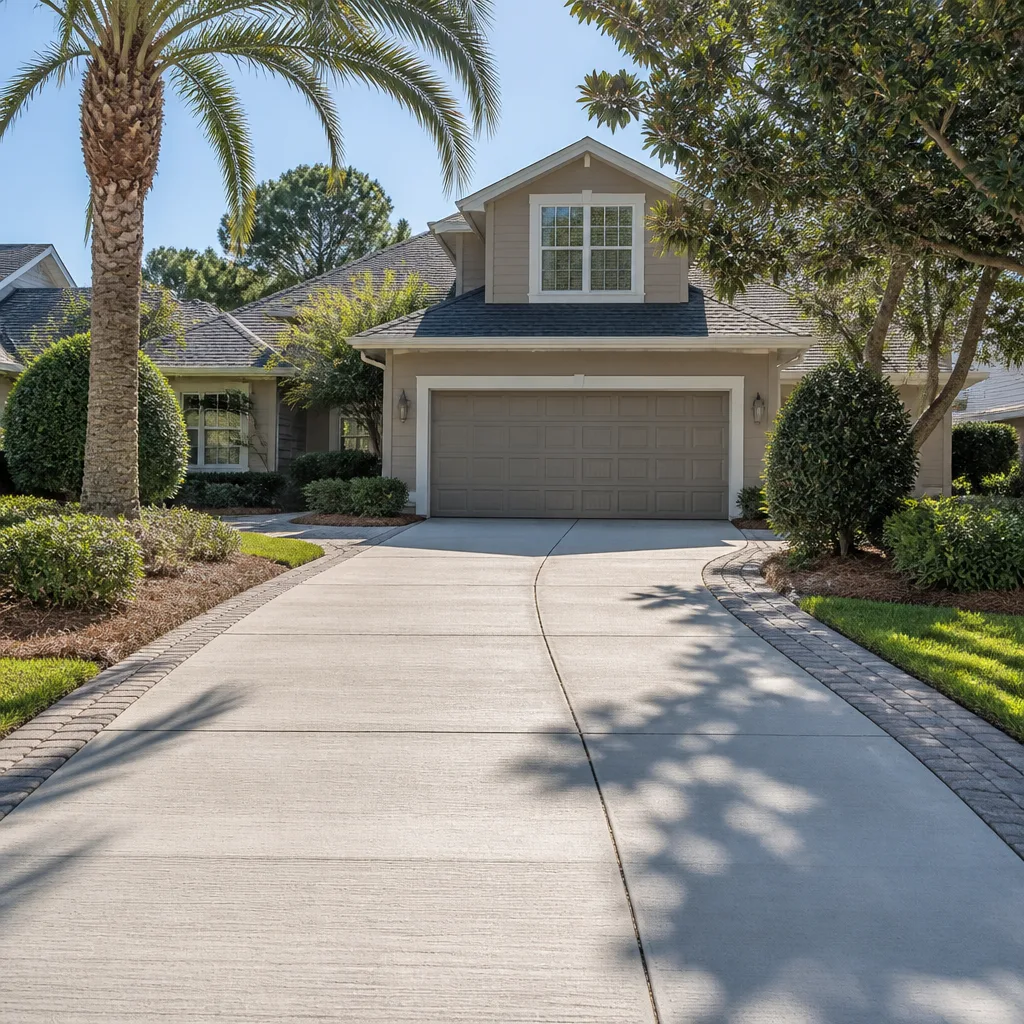
A standard two-car El Monte driveway replacement – 500 to 700 square feet of concrete with a broom finish – runs $9,000 to $18,000 in 2026 once demo, haul-away, base prep, formwork, rebar, and finish are included. Paver driveways on the same footprint run $14,000 to $26,000. Handshake deals from an unlicensed crew will often land around $6,500 to $9,000, and the reason is simple: no permit, no rebar grid, no written warranty, and sometimes no haul-away of the old concrete. That matters for resale. A driveway poured without proper base compacting on El Monte’s soil – much of the city sits on sandy loam and older alluvial fill – starts cracking within three to five years.
Line-item breakdown for a typical 600 square foot El Monte driveway:
- Demo and haul-away: $1,200 to $2,400
- Base prep and compacting: $800 to $1,800
- Formwork and rebar grid: $1,000 to $2,000
- Concrete (5″ pour, 4,000 PSI): $3,800 to $5,800
- Finish (broom, stamp, or exposed): $600 to $2,400
- Permit and inspection (if required for widening or new apron): $400 to $1,200
Every El Monte driveway we price includes a written line-item quote with fixed pricing, so the number you see is the number you pay. Our Driveway & Pavers in El Monte page has more on paver options and the curb-appeal tradeoffs most homeowners don’t consider until they’re already under contract.
Room Addition Cost Structure
A room addition in El Monte runs $280 to $450 per square foot, all-in. A 300 square foot master suite addition lands $84,000 to $135,000; a 500 square foot family room lands $140,000 to $225,000. The single biggest variable is whether the addition requires foundation extension, roof re-framing, and HVAC re-sizing – all three stacked can push the top of the range, and skipping any one of them chops 15% to 25% off.
Beyond square footage, four buckets drive the final number:
- Foundation work: $18 to $32 per square foot for slab-on-grade addition foundation, more if the lot slopes and retaining work is required. Much of El Monte sits on relatively level ground, which helps.
- Framing and roofing tie-in: $95 to $145 per square foot of addition area. Roof tie-ins are where the biggest bid discrepancies show up because an honest tie-in takes twice as long as a lazy one.
- Windows, doors, and exterior finish: $14,000 to $40,000 on a 300 to 500 square foot addition, depending on window line and siding choice. Our window partners include Andersen and Marvin; both sit in the mid-upper market band.
- MEP (mechanical, electrical, plumbing): $22,000 to $55,000 for a full addition. El Monte additions built before about 1980 sometimes need panel upgrades, which add $3,500 to $7,500.
We pull the permits and pass the inspections on every addition, which is the part most low bids quietly skip. The tradeoff is up-front cost – a permitted addition costs 8% to 12% more than an unpermitted one on paper, but an unpermitted addition can get flagged at resale and cost more in remediation than it saved. More detail at our Home Additions & ADU in El Monte page. Projects over $10,000 get $1,000 off through our current promotion, and 0% financing for 18 months is available on approved credit.
ADU Build Costs in El Monte
A full ADU build in El Monte runs $250,000 to $420,000 in 2026 for an 800 to 1,200 square foot attached or detached unit; garage conversions land lower at $120,000 to $195,000 because they skip foundation, roof, and sometimes the full electrical service upgrade. The “average” $180,000 ADU that shows up in national cost guides gets you a studio conversion, not a full two-bedroom build, and homeowners who price against that national number routinely walk into a first meeting expecting half the real cost.
What pushes an El Monte ADU toward the top of the range:
- Site access. Detached ADUs on tight El Monte lots (some blocks near the Rio Hondo corridor have 4 to 6 feet of side-yard access) require smaller equipment and more manual material handling. Factor $15,000 to $35,000 onto the bid for tight sites.
- Utility trenching and panel upgrade. If the existing main panel is 100 amp and the ADU adds a 60 to 100 amp subpanel, expect $8,000 to $18,000 in electrical infrastructure work. Many mid-century El Monte homes need it.
- Full kitchen and bath. A “wet bath” for a studio conversion runs $8,000 to $14,000. A full ADU kitchen with a range and full tile bath runs $35,000 to $65,000.
- Fire separation and access requirements. Detached ADUs near a property line sometimes need fire-rated construction and dedicated fire-department access, which adds $6,000 to $15,000.
ADU permit fees in El Monte run $3,500 to $9,000 for the full bundle, plus plan check, and the review timeline typically runs 8 to 14 weeks for a full submittal. That plan-check window changes the project schedule, not the project cost, but it’s the reason a “6-month ADU” almost always stretches to 9 or 10 months.
Exterior Hardscape: Pavers, Fences, and Flatwork
Exterior hardscape in El Monte runs $18 to $45 per square foot installed for pavers and stamped flatwork, and $28 to $65 per linear foot for most fences. That’s a wide band, and the spread comes down to material choice and the condition of the existing surface. Pavers over a properly compacted base with a geotextile layer cost roughly 20% more than pavers laid on native soil after minimal prep, and the 20% is exactly what makes the difference between a hardscape that holds a decade and one that shifts within three winters.
El Monte-specific things that move these numbers:
- Clay-heavy soil in older subdivisions near the Whittier Narrows area needs deeper base excavation (12″ vs. 6″) before pavers go down, adding $4 to $7 per square foot.
- Mature tree roots on lots near the Emerald Isle area and along Santa Anita Avenue often require root barriers or selective removal, adding $1,500 to $6,000 depending on scope.
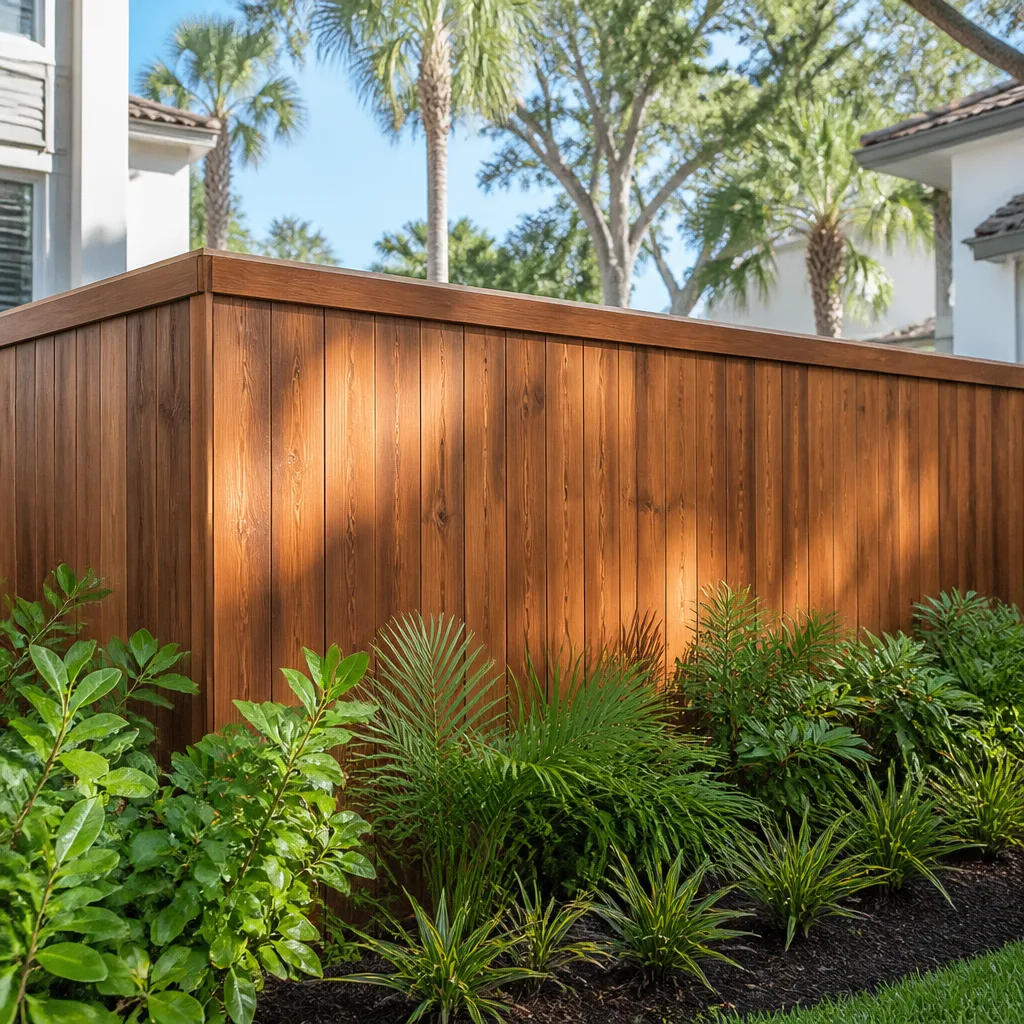
- Fence replacement on a typical 150-foot residential lot runs $4,200 to $9,750 with Barrette, Master Halco, or Ameristar materials. Vinyl privacy fencing lands near the top of that band; ornamental aluminum sits in the middle. Our Fence Installation in El Monte page has more on material comparisons.
- Drainage correction – which matters on the flat lots throughout much of El Monte – adds $1,800 to $5,500 for French drains or grading correction. Most hardscape bids skip this until water pools after the first heavy December rain.
We put the number in writing up front, no change orders later, and hardscape is covered by the same 730-Day Done Right Promise as every other service.
Permits, Plan Check, and Inspection Time Most Bids Exclude
Permit fees, plan check, and inspection time are the numbers most El Monte bids leave out – sometimes deliberately, sometimes because the contractor simply doesn’t plan for them. Add $2,500 to $12,000 to any project budget depending on scope. This is the difference between a bid that closes and a bid that grows.
Typical El Monte permit costs by project type in 2026:
- Driveway replacement (widening or new apron): $400 to $1,200 in permitting, plus plan check if the driveway touches the curb line or right-of-way.
- Room addition (300 to 500 sq ft): $3,500 to $7,500 in permit fees, plus $1,200 to $2,800 plan check, plus 6 to 10 weeks of review time.
- Full ADU: $3,500 to $9,000 in permit fees, plus $1,800 to $4,200 plan check, plus 8 to 14 weeks of review.
- Full kitchen or bathroom remodel: $600 to $2,200 if MEP work is involved; less if it’s finish-only.
- Fence over 6 feet tall or on a property line: $200 to $800 depending on length.
The review time is not free – it delays the project 6 to 14 weeks in most cases, and if the contractor is holding a crew slot for you, that slot can bump. We build the permitting timeline into the schedule before the contract is signed, and we pull the permits and manage inspections ourselves. It’s the part homeowners most underestimate about El Monte work, and it’s the part that most often sours a relationship before demolition even starts.
How to Audit a Contractor’s Bid Line by Line
Most El Monte bids arrive as a single lump-sum number with a “materials and labor” line and a payment schedule. That format hides margin in places you can’t see, and legitimate margin in places you can. Here’s how to tell the difference.
- Ask for a line-item breakdown by trade. A fair bid itemizes demo, framing, concrete, MEP, finishes, permit fees, and contingency. A bid that won’t break down isn’t a bid, it’s an anchor.
- Compare material brands, not just material allowances. An allowance of “$4,000 for tile” tells you nothing if the allowance is set at the low end of the market. Ask which specific brand and product line the allowance covers, and what happens if the homeowner goes over.
- Check the contingency line. A 10% contingency is reasonable. 15% to 20% on a straightforward project means the contractor expects the bid to grow, or hasn’t priced the work carefully.
- Read the payment schedule. Up-front deposits of 30% are normal in California; anything over 50% before material delivery is a red flag, and any final payment required before final walkthrough is a hard no.
- Compare the permit line. If the bid has no permit line, either the contractor is skipping permits (illegal and a resale problem) or hasn’t planned for them. Either way, add the permit cost you calculated above.
- Ask what the warranty covers. Labor-only warranties are common and weak. Written workmanship warranties of two years or longer are the standard on serious residential work. Our 730-Day Done Right Promise – if it’s not done right, we make it right – covers labor and installation for two full years, which is one of the longer windows in the residential space.
- Compare the crew’s status. Ask whether the crew is on payroll or subcontracted, and whether they’re background-checked. Our technicians are background-checked and arrive in uniform on every job.
The single best defense against padded bids is walking in with real numbers – which is the whole point of this El Monte cost reference. If you want a second set of eyes on an existing bid before you sign, that’s a call we’re happy to take. Reach us at (888) 271-7872; calls are answered by a live person 24/7.
Common Mistakes to Avoid
- Pricing against national averages. A $180,000 “average ADU” from a national site doesn’t reflect El Monte market reality – real ADUs here run $250,000 to $420,000. Skipping the local benchmark leaves a $70,000 gap between expectation and reality that turns into scope-cutting or a ballooned mid-project change order.
- Choosing the lowest bid without line-item comparison. A bid 20% below the others is almost always either missing scope, missing permits, or betting on change orders to close the gap. Compare line items, not totals.
- Skipping the permit. Unpermitted room additions and ADUs get flagged at resale in El Monte, and remediation costs $25,000 to $60,000 in the worst cases. The 8% to 12% upcharge for permitted work is the cheap path.
- Not budgeting for base prep on hardscape. The visible cost is the pavers. The cost that determines whether the pavers stay put is the base prep and drainage underneath, and bids that skip it save 20% today and cost 100% to redo in three years.
- Ignoring the utility infrastructure on older homes. Mid-century El Monte homes with 100-amp panels and original galvanized plumbing often need $8,000 to $18,000 in infrastructure work before a modern addition ties in. Budget for it; don’t discover it mid-demo.
- Accepting a verbal warranty. A warranty you can’t read doesn’t exist. Get the workmanship term in the contract, in writing, with a clear definition of what “made right” means.
- Paying the final installment before final walkthrough. The last 5% to 10% is your leverage for punch-list items. Hold it until you’ve walked the job.
See the difference
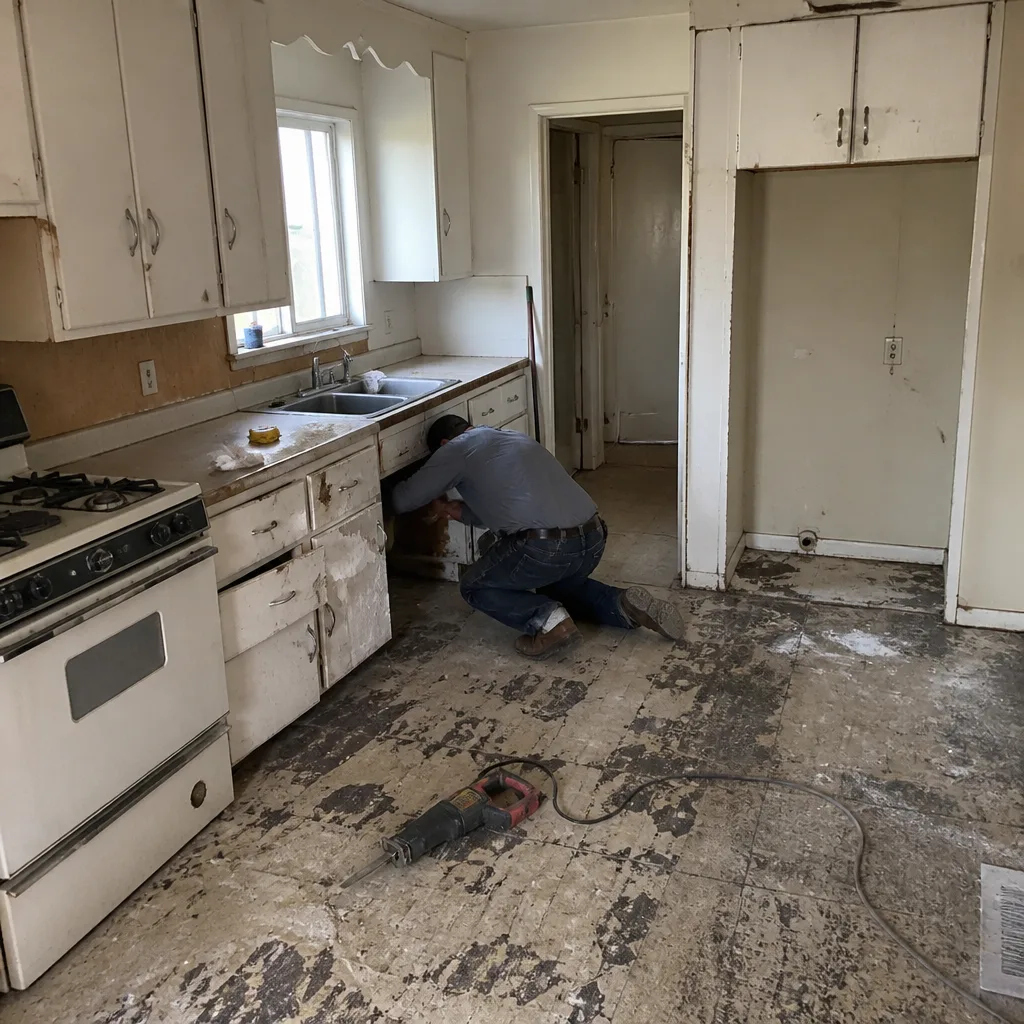 Before
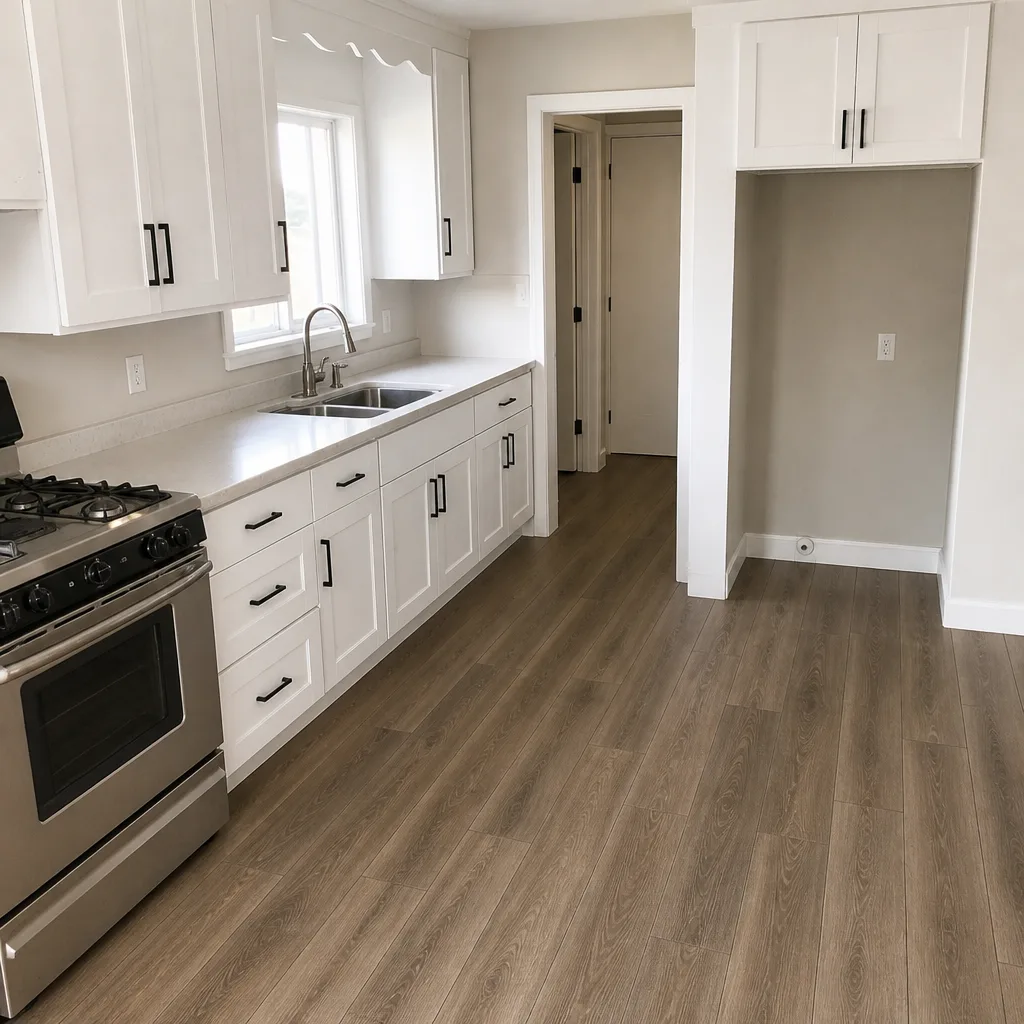 After
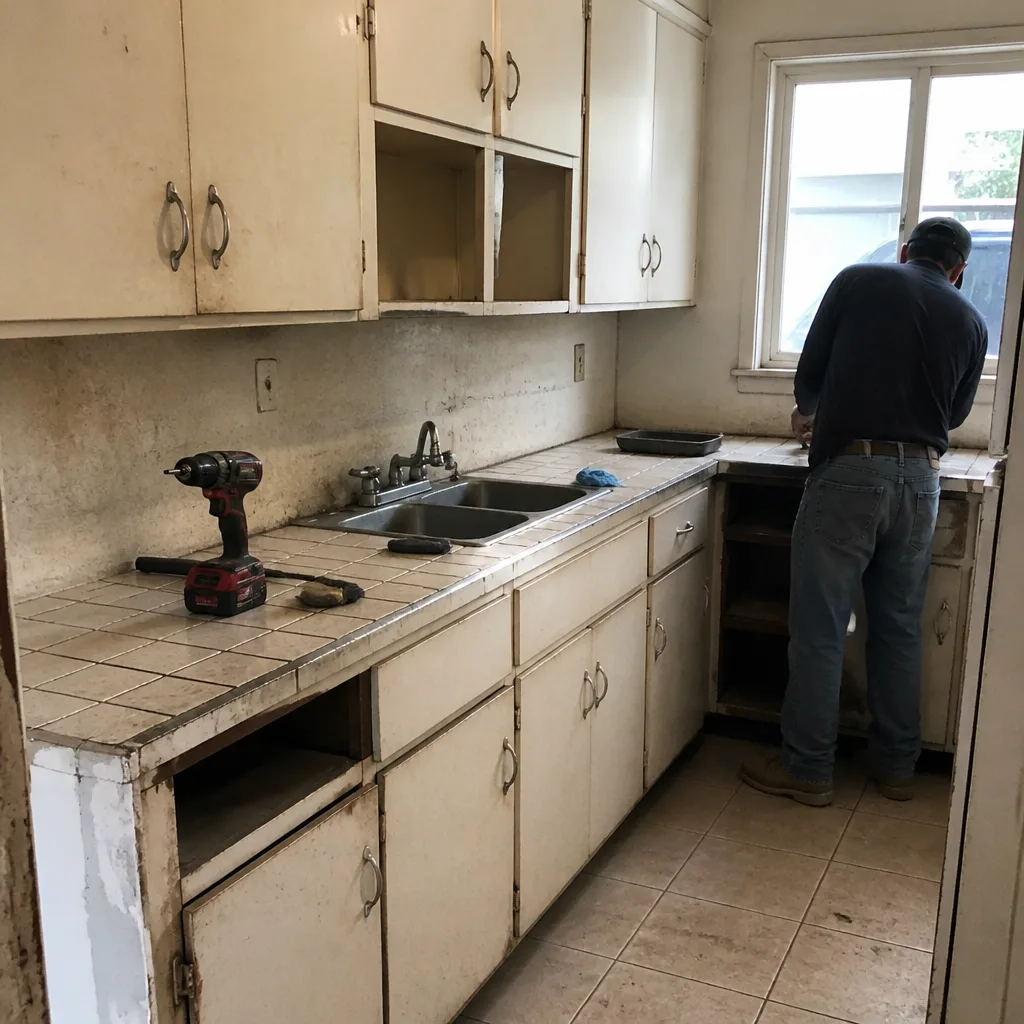 Before
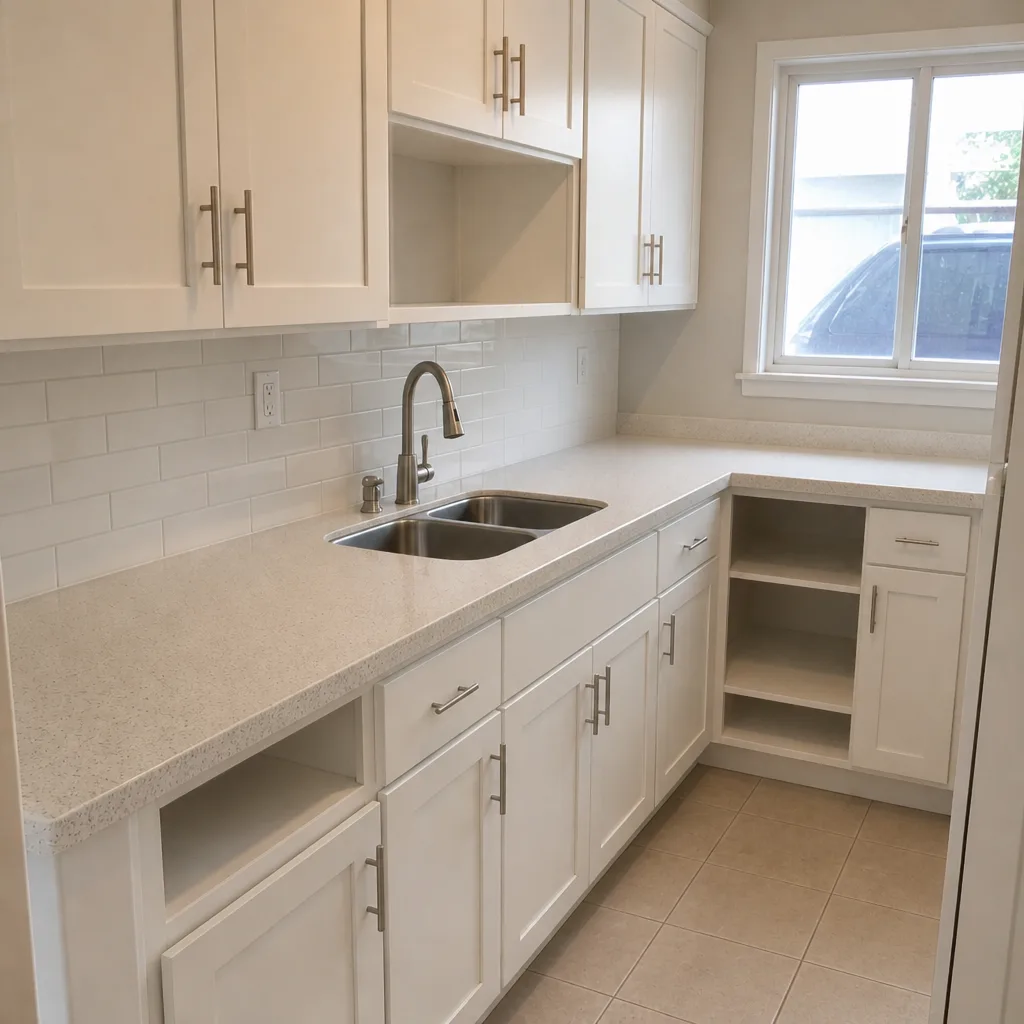 After
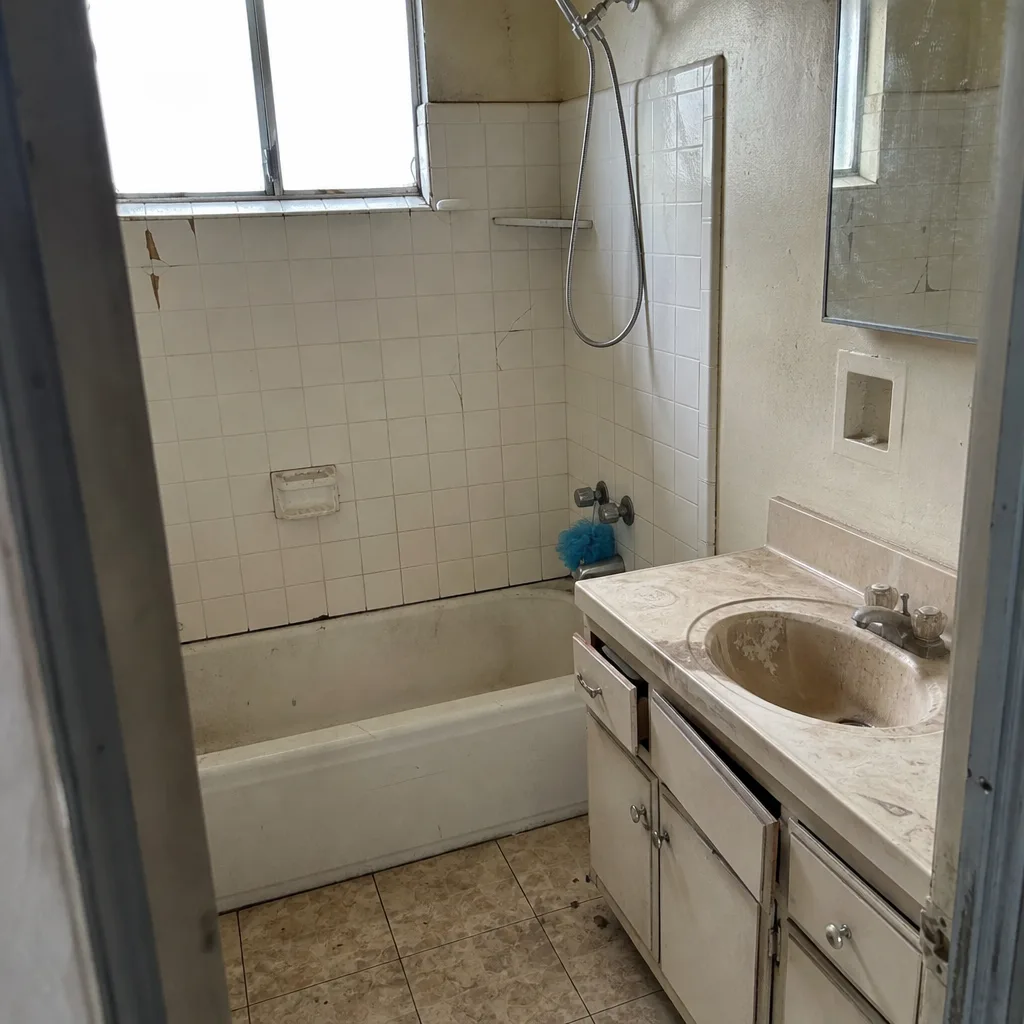 Before
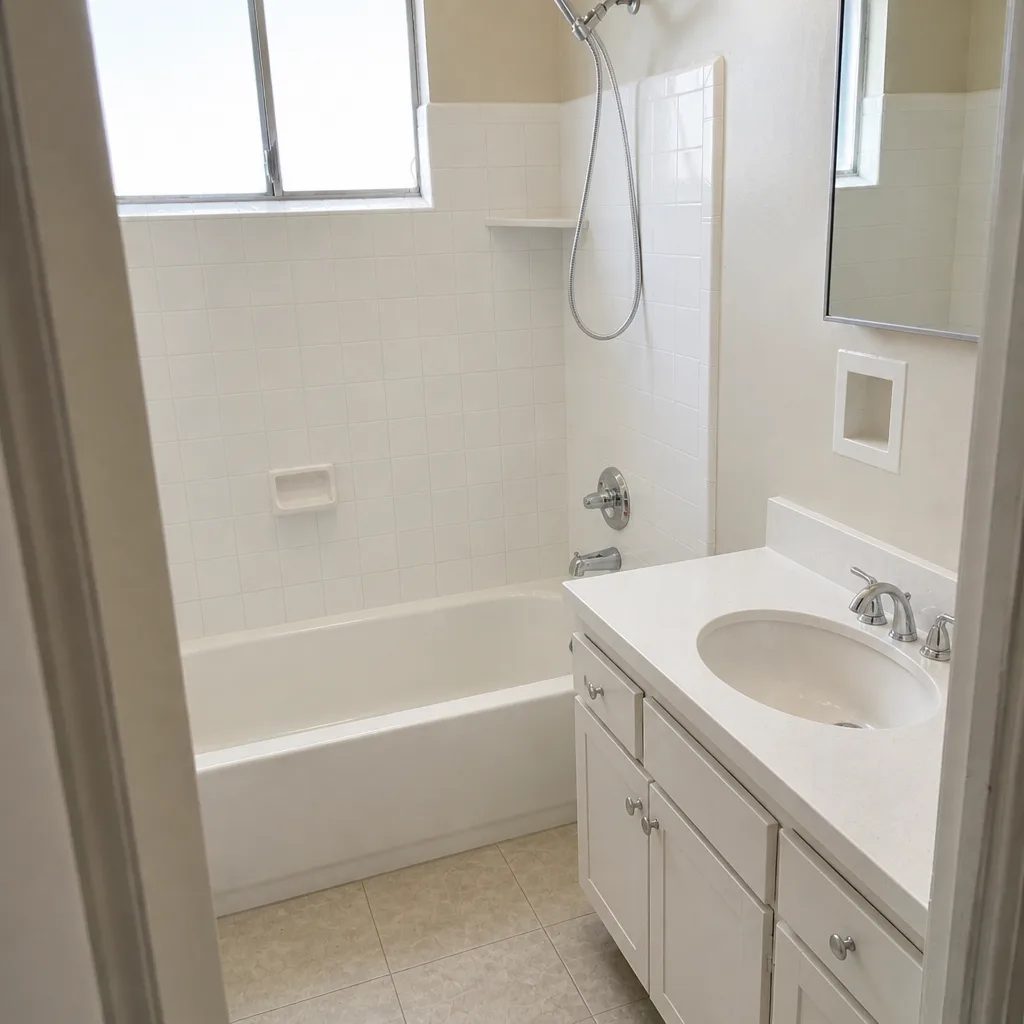 After
When to Call a Professional
Some projects are weekend work. Room additions, ADU builds, foundation repair, and any work that requires a permit or an electrical panel upgrade are not. El Monte soil conditions, the city’s inspection schedule, and the structural work required for tie-ins all need a licensed contractor who knows what the inspector will flag before the submittal. Panel upgrades and gas line work carry genuine safety risk – those are never DIY territory. The same goes for steep-slope roof work, where a fall off a two-story El Monte home is a life-altering event. If you’re comparing bids and want a second opinion before you sign, that’s a conversation worth having. Groundwork Construction Co. of El Monte offers free estimates in El Monte – call (888) 271-7872, or visit the Groundwork Construction Co. of El Monte home page for a full picture of services.
Frequently Asked Questions
A 300 to 500 square foot room addition in El Monte runs $280 to $450 per square foot in 2026, which works out to $84,000 to $225,000 total depending on square footage and finish. The main variables are foundation extension, roof re-framing, and HVAC capacity – all three stacked push toward the top of the range. Call (888) 271-7872 for an exact quote on your specific project; estimates are free.
El Monte construction costs sit near the middle of the San Gabriel Valley band, generally 5% to 15% below cities like Pasadena and South Pasadena and within 10% of Arcadia. Access and permitting on the flatter El Monte lots often offsets labor rates that trend slightly higher in hill-adjacent cities. That means El Monte bids are usually defensible – the reason they sometimes look higher is that they include permits and plan check that other bids quietly exclude.
If the driveway widens, changes the curb cut, or touches the right-of-way, yes – you need a permit and a plan check with the city of El Monte, which adds $400 to $1,200 to the project. A straight replacement within the existing footprint usually does not require a permit, but the apron and curb line do. Pulling the permit protects you at resale; a driveway replaced without a required permit can create a disclosure issue at sale.
A full 800 to 1,200 square foot ADU in El Monte runs $250,000 to $420,000 in 2026, and a garage conversion runs $120,000 to $195,000. The low end is a studio-style unit on a level lot with easy access; the high end reflects a two-bedroom unit with a full kitchen, a panel upgrade, and fire-rated construction near a property line. Add $3,500 to $9,000 for permits and plan check, plus 8 to 14 weeks of review time before work begins.
A driveway replacement typically runs 1 to 2 weeks of active work plus 1 to 3 weeks of scheduling; a room addition runs 4 to 7 months including permits; and a full ADU build runs 9 to 14 months including plan check and construction. The permitting window (6 to 14 weeks depending on scope) is the single biggest variable. We schedule the work with the permit timeline built in before the contract is signed, so you’re not discovering timeline surprises mid-project.
Not on our projects. We work from written line-item quotes with fixed pricing, and the number you sign is the number you pay – no change orders unless you request a scope change mid-project. That’s the part of “no-hassle upfront pricing” that matters: the certainty, not just the initial number. If you have an existing bid from another contractor and want a quick read on whether the numbers make sense, call (888) 271-7872 for a free second opinion.
The Bottom Line
El Monte construction costs in 2026 are defensible numbers if you know where they come from: local material benchmarks, the labor drivers specific to the San Gabriel Valley, and the permit and plan-check costs most bids bury. Driveway replacement runs $9,000 to $22,000; room additions run $280 to $450 per square foot; full ADUs run $250,000 to $420,000; and exterior hardscape runs $18 to $45 per square foot installed. Add $2,500 to $12,000 for permits and plan check. Audit any bid line by line, insist on the workmanship warranty in writing, and never sign a lump-sum bid you can’t see the inside of. That’s the whole discipline. And it’s exactly what we build every bid on: written pricing, our 730-Day Done Right Promise, brand partners like KraftMaid, Kohler, GAF, CertainTeed, Andersen, Pella, Belgard, and James Hardie, and a live person on the phone 24/7.
If you’re planning a project in El Monte and want a written, line-item estimate with the permit costs and inspection timeline built in, call Groundwork Construction Co. today. Use (888) 271-7872 for a free estimate – calls are answered by a live person around the clock, and we’ll walk through your project scope, current pricing, and the specifications you can compare against any other bid on your table.
Written by the team at Groundwork Construction Co. of El Monte.