Free written scope consultation - allowances, timeline, and change-order rules on paper before a single trade is scheduled
ADU Site Prep & Utilities in Monrovia: What the Work Actually Involves
ADU site prep and utilities in Monrovia runs $45,000 – $130,000 for the sitework and utility package on a typical lot, and the excavation-to-final-inspection sequence usually takes 6 – 10 weeks before the building shell goes up. That number covers grading, trenching, the utility runs to the meter, the foundation footprint, and the inspections in between. It does not cover the ADU structure itself. Call (888) 271-7872 and we’ll walk your lot and give you a line-item estimate before you commit to anything.
How We Sequence ADU Site Prep & Utilities, Stage by Stage
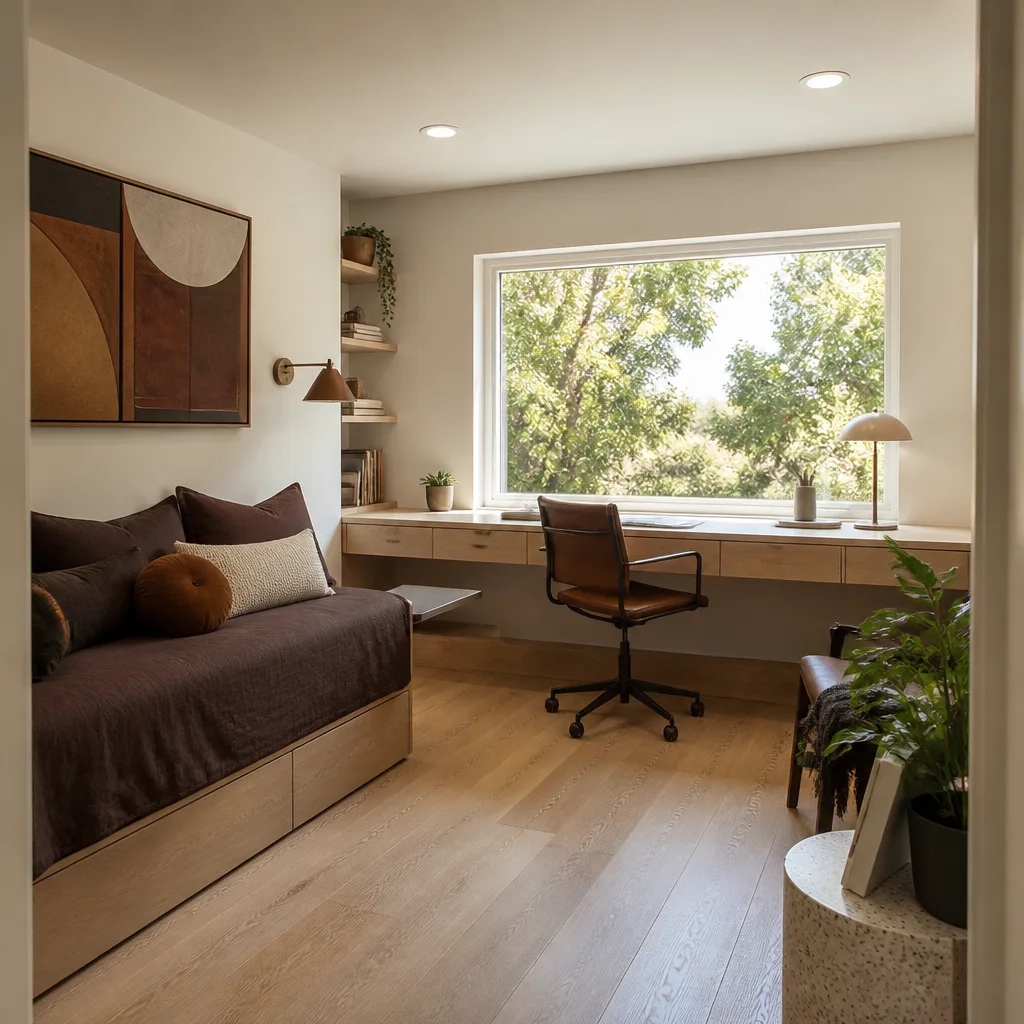
Site prep is where an ADU project is won or lost. Get the utility trenching and the foundation bearing right and the rest of the build goes smooth. Get it wrong and you’re re-digging after inspection. Here’s the order we work in.
Stage 1: Site walk, survey, and utility locate (days 1 – 3)
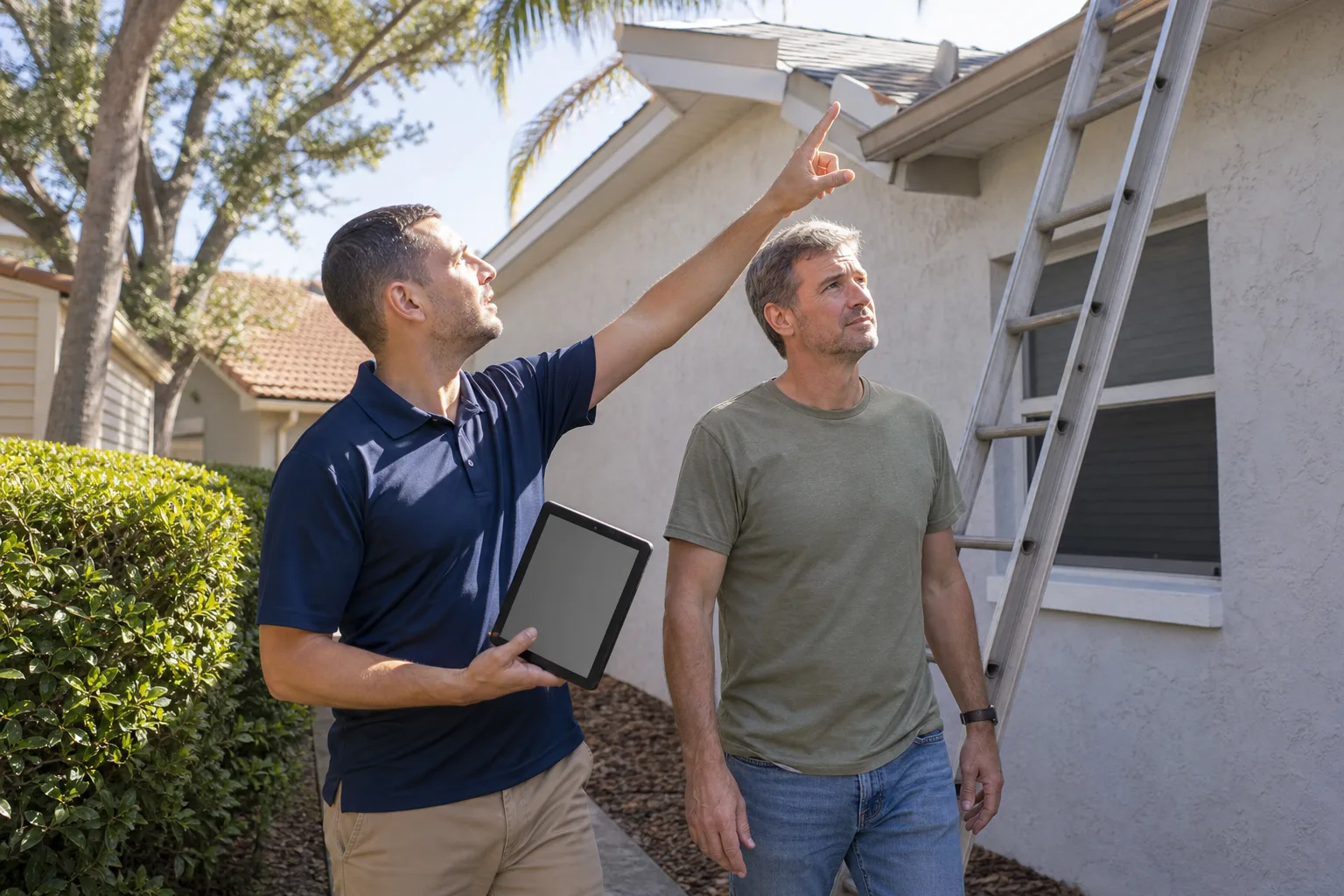
We start by mapping what’s already underground. The 811 locate marks gas, electric, water, and sewer, then we survey the buildable envelope against your setbacks. On a foothills lot this is where slope and drainage get honest. You decide the ADU footprint and whether it’s detached or attached. Those two calls drive everything downstream.
Stage 2: Demo, clearing, and rough grading (days 3 – 8)
Old concrete, fencing, sheds, and landscaping come out. Then the grade gets cut to the plan and compacted in lifts to the engineer’s spec. Foothill lots often need a small retaining wall here; flat-grid lots near Old Town usually don’t. You’ll confirm the drainage direction and where the downspouts and area drains will discharge.
Stage 3: Utility trenching and rough-in (days 8 – 18)
This is the heart of the job. Water, sewer, gas, and electrical conduit get trenched, bedded, and run to the point of connection. Sewer needs fall; electrical conduit needs sweeps at the right radius. You decide the panel size, the meter location, and whether you’re running a separate service or sub-metering off the house. Long trench runs to the street are the single biggest variable in this stage.
Stage 4: Foundation footprint and inspection (days 18 – 35)
Forms go in, rebar gets tied, the under-slab plumbing and electrical get inspected before any concrete pours. We don’t pour until the inspector signs off; that’s a hard rule. You’ll review the foundation type (slab, stem-wall, or raised) with the engineer’s drawings in hand. Expansive clay under the Old Town grid means over-excavation and a proper moisture barrier, not just a quick slab.
Stage 5: Final utility connections and tie-in (days 35 – 60)
Water meter, gas meter, and the electrical panel get connected and energized. Sewer tie-in gets inspected. We pressure-test the water line and camera the sewer run before sign-off. You get a final walkthrough of every utility and the as-built locations so future landscaping doesn’t hit anything. Most jobs wrap this stage ahead of the shell construction start.
Styles & brands we work with
- Kitchen remodeling
- Bathroom remodeling
- Home additions & ADU
- Roofing
- Windows & doors
- Driveway & pavers
- Fence
The Options You’ll Choose Between for ADU Site Prep
Every one of these is a real fork in the road, and the choice you make is what separates a $45K sitework package from a $130K one.
- Foundation type: a slab-on-grade is the cheapest and fastest on flat ground, but expansive soils under the Old Town grid usually push you to a stem-wall or raised foundation with proper drainage. Raised costs more upfront and saves you stress later.
- Utility route: a short run to a nearby connection point keeps trenching modest. A long run across an alley or to the street corner can add tens of thousands in trenching, bedding, and restoration.
- Electrical service: sub-metering off your existing panel is cheaper and simpler. A new dedicated service with its own meter costs more but keeps the ADU’s electricity accounting clean for a renter.
- Drainage and retaining: flat lots need little. Hillside lots above the ‘L’ street line need retaining walls, area drains, and sometimes a debris-flow-conscious grading plan. This is where foothills sitework gets expensive fast.
- Grading and soil treatment: native soil that drains well is a gift. Expansive clay gets over-excavated and replaced with engineered fill. That’s a cost you can’t skip.
- Surface restoration: new driveway, patio, and landscaping redo after the trenches close out. Easy to overlook, and it’s always in the final number.
What ADU Site Prep & Utilities Costs in Monrovia, CA
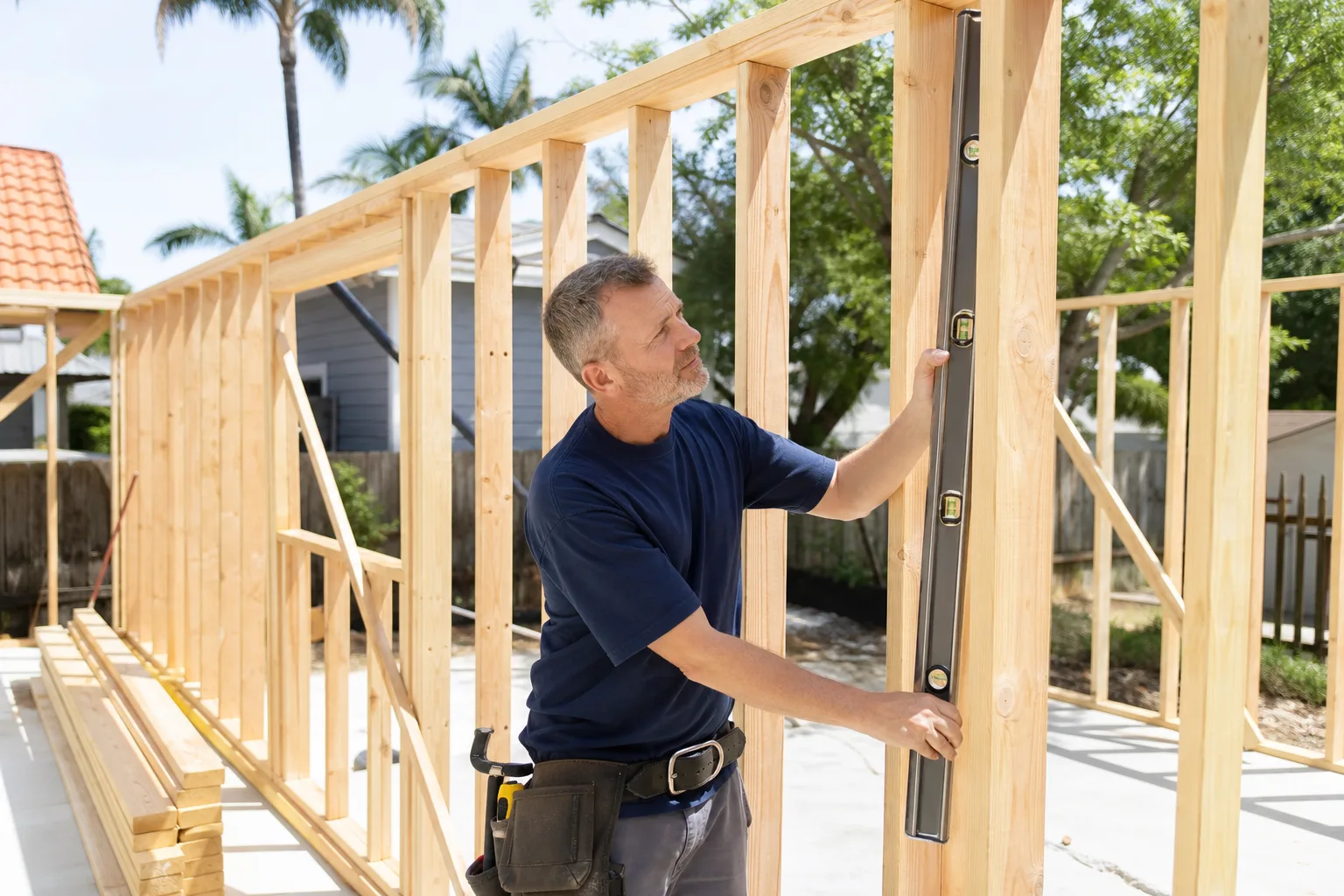
For Monrovia, plan on $45,000 – $130,000 for the full site prep and utility scope. The low end is a flat lot with a short utility run and straightforward soil. The high end is a foothills lot with slope, retaining, long trench runs, and a dedicated electrical service. A full ADU build including the structure runs $90,000 – $220,000.
Five variables move the number most:
- Lot slope and grading volume: a flat lot moves almost no dirt. A hillside lot can move hundreds of cubic yards and require retaining.
- Distance to utility connections: every extra foot of trench is labor, pipe, bedding, and restoration.
- Soil condition: expansive clay means over-excavation and engineered fill. Sandy, well-draining soil doesn’t.
- Service upgrades: a new electrical service, gas meter, or sewer tap adds cost over tying into existing.
- Permit and inspection scope: the design-review and historic constraints in parts of town add time and cost to the paperwork.
A written estimate from us lists grading quantities, trench footages, utility connections, foundation type, and inspection milestones as separate lines. Concrete, the ADU structure, and finish work are quoted separately so you can see exactly what the sitework package includes. Upfront pricing means the number in the estimate is the number you pay; change orders only happen if you change the scope. The 730-Day Done Right Promise backs every bit of it.
See the difference
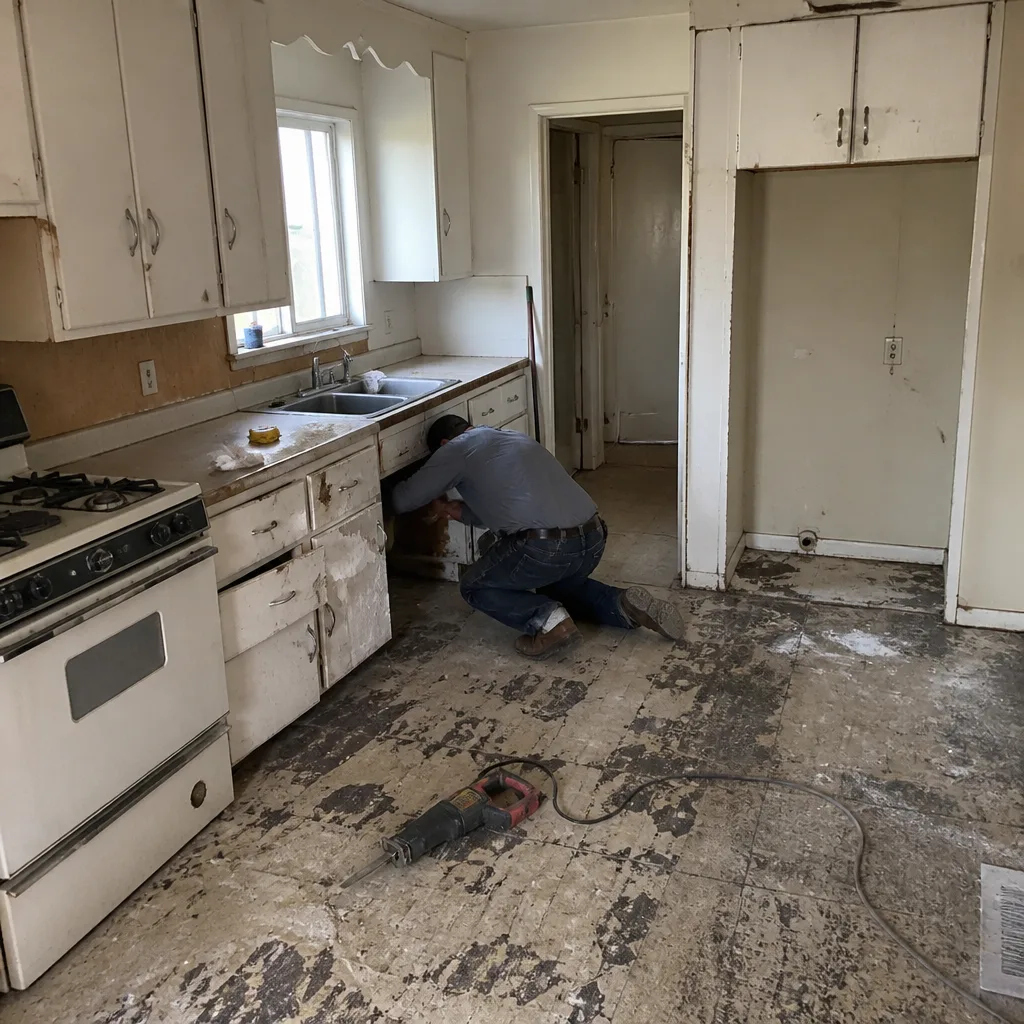 Before
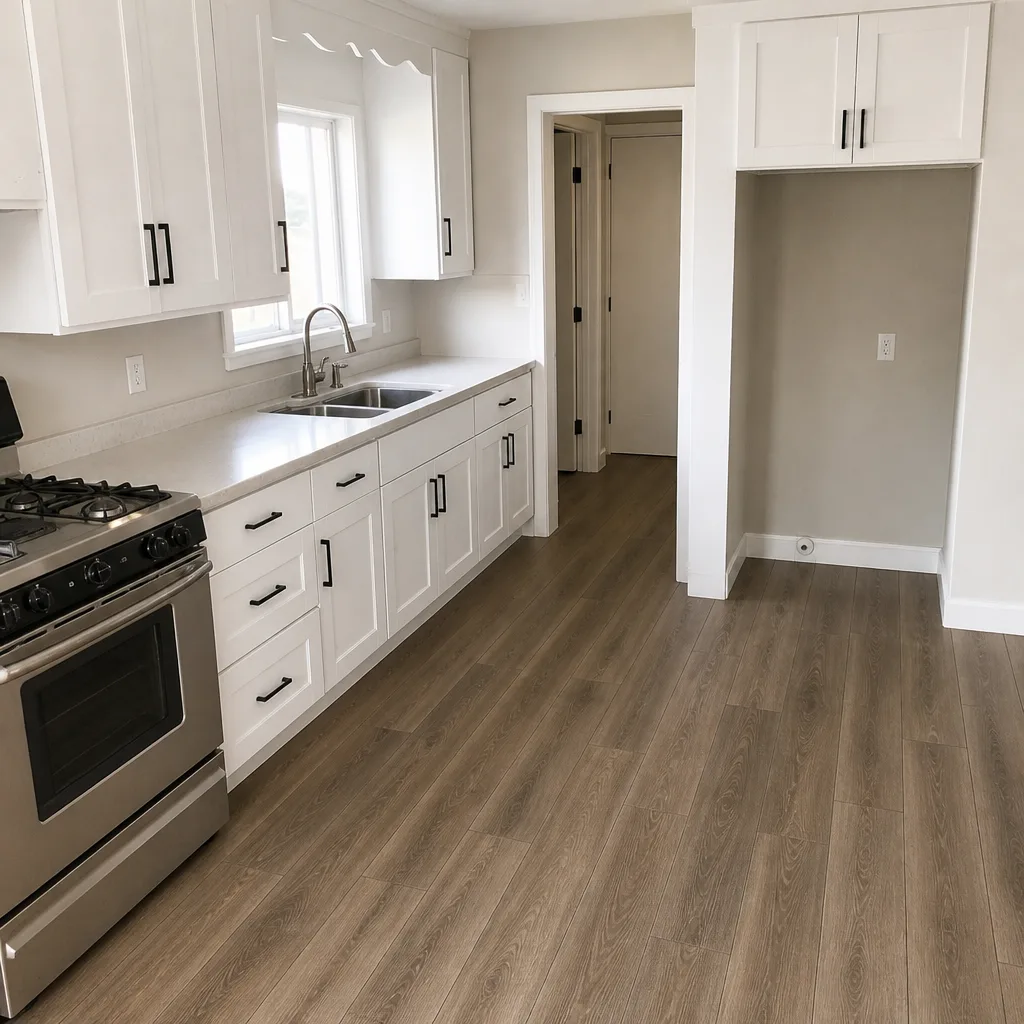 After
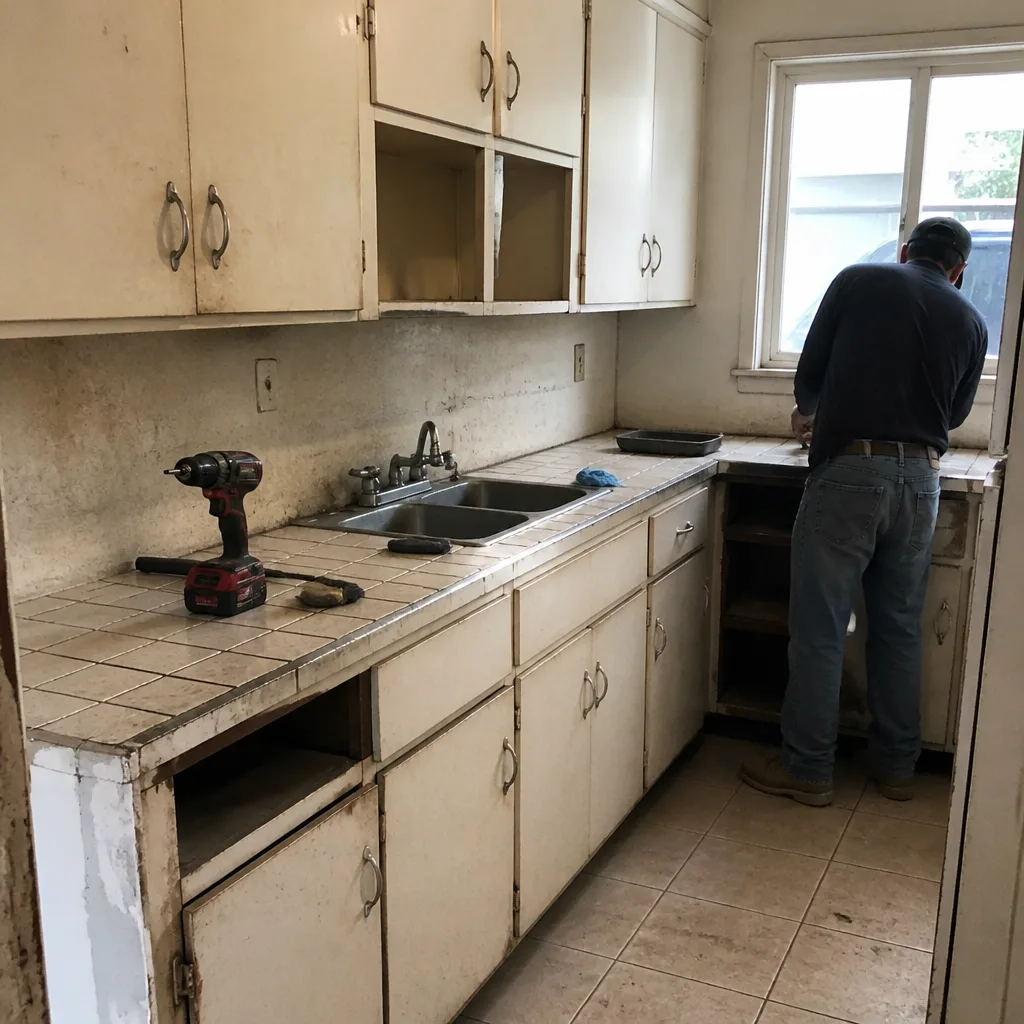 Before
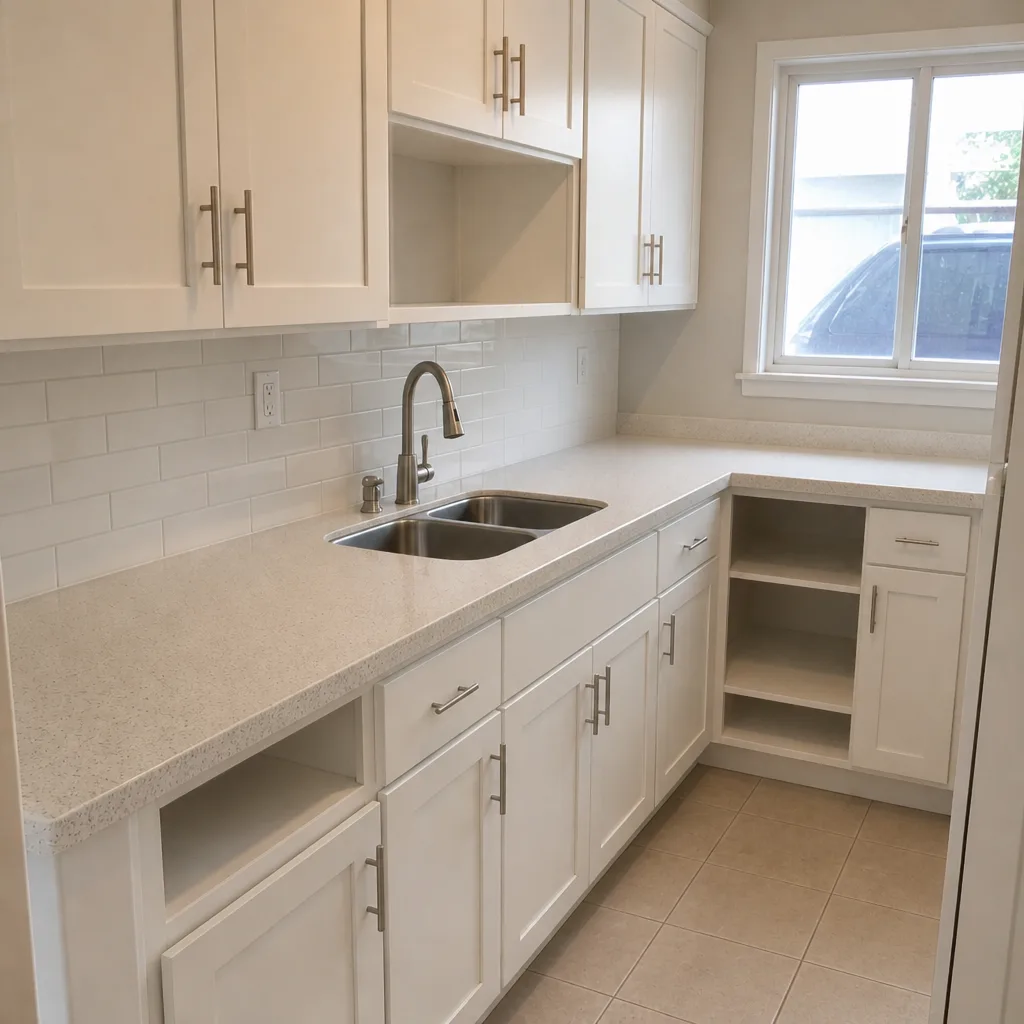 After
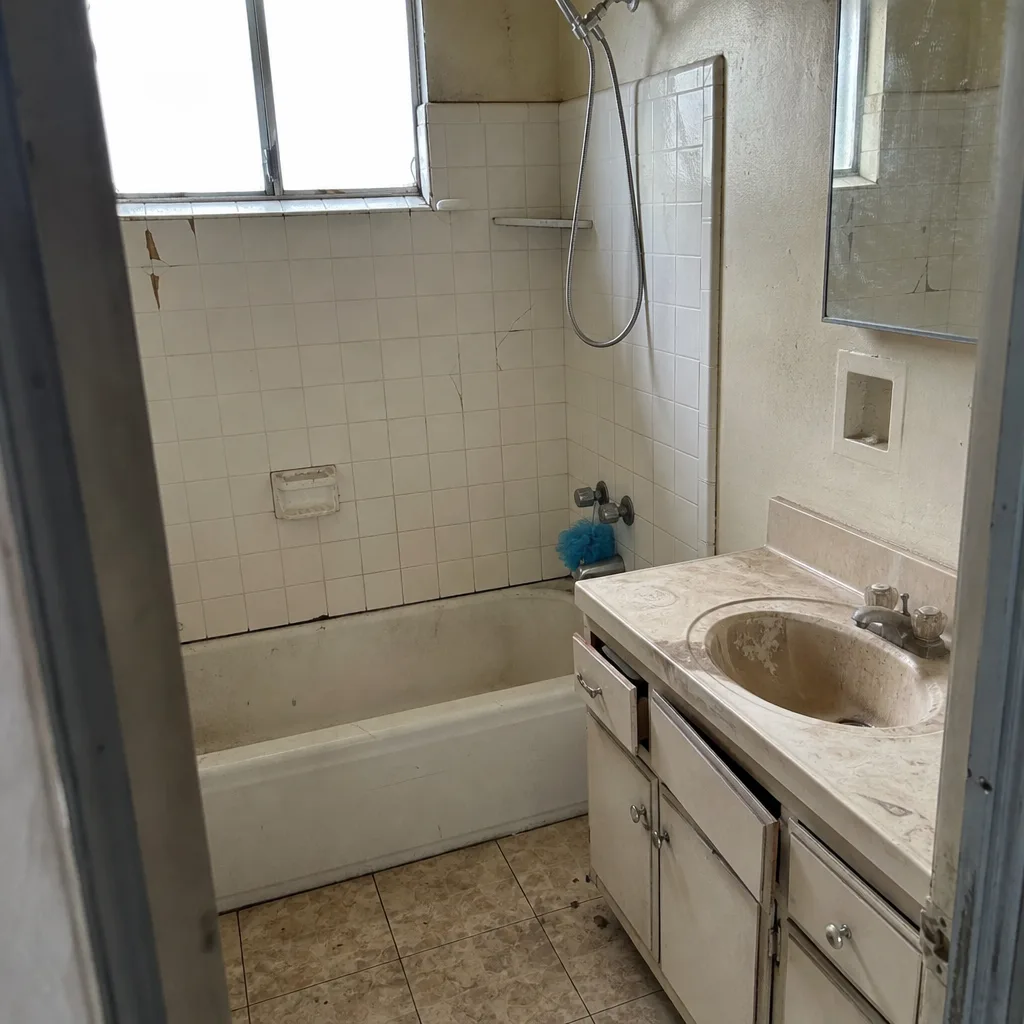 Before
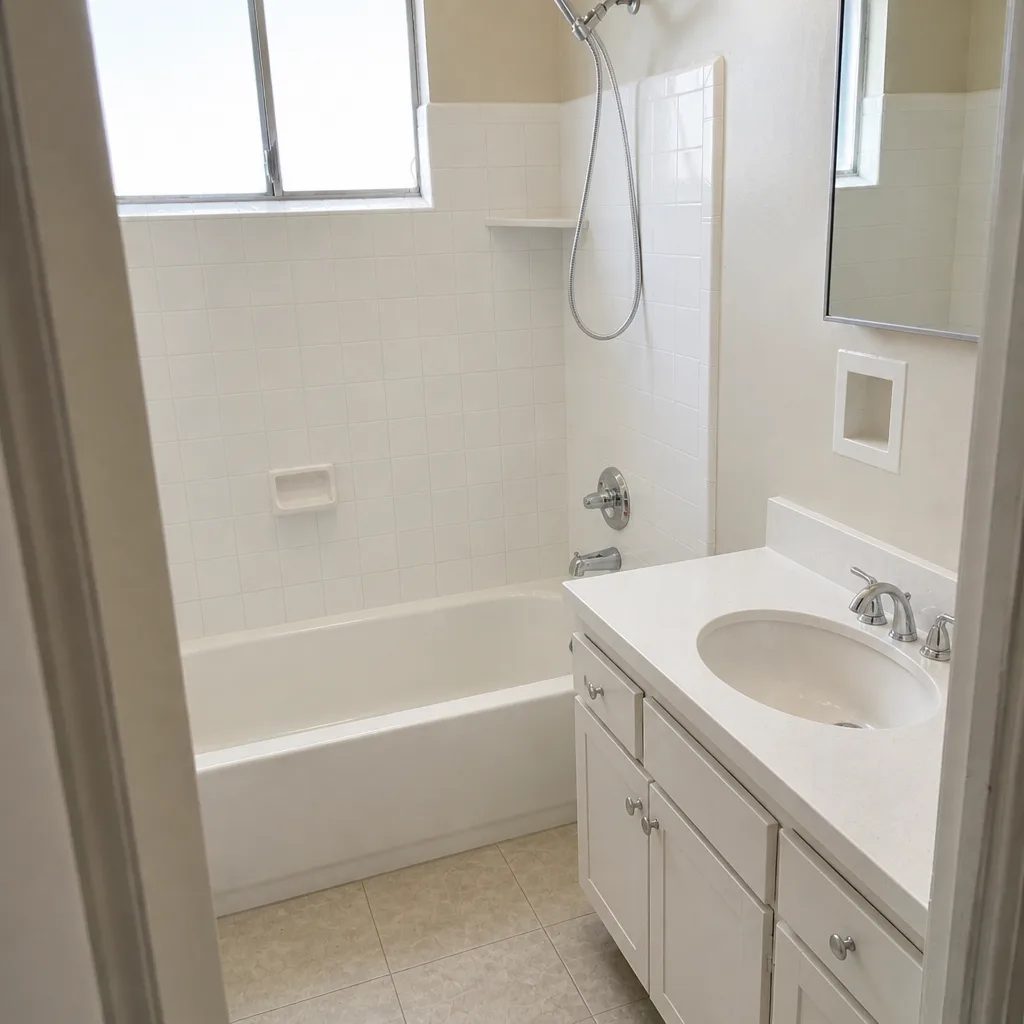 After
What Monrovia Homes Specifically Do to This Job
Monrovia is unusual in the San Gabriel Valley because the ground splits hard between the flat grid and the foothills. Down around Myrtle Avenue and Old Town, you’re working under 1920s-era bungalow foundations and the area’s older expansive clay, so underslab work and moisture barriers matter more than they would in a newer tract. Up above the ‘L’ street line, toward Sawpit and Monrovia Canyon, the lots climb and slope stability, retaining walls, and drainage become the whole conversation. Those canyon mouths are the county’s debris-flow watch zones, and we reinforce hillside drainage after the first big atmospheric-river storm because we’ve seen what happens when we don’t. The historic downtown core also carries design-review and preservation constraints most SGV cities don’t enforce as strictly, so an ADU near Old Town needs a different permitting path than a same-size job in Duarte. This is sitework shaped by the mountains above it, not a generic lot. We handle ADU Site Prep & Utilities across Monrovia, and if your project grows into something bigger, it can be part of a full Home Additions & ADU in Monrovia scope. Homeowners often pair this with Small & Partial Kitchen Remodels in Monrovia or Full Bathroom Remodeling in Monrovia once the ADU goes rental. Our Home Additions & ADU team can scope the whole project from foundation to finish.
Written by the team at Groundwork Construction Co.
Serving Monrovia, CA – Our Local Coverage Area
We serve Monrovia and nearby communities. Use the map below to see the area we cover. If you’re nearby, we can almost certainly help.
Frequently Asked – ADU Site Prep & Utilities in Monrovia
Plan on 6 – 10 weeks from the first site walk to final utility tie-in. The driving factors are trench length, soil condition, and inspection turnaround; a flat lot with a short utility run lands near the low end, and a foothills lot with retaining and a dedicated service runs closer to 10 weeks. Call (888) 271-7872 for a timeline based on your actual lot; estimates are free.
Yes. Grading, utility trenching, and foundation work all require permits and inspections, and the Old Town historic core adds design-review requirements on top. We pull the permits and pass the inspections. The one thing we can’t skip is the inspector’s sign-off before any concrete pours. Call (888) 271-7872 and we’ll tell you what your address requires.
Sometimes. If the ADU ties into an existing connection point with a short run and the foundation footprint clears existing plumbing, the job stays simpler. Long trench runs, a new electrical service, or relocating a main line push it toward the high end of the range. Call (888) 271-7872 and we’ll assess the connections at your address.
Site prep and utilities run $45,000 – $130,000; the full ADU build including the structure runs $90,000 – $220,000. That separation matters when you’re budgeting: the sitework number is what you finance and permit first, and the structure gets quoted after. Call (888) 271-7872 for a line-item breakdown; estimates are free.
Every sitework and utility project we do is covered by our 730-Day Done Right Promise. If a trench settles, a drain fails, or a connection leaks within that period, we make it right. That’s on top of the manufacturer warranties on the pipe, conduit, and fixtures we install. Call (888) 271-7872 to talk it through.
Get a Free On-Site Estimate for ADU Site Prep & Utilities in Monrovia
ADU site prep has too many variables for a phone quote, so we come out to your Monrovia lot and measure it. On the call, we’ll set a time for a site walk within the week and talk through your ADU footprint, utility connections, and soil conditions. You get a written line-item estimate, an inspection schedule, and an honest read on what your ground will cost you. Call (888) 271-7872. Live person, every time.