
Free written scope consultation - allowances, timeline, and change-order rules on paper before a single trade is scheduled
Chain Link Fence in Avocado Heights, CA: What It Costs and How Long It Takes
A chain link fence in Avocado Heights typically runs $3,500 to $9,000 installed, and most residential lots are finished in two to four working days once the permit clears LA County. For the acreage and rural-edge properties common here, that number usually lands mid-range because drive gates, heavier posts and longer runs add labor. Call (888) 271-7872 and we’ll walk your property line and give you a written, line-item number before anything gets ordered.
How We Build a Chain Link Fence Here, Stage by Stage
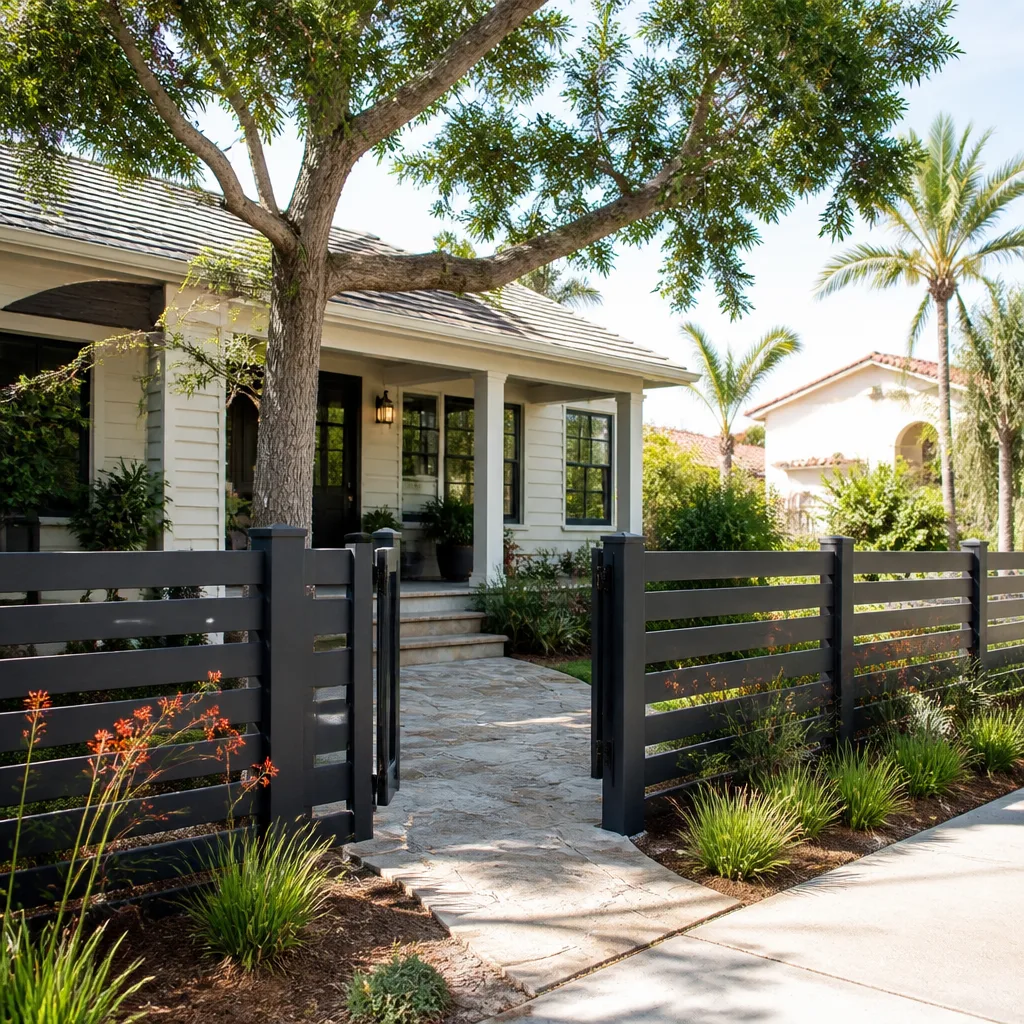
Chain link looks simple from the street. The reason one fence lasts twenty years and the next one sags after three comes down to what happens in the ground before a single panel goes up. Here’s the real sequence on an Avocado Heights job.
Stage 1: Walk the line and mark utilities (day 1, about an hour)
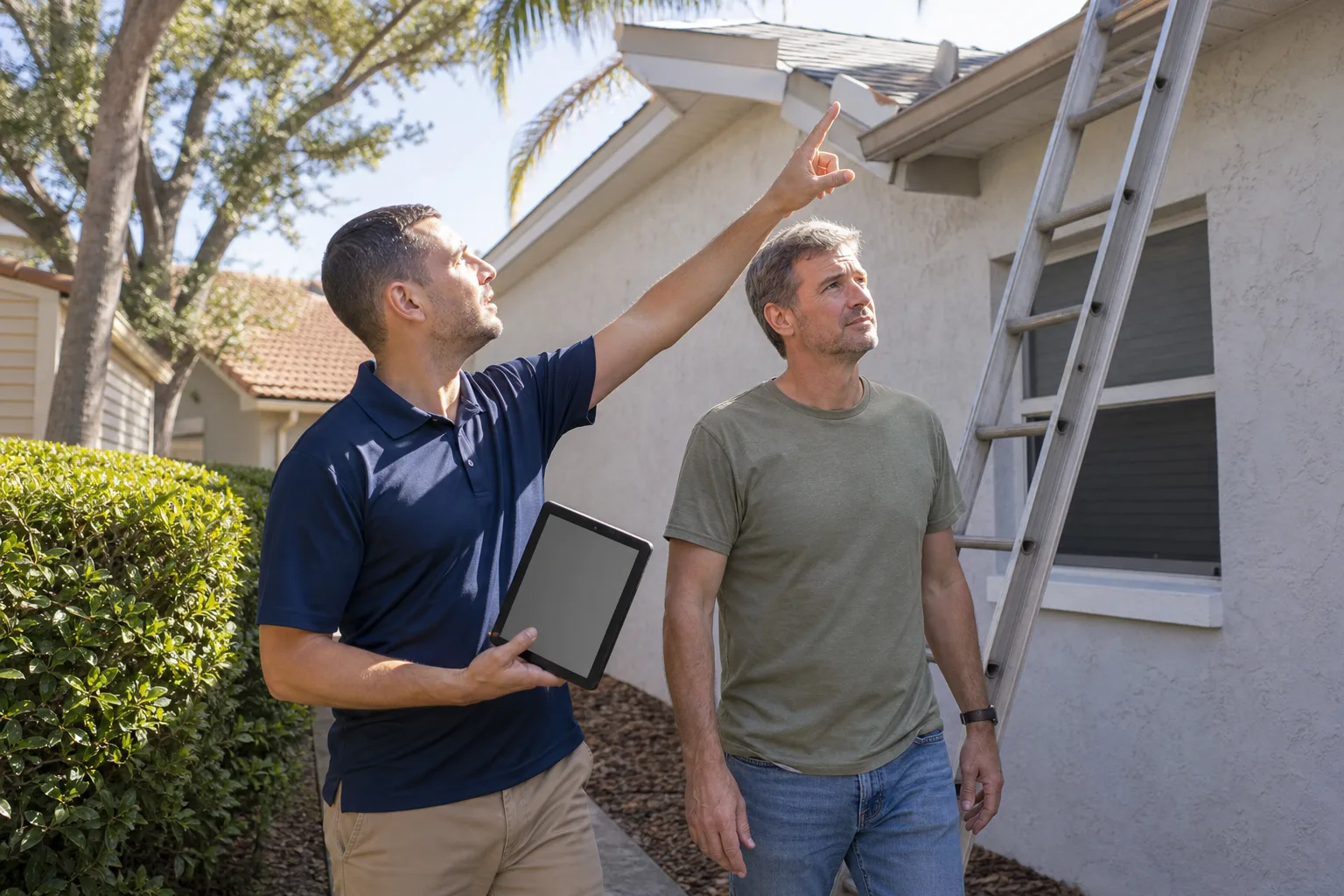
We walk the property with you and set the actual fence line, corner to corner, gate to gate. Before any shovel touches dirt we call for utility locating through the regional service. Because these lots often have detached workshops, well equipment or old irrigation lines running where a fence should go, that locate matters more here than on a tight suburban lot. You decide the line and the gate positions at this stage, not later.
Stage 2: Pull the permit through LA County (3 to 10 days, handled by us)
Avocado Heights is unincorporated Los Angeles County, so a fence permit goes through the county building department, not a city hall. We handle the application, the plot plan and the setback check. This is the stage that stalls other contractors unfamiliar with county review. You don’t have to visit an office or chase anything down.
Stage 3: Demo and layout (day 1 on site)
If there’s an old fence in the way, we take it down and haul it off, including the concrete footings, which is the part most estimates quietly leave out. We then string-line the run and mark every post hole at the spacing the fence height requires. Corner, end and gate posts get set heavier than the line posts. On a long rural run, that spacing decision is what keeps the top rail straight.
Stage 4: Set posts in concrete and cure (day 1 into day 2)
Posts go into concrete footings sized to the soil and the wind load. San Gabriel Valley clay expands and contracts with the seasons, so footing depth isn’t a place to cut corners. The concrete needs to cure before we hang anything that pulls on it. On a typical Avocado Heights job that’s an overnight cure, sometimes two days on a bigger run with heavy gate posts.
Stage 5: Hang the fabric, rails and gates (day 2 to day 4)
Top rail goes up, the mesh gets stretched and tied, and the gates get hung and adjusted. Then we walk the line with you and check every latch, every tension band and every gate swing. Most jobs are done in two to four days on site; the clock that matters to you is the county permit, which usually clears in under two weeks.
Styles & brands we work with
- Kitchen remodeling
- Bathroom remodeling
- Home additions & ADU
- Roofing
- Windows & doors
- Driveway & pavers
- Fence
The Chain Link Choices You’ll Actually Be Making
Chain link is not one product. The decisions below are the ones that change what you pay and how long the fence holds up in this climate.
- Gauge of the mesh: The lower the gauge number, the thicker the wire. Standard residential runs a lighter gauge; a heavier gauge (often 11.5 or 9 gauge) costs more per foot but holds up against a yard dog and the Santa Ana wind events this valley gets. On an acreage lot with open exposure, we steer toward the heavier wire.
- Coating: galvanized versus vinyl-coated: Bare galvanized is the cheaper, honest option and suits a working yard. Vinyl-coated (usually green or black) adds cost but cuts glare, looks cleaner at a property line and resists the sun’s UV over time.
- Height: Four feet is the common residential line. Five and six feet cost more in material and labor, and taller sections need heavier posts and deeper footings. If you’re containing animals or securing a workshop, six feet is the usual pick.
- Gate type: A chain link walk gate is the simple option. A drive gate is heavier, needs stouter posts and concrete, and is where a long rural driveway adds real cost. If a vehicle gate is part of the plan, tell us in the first walk.
- Top rail and bracing: A full top rail with corner bracing keeps the fabric from sagging over time. Cheaper installs skip the bracing; the fence looks fine for two years and then bows.
See the difference
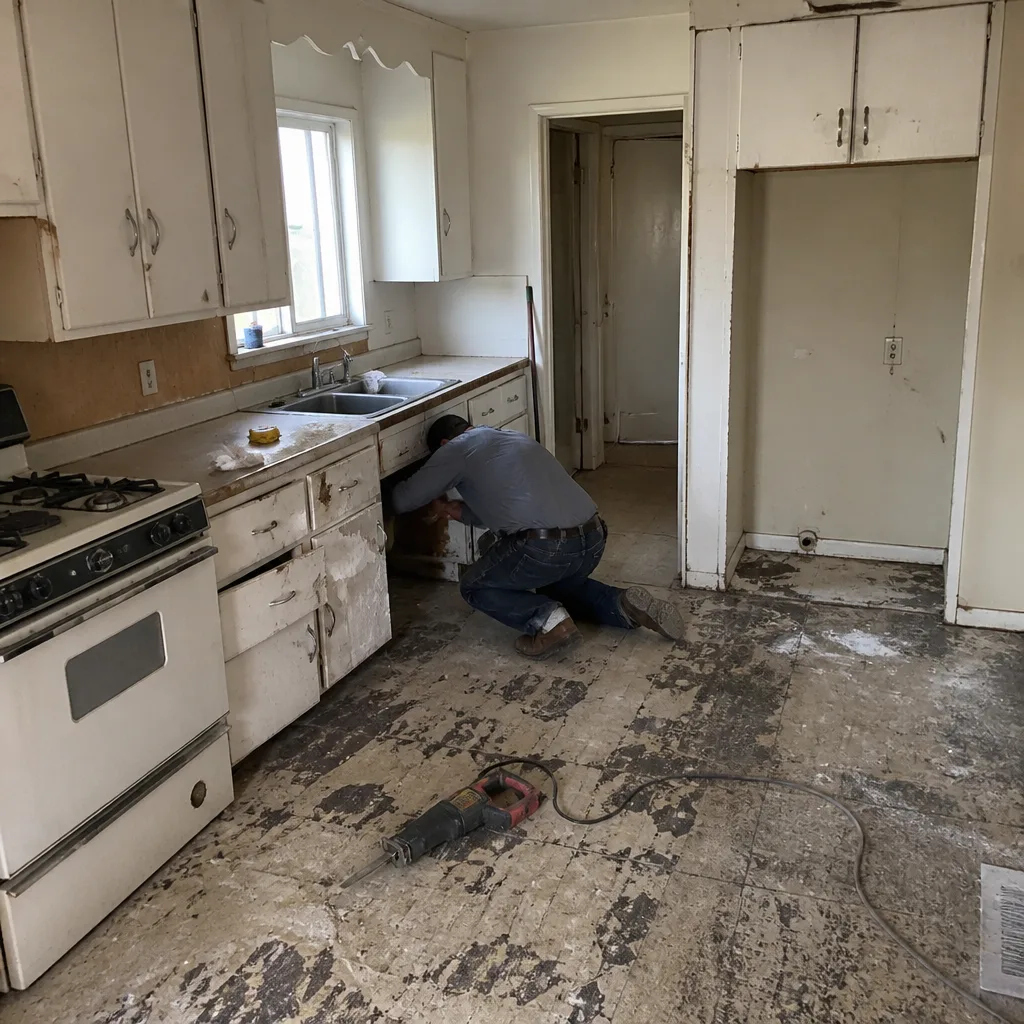 Before
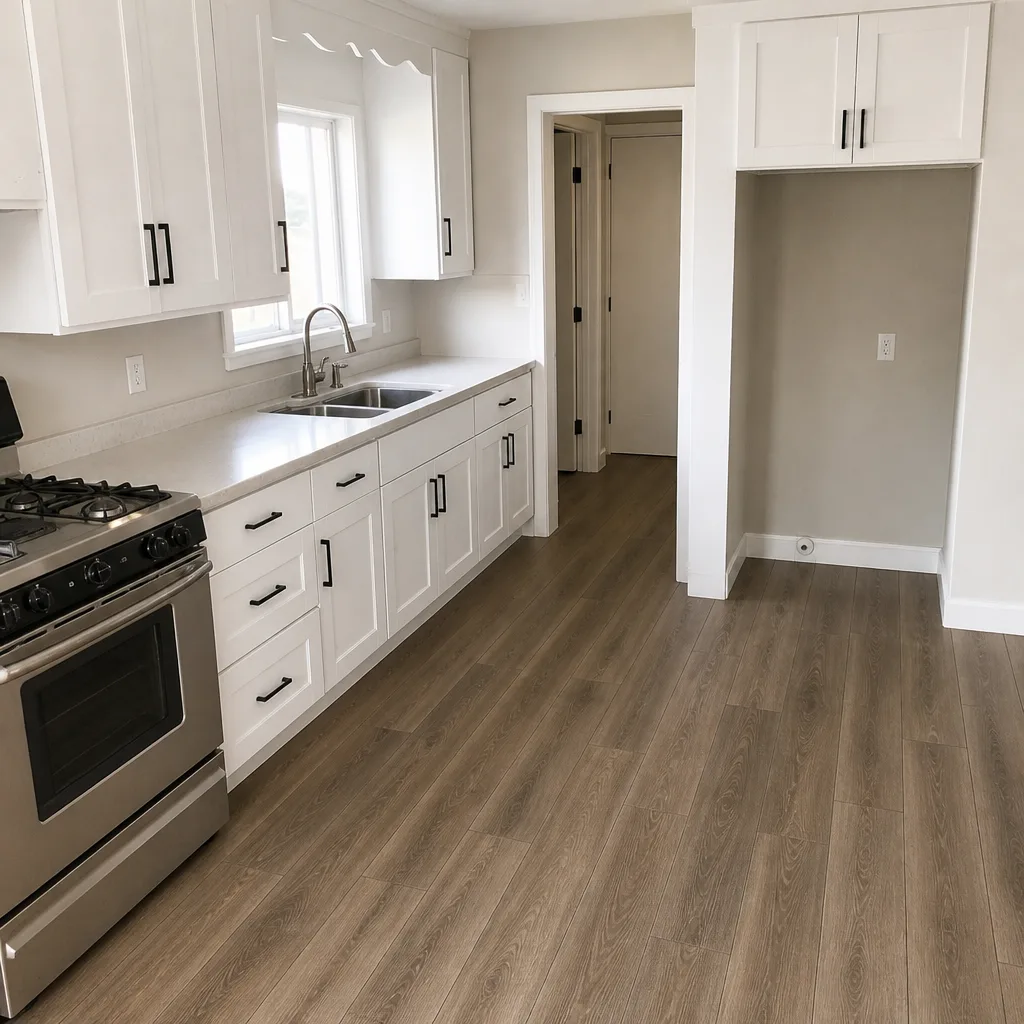 After
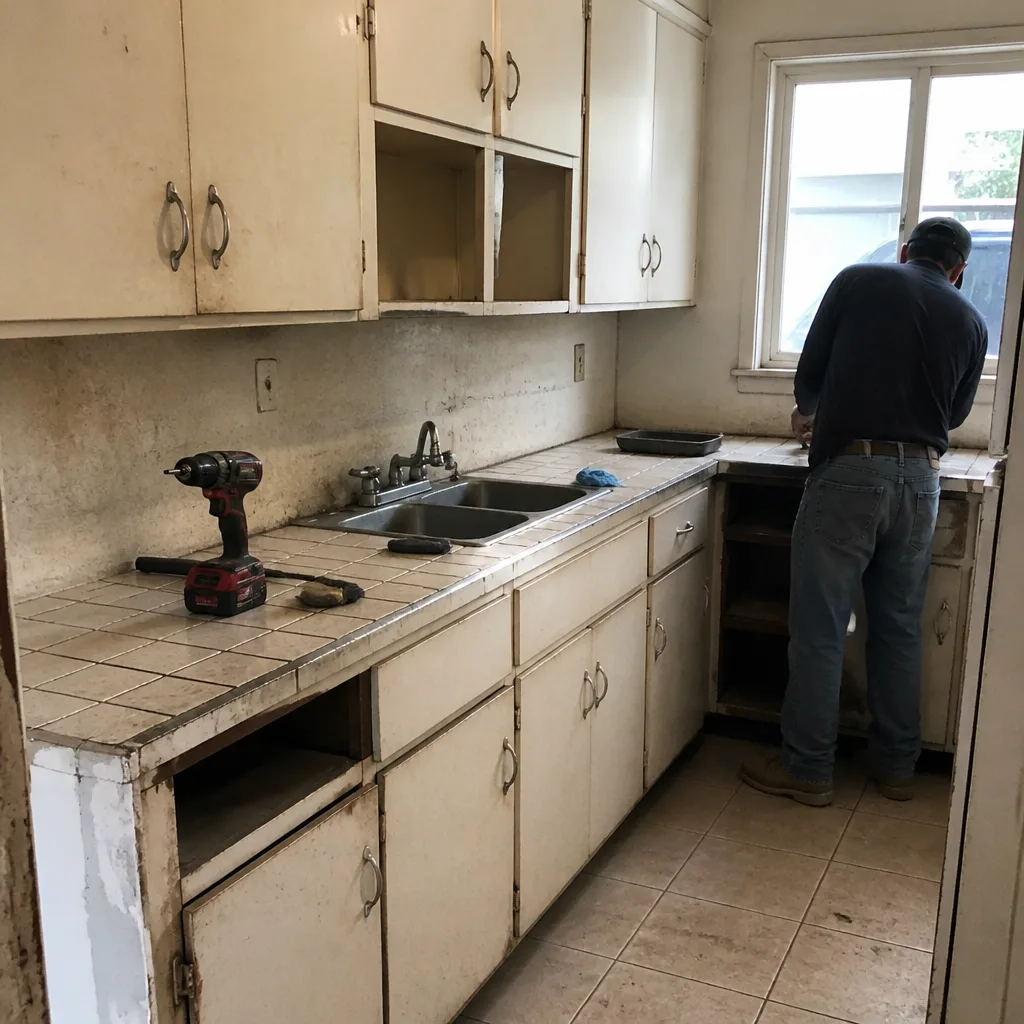 Before
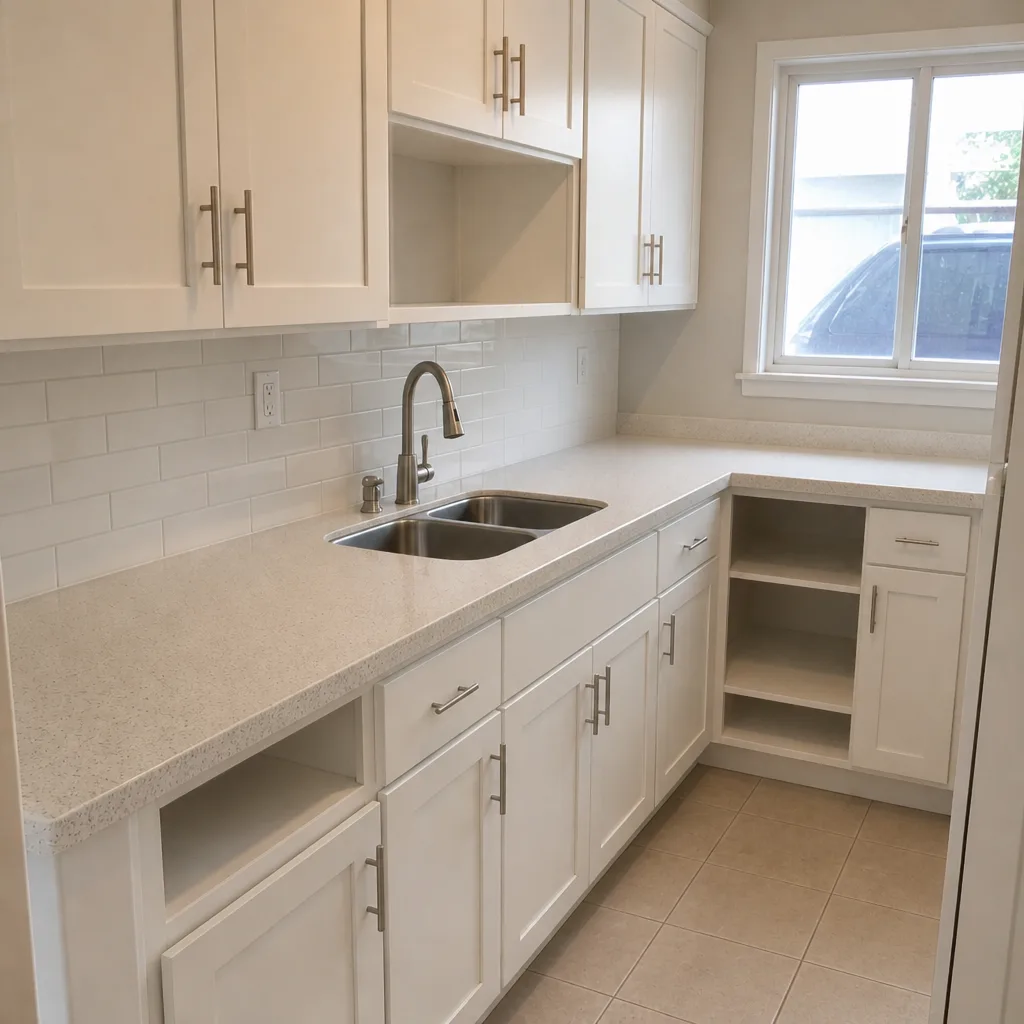 After
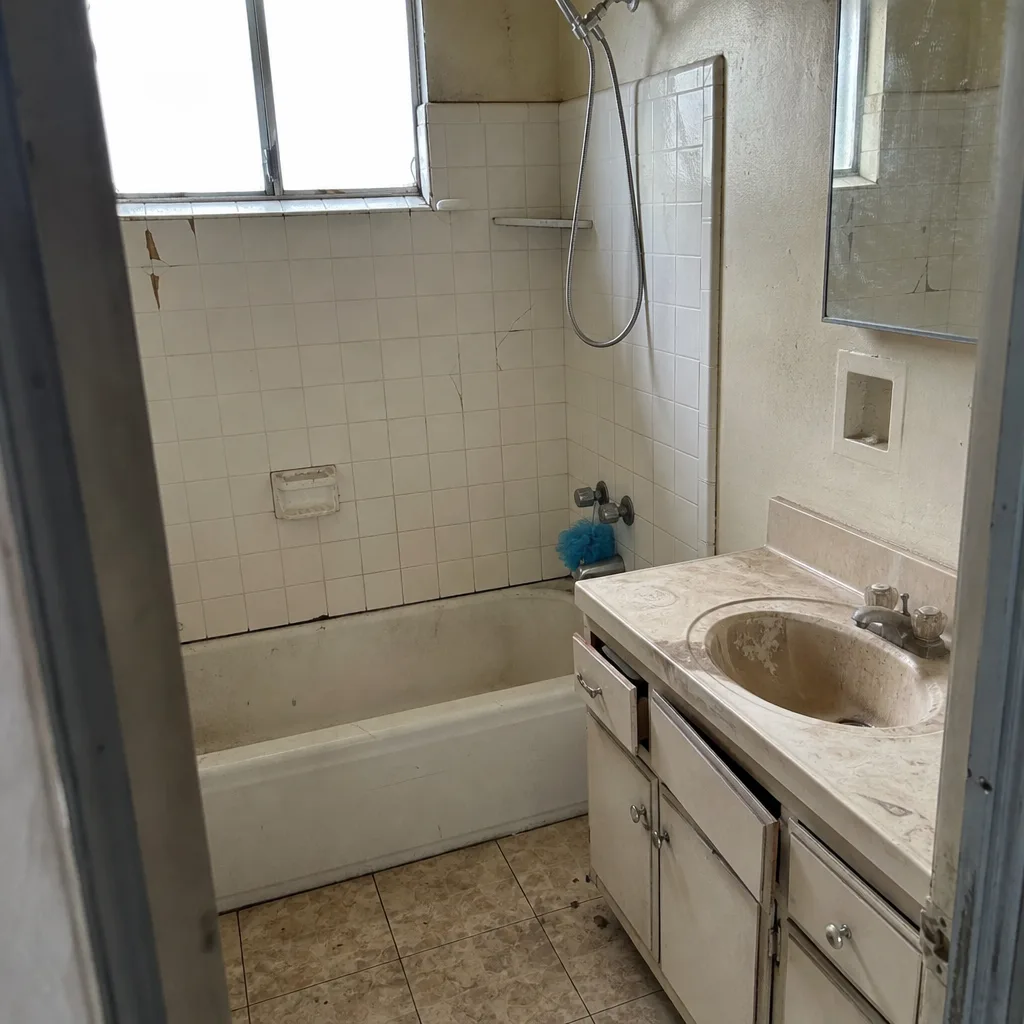 Before
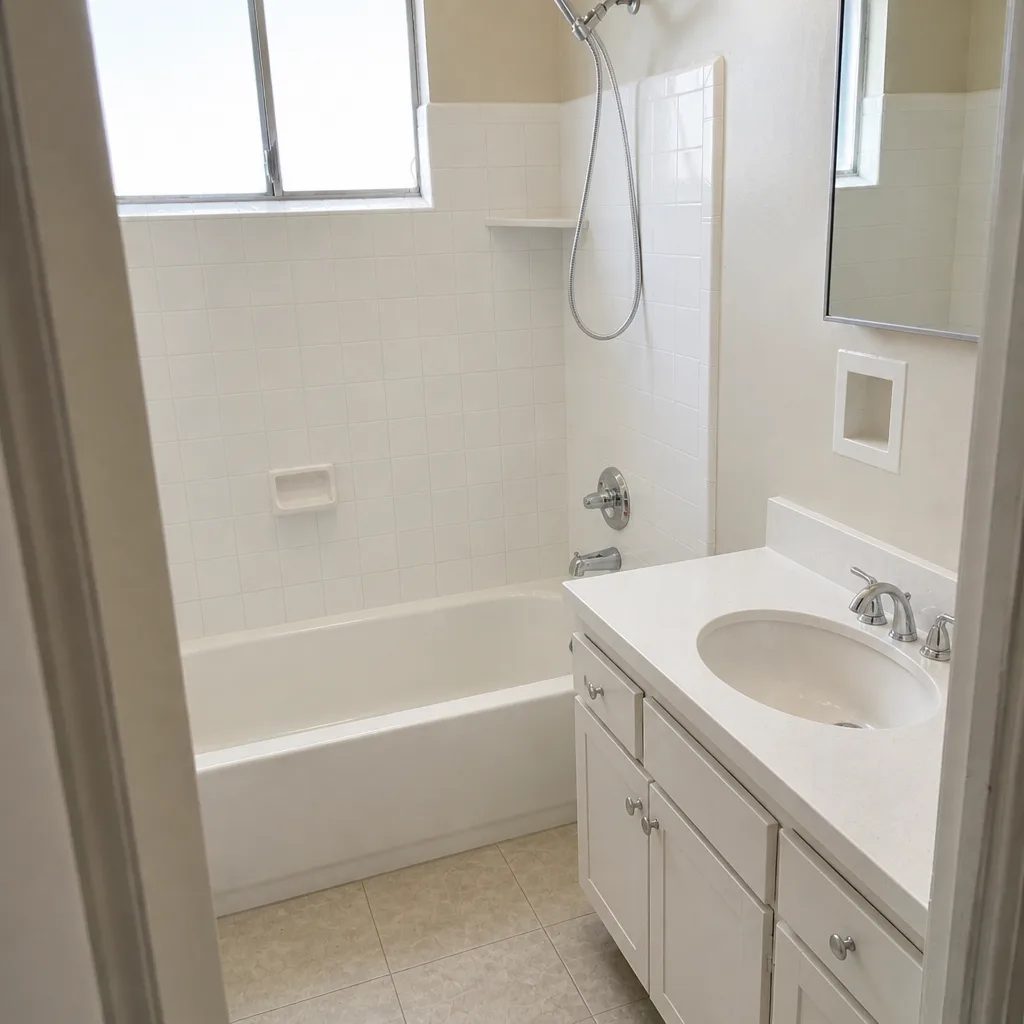 After
What a Chain Link Fence Costs in Avocado Heights, CA
Expect $3,500 to $9,000 for a residential chain link fence in Avocado Heights, installed and permitted. The low end is a modest straight run with a single walk gate. The high end is a long acreage perimeter with a drive gate, heavier gauge mesh and county-inspected hillside grading. That range is what this market actually pays, not a teaser number.
Four things push a job toward the top of that range:
- Linear footage and corners: Cost tracks the run length first. A long perimeter around a workshop and yard adds material, posts and labor.
- Removing the old fence: Demo and haul-away, including pulling old concrete footings, is real labor and gets itemized separately.
- Gate count and gate type: Each gate adds posts, hardware and adjustment time. A vehicle drive gate adds the most.
- Grade and terrain: A sloped lot along the wash needs stepped panels and more posts than a flat run. That’s where the county’s grading and erosion checks come into play.
A written estimate from us lists footage, gauge, coating, post spacing, gate hardware, demo and the permit line by line. It does not include landscaping repair, moving irrigation or clearing heavy brush beyond the line, and we say so up front so the number you sign is the number you pay. No-hassle upfront pricing, no surprises.
What Avocado Heights Homes Specifically Do to This Job
Avocado Heights is its own animal because it’s an unincorporated pocket of Los Angeles County in ZIP 91746. Fence permits go through county review rather than a city building counter, and setback and lot-line rules follow county code. Contractors used to Whittier or El Monte permitting get this wrong, and the job stalls. The county’s field inspectors also run erosion-control and grading checks on hillside lots near the San Jose Creek wash, which matters when your fence line crosses a slope.
The housing stock here is 1950s to 1970s ranch and Spanish-style single-family homes, many with detached garages and workshops out back. Those properties drive longer fence runs and heavier drive gates than a typical suburban yard. The expansive clay soil under this valley means undersized footings heave and shift, and the hot dry summers plus Santa Ana winds punish light-gauge mesh. We see the failures most in older fences set shallow years ago that are now leaning at the corners.
This job sits inside the wider work we do across Avocado Heights, and if the fence is part of a larger yard project, it’s worth looking at our fence installation service and the full Fence Installation in Avocado Heights scope. Property owners here often pair a new fence with Concrete Driveways & Concrete Work in Avocado Heights or Asphalt Driveways & Resurfacing in Avocado Heights when they’re already grading for a gate approach.
Serving Avocado Heights, CA – Our Local Coverage Area
We serve Avocado Heights and nearby communities. Use the map below to see the area we cover. If you’re nearby, we can almost certainly help.
Frequently Asked – Chain Link Fence in Avocado Heights
Most jobs finish in two to four working days on site, with the LA County permit taking roughly one to two weeks to clear beforehand. Call (888) 271-7872 for a timeline on your specific property line.
Yes, most fence work here needs a county permit because Avocado Heights is unincorporated Los Angeles County. We handle the application and inspection for you. Call (888) 271-7872 and we’ll confirm what your property requires.
Installed cost runs $3,500 to $9,000 for a typical residential property, driven by footage, gauge, gate count and terrain. Call (888) 271-7872 for an exact quote, estimates are free.
No, the number in your written, line-item estimate is the number you pay for the scope we quoted. If you add a gate or extend the run later, that’s a separate change you approve first. Call (888) 271-7872 with any line on your estimate and we’ll explain it.