
Free written scope consultation - allowances, timeline, and change-order rules on paper before a single trade is scheduled
Styles & brands we work with
- Kitchen remodeling
- Bathroom remodeling
- Home additions & ADU
- Roofing
- Windows & doors
- Driveway & pavers
- Fence
See the difference
 Before
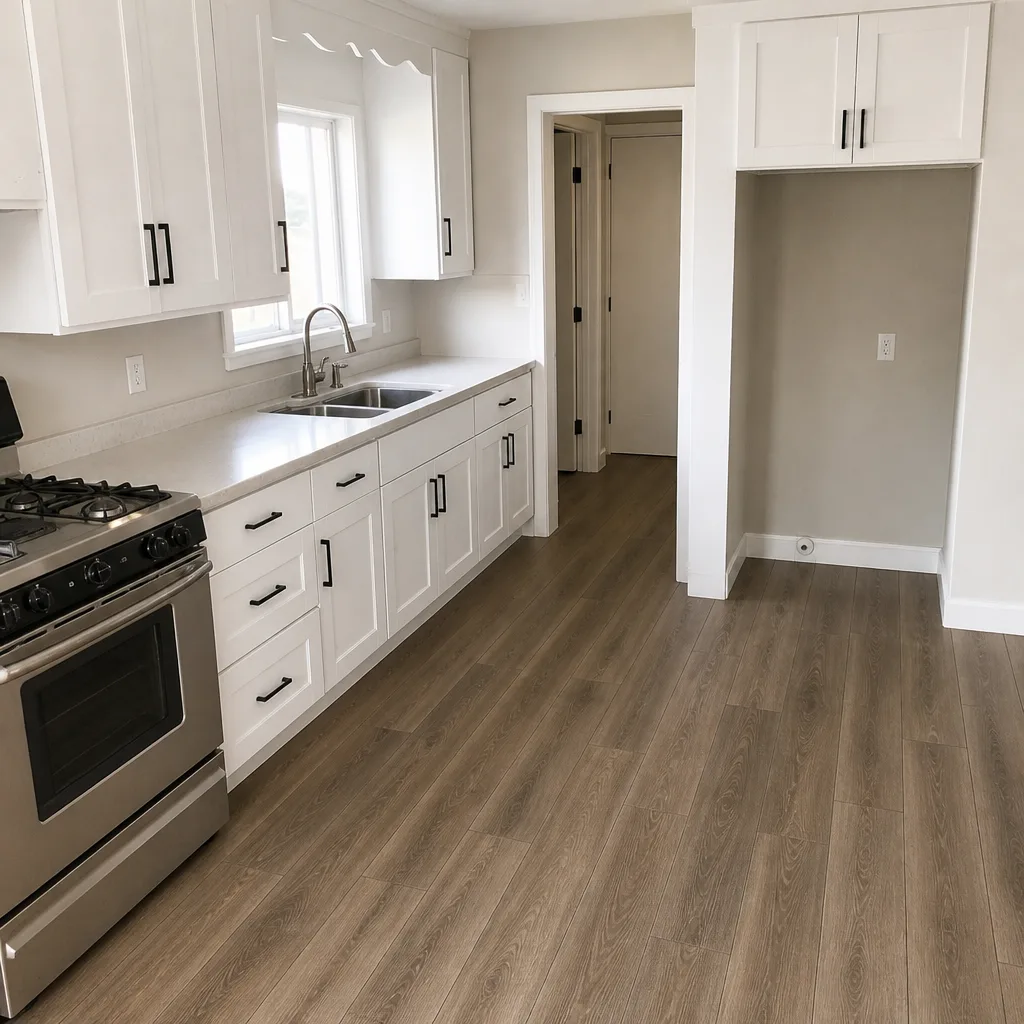 After
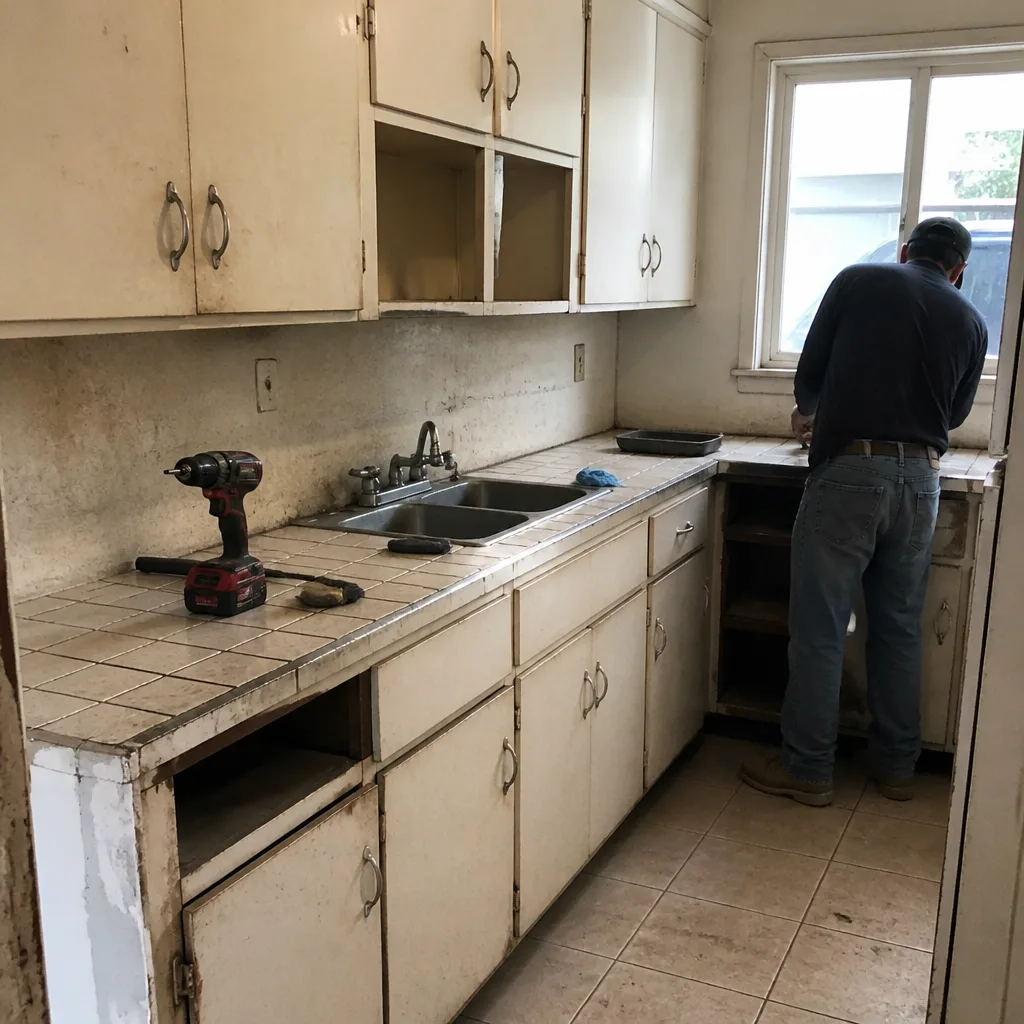 Before
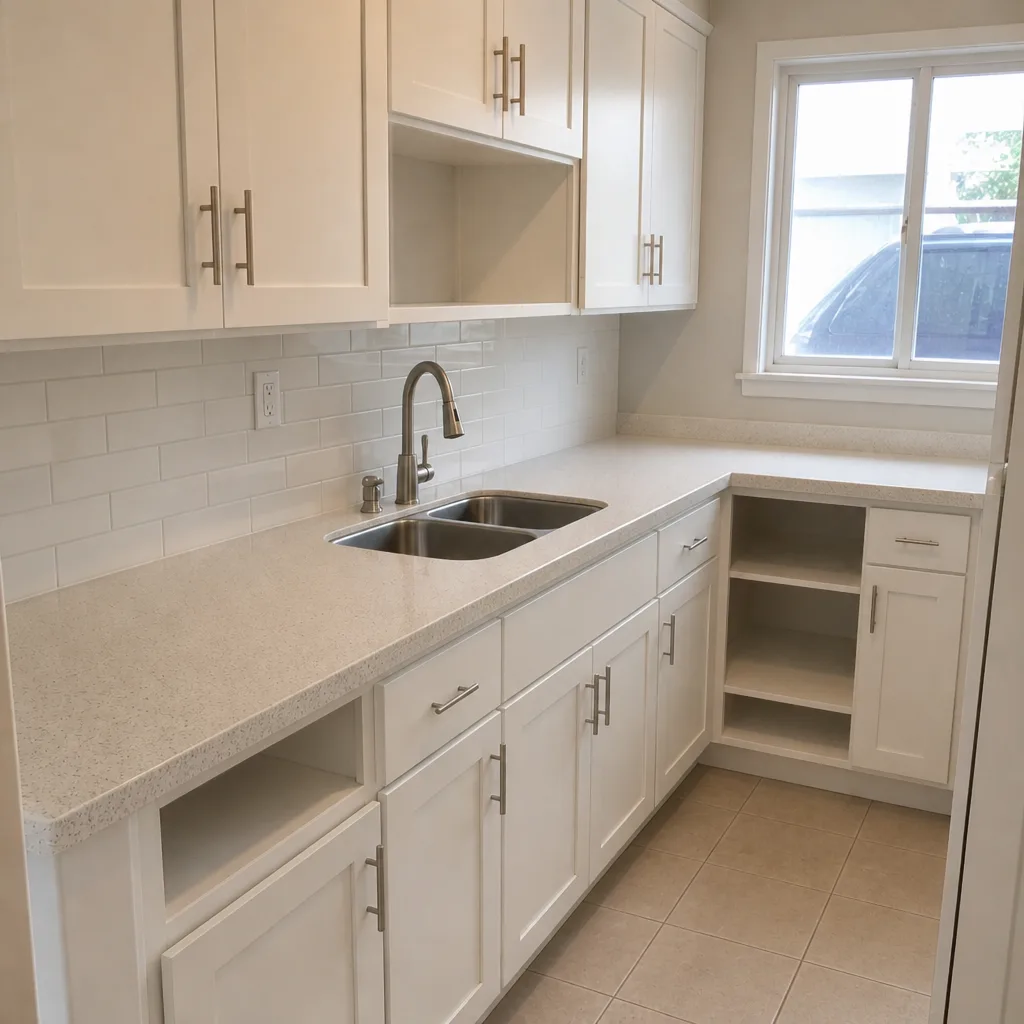 After
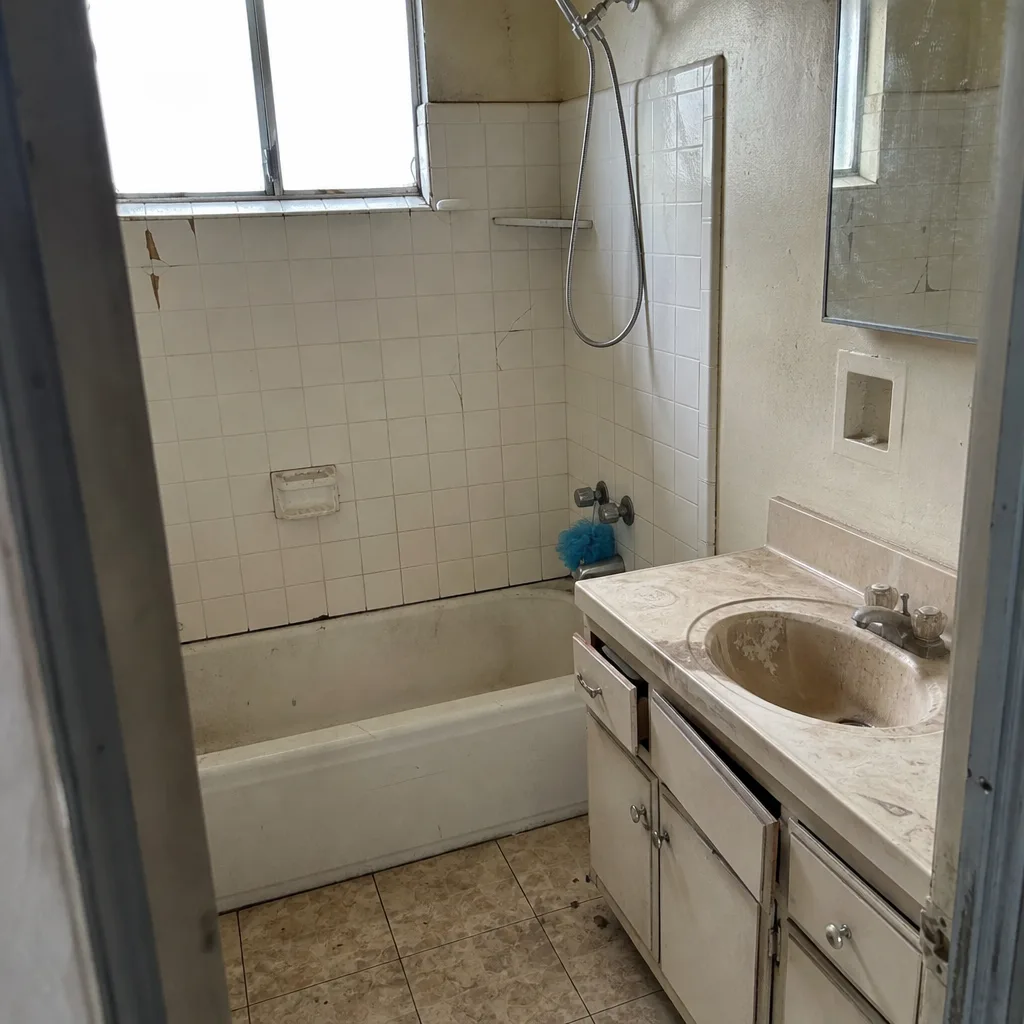 Before
 After
How to Fix a Sinking Driveway in El Monte, CA
The short answer: a sinking driveway in El Monte usually needs the base fixed, not the slab. Expansive clay soil under the concrete swells when it’s wet and shrinks when it dries, and once that movement leaves a void under a slab, patching the surface only buys a year or two. The real fix means finding out why the ground dropped – then re-supporting the concrete, recompacting the sub-base, or replacing the slab when the concrete itself has cracked apart. Groundwork Construction Co. of El Monte diagnoses the cause before quoting a repair; call (888) 271-7872 for a free assessment.
If your El Monte driveway is sinking in the same spot it was patched three years ago, the slab isn’t the problem – the expansive clay underneath it is. Most of the homes here were built in the 1940s through the 1960s on small, tight lots, and those driveways sit on soil that has been moving since before anyone living there now was born. We’ve watched this pattern repeat across the San Gabriel Valley for years. Fixing the crack without fixing the soil underneath falls into the category of work that looks done and isn’t.
Why El Monte Driveways Sink: The Clay Shrink/Swell Cycle
San Gabriel Valley soils are clay-heavy, and clay is a sponge with a memory. Wet winters make the clay expand, which lifts the slab and opens seams. Hot, dry summers pull moisture out, the clay contracts, and whatever gap was created underneath collapses. Add intense summer sun and the occasional Santa Ana wind event that dries the ground even faster, and you get a driveway that heaves one season and settles the next.
Flat lots with poor drainage are the first to show it. A driveway with no slope toward the street has nowhere to send water, so it pools at the edges and feeds the clay right under the slab. You’ll usually see the first signs at the expansion joints – a lip there, a hairline crack widening there – before you see a full dip.
The Three Fix Levels (and Which One You Actually Need)
Not every sinking driveway needs a replacement. The honest diagnosis comes in three tiers, and the right one depends on how widespread the settlement is and whether the concrete itself has failed.
- Slabjacking or foam injection. For isolated voids under otherwise sound concrete – one sunken section, an apron that’s dropped a couple inches, a slab that’s still in one piece. The technique lifts the slab back to grade and fills the void. Fast, less disruptive, and the most cost-efficient starting point when the settlement is contained.
- Base recompaction with new sub-base gravel. For widespread settlement where the slab is still salvageable but the ground under it has lost its structure. The slab comes up, the soil gets recompacted, fresh gravel goes down, and the surface is re-laid. This is the fix for driveways that have been patched repeatedly, because it addresses the real cause.
- Full replacement. When the concrete has fractured beyond repair, or the movement is extensive enough that lifting a broken slab just hides the problem. A replacement starts from a properly engineered base – which is exactly what the original pour probably didn’t have.
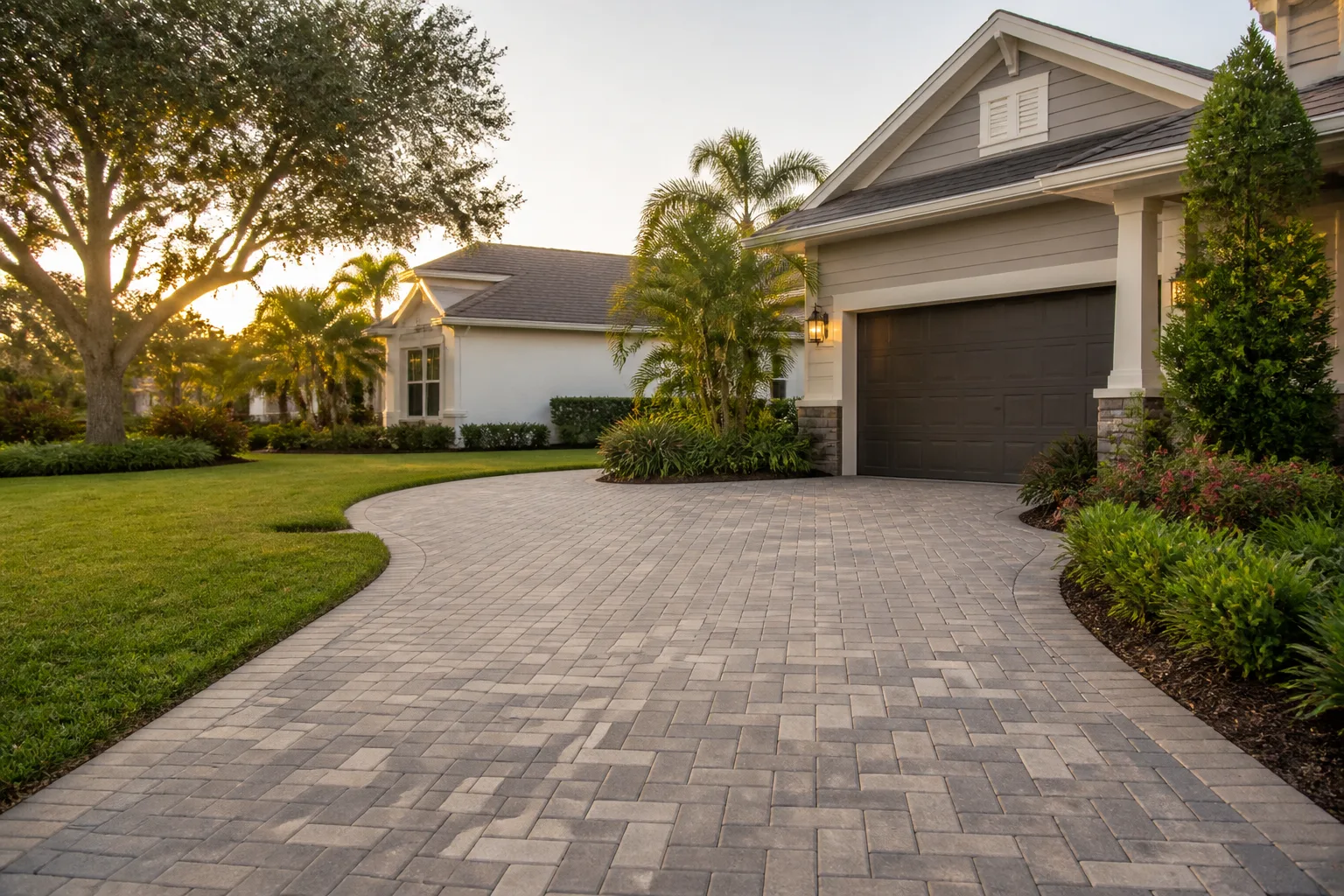
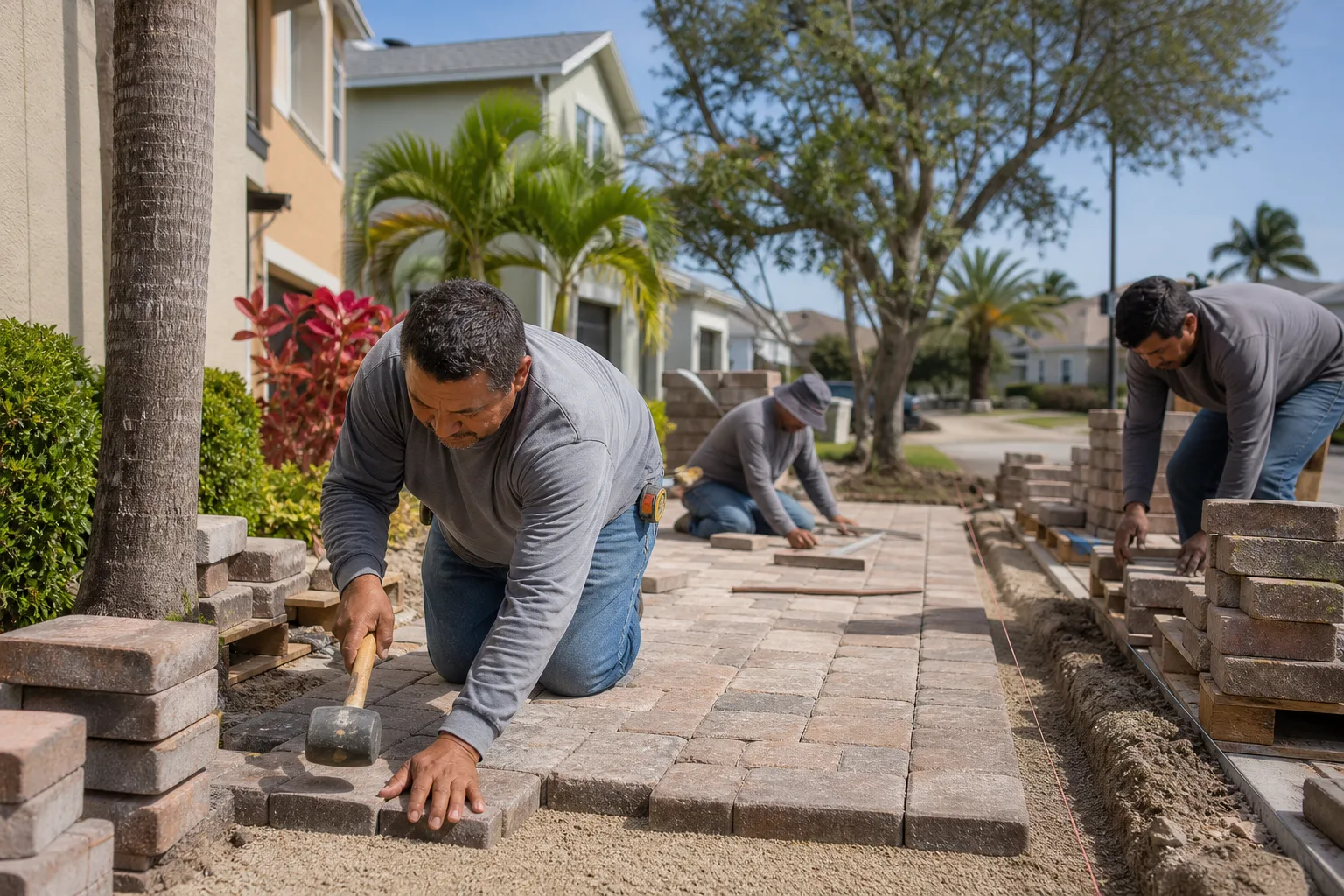
When it’s time for that full replacement, the paving options in El Monte range from concrete at $4,500-$12,000 to interlocking pavers at $7,000-$18,000, depending on square footage and how much base work the job needs. Paver systems – we work with Tremron and Techo-Bloc among others – handle clay movement better than solid concrete because each unit flexes independently instead of cracking as one piece. That’s a real advantage on El Monte’s soil; it’s not a sales pitch.

A Sinking Section Near the Street Often Isn’t Just Soil
Plenty of the homes here still carry original galvanized or early copper utility laterals running under or near the driveway apron. When a lateral starts leaking, water washes out the base under the slab and the pavement drops – and it looks exactly like ordinary settling until someone digs in. A sinkhole near the street that keeps coming back, or a dip with a damp spot that never dries, is worth checking before anyone quotes a concrete repair. Cutting the slab and finding saturated soil tells you the fix level just changed.
What We Check Before We Quote a Fix
We don’t quote a repair off a phone photo. The diagnostic routine every Groundwork Construction Co. of El Monte estimate runs through:
- Probe rods to map void depth. We measure how far the concrete has dropped from grade and how far the void extends underneath, so we know whether the settlement is localized or widespread.
- Visual check of adjacent landscaping drainage. Where the yard drains, where the gutters send water, and where the site sits relative to a slope – all of it tells us where the moisture is coming from.
- Where the downspouts discharge. This one catches a lot of homeowners off guard. A neighbor’s runoff can undermine your slab just as easily as your own, and no amount of patching fixes a driveway that’s being re-flooded every rainy season.
Once we know what’s actually going on, you get a written scope that separates base repair costs from surface costs – before any work starts. That’s the whole point of upfront pricing. The number you see is the number you pay, and you know exactly which portion covers the foundation fix and which covers the finish. No surprise add-ons after the slab is already broken up.
From foundation to finish line, the same crew that handles the base also handles the pavers or concrete. If you’re weighing materials, the Driveway & Pavers page outlines the options and how they perform in local soil conditions, and our Driveway & Pavers in El Monte page covers the specifics of paving work here.
Fixing the Slope and Drainage for Good
A repaired driveway that still collects water is a driveway that sinks again within two to three years. In El Monte – a built-out suburb where almost every project is an infill job on a compact lot – there usually isn’t room to regrade the whole yard. What we can do is finish the surface on an engineered slope that sheds water toward the street, and tie the fix into the surrounding drainage. That’s the detail that separates a repair that lasts from a repair that gets repeated. Built to last, backed in writing, as we like to say around here – every job is covered by our 730-Day Done Right Promise. If it’s not done right, we make it right.
FAQs
Slabjacking and foam injection for isolated voids typically run $1,200-$3,500 for a residential driveway, while full replacement runs $5,000-$14,000 depending on square footage and base work – paver surface installs range $7,000-$18,000. The exact number depends on whether you need base repair only or a full tear-out, which is why we probe the void before quoting. Call (888) 271-7872 for a free exact quote – estimates are free.
Patching covers the symptom but not the cause, and in expansive San Gabriel Valley clay it usually fails within a couple of seasons. If the clay is still swelling and shrinking under the slab, a patch will crack again right where the movement is. A proper fix addresses the void or the base, then repairs the surface. If you’re not sure which situation you have, we’ll take a look at no cost.
Repair is almost always cheaper when the concrete is intact and settlement is localized – slabjacking or foam injection costs a fraction of replacement. But if the slab has fractured in several places or the movement is widespread, repeatedly patching costs more over time, and replacement is the better call. We’ll give you a written scope of each option and let you decide, with no pressure either way. Call (888) 271-7872 to talk through your situation.
A localized slabjacking job is usually done in a single day, and most jobs are completed in a single visit once the diagnosis is clear. A base recompaction with a new surface typically takes two to four days, and full replacement depends on the pour and cure time. We’ll give you a realistic timeline in the written scope – and calls are answered by a live person, 24/7, if anything changes.
Get It Looked At Before the Next Rainy Season
If you’d rather have it looked at, Groundwork Construction Co. of El Monte offers a no-pressure assessment in El Monte – call (888) 271-7872. Calls are answered by a live person, day or night. Our technicians have up to 12 years of experience, and we’ll tell you exactly which fix level your driveway needs before any concrete gets broken up.
Written by the team at Groundwork Construction Co. of El Monte, serving El Monte, CA.