

Free written scope consultation - allowances, timeline, and change-order rules on paper before a single trade is scheduled
Styles & brands we work with
- Kitchen remodeling
- Bathroom remodeling
- Home additions & ADU
- Roofing
- Windows & doors
- Driveway & pavers
- Fence
See the difference
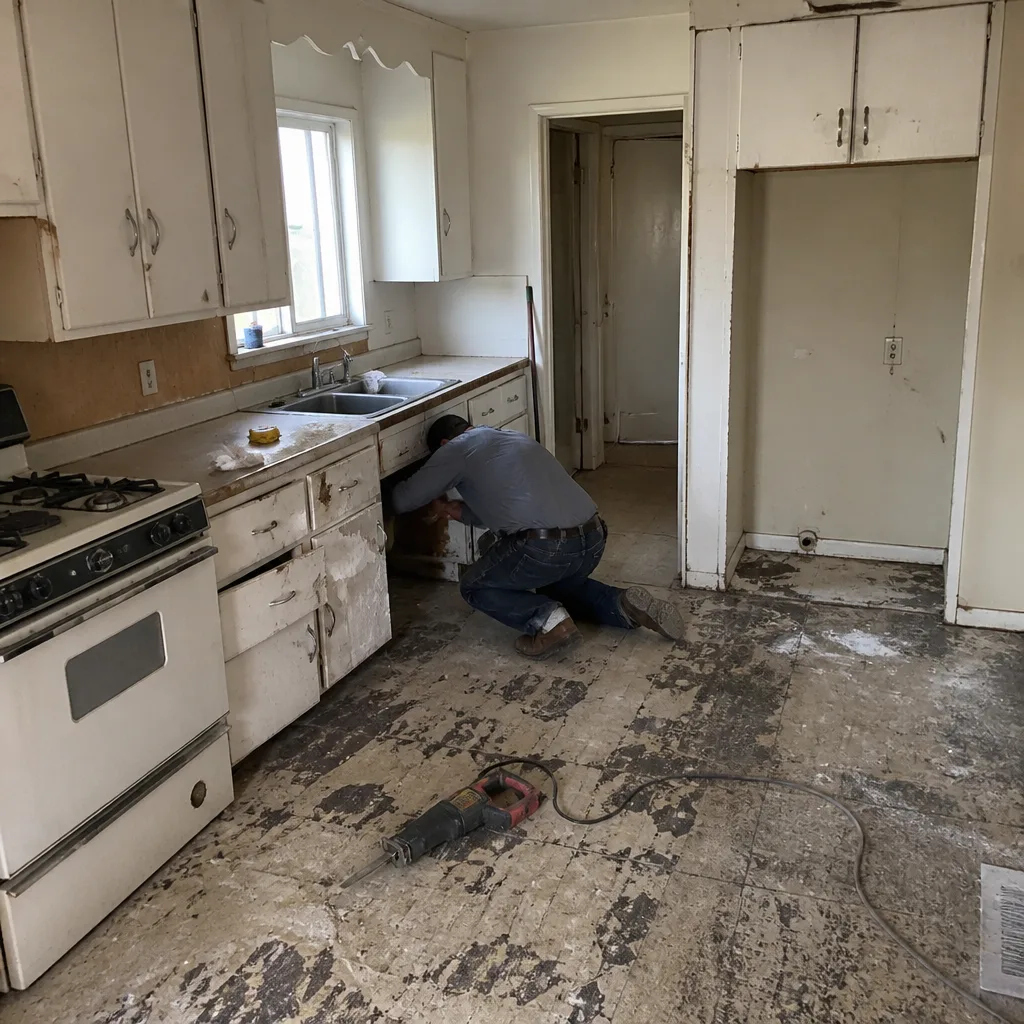 Before
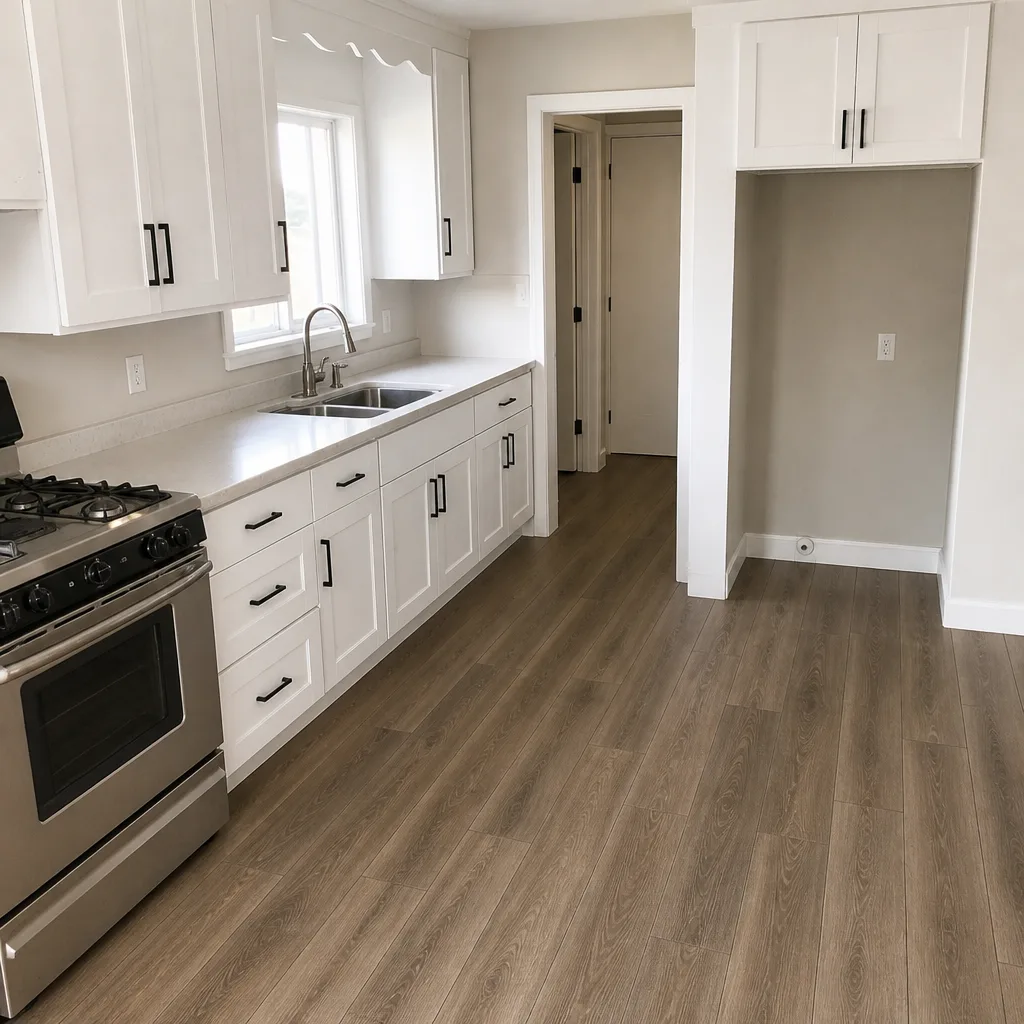 After
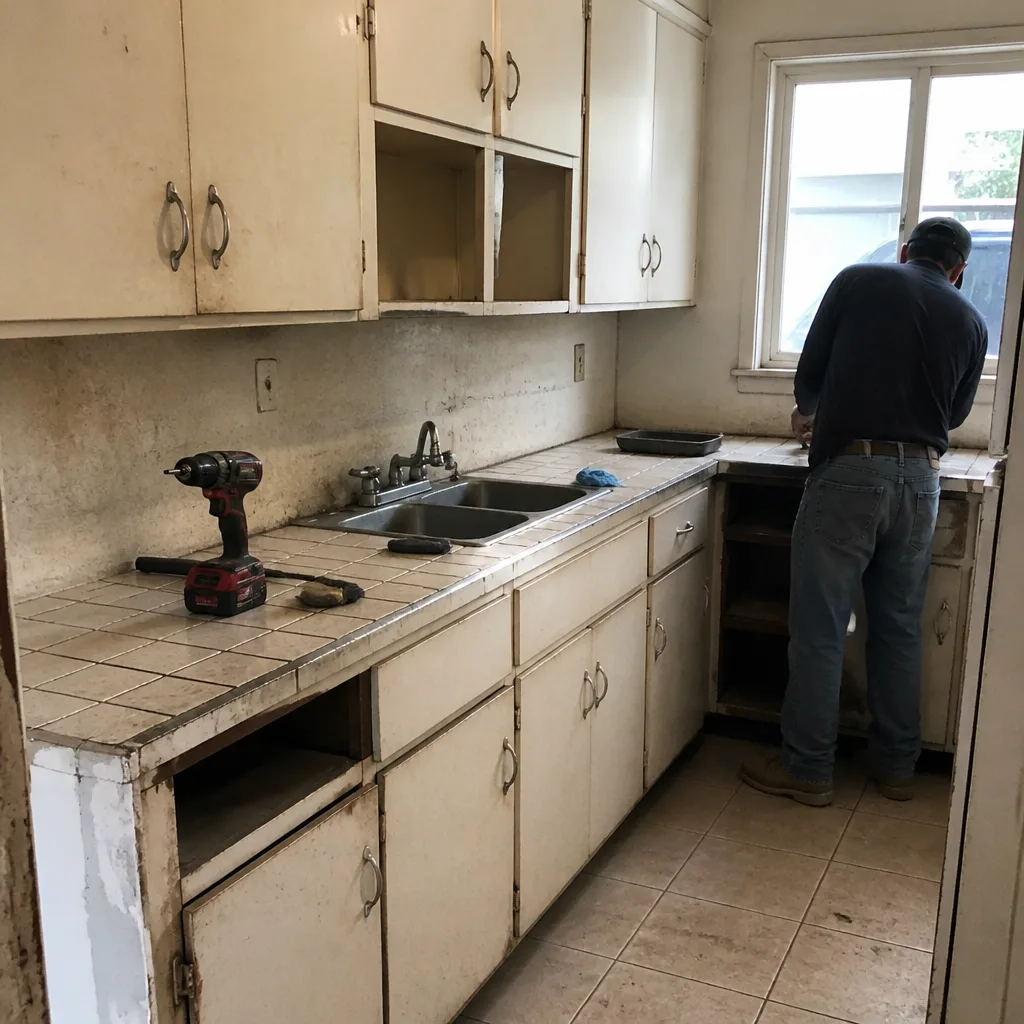 Before
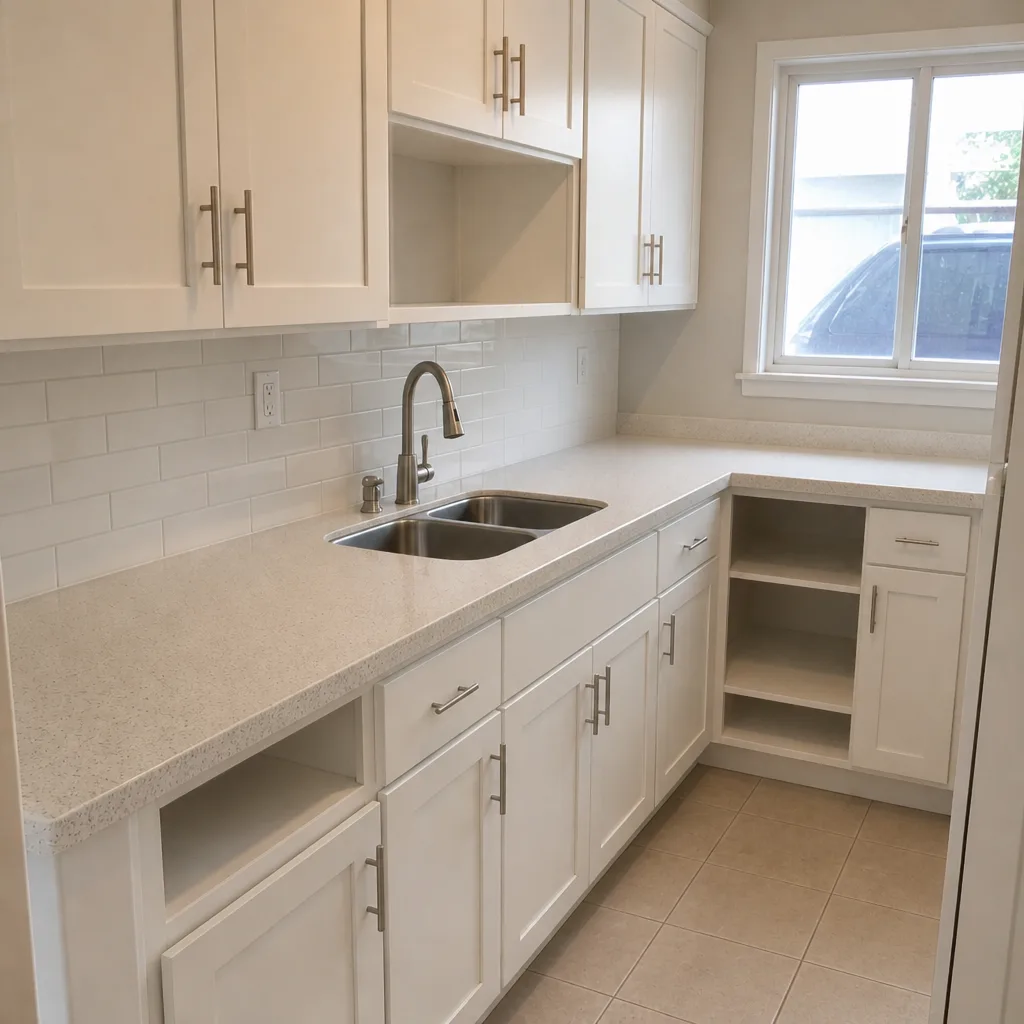 After
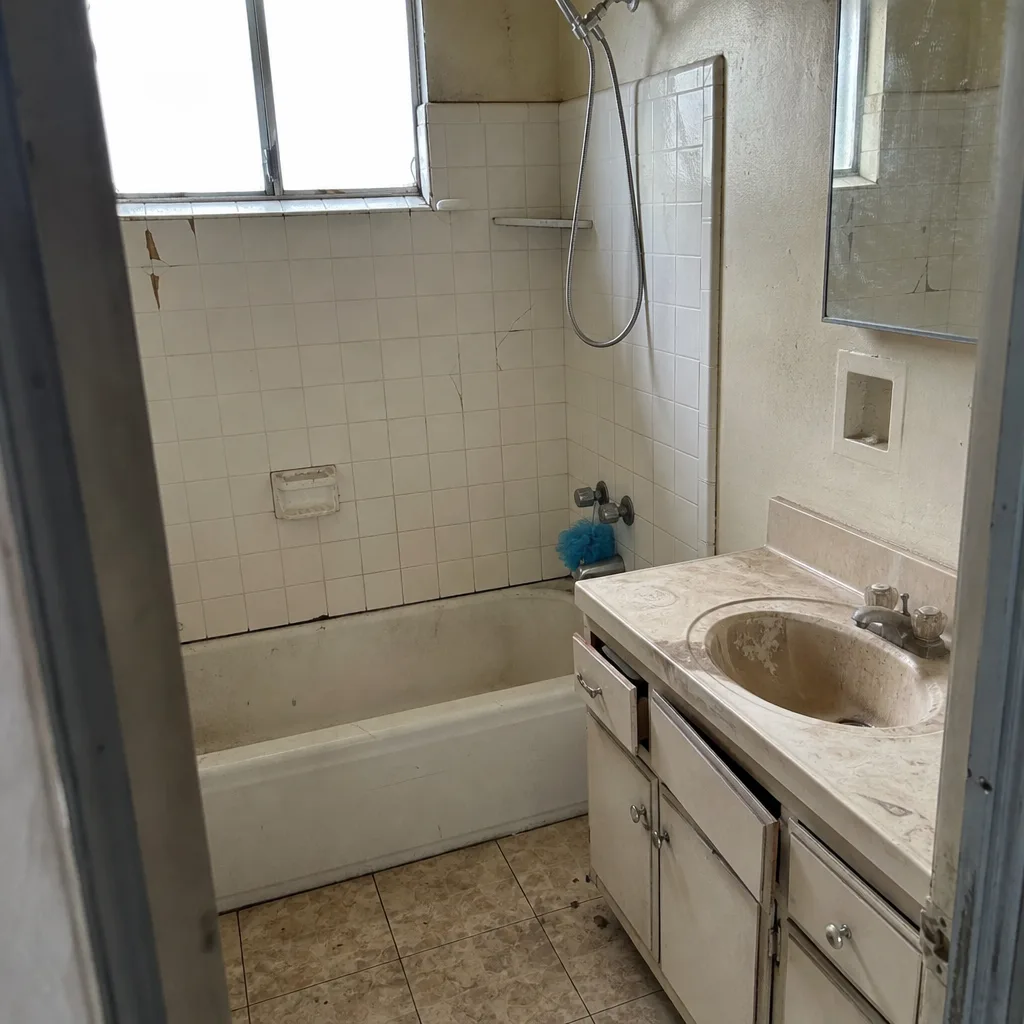 Before
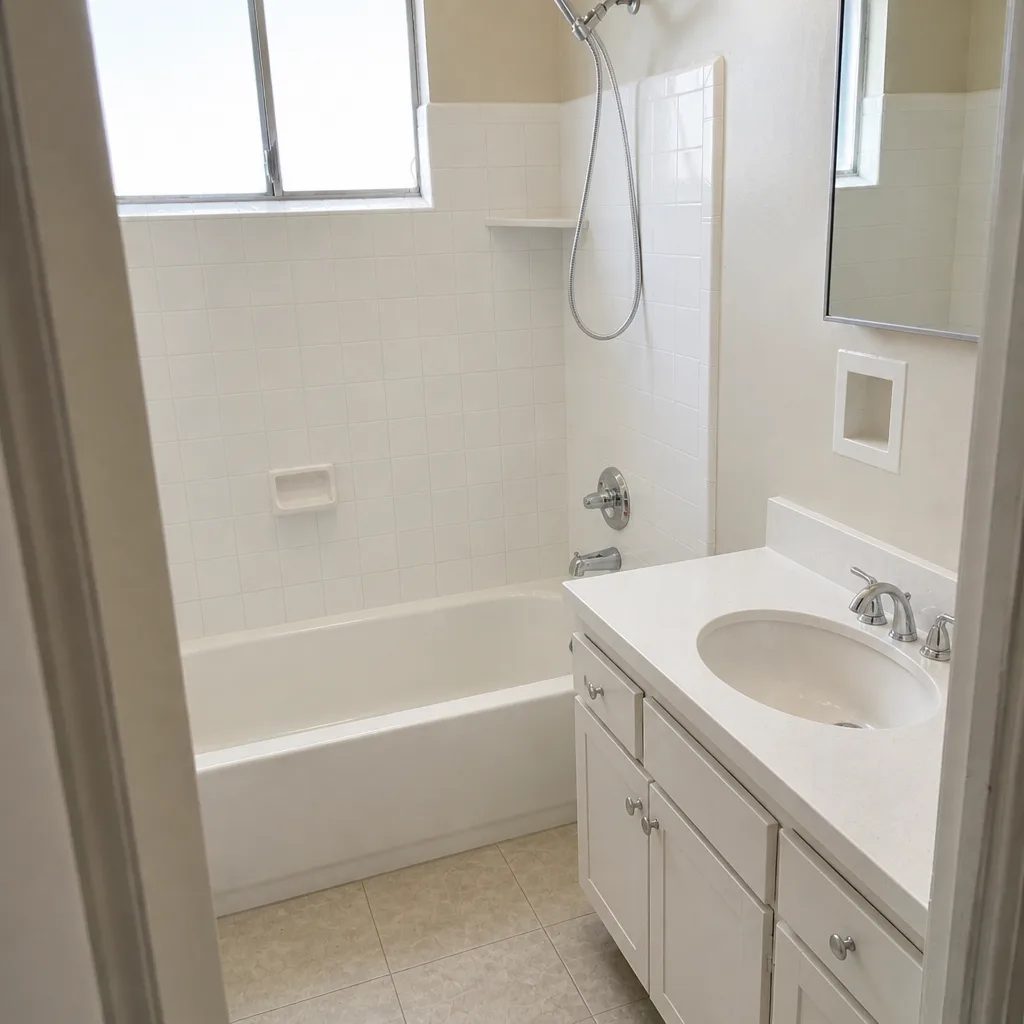 After
How Thick Should a Concrete Driveway Be in El Monte, CA?
The short answer: four inches is the code-minimum baseline for a residential concrete driveway, but in El Monte the number that actually holds is 5 inches with #3 rebar on 18-inch centers over a compacted Class II base. Four inches of unreinforced concrete on the San Gabriel Valley’s clay soils, under a work truck or camper, is a slab working at the edge of its capacity from the day it’s poured. If your driveway needs to carry real weight, call Groundwork Construction Co. of El Monte at (888) 271-7872 for a free, itemized estimate.
Why the National 4-Inch Spec Doesn’t Fit El Monte
Almost every concrete article you’ll read quotes four inches and moves on. That figure comes from mild climates with stable, granular subgrade. El Monte doesn’t sit on that. The soils across much of the San Gabriel Valley are clay-heavy, with a Plasticity Index high enough to produce measurable seasonal vertical movement as the ground swells in wet months and shrinks through our hot, dry summers. A 4-inch unreinforced slab on expansive clay has no margin. It takes the movement directly on its own underside, and the first place that shows is a crack you didn’t plan for.
Bumping to 5 inches with rebar does two things. It thickens the section so bending stress spreads across more concrete, and the steel ties the slab together so seasonal heave becomes small controlled movement instead of a fault line through the middle of your parking pad. For most El Monte lots, that’s the defensible minimum. If you’re parking something heavier than a sedan, read on.
The real reason El Monte driveways fail early
A large share of El Monte’s post-WWII housing stock is owner-occupied by families who use the driveway for more than a commuter car. On these compact lots, the driveway is often the only off-street space, so it becomes the parking spot for a work truck, a truck camper, a boat trailer, or a loaded pickup. Those vehicles land in the 8,000-12,000 lb range. A standard residential 4-inch slab is not designed for that repeated point load, and neither is the thin base under it. That’s a local pattern, not a universal one, and it’s why we spec heavier here than a national guide would.
The Spec That Actually Holds: Thickness, Rebar, and Base
Thickness gets all the attention, but a slab is a system. Here’s what we put in writing on an El Monte driveway quote, and what each number is doing:
| Spec item | What we use | Why it matters here |
|---|---|---|
| Slab thickness | 5 in. minimum (6 in. for heavy trucks or RVs) | Handles clay movement and real vehicle loads |
| Reinforcement | #3 rebar on 18 in. centers | Holds the slab together through seasonal heave |
| Base material | Class II base, compacted in lifts | Stable platform so thickness isn’t wasted |
| Control joints | Cut to 1/4 of slab depth (1.25 in. on a 5 in. slab) | Guides cracking at the joint, not across the field |
| Concrete strength | 4,000 PSI minimum | Holds up to sun, load, and time |
Compaction is the invisible half of the job
A well-compacted 4-inch Class II base under a 5-inch slab will outperform a poorly compacted 6-inch base over clay every time. Base prep is where budget contractors save money because you can’t see it in a finished photo. If the base gets dumped, raked, and poured over without proper lift-by-lift compaction, the slab is sitting on a moving surface no matter how thick it is. That’s the first thing we check when we’re called out to diagnose a driveway that cracked in year six.
Control joints: the 1.25-inch detail most crews get wrong
Control joints only work if they’re cut deep enough to actually guide the crack. The rule is one-quarter of slab thickness. On a 5-inch slab, that’s 1.25-inch deep cuts. A lot of crews run 0.75-inch cuts because they’re faster and look fine on the surface, but a shallow cut leaves the slab free to crack wherever it wants instead of at the joint. When we pour a driveway, the joint depth is part of the written spec.
What a Correctly Spec’d El Monte Driveway Costs
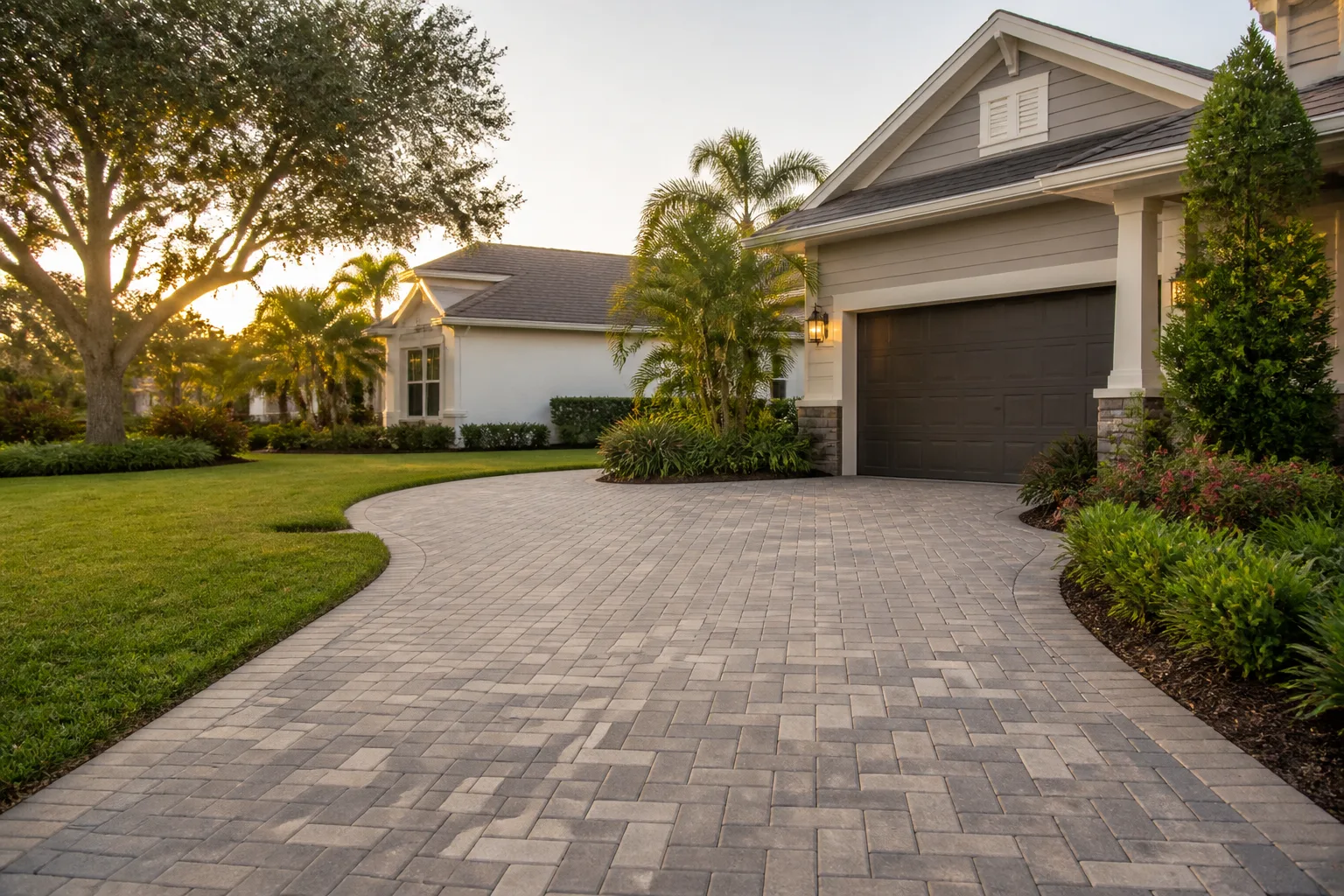
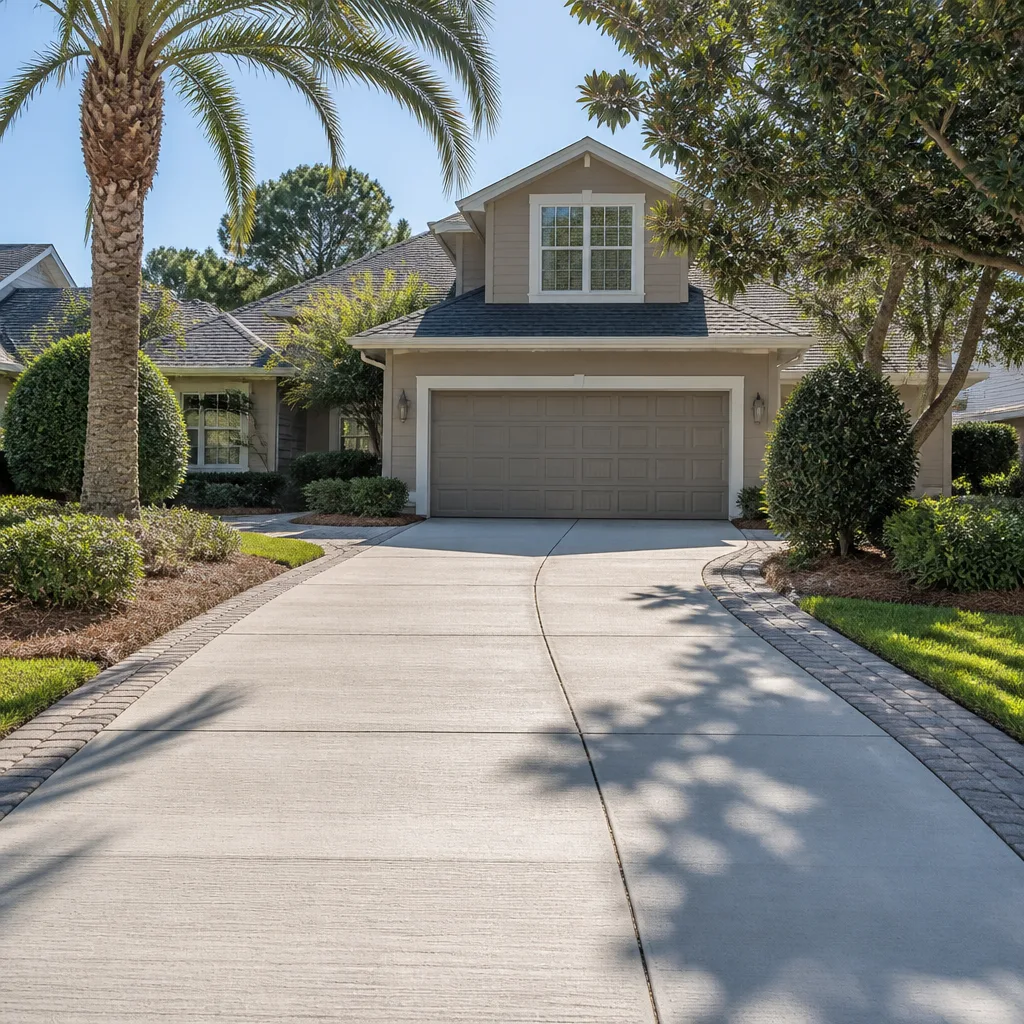
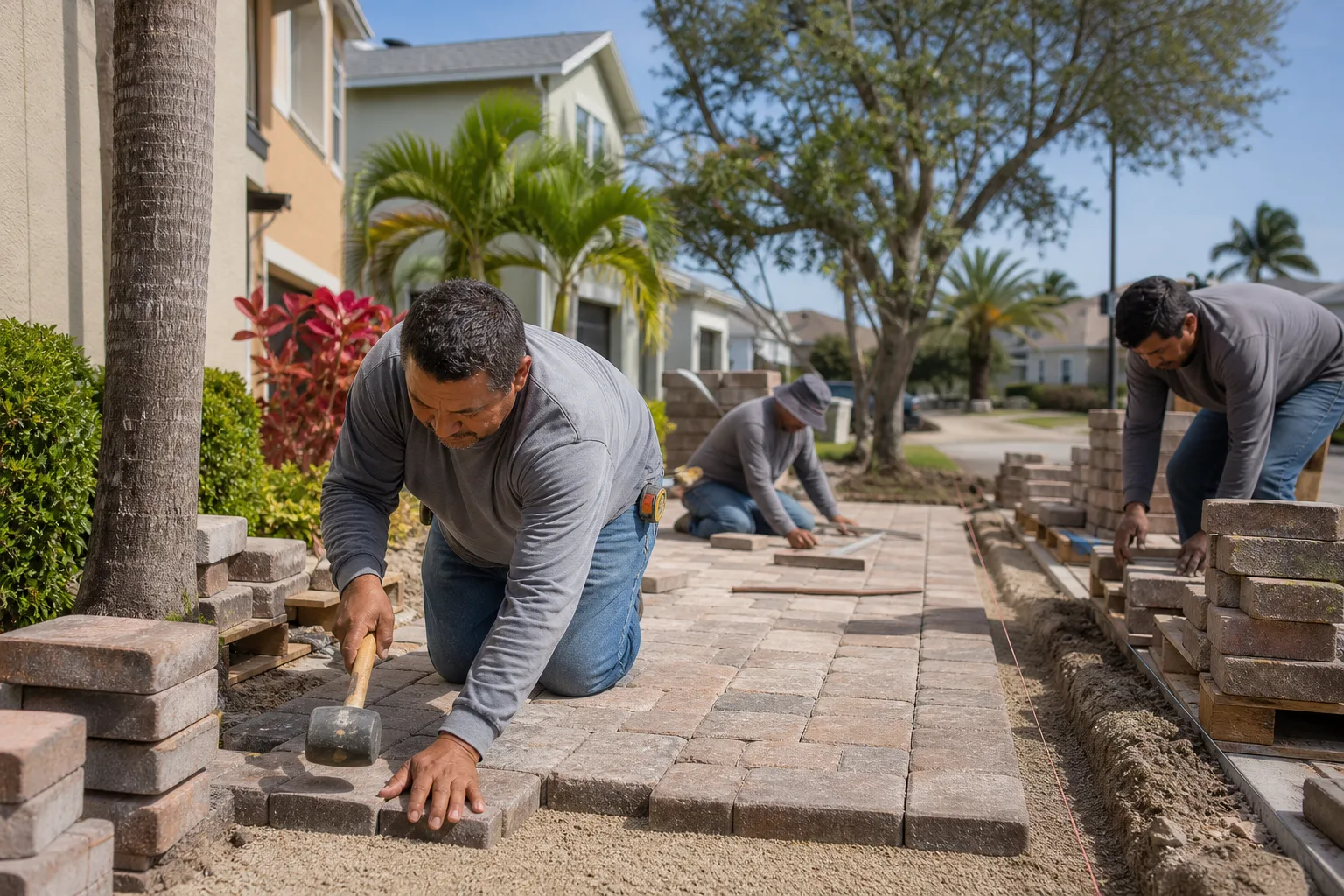
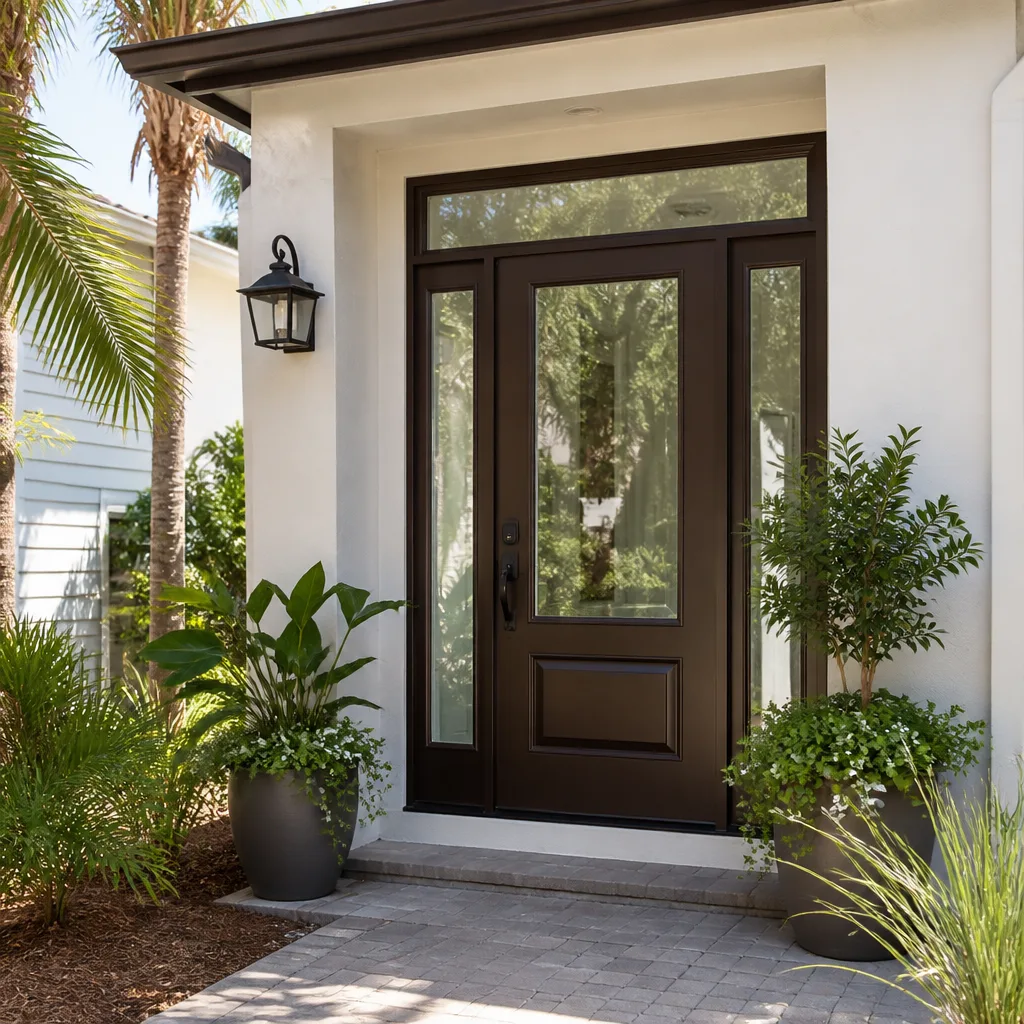
Concrete driveway installation in El Monte runs $4,500-$12,000, and full driveway replacement lands at $5,000-$14,000. Those ranges swing on thickness, rebar, base depth, demo of the old slab, and access. If you want the warm-weather, longer-wearing upgrade, paver driveway installation in El Monte runs $7,000-$18,000 and we install brands like Techo-Bloc and Cambridge Pavers. Either way, you should be comparing bids on spec, not just price per square foot. A quote that says “concrete driveway” with no PSI, no thickness, and no rebar schedule isn’t a quote you can compare against anything.
Our bids are itemized by hand. You’ll see the concrete PSI rating, slab thickness, rebar schedule, and base compaction depth on paper before you sign anything. That’s what “upfront pricing, no surprises” means on a job like this. Here’s what a typical El Monte driveway quote covers, so you know what to look for:
- Demo and haul-away of the old slab
- Excavation to depth plus Class II base, compacted in lifts
- Rebar on the specified centers, chaired up off the base
- Concrete at the stated PSI, poured and finished
- Control joints cut to one-quarter depth
- Cleanup and curing guidance
If you’d rather compare materials side by side, our team covers the full range of Driveway & Pavers work and can walk you through what each option means for your specific lot.
Common Local Scenarios We See in El Monte
Every driveway we’ve been called out to assess falls into a handful of patterns. These are the ones that come up most in El Monte:
- The 4-inch slab that cracked in year six. Poured by a previous owner or a budget crew, no rebar, thin base, shallow joints. The crack runs across the field because nothing was working to guide it.
- The truck-and-camper driveway. A family with a work truck and a trailer on a compact post-WWII lot, where the driveway is the only parking. The slab was specced for a sedan and is carrying double the load.
- The tight-lot re-pour. Older single-story tract homes on small lots where access is tight and the truck has to stage in the street. That shapes how the pour gets scheduled and how much you can do in one day.
- The infill ADU driveway. A rear addition or garage conversion that changes how the driveway is used, and sometimes triggers a parking calculation with the city’s plan-check. This is a common pattern across El Monte’s built-out neighborhoods, and it’s why we read the scope carefully before quoting.
We’ve sat across the table from enough homeowners burned by vague bids and disappearing crews to know the spec sheet matters more than the sales pitch. Our technicians have up to 12 years of experience, they arrive background-checked and in uniform, and every driveway is backed by the 730-Day Done Right Promise: if it’s not done right, we make it right. That’s one of the longest workmanship guarantees in residential construction, and it’s in writing.
Curious about materials beyond concrete? We also source from Quikrete and Oldcastle for base and mix, and brands like Belgard for paver work. And when a driveway leads into a bigger project, that same standard carries through to the home and everything attached to it.
Frequently Asked Questions
Five inches with #3 rebar on 18-inch centers over a compacted Class II base is the minimum we recommend in El Monte, not the national 4-inch baseline. The clay-heavy San Gabriel Valley soils move seasonally, and many El Monte driveways carry trucks and campers that a 4-inch slab wasn’t designed for. If your vehicle is over 8,000 lbs, we go to 6 inches. Call (888) 271-7872 for an exact spec and quote.
It’s likely to, especially unreinforced and especially under real weight. A 4-inch slab on expansive clay has no reserve against seasonal heave, and on a tight El Monte lot where the driveway doubles as truck or trailer parking, the load pushes it further. Rebar and a proper base are what buy you time. Call (888) 271-7872 to have your existing slab assessed before it fails.
Spot repairs are cheaper short-term, but if the cracks run across the field or the slab has settled, patching is money spent on a slab that will keep failing. Replacement with a properly specced 5-inch reinforced pour runs $5,000-$14,000 in El Monte and gives you decades of service. Call (888) 271-7872 for a free assessment and an honest recommendation.
Yes. Our team answers calls with a live person 24/7, so you can reach us any time and we’ll schedule a no-pressure assessment at your El Monte property. We’ll bring the spec sheet and walk your lot with you. Call (888) 271-7872 to get on the schedule.
If you’d rather have it looked at, Groundwork Construction Co. of El Monte offers a no-pressure assessment in El Monte. We’ll check your base, measure your slab, and tell you in plain terms whether a repair holds or you need a new pour. Call (888) 271-7872 for a free estimate and the exact spec for your driveway.
Written by the team at Groundwork Construction Co. of El Monte, serving El Monte, CA.