Free written scope consultation - allowances, timeline, and change-order rules on paper before a single trade is scheduled
Styles & brands we work with
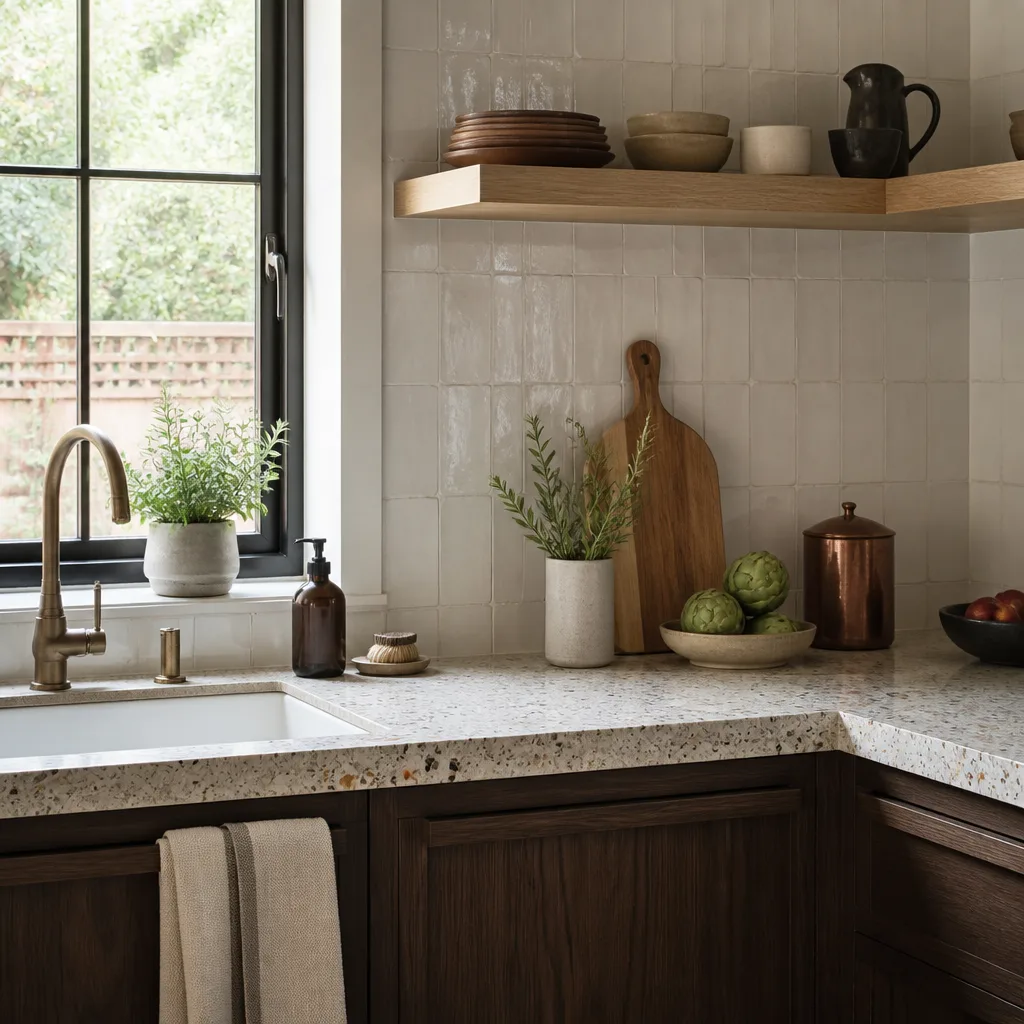
- Kitchen remodeling
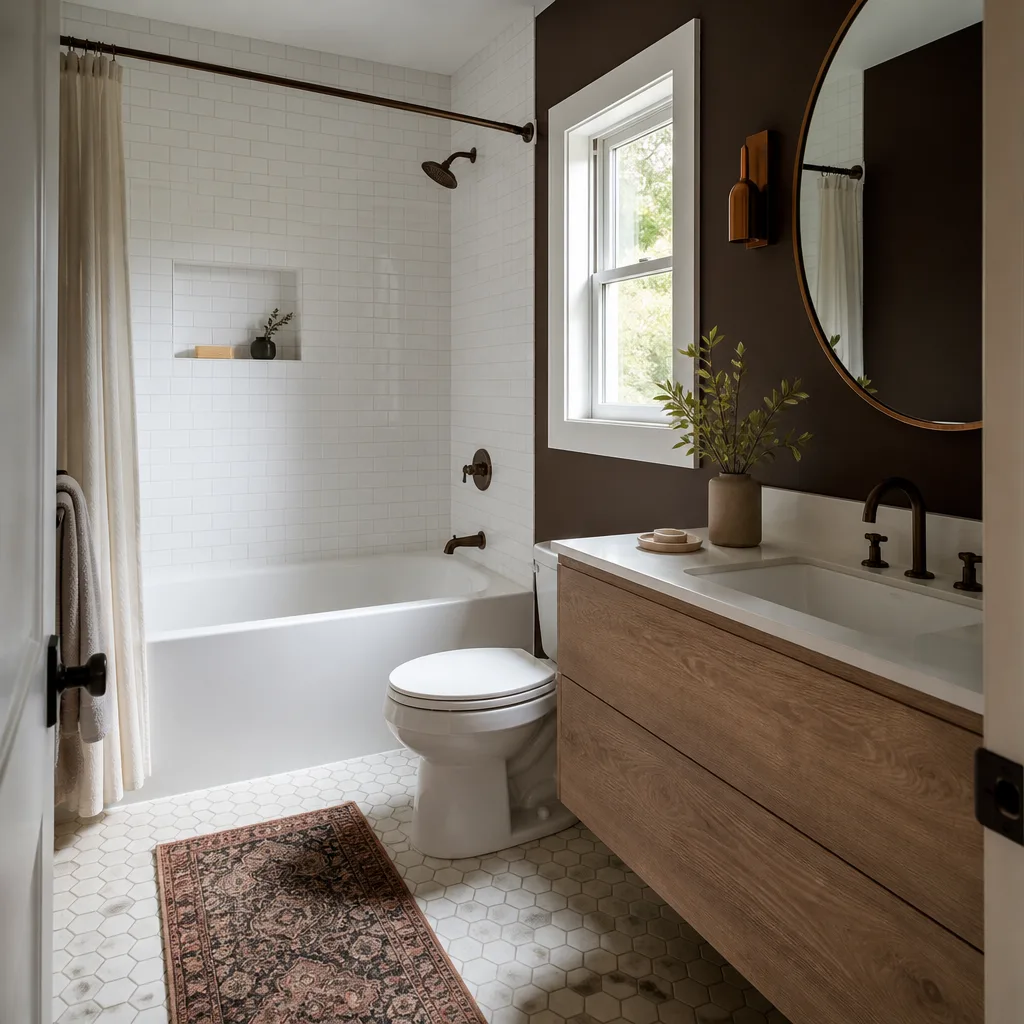
- Bathroom remodeling
- Home additions & ADU
- Roofing
- Windows & doors
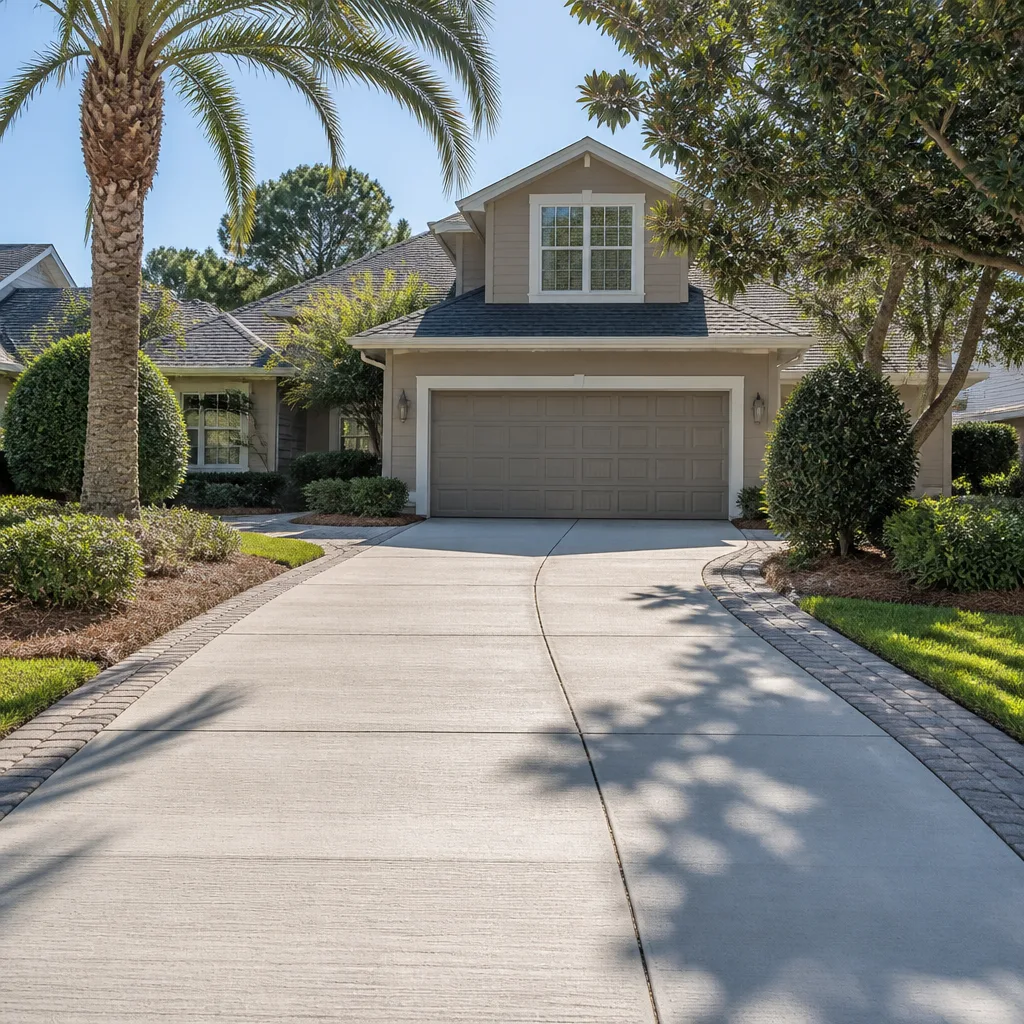
- Driveway & pavers
- Fence
See the difference
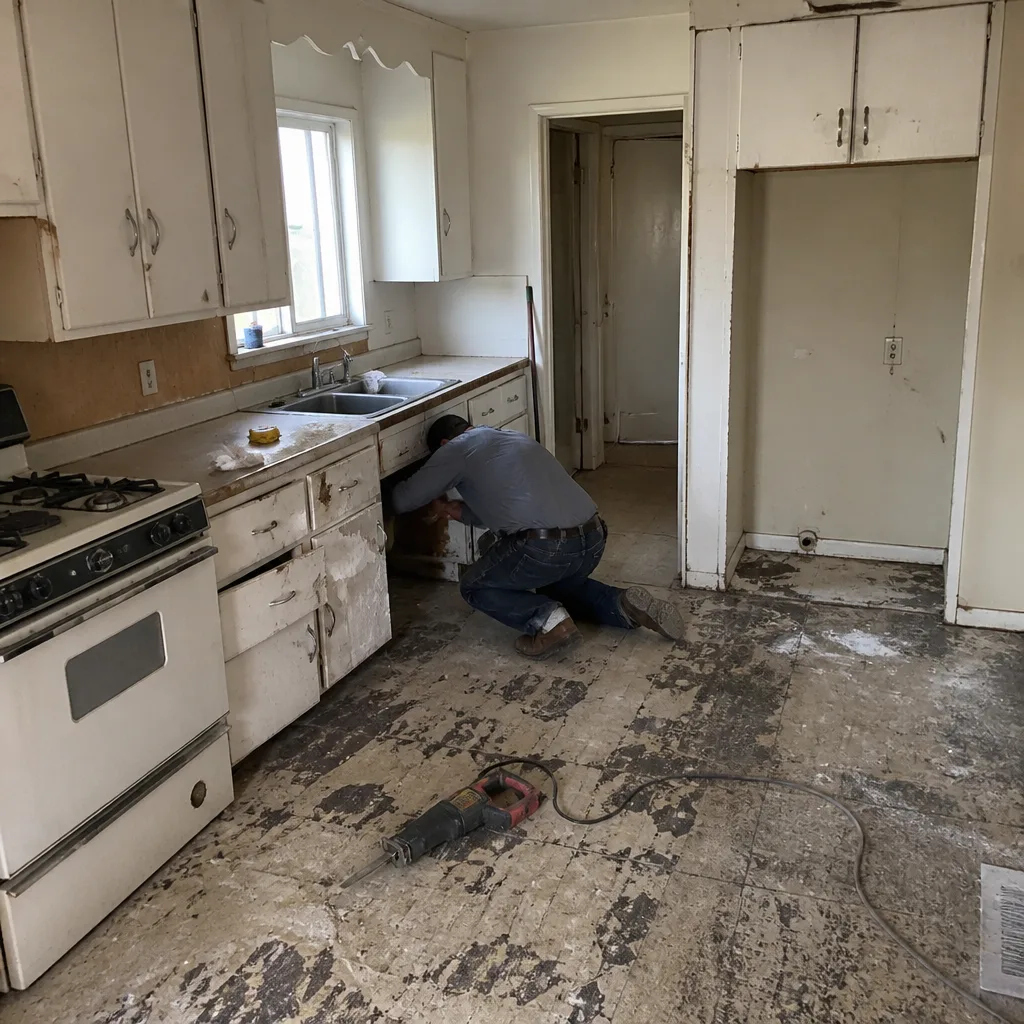 Before
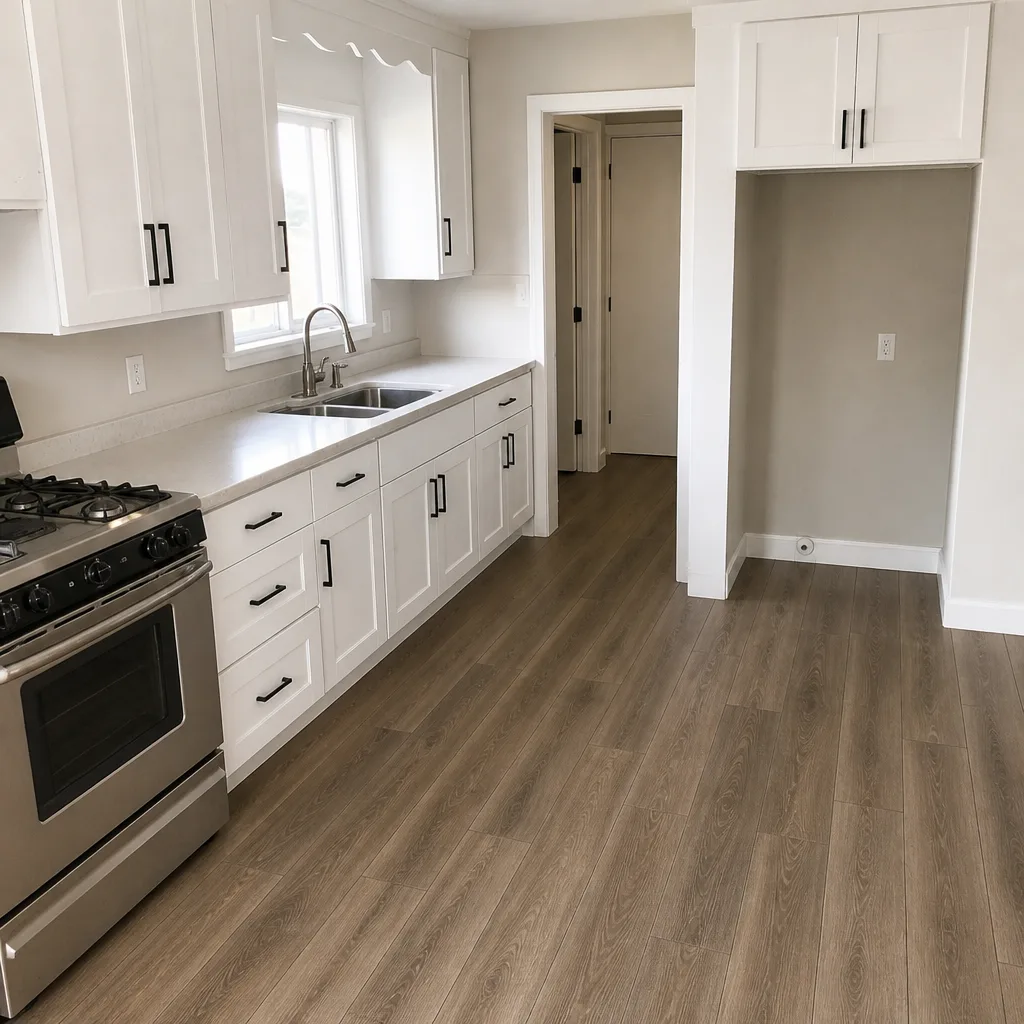 After
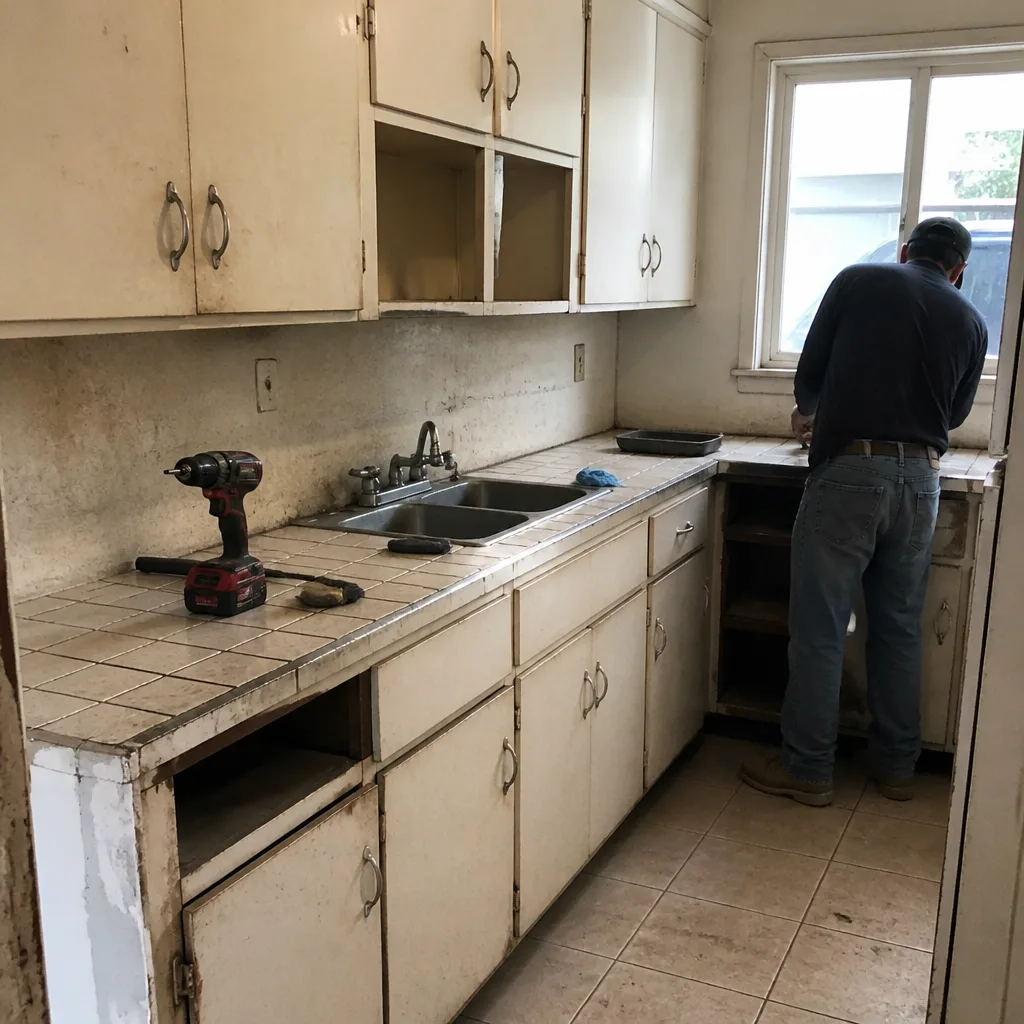 Before
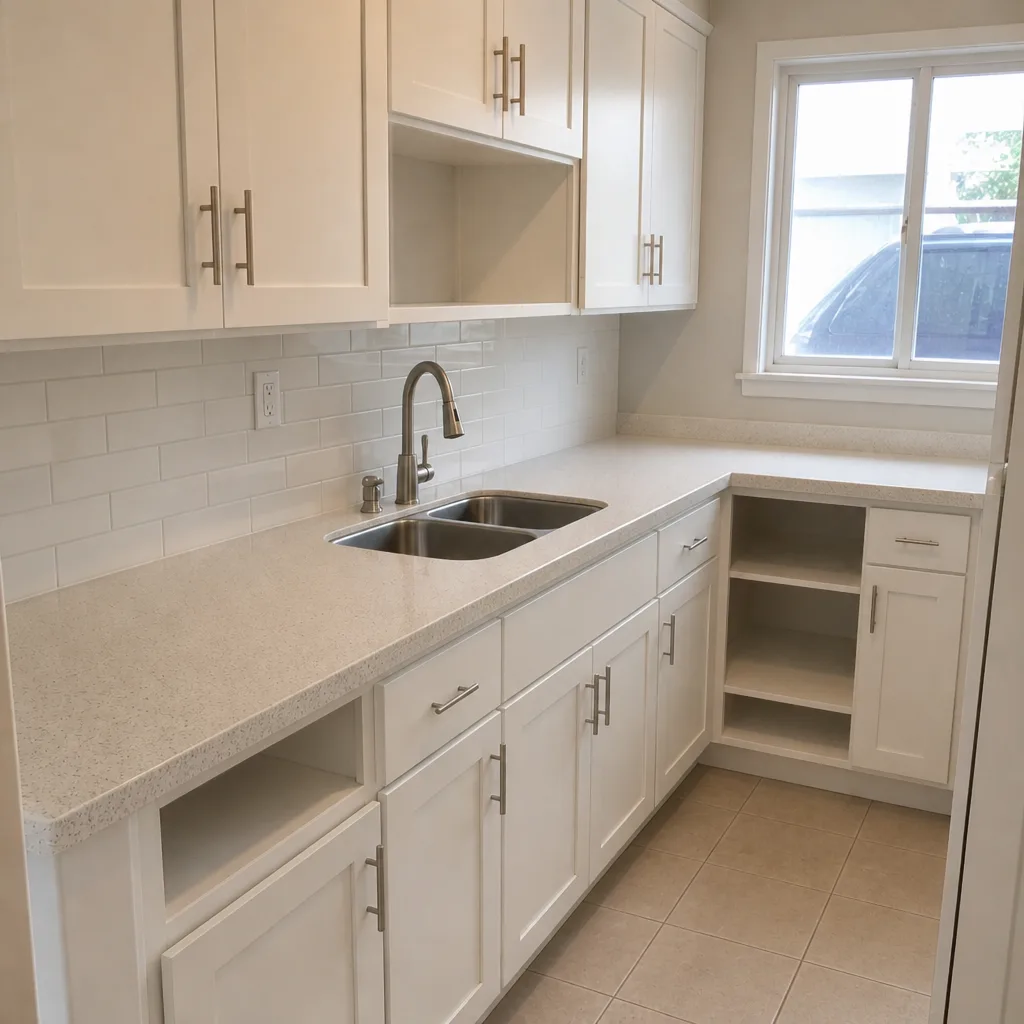 After
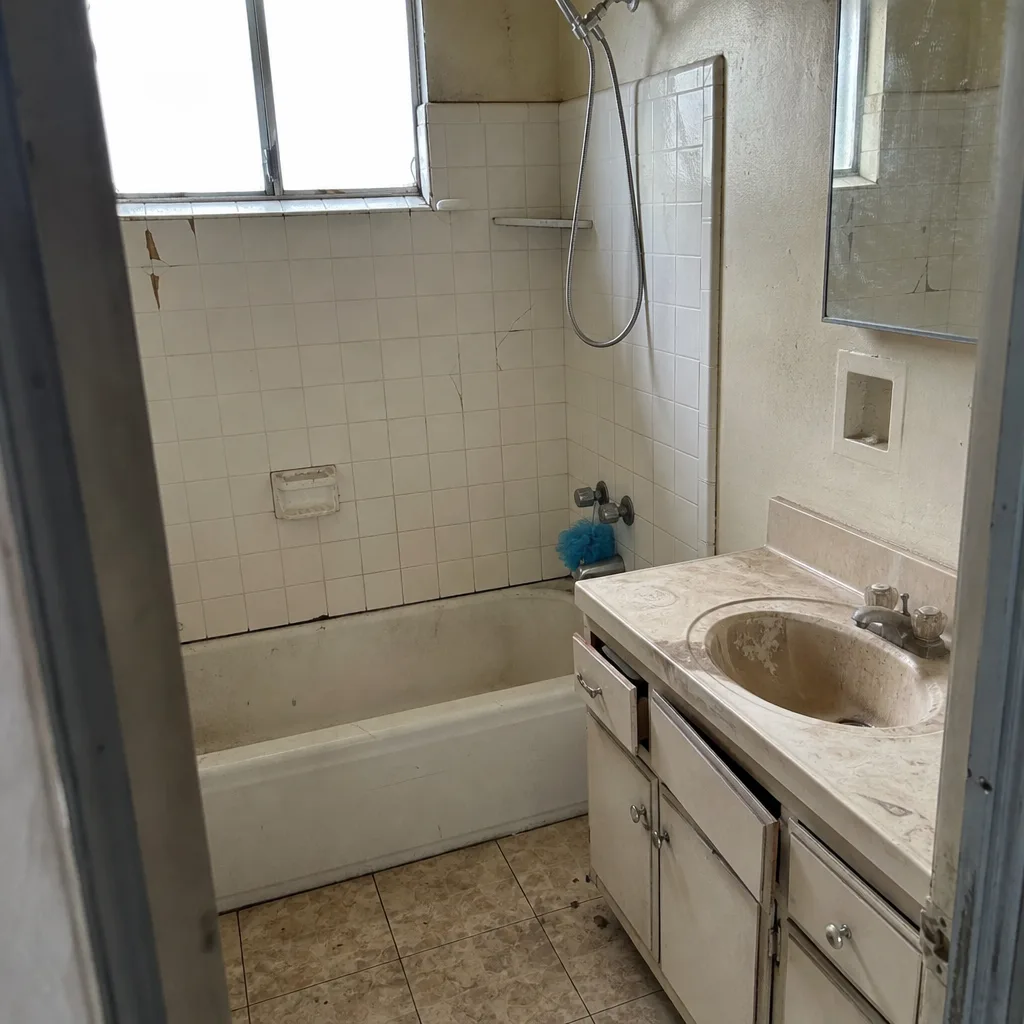 Before
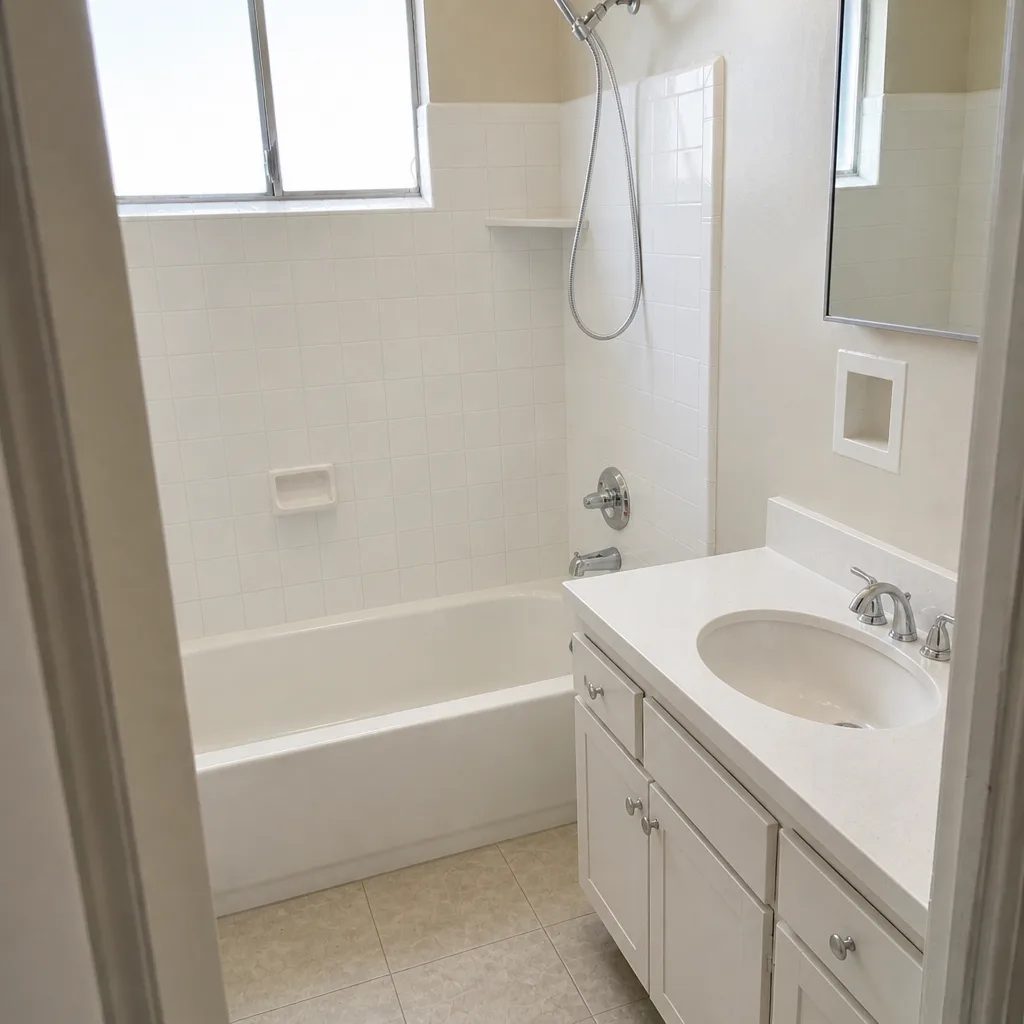 After
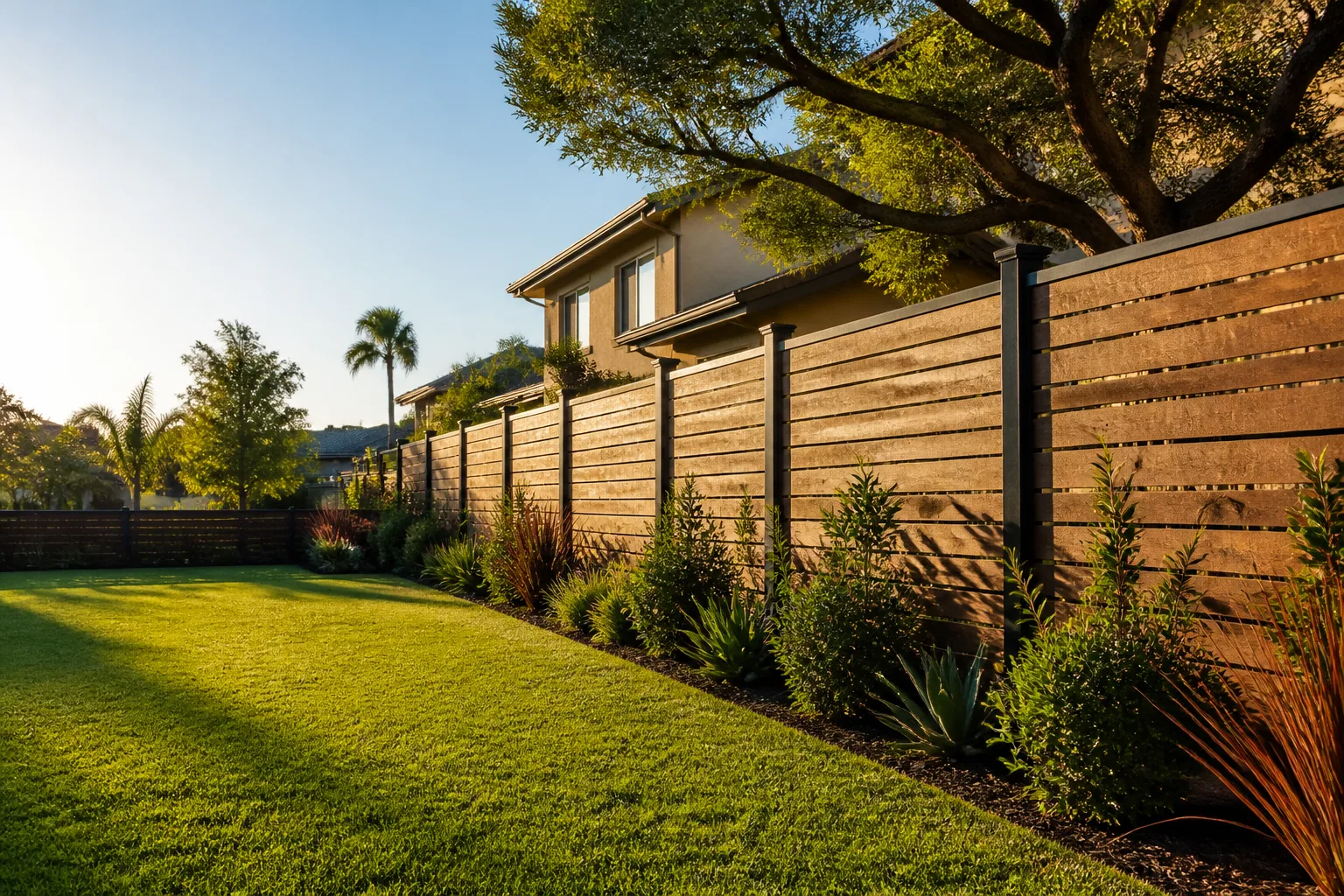
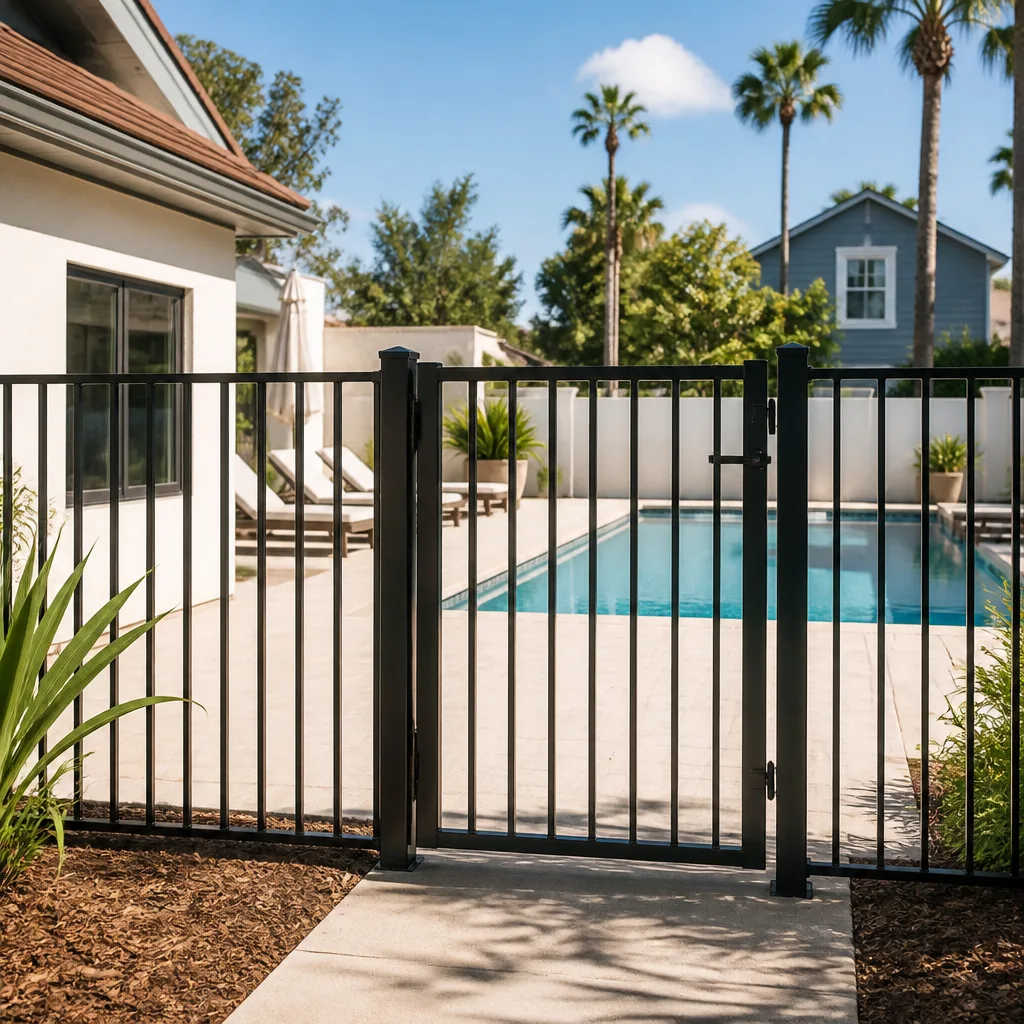
Aluminum vs Wrought Iron Fence in El Monte, CA: Which One Belongs on Your Property?
Choose aluminum unless you specifically want the forged look of wrought iron and are prepared to maintain it. For most El Monte properties, architectural-grade aluminum wins on corrosion resistance, seismic load, and total cost over 20 years. Here’s the honest reasoning, because the right answer depends on what your soil and your lot are actually doing to the posts – not on which metal looks heavier in a showroom.
Wrought iron looks permanent. In a stable, low-humidity, non-alkaline soil environment, it is. El Monte’s clay soil is moderately alkaline and holds moisture at the post base through the wet winter months – the exact condition that starts iron oxidation from the ground up, invisibly, until a post snaps at the soil line. That’s not a maybe. It’s a timeline. If you want a straight read on your own lot before you commit, call (888) 271-7872 and we’ll walk it with you.
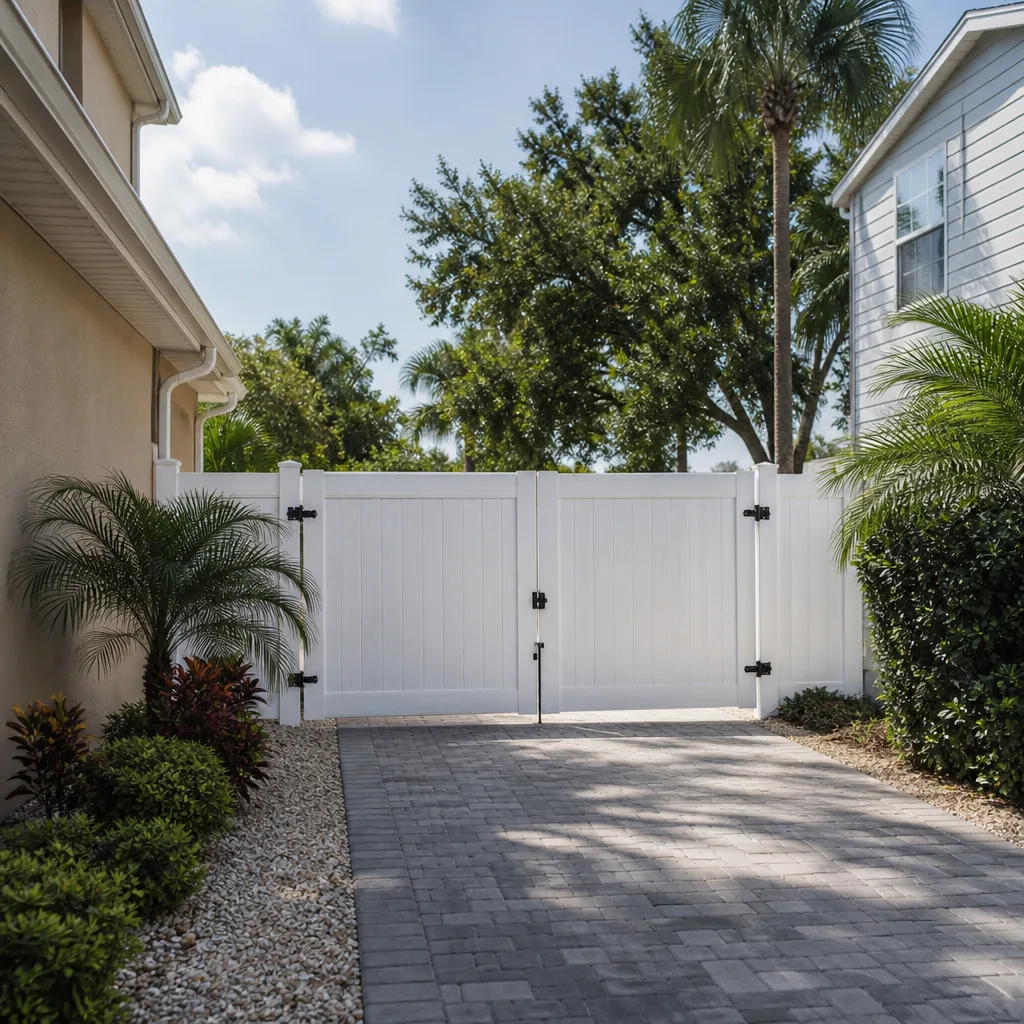
Why El Monte Soil Is Hard on Iron Fences
The failure point on a wrought iron fence isn’t the visible rail or the picket. It’s the post, right where it meets dirt. El Monte sits on clay-heavy soils with a pH that leans alkaline, and those soils stay damp at the base well into spring after winter rains. That combination accelerates ferrous metal oxidation at ground contact. A wrought iron post without galvanic isolation – a barrier between the steel and the surrounding soil – or a proper sacrificial coating starts rusting below grade where you can’t see it.
By the time the rust shows above the surface, the section that carries the load has already thinned. We’ve pulled posts in older El Monte yards where the paint looked fine and the base crumbled in a hand. That’s the mechanism most comparison articles skip: this isn’t a cosmetic problem, it’s a structural one, and it starts underground.
In a dense, built-out suburb like El Monte, where lots are small and the fence line usually runs along a shared property edge, a post that fails is a project you didn’t plan for. Getting the soil-contact detail right on day one is the whole game.
Aluminum Isn’t Just “Aluminum” – Ask for the Grade
“Aluminum fence” covers a wide range, and the grade matters more than the brand label. Architectural-grade 6063-T5 aluminum is what you want specified. It’s extruded for strength and takes a powder coat evenly, which is what holds up under Santa Ana wind events and San Gabriel Valley sun. Residential-grade 6061 shows up in cheaper product and behaves very differently under lateral wind load on a tall ornamental run.
Here’s the spec to ask for in writing, not just “aluminum”:
- Alloy and temper: 6063-T5 architectural grade, stated on the quote.
- Powder-coat thickness: a real film build – not minimum-spec product that chalks and fades after five SGV summers.
- Post wall thickness: heavier wall on gate posts and end posts that carry the load.
- Galvanic isolation at the base: even on aluminum, keep the post base isolated from dissimilar metal and soil contact.
That last point is where a lot of installs quietly go wrong. We specify the grade and the coating thickness instead of taking whatever the supplier has on the rack. Brands like ActiveYards and Bufftech build product that meets a real architectural spec when you ask for it – the difference is in knowing which line to order. The full scope of what we install lives on our Fence Installation page, and the local version with El Monte specifics is at Fence Installation in El Monte.
The Seismic Angle: Lighter Panels, Less Load on Footings
Wrought iron is heavy. A tall ornamental run of iron panels carries real mass, and during a seismic event that mass creates inertial load on the post footings. El Monte sits in a moderate seismic-risk zone, so the lever-arm force a heavy panel puts on a footing as it sways is a genuine engineering consideration – not a scare tactic. Tall iron fencing on shallow footings in clay is the setup you don’t want.
Aluminum panels weigh a fraction of comparable iron. That reduces the lever-arm force on each post footing, which is exactly the kind of margin that matters in a moderate-risk zone on clay soil. It’s the same reasoning we apply to garage and ADU work in El Monte, where the housing stock is often original post-WWII single-story tract construction on compact lots – the structural details you can’t see are the ones that decide how a build holds up.
Cost Over 20 Years: Where the Math Inverts
The initial price makes wrought iron look like the premium, permanent choice. The maintenance bill tells a different story.
| Fence type (El Monte installed) | Installed cost per linear foot | Maintenance over 20 years |
|---|---|---|
| Wrought iron | $80-$120 / LF | Repaint every 5-7 years in SGV UV and coastal-marine air; rust repair at soil line |
| Powder-coated aluminum (architectural grade) | $60-$95 / LF | Essentially none beyond occasional rinse |
Over 20 years, a wrought iron run gets repainted three to four times, plus rust remediation at the post bases that no repaint can undo. Powder-coated aluminum at the architectural grade needs essentially nothing past an occasional rinse, because the powder coat is the finish and the substrate doesn’t corrode. That recurring iron maintenance bill is what often erases the initial price gap – sometimes more than erases it. If you want to see where your project lands on the full spectrum, our Fence Installation in El Monte service range covers aluminum from $4,000-$10,000 and vinyl from $3,500-$9,000, with the broader fence install range for the area sitting at $3,500-$9,000.
Whichever metal you pick, we price it upfront – the number you see is the number you pay – and every install is covered by our 730-Day Done Right Promise. That guarantee covers the installation, not just the material, which is where a lot of fence jobs actually fail.
Quick Comparison at a Glance
- Corrosion: Aluminum wins – it doesn’t rust at soil contact; wrought iron oxidizes from the base up in El Monte’s alkaline clay.
- Seismic load: Aluminum wins – lighter panels mean less lever-arm force on footings in a moderate-risk zone.
- Maintenance: Aluminum wins – powder coat holds; iron needs repainting every 5-7 years.
- Look: Iron wins if you want true forged mass; high-end aluminum castings get close but aren’t identical.
- Upfront cost: Iron is higher ($80-$120/LF) versus aluminum ($60-$95/LF).
- Best aluminum grade: 6063-T5 architectural, with real powder-coat film build.
So Which Should You Actually Choose?
Pick architectural-grade aluminum for anything running along a soil contact that stays damp, any tall ornamental run on clay, and any fence you don’t want to think about for the next decade. Reach for wrought iron only if you want the forged look badly enough to accept the repaint cycle and the base corrosion risk – and even then, insist on galvanic isolation at every post.
This is the same reasoning we bring to every fence job, and it fits with the way we handle the rest of a home – kitchen remodeling, bathroom remodeling, roofing, windows and doors, and driveway and pavers – where the details you can’t see decide how long the work lasts. We bring the same grade-and-spec discipline to an El Monte fence line.
FAQs
Aluminum is the better choice for most El Monte properties because its corrosion immunity and lighter post load suit the city’s alkaline clay soil and moderate seismic exposure. Wrought iron is only the right call if you want the forged look and will commit to repainting every 5-7 years.
Installed, wrought iron runs about $80-$120 per linear foot and powder-coated architectural aluminum runs about $60-$95 per linear foot. Over 20 years the iron repaint cycle usually erases that gap, so call (888) 271-7872 for an exact quote on your lot – estimates are free.
It can, and the base is where it fails first. El Monte’s clay soils stay damp and run alkaline at the post base, which accelerates ferrous oxidation right at the soil line – often before rust shows above grade. Galvanic isolation and a real sacrificial coating are the mitigations.
Ask for 6063-T5 architectural-grade aluminum with a stated powder-coat film build. Residential-grade 6061 and minimum-spec product handle Santa Ana wind load and SGV UV far less well, and cheap coatings chalk and fade within a handful of summers.
Get a Straight Read on Your Fence Line
If you’d rather have it looked at, Groundwork Construction Co. of El Monte offers a no-pressure assessment in El Monte – call (888) 271-7872. We’ll tell you which metal fits your soil, grade the aluminum spec, and give you an upfront price. Live person, 24/7, and a 730-Day Done Right Promise behind the install.
Written by the team at Groundwork Construction Co. of El Monte, serving El Monte, CA.