
Free written scope consultation - allowances, timeline, and change-order rules on paper before a single trade is scheduled
Styles & brands we work with
- Kitchen remodeling
- Bathroom remodeling
- Home additions & ADU
- Roofing
- Windows & doors
- Driveway & pavers
- Fence
See the difference
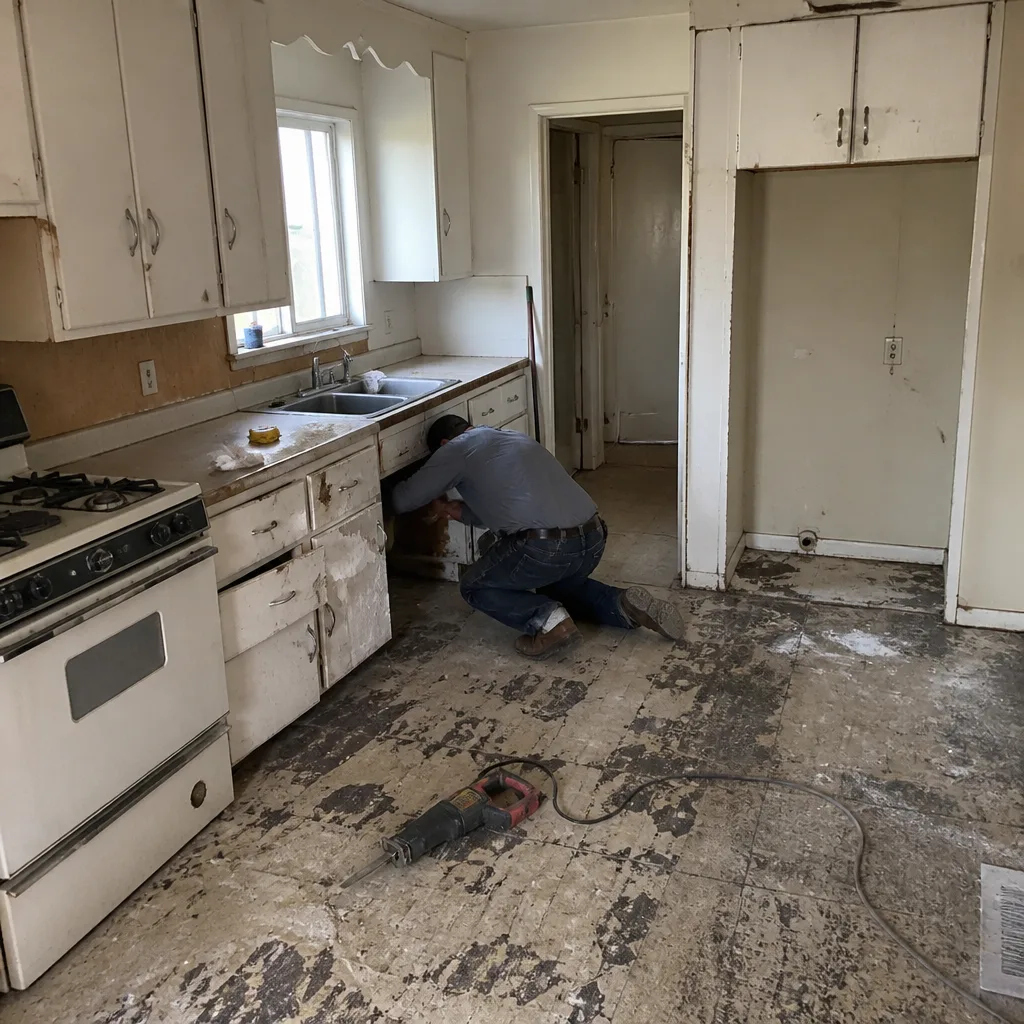 Before
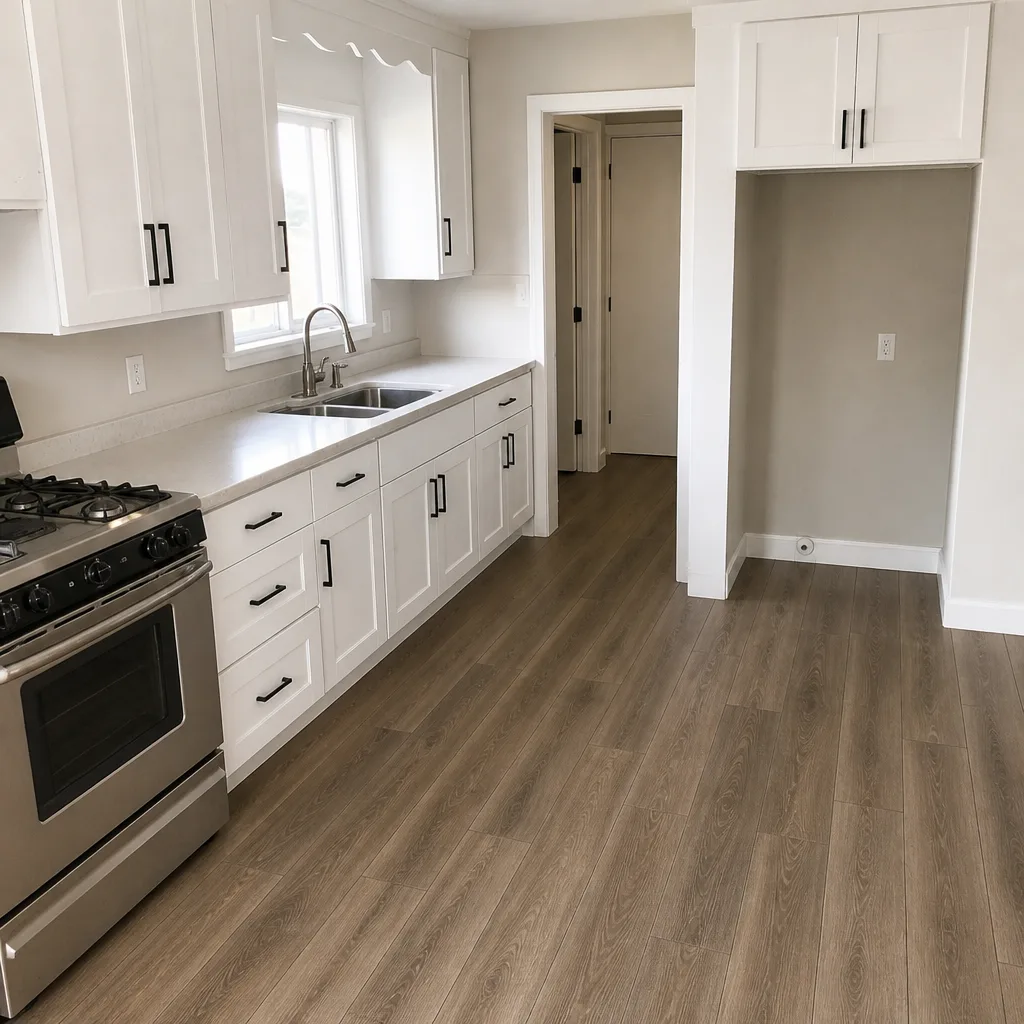 After
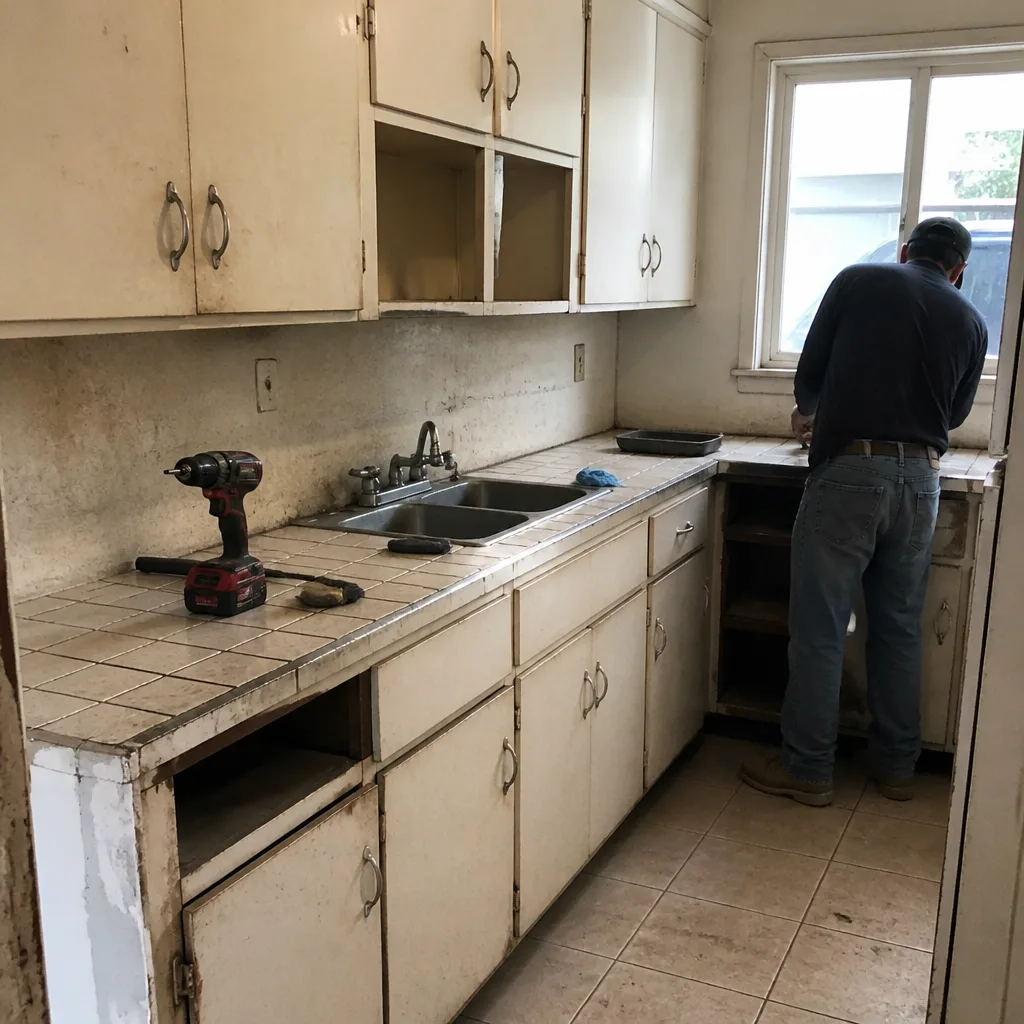 Before
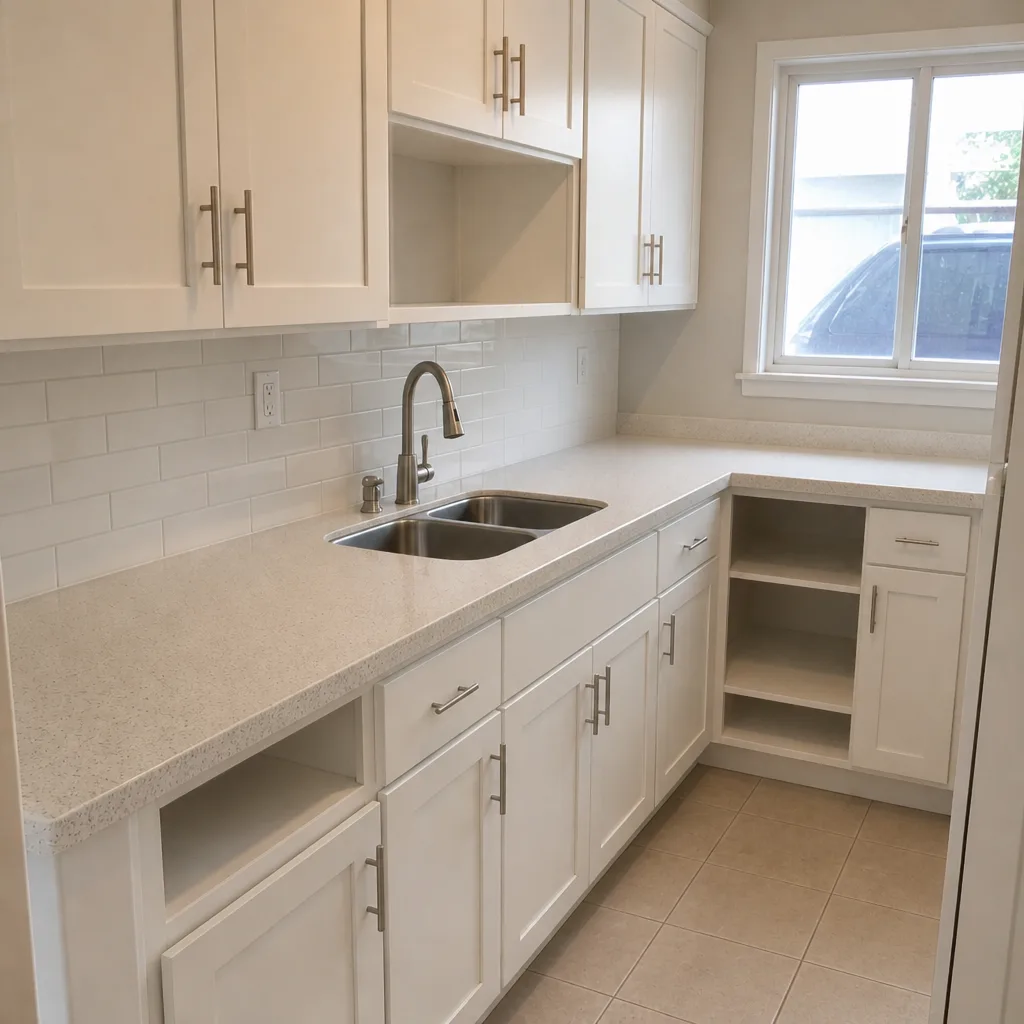 After
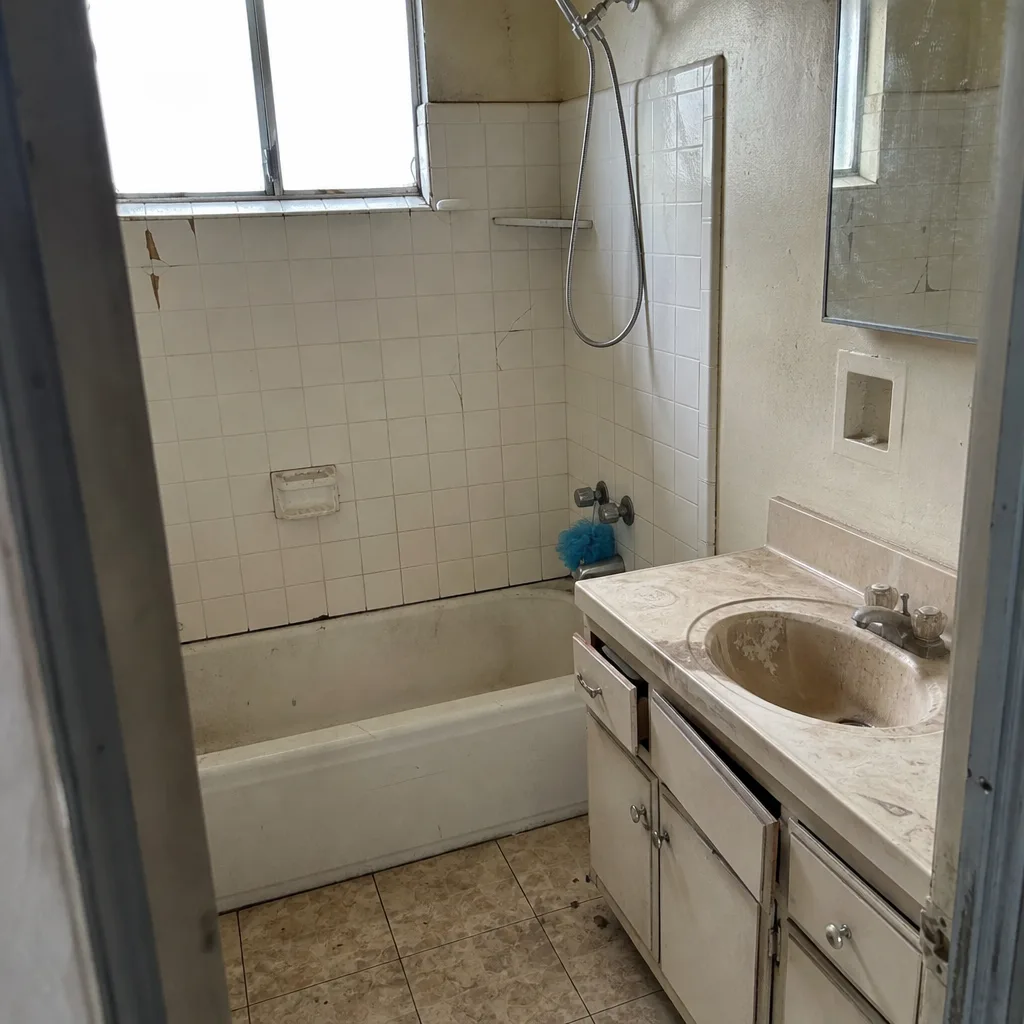 Before
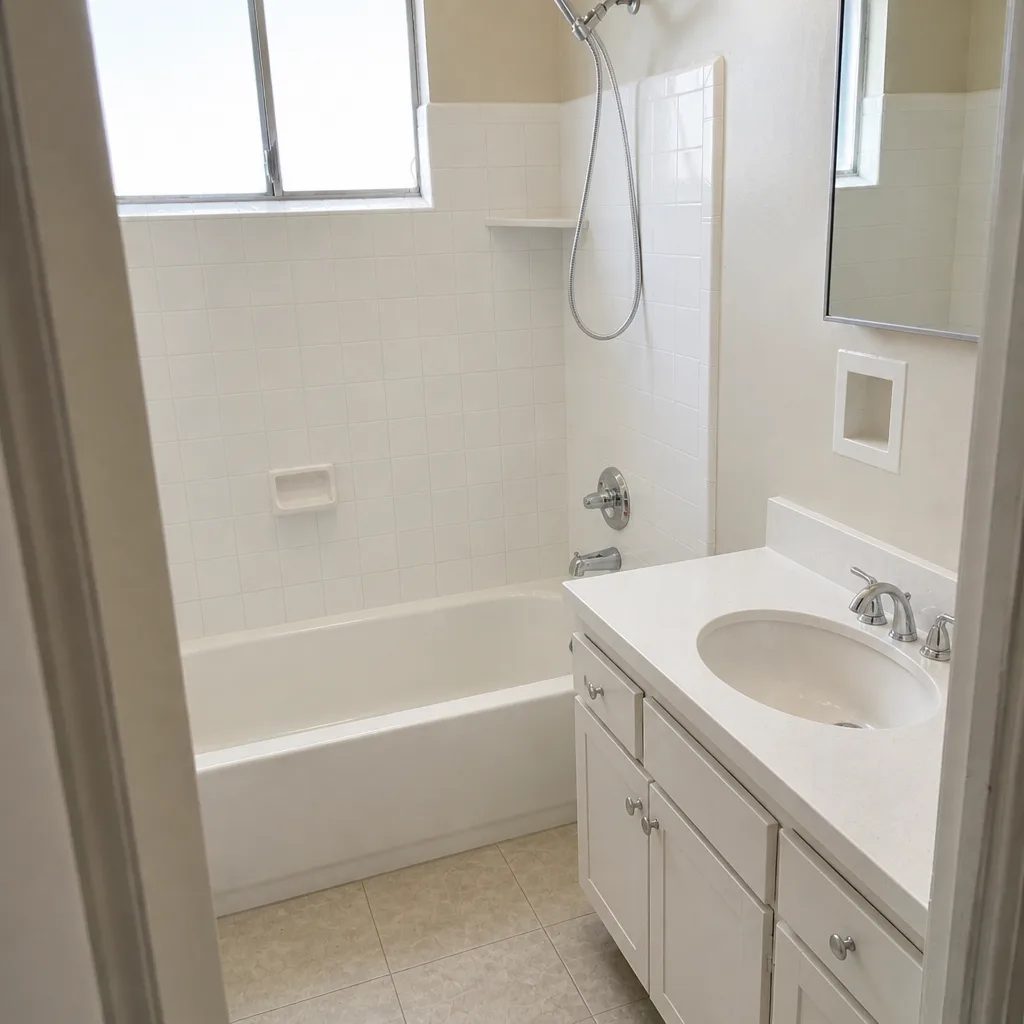 After
HVHZ Window Requirements Explained (And What Actually Applies in El Monte, CA)
HVHZ stands for High-Velocity Hurricane Zone, a Florida Building Code designation that covers only Miami-Dade and Broward counties and does not apply anywhere in California, including El Monte. Windows installed in El Monte fall under the California Building Code, which substitutes its own testing matrix: Design Pressure ratings under ASTM E330, water resistance under ASTM E331, air infiltration control under ASTM E283, plus NFRC-verified figures for Title 24 energy compliance. If a window pitch leans on HVHZ certification as a reason to buy here, ask to see which California standard the product actually meets. Call (888) 271-7872 and we’ll walk you through it.

What HVHZ certification actually means, and why it matters in a non-hurricane market
HVHZ is a geographic designation, not a product grade. Florida law treats it that way. A window sold as “HVHZ certified” has passed a specific approval pathway that only applies to buildings inside that zone, mainly because the risk profile there is sustained hurricane wind and airborne debris. El Monte sits in a hot, dry San Gabriel Valley basin where the real loads on your windows come from sun exposure, Santa Ana wind events, clay-heavy soil, and seismic movement. Same window, different physics. Serving El Monte, we get asked about HVHZ labels most often by homeowners who saw the term on a sales flyer or in a big-box display tag and want to know if it means “better.”
What the HVHZ test battery actually involves
The rigorous part of HVHZ approval comes down to two tests. The large-missile impact test fires a 9-pound 2×4 at the glazing at 50 feet per second, simulating debris flung by hurricane winds. The cyclic pressure test subjects the frame and glass assembly to roughly 9,000 pressure cycles that mimic the on-off loading of a hurricane gusting over hours. Both tests are genuinely demanding, which is exactly why a contractor working outside Florida will sometimes borrow the language as a quality proxy.
Here’s the honest read: passing those tests doesn’t tell you the window meets California’s structural, water, and energy requirements. It tells you the unit is tough. Those are different claims.
What California actually requires of a window in El Monte
El Monte’s building department operates under the California Building Code, and the compliance conversation for replacement windows runs through four standards, not the two Florida tests.
- ASTM E330 – structural performance under positive and negative design pressure (DP). The DP rating is the number that tells you how much wind load the unit is engineered to resist at the site’s exposure category.
- ASTM E331 – water resistance. Matters more than most homeowners realize in an area with periodic heavy rain and wind-driven storms.
- ASTM E283 – air infiltration. Leaky windows are the single biggest comfort complaint we hear on El Monte remodels of older single-story tract homes.
- NFRC labels – verified Solar Heat Gain Coefficient (SHGC) and U-factor, which the Title 24 energy compliance documentation depends on. In a hot, dry valley summer, SHGC is the number that determines how much heat gets through the glass.
The other requirement HVHZ doesn’t address: seismic performance. California windows need to maintain function after wall racking in a seismic event, and certain laminated glass configurations serve dual duty, meeting impact and seismic criteria at once. That’s a real overlap worth asking about, but it is not the same thing as an HVHZ certification. Products from established manufacturers like Andersen and Marvin are tested and specified for California seismic conditions, and that documentation travels with the product.
What to look for when a contractor cites HVHZ in El Monte
Ask a simple question: which standard is this window certified to, and can I see the paperwork? A seasoned window professional in El Monte should be able to tell you the DP rating, walk you through the NFRC label, and confirm the product is listed on the California Energy Commission’s certified products directory so your Title 24 compliance is clean. If they can only speak in hurricane terms, that’s a signal.
When you’re comparing bids for Windows & Doors work around El Monte, here’s a short checklist to run through:
- Ask for the DP rating and confirm it meets or exceeds the design pressure requirement for your address.
- Request the NFRC label or a spec sheet showing SHGC and U-factor values for the exact glazing package being quoted.
- Ask whether the installer has the Title 24 compliance paperwork ready to hand over at final walkthrough.
- Confirm the manufacturer (Andersen, Pella, and similar brands all publish this) tests the product to California seismic criteria.
On the price side, window replacement in El Monte runs $4,500-$15,000 depending on window count, size, and whether the house is in the 1940s-60s tract stock that dominates the older parts of town. Larger impact window installation packages run $8,000-$25,000. Upfront pricing means the number on the bid is the number you pay, and every project is backed by our 730-Day Done Right Promise, which covers the installation assembly, not just the glass unit.
How we approach window work in El Monte
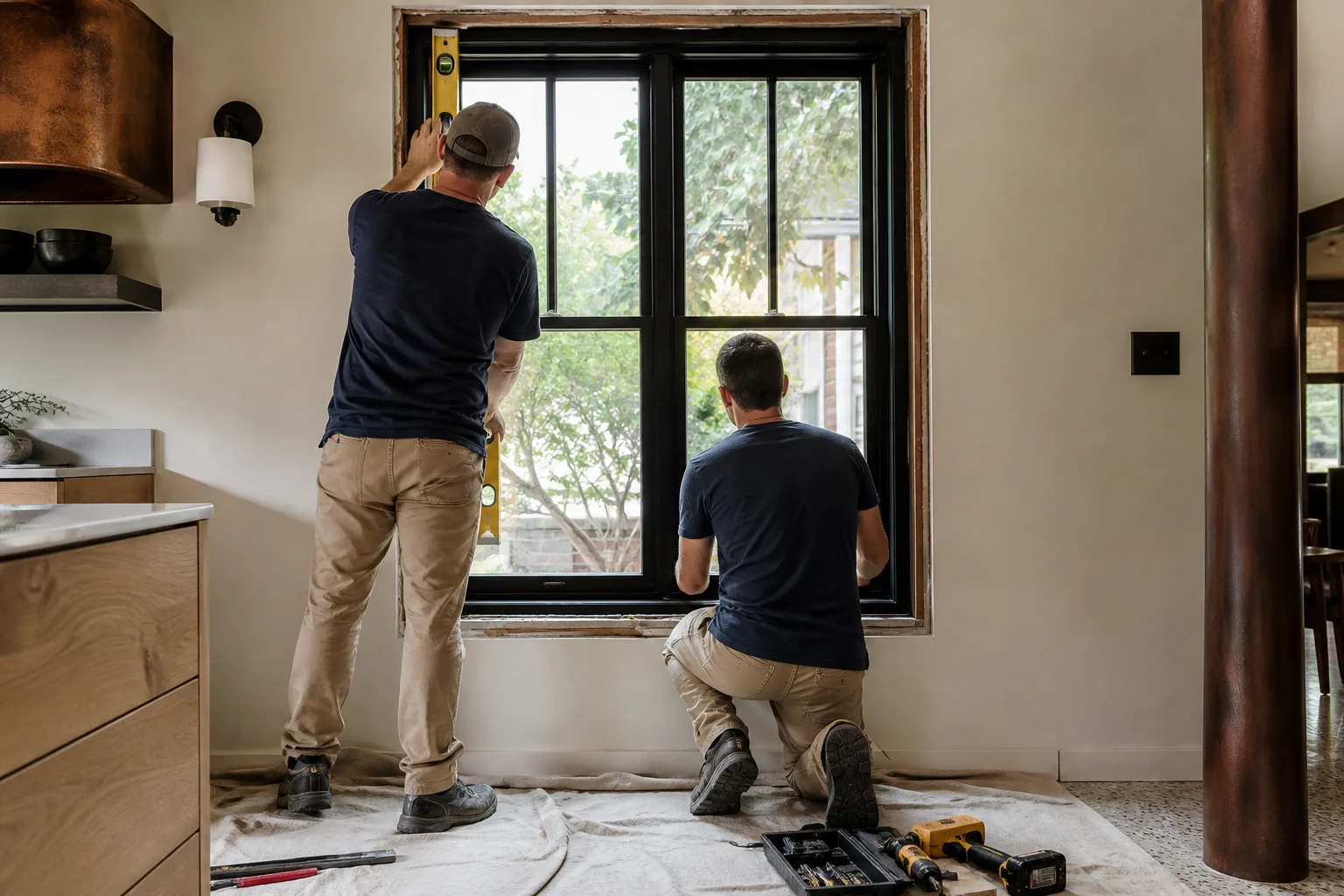
The residential construction in El Monte is nearly all infill: garage conversions, second-unit additions, and remodels on tight lots where the setback math has to be right before anything else. Windows on those jobs sit in walls that get framed, flashed, and finished to a specific local detail, which is why our technicians have up to 12 years of experience in exactly this kind of work. When you’re planning a project and want to know what a window spec really means, the Groundwork Construction Co. of El Monte team can translate the jargon into a straight answer. You can also see the wider scope of work we handle across the El Monte service area.
What documents come with the install?
Every window project we manage should hand you the NFRC label, the manufacturer’s DP certification for the specified product, and the Title 24 compliance form, all in writing. If something fails inspection, the paperwork tells you exactly what standard was supposed to be met and who is accountable. That’s the standard we hold ourselves to, and it takes the guesswork out of a decision that’s already confusing enough.
Common questions we get about HVHZ and California windows
Does HVHZ certification matter for a window installed in El Monte?
No. HVHZ is a Florida Building Code designation that applies only to Miami-Dade and Broward counties, and it has no legal or code status in El Monte or anywhere in California. It doesn’t hurt a window to be HVHZ-rated, but it isn’t the certification your building department cares about.
What’s the California equivalent of HVHZ certification?
There’s no single equivalent. California’s compliance for windows is spread across multiple standards: ASTM E330 for structural performance, ASTM E331 for water resistance, ASTM E283 for air infiltration, NFRC-verified SHGC and U-factor for Title 24, and seismic performance criteria that apply on top of the energy and structural requirements. A window for El Monte needs to satisfy all of those, not just one.
Do HVHZ-rated windows also work in seismic zones?
Not necessarily, and that’s the part most homeowners miss. HVHZ testing addresses wind debris impact and cyclic wind pressure; it doesn’t speak to how the unit performs after wall racking. Certain laminated glass packages do both, but you need the manufacturer’s seismic documentation specifically, not a hurricane certification.
Can I replace windows that were originally hurricane-rated?
Yes, and usually you’ll want to. If a window in an El Monte home carries an HVHZ rating from an earlier installation, the current replacement should be specified to California code, with the correct DP rating for your site and NFRC values that satisfy Title 24. We can walk you through what the replacement should look like and what documents you should receive at completion.
If you’d rather have it looked at, Groundwork Construction Co. of El Monte offers a no-pressure assessment in El Monte. We’ll review your existing windows, the code standards that apply, and the documents that should come with a proper install. Call (888) 271-7872 for a free estimate.
Written by the team at Groundwork Construction Co. of El Monte, serving El Monte, CA.