
Free written scope consultation - allowances, timeline, and change-order rules on paper before a single trade is scheduled
Styles & brands we work with
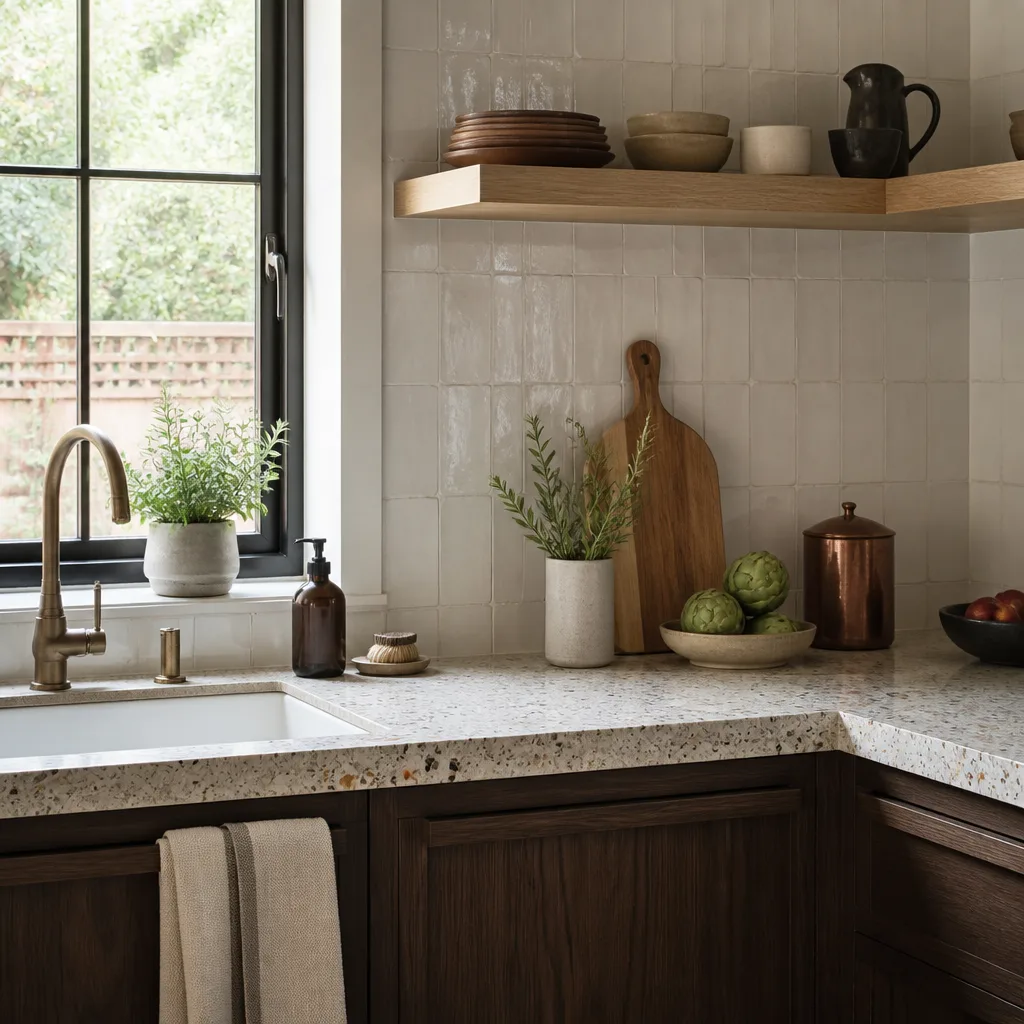
- Kitchen remodeling
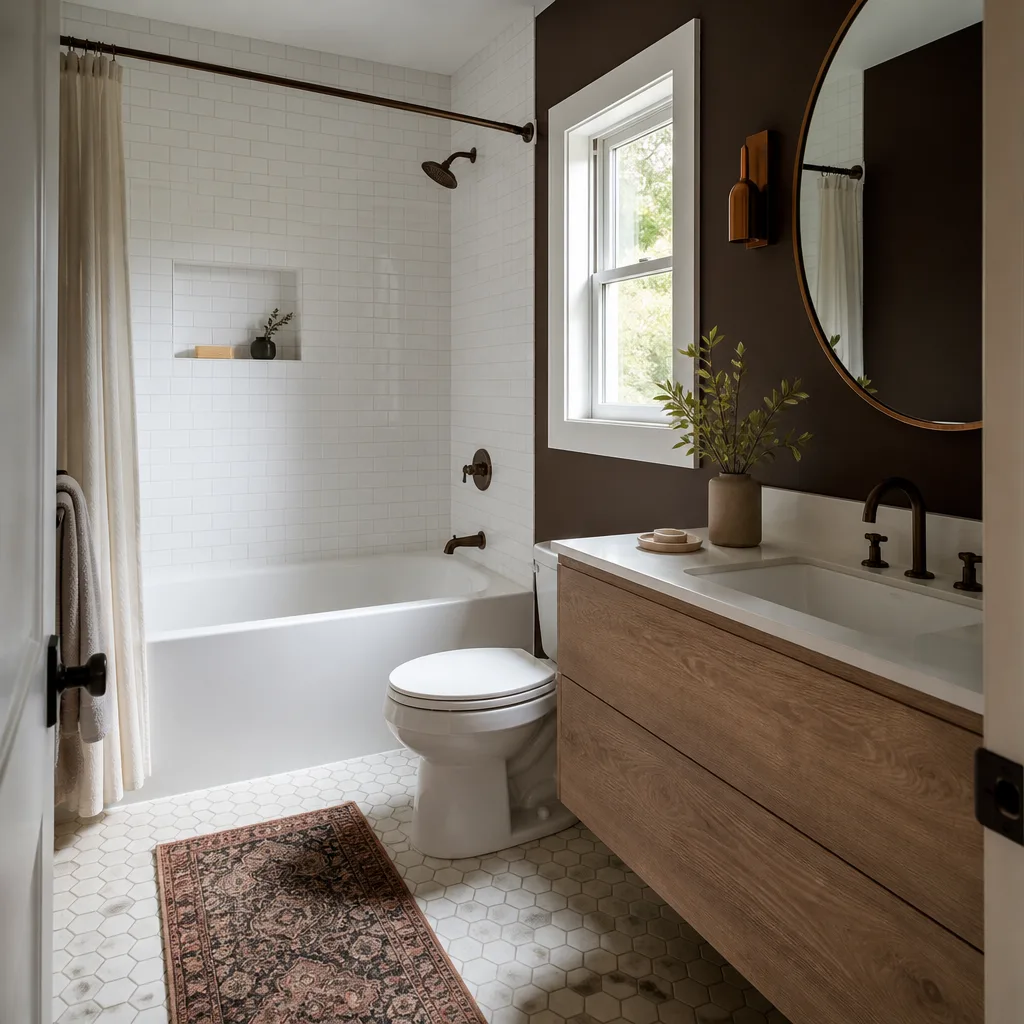
- Bathroom remodeling
- Home additions & ADU
- Roofing
- Windows & doors
- Driveway & pavers
- Fence
See the difference
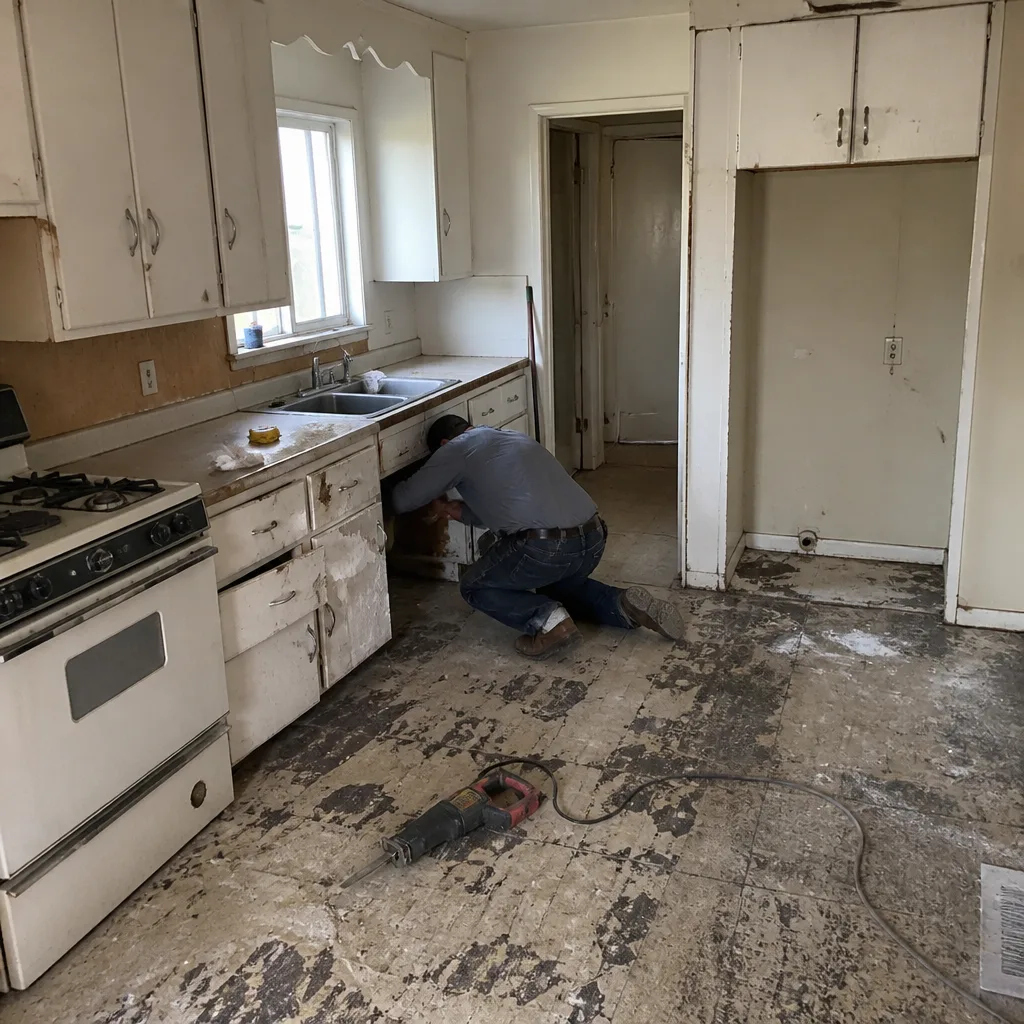 Before
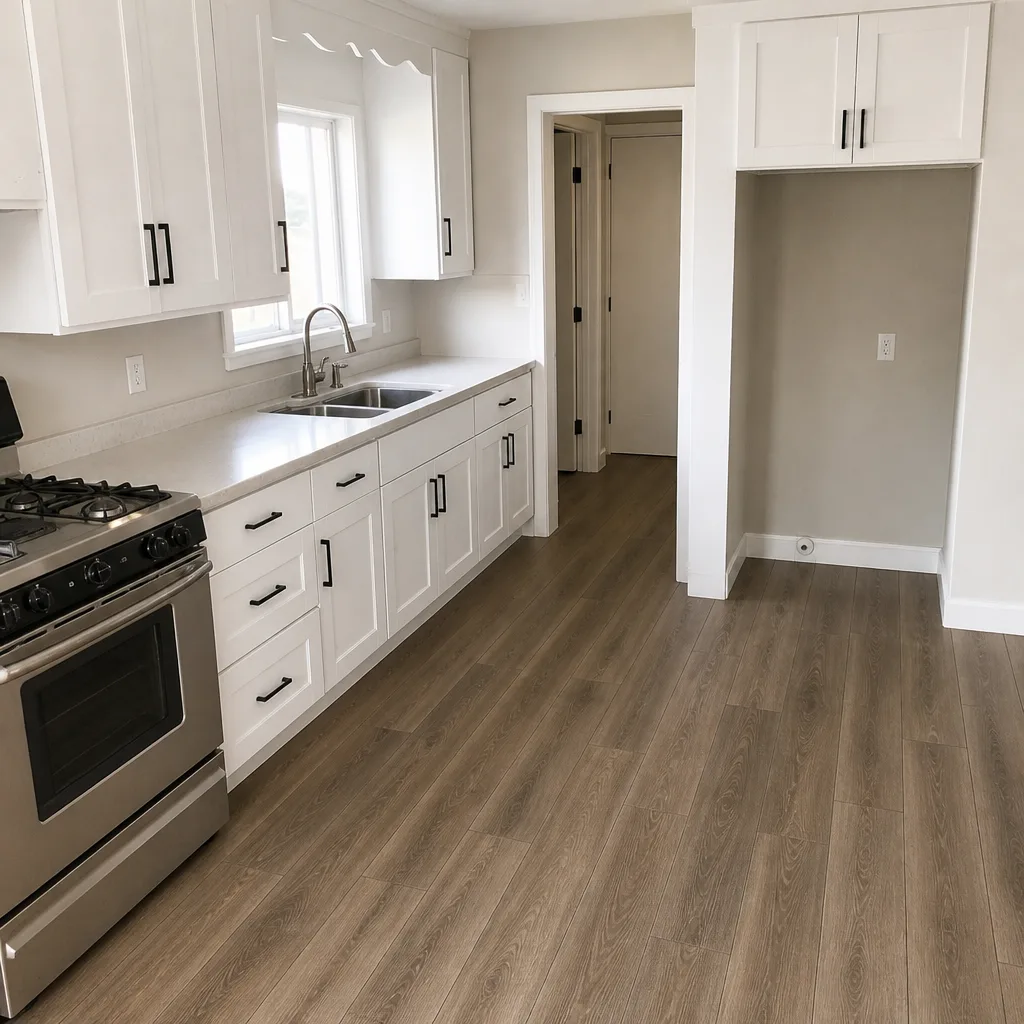 After
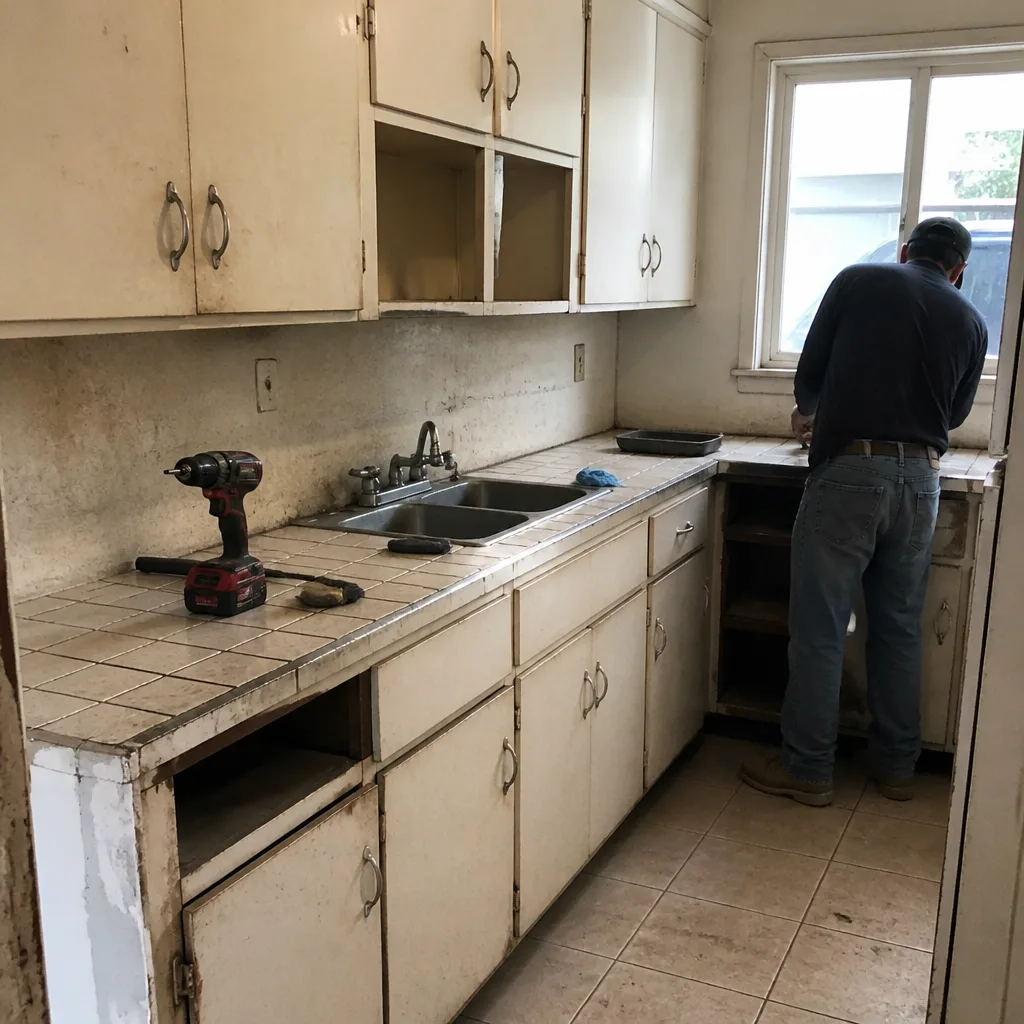 Before
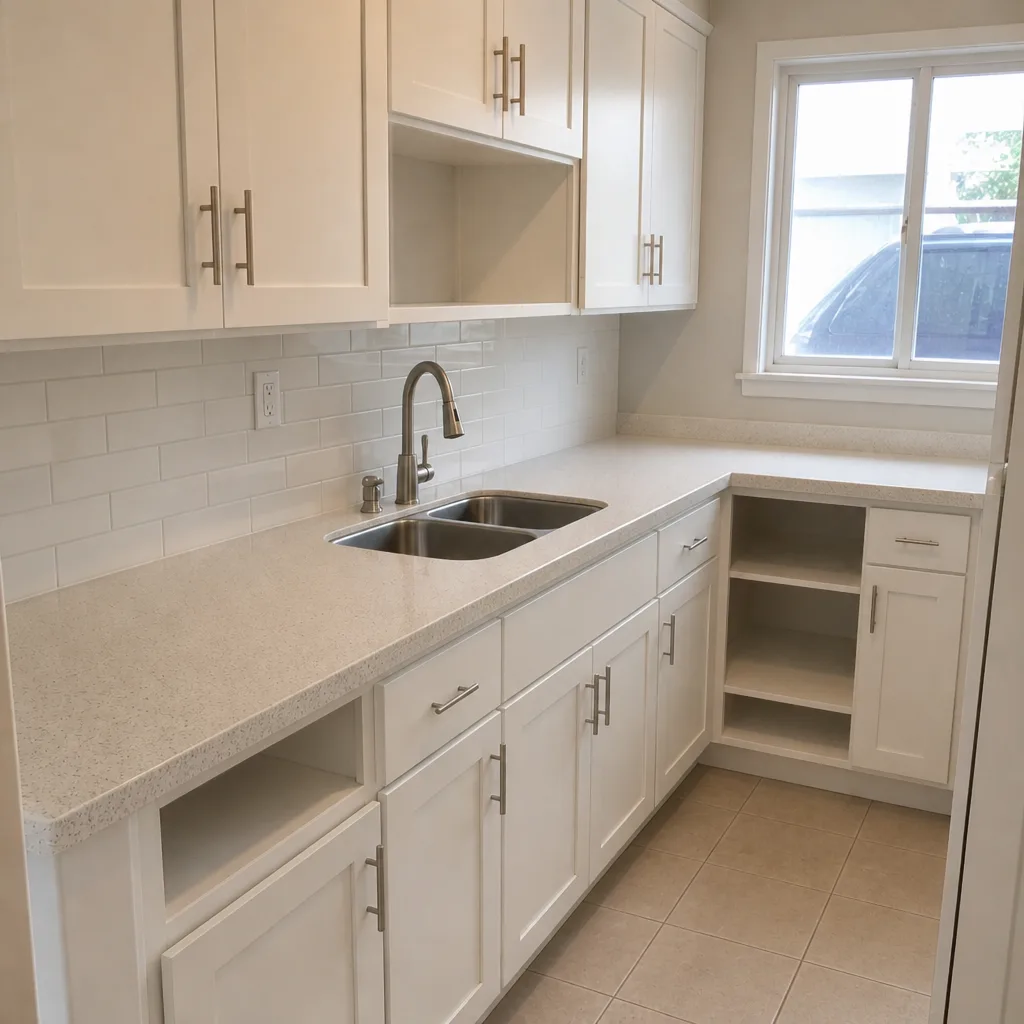 After
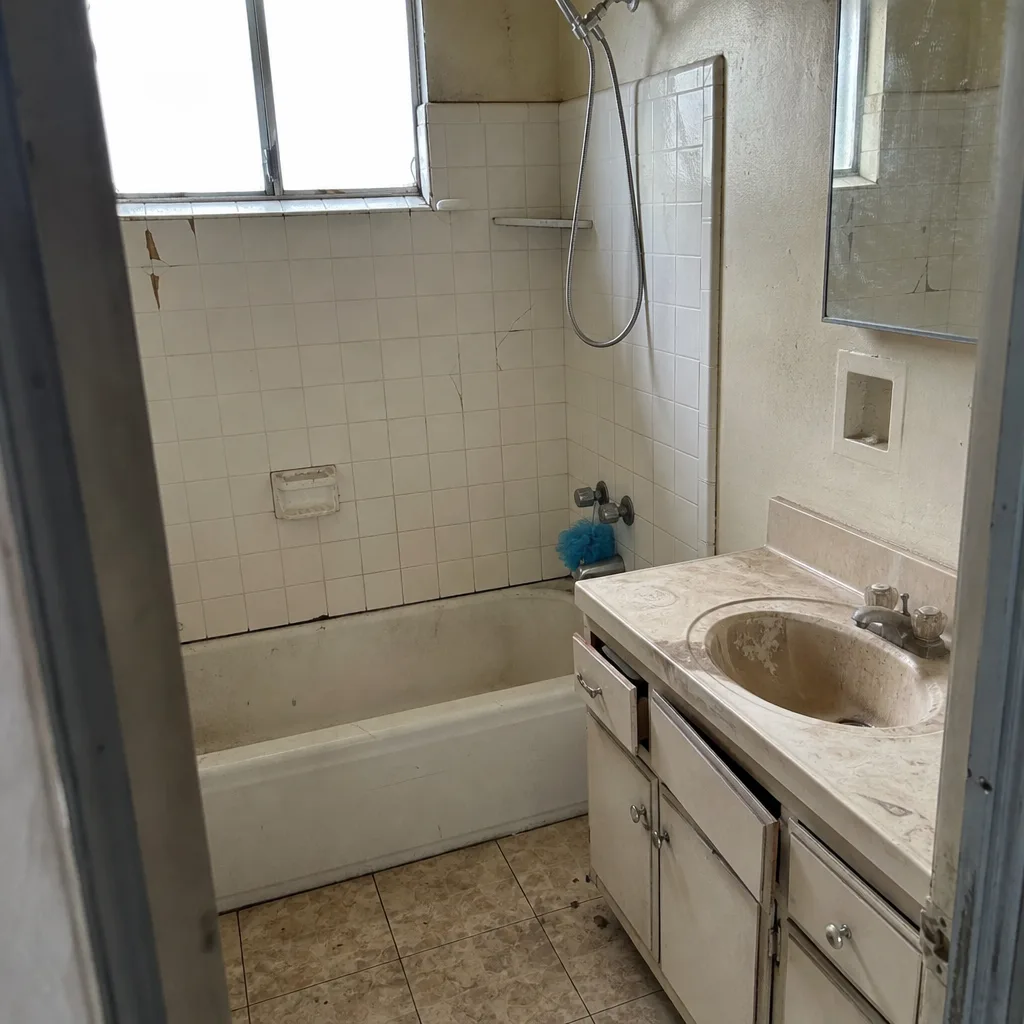 Before
 After
Impact vs Hurricane-Proof vs Storm-Rated Windows in El Monte, CA: What Each Term Actually Means
They are not synonyms. “Impact-resistant” is a performance classification tied to specific test standards, “storm-rated” usually refers to a Design Pressure (DP) rating under AAMA/WDMA standards, and “hurricane-proof” isn’t a building code classification anywhere - it’s a marketing phrase with no legal weight in an El Monte permit set. In El Monte, what your plan-check reviewer actually wants to see is CBC-compliant DP ratings under ASCE 7, not a Miami-Dade NOA number. If a salesperson is quoting Florida hurricane credentials for a San Gabriel Valley job, they’re selling you a standard the city won’t require and won’t accept as a substitute for California compliance documentation. Call Groundwork Construction Co. of El Monte at (888) 271-7872 if you’d rather have someone walk you through the paperwork directly.
Key Takeaways
- “Hurricane-proof” is not a recognized building code term anywhere. Treat it as marketing language.
- “Impact-resistant” in Florida’s High-Velocity Hurricane Zone (HVHZ) means the product passed Miami-Dade large-missile and cyclic-pressure testing - a Florida-specific credential.
- “Storm-rated” is the term that maps to real California documentation: DP (Design Pressure) ratings under AAMA/WDMA standards appear in your CBC compliance package.
- El Monte’s actual wind exposure is episodic Santa Ana events that can push valley-floor gusts past 60 mph. A DP35 or DP50 unit with laminated glazing handles that within California code.
- Seismic racking performance is a California dimension that Florida impact standards don’t test for - and El Monte sits in a moderate seismic exposure zone.
Why the Vocabulary Gap Costs El Monte Homeowners Money
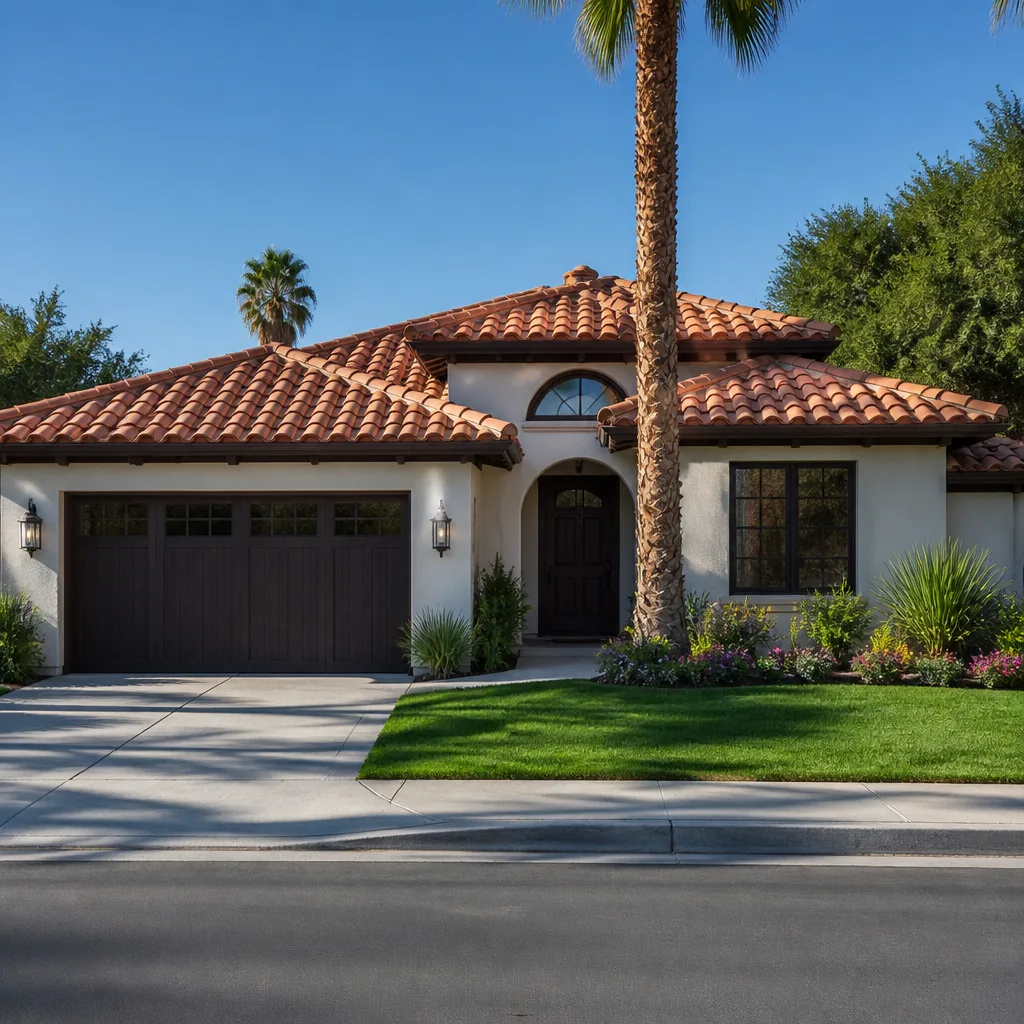
The San Gabriel Valley’s real threat environment is not a hurricane. It’s hot, dry summers, periodic Santa Ana wind events, clay-heavy soils, and moderate seismic movement. El Monte’s housing stock - mostly post-WWII single-story tract homes and small stucco bungalows on compact lots - was built decades before modern glazing performance standards existed, which is why so many of these homes are candidates for window replacement in the first place.
What happens in practice: a homeowner gets three quotes. One contractor pitches “hurricane-proof” windows with a Florida NOA number. Another offers “impact glass.” A third hands over a spec sheet with a DP rating and nothing else. All three sound like they solved the same problem. They haven’t. Only one of those quotes is going to clear El Monte plan-check without a back-and-forth, and only one gives you documentation your insurance carrier or future buyer can actually read.
The Three Terms, Defined Precisely
1. Hurricane-Proof
No building code anywhere recognizes a “hurricane-proof” window. There is no test protocol, no certification body, and no compliance pathway attached to the phrase. It’s shorthand that salespeople use to signal “this window handles high wind.” A window can be genuinely strong and still not be “hurricane-proof” - because nothing is, and no code says otherwise. When you see that phrase on a brochure, ask what the actual DP rating and test standard are. If the answer is vague, you’ve learned something.
2. Impact-Resistant (Florida HVHZ Context)
In Florida’s High-Velocity Hurricane Zone - essentially coastal Miami-Dade and Broward counties - “impact-resistant” carries real legal weight. It means the product passed large-missile impact testing and cyclic pressure testing and received a Miami-Dade Notice of Acceptance (NOA). That’s a rigorous credential. It’s also a Florida credential. The El Monte building department doesn’t ask for it, doesn’t require it, and won’t accept it in place of California compliance documents. Buying an HVHZ-certified window for an El Monte address isn’t wrong, exactly - it’s just paying for a standard your jurisdiction doesn’t test against.
3. Storm-Rated (DP Ratings Under AAMA/WDMA)
This is the term that matters for a California permit. DP ratings are assigned under AAMA/WDMA performance standards and describe how much uniform pressure a window can withstand before structural failure, water infiltration, or air leakage exceeds the standard. In El Monte, the DP rating appropriate for your specific installation is calculated under ASCE 7 based on the building’s height, exposure category, and the local wind speed map. That calculation is what shows up in the CBC compliance documentation your permit set requires. When a plan-check reviewer in El Monte opens your submittal, the DP rating and NFRC label are what they’re looking for.
What El Monte’s Plan-Check Reviewer Actually Wants
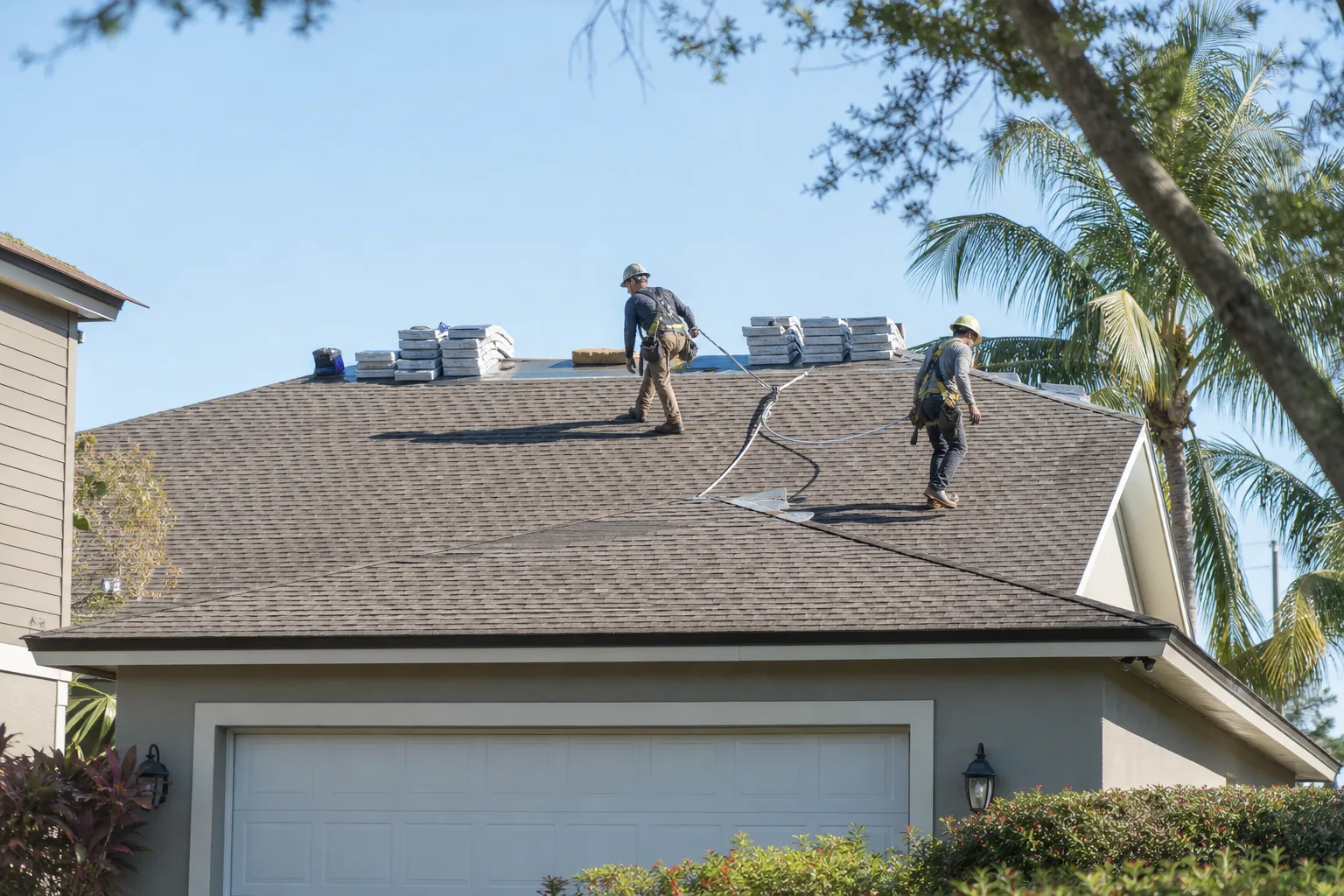
Here’s the practical sequence. You submit a window replacement permit. The reviewer pulls the wind load calculation under ASCE 7. They look for the product’s DP rating and confirm it meets or exceeds the calculated demand. They check the NFRC label for U-factor and SHGC (important for California Title 24 energy compliance, which is a separate requirement from wind). If those documents are present and consistent, the permit moves. If they’re missing, or if the submittal is full of Florida NOA references with no California wind load calculation attached, you get a correction notice and a delay.
This is where the seismic dimension becomes real. El Monte sits in a moderate seismic exposure zone. Window frames have to handle deflection under racking loads - the lateral movement a building experiences during seismic events. Florida impact standards don’t test for that. A California-specified window from a maker like Andersen or Marvin includes seismic performance documentation that a Florida-sourced impact unit may simply not carry. You’re not choosing between “wind-safe” and “seismic-safe.” You’re choosing between a product with documentation that covers both California requirements and one that covers neither fully.
Sourcing matters as much as specification. Brands like Andersen and Marvin publish full NFRC and DP documentation, which means the compliance package goes together without guesswork. We carry those lines precisely because El Monte plan-check requires documentation, not assurances. You can see the full product range on our Windows & Doors page.
What This Means for Cost in El Monte
Pricing for a window project in El Monte depends on product line, glazing, quantity, and whether seismic or Title 24 requirements add specification complexity. Here are the ranges we quote:
| Project Type | Typical Range |
|---|---|
| Window Replacement (standard) | $4,500-$15,000 |
| Impact Window Installation | $8,000-$25,000 |
A few things drive where you land in those ranges. Older single-story homes on compact lots frequently have non-standard rough openings that require framing adjustments - a real cost in El Monte specifically, because so much of the stock is 1940s-1960s tract construction. Homes with original aluminum single-pane windows often need the opening reworked, not just a like-for-like swap. Tile roofs and stucco exteriors also add trim work that interior-drywall markets don’t see.
Groundwork offers upfront pricing, no surprises - the number you see is the number you pay. Projects over $10,000 qualify for $1,000 off, and we offer 0% financing for 18 months. Every installation is backed by our 730-Day Done Right Promise: if a window leaks, sticks, or the flashing fails within that window, we come back and make it right. That’s one of the longest workmanship guarantees in the residential construction space, and it exists because we know California installers get tested by Santa Ana season.
The One Question That Separates a Real Contractor From a Sales Pitch
Ask any window company this: “What DP rating are you specifying, and what’s the ASCE 7 wind load calculation for my address?” If they can answer in specifics - and hand you NFRC documentation with matching ratings - you’re talking to someone who builds to California code. If they pivot to “hurricane-proof” language, Miami-Dade references, or “it’s the strongest glass made,” you have your answer. We work exclusively in the San Gabriel Valley, so we walk into El Monte permits with a calculator and a submittal that clearing plan-check is a routine matter. Our technicians have up to 12 years of experience and are background-checked, arriving in uniform on every job. Live people answer our phones 24/7.
For a broader view of how we handle full-scope window and door projects, visit our home page or our El Monte service area page.
FAQs
No. El Monte’s code jurisdiction does not recognize a “hurricane-rated” classification, and the actual threat is episodic Santa Ana wind events, not sustained hurricane conditions. What you need is a window with a DP rating appropriate to your building’s ASCE 7 wind load calculation and compliant with CBC documentation requirements. A DP35 or DP50 unit with laminated glazing handles valley-floor wind events that can exceed 60 mph, and that spec clears plan-check in El Monte. Call us for an exact spec review - the estimate is free.
No. Impact glass in a Florida context refers to products that passed Miami-Dade large-missile and cyclic-pressure testing and hold an NOA. Storm-rated in California means the product has a documented DP rating under AAMA/WDMA standards and an NFRC label. They’re different certifications and only one appears in an El Monte permit set. The estimate process will clarify which spec applies to your address.
Yes, and it’s the California requirement most Florida standards ignore. El Monte’s moderate seismic exposure means frames need deflection capacity under racking loads - lateral movement during seismic events - and Florida HVHZ testing doesn’t measure that. When we specify a California window from makers like Andersen or Marvin, the seismic performance data comes with the product. Live people answer the phone for this conversation; call (888) 271-7872.
Standard window replacement in El Monte runs $4,500-$15,000, while impact window installation typically ranges $8,000-$25,000 depending on glazing, quantity, and whether your older home needs rough-opening framing work. We offer a free project estimate and design consult - no pressure, no vague ballpark. Call (888) 271-7872 to schedule it, and bring your old window labels or photos if you have them.
Ready to Sort the Terminology Once and For All?
If you’ve been collecting quotes and the language doesn’t add up, that’s your signal. Groundwork Construction Co. of El Monte offers a no-pressure assessment in El Monte - we’ll review your specific address’s wind load calculation, specify the right DP rating, and produce the documentation your permit needs without the Florida marketing detour. Call (888) 271-7872 for a free estimate.
Written by the team at Groundwork Construction Co. of El Monte, serving El Monte, CA.